

All-in-One Bracelet Making Supplies: Everything You Need to Start
What bracelet making supplies do you actually need to get started?
The short answer: beads, the right cord, a few basic tools, and something to keep your beads from bouncing across the table. That's it. Most people overcomplicate the supply list, or spend an afternoon at three different stores piecing everything together. A good all-in-one bracelet making kit handles the whole list before you even open it.
Here's the full checklist, piece by piece, so you know exactly what you're looking for and why each item matters.
What beads should you use for a bracelet?
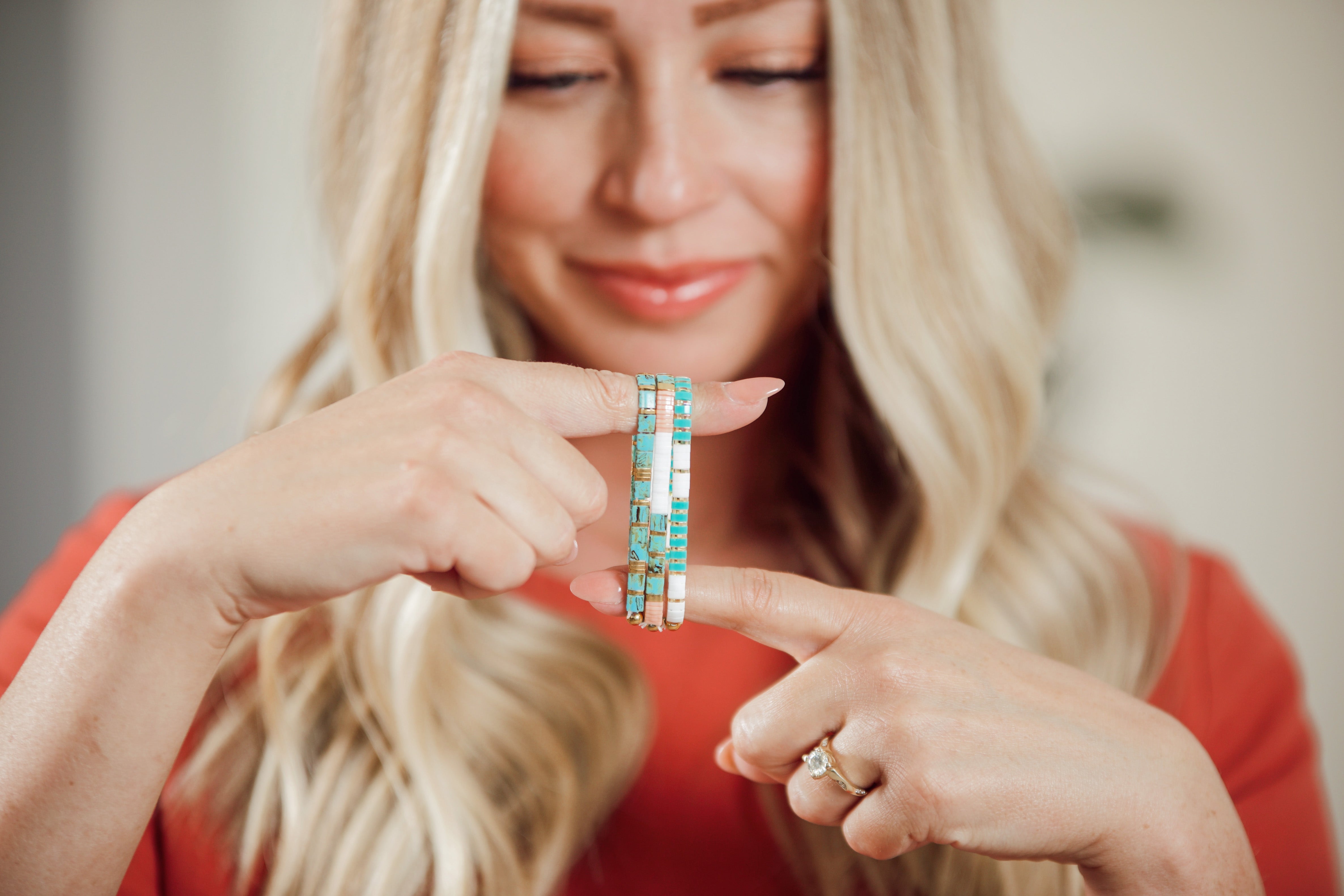
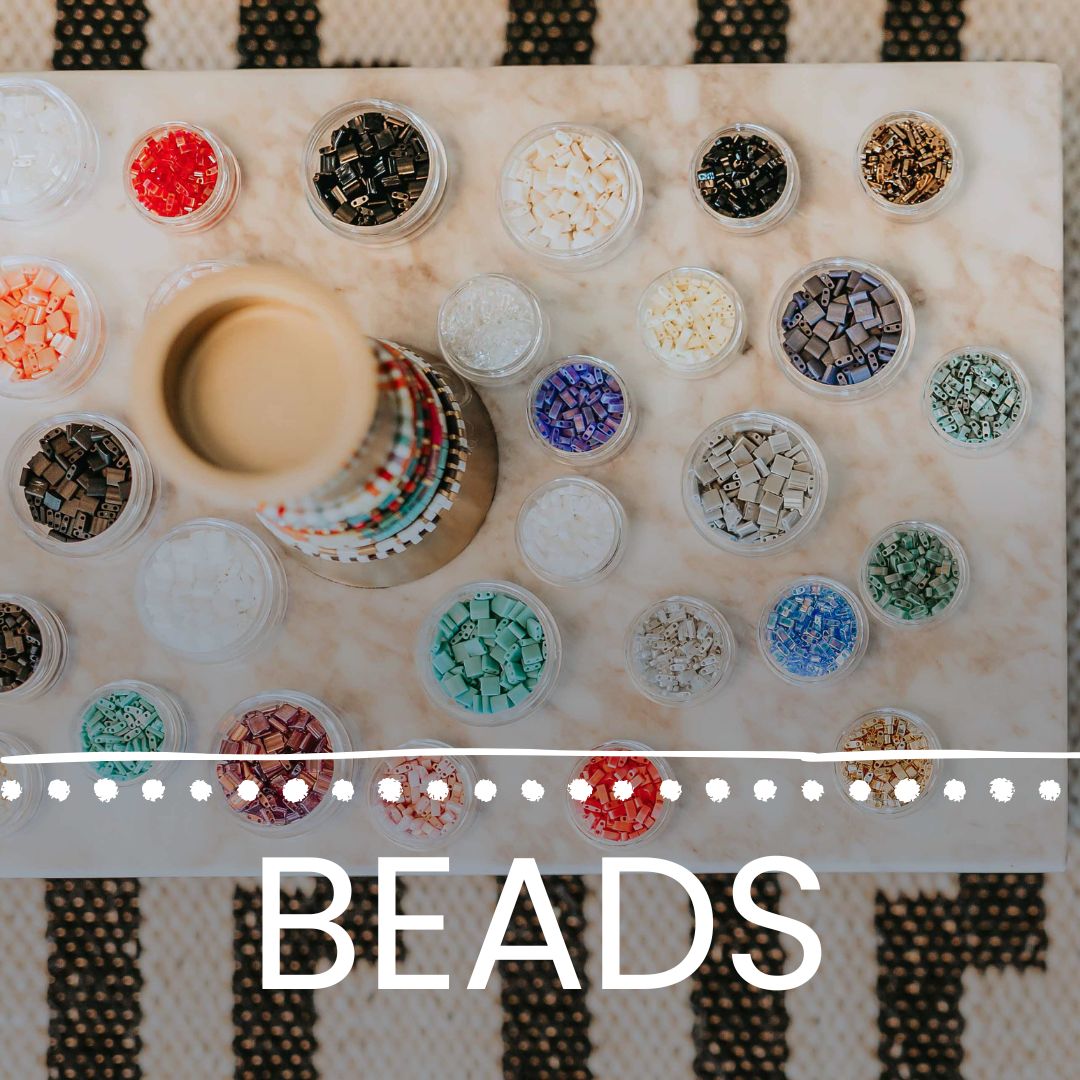
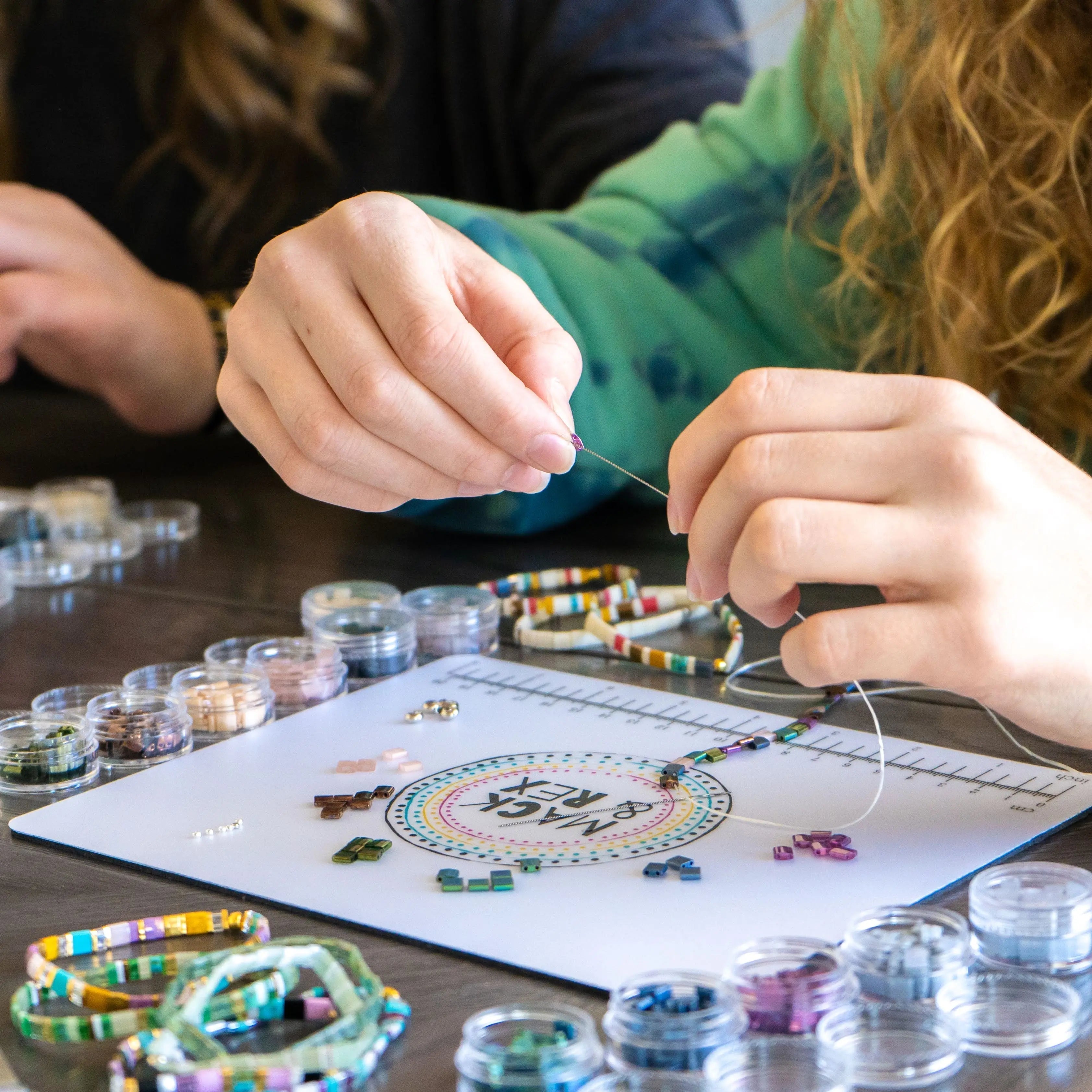
Beads are the biggest decision, and the bead type drives every other choice on your supply list. Japanese glass beads, specifically Miyuki Tila beads, are a favorite for good reason. They're flat, two-hole, and rectangular, which means they line up in a neat row rather than shifting and rolling the way round beads do. The result looks polished even on a first attempt. Miyuki is a Japanese manufacturer; Mack & Rex resells their Tila beads in single colors and themed color mixes.
Other common bead types worth knowing:
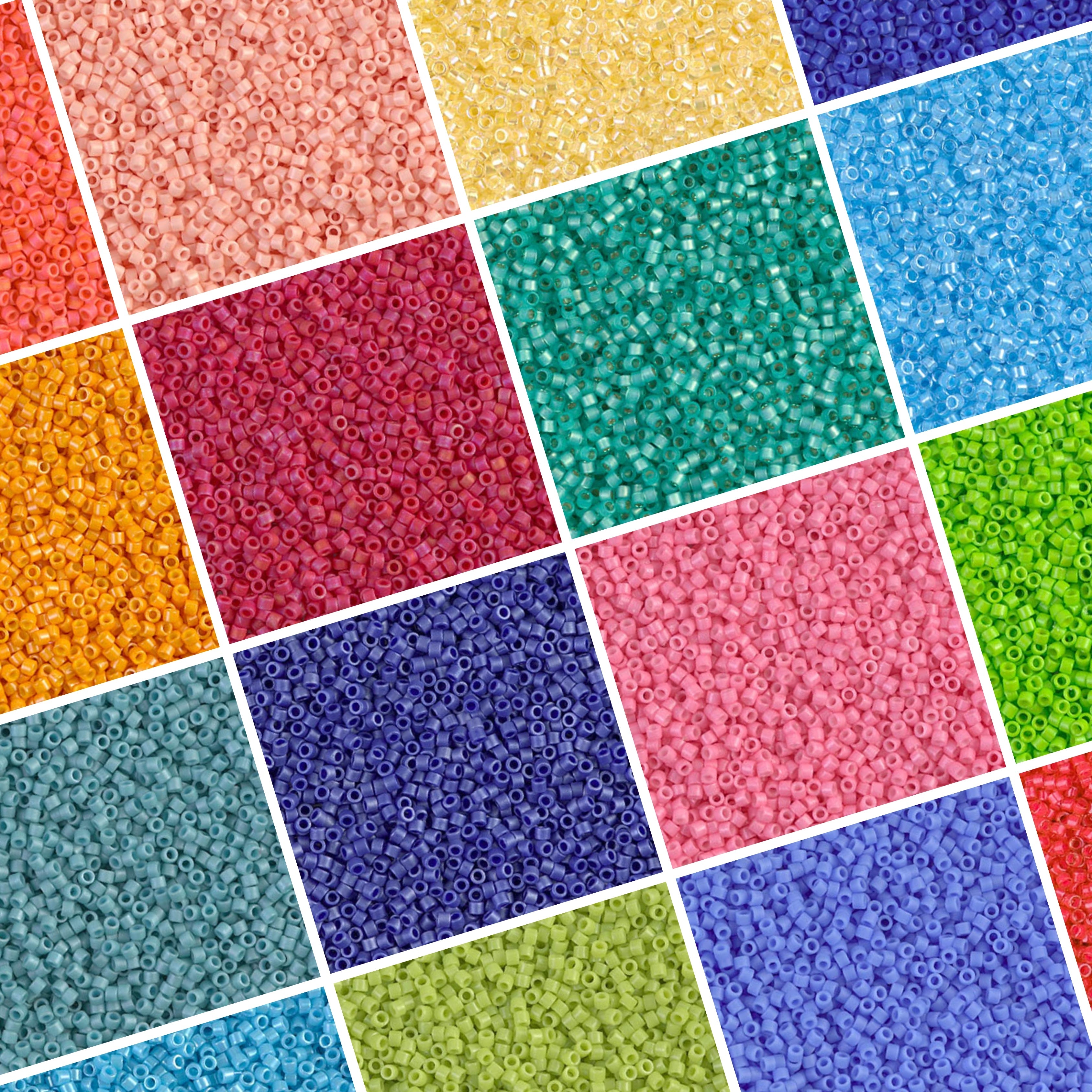
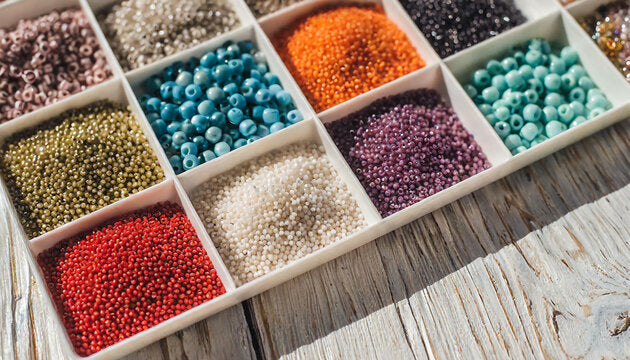
- Seed beads: tiny, round, and sold by the gram or tube. Versatile but trickier to string quickly.
- Heishi beads: thin disc-shaped beads, often shell or polymer clay, known for their stacking look.
- Tile beads: a broader category that includes Tila; generally square or rectangular glass beads with one or two holes.
- Crystal or acrylic beads: lower cost, great for practice or high-volume projects.
For a stretch bracelet with real longevity, Japanese glass beads are the standard choice among serious crafters. The edges are smooth enough not to cut your cord over time, and the color finishes (matte, luster, metallic, AB) hold up through daily wear.
What cord or thread do beaded bracelets use?
Cord choice depends on whether you want a stretch bracelet or a clasp bracelet. Here's the breakdown:
- Crystal-cord elastic: the go-to for stretch bracelets. No clasp needed, and the bracelet slips on and off easily. Size matters; Tila beads require a cord thin enough to pass through the small holes twice. Mack & Rex bracelet-making kits include crystal-cord elastic pre-matched to the beads in the kit.
- Nylon beading thread: stronger for structured bracelets with clasps. Common sizes are .006 or .008 inch diameter.
- FireLine or Wildfire braided thread: popular for loom-woven or more elaborate bead patterns where durability is the priority.
One cord mistake beginners make: buying cord that's too thick. Always check the bead hole size before you buy. Miyuki Tila beads have 0.8mm holes, and you'll thread each bead twice on an elastic bracelet.
What tools do you need for bracelet making?
Short list. You don't need a full jewelry bench.
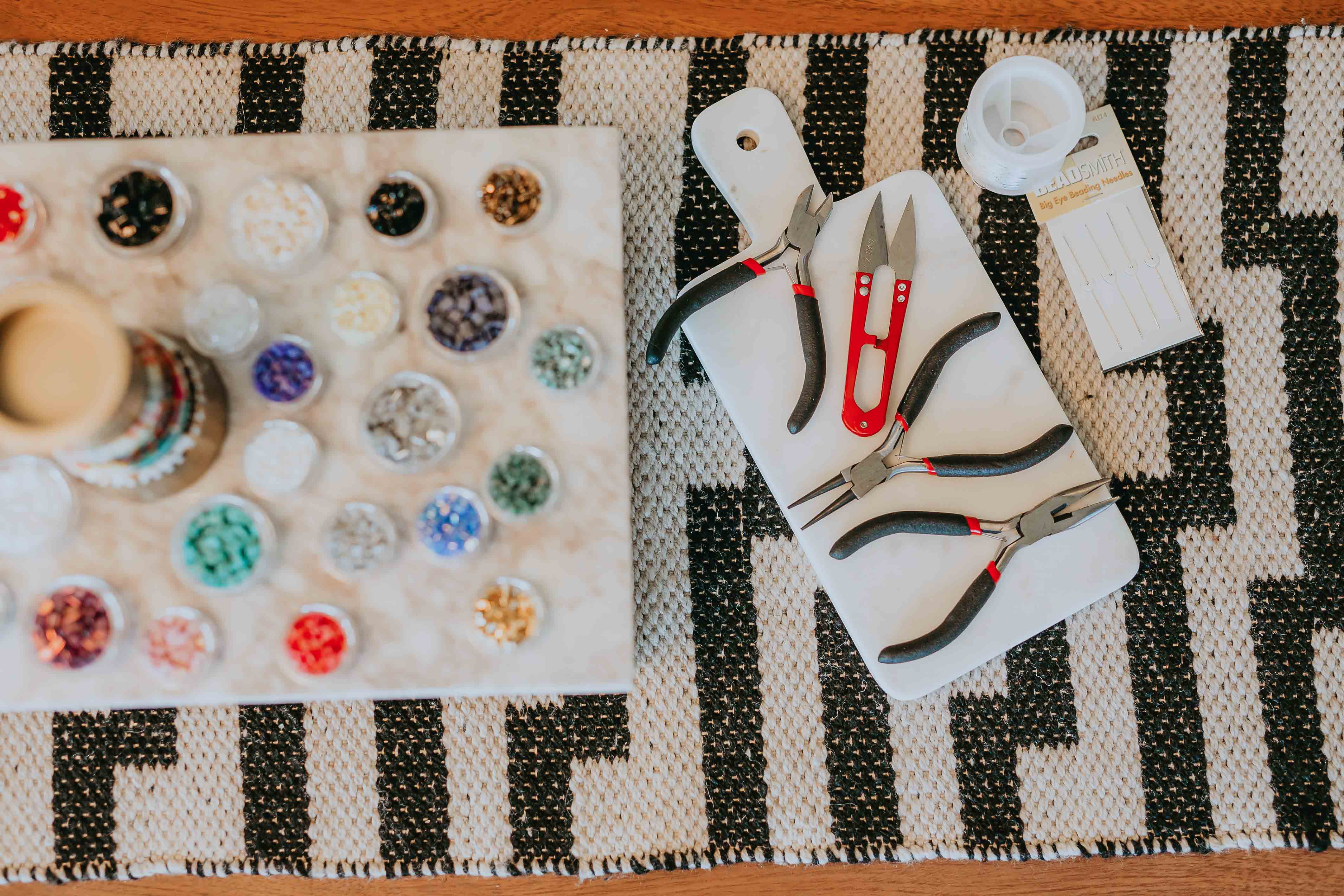
- Scissors or thread snips: sharp ones. Frayed cord ends are the main reason knots slip.
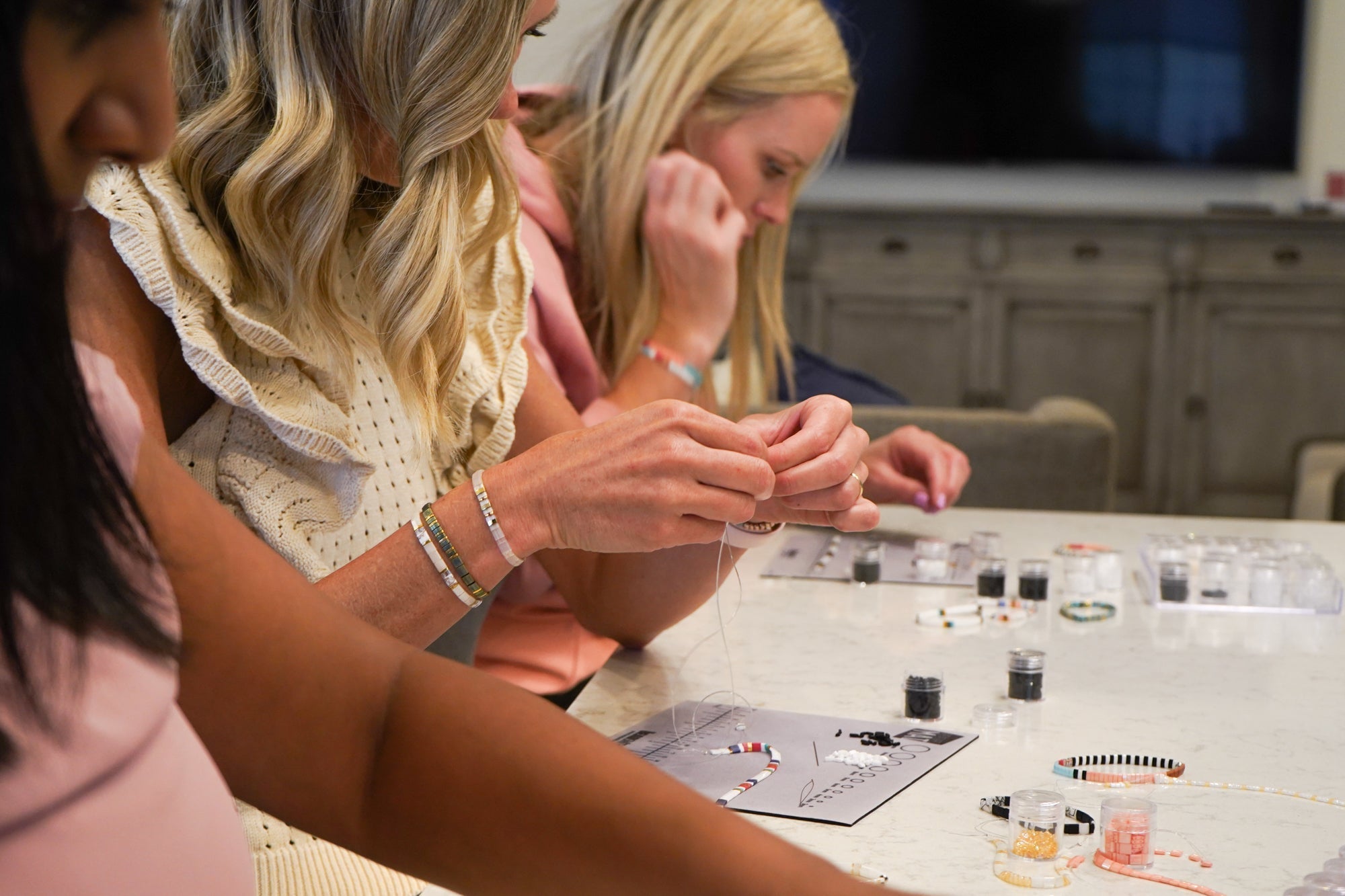
- Bead mat or bead board: a flocked surface that keeps beads from rolling. A folded hand towel works in a pinch, but a real bead mat is worth the few dollars.
- Beading needle: needed for fine thread; many elastic cords are stiff enough to thread without one.
- Ruler or ring sizer: bracelet sizing matters more than people expect. Most adult wrists fall between 6.5 and 7.5 inches, but fit varies. Mack & Rex finished bracelets run XXS through 5XL, and their kit instructions include sizing guidance.
- Bead stopper or tape: a small spring-clip bead stopper or a piece of tape at the cord end stops beads from sliding off while you work.
- Tweezers or a beading awl: optional, but helpful for tightening knots and placing beads precisely.
What findings do beaded bracelets use?
Findings are the hardware pieces that finish a bracelet. For stretch bracelets made with elastic cord, you may not need any; a surgeon's knot and a dab of jewelry glue is enough. For clasp-style bracelets, you'll want:
- Lobster clasp or toggle clasp: the most common closures for beaded bracelets.
- Jump rings: small metal rings that connect a clasp to the bracelet end.
- Crimp beads or tubes: tiny metal beads that you flatten with pliers to secure cord ends against a clasp.
- Crimp pliers or chain-nose pliers: needed to close crimp beads properly without cracking them.
If you're starting with a stretch bracelet, which most beginners do, skip the findings section for now. A well-tied surgeon's knot with crystal-cord elastic holds just fine.
Why does sourcing each supply separately get expensive fast?
Let's do the math honestly. A tube of Miyuki Tila beads, a spool of elastic cord, a bead mat, scissors, and a pack of needles bought individually from different suppliers adds up to $30-50 before you've made a single bracelet. Plus you'll likely order more cord than you need, end up with the wrong bead size, or miss something that holds up the whole project.
That's the case for an all-in-one bracelet making kit. Everything arrives sized and matched to work together. The cord fits the bead holes. The color palette is already curated. You open the box and start.
Mack & Rex trio bracelet kits, currently $44.99, include Miyuki Tila beads in a coordinated color mix, crystal-cord elastic, and instructions for making three bracelets. Their starter and full kits step up from there, running roughly $165 to $345 depending on bead quantity and extras. Orders over $100 ship free within the US.
If you want to see the full kit lineup, browse the Mack & Rex bracelet making kits collection. It's updated with each monthly drop, so what's in stock changes regularly.
What's a good beginner bracelet making supply checklist?
Here's the complete starter list in one place:
- Beads: Miyuki Tila or seed beads in your chosen colors
- Crystal-cord elastic or nylon beading thread
- Sharp scissors or thread snips
- Bead mat
- Beading needle (if using fine thread)
- Ruler or wrist-sizing guide
- Bead stopper or tape
- Optional: lobster clasp, jump rings, crimp beads, and pliers if making clasp bracelets
- Optional: jewelry glue (G-S Hypo Cement is widely used) to secure your final knot
According to Beadaholique, a leading beading supply resource, matching cord diameter to bead hole size is the single most common beginner mistake, and it's the first thing an all-in-one kit eliminates. Their beading basics guides are worth bookmarking for technique questions as you advance.
The Spruce Crafts also has solid primers on different bracelet types and when to use elastic versus knotted cord. Useful if you want to expand beyond stretch bracelets later. See their beading-for-beginners section for technique overviews.
For Miyuki bead specs, including official hole sizes for each bead series, the Miyuki Tila bead product page is the authoritative source. It's a useful reference when you're buying cord separately and need to confirm sizing.
Is bracelet making a good activity for kids?
It can be, with the right setup. Older children, generally 8 and up, can follow bracelet-stringing instructions well and enjoy picking their own color combinations. A few things to keep in mind:
- Beads are small parts and a choking hazard. Always keep them away from children under 3, and never leave young children unattended with loose beads.
- Adult supervision is important throughout the project, not just at setup.
- Mack & Rex kits are designed for the adult and older-kid market. The beads are glass, not plastic, and the projects assume basic motor skills and the ability to follow step-by-step instructions.
Bracelet making is a genuinely good family project. Mack & Rex was started by a mom and her two daughters, Mack and Rex, and the "make it together" angle is real. Keep the safety basics in mind and the table time goes smoothly.
Frequently Asked Questions
What supplies do you need to make a beaded bracelet?
The core bracelet making supplies are beads (like Japanese glass Tila or seed beads), elastic or nylon cord sized to your bead holes, scissors or snips, a bead mat to keep beads from rolling, a beading needle if you're using fine cord, and optionally clasps or crimp beads for finished-style closures. A ruler or bracelet-sizer helps you get the right fit.
What is the best cord for beaded bracelets?
Crystal-cord elastic is the most popular choice for bead bracelets because you skip clasps entirely and the bracelet stretches on and off easily. Mack & Rex uses crystal-cord elastic in their bracelet-making kits. For more structured bracelets, nylon beading thread or FireLine work well with clasps and crimp beads.
Are Tila beads good for beginners?
Yes. Miyuki Tila beads have two parallel holes and a flat, rectangular shape that lines up neatly as you string them. Beginners find them much easier to control than round seed beads, and the uniform size means your bracelet looks polished from the first one you make.
Can kids use bracelet making kits?
Older kids (generally 8+) can enjoy bracelet making with close adult supervision. Beads are small parts and a choking hazard, so they are not suitable for young children under 3. Always have an adult present during any beading project with children.
Does Mack & Rex offer free shipping on bracelet making kits?
Yes. Mack & Rex offers free shipping on US orders over $100. Mack & Rex ships internationally, with shipping and any customs and duties calculated at checkout.
Ready to skip the supply hunt and start making? Shop Mack & Rex bracelet making kits. All the bracelet making supplies you need, curated and matched, ready to open and go.