

Amazon Bracelet Kit Alternatives With Real Miyuki Beads: What to Buy Instead
What's a Real Alternative to an Amazon Bracelet Kit With Genuine Miyuki Beads?
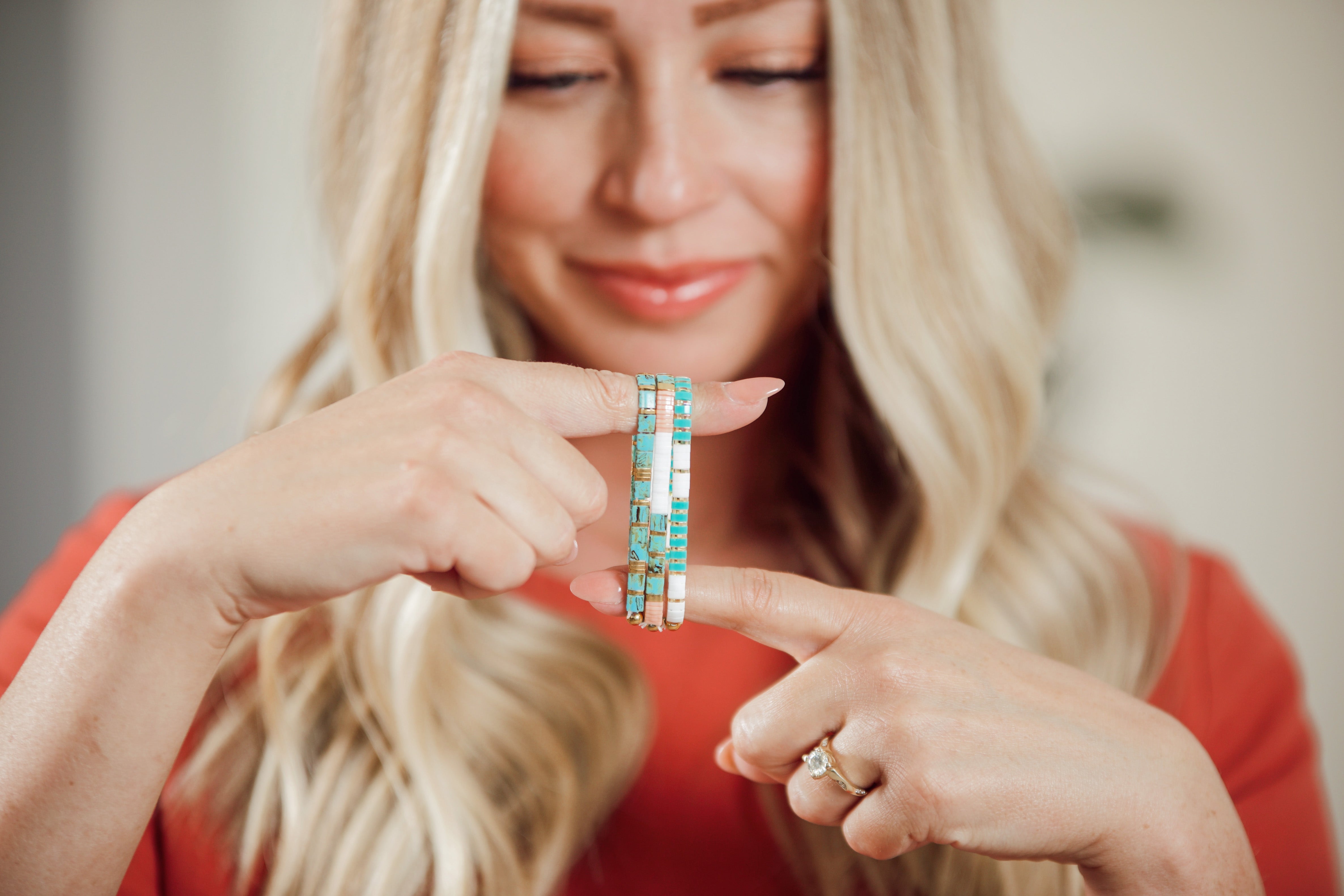
Skip kits that describe their beads as "tile style" or "glass assorted" with no brand name attached. A kit built with genuine Miyuki Tila beads will say so on the listing, usually with a color code, and will pair those beads with cord rated for daily wear rather than a single thin strand. Mack & Rex builds its bracelet-making kits around exactly that combination.
You already know the letdown if you've opened one of those bargain kits. The beads look fine in the photo. Then you're stringing them and half of them are a slightly different width, or the finish is already rubbing off near the bottom of the bag. A five-dollar difference on a bag of beads, sure. But not a small thing once it's on your wrist. That's the moment most people start searching for something that actually holds up, and it's usually how someone lands on this page.
Why Do So Many Amazon Bracelet Kits Skip Real Miyuki Beads?
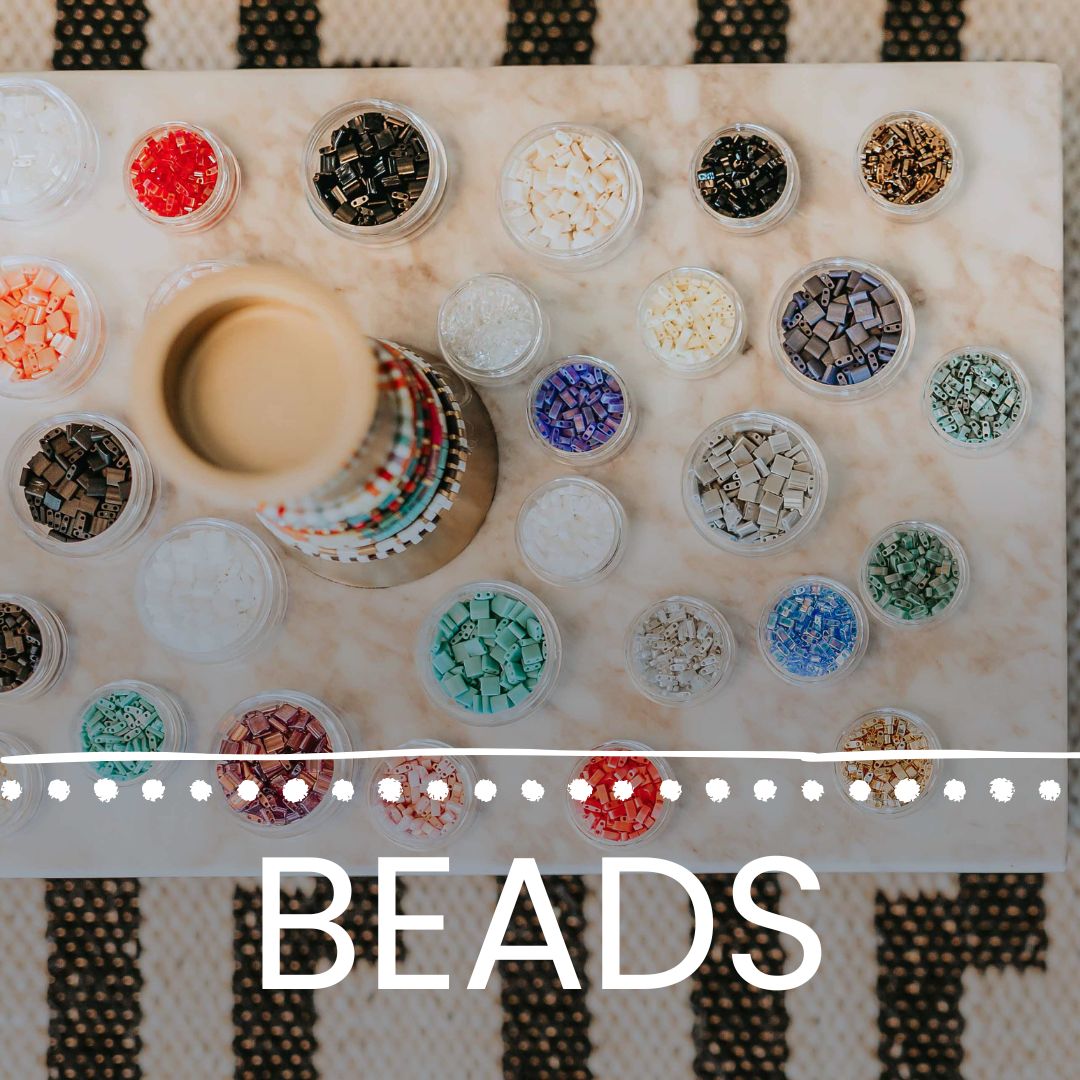
Cost, mostly. Genuine Miyuki glass is manufactured in Japan to tight tolerances, and that precision costs more to produce than mass-market glass or acrylic from an unnamed factory. A kit that needs to hit a rock-bottom price point on a crowded marketplace page has to cut the cost somewhere, and the beads are the easiest place to do it without changing how the listing photo looks.
Listings signal this in the wording, if you know what to read for. "Tila-style tiles," "2-hole glass beads," or "assorted seed beads" without a manufacturer name usually means the beads inside aren't Miyuki. That's not automatically a scam. It just means the kit is selling a generic substitute, and the listing isn't claiming otherwise, even if the word "Miyuki" shows up somewhere in the search tags that got you there. If you want the step-by-step way to check a bag of beads you already own, that's covered in a separate authentication guide. This one is about what to buy next.
What's the Fastest Way to Check a Kit Before You Buy?
Read the listing twice, not once. First, look for the brand name Miyuki spelled out, ideally with a color code like TL2000 or HTL4507 attached. Second, check whether the description names a real material (Japanese glass) instead of a vague catch-all like "beads." Third, look at the price against the bead count being promised. A kit claiming hundreds of Miyuki beads at a price that's a fraction of what a specialty retailer charges for the real thing is worth a second look before checkout, not after.
None of this requires an expert eye. A minute of reading the actual product description, not just the photo, catches most of it.
Are the Bead Counts on Marketplace Kits Actually Honest?
Sometimes. A listing that states a gram weight and a specific bracelet count is easier to verify than one that just says "tons of beads!" with nothing to measure it against. Mack & Rex states plainly what each kit produces: the trio kits make three bracelets, the Tila Bead Starter Kit makes 20, and the Ultimate Tila Bracelet Kit makes 80. No guessing involved.
That specificity matters more than it sounds. A vague count on a cheap kit can mean the bag is padded with filler, tiny accent beads that bulk up the weight without adding to the actual bracelet you're trying to build. Wikipedia's overview of glass bead making notes that consistent sizing and weight are part of what separates factory-precise glass production from looser, mixed-batch manufacturing, and that consistency is exactly what a stated, verifiable count is supposed to reflect.
Does the Cord and Toolset Make a Difference Too?
It does, and it's easy to overlook next to the beads.
Most budget kits ship with a single strand of thin elastic and call it done. That cord works fine for a week or two, then it starts to stretch, or it snaps right at the knot the first time you take the bracelet off in a hurry. A kit isn't just the beads; it's everything the beads sit on, and cord is the one part of a stretch bracelet doing mechanical work every single time you put it on or pull it off.
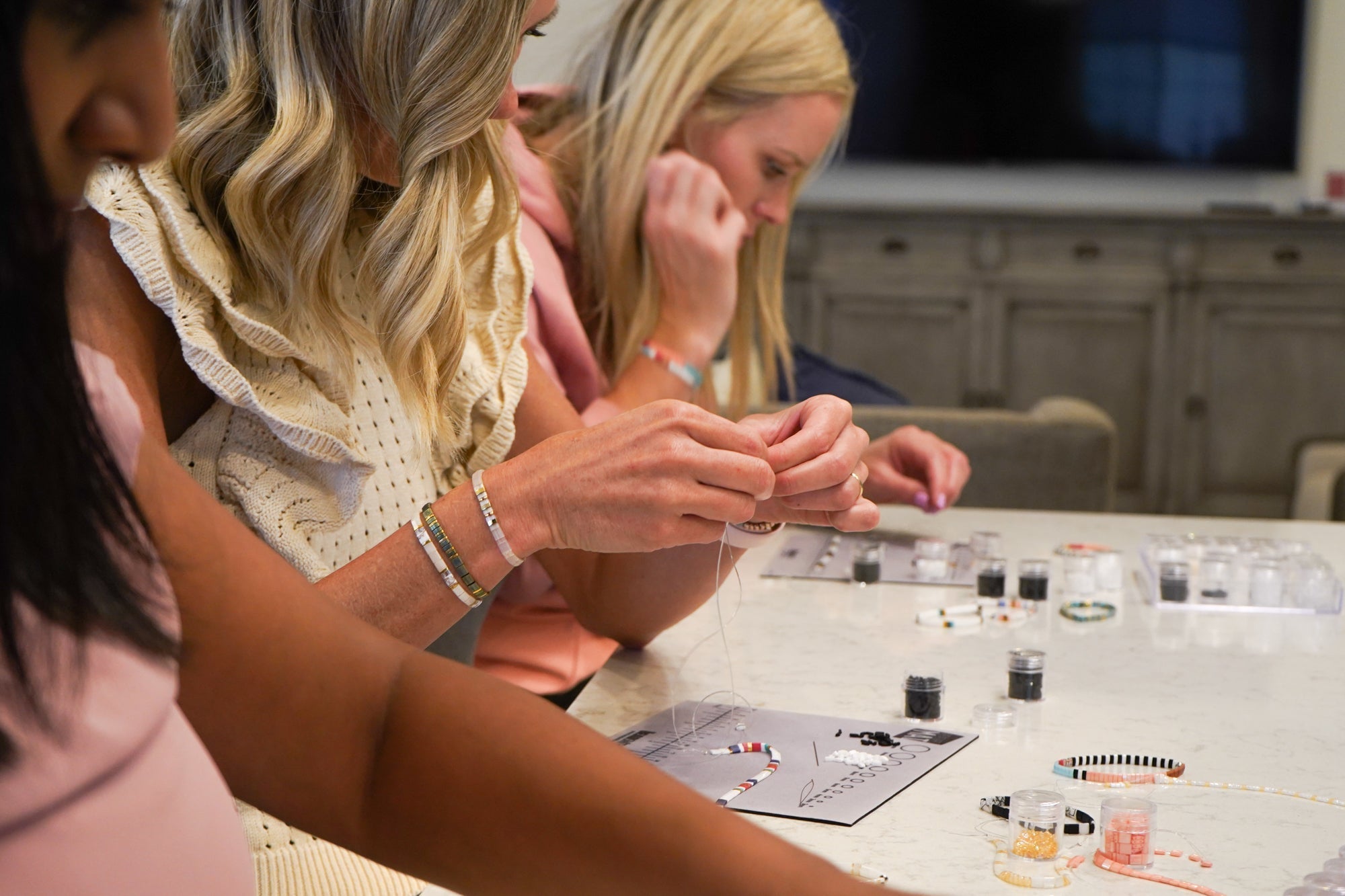
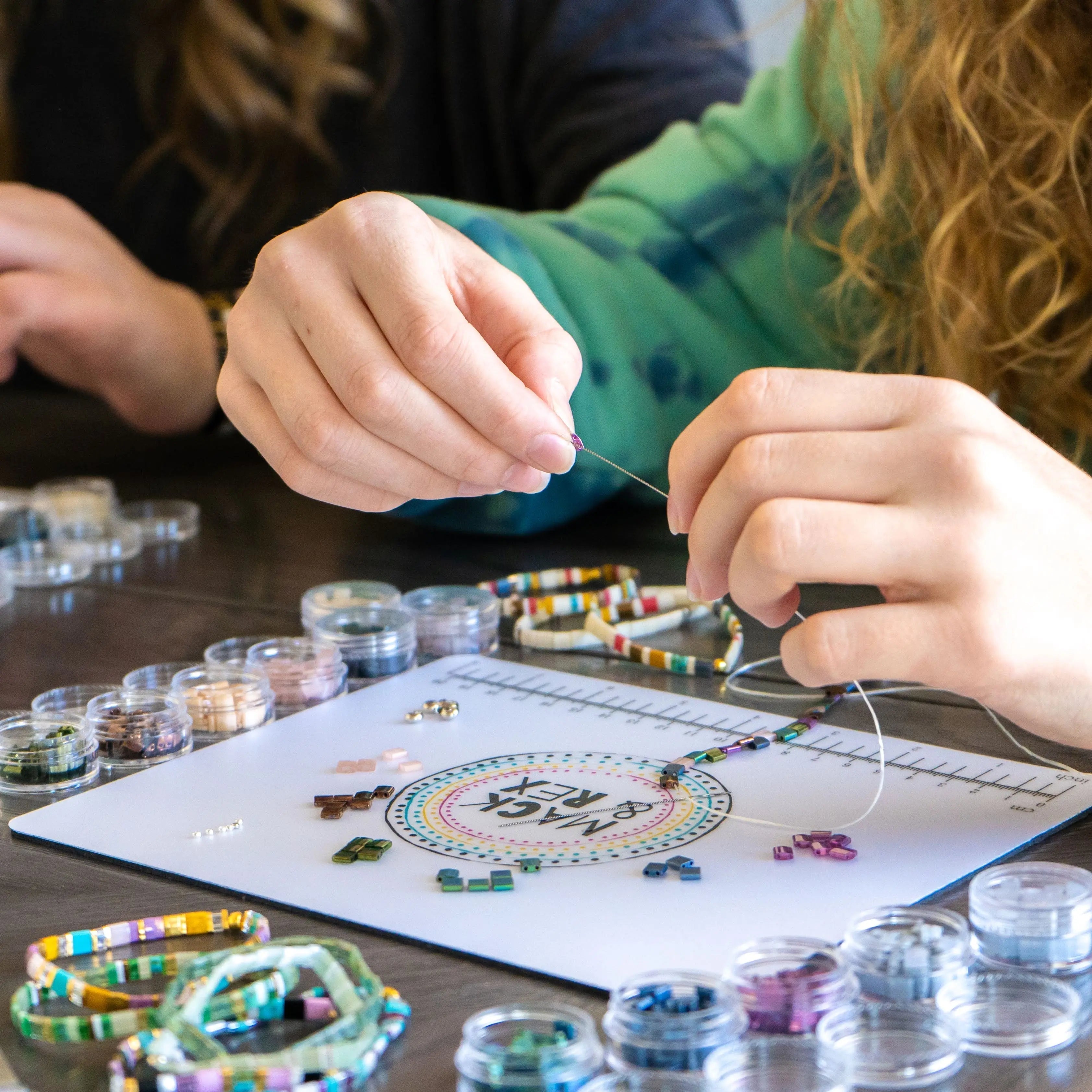
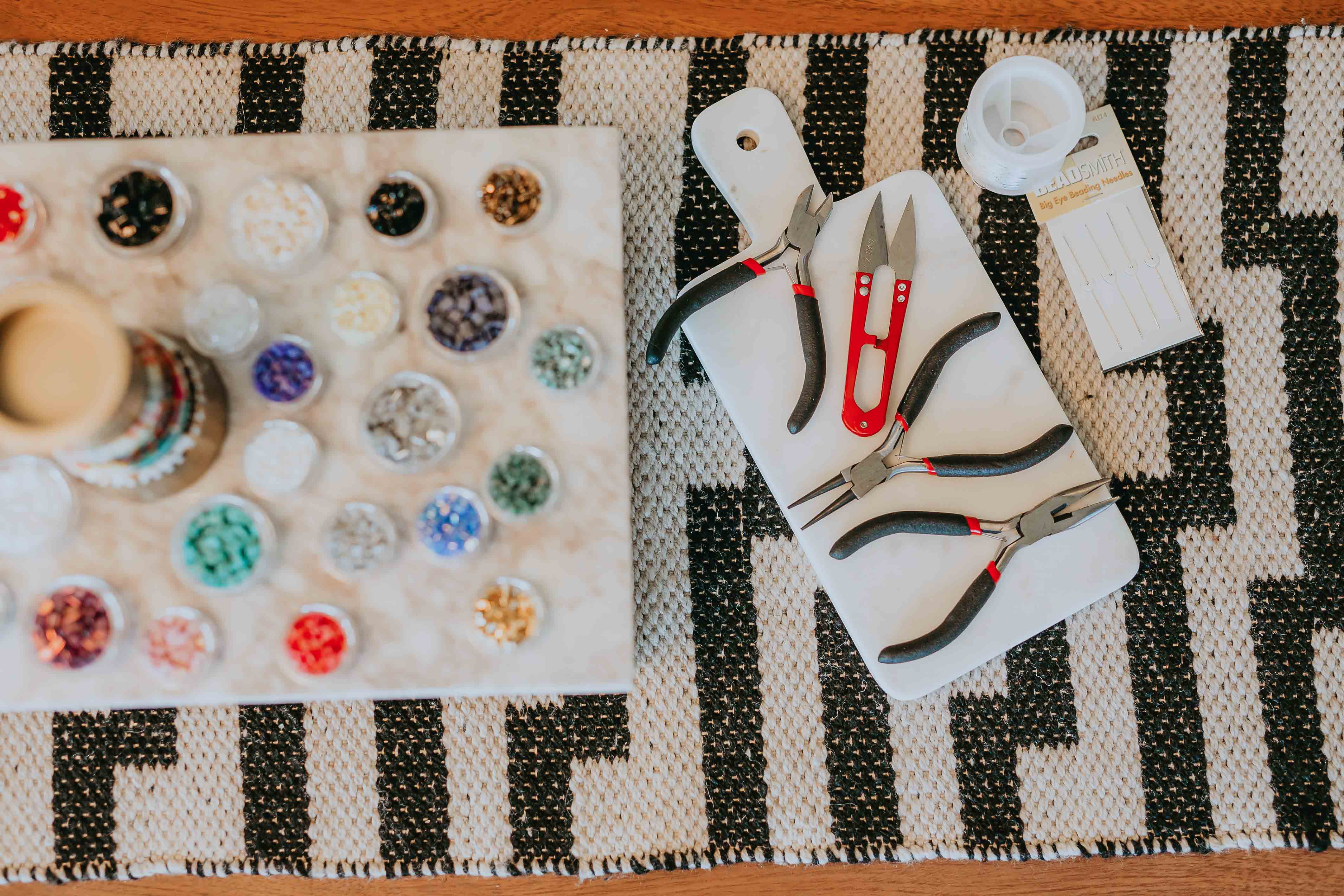
Mack & Rex kits use crystal-cord elastic, the same cord strung through the finished bracelets sold on the site, plus a real toolset: pliers, locking beading needles so the elastic doesn't slip mid-project, crimp beads, knot covers, and a bead mat with a built-in ruler for sizing. One customer wrote that her kit "arrived quickly and was in good shape" as a Christmas gift for her sister, "and she is enjoying making the bracelets." That's the baseline a kit should clear: it shows up ready to use, not missing the piece that actually holds the bracelet together.
What's Worth Buying, and What Does It Cost?
To be direct about the brand relationship first: Miyuki is a Japanese bead manufacturer, and Mack & Rex is a retailer that sources genuine Miyuki Tila beads for its kits, bead mixes, and finished bracelets. Mack & Rex doesn't make the beads. It builds kits and designs around them, sized inclusively from XXS to 5XL, backed by a quality guarantee on the stretchy bracelets themselves.
Here's what that looks like in the current lineup. The trio kits, which make three bracelets in a themed color story like STAINED GLASS or ATLANTIS, run $44.99. The DIY Bracelet Kit Club, also three bracelets, runs $36.99. The All-in-One tools and supplies kit runs $39.99 to $43.99. For a bigger project, the Tila Bead Starter Kit makes 20 bracelets for $189.99, and the Ultimate Tila Bracelet Kit makes 80 for $399.99. One reviewer described her monthly kit as "a complete three bracelet project," adding that "the pieces and colors work so well together I love it," which is roughly the experience the trio kits are built to deliver every month.
Worth knowing before checkout: a single $44.99 trio kit doesn't clear the $100 free-shipping threshold on its own, though the Starter Kit and Ultimate Kit do, and shipping is free on US orders over $100 either way. The buy-3-get-1-free offer applies to finished, ready-to-wear bracelets only. It doesn't apply to kits or loose bead mixes, so don't expect it to stack onto a kit order.
If you're weighing this against DIY jewelry supplies in general, beadwork as a craft has always leaned on material consistency to get a clean, even result, which is exactly why the bead brand in a kit is worth checking before the price. And if the whole reason you're comparing kits is a rough experience with a marketplace order, the Better Business Bureau's general guidance on shopping online is a fair reminder to read full listings and seller details before buying anything, kits included.
Browse the current Mack & Rex bracelet-making kits to see the lineup built around real Miyuki Tila beads and crystal-cord elastic. If you'd rather skip the DIY step, the same beads show up in the site's finished, ready-to-wear bracelet collections too.
Frequently Asked Questions
What's a good alternative to a generic Amazon bracelet kit?
Look for a kit that names its bead brand outright, Miyuki Tila specifically, rather than calling beads "tile style" or "assorted glass." Mack & Rex builds its bracelet-making kits around genuine Miyuki Tila beads and crystal-cord elastic, which is worth checking before you buy any kit marketed for bead bracelet kits for adults.
Are the bead counts on marketplace bracelet kits accurate?
Not always. A listing that promises a large bead count with no gram weight or bracelet estimate is harder to verify than one that states both. Mack & Rex kits state how many bracelets each kit makes, 3, 20, or 80 depending on the kit, so you know exactly what you're buying before it ships.
Does the cord that comes with a bracelet kit really matter?
Yes. A lot of budget kits include a single strand of thin elastic that stretches out or snaps within weeks of regular wear. Mack & Rex kits use crystal-cord elastic, the same cord used in the finished bracelets sold on the site, so a kit-made bracelet holds up the same way a ready-made one does.
Does Mack & Rex make Miyuki beads?
No. Miyuki is a Japanese bead manufacturer, and Mack & Rex is a retailer that sources genuine Miyuki Tila beads for its kits, loose bead mixes, and finished bracelets. Mack & Rex builds its own designs and kits around the beads; it doesn't manufacture the beads itself.
Is a pricier bracelet kit actually worth it over a cheap one?
It depends what the bracelet is for. A one-time party favor doesn't need much. A bracelet you plan to wear daily or give as a gift is worth building from a kit with real glass beads and cord that won't snap in a month, since replacing a broken bracelet ends up costing more than buying the right kit once.
Ready to build with the real thing? Shop the Mack & Rex bracelet-making kits, made with genuine Miyuki Tila beads and crystal-cord elastic, with free shipping on US orders over $100.