

Amazon Bracelet Kits vs. Real Miyuki Bead Kits: What You're Actually Paying For
What's actually in a mass-market bracelet making kit?
Open one of those $8-12 bracelet kits from a major online marketplace and you'll usually find a small bag of plastic or acrylic beads, a thin roll of single-strand elastic, and maybe a card with vague instructions. That's it. The beads are lightweight and uniform in a factory-floor way, but not precise. The cord is the kind that looks fine in the package and starts fraying or going slack after a few weeks of regular wear.
That's not a knock on every budget option out there. Some people want a low-commitment project for a single afternoon, and a $10 kit delivers exactly that. But if you're shopping for a bracelet making kit because you want something you'll actually wear or give as a gift, the contents of that package matter a lot more than the price tag suggests.
What are Miyuki beads, and why do they show up in better kits?
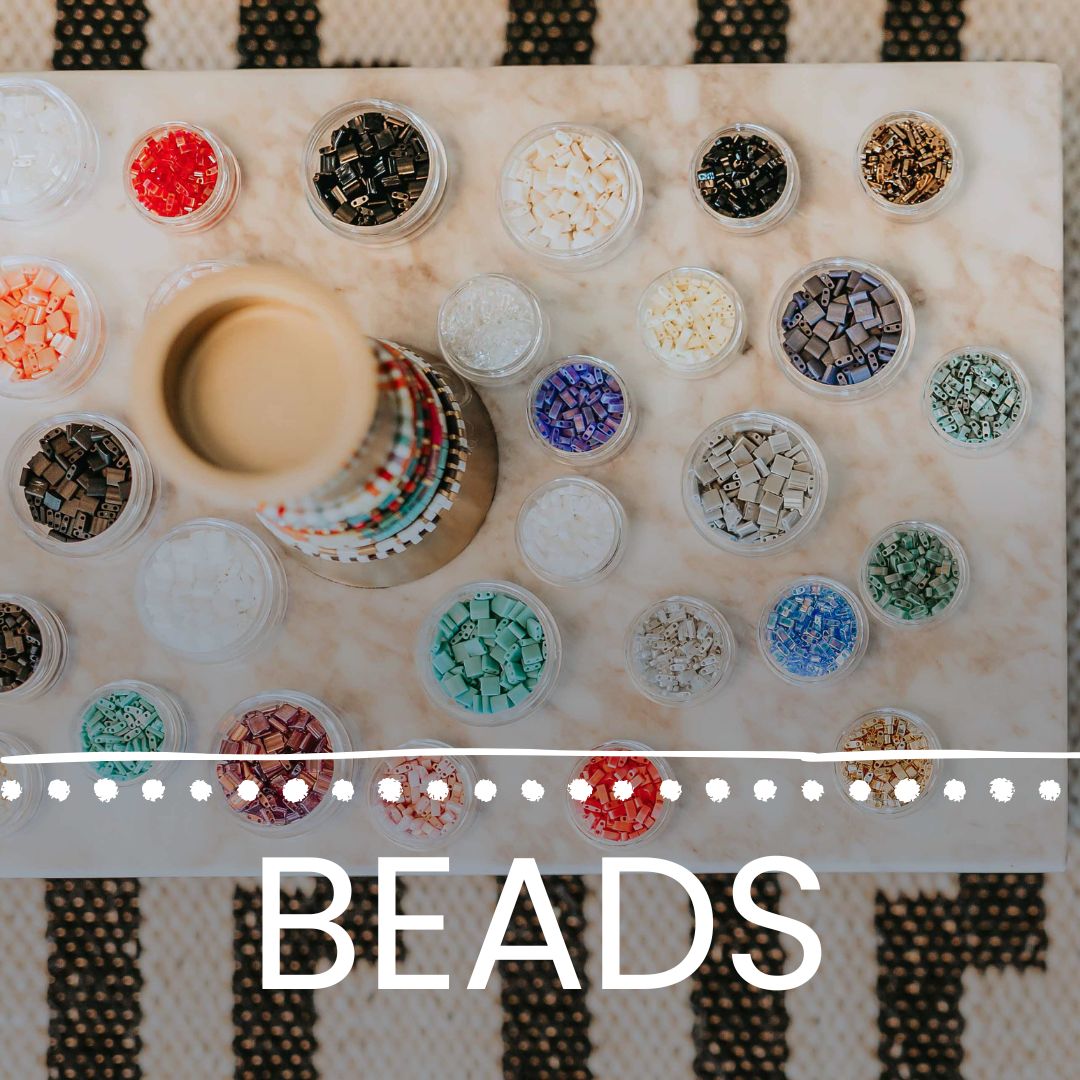
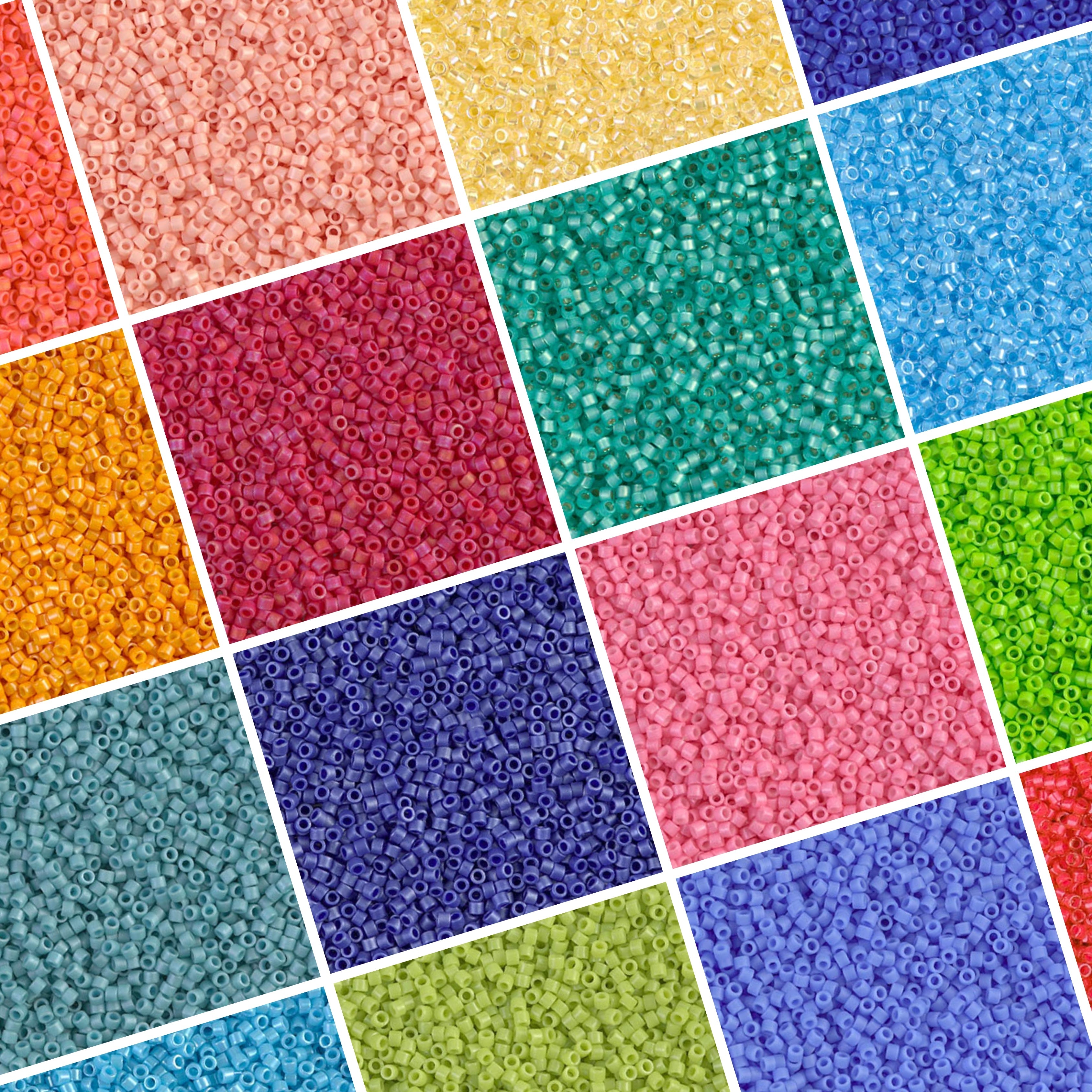
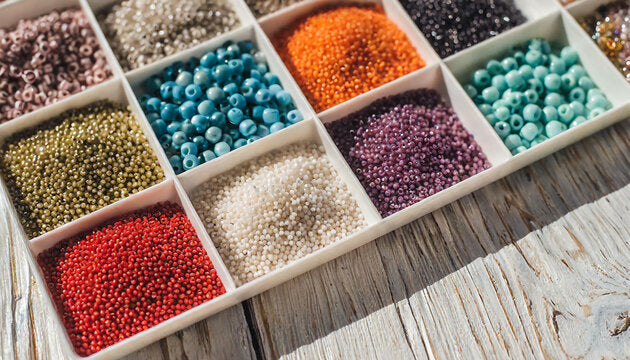
Miyuki beads are Japanese glass beads, made by Miyuki Co., Ltd., and they've been a standard in the beading world for decades. The reason serious crafters reach for them is consistency: the sizing is precise, the holes are uniform, and the finish holds up. Seed beads as a category include a wide range of manufacturers, but Miyuki is one of the most recognized names for quality glass beadwork.
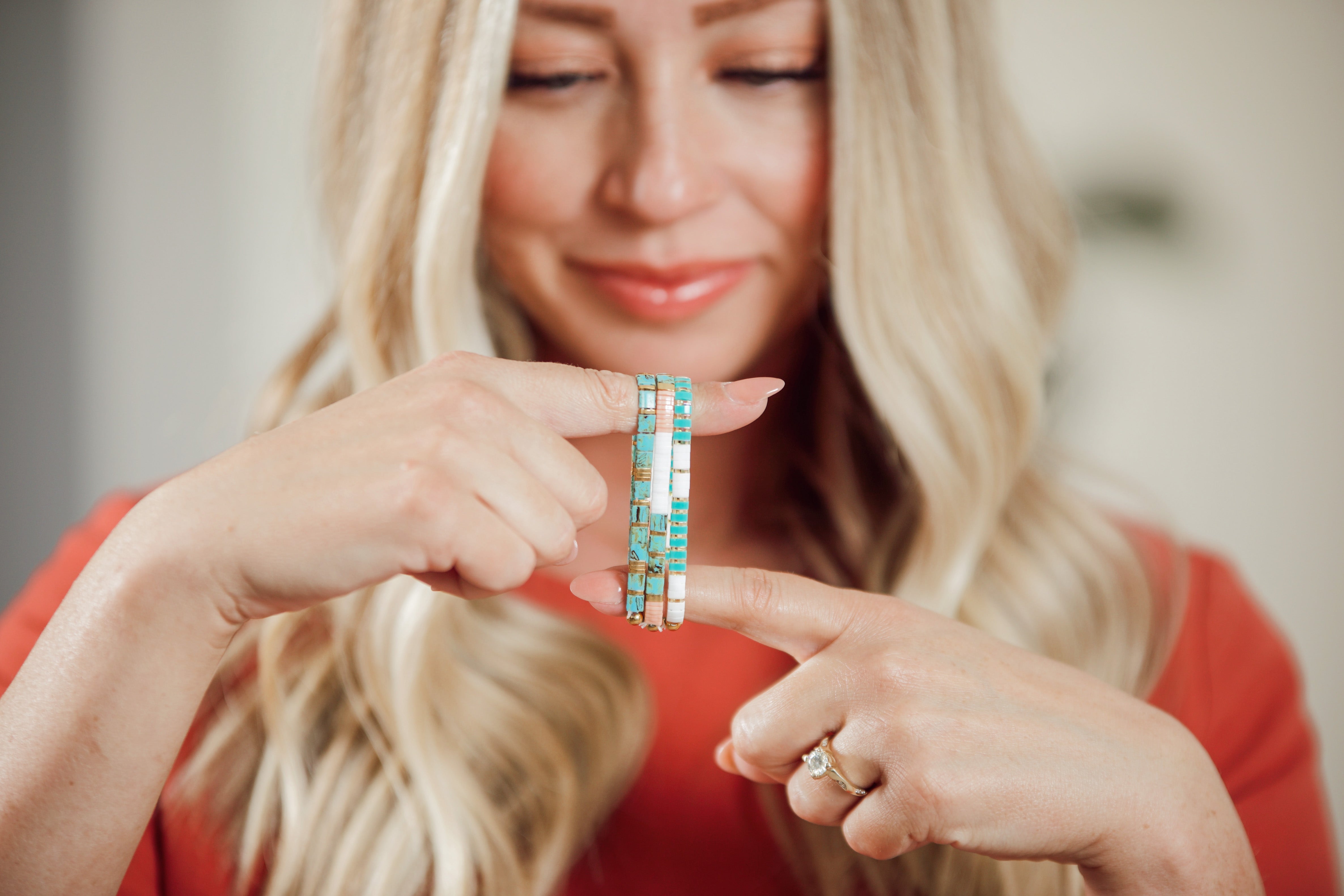
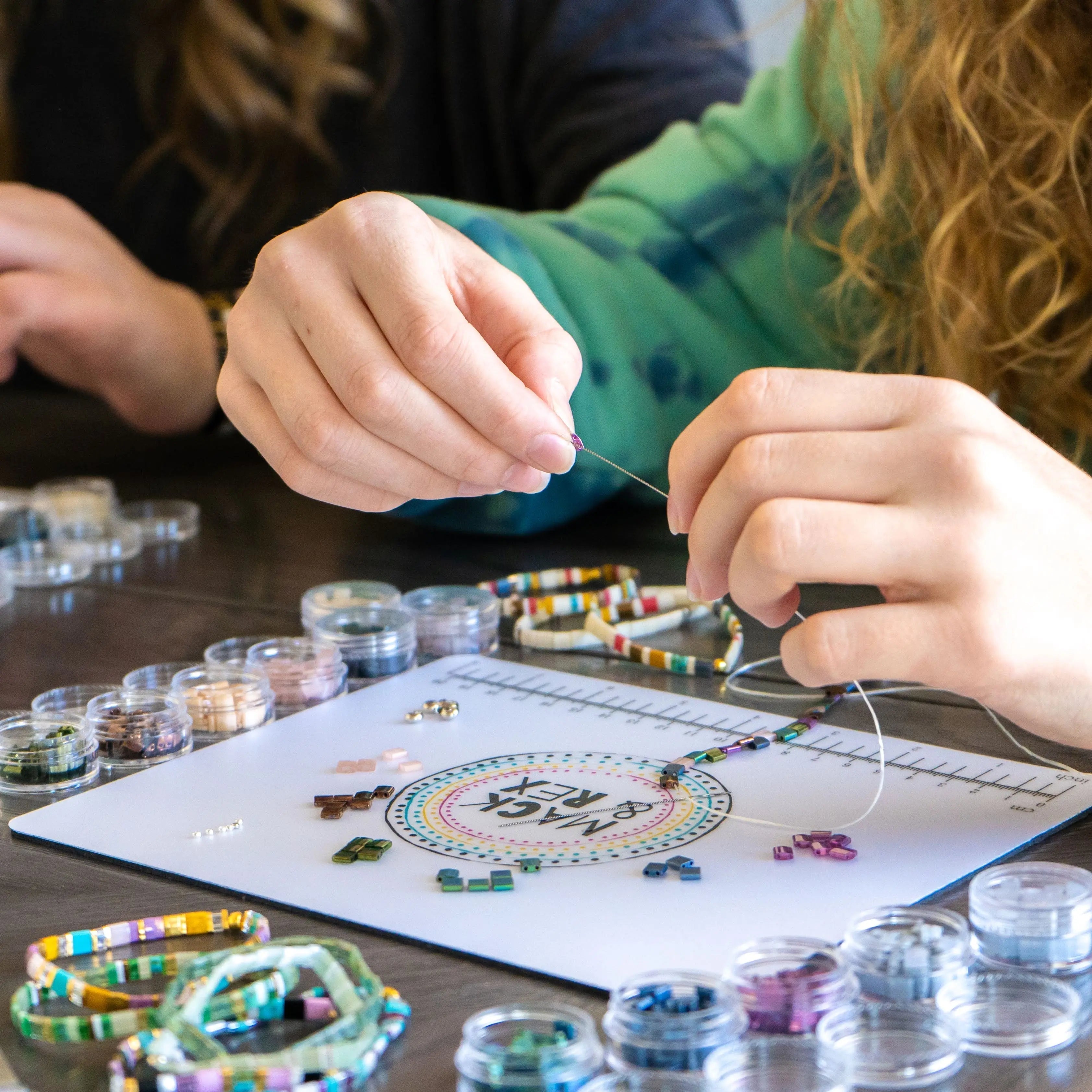
Tila beads are a specific Miyuki bead shape: flat, square, and two-holed. That dual-hole design is what makes tila bracelets look woven and stacked rather than just strung. When you're comparing what's in a kit, "Miyuki Tila beads" tells you something specific about the material and the structure of the finished piece. "Glass seed beads" or "assorted beads" on a budget listing tells you almost nothing.
The gap between glass and plastic shows up fast in finished bracelets. Glass has more visual depth. It doesn't scratch as easily. The color stays true because it's part of the material, not a surface coat. Sites like Beadaholique carry both, and you can see the price difference between Japanese glass and generic acrylic right there in the listings. It's not subtle.
Does the cord in a bracelet kit actually make a difference?
Yes. More than people expect.
Most inexpensive kits include a single strand of thin elastic that does the job initially and then gradually lets you down. It stretches out of shape, or snaps at the knot, or starts to look worn before the beads do. The cord is the one part of a stretch bracelet that takes all the mechanical stress every time you put it on and take it off.
A quality bracelet making kit uses crystal-cord elastic, which is thicker, clearer, and built to hold tension over time. At Mack & Rex, every kit and finished bracelet is made with crystal-cord elastic because the beads deserve a cord that can keep up with them. A bracelet strung on decent cord, with a proper surgeon's knot, is a different object than the same beads on a flimsy strand. You feel the difference when you pull it on.
How do the two types of kits compare side by side?
Here's a straightforward look at what separates them:
- Beads: Mass-market kits typically use plastic or acrylic beads. Real Miyuki kits use Japanese glass (like Tila beads) with precise sizing and consistent finish.
- Cord: Budget kits usually include a single thin elastic strand. Quality kits include crystal-cord elastic built for repeated stretching.
- Bead shape: Generic kits often include round or mixed shapes with no particular design logic. Tila bead kits are built around a flat, two-holed bead that creates a structured, woven look.
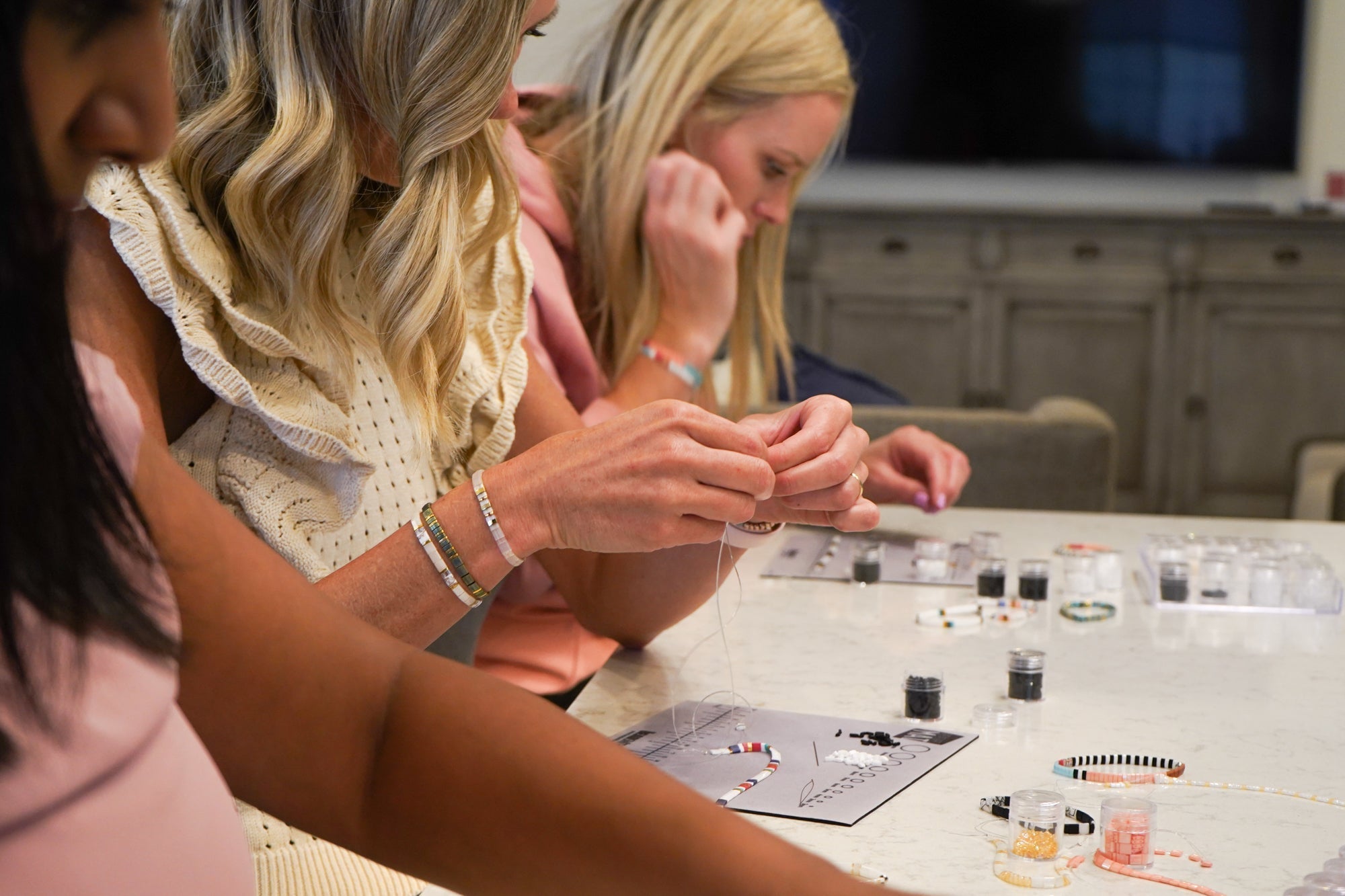
- Instructions: This varies widely, but a well-designed kit gives you a clear process to follow. Some cheap kits include a tiny printed card with photos so small they're not useful.
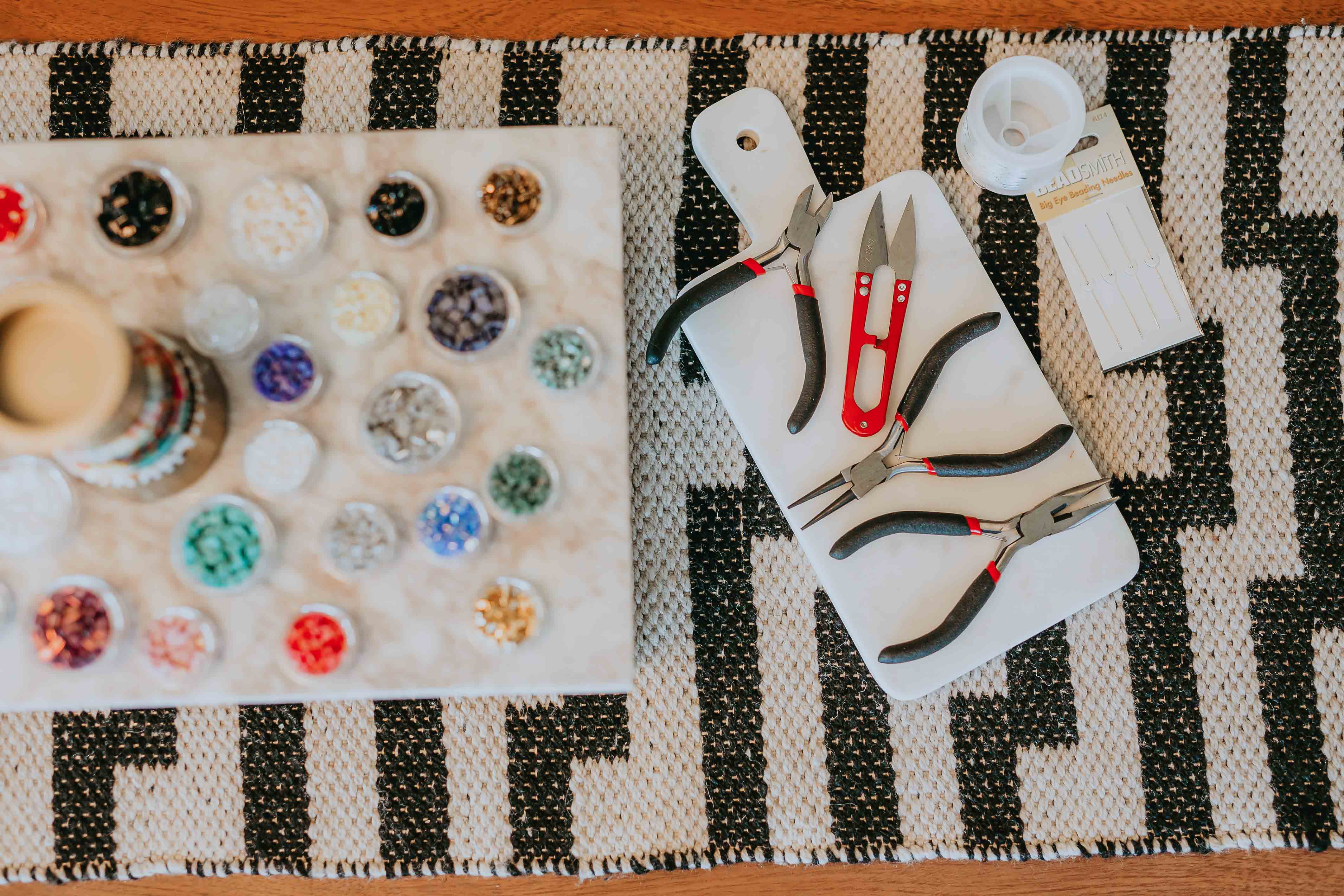
- What's included: A complete kit should have everything you need to finish a bracelet, with no missing supplies. Many budget kits assume you already have tools or findings and don't mention it until you're mid-project.
- Durability: Plastic beads scratch and dull over time. Glass holds its color and finish much longer. The cord gap alone can mean the difference between a bracelet that lasts months vs. weeks.
- Quality guarantee: Most marketplace kits have no guarantee at all. Mack & Rex backs their stretch bracelets with a quality guarantee.
What does a real Miyuki bracelet kit cost, and is it worth it?
Honestly? It depends what you're making it for.
If you're running a quick craft activity and the bracelet is essentially a one-time party favor, a $10 marketplace kit might be all you need. But if you're making something you'll wear regularly, or giving it as a gift that represents real effort, the math shifts. A bracelet made from plastic beads and thin cord that breaks in a few weeks costs more per wear than one built to last.
Mack & Rex trio kits run $44.99 and include Miyuki Tila beads and crystal-cord elastic for three bracelets. Starter and ultimate kit bundles range from around $165 to $345 for larger collections. Those prices reflect the bead quality, the cord, and the fact that everything in the package is matched to work together. You're not improvising with leftover supplies or wondering if the cord is the right weight for these beads.
For gift-giving, there's also something to consider: a bracelet making kit that actually produces a beautiful, wearable result is a much better gift than one that frustrates the person trying to use it. The whole point is the making experience, and that experience is better when the materials cooperate.
What should I look for in a bracelet making kit before I buy?
Four things worth checking before you click "add to cart":
- Bead material: Is it glass or plastic? Japanese glass (like Miyuki) or generic? This affects how the finished bracelet looks and holds up.
- Cord type: Is it crystal-cord elastic or a single thin strand? Look for this in the product description. If it's not mentioned, that's a signal.
- Completeness: Does the kit include everything you need to finish a bracelet, or does it assume you have other supplies on hand?
- Size options: This gets overlooked. Bracelets aren't one-size-fits-all, and a kit that produces a bracelet in one fixed size won't work for everyone. Mack & Rex finished bracelets come in inclusive sizing from XXS to 5XL, which matters if you're making something for someone else or buying for a group.
If you're ready to compare options, the bracelet making kits at Mack & Rex are a good place to see what a Miyuki-based kit actually looks like. Mack & Rex sources genuine Miyuki Tila beads and builds every kit around crystal-cord elastic and clear instructions. Free shipping on orders over $100 (US only).
Frequently Asked Questions
What is the difference between Miyuki beads and generic plastic beads in bracelet kits?
Miyuki beads are Japanese-made glass beads known for precision sizing, consistent shape, and a smooth, durable finish. Generic beads found in many mass-market kits are often made from plastic or acrylic, which is lighter, less uniform in size, and tends to look duller over time. The material difference alone affects how a finished bracelet holds up to daily wear.
Why does the cord in a bracelet making kit matter?
The cord is what holds everything together. Many low-cost kits include a single thin elastic strand that stretches out or snaps within weeks. Higher-quality kits use crystal-cord elastic, which is thicker, more durable, and holds its stretch much longer. A bracelet is only as strong as the cord it's strung on.
Are cheap bracelet kits from online marketplaces worth buying?
Cheap kits can work for a single afternoon project or a low-stakes trial run. The tradeoff is usually plastic beads, thin cord, and no quality guarantee. If you want a bracelet that holds up past a few wears, or if you're making something to give as a gift, the material quality in the kit matters a lot more than the upfront price.
What's typically included in a quality Miyuki bead bracelet kit?
A well-built bracelet making kit should include genuine Japanese glass beads (like Miyuki Tila beads), crystal-cord elastic, and clear assembly instructions. Some kits also include additional bead colors or accent beads. What matters is that all the components are matched to work together so you're not hunting for missing supplies mid-project.
Does Mack & Rex use real Miyuki beads in their kits?
Yes. Mack & Rex sources genuine Miyuki Tila beads for their DIY kits and finished bracelets. Miyuki is a Japanese bead manufacturer, and Mack & Rex resells their beads as part of kits and loose bead collections. Every kit is built around crystal-cord elastic and authentic Miyuki glass, not plastic substitutes.