

Are Adult Bead Bracelet Kits Worth It? What You Actually Get
What's Actually Inside a Good Bead Bracelet Kit for Adults?
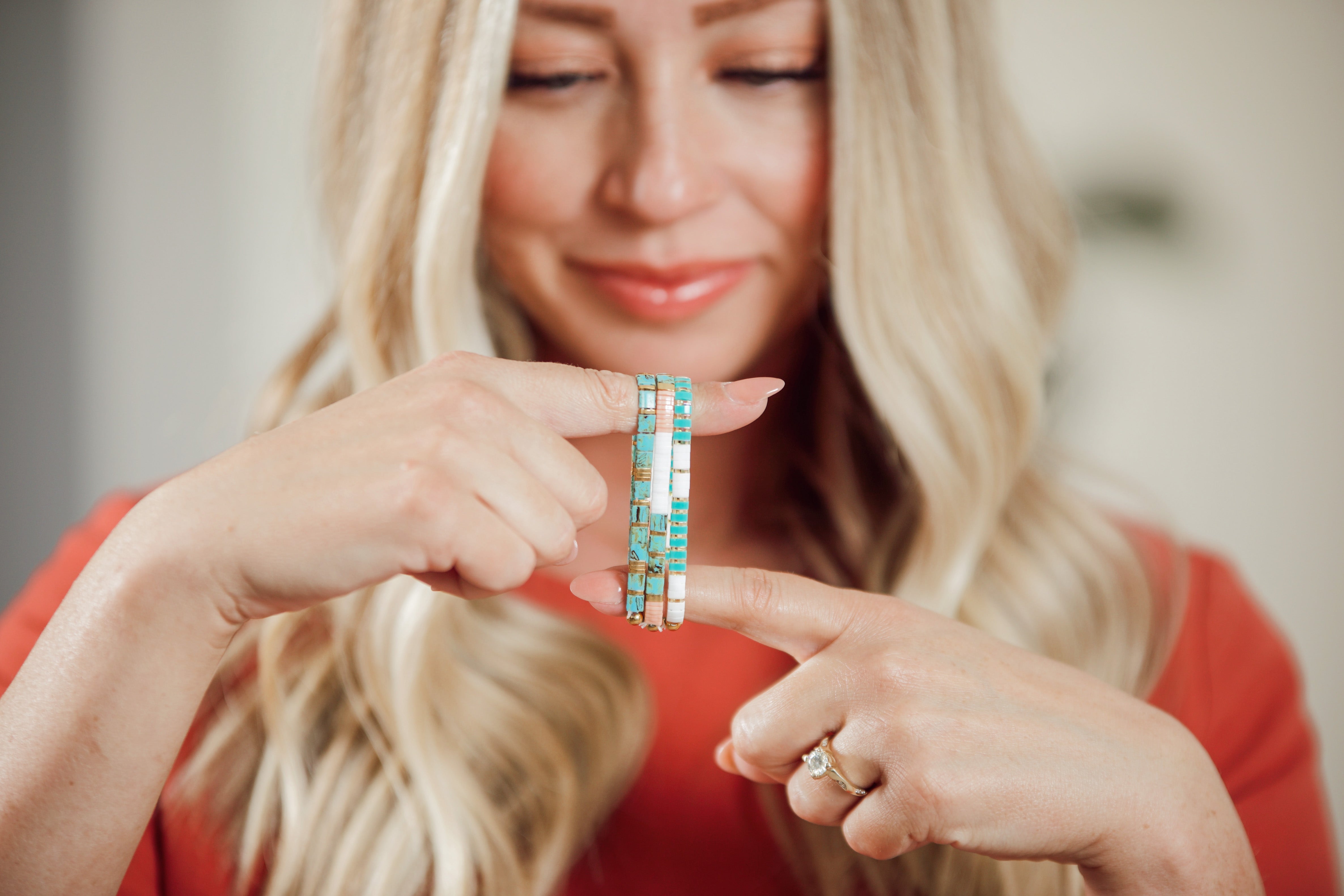
A solid kit gives you the beads, the cord, and the small hardware pieces sized to match, not a random grab bag. At minimum, expect tila beads sorted by bracelet, crystal-cord elastic, needles that lock so the cord doesn't slip, crimp beads, and knot covers to finish the ends clean.
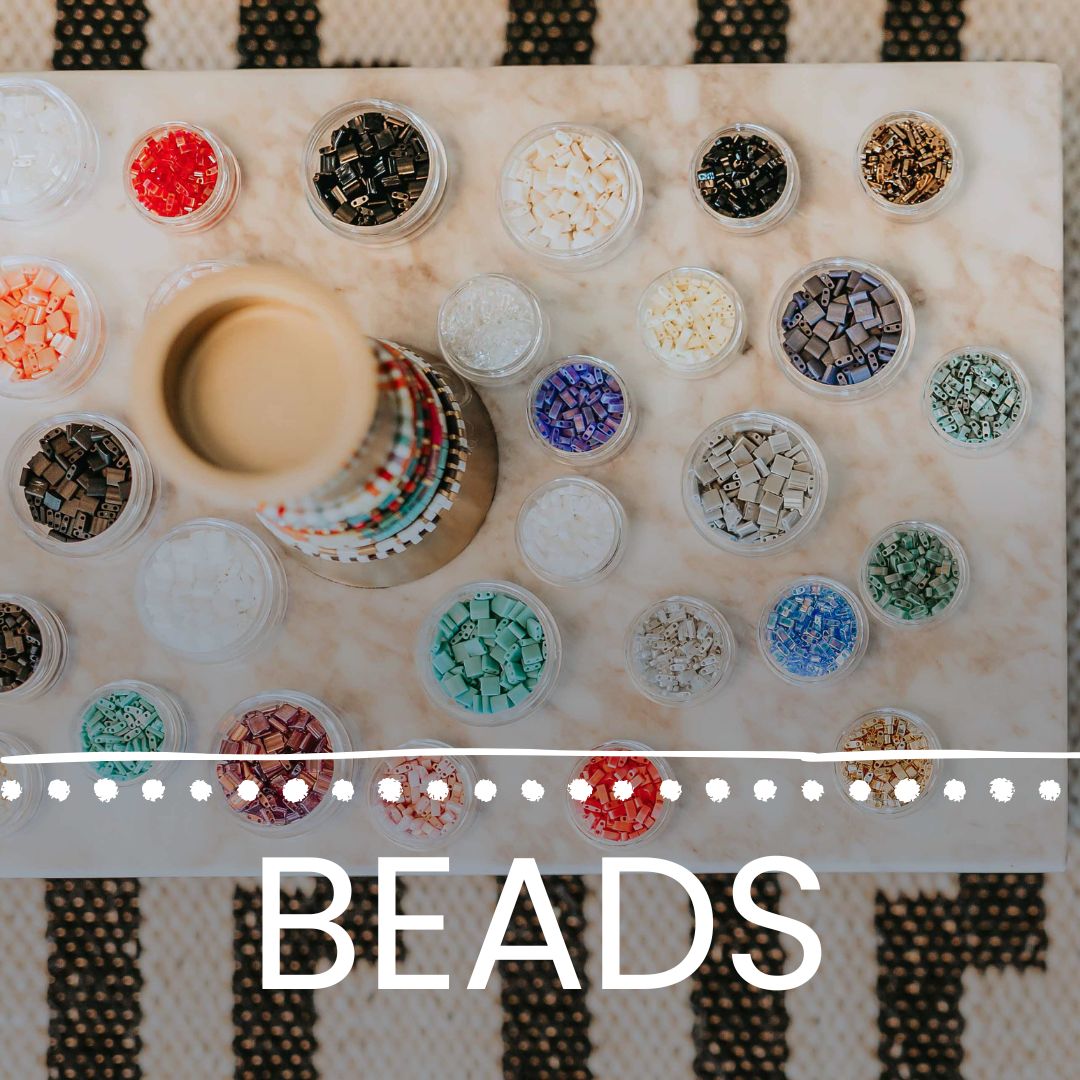
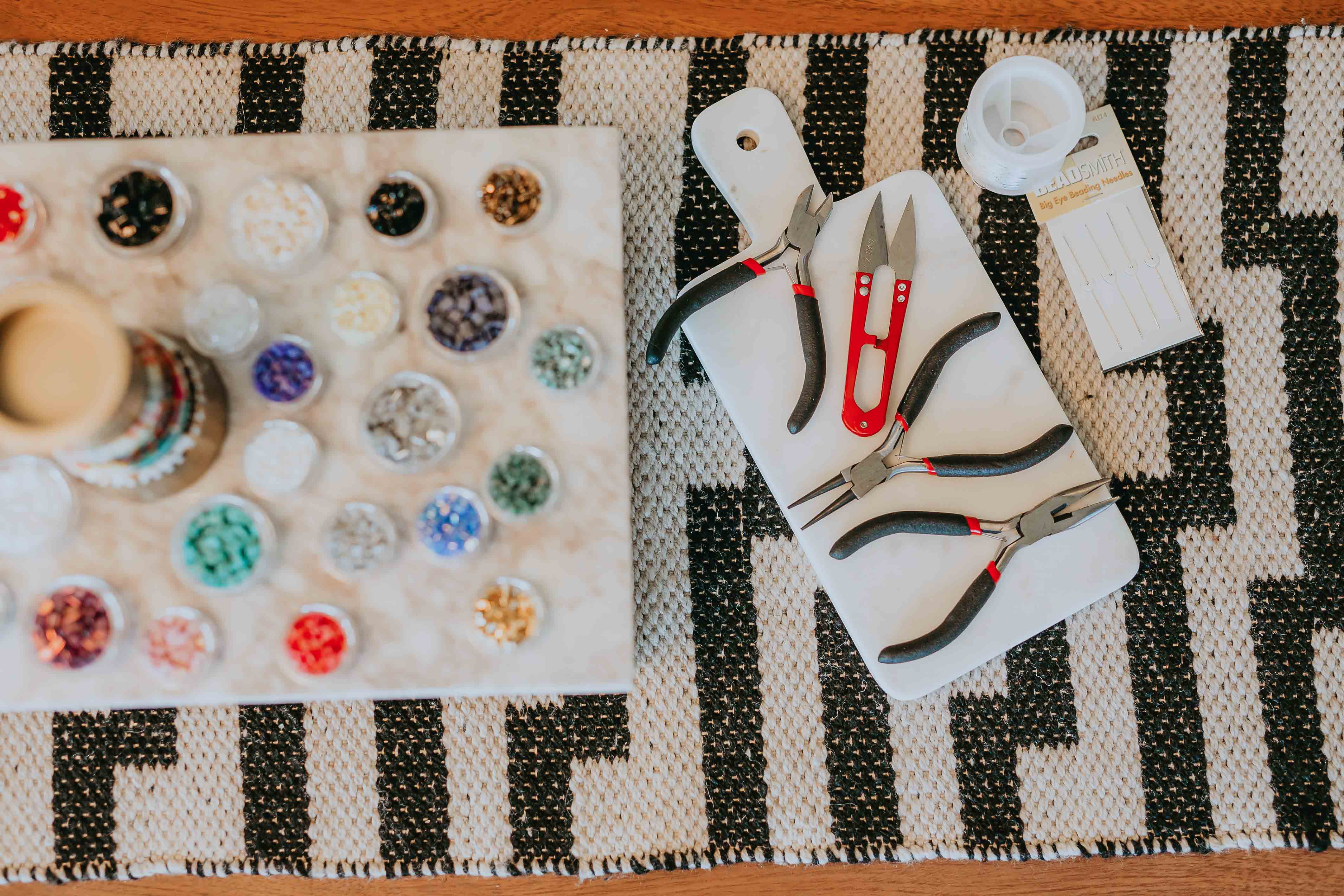
That's the short list. What separates a kit worth buying from one that isn't is what's not on it. Mack & Rex's trio kits and the DIY Bracelet Kit Club subscription come with everything above, plus a tin to keep it organized and access to the online tutorial, but no pliers or bead mat. The Tila Bead Starter Kit steps up from there: pliers, side cutters, two locking beading needles, a bead mat with a built-in ruler, and 12 clear storage containers to sort your colors as you build a real stash.
Two tiers, two jobs. A trio kit is a project. The Starter Kit is a setup.
How Many Bracelets Do You Actually Get From a Kit?
It depends entirely on which kit, and the range is wide. A $44.99 trio kit makes 3 bracelets. The Tila Bead Starter Kit at $189.99 makes 20. The Ultimate Tila Bracelet Kit at $399.99 makes 80, with 32 color options included.
Here's the breakdown by tier:
- Trio kits ($44.99): 3 coordinating bracelets, beads and elastic pre-portioned, no tools
- DIY Bracelet Kit Club ($36.99/month): 3 new bracelets every month, shipped in a small tin, subscription only
- Tila Bead Starter Kit ($189.99): 20 bracelets, full tool set included, 4 color pack options
- The Ultimate Tila Bracelet Kit ($399.99): 80 bracelets, 32 colors, built for a bigger group or a serious hobby
If you're weighing a trio kit against a single finished bracelet, the trio wins on cost per piece and gives you something to actually do with your hands. If you're weighing the Starter Kit against a drawer of loose beads you'll never sort yourself, the Starter Kit wins on convenience. Match the tier to how often you'll realistically sit down and make something.
Are Craft-Store or Amazon Bead Kits Worth the Savings?
Sometimes. It depends on what you're making and how long you want it to last. A cheap kit built around generic glass seed beads and thin stretch string works fine for a single afternoon project you don't mind replacing.
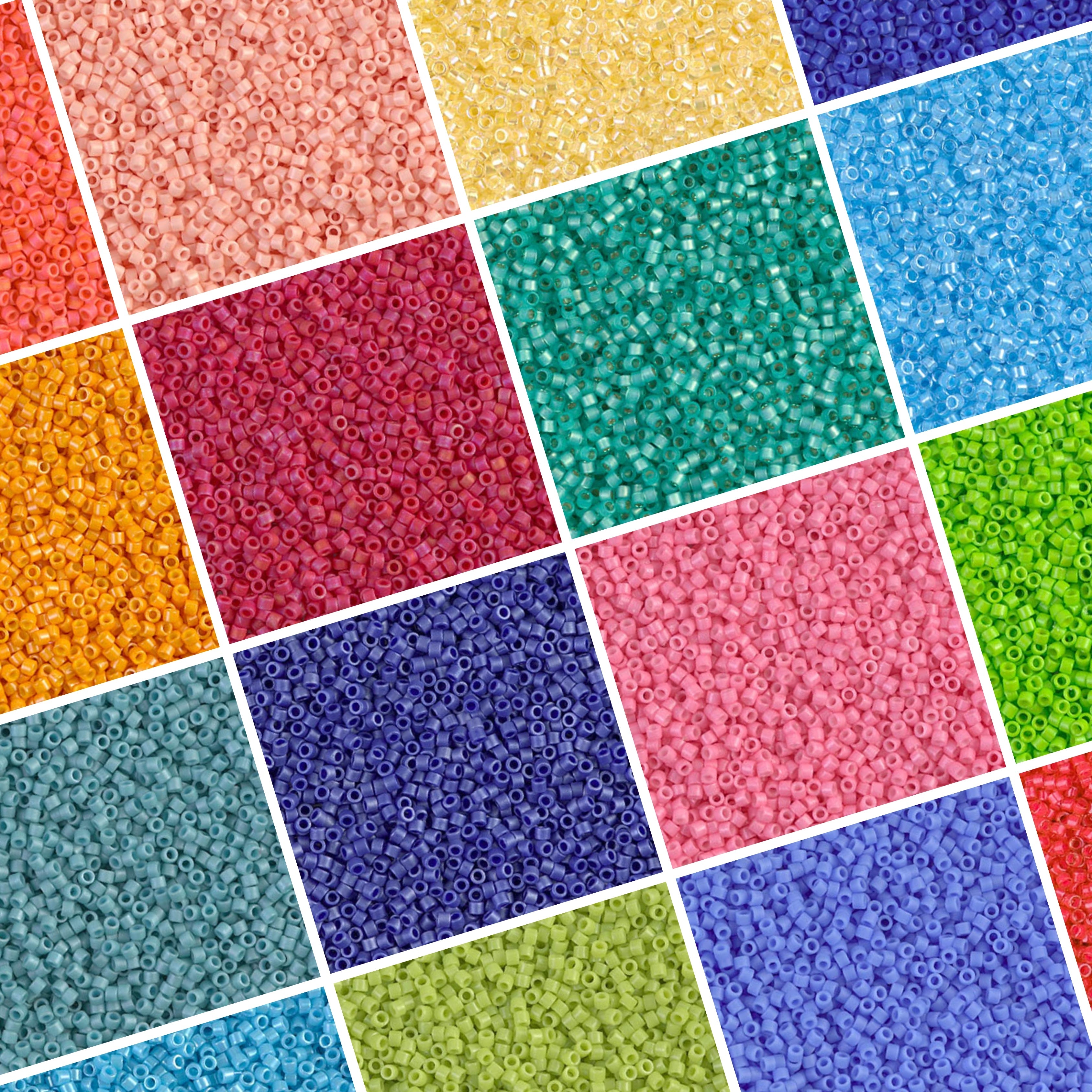
Miyuki tila beads are a different animal, and the difference shows up on your wrist, not just in the packaging. Miyuki is a Japanese glass bead manufacturer known for tight tolerances: each tile bead measures close to 5mm x 5mm x 1.9mm, consistently, so beads sit flush against each other rather than gapping or twisting. Beadaholique's guide to weaving with tila beads notes this uniformity is exactly why the shape works well for flat, stacked patterns, something inconsistent no-name beads can't reliably do. Fire Mountain Gems' materials page on tila beads covers the same point: the two-hole square design depends on precise, repeatable sizing to string cleanly.
Cord matters just as much as the beads. A lot of budget kits use a thin, stretchy string that's fine on day one and loose by week three. Mack & Rex kits use .5mm crystal-cord elastic, the same cord used on its finished bracelets, which holds tension instead of going slack. Cheap out on the cord and it doesn't matter how nice your beads are.
So: a bargain kit for a rainy afternoon, fine. A kit you're buying because you want the bracelet to survive actual wear, spend the extra few dollars on real materials.
Is a Kit Better Than Buying Loose Beads?
A kit wins when you don't already own the basics. Loose beads win when you do and want full control over your color mix.
If this is your first time making a stretch bracelet, a kit removes the guesswork: colors are picked to work together, the cord is already the right thickness for the bead size, and the needle setup is designed not to slip mid-project. That combination is worth paying for the first few times, since buying pliers, elastic, needles, and crimp beads separately from a hardware store rarely lines up correctly on the first try.
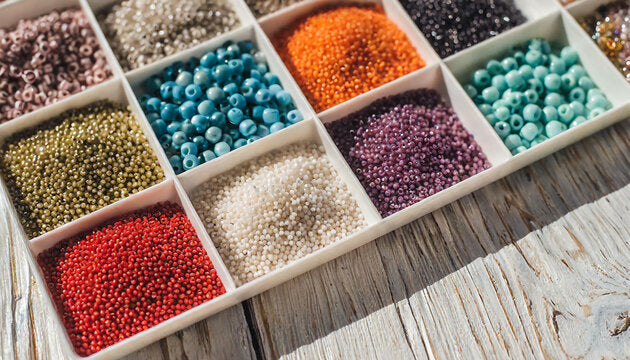
Once you've got pliers and a bead mat sitting in a drawer, loose tila bead packs make more sense. You're not paying for hardware you already own, and you can build a palette nobody else on Etsy has. Plenty of long-time crafters land on a mix: a Starter Kit or All-in-One tools kit to get the hardware once, then loose bead packs after that to keep the color options fresh.
Can You Make Bracelets Together With Kids or Friends?
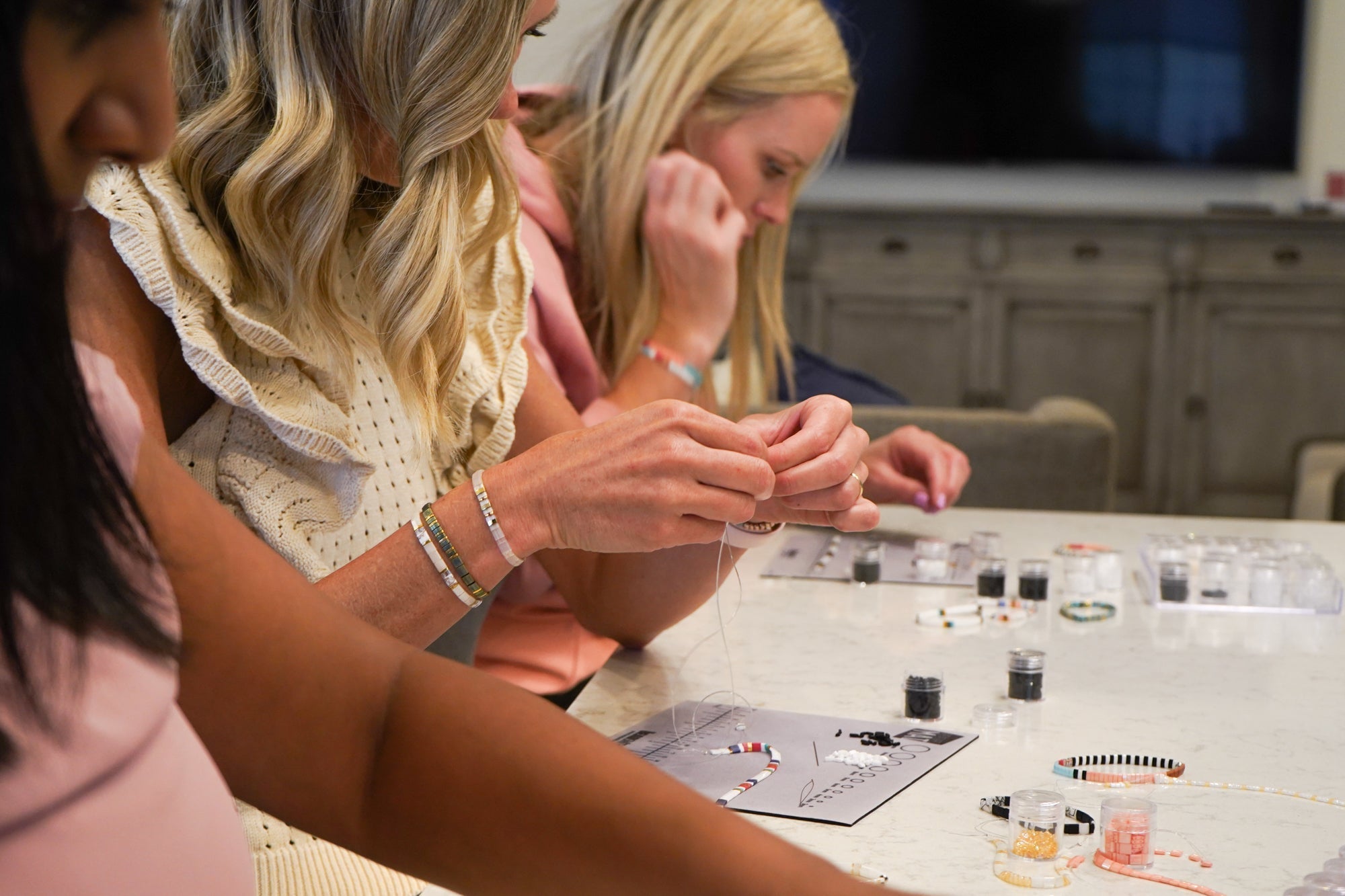
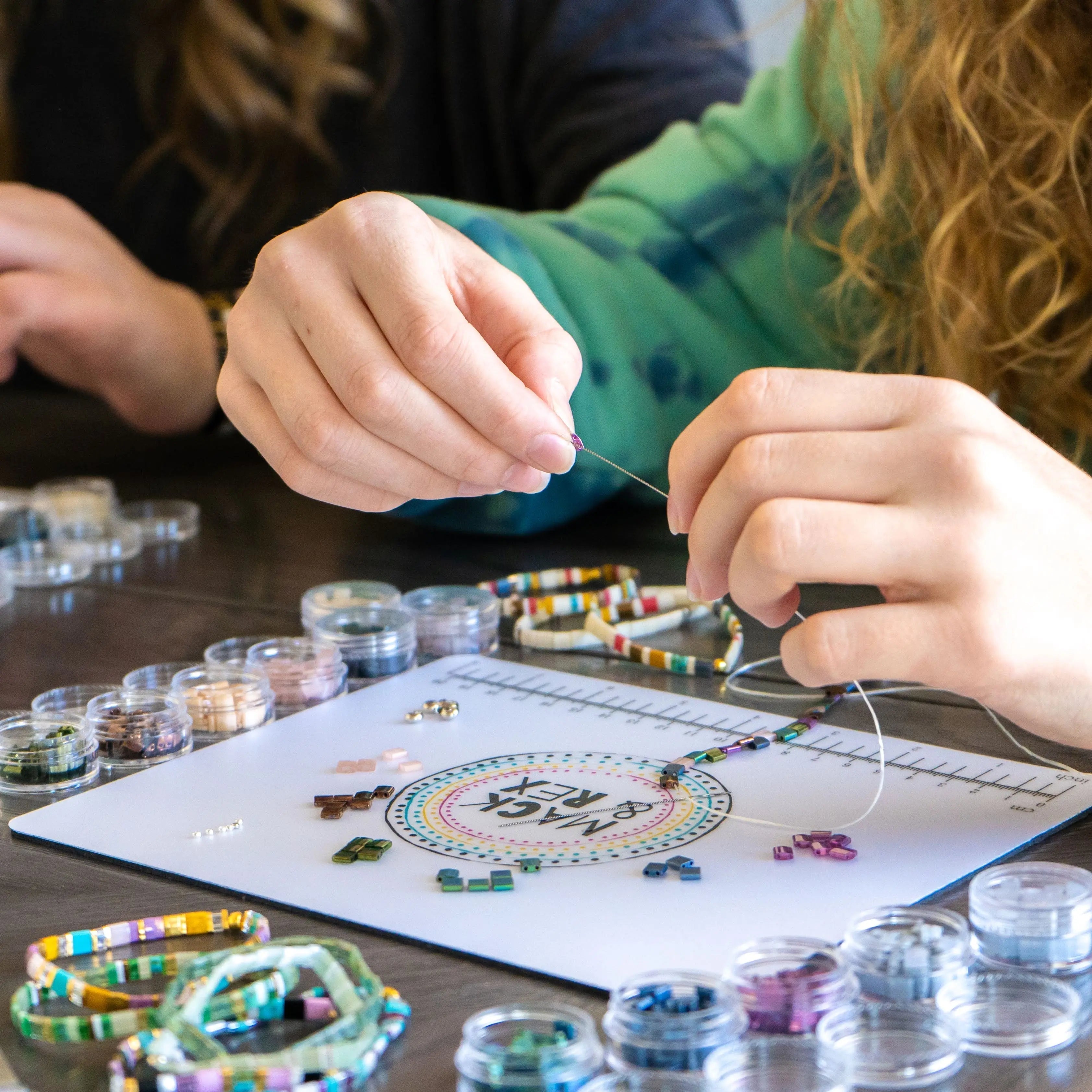
Yes, and it's one of the most common reasons people buy a kit in the first place. A trio kit or the DIY Bracelet Kit Club subscription is sized for exactly that: sit down with someone, split the beads, and each walk away with something you made yourself.
One reviewer put it simply: "I like the kit in a can monthly as it is a complete three bracelet project for me. The pieces and colors work so well together I love it." That's the appeal in a sentence, a contained project that doesn't require a trip to the craft store first.
A quick caution if kids are involved: tila beads, crimp beads, and knot covers are small parts and a choking hazard. Keep young children supervised by an adult the entire time a kit is open, and store loose beads out of reach between sessions. This is a project for older kids and adults working alongside a grown-up, not an unsupervised activity for toddlers.
So, Are Adult Bead Bracelet Kits Worth It?
For most adults who want to make a bracelet without owning a full jewelry bench, yes. A trio kit costs less than a single boutique bracelet in most stores and gives you 3 finished pieces plus the skill to make more. The math only stops working if you buy a cheap kit that falls apart after one wear, which is the actual risk with bargain-bin options, not the kit format itself.
Pick based on how much you'll use it. One project with a friend, grab a trio kit. Want a running hobby, the Starter Kit hands you the tools once so every future kit or bead pack is cheaper. Either way, check the description before you buy. Not every kit includes pliers, and knowing that up front saves a return.
Ready to see the current lineup? Browse Mack & Rex's bracelet making kits and pick the tier that matches how much bracelet-making you actually plan to do. US orders over $100 ship free, and every kit comes with access to the free online tutorial so you're not guessing at step one.
Frequently Asked Questions
What's the difference between a trio kit and the Starter Kit?
A trio kit ($44.99) gives you tila beads, needles, crystal-cord elastic, crimp beads, and knot covers for 3 bracelets, no pliers included. The Starter Kit ($189.99) adds pliers, side cutters, a bead mat, and 12 color containers, and makes 20 bracelets. One is a project box, the other is a full home bead-shop setup.
Do I need my own tools for a Mack & Rex trio kit?
Yes. Trio kits and the DIY Bracelet Kit Club subscription include beads, needles, elastic, crimp beads, and knot covers, but not pliers, side cutters, or a bead mat. If you don't already own basic jewelry pliers, the Starter Kit or the All-in-One tools kit covers that gap.
Does buying a kit qualify for free shipping or the bracelet offer?
Mack & Rex ships free on US orders over $100; a single $44.99 kit doesn't clear that on its own, though stacking a couple of kits can. The buy 3 bracelets, get 1 free offer applies only to finished, ready-to-wear bracelets, not to kits or loose beads.
Are cheap bead kits from a craft store or Amazon worth it?
For a one-time kids' activity, sure, they're fine. For an adult who wants bracelets that hold their shape and beads that sit flush and even, no. Cheap kits usually mix bead sizes and use thin, generic cord that stretches out fast, which shows the first time you wear the piece.
Is a kit better than buying loose Miyuki tila beads?
A kit is better if you don't yet own pliers, elastic, or needles, or you want a color palette already picked for you. Loose beads make more sense once you have tools on hand and want to design your own combinations rather than follow a preset pack. For general background on seed bead materials and history, Wikipedia's seed bead overview is a solid starting point.