

Are Adult Bracelet Kits Worth It? An Honest Breakdown
Are Bracelet Kits Actually Worth the Money?
For most people making more than one or two bracelets, yes. A curated bracelet kit bundles beads, cord, and findings at a lower cost per finished piece than buying the same materials one at a time, and it skips the hours of color-matching and sourcing that come with building your own supply kit from scratch.
If you already have a drawer of leftover beads and cord, the math looks different. That's the short version. The longer version depends on how many bracelets you're actually planning to make, whether you already own supplies, and how much you value not having to hunt down the right shade of Tila bead across three different websites.
What's Actually Inside a Bracelet Kit?
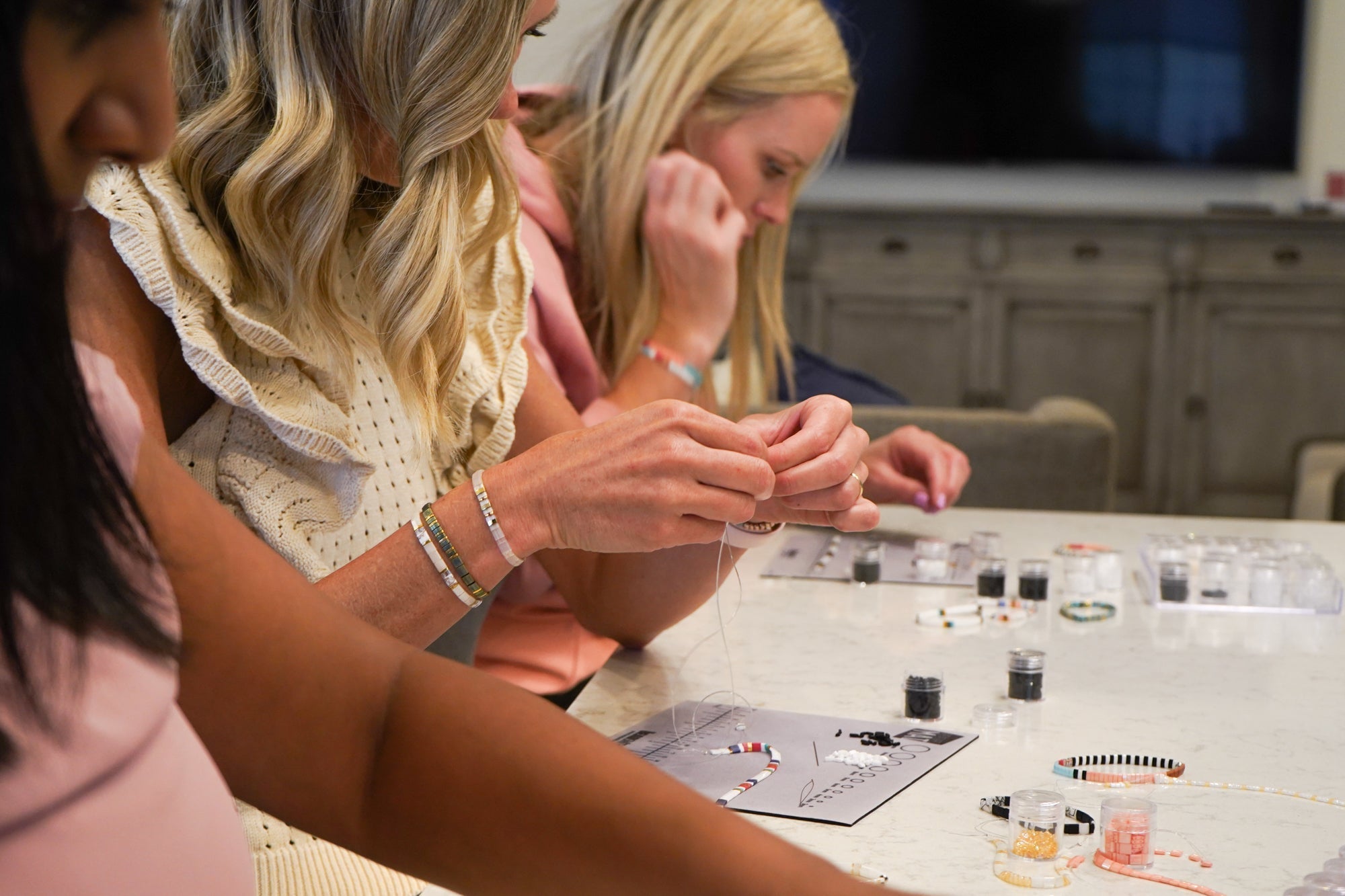
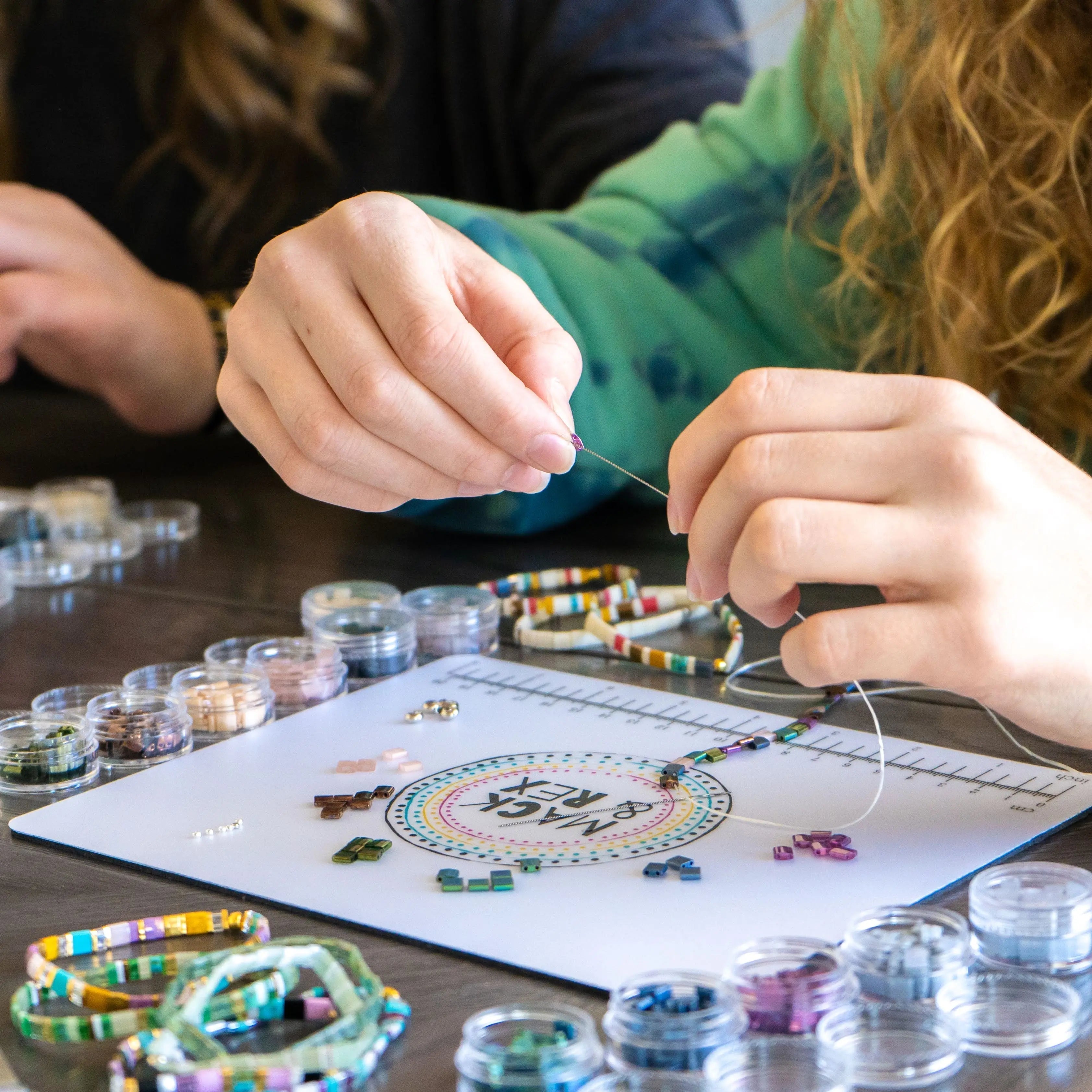
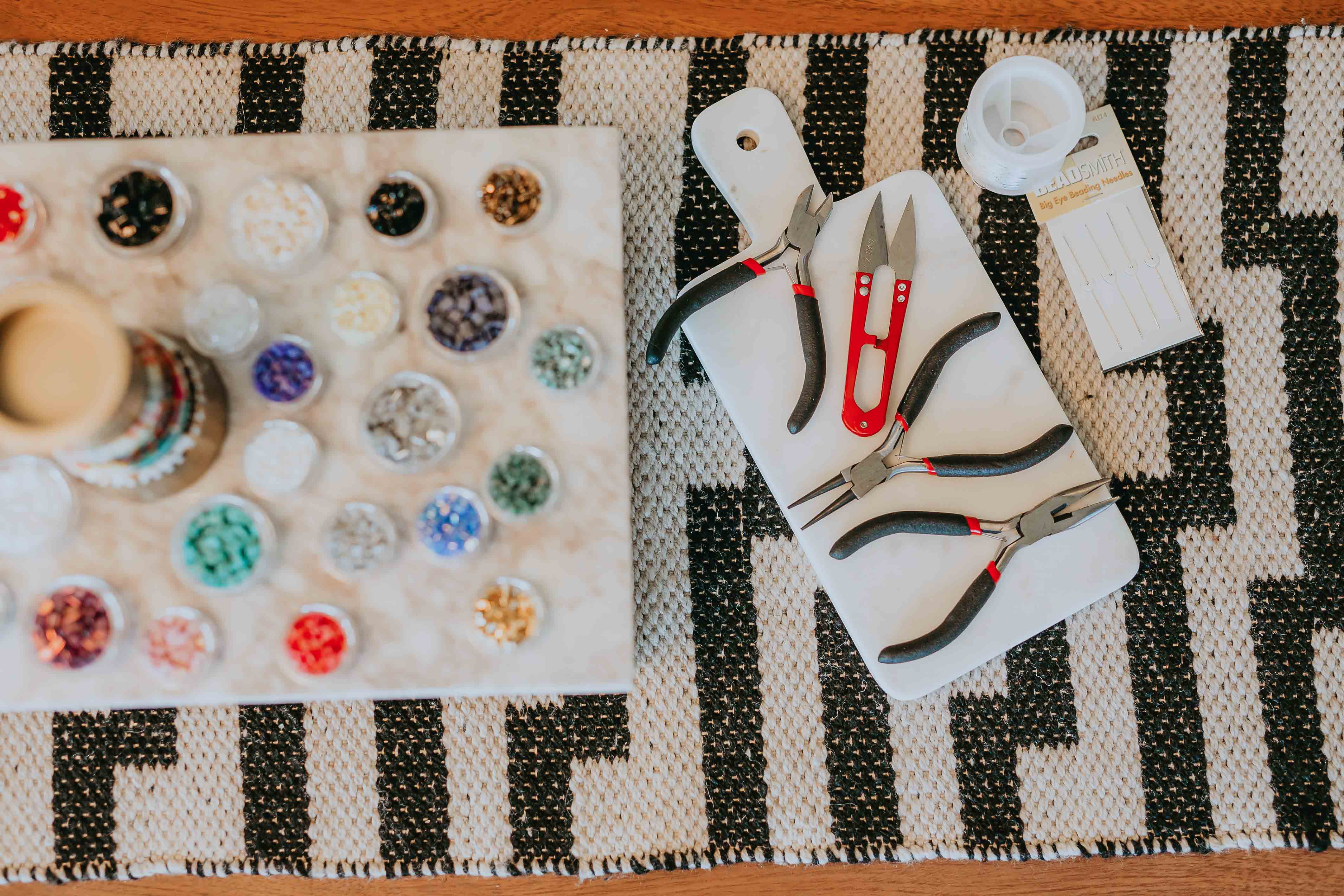
Strip away the marketing and a bracelet kit is a handful of specific things: pre-portioned beads in a coordinated color mix, a length of stretch cord, clasps or findings if the design calls for them, and printed instructions. That's the whole package. You bring a table, a pair of scissors, and roughly an hour.
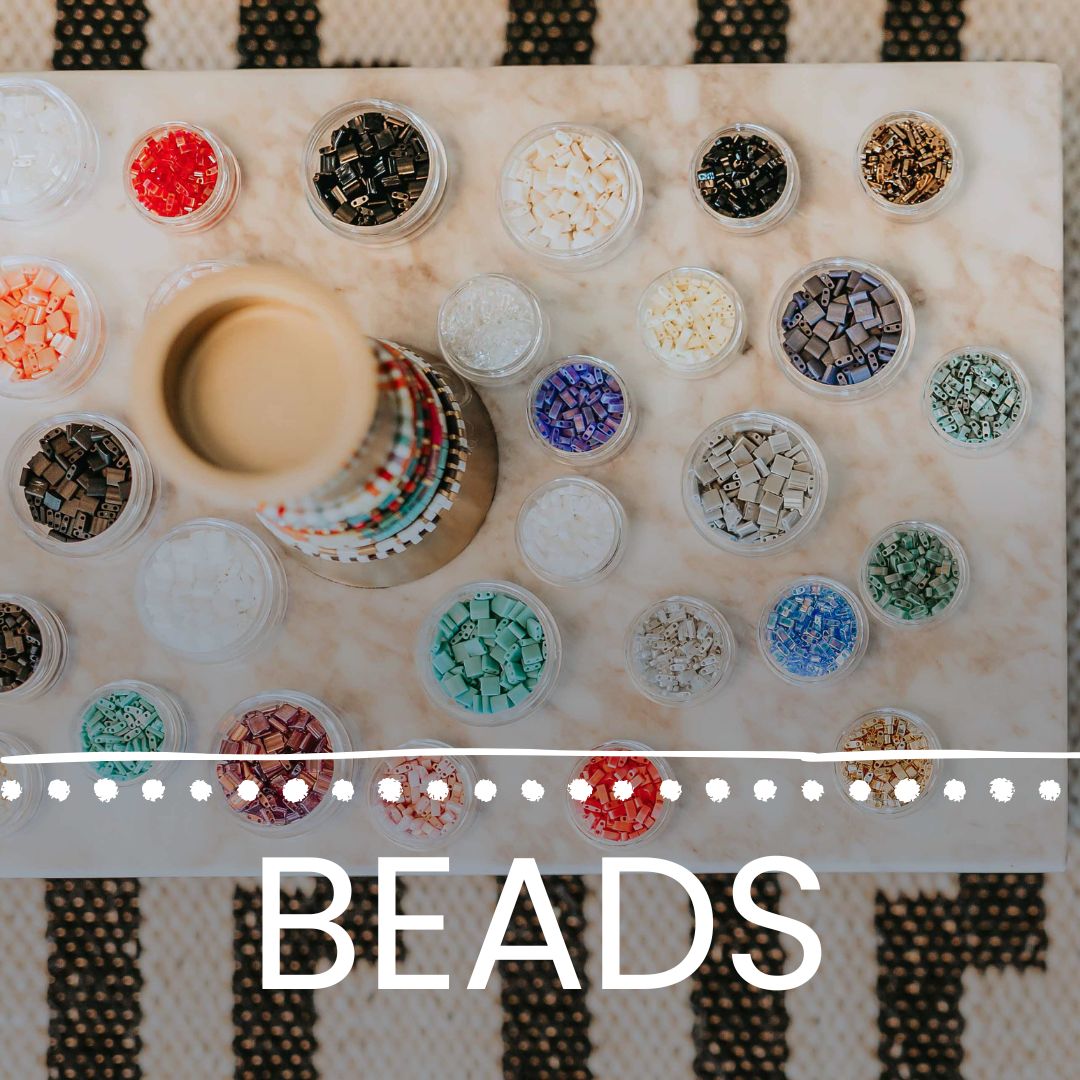
Mack & Rex kits use genuine Miyuki Tila beads, glass tile beads made by Miyuki in Japan and resold here as part of the kit, paired with crystal-cord elastic. The company doesn't manufacture the beads themselves; they source a real, established brand and build the kit around it. That distinction matters if you're comparing a curated kit to a bag of unbranded beads from an unfamiliar seller, where you often can't verify what you're actually getting.
What Does It Really Cost to Source the Same Supplies Yourself?
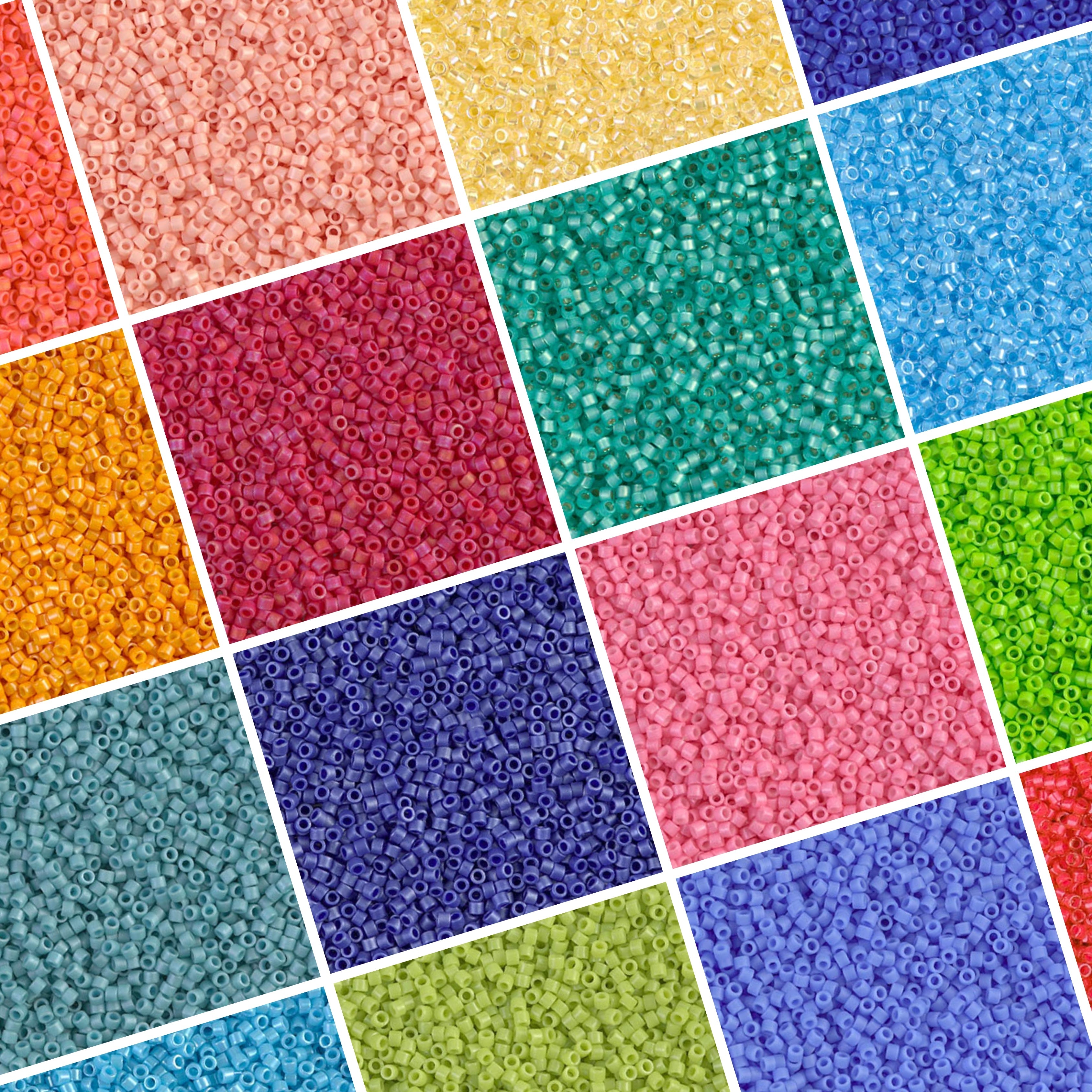
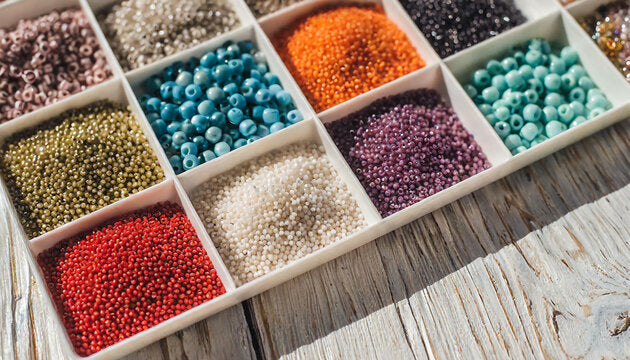
Here's where the "just buy it separately" argument usually falls apart. Loose Tila beads typically run $5 to $9 per color mix, and a single bracelet needs at least two or three coordinating colors to look intentional rather than random. Add elastic cord, which most craft retailers sell by the spool rather than the exact length you need, plus a clasp if your design calls for one, and you're paying for a lot of leftover material you may never use again.
Then there's the part nobody accounts for: color matching. Beadaholique's guide to choosing beading cord notes that stretch elastic thickness needs to match the bead hole size or the bracelet won't hold up, which is a detail that's easy to get wrong on a first attempt. Craftsy's beginner jewelry-making guide makes a similar point about startup cost in general craft supplies: the upfront spend on tools and materials is where most first-timers overspend, often buying more than they need because they don't yet know what a project actually requires. A curated kit solves that by deciding the mix for you.
Shipping adds another wrinkle. Order beads from one site and cord from another and you're often paying separate shipping charges on both, unless each order happens to clear that retailer's own free-shipping threshold. A kit consolidates all of it into a single box.
When Does a Curated Kit Actually Beat Buying Supplies Separately?
Run the numbers and the pattern is consistent: buying more upfront lowers the cost per bracelet, and it beats piecing supplies together at almost every tier.
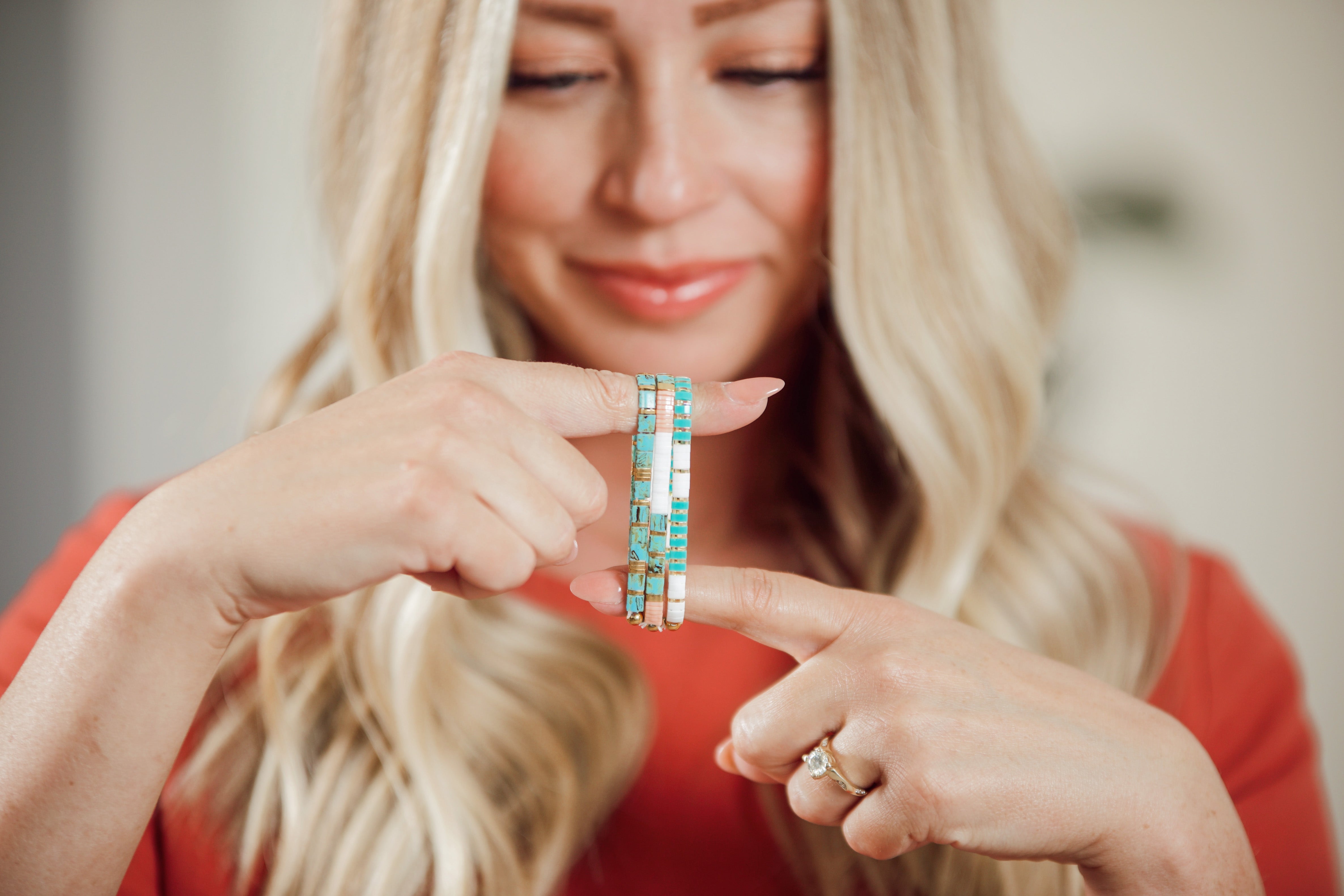
The Trio Kit runs $44.99 and makes 3 bracelets, roughly $15 each. That's the entry point, built for someone trying the craft for the first time or making a small matching set. The DIY Bracelet Kit Club, Mack & Rex's monthly subscription option, delivers 3 bracelets for $36.99, a slightly lower per-bracelet cost thanks to the recurring format. Step up to the Tila Bead Starter Kit at $189.99 for 20 bracelets and the price drops to about $9.50 per piece. The Ultimate Tila Bracelet Kit, $399.99 for 80 bracelets, lands around $5 per bracelet, the sharpest number in the lineup.
Compare any of those to sourcing loose beads and cord separately for the same volume, plus your own time spent color-matching and reordering when you run short, and the kit wins on both price and hassle almost every time you're making more than a couple of pieces. One customer described her monthly kit as "a complete three bracelet project" where "the pieces and colors work so well together," which is exactly the curation you're paying the premium to skip doing yourself.
When Are Bracelet Kits Not Worth It?
Honesty matters here more than the sales pitch. Kits aren't the right call for everyone.
If you already have a stash of beads, cord, and findings from past projects, a kit is redundant. You're paying for curation and convenience you don't need. If you want total creative control, picking every bead individually rather than working within a themed color mix, buying loose beads gives you that freedom in a way no kit can. And if you genuinely only want one bracelet, a finished, ready-to-wear piece at $20 to $25 is simpler than buying a kit built to make three or more. The kit math only pays off once you're making more than a piece or two.
There's also a real trade-off in time. A finished bracelet takes zero effort. A kit takes an afternoon, a flat surface, and some patience. If you don't actually want to make the bracelet, no amount of cost-per-piece math changes that.
So, Are Bracelet Kits Worth It for Most People?
Generally, yes, with conditions. Bracelet kits are worth it when you're making three or more bracelets, when you want the color mix already sorted for you, and when the alternative is piecing together beads, cord, and findings from separate sources at a higher total cost. They're not worth it if you already have a supply stash, want full control over every material choice, or only ever plan to make one bracelet.
Mack & Rex kits land on the "worth it" side of that line for the segment they're built for: people who want a real, coordinated project without becoming a bead-sourcing expert first. Every tier uses the same crystal-cord elastic and genuine Miyuki Tila glass beads, sized XXS through 5XL, and backed by the same quality guarantee as the finished bracelets. The bracelet making kits collection lays out all four tiers side by side, so you can match the size to how many bracelets you're actually planning to make.
Making Bracelets With Kids or Grandkids?
Plenty of shoppers buy an adult kit specifically to make bracelets together with kids or grandkids, and the value math above still holds for a shared project. One thing matters more than the math, though: Tila beads and small findings are a choking hazard for young children, so keep loose beads away from toddlers and have an adult handle threading and knotting whenever younger kids are at the table.
For general reference on stretch-cord technique, whether you buy a kit or build your own supply list, the general do-it-yourself framework applies well here: DIY projects trade money for time and a sense of ownership over the finished product, and a bracelet kit is really just a pre-measured version of that trade. If you'd rather shop by category first, Joann's jewelry-making resource hub is a useful starting point for seeing what raw materials cost at general craft retail before you decide whether a kit is the better deal for your project.
Shipping is free on US orders over $100, though a single $44.99 kit doesn't clear that on its own, so pair it with a bead pack or a second kit if free shipping matters to you. And if you decide you'd rather round out your stack with ready-to-wear pieces instead of stringing every bracelet by hand, buying 3 finished bracelets gets you a 4th free, no code needed. That offer applies to finished bracelets only, not kits.
Frequently Asked Questions
Are bracelet kits actually worth the money?
For most people making more than one or two bracelets, yes. A curated kit bundles beads, cord, and findings at a lower per-bracelet cost than buying the same materials piece by piece, and it saves the time of color-matching and sourcing everything separately. If you already own leftover beads and cord, the math shifts.
What's actually included in a bracelet kit?
A typical Mack & Rex bracelet kit includes pre-portioned Miyuki Tila beads in a coordinated color mix, crystal-cord elastic, clasps or findings where needed, and instructions. You supply the table, scissors, and about an hour.
Is it cheaper to buy bracelet supplies separately?
Rarely, once you count everything. Buying loose Tila beads, elastic cord, and findings separately from multiple sources often costs more per bracelet than a kit once shipping and minimum order sizes are factored in, and you still have to do the color matching yourself. It can be cheaper only if you already have leftover materials on hand.
Who should skip a bracelet kit?
Anyone who already has a bead stash and genuinely enjoys picking every color and finding by hand. Kits are built for convenience and curation, so a crafter who wants full creative control over every material, or who only ever wants to make a single bracelet, is often better off buying loose beads or a finished piece.
Does Mack & Rex's buy-3-get-1-free offer apply to bracelet kits?
No. The buy 3, get 1 free offer applies to finished, ready-to-wear bracelets only, not kits or loose beads. Kits qualify for free shipping when the order totals over $100, but a single kit purchase usually needs to be paired with something else to cross that threshold.