
Are Adult Bracelet Making Kits Different From Kids' Kits?
If you've ever compared a bracelet making kit for adults next to the plastic bead tub in the kids' toy aisle, you already sense they aren't built the same way. They aren't. A kit made for adults uses real glass beads and cord meant to survive a daily wear schedule, while a kids' kit is built around bright plastic pieces sized for small hands and quick play. The gap shows up the moment you string your first few beads, and it shows up again weeks later when one bracelet is still on your wrist and the other has snapped in a backpack.
Short answer: a bracelet making kit for adults differs from a kids' kit in three places: the beads (real Japanese glass versus molded plastic), the cord (crystal-cord elastic built for daily wear versus thin craft string), and the goal (a finished piece you'd actually wear out versus a project built for play value). Neither one is "better" in a vacuum, they're built for different jobs.
What Makes a Bracelet Making Kit for Adults Different From a Kids' Kit?
Pick up a kids' bracelet kit and an adult one side by side and the difference is obvious within seconds. The kids' version is full of oversized plastic pony beads in primary colors, loose elastic string, and enough extra pieces to keep a 7-year-old occupied for an afternoon. The adult version is pre-portioned, uses smaller flat glass beads with real color depth, and comes with crystal-cord elastic sized for a finished, wearable result.
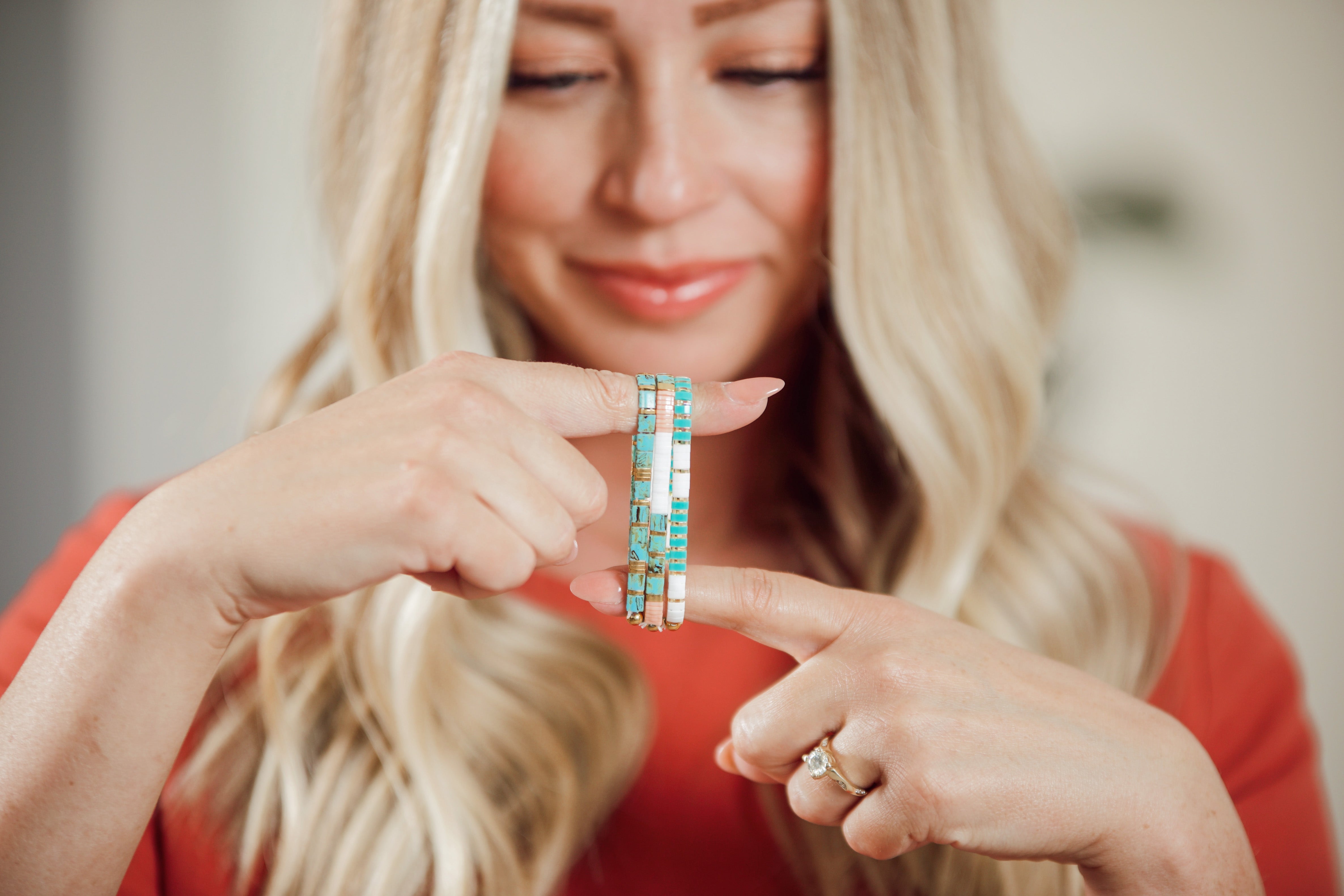
That's by design. A kids' kit is built around play value: big pieces that are easy to grip, bright colors that are fun to sort, and enough volume that a mess on the floor doesn't matter much. An adult kit is built around the finished object. Mack & Rex trio kits ($44.99, makes 3 bracelets) use Miyuki Tila beads in a coordinated palette with a pattern card, so what comes off your wrist looks like something from a boutique rather than a toy box. That higher price mostly covers the better materials.
Bead Quality: Real Miyuki Glass vs. Plastic Pony Beads
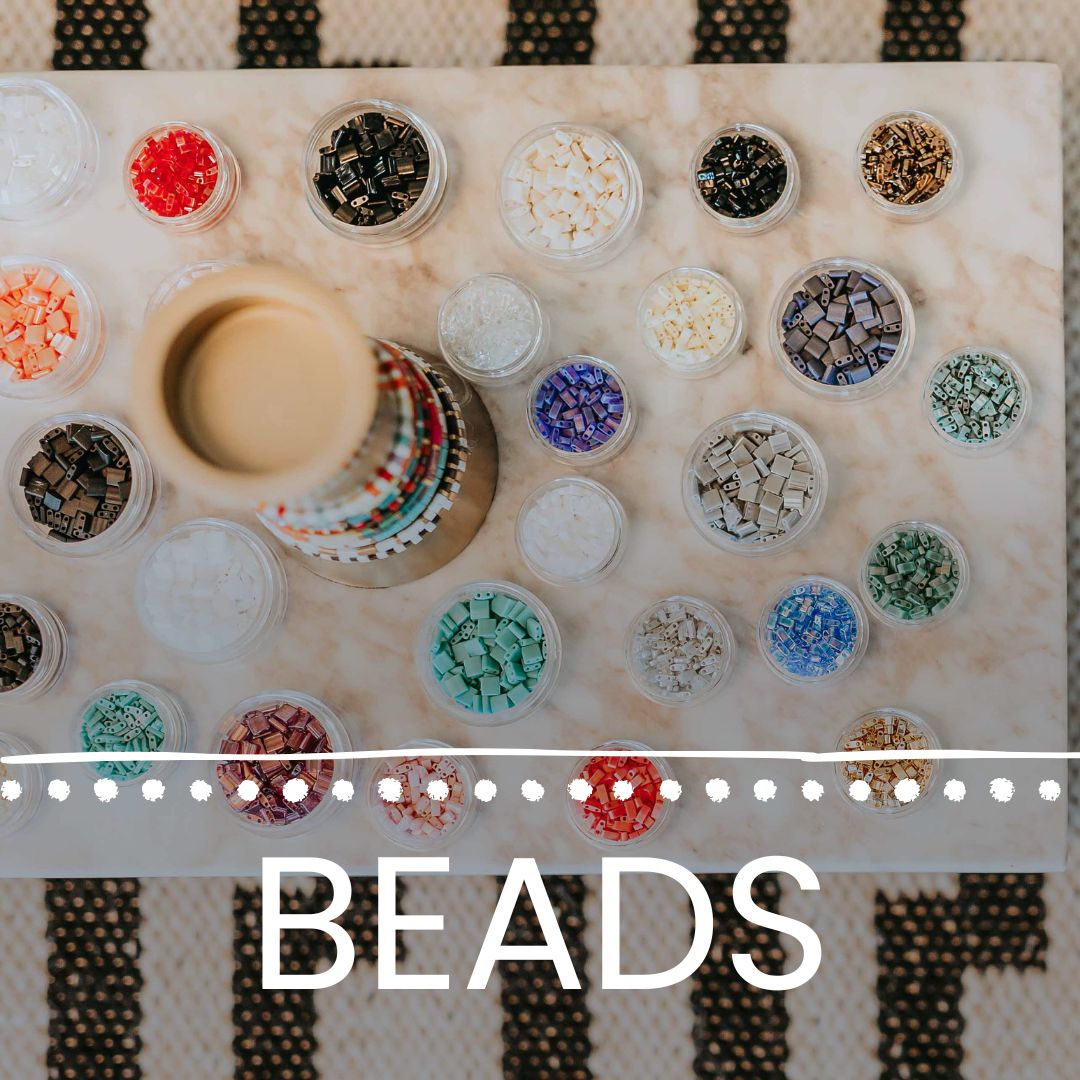
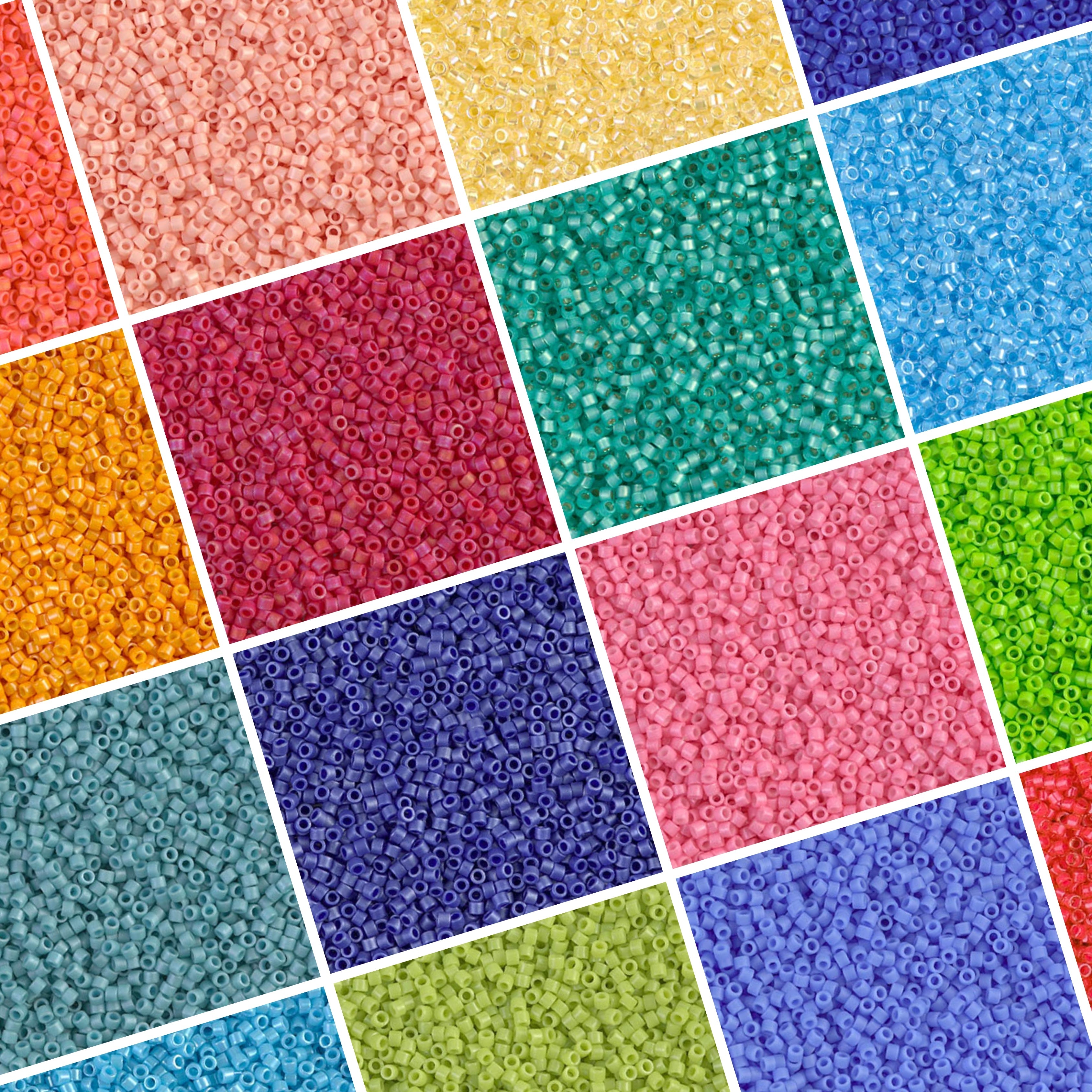
This is the single biggest difference between the two kit types. Mack & Rex adult kits use genuine Miyuki Tila beads, a Japanese glass bead style known for tight size tolerances and even color coating from bead to bead. Miyuki manufactures the beads; Mack & Rex sources and resells them in its kits and finished bracelets and doesn't produce the glass itself. Glass as a beadmaking material has a documented history that goes back centuries, and the basic appeal hasn't changed: consistent shape and a glossy, true color that plastic struggles to match (Wikipedia: glass bead).
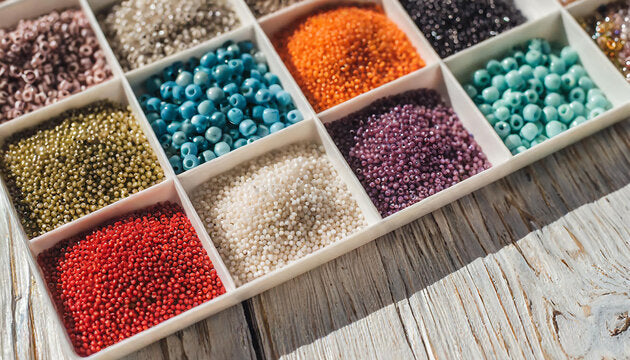
Plastic pony beads, by contrast, are molded in bulk for one job: being easy for small fingers to grab. They're larger, lighter, and forgiving, which suits a kid still building fine motor control. A tight, flush, finished look isn't the goal. The holes are often slightly off-center, the color coat can be uneven between batches, and a bracelet strung from plastic pony beads reads as a toy rather than a piece of jewelry.
A few practical differences worth knowing before you buy either style:
- Miyuki Tila beads are flat, square-cut glass tiles that sit snug against each other, so a finished row looks clean rather than gapped
- Plastic pony beads are rounder and bulkier, which keeps them easy to grip but means the finished bracelet sits chunkier on the wrist
- Glass bead color is baked into or coated on in a controlled process, so Tila beads hold their shade longer than painted or dyed plastic
- Loose Tila bead mixes run roughly $5 to $9 for restocking an adult kit, while plastic pony bead bags are typically sold by the hundreds for a few dollars
Neither bead type is wrong for its intended use. A plastic pony bead does exactly its job in a kids' craft bin; a Tila bead does a different job in a wearable adult bracelet.
Does the Cord Hold Up to Daily Wear and Workouts?
The cord matters as much as the beads, and it's the part people overlook until a bracelet snaps. Mack & Rex adult kits use crystal-cord elastic, a stretch cord built to flex with daily wear, showers, and workouts without going slack or snapping early. Finished stretch bracelets made this way are backed by a quality guarantee, which says something about how the same cord is expected to perform once you've strung your own.
Kids' kits typically ship with a thinner, cheaper elastic string. It does the job for a quick craft session, but it's not rated for the daily stretch and friction an adult expects from a bracelet worn to the gym or in the shower. Beading guides that cover stretch cord construction note that cord thickness and elasticity grade both affect how long a strung bracelet lasts under repeated wear, which is the variable that separates toy-grade string from jewelry-grade cord (Beadaholique: stretch bracelet essentials). If a kids' plastic bracelet snaps after a week on a wrist, that's the string doing exactly what thin craft cord is built to do under pressure it wasn't designed for.
Who Is an Adult Bracelet Making Kit Really For?
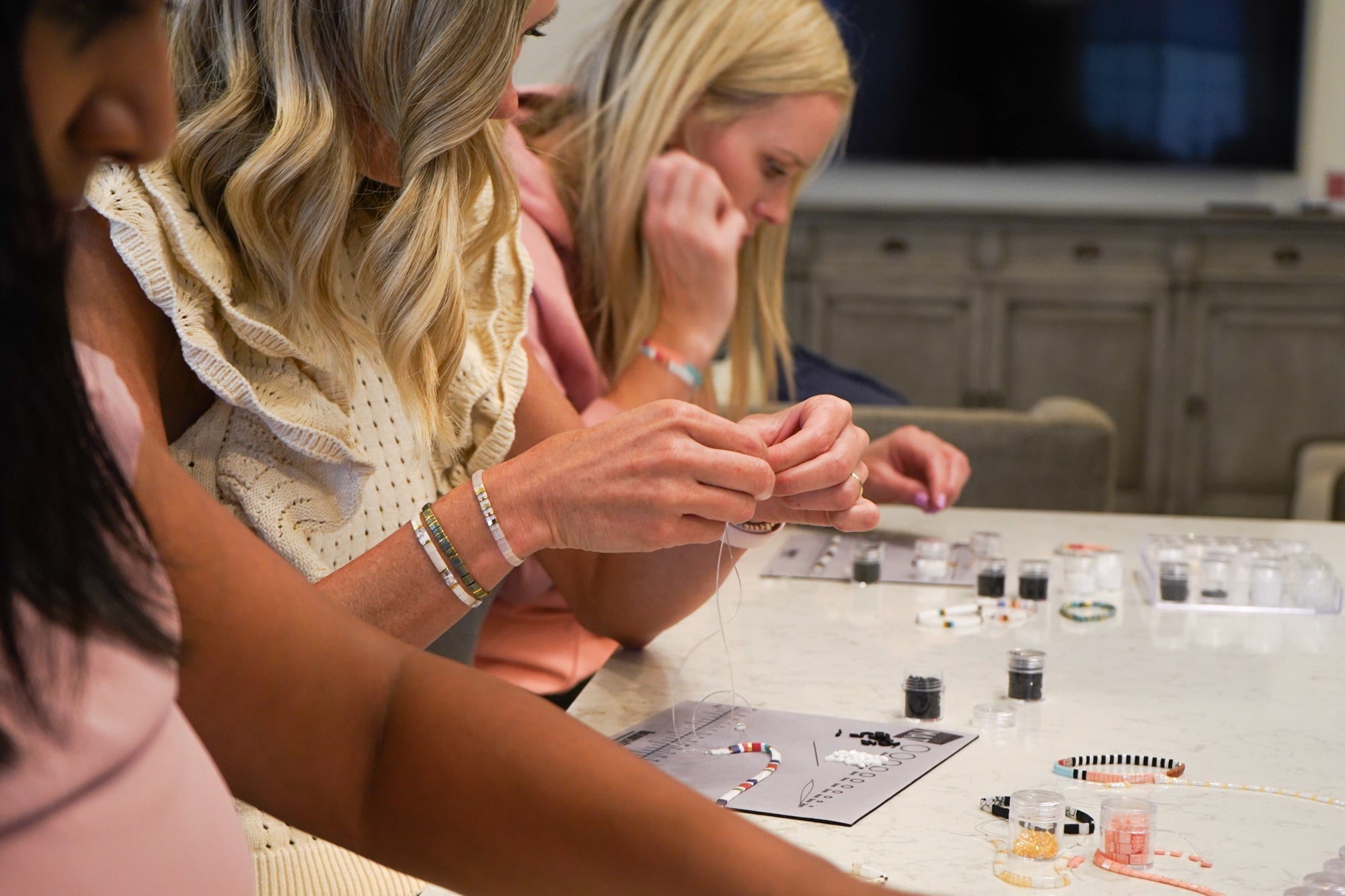
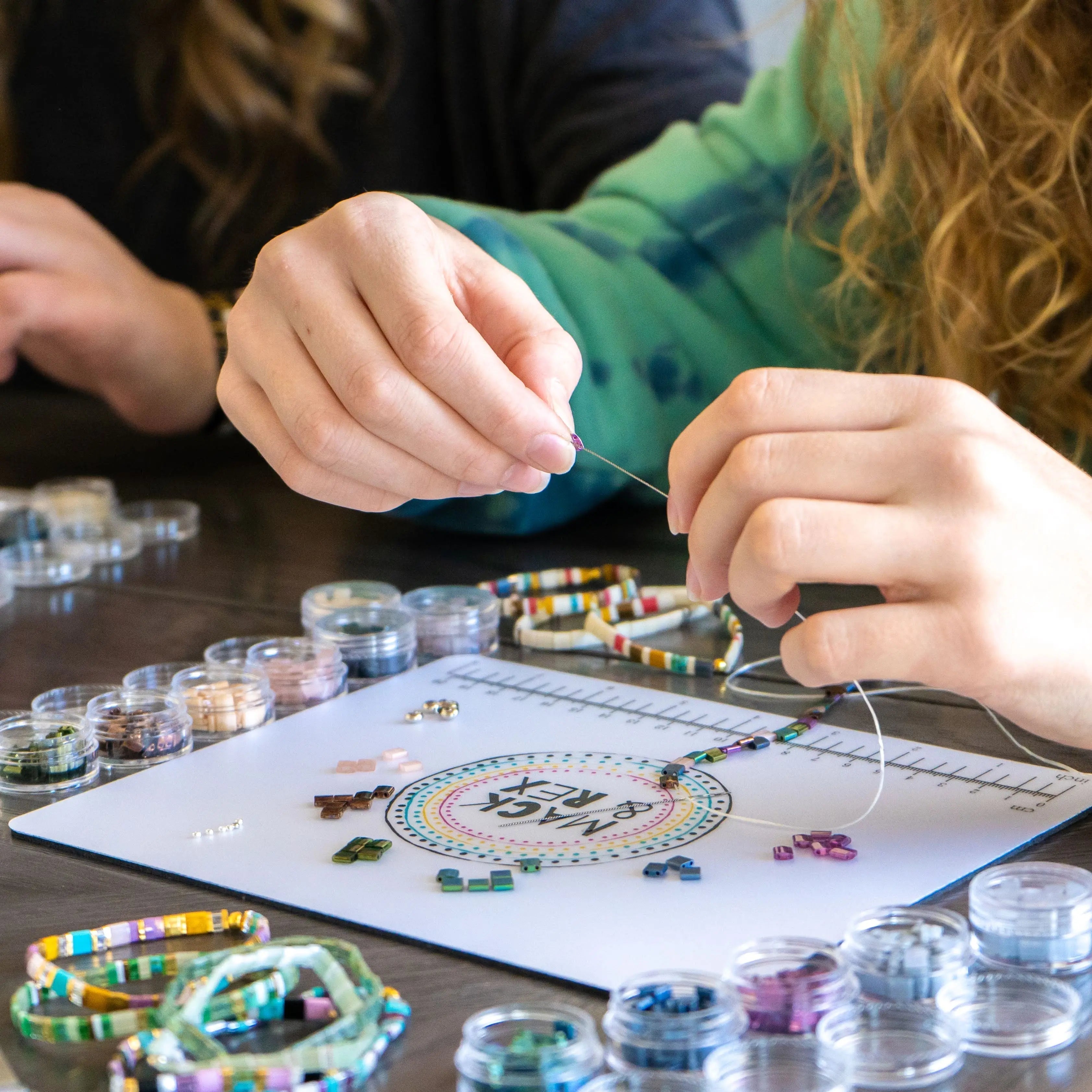
An adult kit is for anyone who wants a bracelet they'd actually wear out of the house, including beginners with zero beading background. A Mack & Rex trio kit comes pre-sorted with a pattern card, so the learning curve is small and most adults finish their first bracelet in 20 to 30 minutes. It's also a solid gift, since the finished piece arrives ready to wear rather than needing a follow-up trip to a craft store. Sizing runs inclusive from XXS to 5XL, so fit isn't a guessing game either.
A kids' kit is built for play value first. The point isn't always a flawless finished bracelet, it's the sorting, stringing, and sensory fun of the activity. If a kid's bracelet looks a little lopsided or the colors clash, that's a normal first project, not a failure.
One practical note if kids are going to be anywhere near either kit: Tila beads and other small glass or plastic beads are a choking hazard, so any crafting session with young kids in the room needs a supervising adult the whole time. General product safety guidance from the U.S. Consumer Product Safety Commission covers small-parts risk in toys and craft materials, a useful read if you're unsure what counts as too small for a given age (CPSC toy safety guidance). Ask what the recipient actually wants before you buy as a gift: a bracelet they'll wear to work and the gym, or an afternoon of sorting colorful beads with a parent or grandparent.
Is a Bracelet Making Kit for Adults Worth the Higher Price?
A single Mack & Rex trio kit at $44.99 costs more up front than a plastic kids' tub, but it produces three finished, wearable bracelets rather than one play-session project. Step up to the Tila Bead Starter Kit ($189.99, makes 20) or the Ultimate Tila Bracelet Kit ($399.99, makes 80) and the per-bracelet cost drops further, useful if you're stocking up for gifts or a group project. A single $44.99 kit doesn't clear the $100 threshold for free US shipping on its own, so pair it with a second kit or a bead mix if that matters to you. International orders ship too, with shipping and customs calculated at checkout. One more note: the "buy 3 bracelets, get 1 free" offer applies to finished, ready-to-wear bracelets (roughly $20 to $25 each), not to kits or loose beads.
Ready to see the difference for yourself? Browse the full lineup of bracelet making kits at Mack & Rex and start with a $44.99 trio kit if you want to feel the quality gap between real Miyuki glass and toy-aisle plastic firsthand.

