


Are Beaded Bracelets Safe for Toddlers? What Parents Should Know
Are Beaded Bracelets Safe for Toddlers?
Short answer: no, not for a toddler to wear or handle without an adult watching the entire time. Beads small enough to string onto a bracelet are also small enough to swallow or lodge in a toddler's airway, and the Consumer Product Safety Commission classifies that size range as a choking hazard for kids under three.
That is not meant to scare anyone off bracelets altogether. It is meant to be straight about what the real risk is, so you can make an informed call for your own kid. A lot of parenting content dances around this because beads are cute and the craft looks harmless. It is not harmless for a two-year-old left alone with a strand of them.
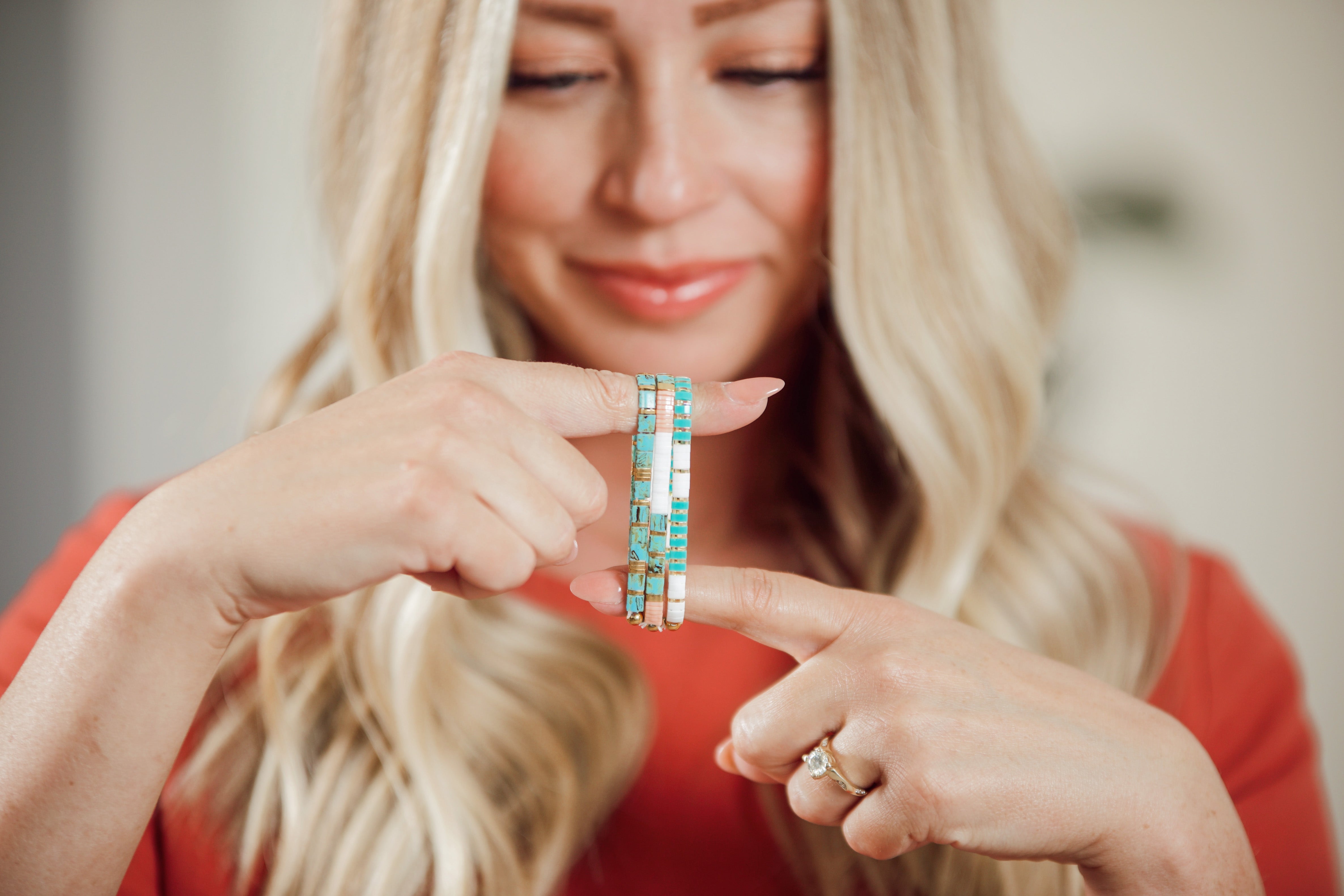
Here at Mack & Rex, we sell Tila bead bracelets and bead-stringing kits, and we would rather tell you the honest version than oversell something to a parent of a toddler. These products are built for older kids, teens, and adults. They are not marketed, tested, or designed as toddler-safe.
Why Are Beads a Choking Hazard for Young Kids?
It comes down to size and airway development. A toddler's throat is narrow, and a single loose bead sits right in the range that can fully block it.
The CPSC's small-parts standard exists for exactly this reason: any object that fits inside a test cylinder sized to approximate a young child's throat is treated as a choking risk for kids under three. Most craft and jewelry beads, including the small Miyuki Tila glass tiles used in bracelet kits, fall well within that range. The CPSC's small parts guidance spells out why products with pieces this size carry warning labels when they are intended for children.
Toddlers also explore with their mouths. A bracelet that slides off a wrist, or a strand that snaps during play, puts loose beads within easy reach of a child who is going to pick one up and put it in her mouth. That is developmental fact, not a knock on any particular kid. The American Academy of Pediatrics notes that small toys, marbles, and small parts are among the most common choking culprits for children under three, right alongside certain foods.
What About Breakaway or Snap Bracelets, Are Those Safer?
Partly, but not fully. A breakaway clasp is built to pop open under tension, which lowers the risk of a strand catching on something and pulling tight around a wrist or neck.
Here is the part that gets missed: a breakaway clasp does nothing about the beads once they scatter. If the strand pops and ten beads roll across the floor, you still have ten small, swallowable objects within reach of a toddler. Breakaway hardware reduces one kind of risk (entanglement) without touching the other (choking). Both matter, and neither replaces direct supervision. KidsHealth's guidance from Nemours on choking prevention makes the same point about small household items generally: the fix is keeping them away from young kids, not a smarter clasp.
At What Age Can Kids Safely Wear or Make Beaded Bracelets?
Three years old is the rough line most safety guidance uses, and it is a floor, not a green light. Every kid explores differently, and a cautious four-year-old might handle loose beads more carefully than an adventurous three-year-old.
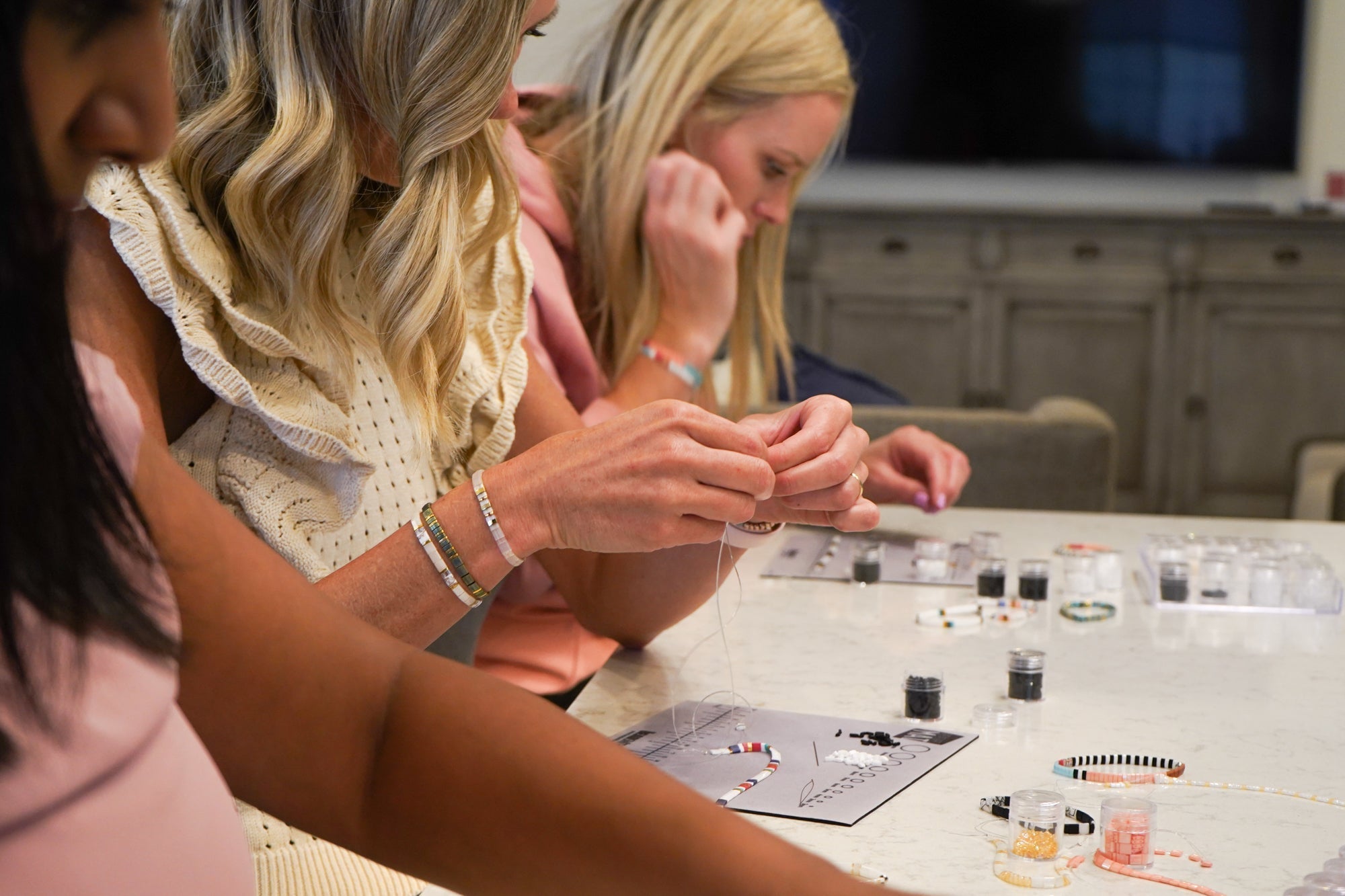
What we tell parents who ask us directly: treat "appropriate age" and "appropriate supervision level" as two separate questions. A six-year-old stringing beads at the kitchen table with an adult two feet away is a different situation than a six-year-old with an unsupervised bead box in her room. Our bracelet-making kits are built for kids who are past the mouthing-everything stage and can follow a stringing pattern, plus teens and adults. They are genuinely a fun project for that group. They are not built, tested, or sold as a toddler activity, and we are not going to tell you otherwise just to sell a kit.
What Are Safer Alternatives for a Toddler Who Loves Jewelry?
If your toddler is drawn to bracelets, there are lower-risk ways to let her have the fun without the loose-bead risk.
A few options parents actually use: soft fabric or ribbon bracelets with no small hardware, oversized silicone teether-style bands too big to fit in a mouth whole, or a ready-made bracelet worn only during supervised play and taken off before nap time, bedtime, and bath time. None of these eliminate every risk; nothing worn on a small child's wrist is risk-free. They cut out the specific hazard of loose, swallowable beads scattering if a strand breaks.
One more plain fact worth saying: no bracelet, including a Mack & Rex bracelet, should be left on a toddler overnight or during unsupervised play, full stop. That is true of any jewelry on any small child, not a knock against any one brand.
Where Do Mack & Rex Bracelet-Making Kits Fit In?
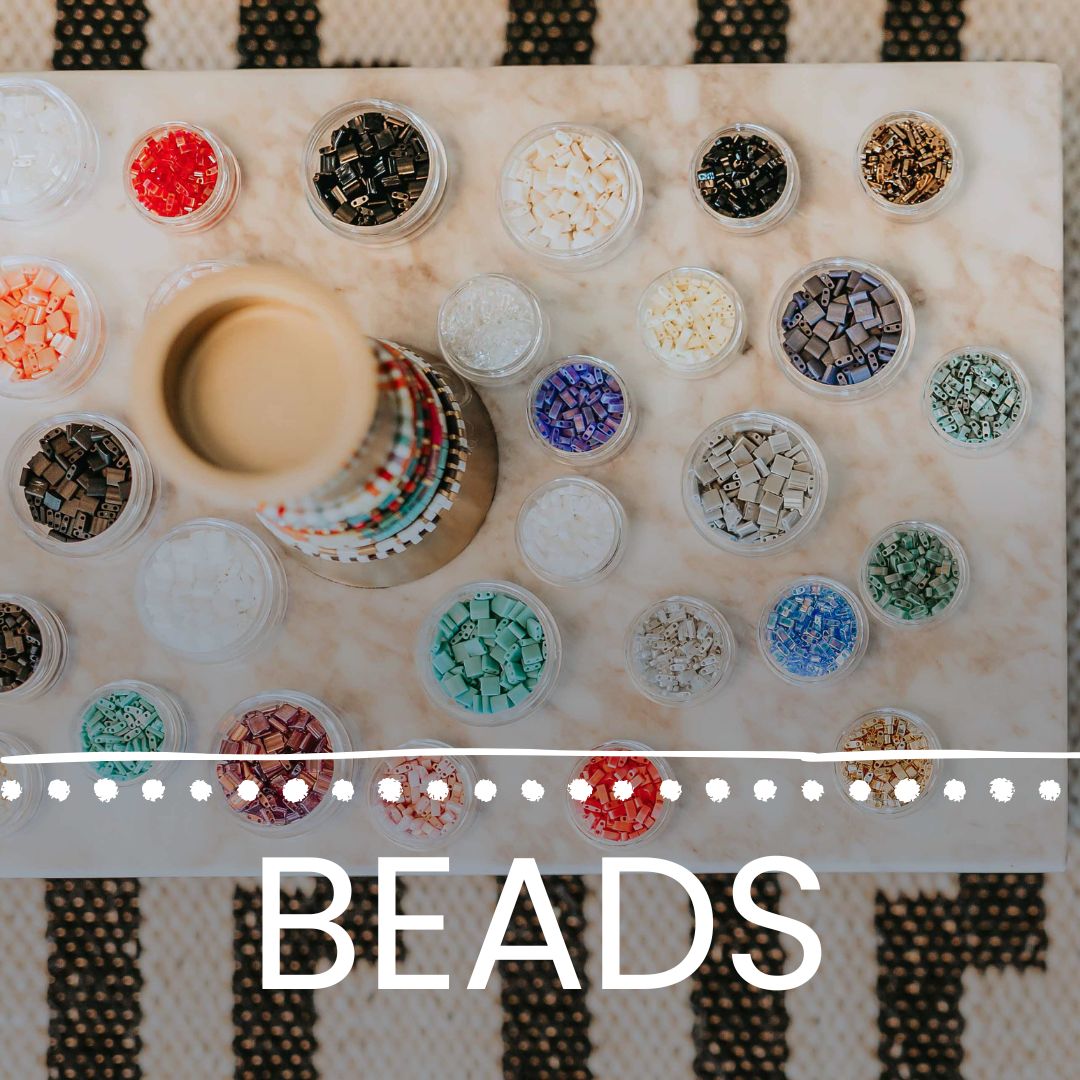
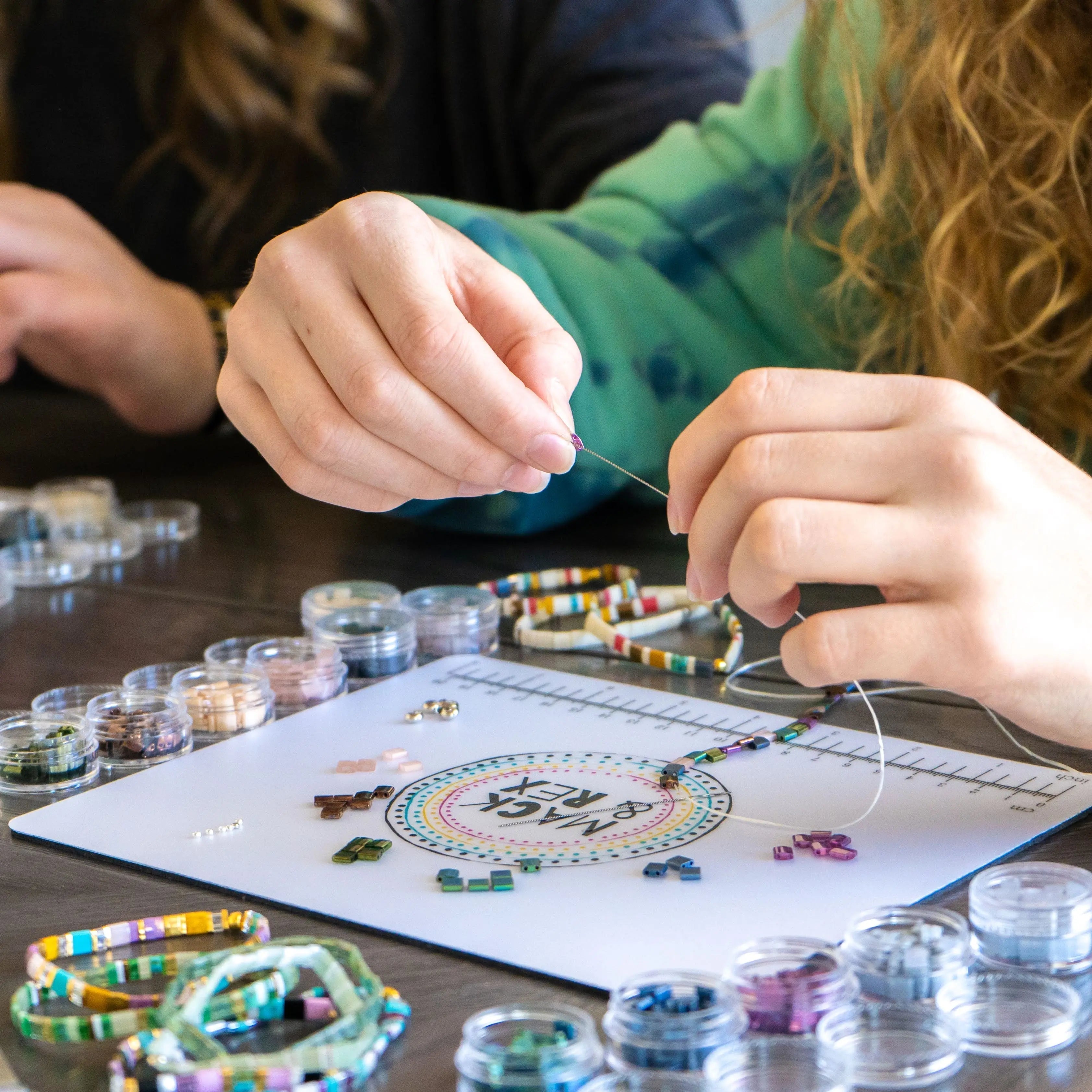
Squarely in the older-kid, teen, and adult category, used with supervision. Our kits use genuine Miyuki Tila glass beads strung on crystal-cord elastic, and a trio kit runs $44.99 and makes three finished bracelets. The beads are small glass tiles, and loose beads from any opened kit should stay out of reach of toddlers and younger siblings in the house, kit packaging included.
For a tween, teen, or adult who wants to make her own bracelet, or for a parent crafting alongside an older child, the kits are a solid pick: real materials, a curated color palette, and a finished look that holds up. You can browse the full lineup at mackandrex.com/collections/bracelet-making-kits. Orders over $100 ship free within the US; international orders ship too, with duties and taxes calculated at checkout.
If there's a toddler in the house while an older sibling is beading, keep the loose beads and the finished bracelet on the big kid's wrist, not the little one's, and clean up stray beads before the toddler is back in the room. That one habit solves most of the real-world risk.
Frequently Asked Questions
Are beaded bracelets safe for toddlers to wear?
Not without an adult watching the whole time. Beads small enough to string on a bracelet are also small enough to choke on if the strand breaks, so beaded bracelets should not be left on an unsupervised toddler, including overnight or during naps.
Why are beads a choking hazard for young children?
A toddler's airway is narrow, and a bead that slips off a broken strand is roughly the size that fits a small child's throat. The Consumer Product Safety Commission classifies this size range as a small part and a known choking hazard for kids under three.
Are breakaway or snap bracelets safer for toddlers?
A breakaway clasp lowers strangulation risk by releasing under pressure, but it does not solve the choking risk. If the strand snaps, the beads themselves are still loose and still small enough to swallow or aspirate, so supervision still matters.
At what age can kids start wearing or making beaded bracelets?
Most safety guidance centers on age three as the point where small-parts risk starts to drop, but every child is different. Beaded bracelet kits with loose beads are best suited to older kids, teens, and adults working with supervision, not toddlers.
What's a safer alternative for a toddler who loves jewelry?
Soft fabric bracelets, oversized silicone rings that cannot be swallowed, or a ready-made bracelet worn only while an adult is present and removed at nap and bedtime are lower-risk options than loose, strung beads for a child under three.