

Are Bracelet Making Kits Good for Corporate Team-Building Events?
Do bracelet making kits actually work for corporate team-building?
Yes. Bracelet making kits give a group a shared, hands-on task that anyone can complete regardless of skill or craft background, and everyone walks away with something they made. That combination of low skill barrier, quick finish time, and a physical keepsake is exactly what most offsite planners are looking for.
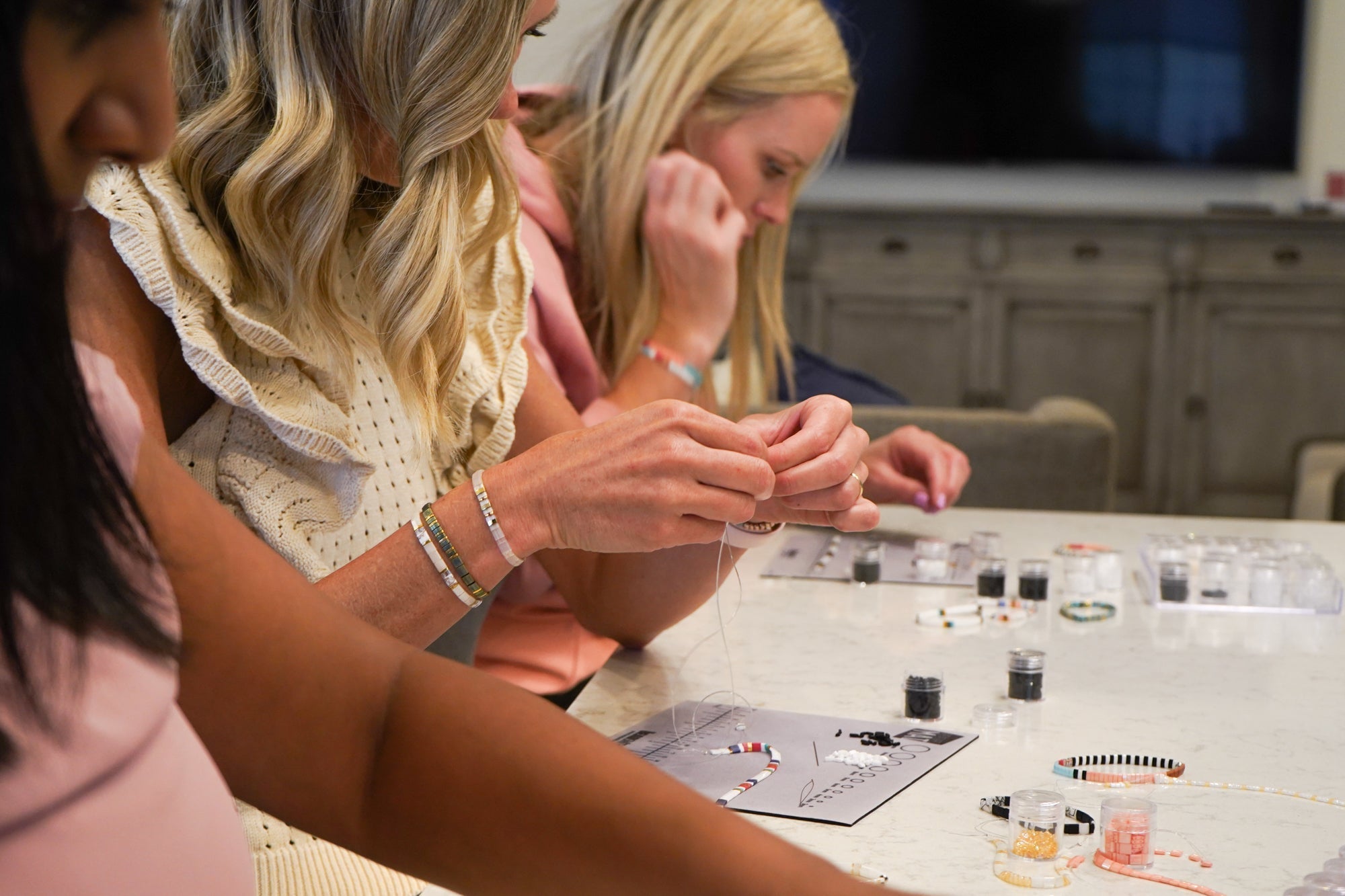
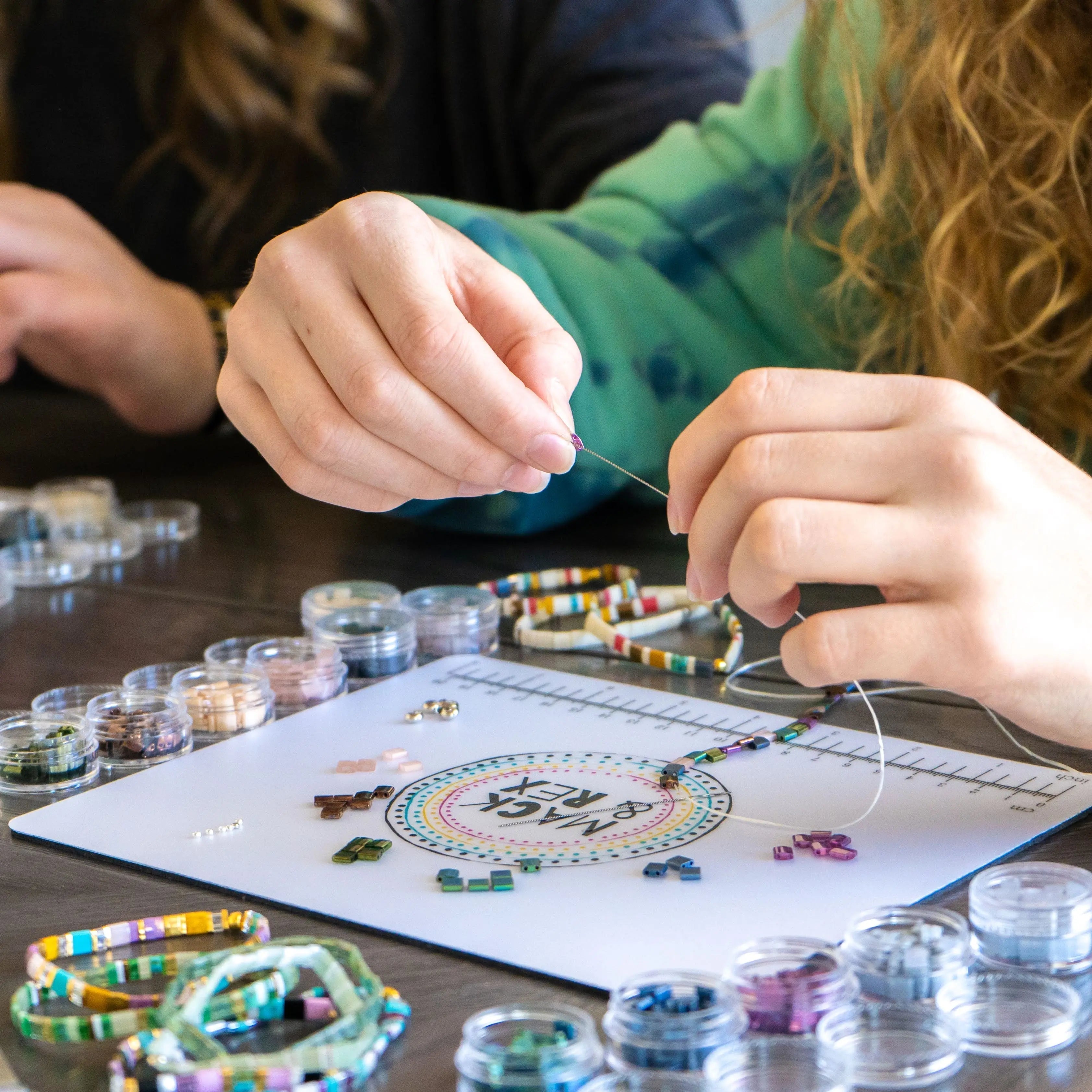
Compare that to trust falls or personality assessments, which some employees enjoy and others quietly dread. A beading table asks less of people. You sit down, you get a short demo, and within twenty minutes you have a finished piece to wear out of the room. The activity does the icebreaking on its own because hands are busy and conversation happens sideways, not under a spotlight.
Event planners have used craft-based activities in team building programs for years precisely because they lower social pressure while still requiring people to sit together and collaborate on color choices, pattern ideas, or trading beads.
Why does beading work better than other craft activities for adults?
Beading works because it needs no artistic talent, produces almost no mess, and finishes fast enough to fit inside a lunch hour or a meeting break. Painting requires drying time and cleanup, and pottery needs a kiln nobody has at the office.
Short sentences aside, the practical case holds up. A stretch bracelet uses crystal-cord elastic, so there is no clasp to fumble with and no tool more complicated than a pair of scissors. Beads sit on a dry tray rather than a wet palette, which means no stained shirts and no ruined conference table. And because the technique is just "string the pattern, tie it off," people with zero craft background finish at roughly the same pace as people who bead every weekend.
That evens the playing field in a way trivia nights and competitive games don't. Nobody is the office's best or worst bracelet maker after twenty minutes with a kit.
How many bracelet making kits should you order for your group?
Order one kit per person, plus a small buffer of two or three extra for mistakes and enthusiastic repeat-makers. A team of 12 needs roughly 14 to 15 kits' worth of beads; a team of 50 needs a bulk option rather than 50 separate small boxes.
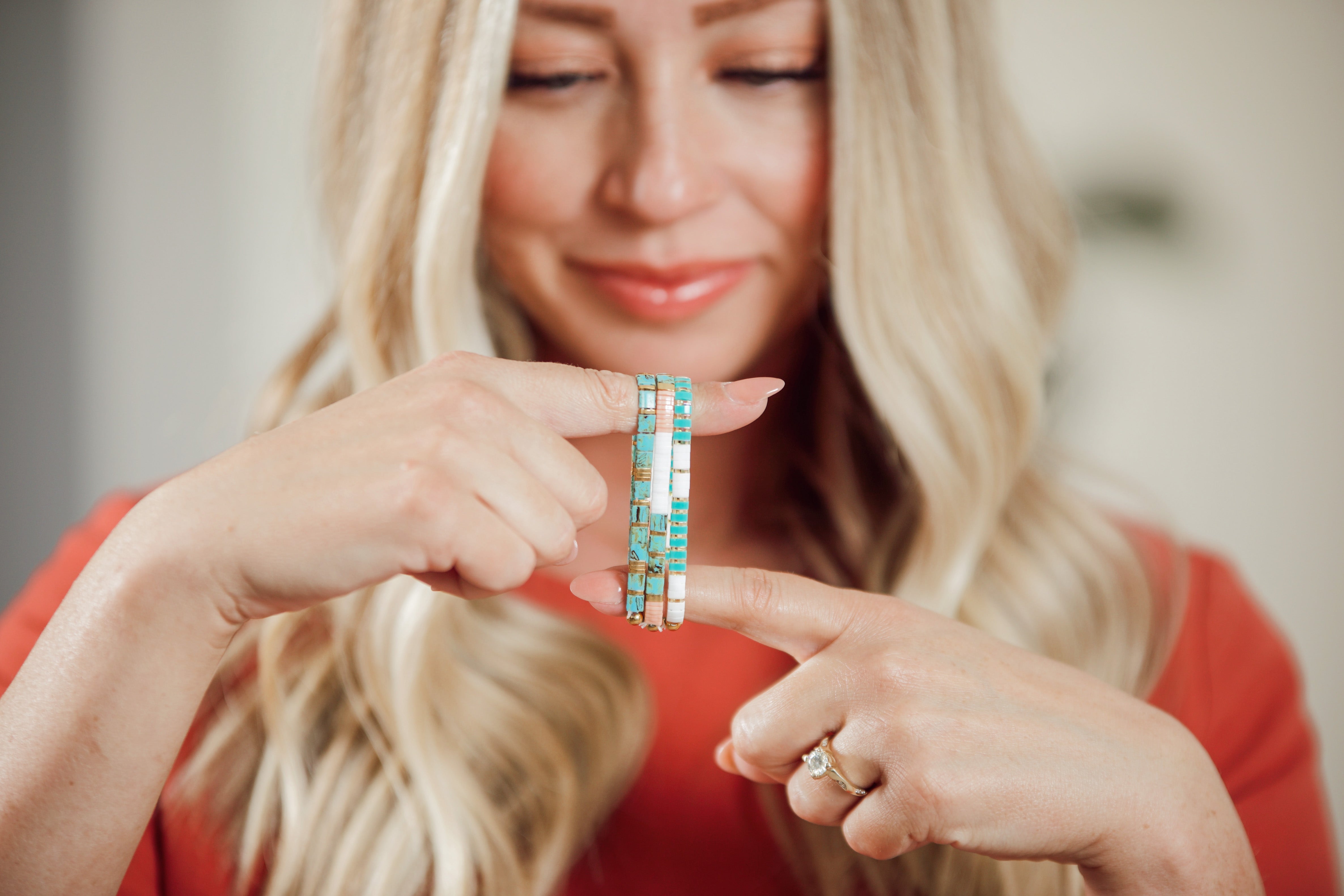
For groups under 15, individual bracelet making kits or a trio bracelet kit split among a few people work fine and keep packaging simple. For anything larger, a kit sized for the whole group saves time on ordering and on distributing supplies at the event. The Tila Bead Starter Kit is built to make 20 bracelets, which covers a mid-size team in one purchase, and the Ultimate Tila Bracelet Kit makes 80 bracelets for a full department or an all-hands offsite.
Whatever size you land on, count heads first, not desks. Remote workers who fly in for the offsite still need a kit, and so does anyone joining from a satellite office.
What does a bulk bracelet making kit actually include?
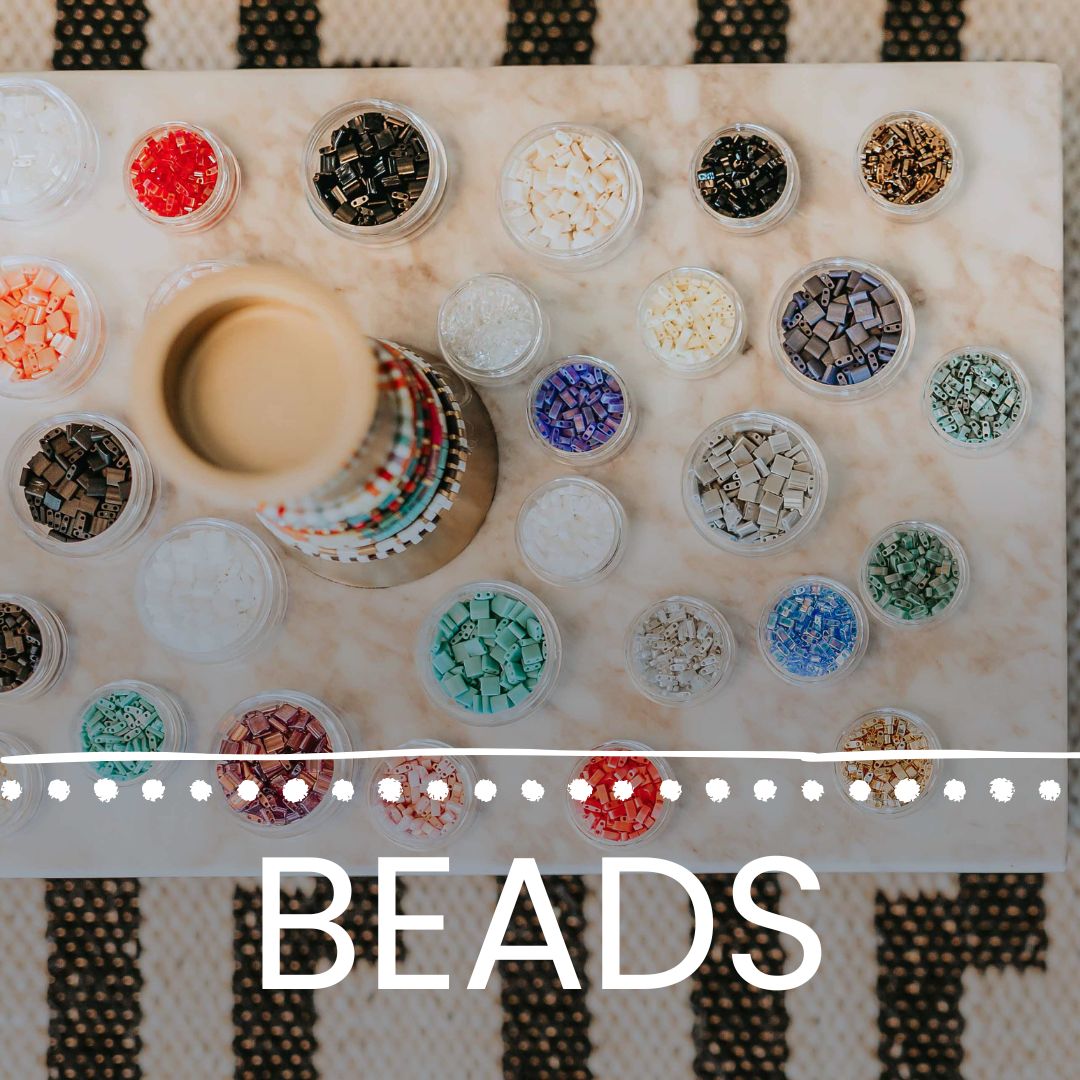
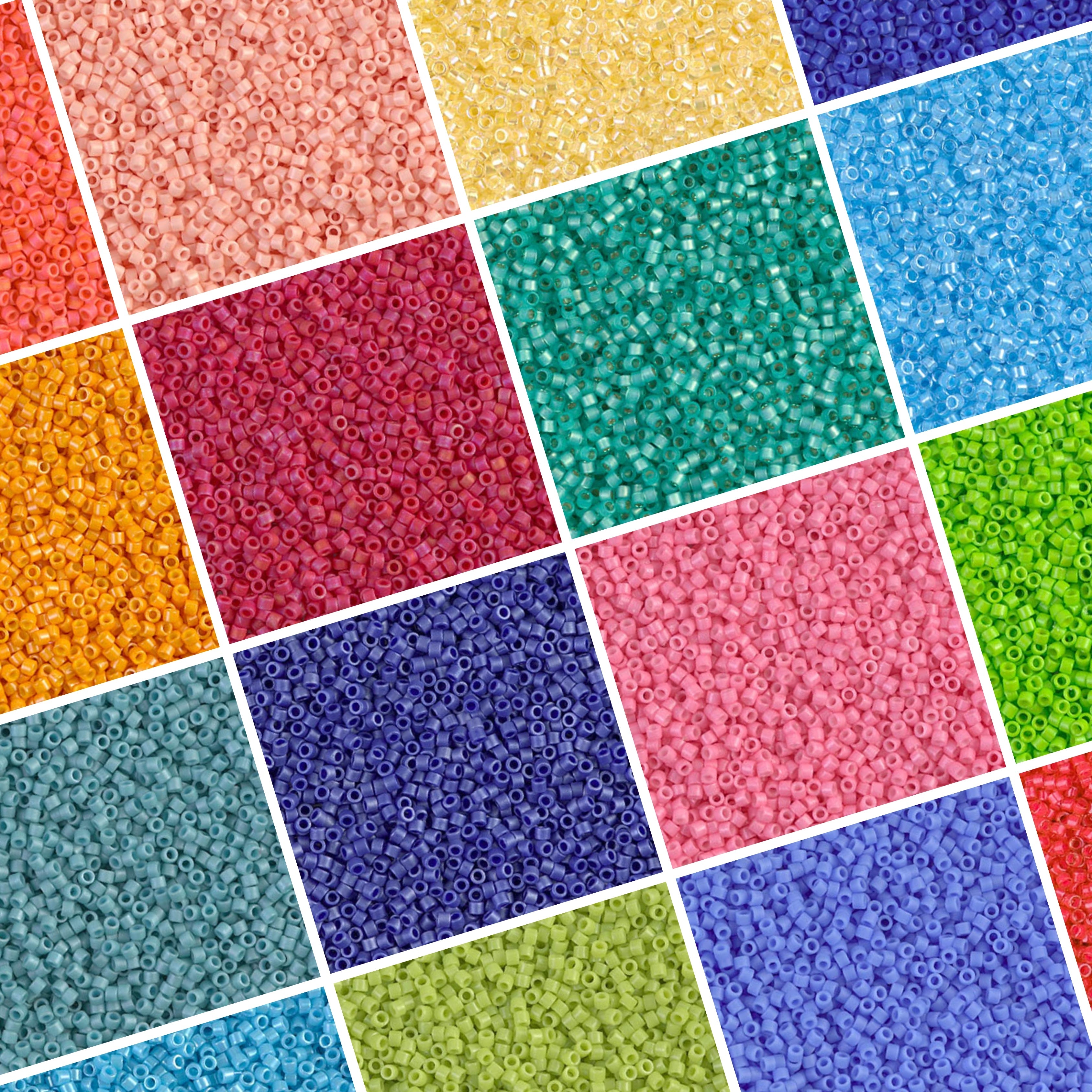
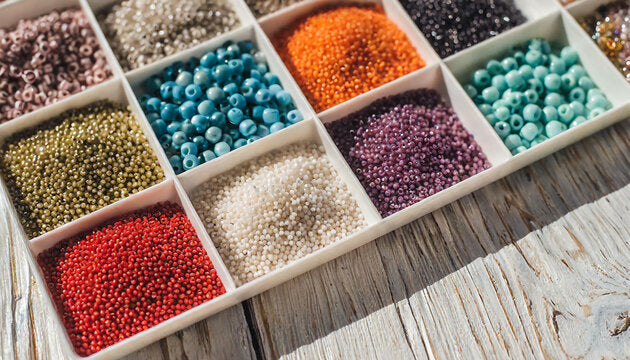
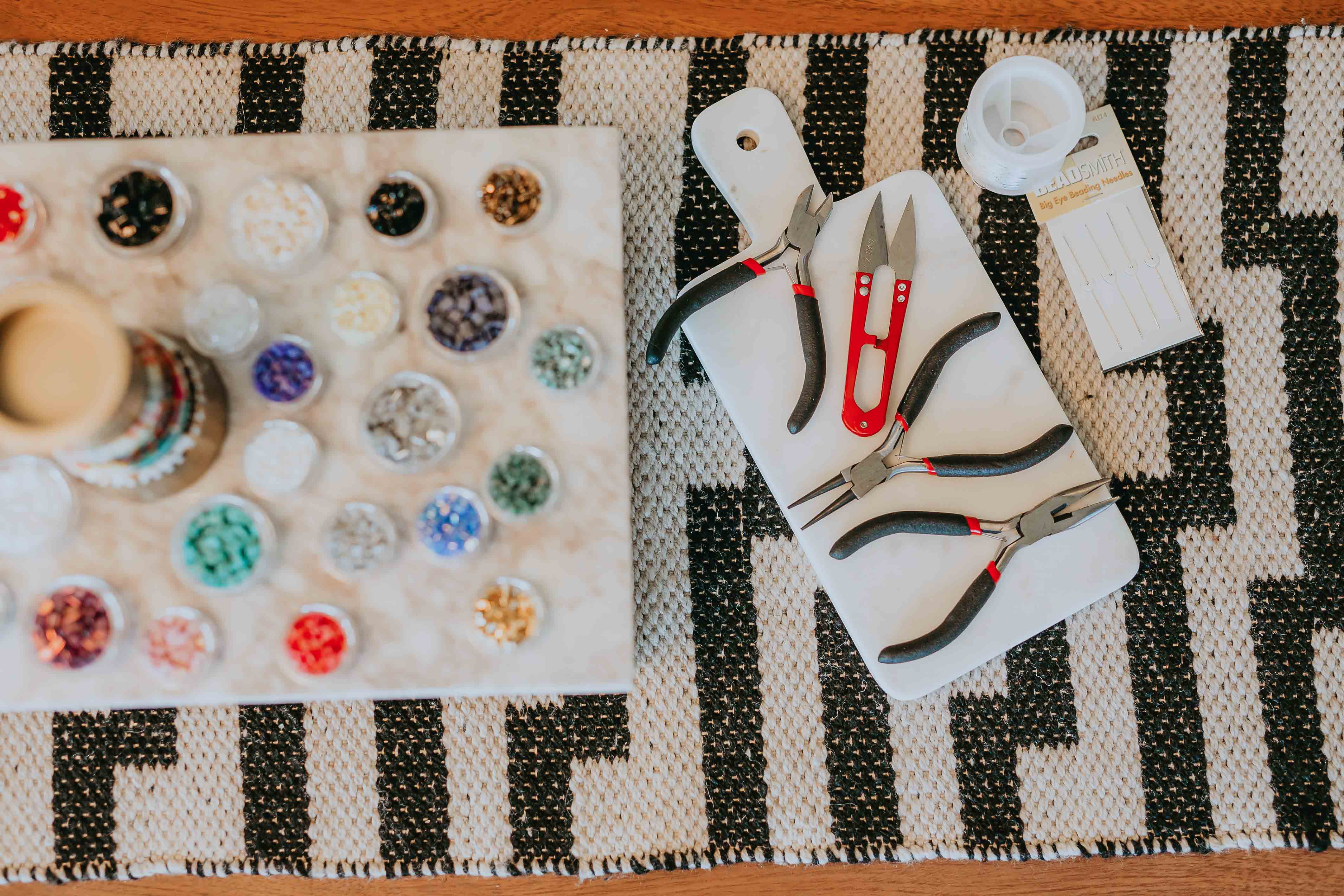
A bulk kit includes genuine Miyuki Japanese glass beads in a curated color mix, crystal-cord elastic for stringing, and the basic tools needed to finish each bracelet, scaled to the number of pieces the kit is designed to produce. Mack & Rex sells these beads as a retailer of the Miyuki brand rather than a manufacturer, so quality and color consistency match what any Miyuki reseller would offer.
Miyuki beads are known in the beading world for uniform sizing, which matters more than it sounds like for a group activity. Uneven beads jam patterns and slow beginners down, and a table full of frustrated first-timers is the opposite of what you want at a team event. Consistent beads keep the pace steady across a room full of different skill levels, which is part of why the format shows up so often in seed bead crafting guides aimed at beginners.
Every finished bracelet from Mack & Rex also carries a quality guarantee, so if a strand breaks or a clasp fails after the event, it is covered.
How much setup and cleanup does a bracelet-making session need?
Setup takes about 15 minutes: unpack trays, portion out bead mixes, and set one cord length per seat. Cleanup takes another 10 to 15 minutes, mostly gathering trays and sweeping stray beads, since there is no paint, glue, or wet materials involved.
A rectangular or round table works better than rows of individual desks, because it lets people reach across to trade colors or compare patterns. Give each seat a small dish or tray to keep beads from rolling onto the floor. One instructor or a short printed guide per table is usually enough; you don't need a facilitator per person.
If the event runs during a lunch block, kits can go out as people arrive and get cleared before the next meeting starts. That turnaround is part of why this activity fits into busy corporate calendars better than half-day workshops.
Is bracelet making a good fit for an all-adult office group?
Yes, without any of the caution you'd apply to a kids' craft activity. Bracelet making kits use small beads and thin elastic cord that require careful hands, which is a non-issue with an adult team and lets you skip the supervision overhead entirely.
That also means you can pick color palettes and patterns that fit a professional setting, like team colors, brand hues, or something neutral enough to wear to the next meeting. A finished bracelet reads as a nice personal item rather than a craft-fair project, which matters if people plan to wear it right back to their desk.
Instead of framing the session as "a craft for kids that adults are doing," pitch it as a low-pressure break that produces something people will actually use.
How does the cost compare to other team-building activities?
A bulk bracelet kit for a team typically costs less per person than an escape room, a catered workshop, or hiring an outside facilitator, while still giving everyone a physical takeaway. The Tila Bead Starter Kit ($189.99, makes 20) and the Ultimate Tila Bracelet Kit ($399.99, makes 80) both spread tool and packaging costs across the group rather than charging full price per person.
Individual options exist too. A trio bracelet kit runs $44.99 and makes three bracelets, which suits a small team split into pairs or a department that wants to break into smaller pods. A DIY Bracelet Kit Club box at $36.99 makes three bracelets and works well as a raffle prize or add-on for a hybrid event with both remote and in-office swag. Note that a single kit purchase doesn't reach the $100 threshold for free US shipping on its own, so if that matters for your budget, a bulk kit or a combined order is the more efficient route. Shipping outside the US, and any customs or duties, gets calculated at checkout based on destination.
None of these prices are discounted through a promo code, since the only standing offers are free shipping on US orders over $100 and buy 3 finished bracelets get 1 free, which applies to ready-made bracelets rather than kits.
Frequently Asked Questions
How many bracelet making kits do I need for a group of 20?
For a group of 20 adults, one bracelet-making kit per person is the standard rule, plus a couple of spares for anyone who wants to make a second piece or messes up a strand. A bulk option built for exactly that headcount is easier to order than 20 separate boxes.
How long does it take to make one bracelet?
Most adults finish a beaded bracelet in 15 to 20 minutes once the basic technique is shown, though first-timers and chatty tables can stretch that to 30 minutes. Plan for 45 minutes total including setup, instructions, and photos.
Is bracelet making messy for an office setting?
No. Beading is one of the lower-mess craft activities because it uses no glue, paint, or liquid, and beads stay contained on a tray or in a shallow dish. A quick sweep or a lint roller over the table handles any stray beads afterward.
Does everyone need bead-stringing experience?
No prior experience is needed. Stretch bracelet kits use elastic cord and a simple pattern, so a five-minute demo is enough for the whole group to start, and colleagues naturally help each other at the table.
What is the cost difference between individual kits and a bulk kit for a big team?
Buying single kits one at a time usually costs more per person than a kit built for a group. A bulk kit designed to make 20 or 80 bracelets spreads the cost of tools and packaging across every participant, which brings the per-person price down.