

Are Heishi Beads Good for First-Time Bracelet Makers?
Are Heishi Beads Good for First-Time Bracelet Makers?
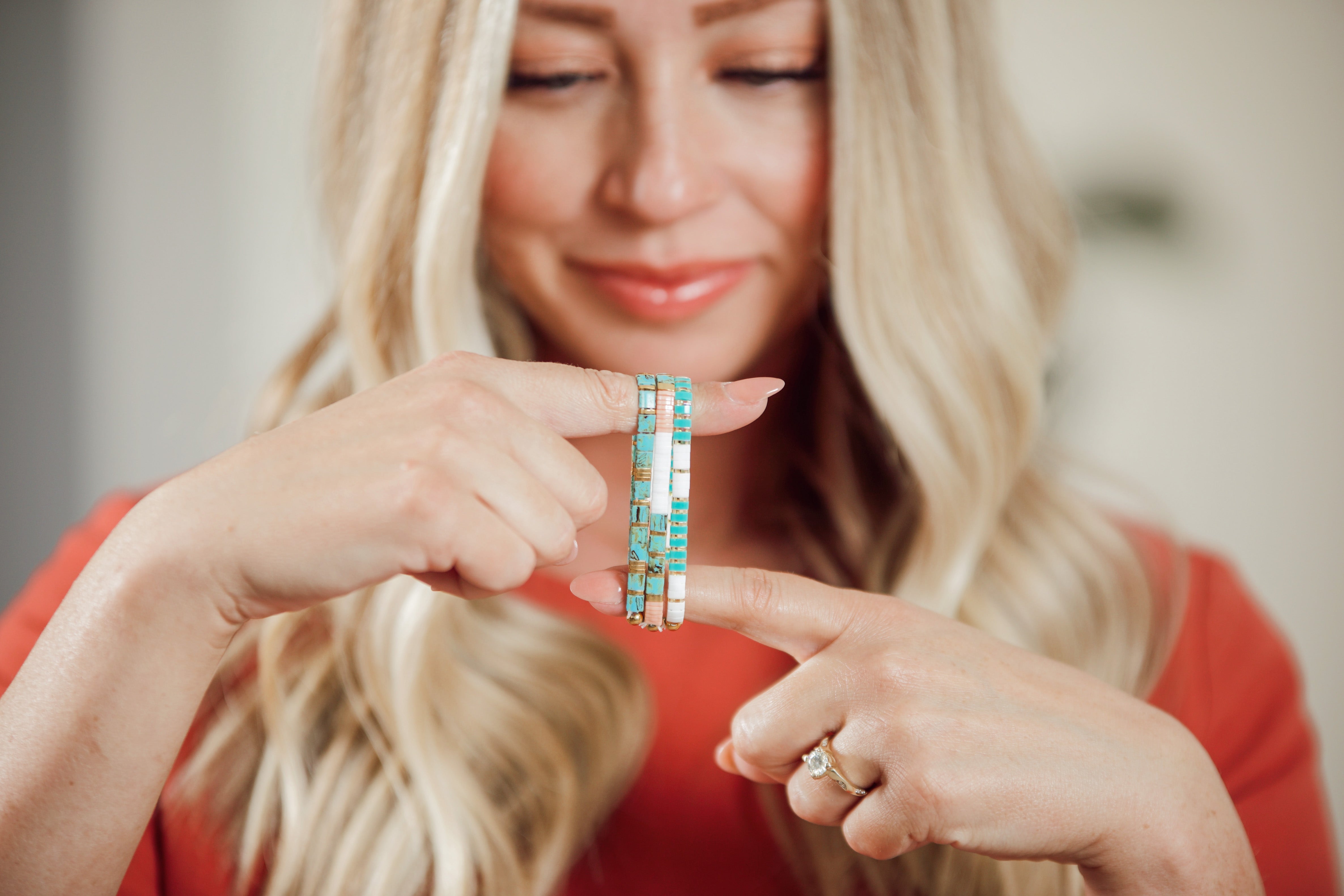
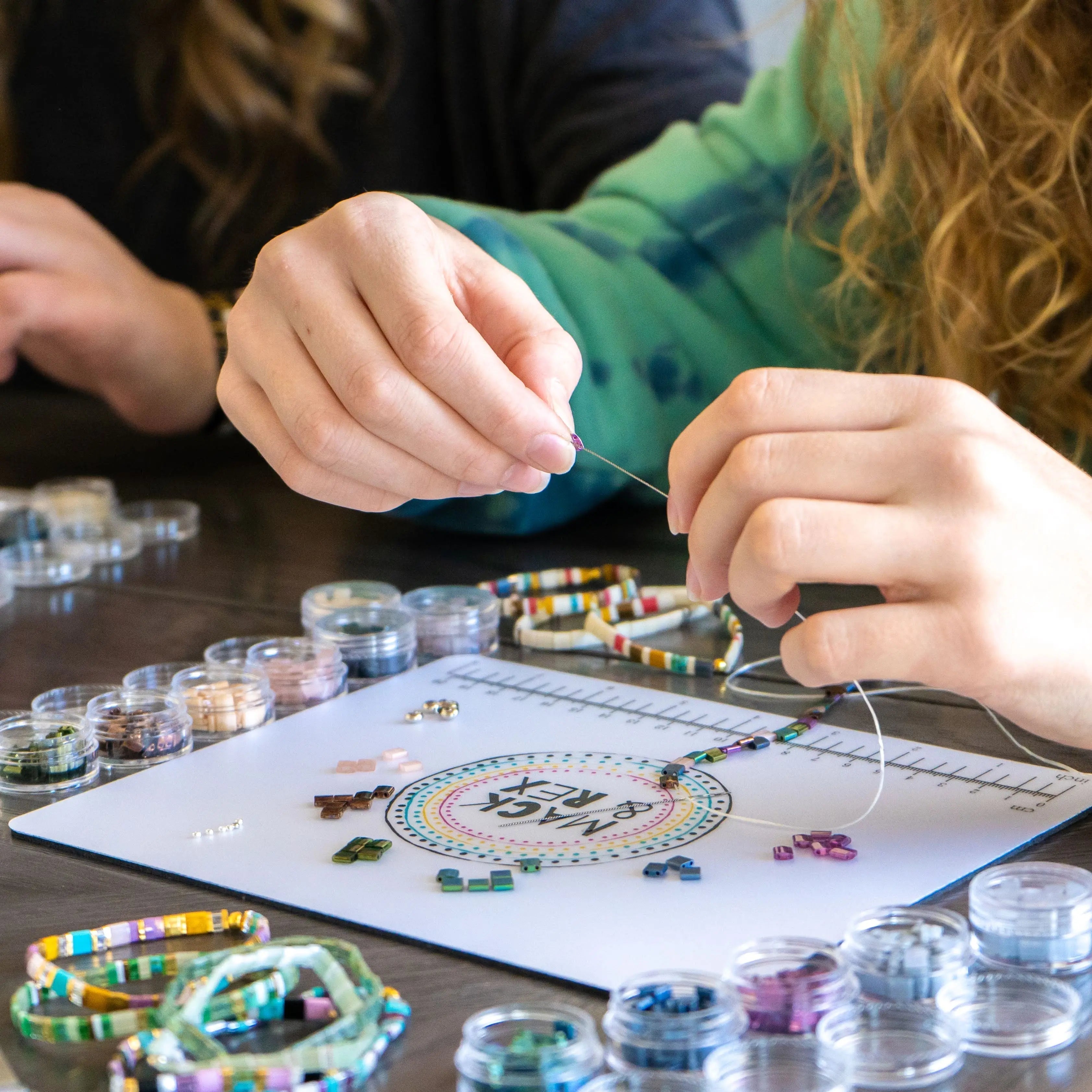
Short answer: yes, heishi beads are one of the easiest places to start. Heishi beads are flat, disc-shaped beads, usually clay or polymer-clay, sometimes shell or stone, that stack edge to edge rather than rolling around like round beads do. That flat shape does most of the work for a beginner, hiding the small gaps and uneven spacing that show up on a first attempt with other bead styles.
If you have never strung a bracelet before and you are standing in front of a wall of bead options, heishi is a safe bet. The discs are wide enough to grab easily, the holes are generous, and the finished look stays clean even when your spacing is not perfect.
Why Are Heishi Beads So Forgiving for a Beginner?
It comes down to shape and size. A heishi bead is a short cylinder sliced thin, so once it is on the cord it naturally lies flat against its neighbors rather than rolling to one side. Round beads need near-perfect, even tension to look uniform. Heishi beads look uniform even when your tension is not, and bigger holes mean less fumbling with a needle and fewer beads rolling under the couch. Here is what makes heishi easy to work with on a first project:
- Flat sides that self-align on the cord, so small gaps between beads are far less visible
- Larger, more forgiving bead holes that accept stretch elastic cord without a needle
- A uniform size across most packs, so you are not hunting for beads that match
- A clean, flat drape on the wrist rather than a bulky, rounded stack
- Fast stringing, a single-strand bracelet of heishi beads often comes together in under 20 minutes
Clay and polymer-clay heishi are the most common versions in craft supply today, largely because the material takes color evenly and holds a consistent disc shape batch to batch. Polymer clay is prized in craft work for exactly that reason, it shapes and cures into a consistent form. Shell and stone heishi trace back much further; heishi as a bead style has roots in Native American jewelry made from shell and stone, long before clay versions became common.
How Do Heishi Beads Compare to Seed Beads for a First Project?
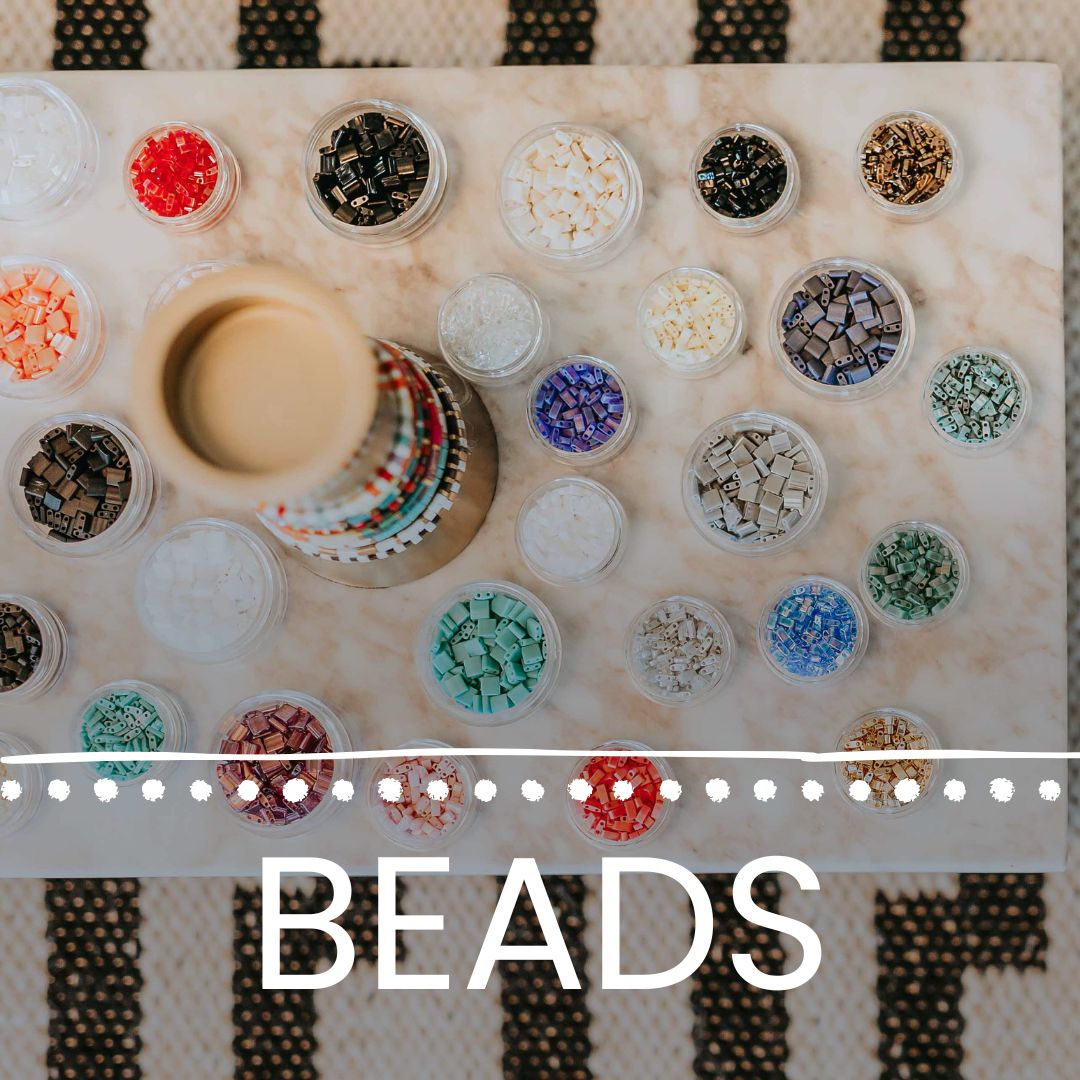
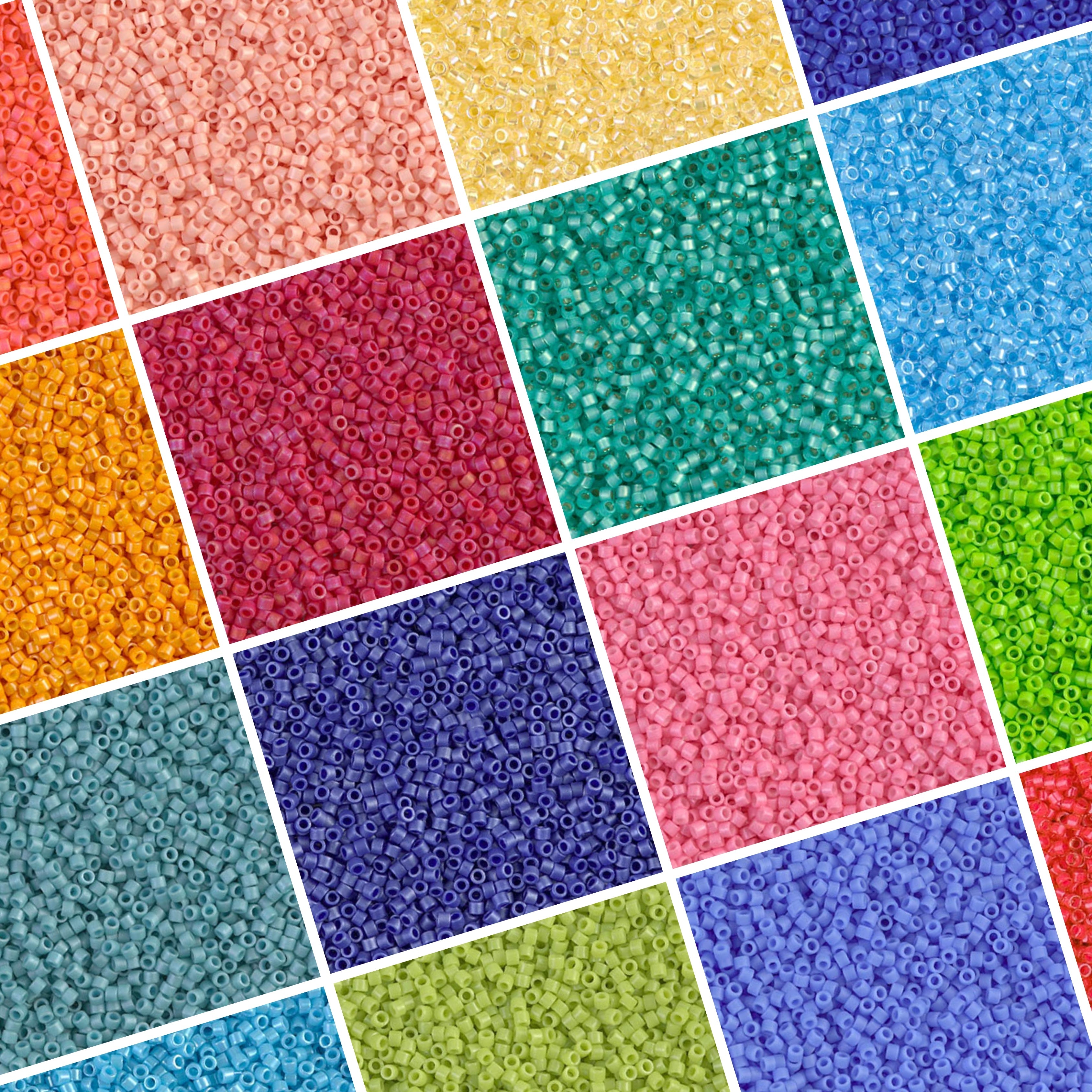
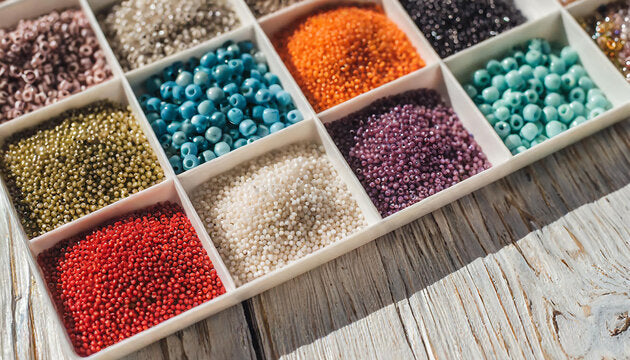
Seed beads are the other beginner staple, and it helps to know how they differ before you pick one. Seed beads are small, round, and uniform, the classic choice for anyone who wants to try patterns or color-blocking down the road. The tradeoff is that round beads are less forgiving at first: they roll on the table, need steadier tension to look even, and the smaller sizes take a finer needle and more patience.
Heishi skips most of that learning curve. You lose some of the fine pattern detail seed beads allow, but you gain speed and a bracelet that looks finished on the first try. A lot of first-time crafters start with heishi to build confidence stringing and knotting, then move into seed beads once they want more control over color and texture. Seed beads have a long history in beadwork precisely because of their small, uniform size, which is also why they ask a little more of new hands than a flat disc bead does.
If you want to try both and see which one you prefer stringing, Mack & Rex's seed bead collection is a good next stop once you have a heishi bracelet or two under your belt, same crystal-cord elastic, different bead feel on the hands.
What Should a First-Time Heishi Beader Know Before Starting?
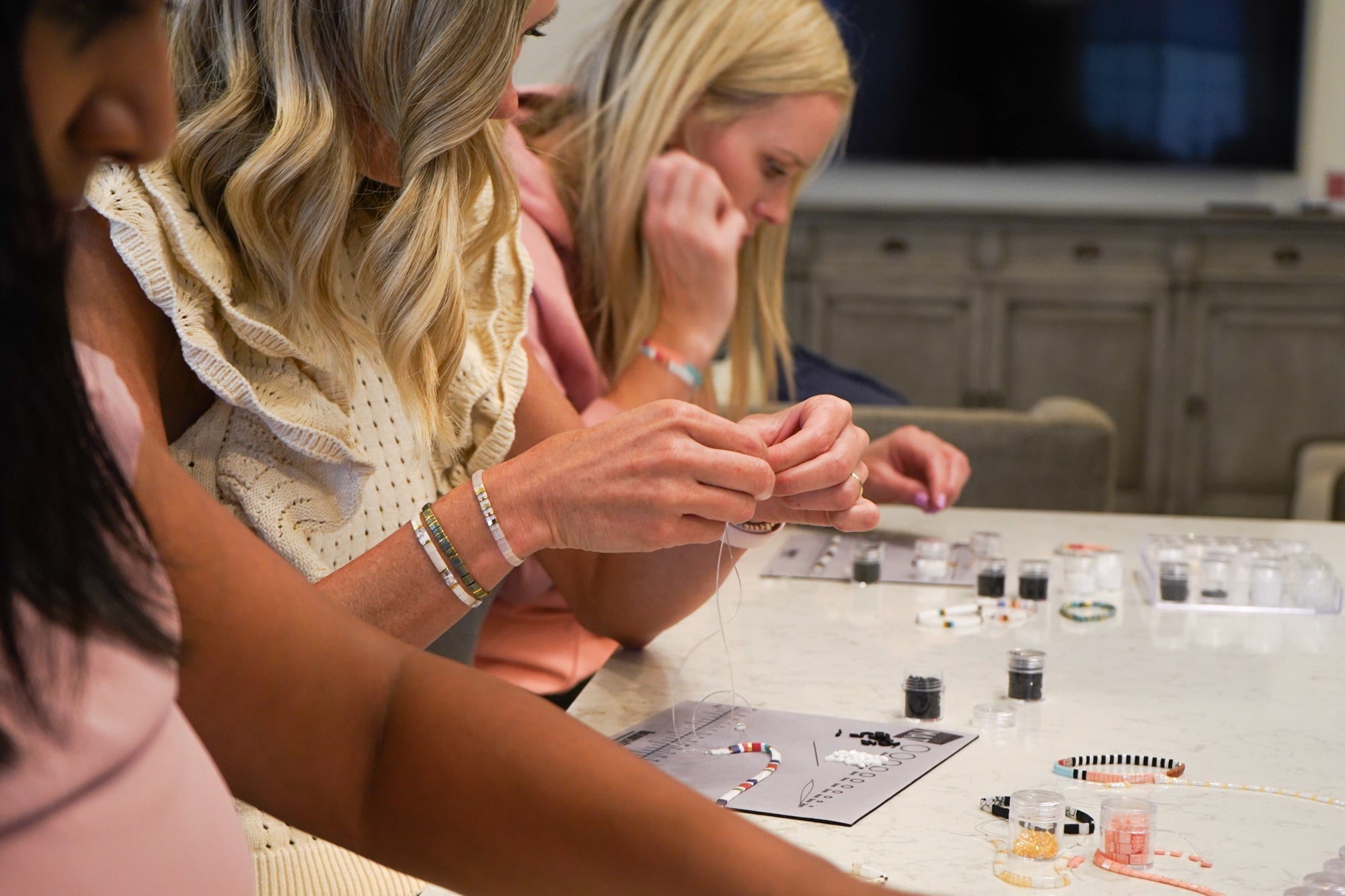
A few basics will save you a redo. First, measure your wrist before you cut cord, wrap a tape measure or a strip of paper snugly around the wrist bone and add about half an inch for stretch. Cutting cord too short is the single most common beginner mistake, and it is an easy one to avoid.
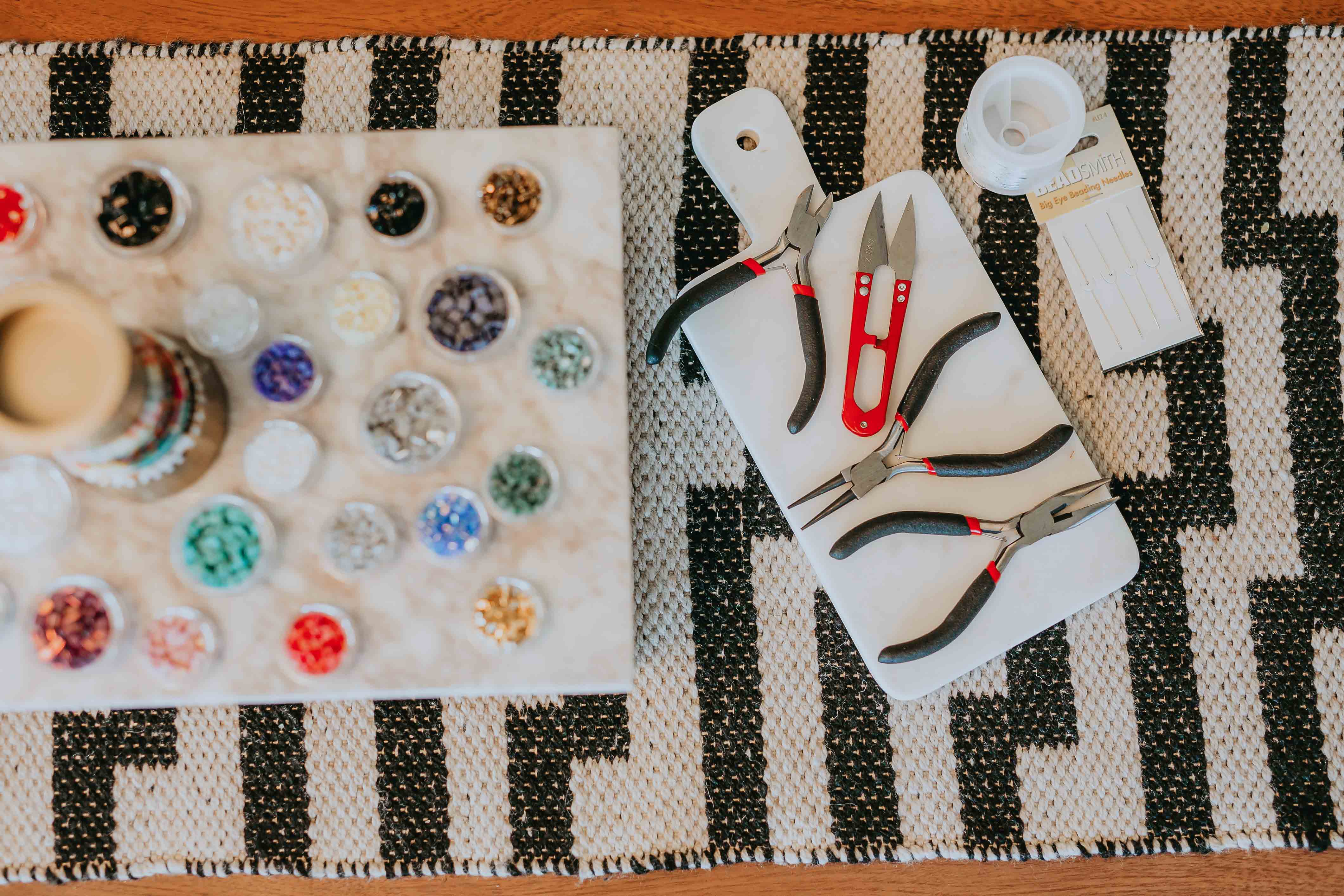
Second, pick the right cord. Crystal-cord elastic is the standard choice for a stretch bracelet because it slides over the hand without a clasp and holds its shape through repeated wear. Thin craft string or embroidery floss works for a test run, but it loosens far faster than true stretch cord. Third, do not skip the knot. A single overhand knot in elastic works itself loose within days. Tie a double knot or a surgeon's knot, pull it tight, and tuck it between two beads so it disappears into the bracelet instead of sitting on top where it can catch and fray.
- Measure your wrist first and add roughly half an inch of slack
- Use stretch crystal-cord elastic sized to the bead hole, not whatever string is on hand
- String a few beads and check the spacing before committing to the full length
- Tie a double or surgeon's knot, then add a small dot of jewelry glue for extra hold
- Trim the knot tails close once the glue has set
One more thing worth saying plainly: loose beads are small parts, and small parts are a choking hazard. If younger kids are at the table for a family craft session, an adult should supervise the loose-bead pile the entire time.
A Good Place to Start, Not a Compromise
Heishi beads are not a watered-down version of "real" beading, they are a genuinely practical place to build the two skills every bracelet maker needs: steady stringing and a secure knot. The flat shape forgives the small mistakes everyone makes on a first project, and the finished result still looks like something you would actually wear, not a craft-table trial run.
Once you have a heishi bracelet or two finished and you want to branch into smaller, more detailed beadwork, the skills carry over directly. Mack & Rex's Trio Kit ($44.99) makes three coordinated bracelets in one box, a practical way to practice stringing and knotting more than once without buying three separate kits. When you are ready to compare bead styles, browse the full seed bead collection and see how a smaller, rounder bead feels in your hands once heishi has you comfortable. Mack & Rex ships internationally, with shipping and any customs calculated at checkout, and US orders over $100 ship free.
Frequently Asked Questions
Are heishi beads good for first-time bracelet makers?
Yes. Heishi beads are flat discs that sit flush against each other, so they string quickly, lie flat on the wrist, and hide the small spacing gaps a beginner's hands tend to leave. They are one of the most forgiving bead shapes to start with.
Are heishi beads easier than seed beads for a beginner?
For a first project, most people find heishi beads easier. Seed beads are tiny and round, so they roll, require a finer needle, and show gaps more obviously. Heishi beads are larger, flat-sided, and self-align as you string them, which is less fiddly for a first attempt.
What size cord should a beginner use with heishi beads?
A stretch crystal-cord elastic in a size that matches the bead hole, usually around 0.7mm to 1mm for standard heishi, works well for beginners because it slides on over the hand and needs no clasp. Measure the wrist first and add a little slack so the finished bracelet is not tight.
How do you finish off a heishi bead bracelet?
Tie a secure double or surgeon's knot in the elastic, pull it tight, and let it settle between two beads so it is not visible. A small dot of jewelry glue on the knot adds extra hold, then trim the tails close once the glue sets.
Ready to try it yourself? Shop the Mack & Rex seed bead collection to compare bead styles once your first heishi bracelet is done, with inclusive sizing from XXS to 5XL and a quality guarantee on every finished piece.

