

Are Tila Bead Bracelets Safe for Sensitive Skin?
Are Tila Bead Bracelets Safe for Sensitive Skin?
For most people with sensitive or metal-reactive skin, yes. Tila beads are made from Japanese glass, a material that's inert, contains no metal, and has been used in jewelry and craft work for decades without known skin-sensitizing properties. If the bracelet is strung on elastic cord with no metal clasp, there's nothing on it that typically triggers a nickel or metal reaction.
That's the short answer. Below we'll get into the details worth knowing, because not every Tila bead bracelet is built the same way.
What Are Tila Beads Made From?
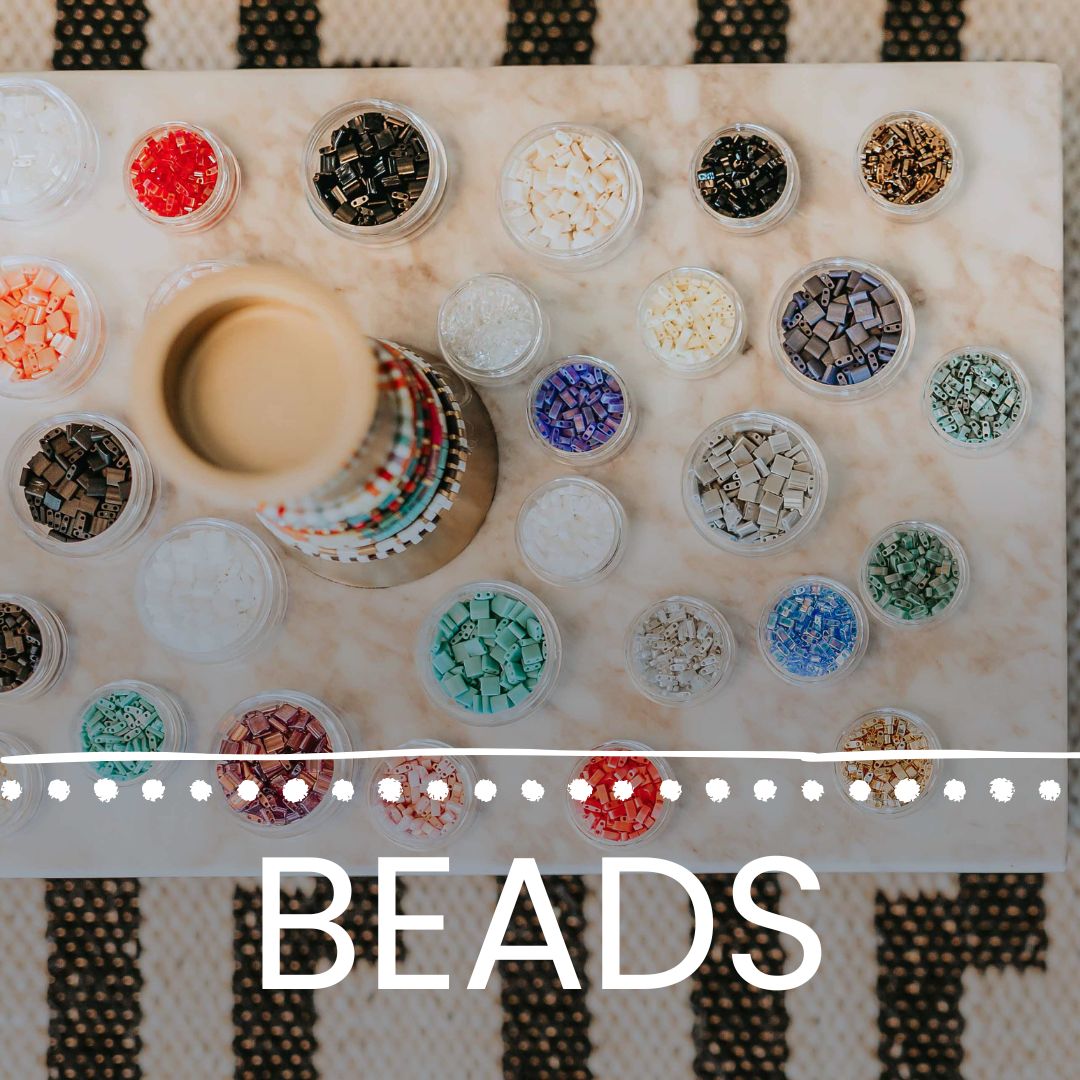
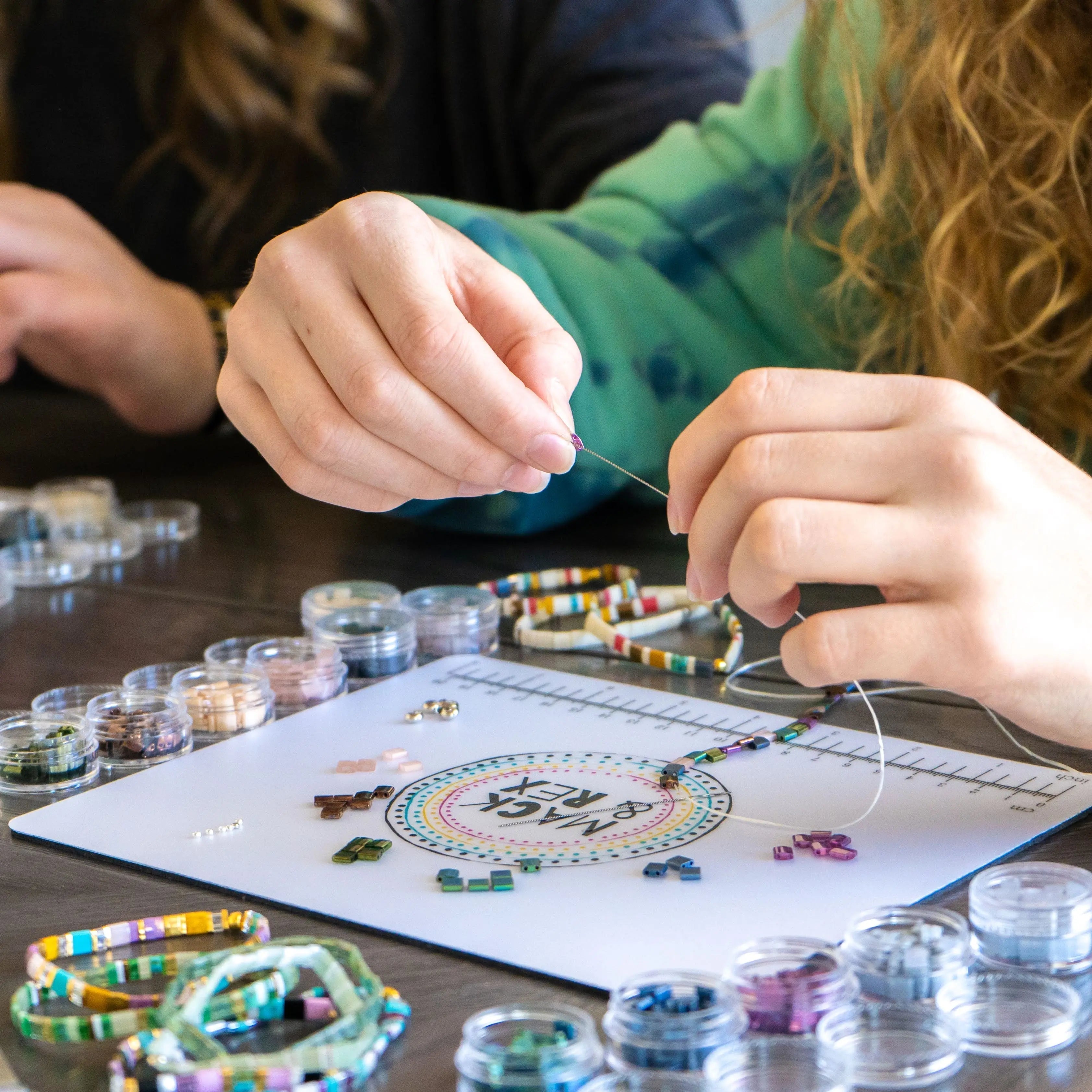
Tila beads are a specific shape of Japanese glass tile bead made by Miyuki, a Japanese bead manufacturer known for consistency in size, color, and quality. Each bead is flat, square, and has two parallel holes, which gives them that distinctive geometric look when woven or strung together.
The material is glass. Plain and simple. Glass does not contain nickel, cobalt, or other metals that commonly cause contact dermatitis. According to information published by the American Academy of Dermatology, nickel allergy is one of the most common causes of contact dermatitis, affecting a significant portion of the population. Glass beads sidestep that issue entirely because there's no nickel in the material.
Does the Bracelet Construction Matter?
Yes, and this is where it gets worth thinking through.
A Tila bead bracelet is made of more than just beads. How it's put together determines what actually touches your skin:
- Elastic-strung, no clasp: The beads sit on stretchy cord and the ends are knotted together. No metal contacts your wrist at all. This is the style most likely to work for sensitive skin because there's nothing to react to except the cord and glass.
- Wire or thread with a metal clasp: The clasp sits right at your wrist or forearm and stays in contact with skin all day. If the clasp contains nickel or base metal, that's where a reaction would start.
- Wire-wrapped designs: If the wire wrapping contacts your skin, its composition matters. Sterling silver, surgical-grade stainless steel, and 14k gold-filled wire are generally better tolerated than plated base metal.
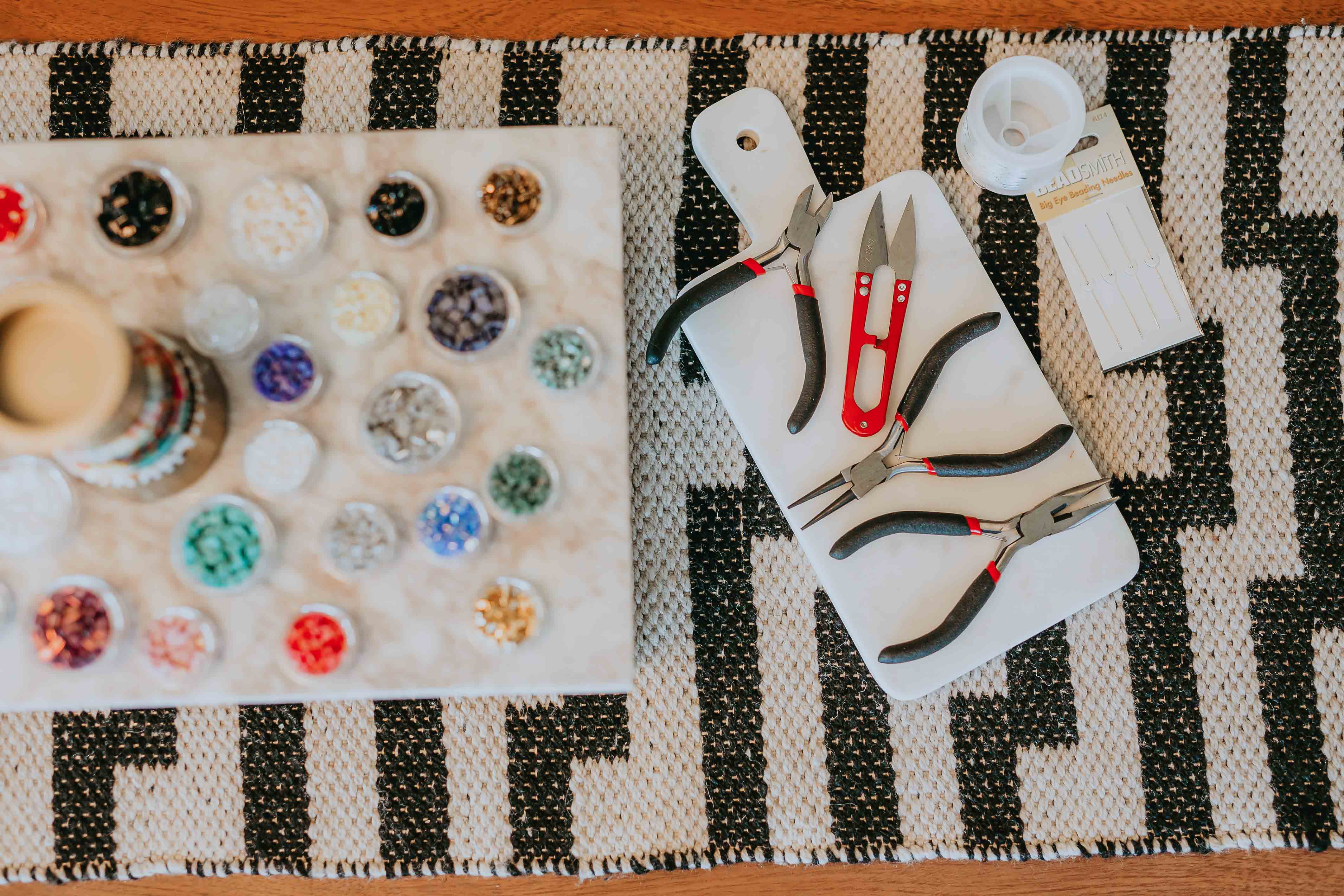
The Beadaholique jewelry wire guide is a useful reference if you're sorting through findings and wire types on DIY projects. For ready-to-wear bracelets, check the product description or ask the seller what the clasp or stringing material is made from.
Are Mack & Rex Tila Bead Bracelets a Good Option for Sensitive Skin?
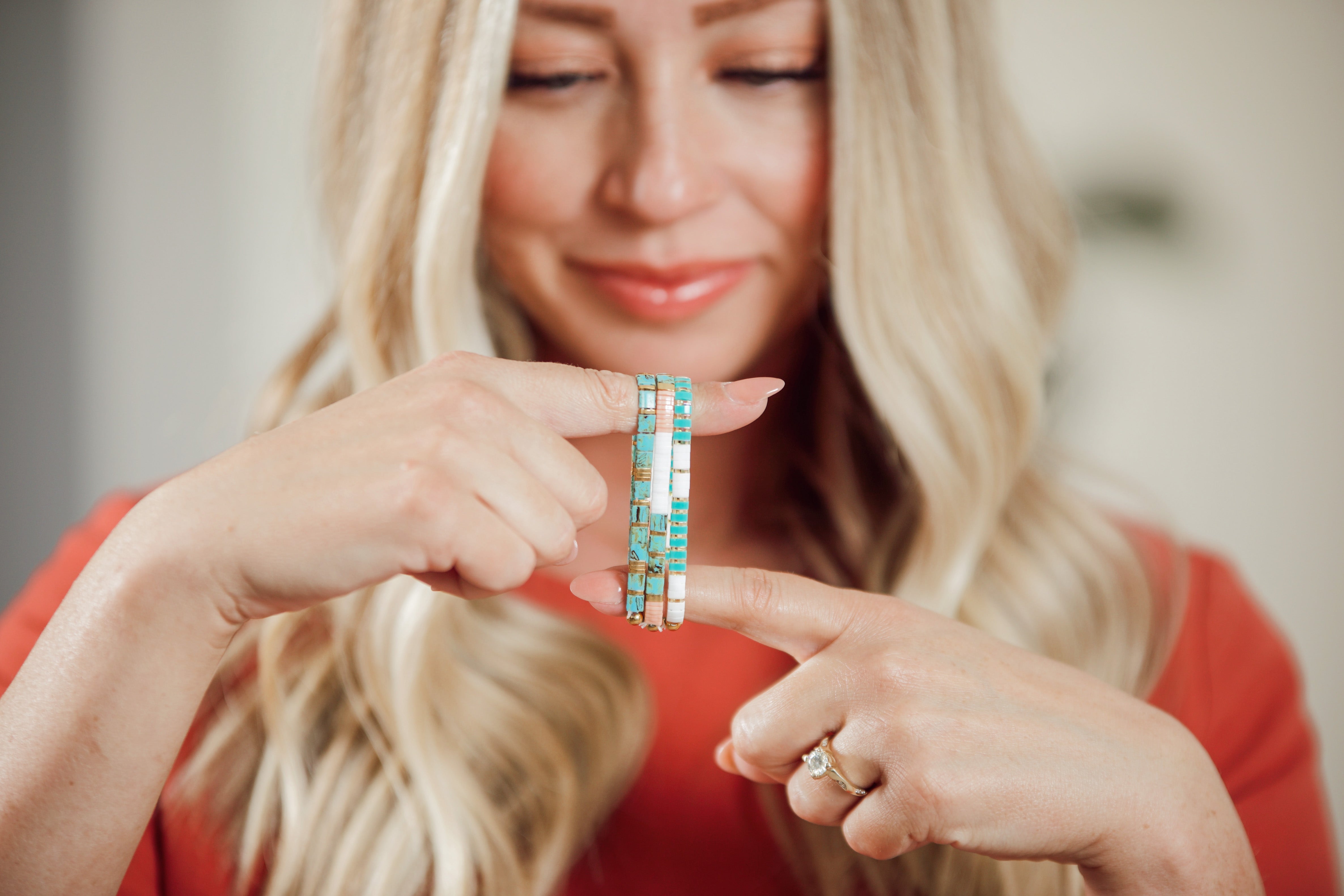
Mack & Rex bracelets are strung on crystal-cord elastic and use Miyuki Tila beads. The elastic-strung style means there's no metal clasp involved, which makes them straightforward for people who typically avoid metal jewelry. The beads themselves are glass, so the main contact point at your wrist is the cord and the glass tiles.
Worth knowing: Mack & Rex doesn't manufacture the beads. Miyuki makes them. Mack & Rex sources and uses Miyuki Tila beads because of their quality and consistency. That's a real difference from generic bead suppliers whose bead composition may vary.
The bracelets also come in sizes XXS through 5XL, which matters more than people often realize. A bracelet that's too tight sits closer to the skin and can trap moisture underneath, which can cause irritation independent of any material issue. A properly fitted stretch bracelet sits comfortably, moves with your wrist, and doesn't pinch.
What About Skin Reactions to the Cord?
Rare, but possible. Most stretch cords used in bead jewelry are made from latex-free elastic, but if you have a known latex sensitivity, it's worth checking. Cord reactions are much less common than metal reactions. Sweat and moisture trapped under a bracelet worn all day can also cause general skin irritation, which is easy to mistake for an allergic reaction.
A simple test: wear the bracelet for a few hours and give your skin a break overnight. If redness or itching clears up without the bracelet, you've found the culprit. If your skin is fine, you're good.
What Do Dermatologists Say About Glass Jewelry?
Dermatologists consistently point to metal (particularly nickel) as the main driver of jewelry-related contact dermatitis. Glass is not in that category. The National Institutes of Health reference on contact dermatitis describes the most common jewelry allergens as nickel, cobalt, and chromate, all metals. Glass is not flagged as a sensitizing material in jewelry contexts.
That doesn't mean every glass bead bracelet will work for every person. Individual sensitivities vary, and nobody should treat any jewelry as medically tested or approved. But the material profile of glass beads is genuinely different from metal findings, and for most people with typical nickel sensitivity, the difference is meaningful.
Tips for Buying a Tila Bead Bracelet if You Have Sensitive Skin
Short list. Not complicated:
- Choose elastic-strung styles with no metal clasp when possible.
- Verify the bead source. Miyuki is a reputable Japanese manufacturer with consistent quality.
- Get the right size. Sizing XXS through 5XL exists for a reason. A bracelet that fits well sits better and causes less friction.
- Rotate bracelets if you wear them daily. Give skin time to breathe.
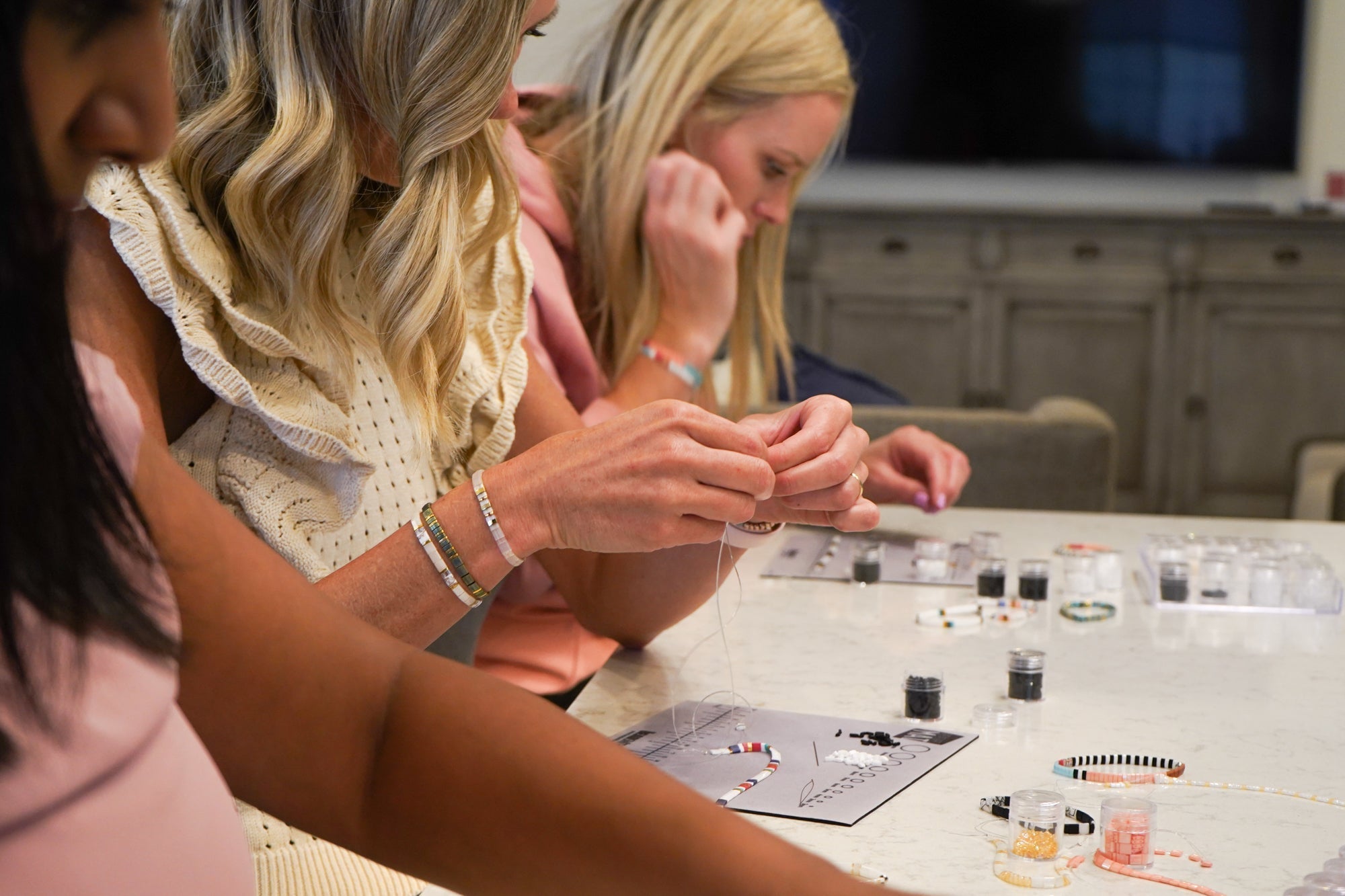
- If you're making your own, choose cord over wire if metal contact is a concern, and stick with glass or wood beads throughout.
Ready to Find a Bracelet That Works for You?
Mack & Rex carries a full range of elastic-strung Tila bead bracelets in every size from XXS to 5XL, made with Miyuki glass beads and no metal clasp to worry about. If you want to try one, the complete collection is a good starting point.
Browse all Mack & Rex bracelets here. Orders over $100 ship free within the US. And if you're planning to grab a few, the current buy-3-get-1-free deal (no code needed) makes it easy to try different colorways without committing to just one.
Frequently Asked Questions
Are Tila bead bracelets safe for sensitive skin?
Tila beads are made from Japanese glass, which is inert and contains no metal. That makes them a strong choice for people who react to nickel or other metals in jewelry. The main thing to check is whether the bracelet includes any metal findings or clasps, since those components can trigger reactions even if the beads themselves don't.
Do Tila beads contain nickel?
Glass beads do not contain nickel. Miyuki Tila beads are made from glass, and glass is a nickel-free material by composition. Nickel concerns in jewelry typically come from metal components like clasps, wire, or findings, not from glass beads themselves.
What should I look for in a Tila bead bracelet if I have sensitive skin?
Look for stretch bracelets strung on elastic cord with no metal clasp. Those styles have no metal contact point at the wrist at all. If a bracelet does have a clasp, check what metal it's made from. Surgical steel or 14k gold-filled findings tend to be better tolerated than base metal or plated options.
Are elastic-strung Tila bead bracelets metal-free?
Most elastic-strung Tila bead bracelets use no metal at all. The beads are threaded directly onto stretchy cord and knotted, so there's no clasp touching your skin. This makes them a practical everyday option for anyone who normally avoids metal jewelry.
Can I wear Tila bead bracelets every day if I have a metal allergy?
Many people with metal allergies wear glass bead bracelets daily without irritation, because the glass itself won't react with skin. As with any jewelry, watch for reactions to the cord material or any added findings, and give your skin a break if you notice redness or itching.