

Are Tila Beads Nickel-Free? A Hypoallergenic Bracelet Guide
Short answer: yes, tila beads are nickel-free, because they're made of glass and glass has no nickel in it. A standard Mack & Rex stretch tila bracelet pairs those glass beads with crystal-cord elastic instead of a metal clasp, so there's no obvious nickel-contact point on the bracelet itself. That said, we're describing the materials honestly, not making a medical claim, so if you have a serious metal allergy, it's worth a quick look at any listing before you buy.
Are tila beads made of metal or glass?
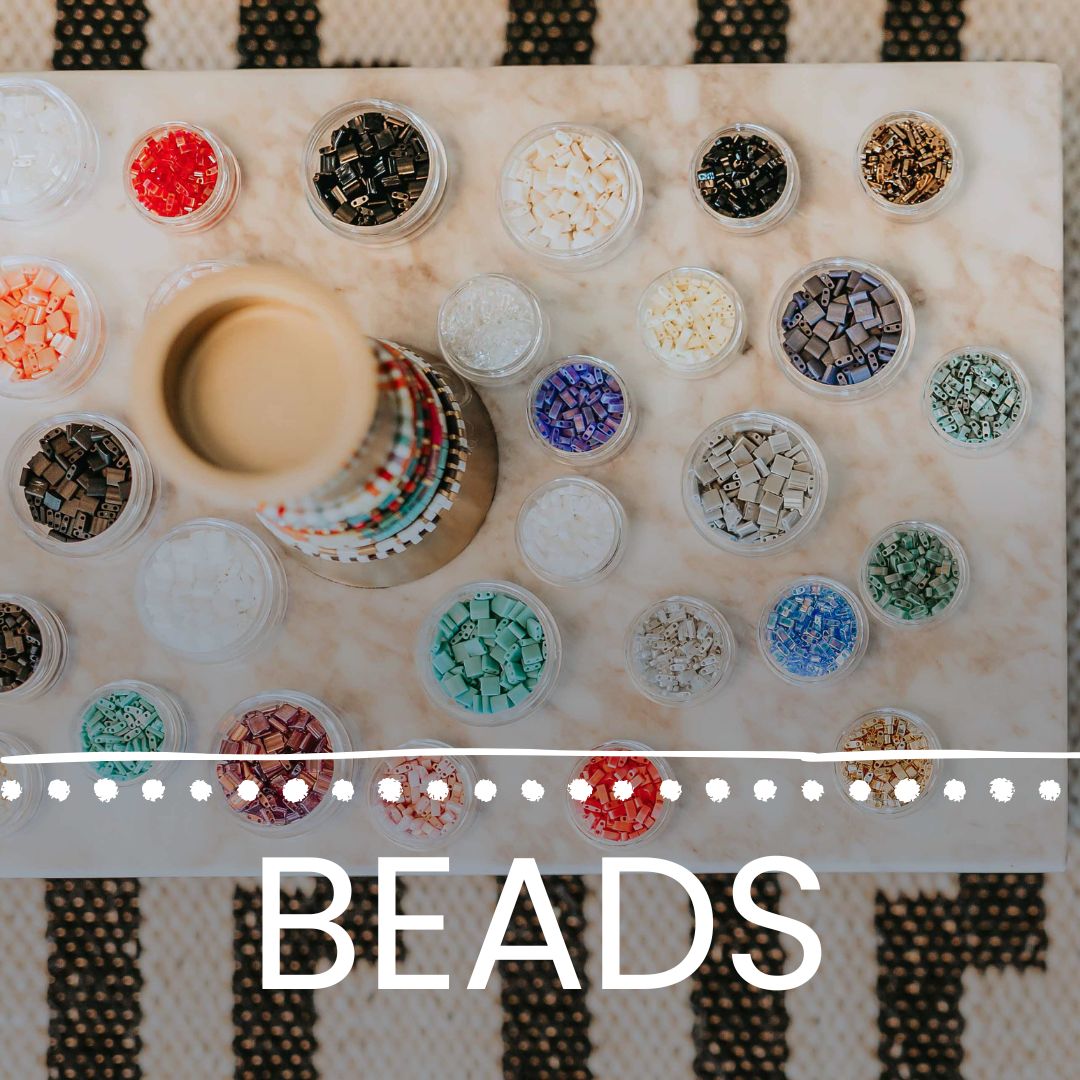
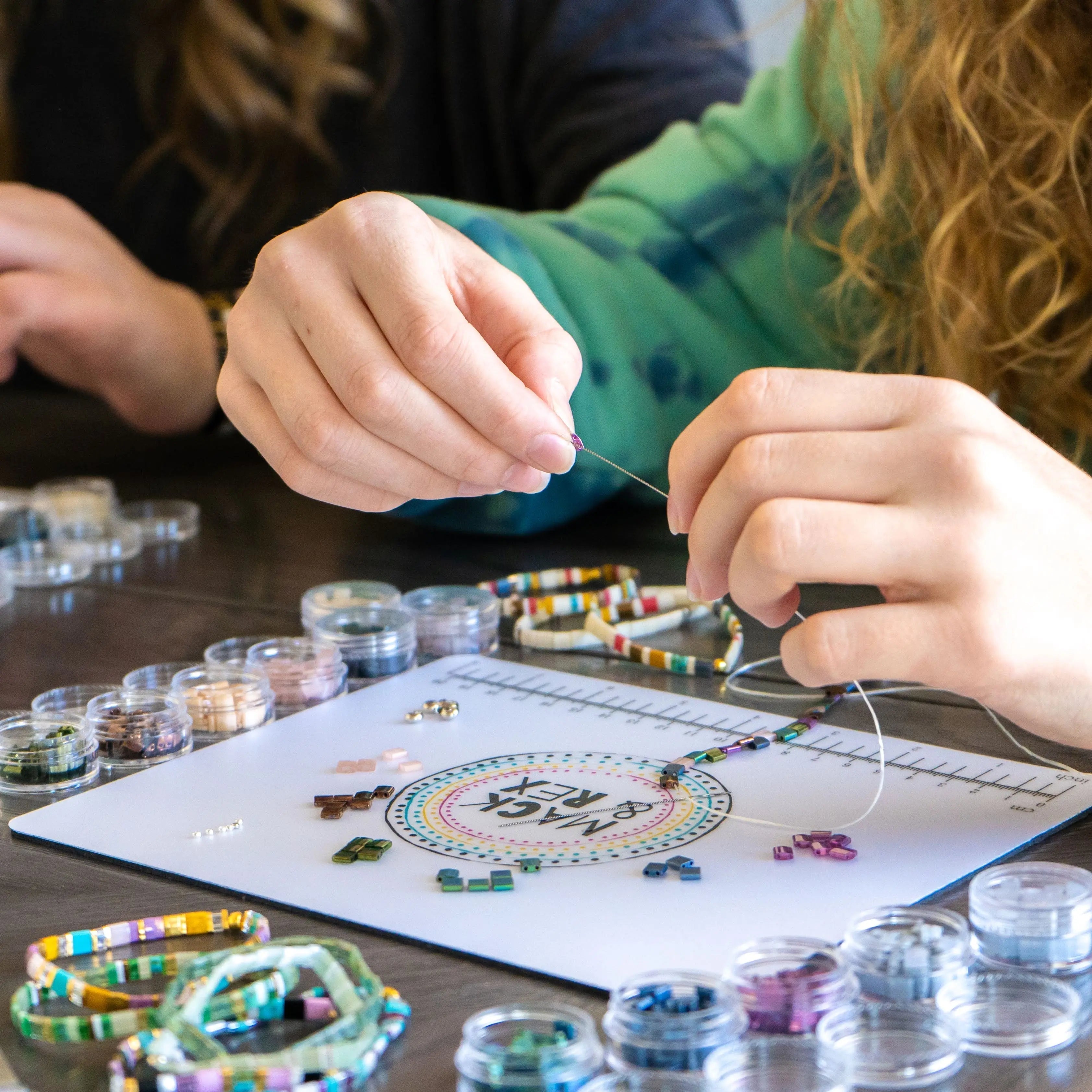
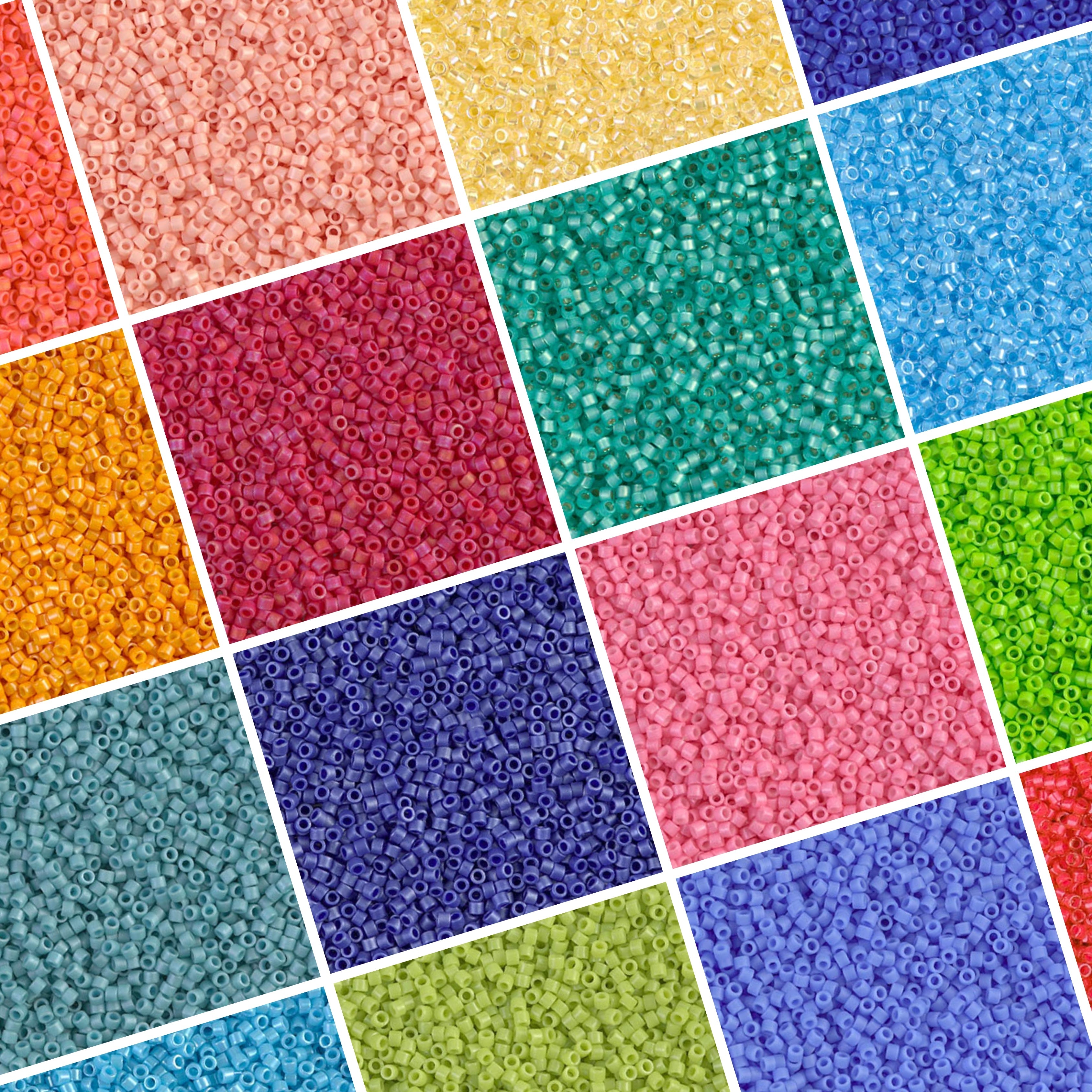
Tila beads are glass, full stop. They're a Japanese seed bead style made by Miyuki, a bead manufacturer Mack & Rex carries but doesn't own or manufacture for. Each bead is a small flat square, about 5mm x 5mm, pressed from glass and drilled with two parallel holes so it sits flush when strung. There's no metal core, metal coating, or metal plating involved in how the bead itself is made.
That matters for the nickel question specifically. Glass is a mineral-based material, essentially melted and cooled silica, and it doesn't contain nickel as an ingredient. You can read more about how glass is formulated on Wikipedia's overview of glass. Compare that to costume jewelry made with base-metal alloys, where nickel is a common (and cheap) component, and you can see why glass beads land in a different category entirely. If you want to browse the actual beads we're talking about, Mack & Rex stocks a full range of colors and finishes on the tila beads collection page.
Why does nickel in jewelry cause a reaction in the first place?
Nickel allergy is one of the most common causes of contact dermatitis, the itchy, red, sometimes blistered skin reaction people get from touching certain metals. It develops over repeated exposure, so someone can wear nickel-containing jewelry for years and then suddenly start reacting to it. According to Wikipedia's entry on nickel allergy, nickel is used widely in inexpensive jewelry, clasps, and findings because it's durable and cheap, which is exactly why so many people run into it without realizing what triggered the reaction.
This is also why "hypoallergenic" gets thrown around loosely in jewelry marketing. We're not going to do that here. What we can tell you honestly is what a tila bracelet is made of: glass beads and elastic cord. We can't promise how any individual person's skin will respond, because allergies and sensitivities vary person to person. If you've had a reaction to metal jewelry before, glass-and-elastic construction is a reasonable thing to look for, and that's what a standard tila bracelet gives you.
Does a stretch tila bracelet have any metal touching your skin?
This is really the crux of it. A bead being nickel-free doesn't automatically mean the whole bracelet is. Plenty of glass-bead jewelry still uses a metal clasp, jump rings, or crimp beads, and those parts are where nickel sensitivity usually shows up, not the beads themselves.
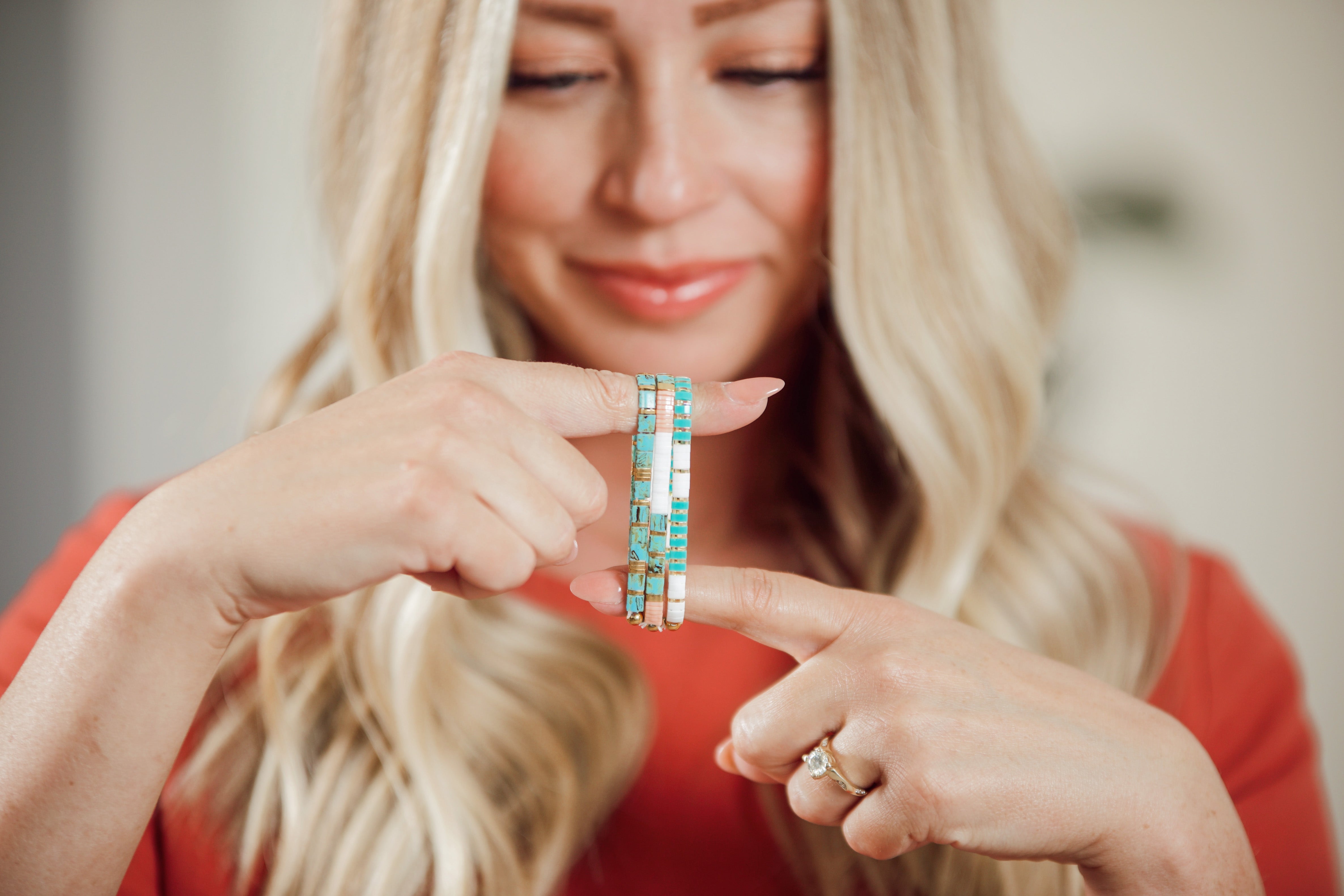
Mack & Rex finished tila bracelets and trio kits are built on crystal-cord stretch elastic instead of a metal clasp. You pull the bracelet on and off over your hand; there's no closure, no findings, no metal touchpoint sitting against your wrist. Combined with the glass beads, a standard tila bracelet from Mack & Rex has no metal contact points in its base construction.
The one thing worth flagging: some bracelet styles add a small metal charm, spacer, or accent piece for a decorative touch. Those are called out individually on product pages. If you have a known, serious metal allergy, it's a good habit to double-check any specific listing rather than assuming every style is built exactly the same as a plain stretch design.
What should you check before buying if you have sensitive skin?
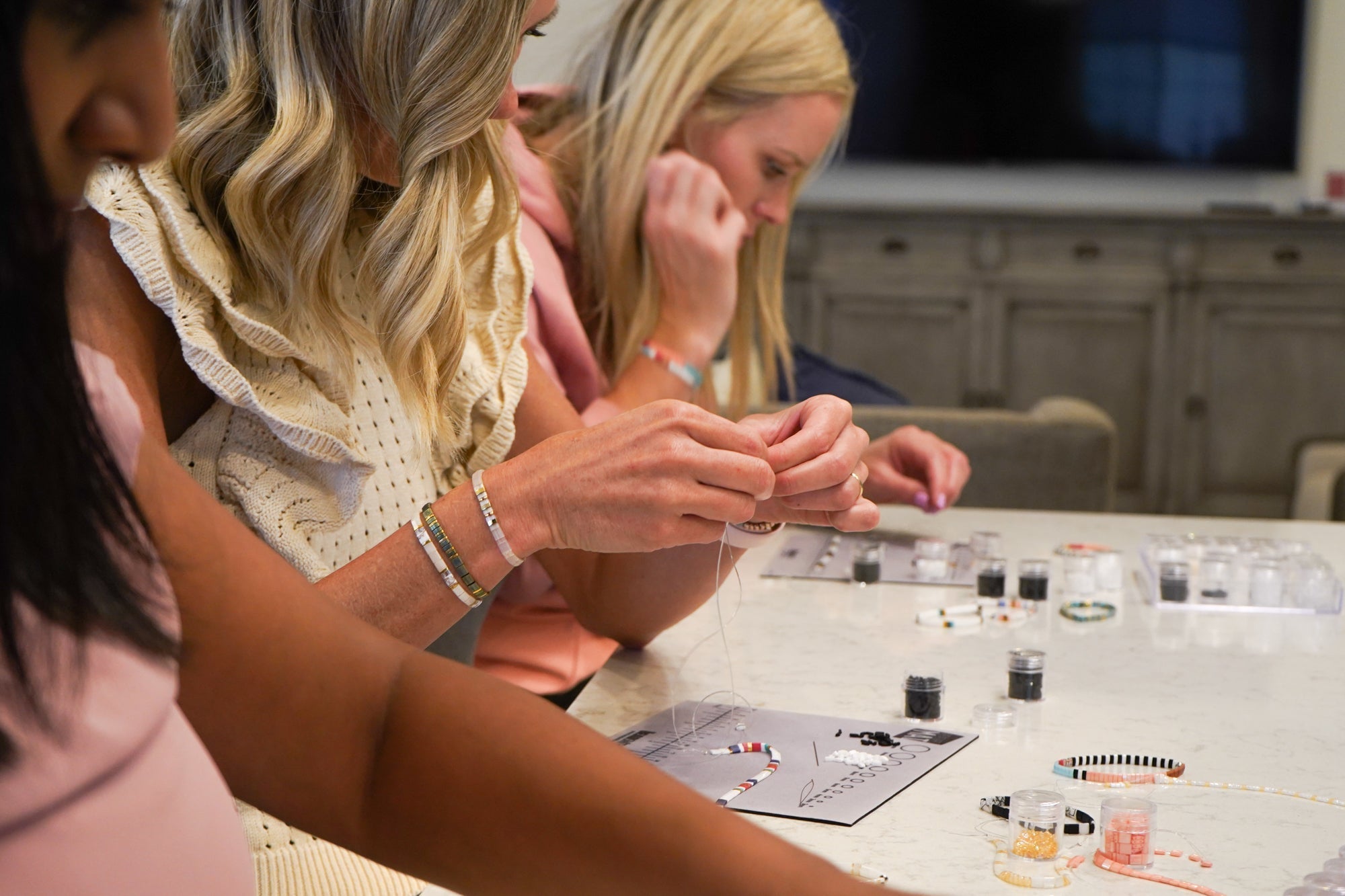
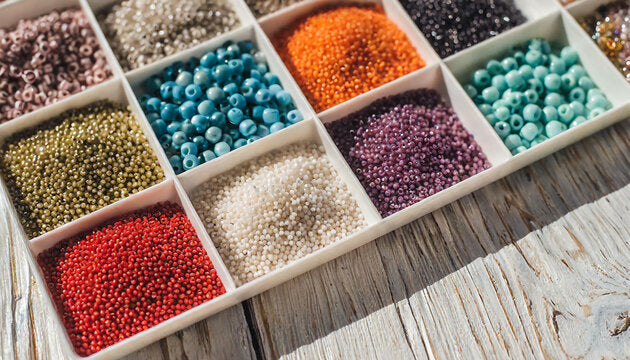
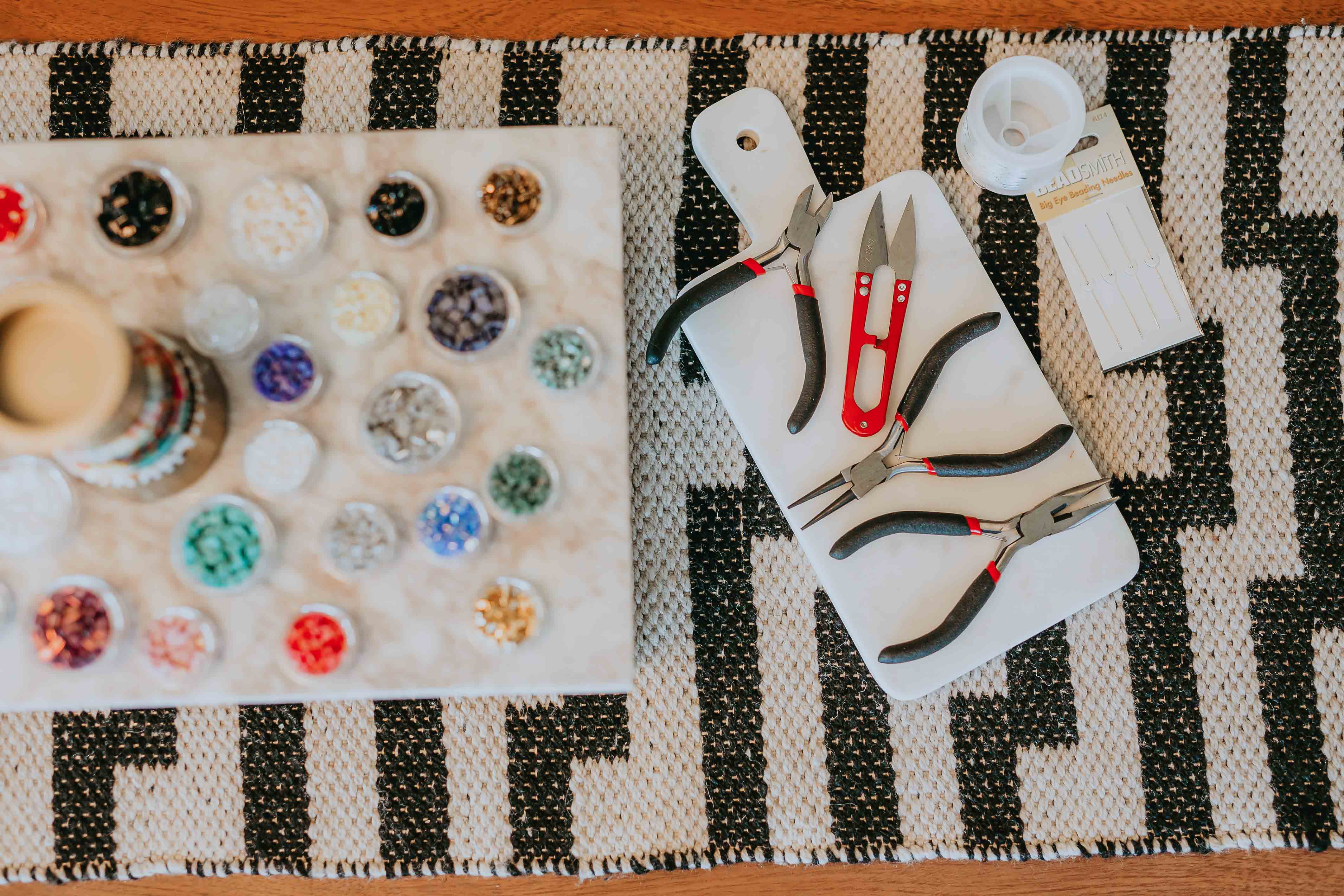
A few practical things to look at. First, confirm the closure type. Elastic stretch cord means no clasp; a toggle, lobster clasp, or magnetic closure means metal is involved, and you'll want to know what that metal is. Second, check for add-ons like charms or dangles, since those are more likely to include metal components than the beads themselves. Third, if you're buying loose beads to make your own piece, remember the beads are the nickel-free part; whatever findings, wire, or clasp you add is a separate decision.
For general beading background, independent bead-focused sites are worth reading if you're new to the craft. One good overview of what makes tila beads distinct as a shape and material comes from The Beading Gem's tila bead roundup, which covers how the flat, two-hole shape behaves differently than round seed beads once you start stringing.
One Mack & Rex customer, reviewing a tila bead purchase, put it simply: "I love the color of the tila bead. It is a very beautiful Aquamarine." Comments like that tend to focus on color and finish, which tracks with what the beads actually are: a glass product, chosen for how it looks and wears, not a metal one.
Is a tila bracelet a safe choice if you have a nickel allergy?
We can tell you the facts plainly: glass beads contain no nickel, and a standard Mack & Rex stretch tila bracelet has no metal clasp or findings against your skin. That's a meaningfully different construction than most costume jewelry, where a metal closure is often the actual source of a reaction. We're not going to call any product "hypoallergenic" or "safe for sensitive skin" as a guarantee, because we can't make that call for your specific skin. What we can do is describe the materials accurately so you can make an informed choice, and flag that any charm or metal accent piece is worth checking individually.
If you're shopping specifically because of a metal sensitivity, start with a plain stretch design, confirm there's no added metal hardware on the listing, and go from there. Browse the current colors and finishes on the tila beads collection to see what's in stock.
Frequently asked questions
Do tila beads contain nickel?
No. Tila beads are made from glass, and glass simply doesn't contain nickel. There's no metal in the bead itself, so there's nothing there for nickel-sensitive skin to react to.
Is a tila bead bracelet hypoallergenic?
A standard stretch tila bracelet is made from glass beads and elastic cord, with no metal clasp or findings touching your skin. That combination means there's no nickel-contact point in the bracelet, though we can't label any product a guaranteed hypoallergenic fix for every skin type.
What is nickel allergy and why does it matter for jewelry?
Nickel allergy is a common skin sensitivity where contact with nickel-containing metal triggers itching, redness, or a rash. It's one of the most frequent causes of contact dermatitis from jewelry, which is why many people look for metal-free options like glass or elastic-cord bracelets.
Do Mack & Rex tila bracelets have any metal parts?
Standard finished tila bracelets and trio kits from Mack & Rex use crystal-cord elastic instead of a metal clasp, so there's no closure touching your wrist. If a specific style adds a charm or metal accent, check that listing individually since not every design is built the same way.
Sources: Wikipedia, Nickel allergy; Wikipedia, Glass; Miyuki official site; The Beading Gem, Tila Bead Jewelry Tutorials.