


What's the Best Elastic Cord for Beaded Bracelets So They Don't Snap?
Why Does Cheap Elastic Cord Snap So Fast?
Cheap elastic snaps because it's usually too thin, loses stretch quickly, and frays where bead edges rub it. A bracelet that looks fine on day one can fail within weeks. Cord quality, diameter, and knot all matter, and a weakness in any one shows up fast.
Here's the thing most people miss. Elastic cord is a stretchy core, often an elastomer that can deform a lot and spring back. Cheap versions fatigue, which means each stretch leaves them a little looser and a little weaker. Slip a bracelet on and off twice a day for a month and that adds up.
Glass beads add another problem. Every hole has edges, and every wrist movement slides those edges against the cord. Thin, soft elastic wears through. Thicker, smoother elastic holds on.
How Do You Match Elastic Cord Diameter to Bead Hole Size?
Pick the thickest cord that still slides through your bead hole at least twice, since the knot tail needs to travel back through a bead. Common stretch cord sizes run from about 0.5mm up to 1mm or more. Bigger holes allow thicker cord, and thicker cord generally lasts longer.
Test before you buy in bulk. Thread one bead, then double the cord through it. If it goes through with a gentle push, you're in the right zone. If you have to force it, the cord is too thick, and forcing it will shred the outer layer. If it floats through with room to spare, you can probably go up a size.
Take two common examples. A 0.8mm cord is a popular middle ground for small-to-medium holes and lightweight beads. A 1mm cord suits larger holes and heavier beads, and it feels sturdier on the wrist. Neither is "best" for everything. The right one matches your beads.
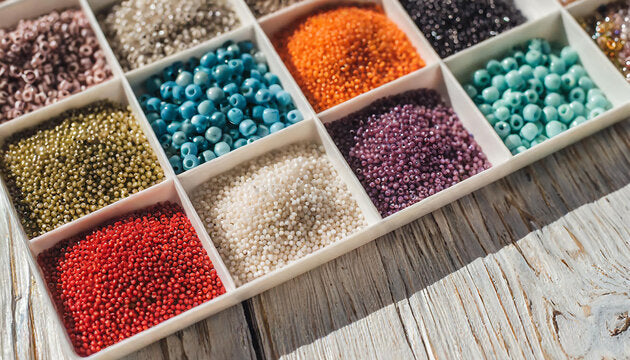
Small seed-bead style pieces and flat glass tiles can have different hole sizes even in the same bag, so check a few. Fire Mountain Gems publishes a handy reference chart for matching stringing materials to beads if you want a second opinion on sizing.
Does Bead Weight Change Which Cord You Need?
Yes. Heavier beads pull harder on the cord every time you move your wrist, so they need thicker, stronger elastic. Lightweight glass can get away with a finer cord, but a heavy stack on thin cord sags, stretches out of shape, and breaks sooner.
Think of it as load. A bracelet of 20 or 30 small glass tiles weighs very little, so a well-made cord of modest thickness does fine. Swap in chunky stone, metal spacers, or large charms and the same cord is carrying far more. Weight also pulls at the knot, which is where most bracelets fail first.
A good rule: the heavier the bead, the thicker the cord you should reach for, within what the hole allows. If your bead is heavy and the hole is tiny, elastic is the wrong tool. Wire or beading thread with a clasp is a better fit.
What Makes Stretch Quality Good?
Good stretch quality means the cord stretches a lot, snaps back fully, and stays smooth. Look for round, consistent cord that feels springy rather than gummy or crunchy, with no flat spots or fuzzy fibers. Clear, crystal-style cord also hides well between beads.
Skip anything that stays stretched out after you pull it. That's a sign the elastic is already tired. Also avoid cord that feels sticky or leaves a residue on your fingers, since it can degrade fast.
Some cords blend spandex-type fibers or rubber-like cores. These materials can age with heat, sunlight, and skin oils. Store spare cord in a cool, dark place, and don't buy a giant spool you won't finish for years.
Pre-stretching helps too. Pull the cut cord firmly a few times before you thread beads. That takes out the initial give so your finished bracelet doesn't loosen after a week of wear.
How Do You Knot and Finish Elastic So It Holds?
Use a surgeon's knot, which wraps the cord twice on the first pass, then pull it tight and repeat. Tuck the knot into a bead hole if you can. A single, quick overhand knot is the number one reason a stretch bracelet comes apart.
Here's a simple sequence:
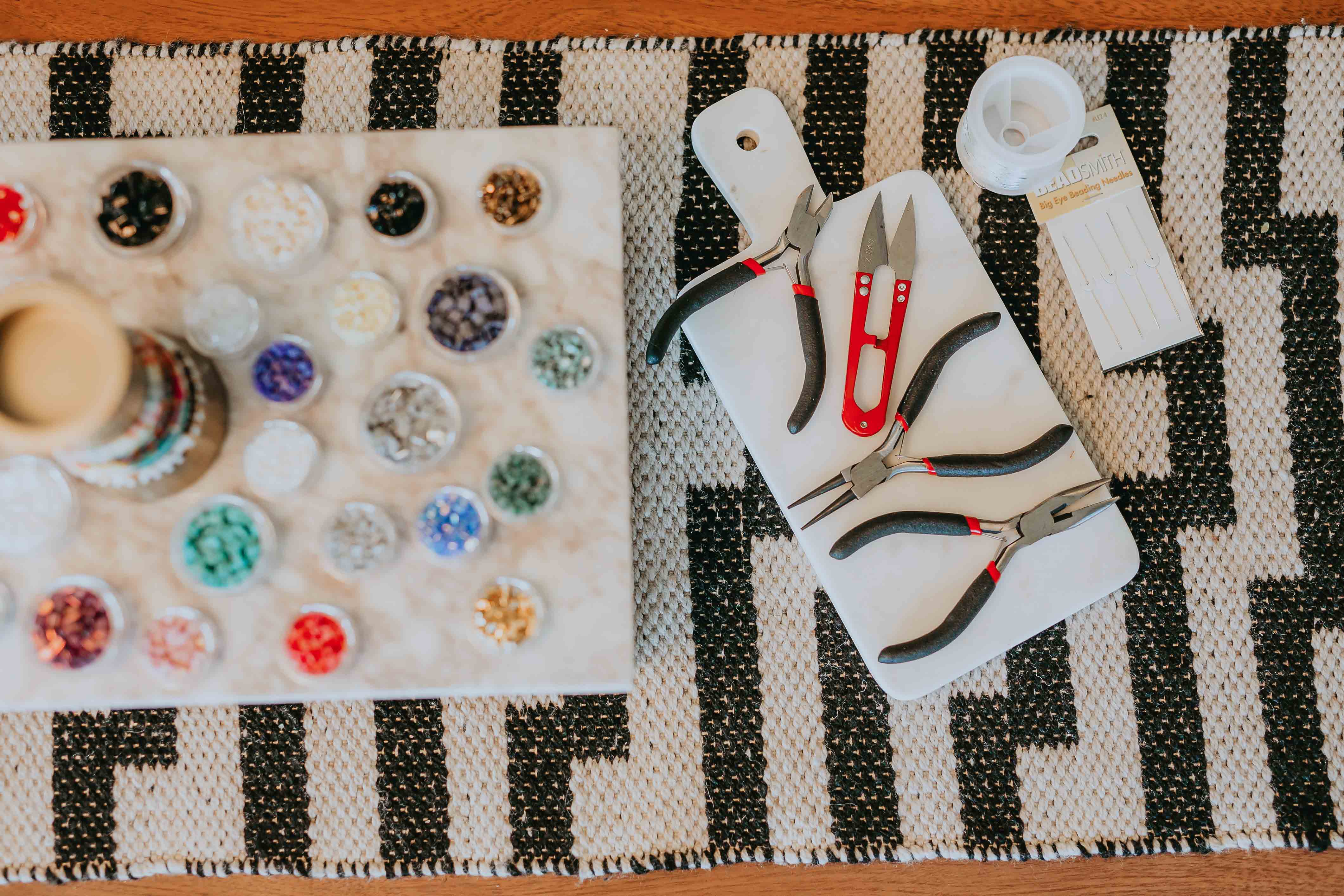
- Cut a length about 6 to 8 inches longer than your wrist so you have room to work.
- Pre-stretch the cord, then thread your beads.
- Tie a surgeon's knot, pulling firmly while the cord is slightly stretched.
- Add a second knot on top for backup.
- Dab a tiny amount of jewelry glue on the knot if you like, and let it dry fully.
- Slide the knot into a bead hole and trim the tails close.
Go easy on the glue. Too much can wick into the cord and make it stiff or brittle. A tiny dot is plenty.
One more tip. Leave the bracelet snug but not tight. A bracelet sized so it's always under heavy tension fails sooner than one with a little room. That's one reason inclusive sizing matters. Mack & Rex stretch bracelets come in sizes from XXS to 5XL, so there's a real fit for each wrist instead of a stretched-to-the-limit one.
What Elastic Does Mack & Rex Use?
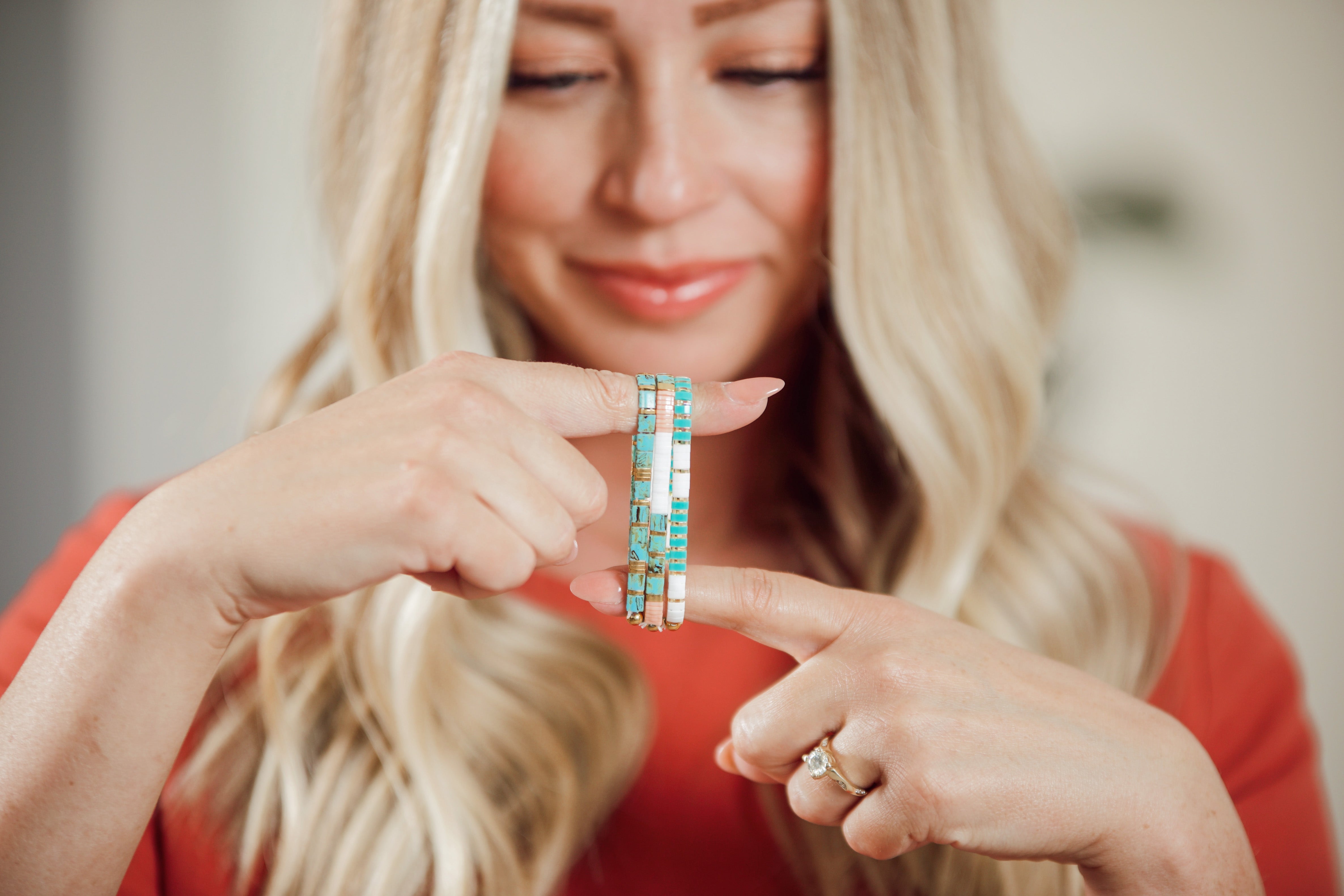
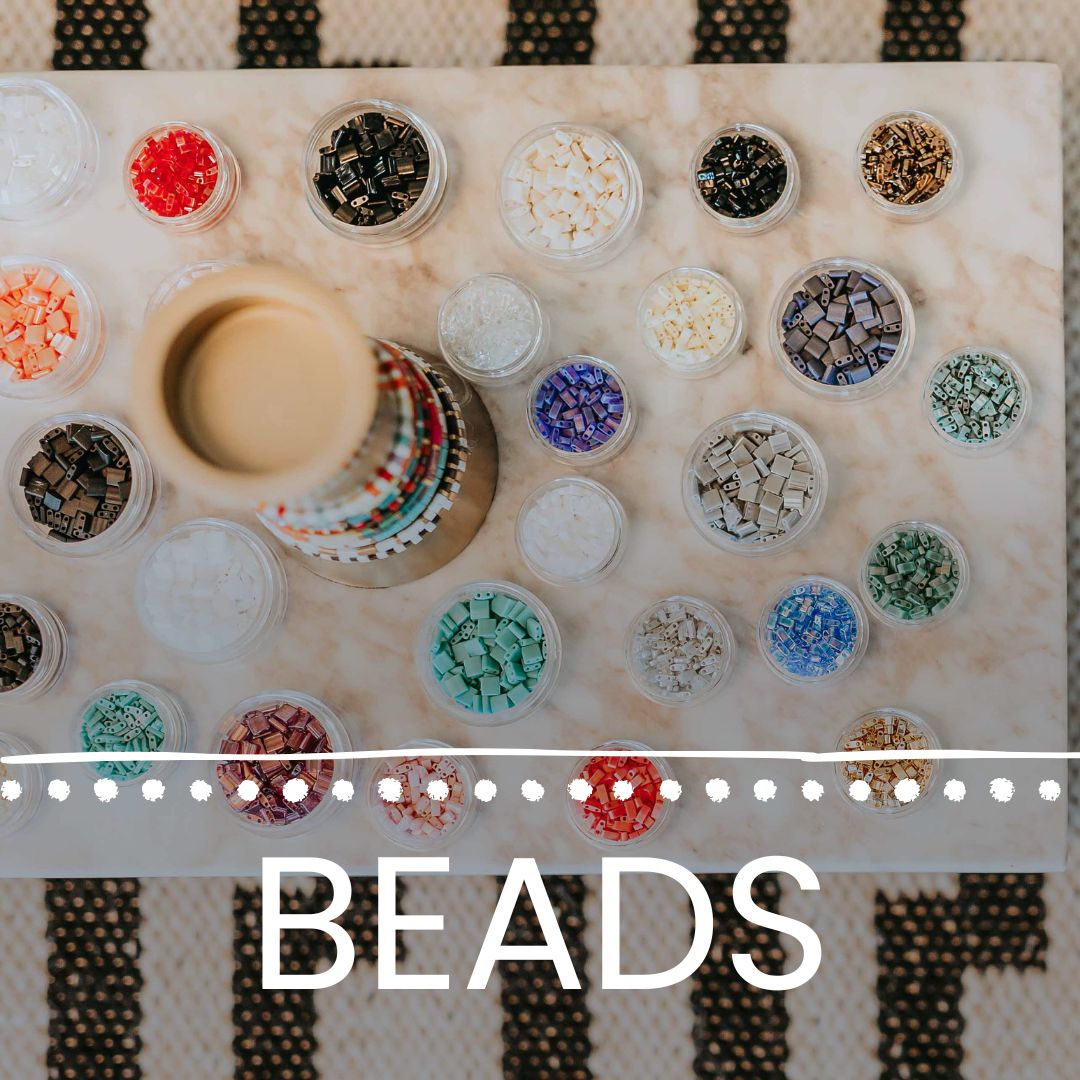
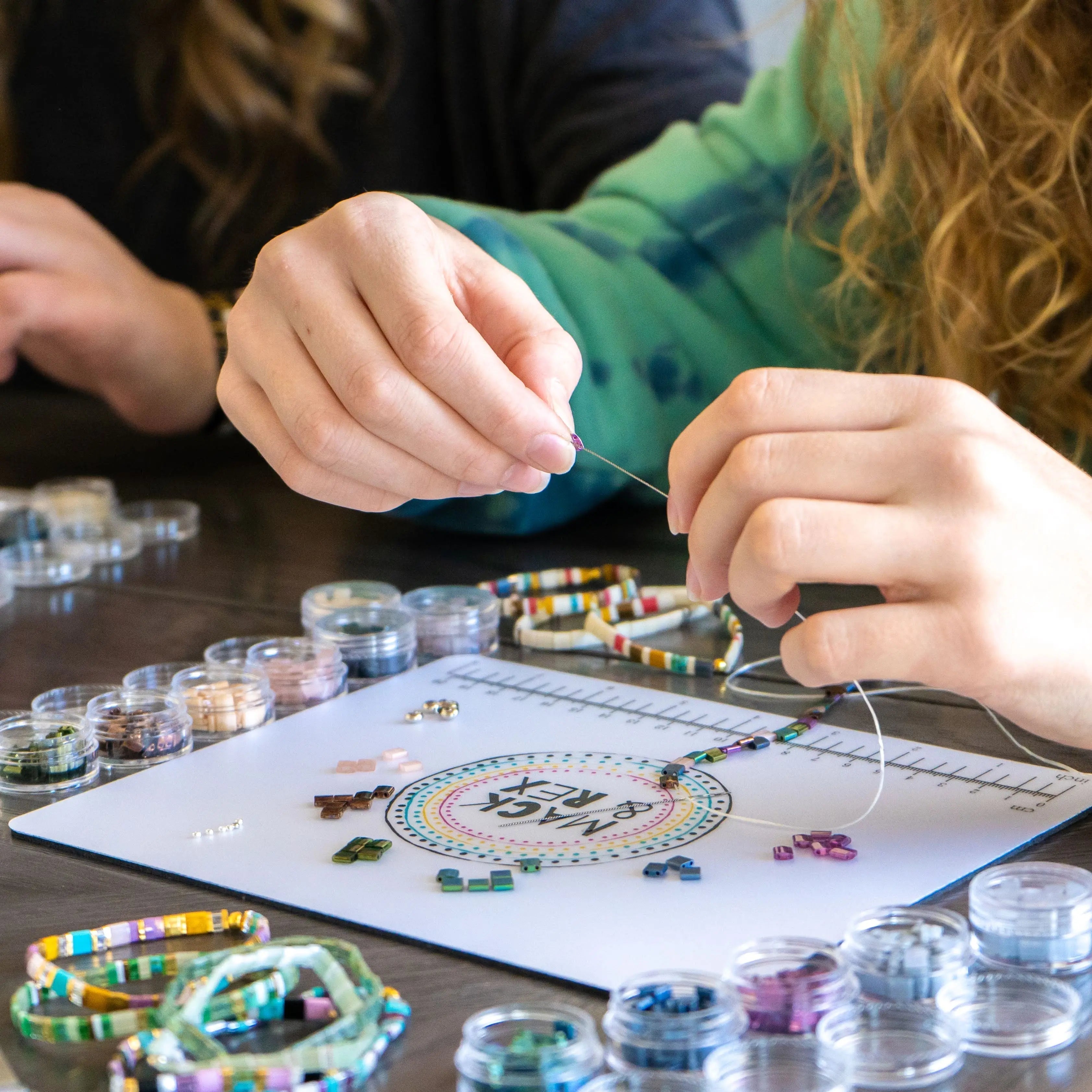
Mack & Rex uses crystal-cord elastic on its stretch bracelets and includes it in its trio kits, paired with Miyuki Tila beads. Miyuki is a third-party Japanese bead maker, and Mack & Rex resells those beads. The stretchy bracelets also come with a quality guarantee.
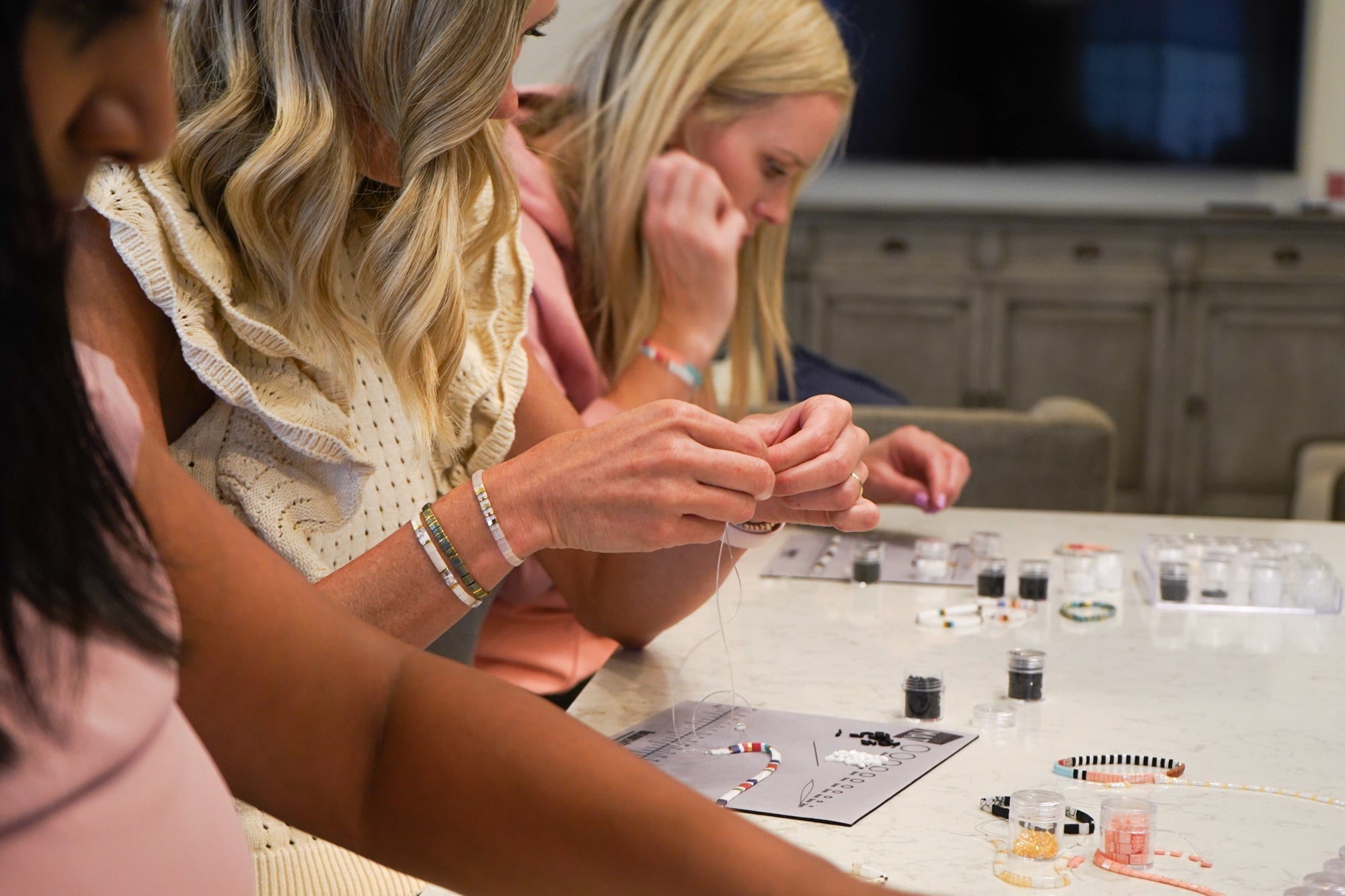
That's the advantage of buying cord and beads that were chosen to work together. You skip the guessing about whether your beads and your cord match. If you want to try it yourself, the Mack & Rex bracelet-making kits bundle beads and crystal-cord elastic so you can start right away.
Trio kits make three bracelets, and they're a nice weekend project for a mom and her kids or a grandma and her grandkids. Just keep the small parts safe. Beads are a choking hazard, so an adult should supervise and keep loose beads away from very young children.
How Long Should a Well-Made Stretch Bracelet Last?
There's no fixed number. A well-made bracelet on good cord can last many months of regular wear, and often longer with care. Your habits matter as much as your cord.
Take it off for swimming pools, hot tubs, and heavy workouts. Chlorine, lotions, and sunscreen can break down elastic over time. Roll the bracelet on rather than yanking it over your hand, and avoid pulling it far past the size you need.
When the cord starts to look dull, stretched, or thin, restring it. Beads can be reused, and a fresh length of cord is cheap.
Frequently Asked Questions
What is the best elastic cord for beaded bracelets?
The best elastic beading cord is a round, clear, high-stretch cord that fits snugly through your bead holes without forcing. Mack & Rex uses crystal-cord elastic on its stretch bracelets and includes it in its trio kits.
What size elastic cord should I use for my beads?
Choose the thickest cord that still passes through the bead hole at least twice, so your knot has room to tuck in. Small-holed beads need thinner cord, while larger, heavier beads need thicker cord to carry the weight.
Why does my stretch bracelet keep breaking?
Most breaks come from cord that is too thin for the bead weight, glass edges sawing at the cord, a loose or single knot, or elastic that has aged. Heavier beads, repeated over-stretching and sun or lotion exposure speed it up.
How do you tie elastic cord so it doesn't come undone?
Pre-stretch the cord, tie a surgeon's knot (two wraps on the first pass), pull it snug, then tie a second knot and tuck it into a bead hole. A tiny dot of jewelry glue can add security.
Does Mack & Rex ship elastic cord kits internationally?
Yes. Mack & Rex ships internationally, with shipping and any customs or duties calculated at checkout. Free shipping applies to US orders over $100 only.
Ready to make a bracelet that stays put? Browse the Mack & Rex bracelet-making kits and start with crystal-cord elastic and beads that were made to work together. US orders over $100 ship free, and we ship internationally with shipping and customs calculated at checkout.

