

Best Elastic Cord for Beaded Bracelets (So They Don't Snap)
What's the Best Elastic Cord for Beaded Bracelets So They Don't Snap?
Match the cord's diameter to your bead holes, pick a quality crystal-style elastic rather than a generic craft-store stretch string, and finish every bracelet with a double knot plus a dab of glue. Most snapped bracelets fail for one of three reasons: wrong cord size, rough bead holes chewing through the elastic, or a single knot that was never meant to hold on its own.
None of that is complicated once you know what to look for. The rest of this covers thickness, color, the actual mechanics of why cord snaps, and how to tie it off so a bracelet survives more than a few wears.
What Thickness of Elastic Cord Should You Use?
Start with the bead hole, not the cord. A 0.8mm elastic cord is the workhorse size for most seed beads and Tila beads, threading through cleanly without rattling around inside the hole or dragging against its edges on every stretch. Lima Beads' stretch bracelet guide lands on the same range, noting 0.8mm "is the best bet for most beads," with 1mm reserved for beads whose holes run large (Lima Beads: Stretch Bracelet How-To).
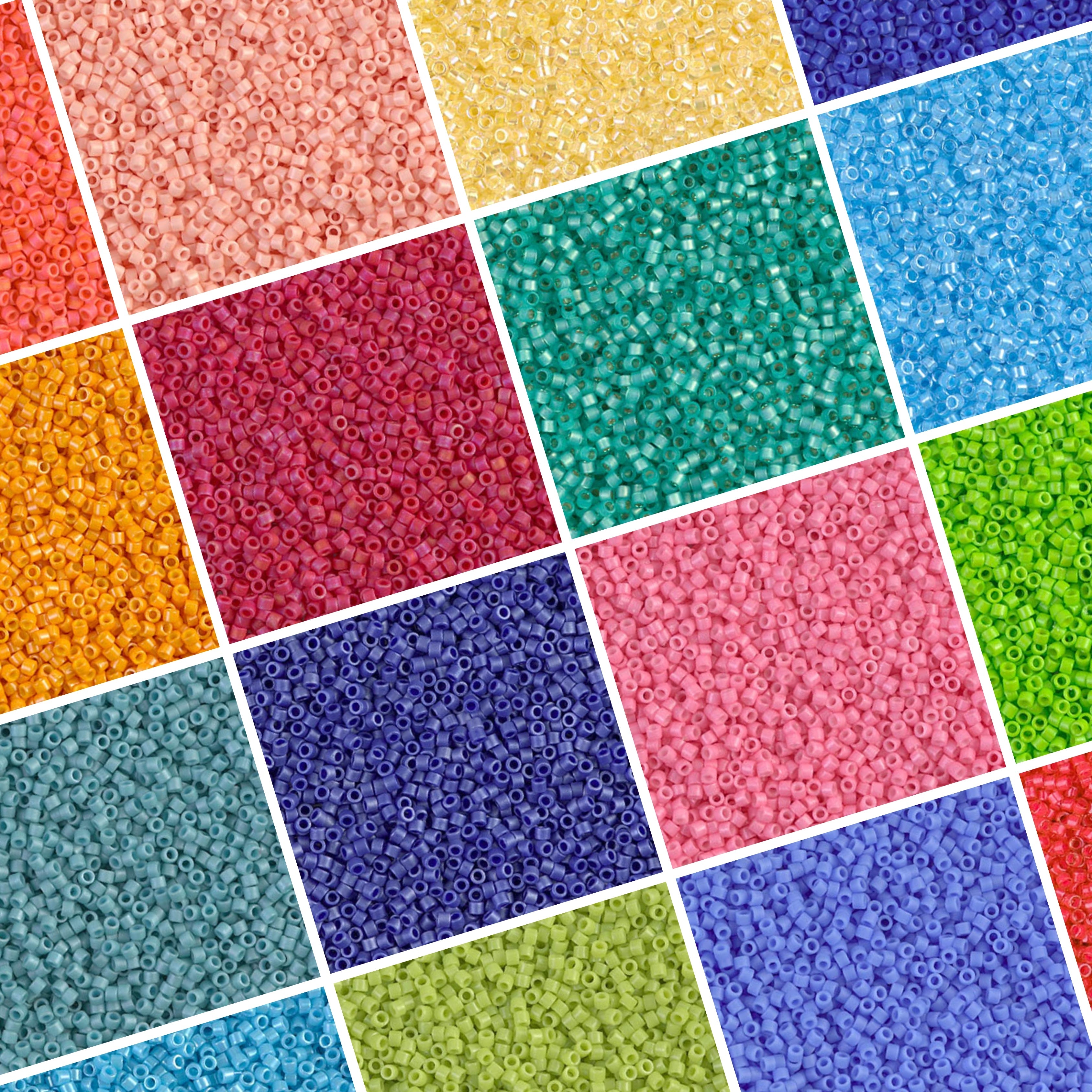
Smaller delica-style seed beads can call for 0.5mm to 0.6mm so the cord actually passes through without forcing. Go too thin for a heavy glass or stone bead, though, and you're asking a skinny strand to carry weight it wasn't built for. That's a slow-motion snap waiting to happen, usually a few weeks out rather than on day one.
A Quick Way to Check the Fit
Thread one bead onto a cut length of cord before committing the whole bracelet. If the bead spins freely with visible slack, size up. If it won't slide at all, size down. Thirty seconds of testing saves you from restringing an entire bracelet later.
Clear or Colored Elastic Cord: Which One Should You Pick?
Clear wins on versatility. It vanishes behind whatever beads you're using, so a mixed palette of Tila tiles never fights with a visible strand of color underneath. If you switch up your bead mix often, clear cord is one less variable to plan around.
Colored cord has its place too. A deep navy cord under translucent blue beads can deepen the color on purpose, and some crafters like a cord that peeks through intentionally as a design detail. Strength and stretch don't change between the two. It's a styling call, not a durability one, so pick based on what you're making rather than worrying it'll hold up differently.
Why Does Elastic Cord Snap in the First Place?
Overstretching is the biggest culprit. Every time you force a bracelet past a comfortable stretch to get it over a wrist or knuckle, you're fatiguing the elastic fibers a little more. Spandex and elastane fibers, the stretch material most beading cord is built from, can stretch several times their resting length and snap back, but that recovery isn't infinite. Each cycle of overstretching wears the material down (Wikipedia: Spandex).
Rough bead holes are the second cause, and the sneakier one. Glass and some stone beads can have sharp or uneven edges right at the hole from the manufacturing process. Every stretch drags the cord against that edge like a tiny saw. Run your fingertip around the inside of a hole before stringing, and if it catches on anything, smooth it with a bead reamer or swap that bead out.
Sun, heat, chlorine, and lotion all shorten an elastic cord's life too. A bracelet that lives on your wrist in the pool all summer won't last as long as one that comes off before a shower.
How to Avoid Snapping, Step by Step
Size the cord to the bead hole, check rough holes before stringing, measure your wrist so the finished loop slides on without a fight, and never yank the elastic to "test" its strength once it's strung. A bracelet sized to slide on with gentle stretch, not a struggle, is a bracelet that lasts.
How Do You Tie Off Elastic Cord So It Stays Tied?
A single overhand knot is the most common point of failure on a homemade bracelet, and it's an easy fix. Tie a double overhand knot, or better, a surgeon's knot, which adds an extra wrap for friction before you pull it tight. Wikipedia describes the surgeon's knot as a reef-knot variation that "adds an extra twist" specifically to reduce loosening while the second half of the knot gets tied, which is exactly the problem a plain knot runs into on slippery elastic (Wikipedia: Surgeon's knot).
After the knot is snug, put a small dot of jewelry glue right on it, let it set for a minute, then trim the tails close instead of flush. Leaving a tiny tail, rather than cutting flush against the knot, gives the glue more to hold onto. Skip the glue and the knot can work itself loose with normal wear in a matter of weeks.
Does It Matter Which Cord Comes With a Bracelet Kit?
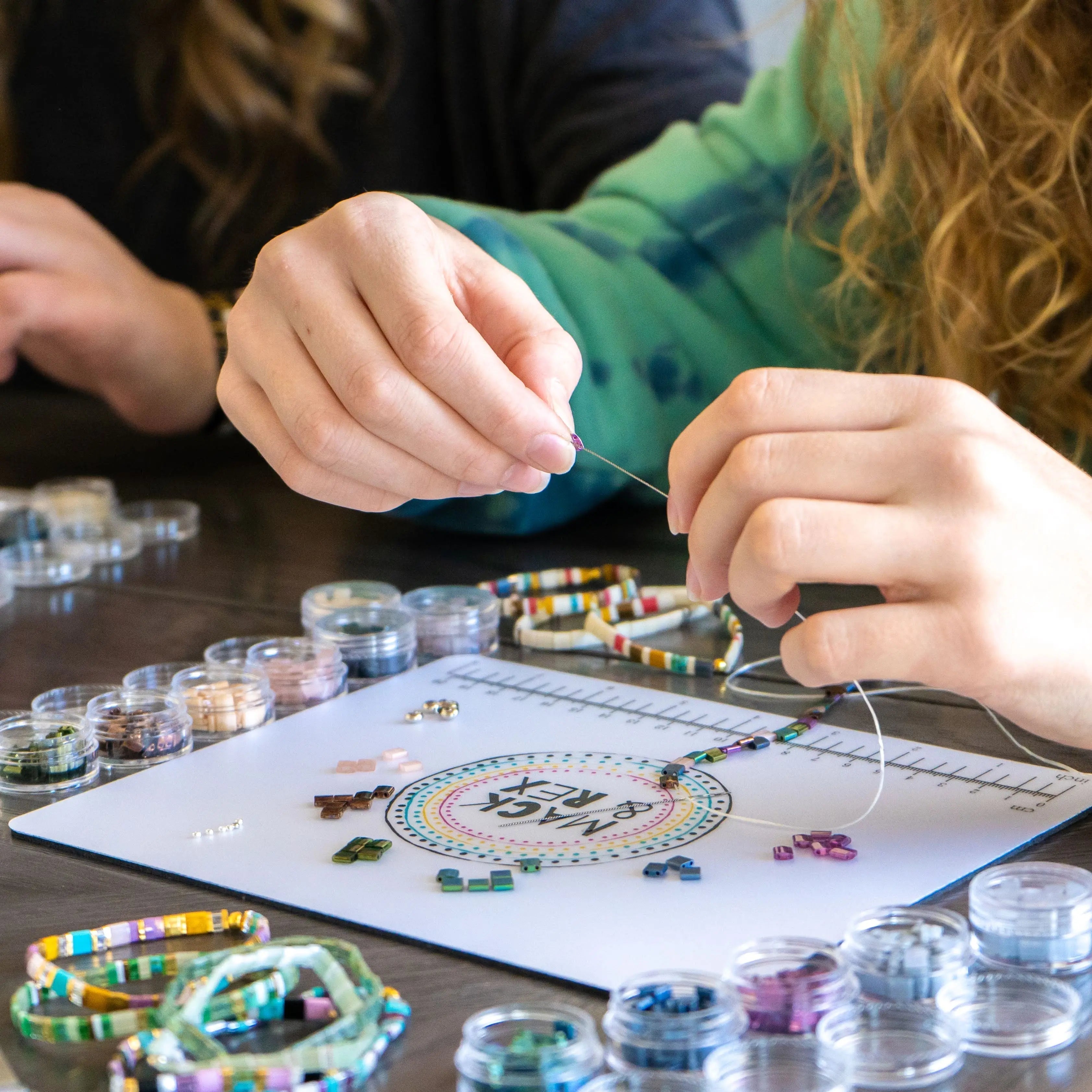
It does, quite a bit. A kit with cord sized wrong for its own beads sets you up to fail before you've tied a single knot, no matter how careful you are. Mack & Rex builds its bracelet kits and bead mixes around crystal-cord elastic chosen to fit the beads they're sold with, so the sizing question is already solved before the box opens.
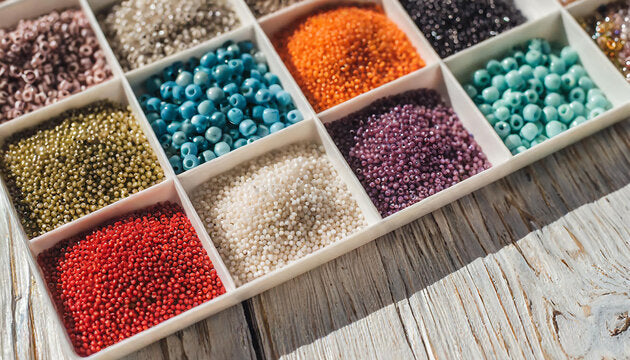
If you're building your own color combinations from loose seed beads rather than a pre-matched kit, the same rule still applies: pick cord to match the bead hole in front of you, not whatever's left in the drawer.
Frequently Asked Questions About Elastic Beading Cord
What size elastic cord should I use for beaded bracelets?
For most seed beads and Tila beads, a 0.6mm to 0.8mm elastic cord fits the hole without excess wiggle. Go up to 1mm only if your beads have noticeably large holes, and size down to 0.5mm for tiny delica-style beads. Too loose and the cord saws against the bead edges every time you stretch it on.
Is clear or colored elastic cord better for bracelets?
Clear cord is more forgiving because it disappears behind the beads no matter what colors you mix, so it's the safer default if you're not sure. Colored cord can match or intentionally peek through a design, but it shows more if the color doesn't blend with your bead palette. Strength and stretch are the same either way; it's purely a look choice.
Why does my beaded bracelet keep snapping?
Three usual suspects: cord that's too thin for the beads' weight, bead holes with rough or sharp edges that saw through the elastic over time, and stretching the bracelet past its comfortable range to get it over a knuckle. Fix the sizing, smooth rough holes, and size the bracelet so it slides on without a fight.
How do you tie off elastic cord so it doesn't come loose?
Tie a double overhand or surgeon's knot rather than a single knot, pull it snug without over-tightening, add a small dot of jewelry adhesive on the knot, let it dry, then trim the tails close. A bare knot with no glue is the most common reason a finished bracelet unravels within a few weeks of wear.
How long does elastic beading cord actually last?
A well-matched, properly knotted elastic cord on a bracelet that isn't overstretched can last months to a couple of years of regular wear. Heat, lotion, chlorine, and UV exposure all break down the elastic fibers faster, so a bracelet worn daily in a pool or hot tub will wear out sooner than one saved for everyday errands.
Want beads with holes sized to pair cleanly with the right elastic cord from the start? Browse the seed bead collection at Mack & Rex and build your next bracelet on a cord that's actually sized for it.

