


Book Club Bracelet Making Kits: A Hands-On Activity for Your Next Meeting
Can a Bracelet Making Kit Work as a Book Club Activity?
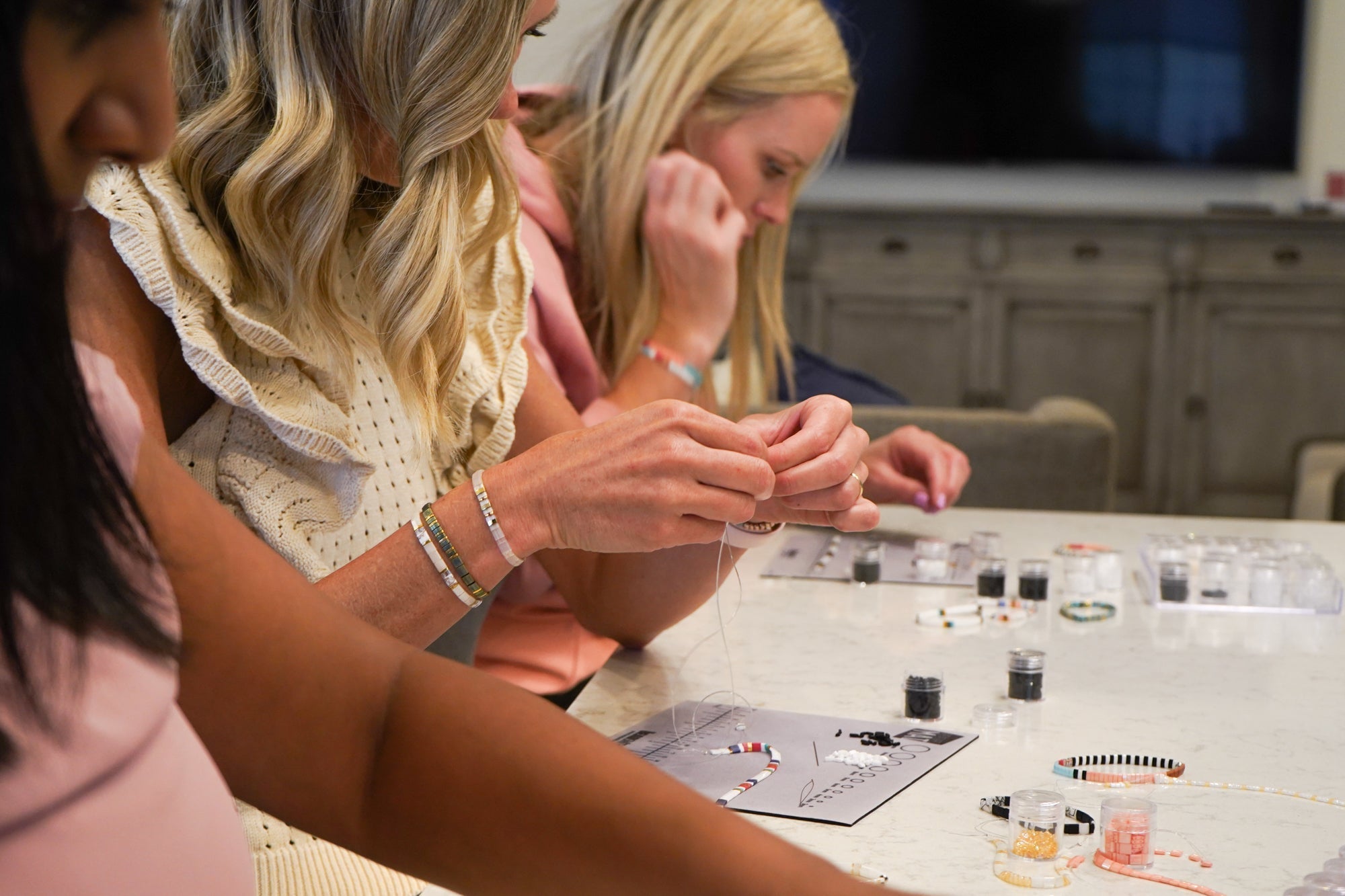
Yes. A bracelet making kit gives a book club something to do with their hands while they talk, and that small shift changes the whole feel of a meeting. Conversation tends to flow easier when nobody has to sit and stare at each other over a shared bowl of chips.
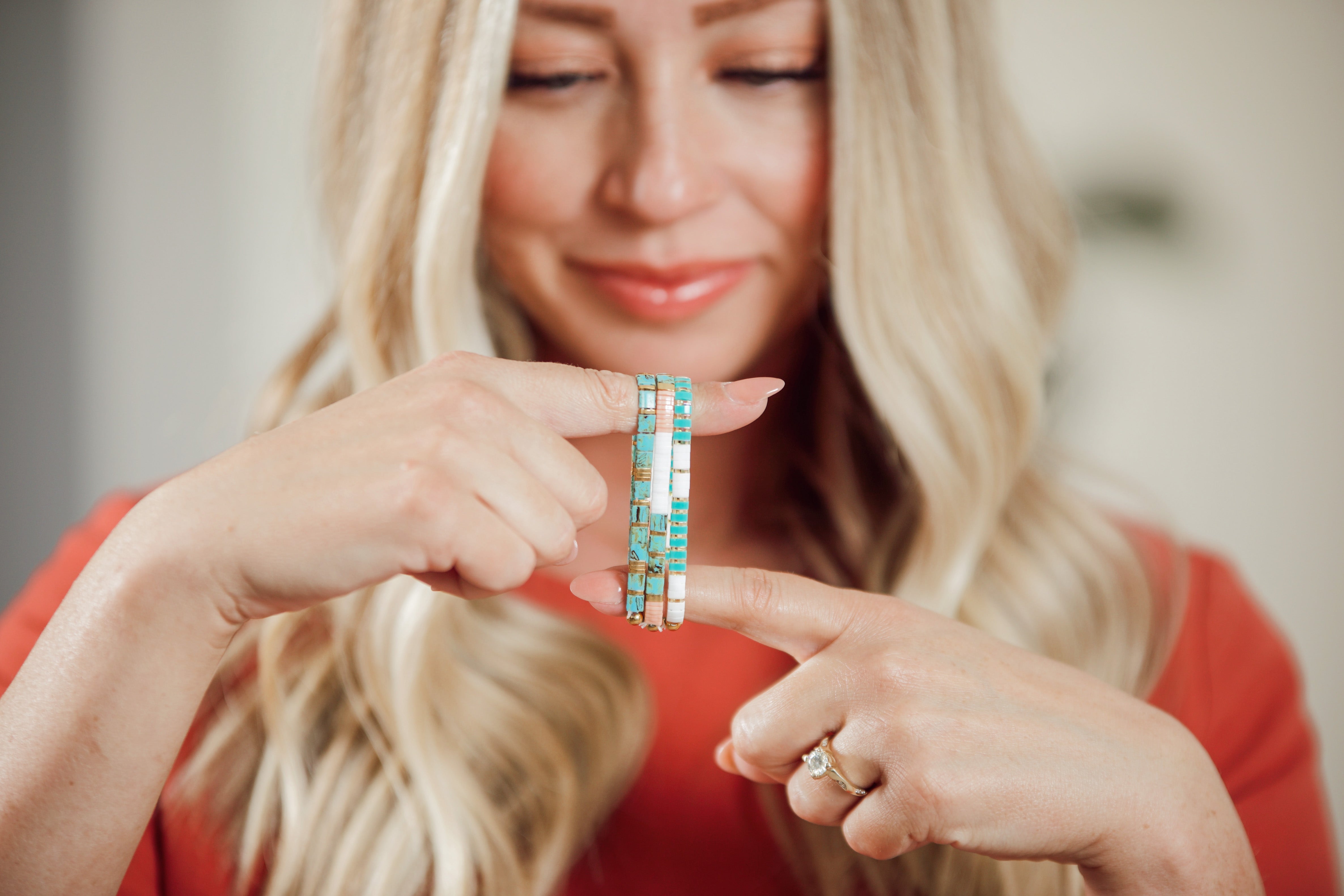
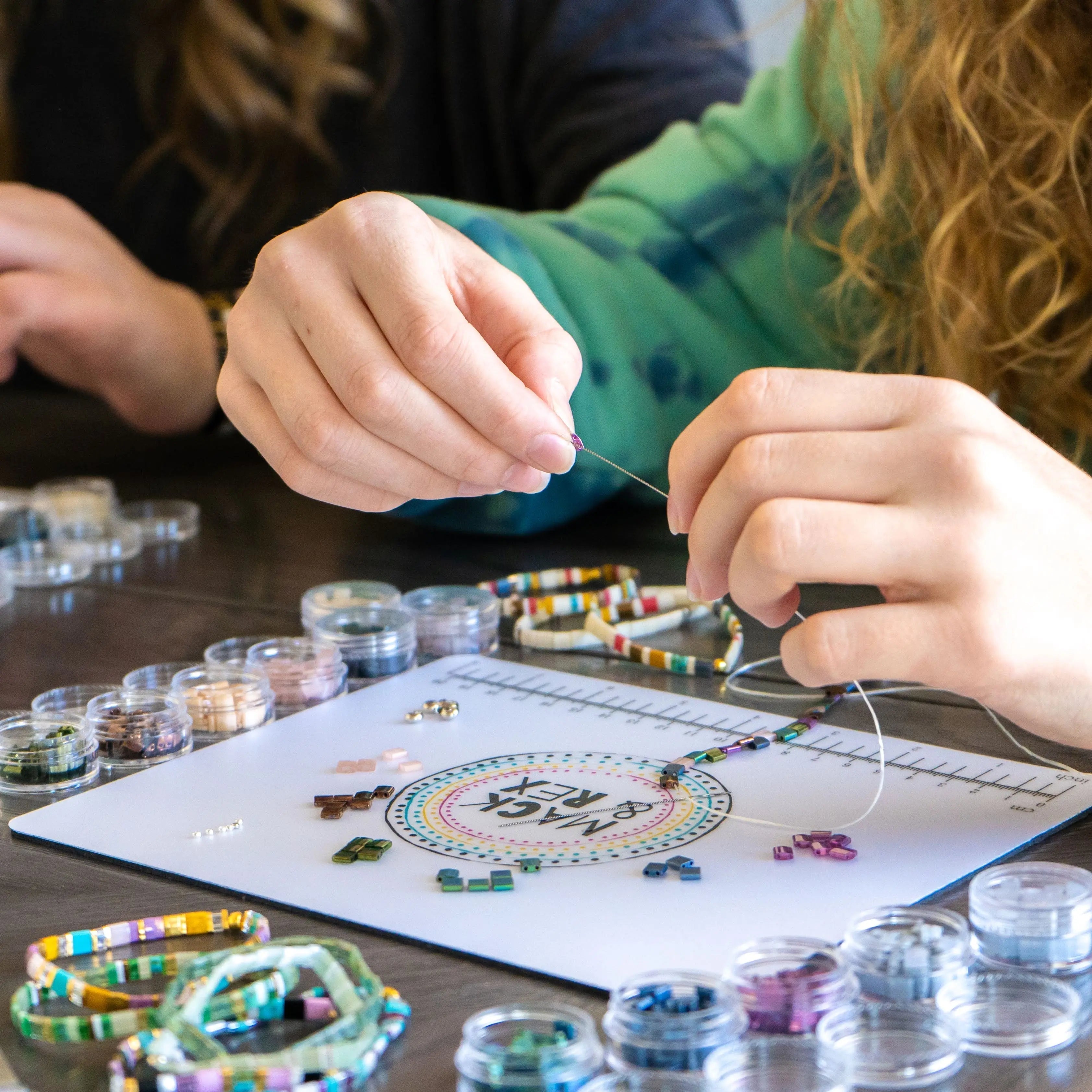
Book clubs already gather around a shared story once a month. Adding a craft doesn't compete with that, it supports it: people talk more freely when their hands are occupied, and a finished bracelet gives everyone a small souvenir of that particular book and that particular night. One host we heard from runs a twelve-person club that now does a themed bracelet round every few months, and members ask about the next color palette before they've even finished the current book. A bracelet making kit built for groups keeps setup simple, since the beads, cord, and instructions all arrive pre-sorted. No glue gun, no jewelry pliers, no trip to a craft store the night before.
How Many Kits Do You Need for Your Group?
Count your group, then divide by three. A trio kit makes three bracelets and runs about $44.99, so a club of six needs two kits, a club of nine needs three, and so on.
Buy one extra kit if your group runs eight or more people. Someone always wants to trade a bead color mid-project, restart after a knot slips, or make a second bracelet for a friend who couldn't make the meeting. The DIY Bracelet Kit Club, also built around three bracelets, runs closer to $36.99 and works the same way if you're stocking up for a recurring meeting rather than a one-off night. If your club shares tools like scissors and glue rather than buying them per kit, an all-in-one tools and supplies kit (around $39.99 to $43.99) covers the whole table at once.
Bigger clubs need a little more math, not much more effort. A fifteen-person club splits into five kits of three, and a rotating club where attendance changes month to month does fine with a standing order of four or five kits kept on hand for whoever shows up. Order a few days ahead of the meeting rather than the morning of, since Mack & Rex ships internationally and any customs or duties get calculated at checkout, which takes a day or two longer than a local pickup would.
How Long Does Bracelet Making Take During a Meeting?
Budget 20 minutes. That's roughly how long it takes most people to string beads onto stretch cord, knot it off, and trim the ends, which fits comfortably inside a one to two hour meeting without eating into discussion time.
Set the craft up at the start, before anyone digs into the book. Members can keep stringing beads while the first few questions get tossed around, then set the bracelet aside once both hands are needed to flip through a passage or hold a glass of wine. A host who runs the craft first and the discussion second tends to get the best of both: focused hands early, focused attention later.
How Do You Match a Color Palette to the Book You're Discussing?
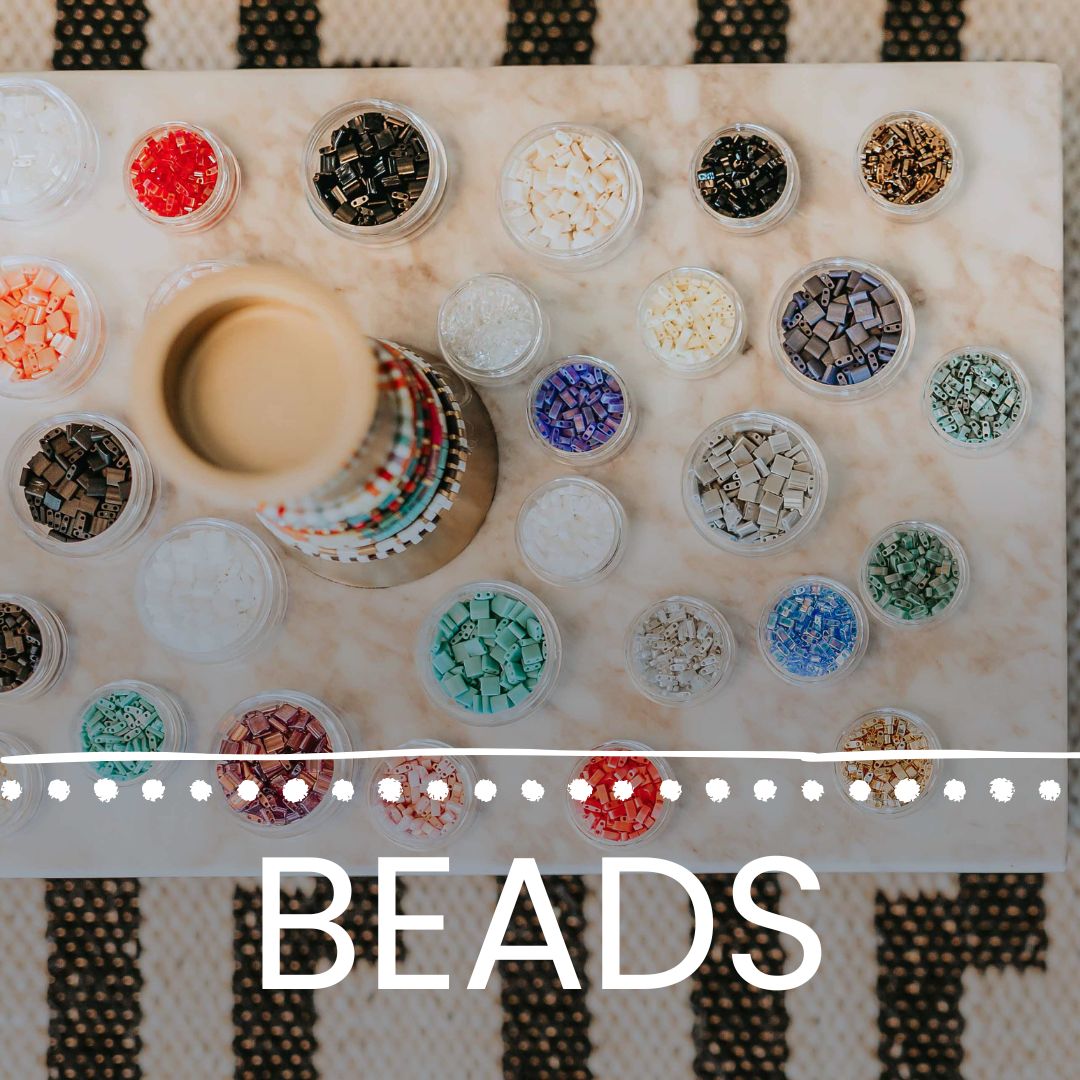
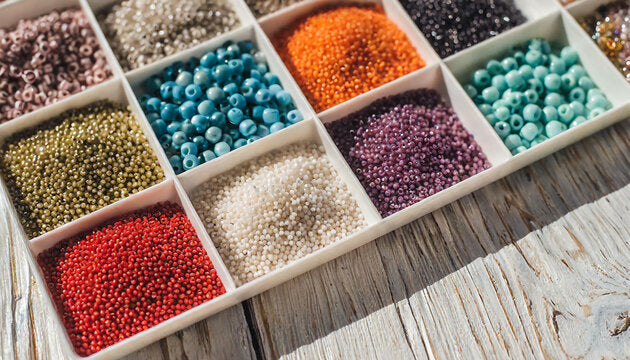
Pull three colors straight off the cover. A muted palette works for a literary drama, warm citrus tones suit a beach-read pick, and deep jewel tones fit a mystery or historical novel, so the finished bracelets end up feeling like a small tribute to the book rather than a random craft.
This is where a themed night earns its reputation as the meeting people remember. Beads have been colored and shaped as small, wearable objects for a very long time, going back to some of the earliest known glass and stone beadwork, and matching that same small object to a mood or story is an old habit dressed up for a modern book club. A club working through a coastal summer novel might reach for seafoam, sand, and coral. A group tackling a dense literary prize winner might land on charcoal, cream, and a single gold accent bead. If your group reads across genres, keep a mixed color box on hand so members aren't stuck with a palette that doesn't suit this month's pick.
Why Are Stretch-Cord Kits Best for a Mixed-Skill Group?
Nobody in a book club wants to fumble with a clasp while everyone else waits to hear their take on chapter twelve. Stretch-cord kits skip clasps, wire cutters, and crimping tools entirely, so the whole group works at roughly the same pace regardless of craft experience.
Mack & Rex kits use crystal-cord elastic rather than thin round elastic, since it holds its stretch and grips a knot more securely over time. That same stretch-cord approach is a common starting point for beginners, and stringing onto elastic cord is often the first technique taught to someone who has never made jewelry before. One club member who has strung beads for years and another who's never touched a needle can sit at the same table and both walk away with a bracelet that looks intentional.
Finishing is simple, too. Tie a basic double knot, add a small dot of glue, and trim the cord close once it dries. No crimp beads, no clasps to fumble open a week later. That's the whole reason a mixed table of beginners and regulars finishes at roughly the same time instead of one person waiting twenty minutes for another to catch up.
What Should You Set Out Before Everyone Arrives?
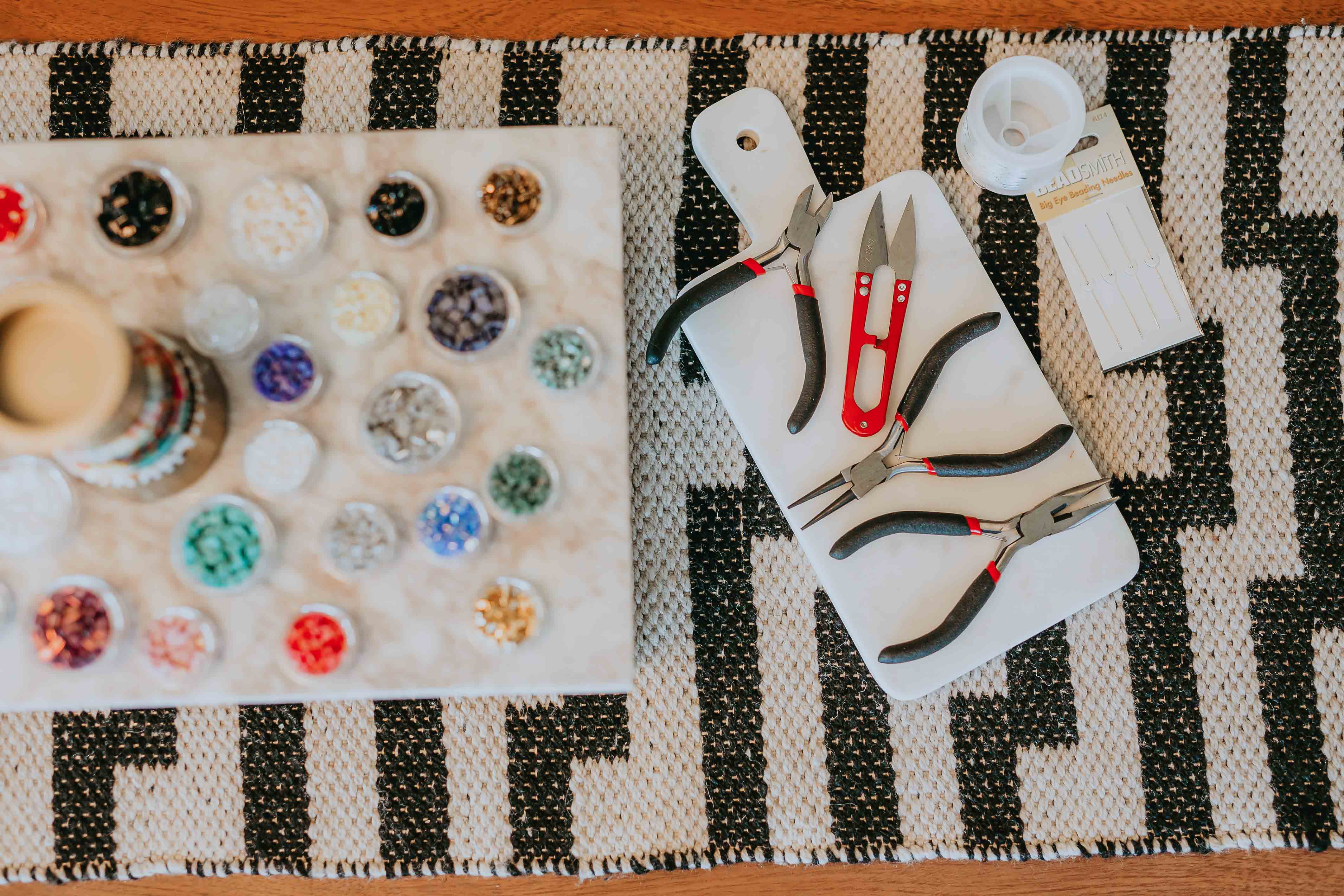
Set the table before the doorbell rings. A cleared surface, small bowls for sorting beads by color, scissors, and a tray to catch stray beads keeps the mess contained and the setup fast once guests start showing up.
Good hosts plan the logistics ahead of the discussion itself. Reading-group hosting guides, including advice from Penguin Random House on running a book club, generally point to the same idea: a little structure up front means a smoother, more relaxed meeting once people settle in. A playlist that matches the book's setting, name cards if the group is mixing regulars with new faces, and a snack that ties into the story's location or era all add to the same effect without adding real work.
One caution worth repeating. If younger kids or grandkids are part of the evening, keep loose beads within adult reach only. Small beads and cord are a choking hazard, so save the free-form bead bowls for an adult or older child working with someone nearby, and let little ones stick to bracelets already strung by a grown-up.
Frequently Asked Questions
How many bracelet making kits should I buy for a book club night?
Plan on one trio kit for every three people, since a trio kit makes three bracelets. A group of nine would need three kits, plus one extra in case someone wants to make a second piece or start over.
How long does it take to make a bracelet during a meeting?
Most people finish a simple stretch bracelet in 15 to 25 minutes, which leaves plenty of room inside a one to two hour meeting for actual book discussion.
Can beginners with no craft experience join in?
Yes. Stretch-cord kits don't require clasps, wire, or special tools, so someone who has never made jewelry can follow the same steps as a member who crafts every week.
Does Mack & Rex ship the kits internationally?
Yes. Mack & Rex ships internationally, with shipping cost and any customs or duties calculated at checkout. US orders over $100 qualify for free shipping.
Can kids join a family book club bracelet night?
Kids can join with an adult nearby, since the small beads and cord are a choking hazard for young children. Save loose beads for supervised crafting and let older kids handle their own bracelet from start to finish.
Ready to plan the night? Browse bracelet making kits sized for your group, from a single trio kit for a small gathering to enough for a full club roster. And if a few members would rather skip the DIY and wear something finished, buy three bracelets and get a fourth free, no code needed (finished bracelets only, not kits).