


Bracelet Kit vs. Buying Beads Separately: Which Is Easier (and Cheaper)?
Bracelet Kit or Loose Beads: Which Is Actually Cheaper and Easier?
A curated bracelet kit usually wins on cost and ease for anyone making one to three bracelets, because the beads, cord, and tools are already matched and portioned. Buying everything separately gets more attractive the more bracelets you're planning to make, or if you want a specific colorway a kit doesn't offer. Neither choice is wrong. It depends on how many bracelets you're making and how much you already know about the materials.
This isn't a case against sourcing your own supplies. Plenty of experienced beaders prefer picking every component themselves. For someone deciding between a trio kit and a cart full of separate bead packs, cord spools, and clasps, here's the honest breakdown.
How Does the Cost Actually Compare?
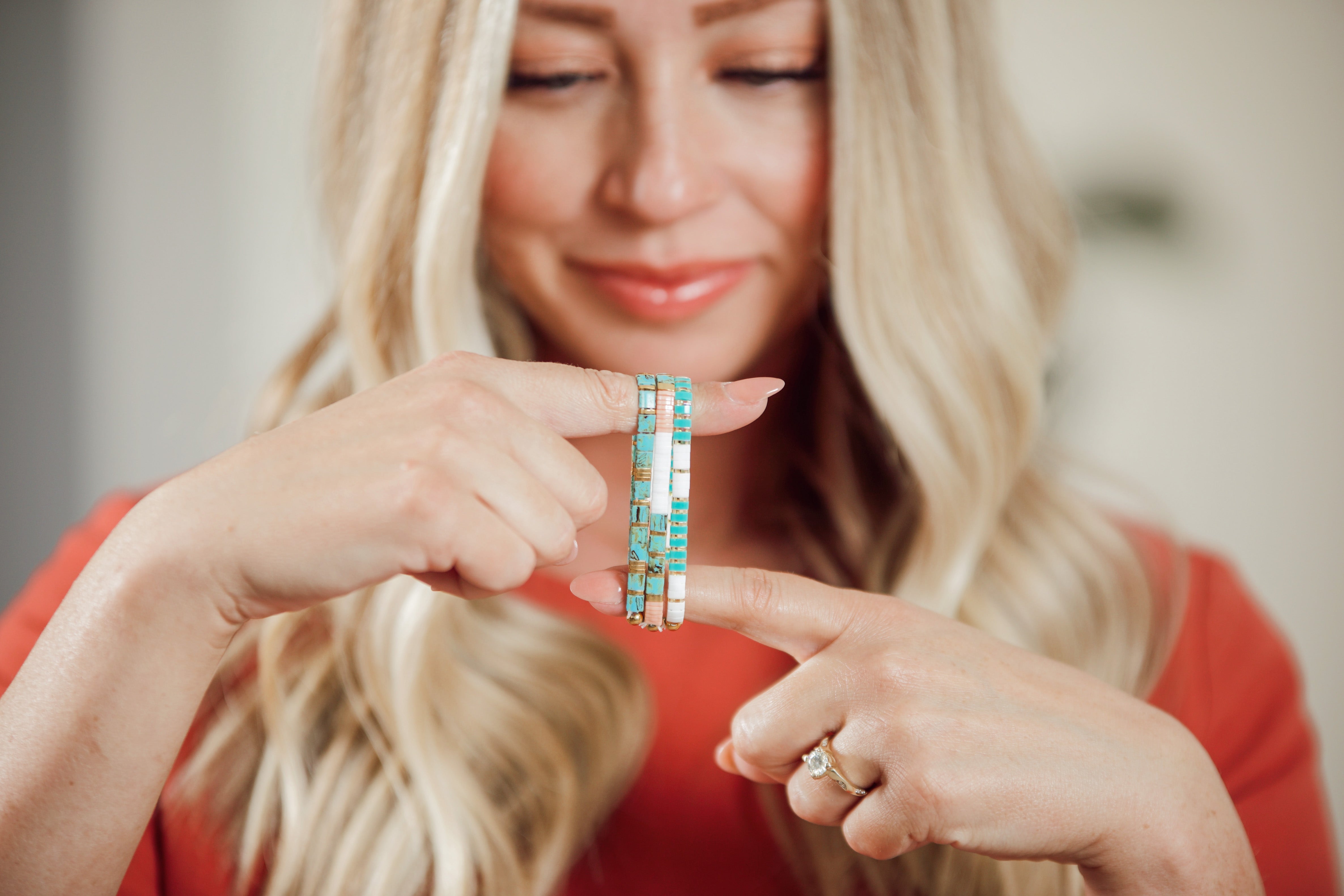
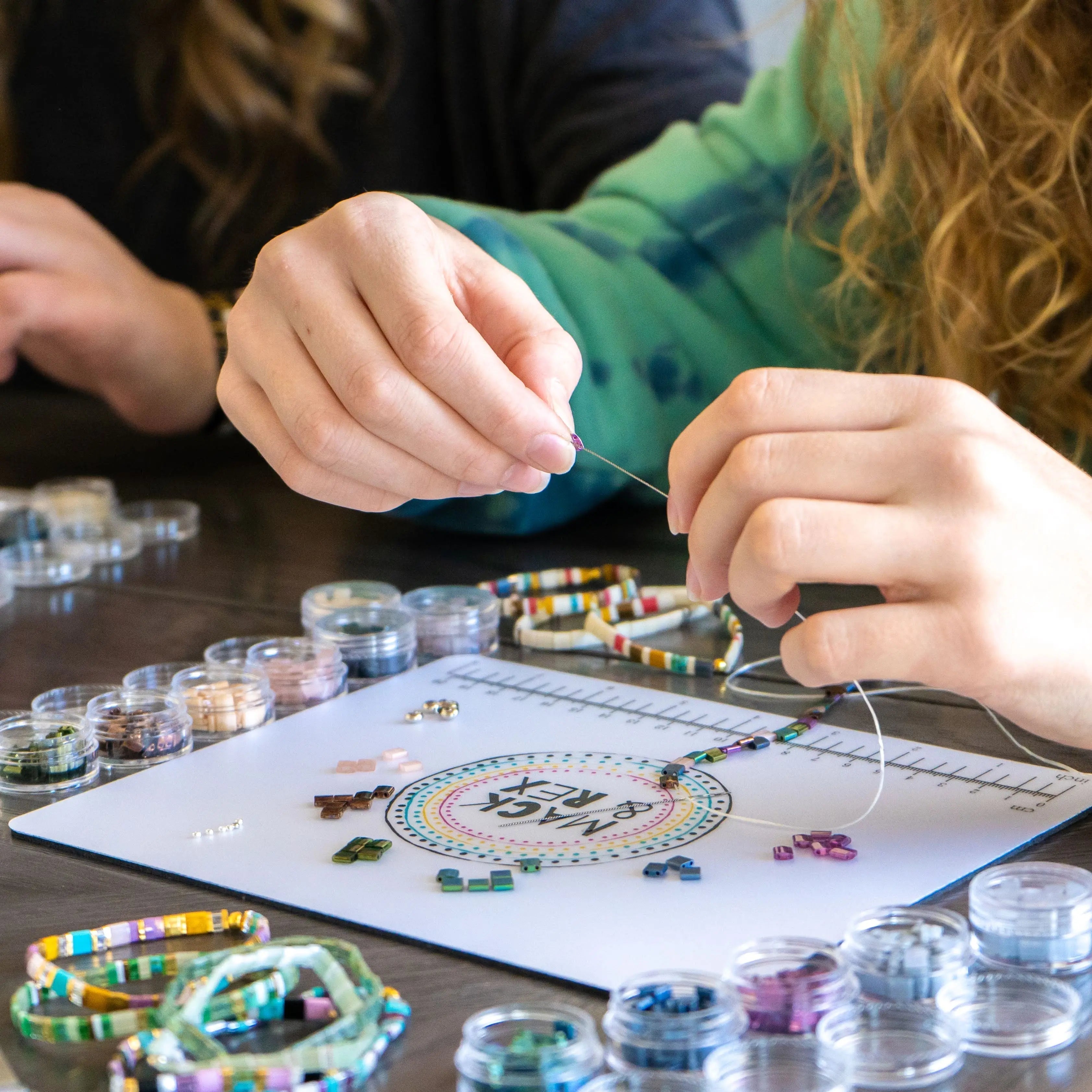
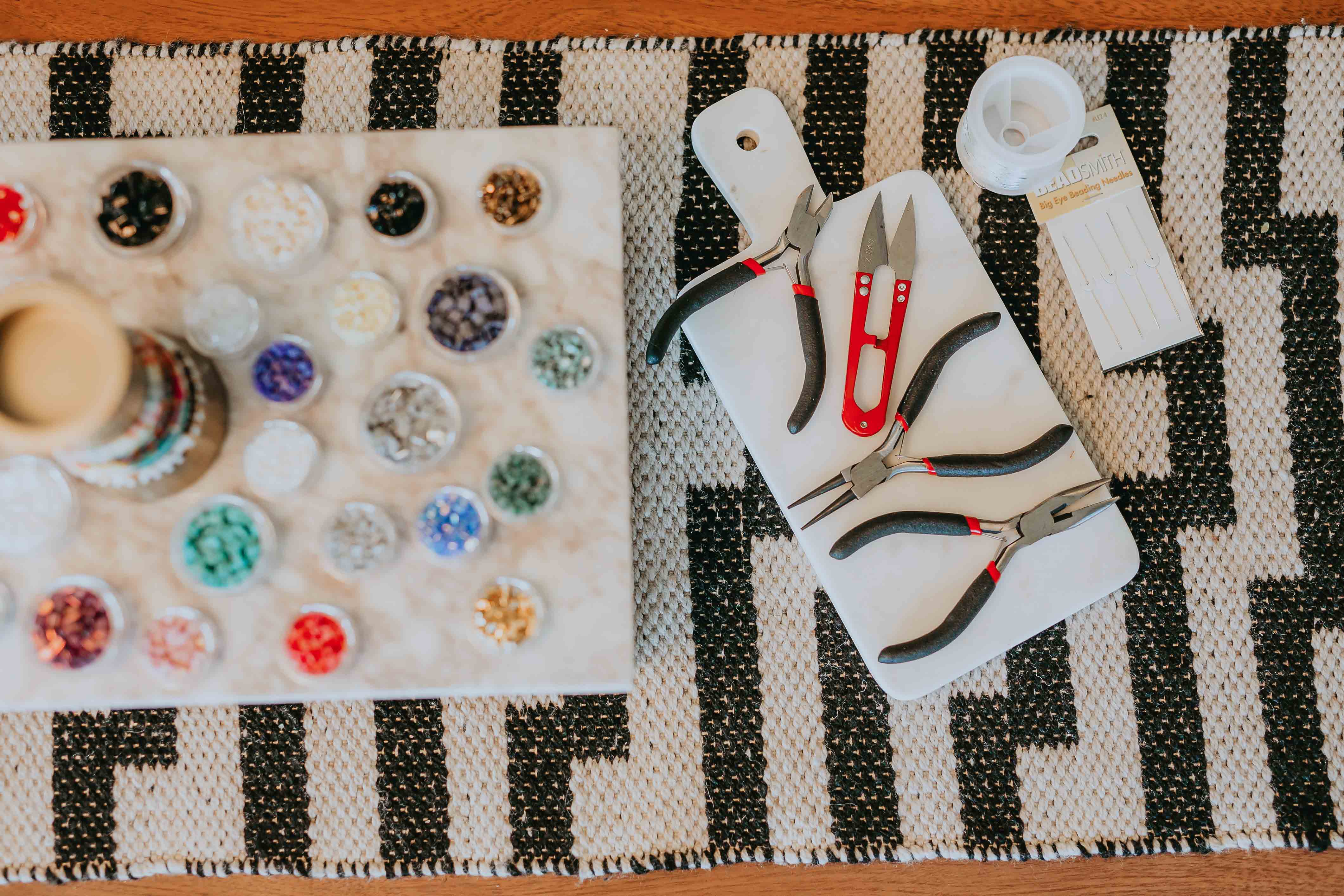
A trio bracelet kit, the kind built to make three finished bracelets, runs $44.99 and includes the Tila beads, crystal-cord elastic, and small tools (a bead scoop, cord cutters, a measuring tool) needed to finish all three. That's one price for everything.
Buying separately, you're paying for several things at once: bead packs sold by the gram or strand, a cord or elastic spool far longer than three bracelets need, and clasps or crimps sold in packs of a dozen when you might need six. Minimum order quantities are standard in the bead trade, and sourcing colors and cord gauge from more than one supplier means separate shipping charges stacking up too. Add it up across three or four purchases, and the leftover materials sitting in a drawer afterward end up costing more than the sticker price ever showed.
Which Takes Less Time and Second-Guessing?
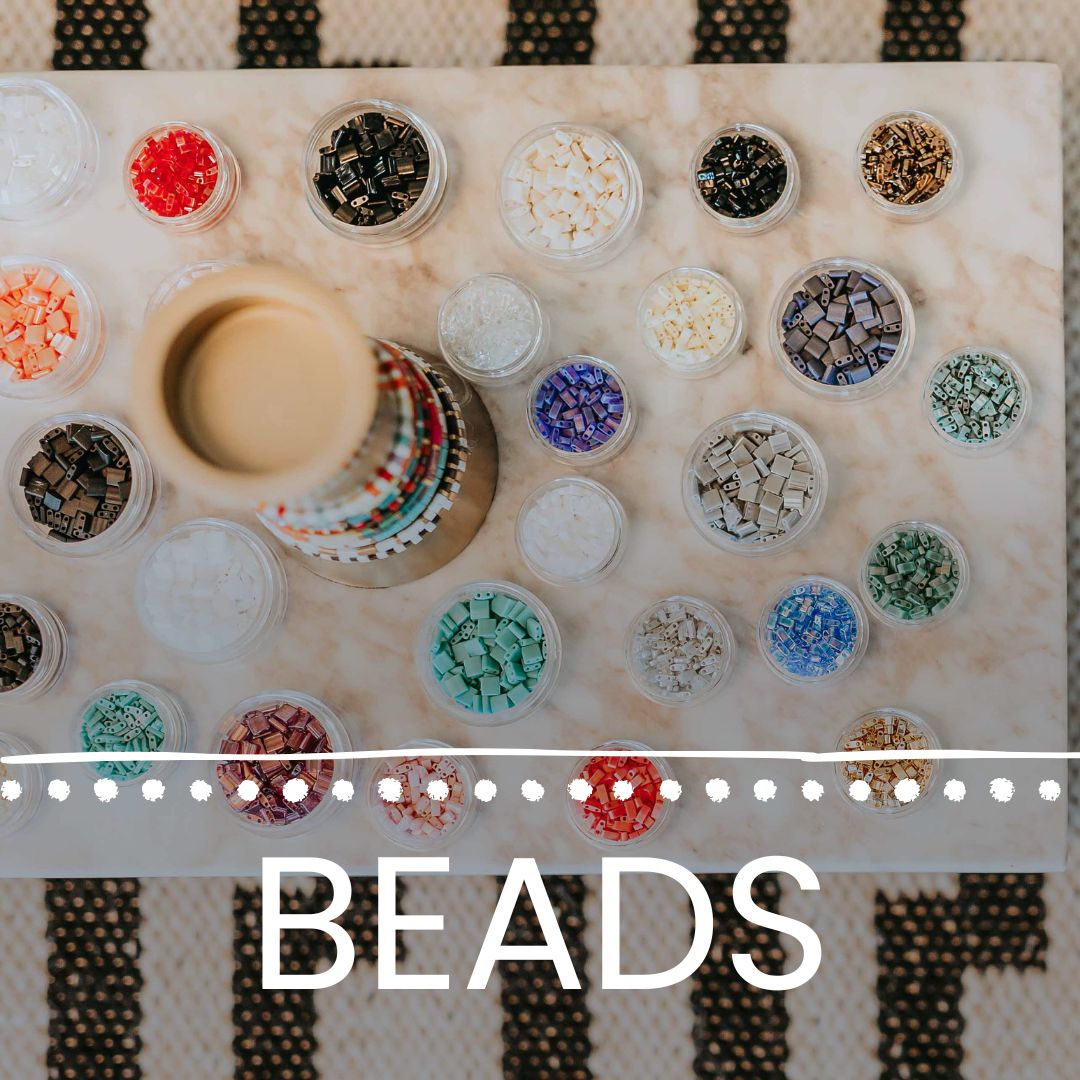
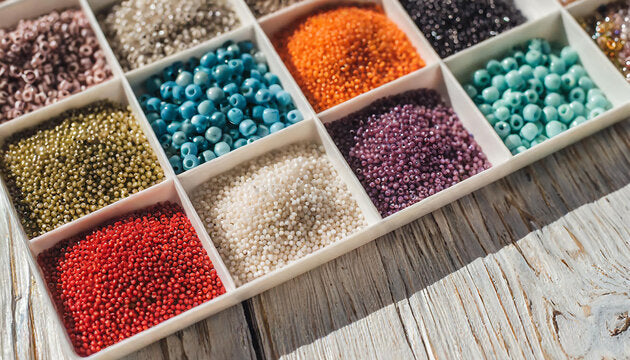
Decision fatigue is real with beads. Seed and Tila beads come in dozens of finishes, cuts, and colorways, and picking a palette from scratch, then figuring out which cord diameter fits the bead hole size you chose, takes longer than most people expect for a first project (Wikipedia: Seed bead).
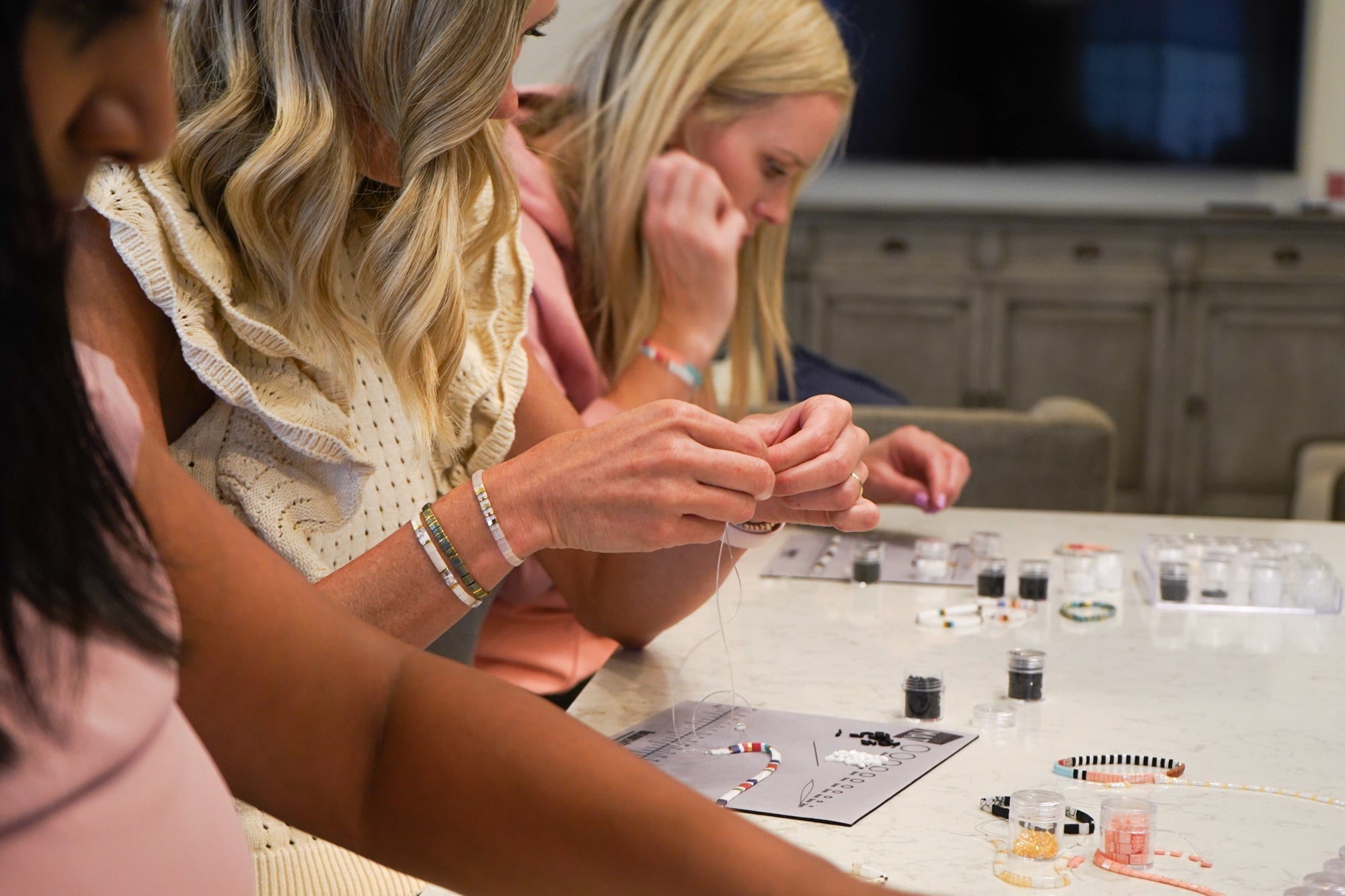
A kit skips all of that. The colors are already paired, the cord already matches the bead hole, and you can sit down the day it arrives and start. Sourcing separately means researching compatible findings, comparing a few vendors, and often waiting on two or three packages to land before you have everything in hand. If you're making a gift for this weekend, that gap matters.
Who Ends Up With More Leftover Materials?
This is where buying separately quietly costs more than it looks like at checkout. Fire Mountain Gems, a long-running wholesale bead and findings supplier, sells most components by weight, strand, or spool rather than by the exact count a project needs, which is standard across the bead supply trade (Fire Mountain Gems: Encyclobeadia). That's efficient for someone stocking up for future projects. For a one-off bracelet or two, it just means more cord, more clasps, and more of a bead color than you'll use this time.
A quick safety note here, regardless of how you source your materials: beads and small findings are a choking hazard. Keep loose beads away from very young children and supervise any bracelet-making session involving kids.
Does Buying Separately Give You Better Control Over Quality?
Here's where sourcing your own materials genuinely has the edge. If you want a precise shade that isn't in a current kit's mix, or you're mixing bead brands and sizes to get a specific look, picking every component yourself is the only way to get exactly that. A kit's color story is curated, which is a strength for most people and a limit for someone chasing one very particular combination.
Consistency within a kit is also worth naming honestly: because the beads are sorted and paired by someone who's already tested the combination, you're less likely to end up with a mismatched cord gauge or a color pairing that looks off once strung. Buying loose from several vendors, that quality control is entirely on you.
When Does Buying Beads Separately Actually Make Sense?
A few situations tip the scale toward sourcing your own: you're an experienced beader with a specific colorway in mind that no current kit offers, you're making bracelets at a volume where buying in bulk brings the per-unit cost down, or you already have leftover cord and findings from a past project and just need more beads. In any of those cases, the extra legwork pays off.
For everyone else, a trio kit covers the gap between wanting to make a bracelet and actually sitting down to do it. It's one purchase, one price, and no guessing on whether the cord fits the bead.
Frequently Asked Questions About Bracelet Kits vs. Loose Beads
Is a bracelet kit actually cheaper than buying beads separately?
For most first-time or occasional crafters, yes. A curated trio kit bundles beads, crystal-cord elastic, and the small tools you need for a flat price, while buying piece by piece usually means paying minimum order quantities on cord, clasps, and multiple bead colors you only need a pinch of, which adds up fast.
Why would someone buy beads and cord separately instead of a kit?
Experienced beaders who want a very specific colorway not in the current kit lineup, or who are making a large batch of bracelets at once, often prefer sourcing their own components so they control exact bead finish, size, and quantity rather than working within a pre-set mix.
How much faster is a kit than sourcing supplies yourself?
A pre-sorted kit lets you sit down and start the same day, since the beads, cord, and tools already match each other. Sourcing separately means researching cord diameter against bead hole size, picking colors from hundreds of options, and often waiting on two or three separate shipments before you can begin.
Do bracelet kits waste fewer beads than buying in bulk?
Generally, yes. A kit is portioned for a set number of bracelets, so you use most of what's in the box. Buying loose beads or cord on your own usually means purchasing more than one project needs, since most suppliers sell by the gram, strand, or spool rather than the exact amount a single bracelet requires.
Are loose beads safe for kids to use without supervision?
No. Beads and small bracelet findings are a choking hazard regardless of whether they come from a kit or a separate bead purchase. Keep loose beads away from very young children and have an adult supervise any bracelet-making project involving kids.
Ready to skip the spreadsheet of minimum order quantities and just start? Check out the current bracelet making kits at Mack & Rex for a curated, portioned alternative to piecing everything together yourself.

