


Bracelet Making Kits for Adults Who Say They're Not Crafty
Can Someone Who Says They're "Not Crafty" Actually Finish a Bracelet?
Yes. Elastic-cord Tila bead kits ask for one physical skill: threading a bead onto a cord and pulling it snug. There's no cutting, gluing, sewing, or measuring involved. If you can tie a shoe or thread a needle, you already have the hand skill a first bracelet requires, no crafting background needed at all.
"Not crafty" is usually a label people give themselves after one bad experience with scrapbooking or a Pinterest project that looked nothing like the photo. Bracelet making with stretch cord is a different kind of task. It's closer to assembling something than designing it from scratch, and the kit format does the design work for you before the box even arrives.
What Makes Elastic-Cord Kits So Forgiving for Beginners?
Crystal-cord elastic stretches over your hand and holds beads in place without a clasp, a jump ring, or a crimping tool. That single detail removes most of what makes traditional jewelry making intimidating.
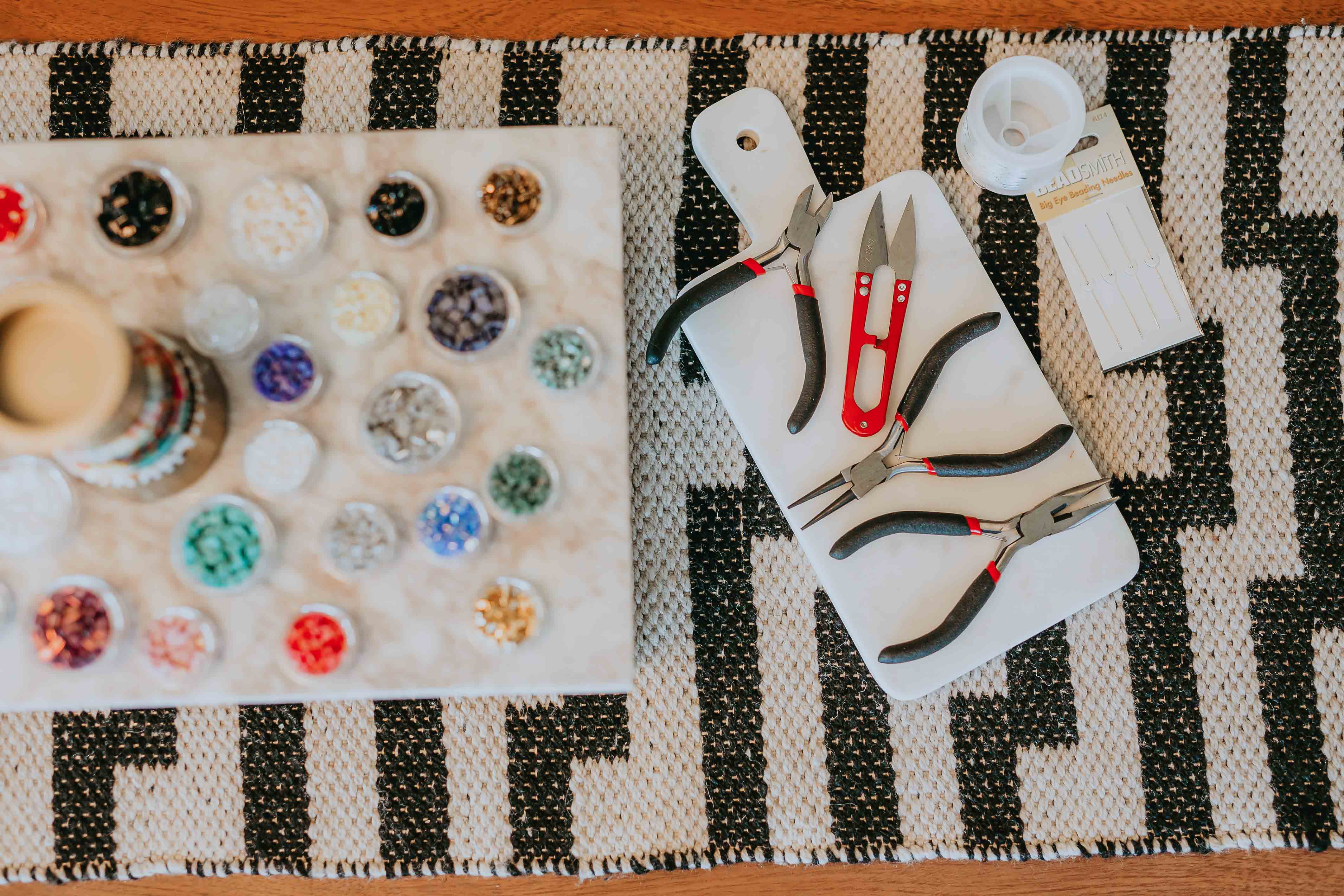
Regular jewelry wire needs crimp beads, pliers, and a clasp mechanism that has to line up correctly or the piece falls apart. Stretch cord skips all of that. You string your beads, tie a simple square knot, trim the tail, and you're done. No specialized tools, no soldering, no small metal parts to fumble with while you're still figuring out which end of the cord is which.
What If I String a Bead Wrong or Don't Like How It Looks?
Slide the beads back off and try again. Nothing is permanent until you tie the final knot, so a color you regret or a pattern that looks off after five beads costs you two minutes, not a ruined project.
A lot of people avoid crafts because they picture a single wrong cut ending the whole thing, like fabric you can't uncut. Beading on elastic doesn't work that way. Restringing is a normal, expected step, not a sign you did something wrong, according to JoAnn's guide to stretch bracelets, which walks through the same basic technique.
How Fast Is the First Win, Really?
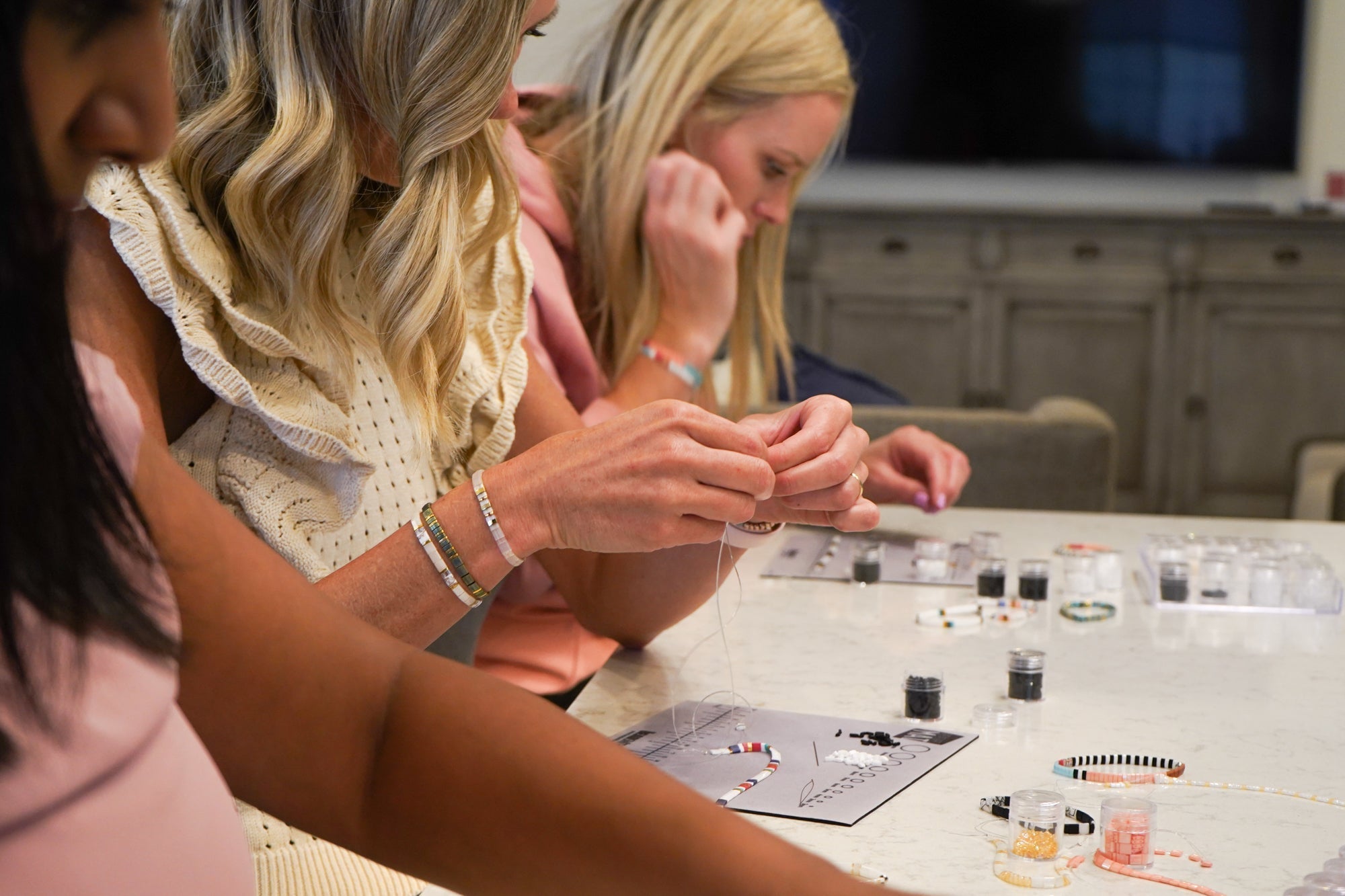
Most beginners finish one bracelet in 20 to 30 minutes. The first several beads go slowly while your hands learn the motion, then the pace picks up fast once the pattern settles into a rhythm.
A hobby that demands hours before you see a result is easy to abandon after one session. A stretch-cord kit gets you to a wearable, finished bracelet in under half an hour, often the exact proof someone needs that they can, in fact, make something with their hands.
What's Actually Inside a Beginner Kit, So There's No Guesswork?
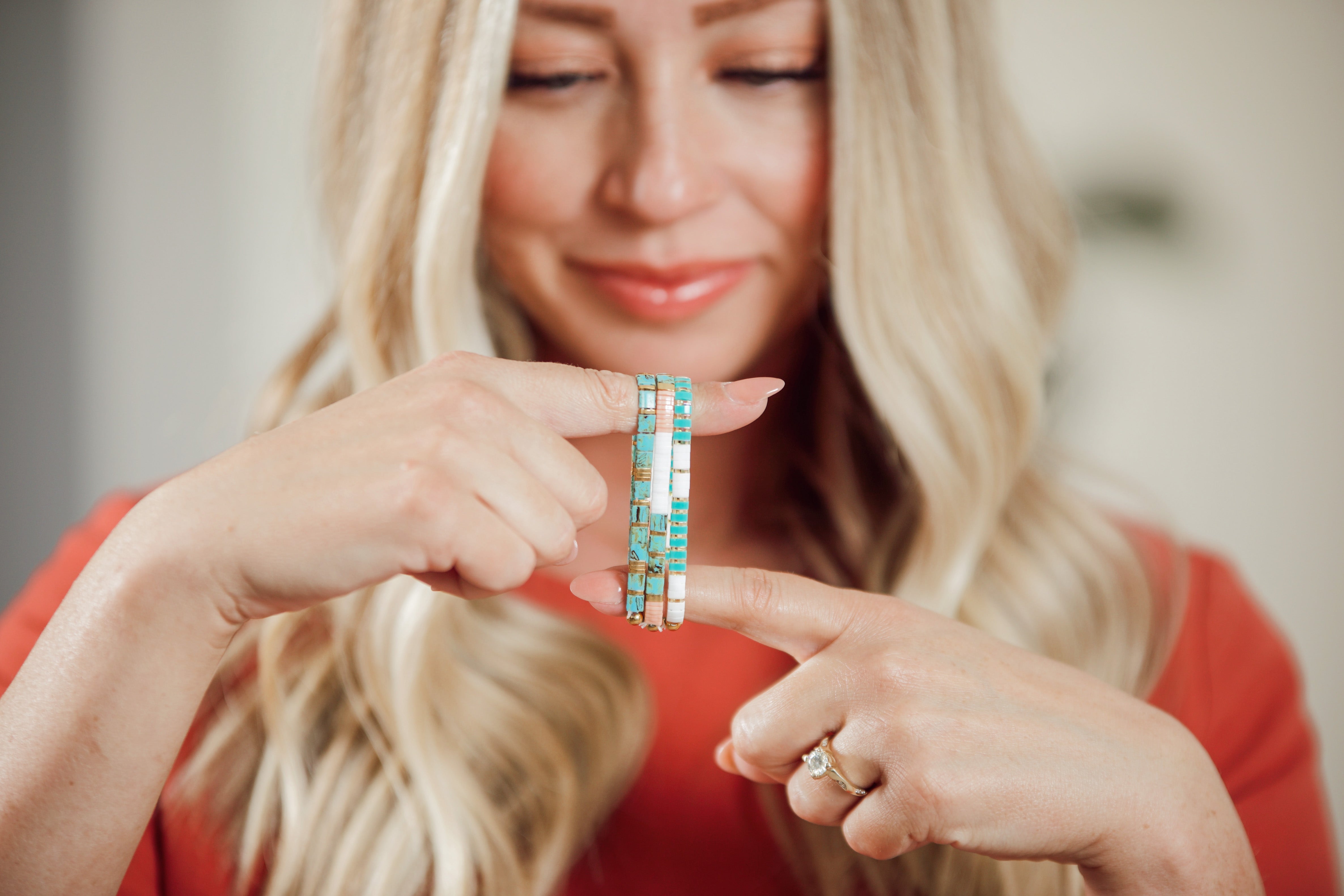
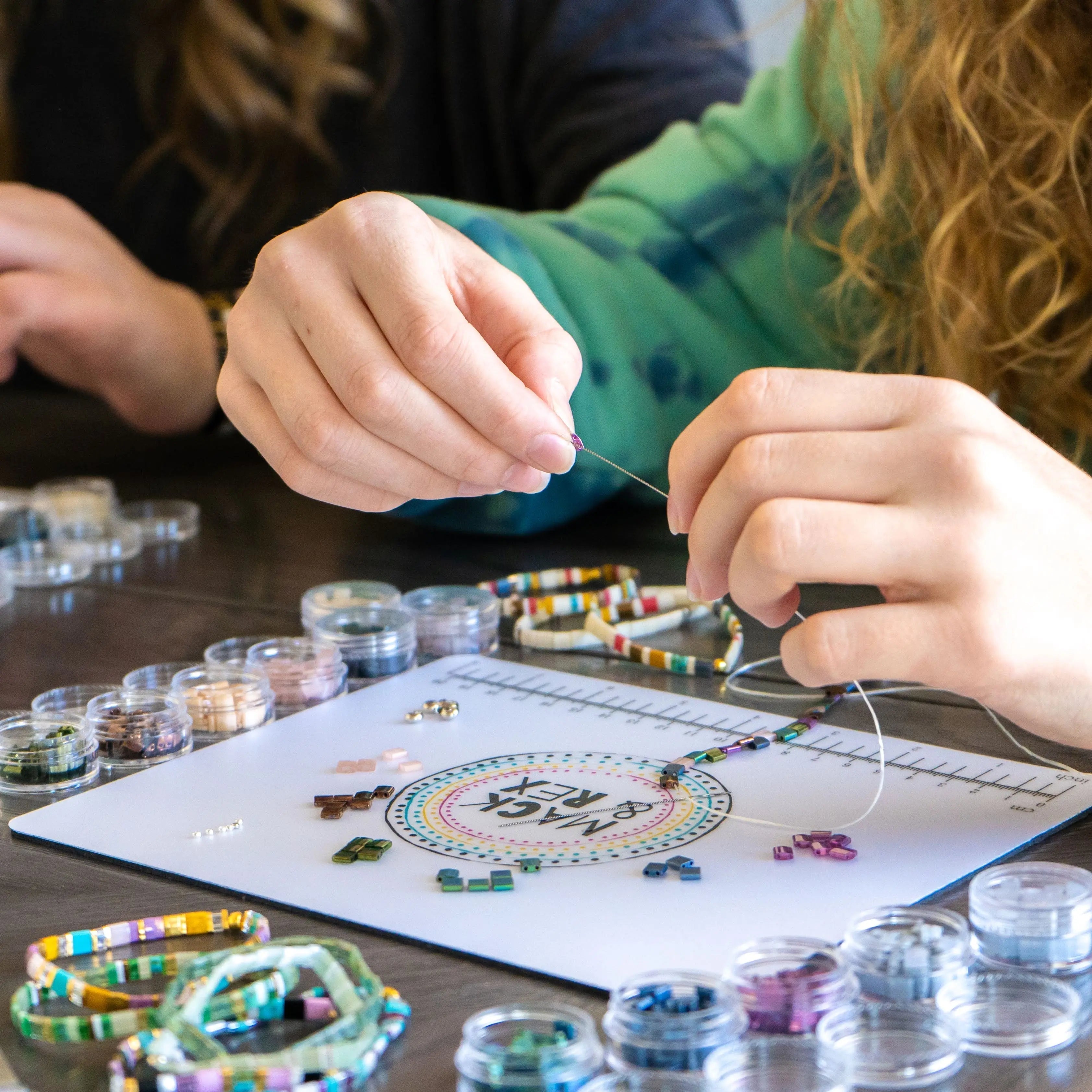
A trio kit includes pre-sorted Miyuki Tila beads in one coordinated color palette, crystal-cord elastic, and instructions, enough to make three bracelets without buying or matching a single extra item. Someone else already made the color and pattern decisions, so opening the box is closer to following a recipe than starting a blank page.
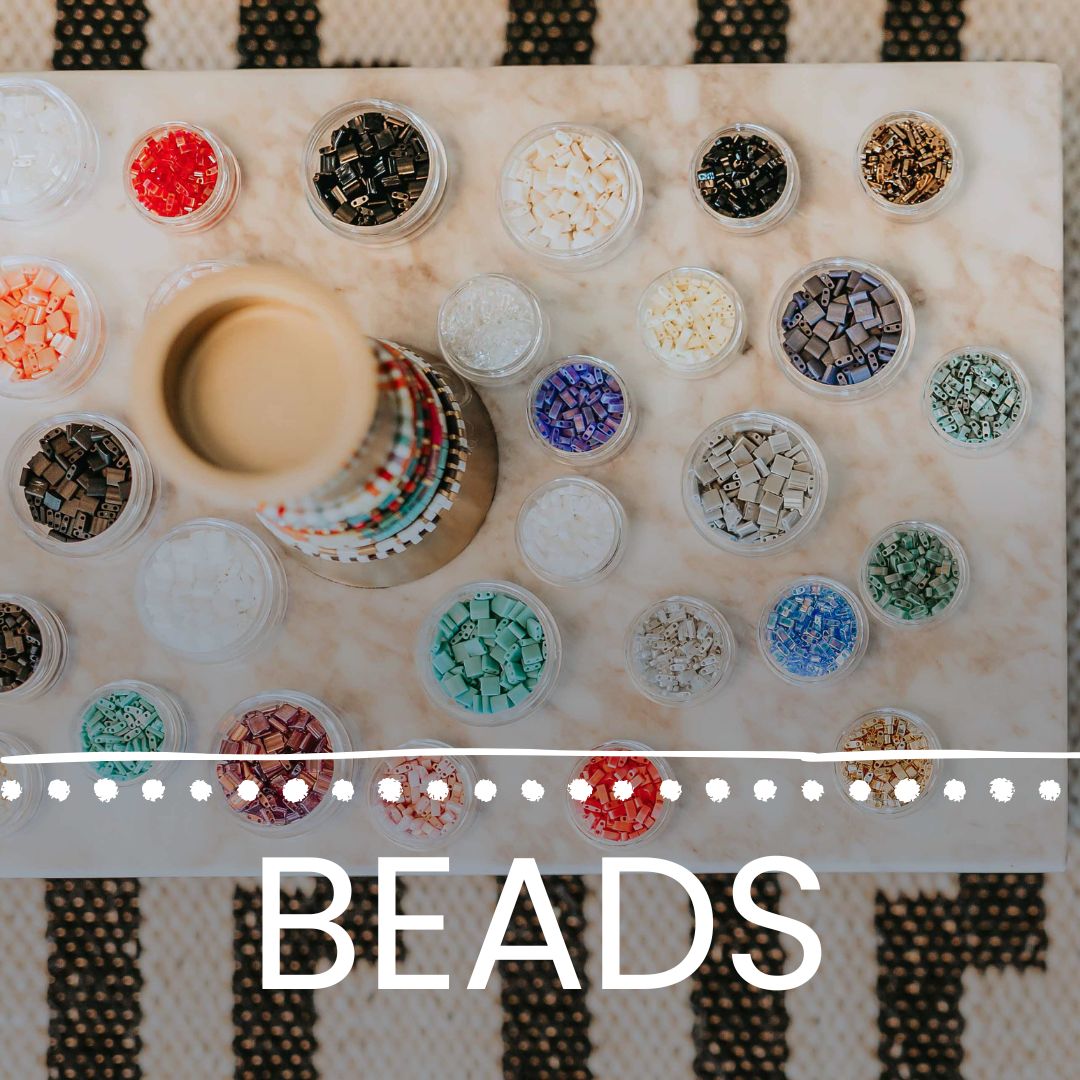
That pre-sorting is the whole point for a self-described non-crafty adult. There's no trip to a craft store to guess at bead sizes, no separate cord purchase, no wondering whether two colors will clash once they're side by side. Mack & Rex resells genuine Miyuki Tila beads, flat, square Japanese glass beads with two parallel holes, in kits sized for a single sitting or a bigger project if the first one goes well. The full lineup lives on the bracelet making kits collection, with bead counts and palettes listed so you know exactly what you're getting before you order.
Why Does Perfectionism Keep People From Trying a New Craft at All?
Perfectionism turns a low-stakes first attempt into a test you're afraid to fail, which is often enough to stop someone from starting a hobby before they've touched a single supply. The fix isn't confidence, it's picking a project where "wrong" is genuinely reversible.
Research on creativity generally points to the same pattern: the fear of producing something imperfect blocks people from starting far more often than an actual lack of skill does (American Psychological Association: creativity). A stretch-cord bracelet sidesteps that fear almost entirely. There's no wet paint to ruin, no fabric to miscut, no expensive materials on the line. If a pattern looks wrong, you undo five beads and keep going. Lowering the cost of a mistake is often the whole trick to getting a hesitant beginner to actually pick something up.
Do You Need Prior Experience or a Steady Hand for This?
No steady-hand requirement here. The motion is small and repetitive rather than precise, and a shaky first attempt still produces a wearable bracelet, just maybe not one with perfectly even spacing. That comes with a few tries, not years of practice.
General bead terminology (finish, size, hole diameter) is worth a quick skim if a listing uses a word you don't recognize, and Fire Mountain Gems' Encyclobeadia is a solid free reference for that. None of it is required reading before you open a kit, though. The instructions inside cover what you need.
Ready to Prove Yourself Wrong About Being "Not Crafty"?
Pick a single trio kit, clear 30 minutes, and see what happens. The hard decisions, colors, pattern, materials, are already made, so your only job is stringing beads in order and tying a knot at the end.
Mack & Rex's bracelet making kits ship internationally, with duties and shipping calculated at checkout, and orders over $100 ship free within the US. Grab a kit and find out you were wrong about the "not crafty" part.
Frequently Asked Questions
Can someone with zero craft experience really finish a bracelet?
Yes. The core skill is threading a bead onto elastic cord and pulling it snug, which is closer to tying a shoe than any traditional craft skill. A beginner kit removes the two hardest parts, choosing colors and figuring out a pattern, so the only thing left to do is string beads in order.
What if I mess up the pattern halfway through?
Slide the beads off the cord and start that section again. Elastic cord isn't cut to a fixed clasp or crimped until you finish, so a wrong bead order is a two-minute fix, not a ruined project or wasted materials.
Do I need any special tools to use a bracelet kit?
A stretch-cord bracelet kit is built to finish with a simple knot, so you don't need jewelry pliers, a clasp, or prior tool experience to complete one. Everything needed for the beads and cord included in the kit ships with it.
How long does a first bracelet actually take to make?
Most beginners finish a single bracelet in 20 to 30 minutes once they get into a rhythm. The first few beads are the slowest part while you get used to the motion; the rest goes quickly.
What comes in a Mack & Rex beginner bracelet kit?
A trio kit includes pre-sorted Miyuki Tila beads in one coordinated palette, crystal-cord elastic, and simple instructions, enough to make three bracelets without buying or matching anything separately. Mack & Rex resells genuine Miyuki Tila beads; the beads themselves come from Miyuki, a Japanese glass bead maker.