

Bracelet-Making Fundraiser Ideas: Kits That Work for Schools and Teams
What Is a Bracelet-Making Fundraiser, and Does It Work?
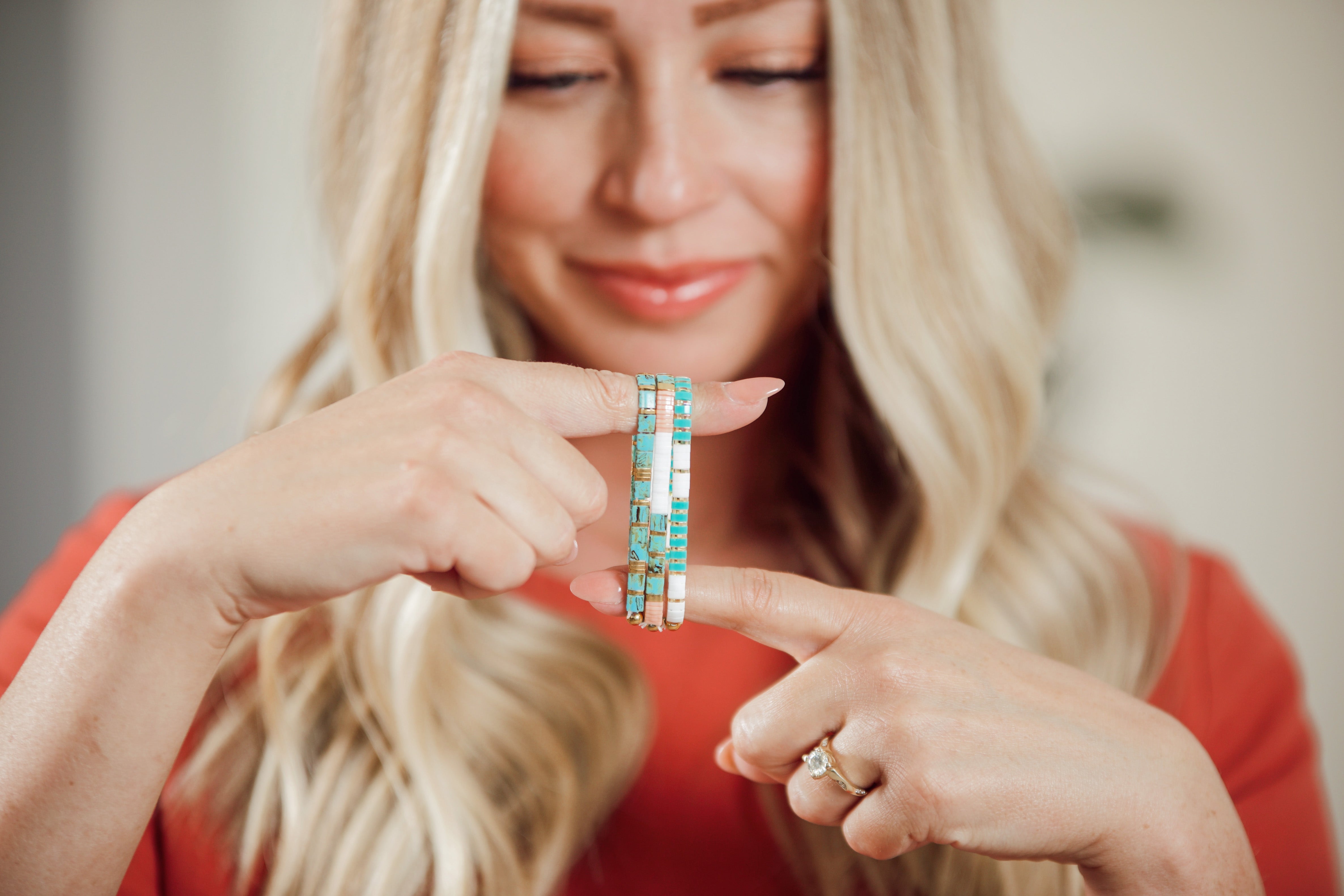
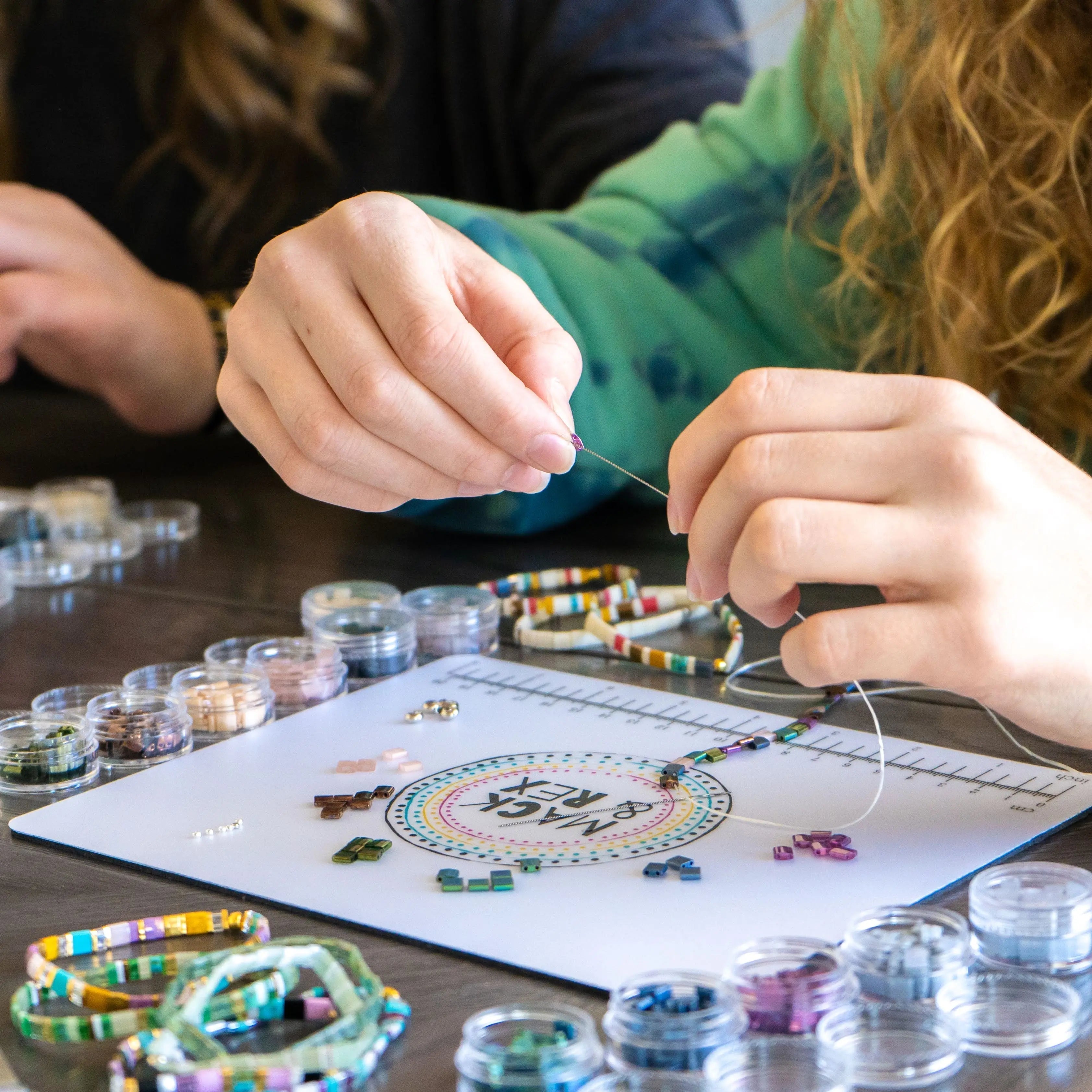
A bracelet-making fundraiser turns a craft kit into either a paid group activity or a batch of finished pieces sold to raise money. Schools, sports teams, PTAs, and small nonprofits use the format because the buy-in is low, the session fits an evening or a lunch period, and every participant leaves with something they made themselves.
It works best when the group treats it like a real event, not an afterthought. That means picking a format, counting heads, and doing honest math on kit costs before anyone sends out a flyer.
What Are the Best Fundraiser Formats for a Bracelet-Making Kit?
Three formats cover most groups. Pick one and build the event around it, rather than mixing all three into one confusing night.
Make-and-sell. A small crew of volunteers makes a batch of bracelets ahead of time, then sells the finished pieces at a game, bake sale table, or school event. This keeps the crafting to a manageable few and lets the whole group benefit from the sales.
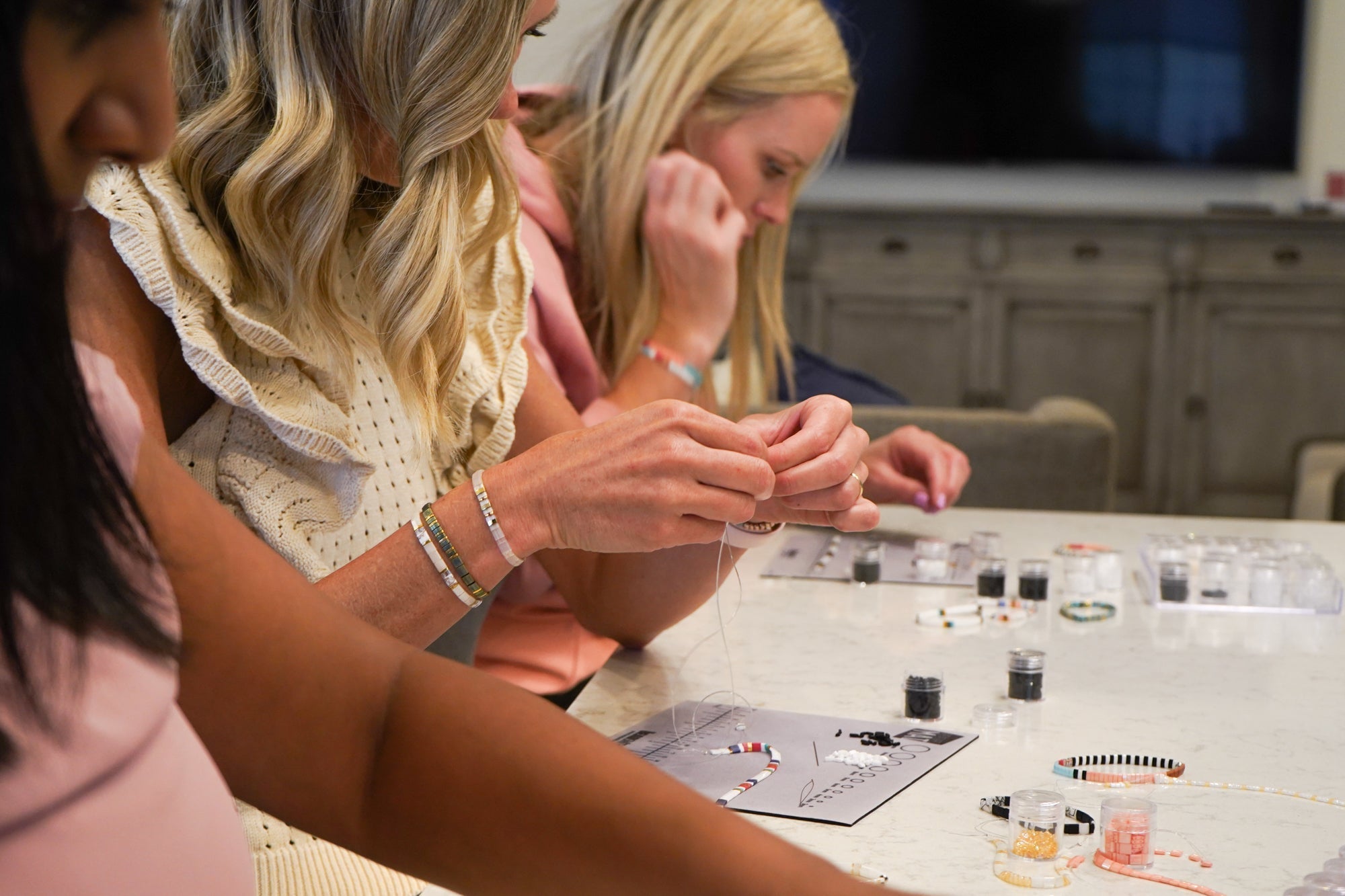
Ticketed craft night. Participants pay to attend and make their own bracelet to keep. This works well for PTA family nights, church youth groups, or a team bonding event, since the ticket price covers materials and the "make together" experience is the draw.
Team-color bracelets. A club or team makes matching bracelets in its own colors, either to wear as a group or to sell to parents and classmates as spirit gear. This format pairs naturally with a school color scheme or a jersey palette.
How Many Kits Do You Need for Your Group?
Count participants first. Decide next.
Start with a headcount, then decide whether each person makes one bracelet or more. A club of 15 to 20 kids fits comfortably inside a single Tila Bead Starter Kit, which makes about 20 bracelets and runs $189.99. A bigger fundraiser event, a full team roster, or a make-and-sell batch for a school-wide sale calls for more volume, and that is where the Ultimate Tila Bracelet Kit comes in: it makes about 80 bracelets for $399.99. For a small planning group that wants to test the craft before committing to a bigger order, a trio kit at $44.99 makes 3 bracelets, enough for a sample or a quick trial run at a committee meeting.
One customer summed up why groups like ordering ahead of an event: "I ordered this as a Christmas gift for my sister and she is enjoying making the bracelets. No complaints from her! The kit arrived quickly and was in good shape." Reliable delivery matters more when you have a fixed event date and no room for a delay.
What Do Bracelet-Making Kits Actually Cost Per Bracelet?
Do the math before you set a price. The Starter Kit costs $189.99 and makes about 20 bracelets, which works out to roughly $9.50 in materials per bracelet at the regular catalog price. The Ultimate Kit costs $399.99 for about 80 bracelets, closer to $5.00 per bracelet. These are the standard retail prices anyone can find on the site, not a special fundraiser rate, a wholesale tier, or a bulk discount code. Whatever your group charges per finished bracelet at a sale or craft night, that per-bracelet materials cost is your real baseline, and it is worth writing down before you print flyers or set a ticket price.
Shipping factors into the math too. US orders over $100 ship free, and both the Starter Kit and the Ultimate Kit clear that threshold on their own. A single $44.99 trio kit does not, so budget a few dollars for shipping if that is the only thing in the cart. International orders ship as well, with shipping and any customs or duties calculated at checkout, so an overseas troop or school can still order.
How Do You Plan a Group Bracelet-Making Session?
Logistics decide whether the night runs smoothly or turns chaotic. Book a room with tables, since chairs alone will not cut it. Beads roll, and a hard flat surface with some edge or a tray keeps them from ending up on the floor.
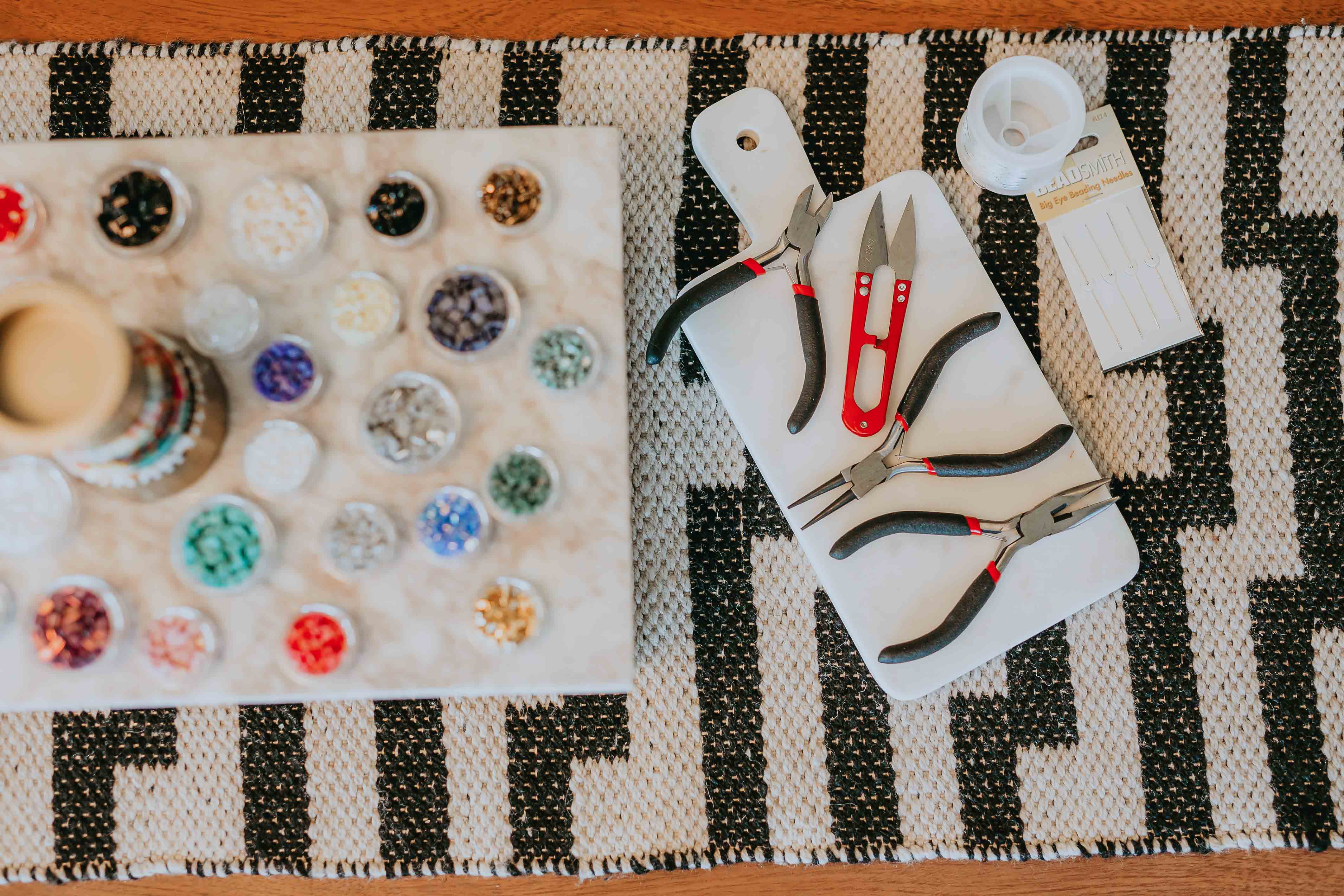
Plan for 60 to 90 minutes, including a few minutes to demonstrate the pattern before anyone touches beads. Sort kit contents into small cups or trays per participant ahead of time so people are not digging through a shared pile mid-session. Have a couple of finished sample bracelets on hand so people know what they are working toward.
Because groups often include kids, keep at least one adult per table managing bead handling and cleanup. Tila beads and other small kit components are a choking hazard, so this is a supervised craft activity for the group, not something to hand off unsupervised to very young children. A quick sweep of the floor and tables at the end catches stray beads before anyone steps on one or a toddler finds one.
What Team-Color Palettes Work Best for School and Sports Fundraisers?
Match the uniform, beyond the mascot. A palette built around the team's actual jersey colors, say navy and gold, or maroon and white, reads as "team spirit" the moment someone sees it on a wrist. Two-color combinations tend to look cleaner than three, especially for a first-time group project where people are still learning the pattern.
Add one accent color for variety within a team theme. A small metallic or neutral bead mixed into a school's primary colors keeps a batch of 20 or 80 bracelets from looking identical while still reading as a set. Bracelet-making itself has deep roots as a shared, social craft; the modern friendship bracelet traces back to a long tradition of handmade, colorful wrist pieces exchanged between friends and groups, which is part of why the format still works for teams and clubs today.
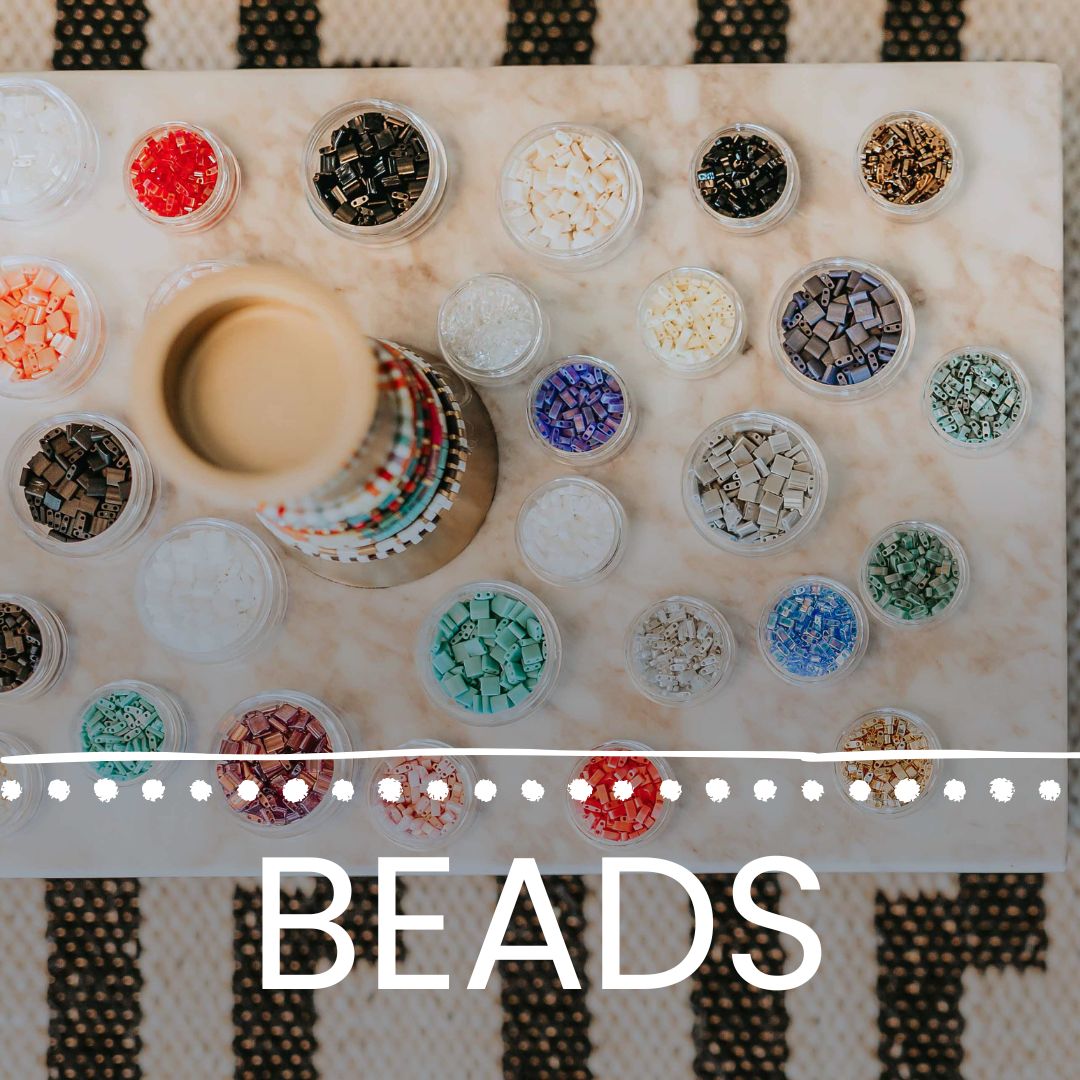
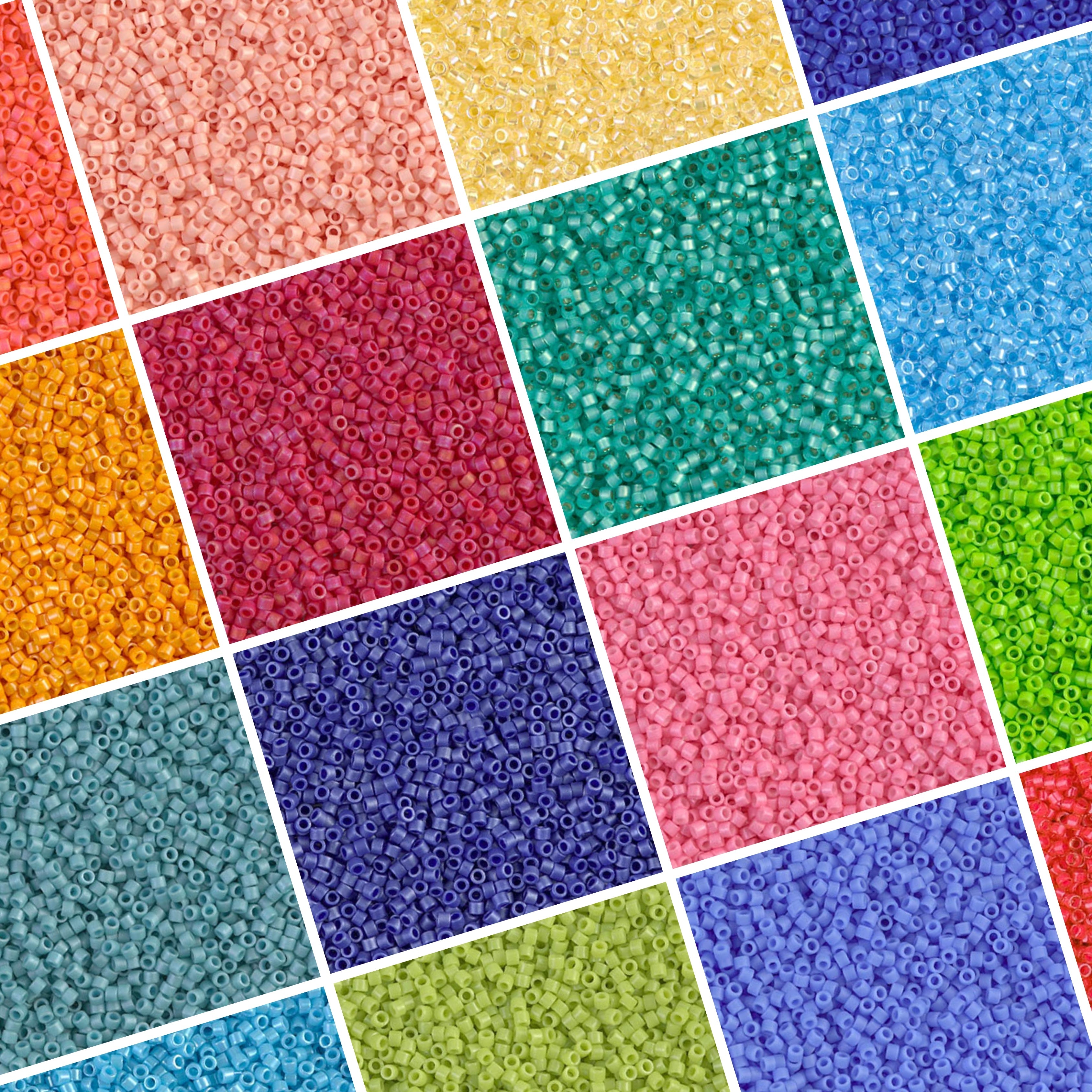
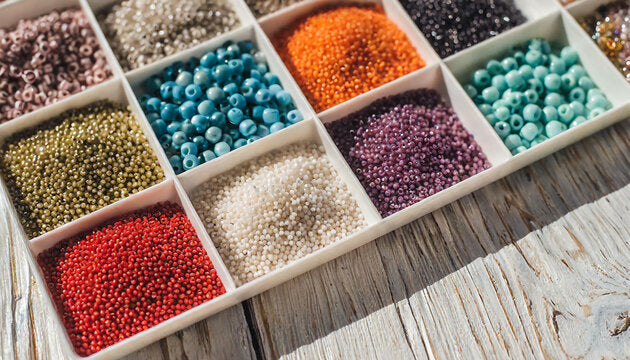
Check the live color catalog before locking in a palette. Bead colors and named collections shift with product drops, so confirm what is currently in stock through Mack & Rex's bracelet-making kits collection before you commit a whole roster to a specific shade. For general technique questions on stretch-bracelet construction, a supply source like Beadaholique is a useful reference alongside the instructions that ship in the kit.
Where Can You Find More Fundraiser Planning Help?
A craft fundraiser is still a fundraiser. Basic nonprofit planning practices, like setting a clear goal, tracking who paid, and giving volunteers a simple job list, apply here the same as they would to a bake sale or a car wash. Groups new to running any kind of fundraiser can find general planning guidance through resources like Candid's nonprofit knowledge base, which covers fundraising basics that apply well beyond grant writing.
Mack & Rex ships the Tila Bead Starter Kit, the Ultimate Tila Bracelet Kit, and trio kits directly to schools, teams, and organizers planning a session. Miyuki Tila beads are a Japanese glass bead brand that Mack & Rex sources and resells, not something the company manufactures itself, and the crystal-cord elastic construction is built for a stretch bracelet that holds up through a craft night's worth of handling. Browse the bracelet-making kits collection to compare kit sizes and current colors before you set your fundraiser date.
Frequently Asked Questions
How many bracelets does one kit make?
It depends on the kit size. The Tila Bead Starter Kit makes about 20 bracelets and runs $189.99. The Ultimate Tila Bracelet Kit makes about 80 bracelets for $399.99. A trio kit makes 3 bracelets for $44.99, good for a small test group.
Is a bracelet-making fundraiser good for kids?
It can be, with adult supervision at every table. Tila beads and other small components are a choking hazard, so an adult should manage bead handling and cleanup around young children. This is a supervised group craft activity, not an unsupervised toy.
Does shipping cost extra for a fundraiser order?
US orders over $100 ship free, which the Starter Kit and Ultimate Kit both clear on their own. A single $44.99 trio kit does not hit that threshold by itself. International orders ship too, with shipping and any customs calculated at checkout.
Can we mix and match colors for team spirit?
Yes. Tila bead kits come in a range of colors, so a group can lean toward its school or team colors, or mix in an accent shade. Check the live catalog for current color availability before you commit to a specific combination.
How long does a bracelet-making session take?
Plan for 60 to 90 minutes for a group session, including setup, instructions, and cleanup. Faster hands finish one bracelet in 15 to 20 minutes once they get the pattern down, but first-timers and younger participants need more time and help.