

Is Bracelet Making a Good Hobby? A Beginner's Honest Take
Is bracelet making actually a good hobby for beginners?
Yes, bracelet making is a good hobby for most beginners. It's inexpensive to start, doesn't need a dedicated workspace, and a single bracelet can go from loose beads to finished accessory in under 30 minutes, which matters when you're deciding whether a new hobby is worth the effort.
The appeal is pretty simple: it's tactile, screen-free, and gives you something to show for an hour of your time. Research on hobbies more broadly backs up the stress-relief angle. Generative hobbies, the kind where you actually make something, get linked to fewer depressive symptoms and a stronger sense of accomplishment (Psychology Today: "Six Reasons to Get a Hobby"). Bracelet making fits that generative category without requiring a studio or a big upfront investment.
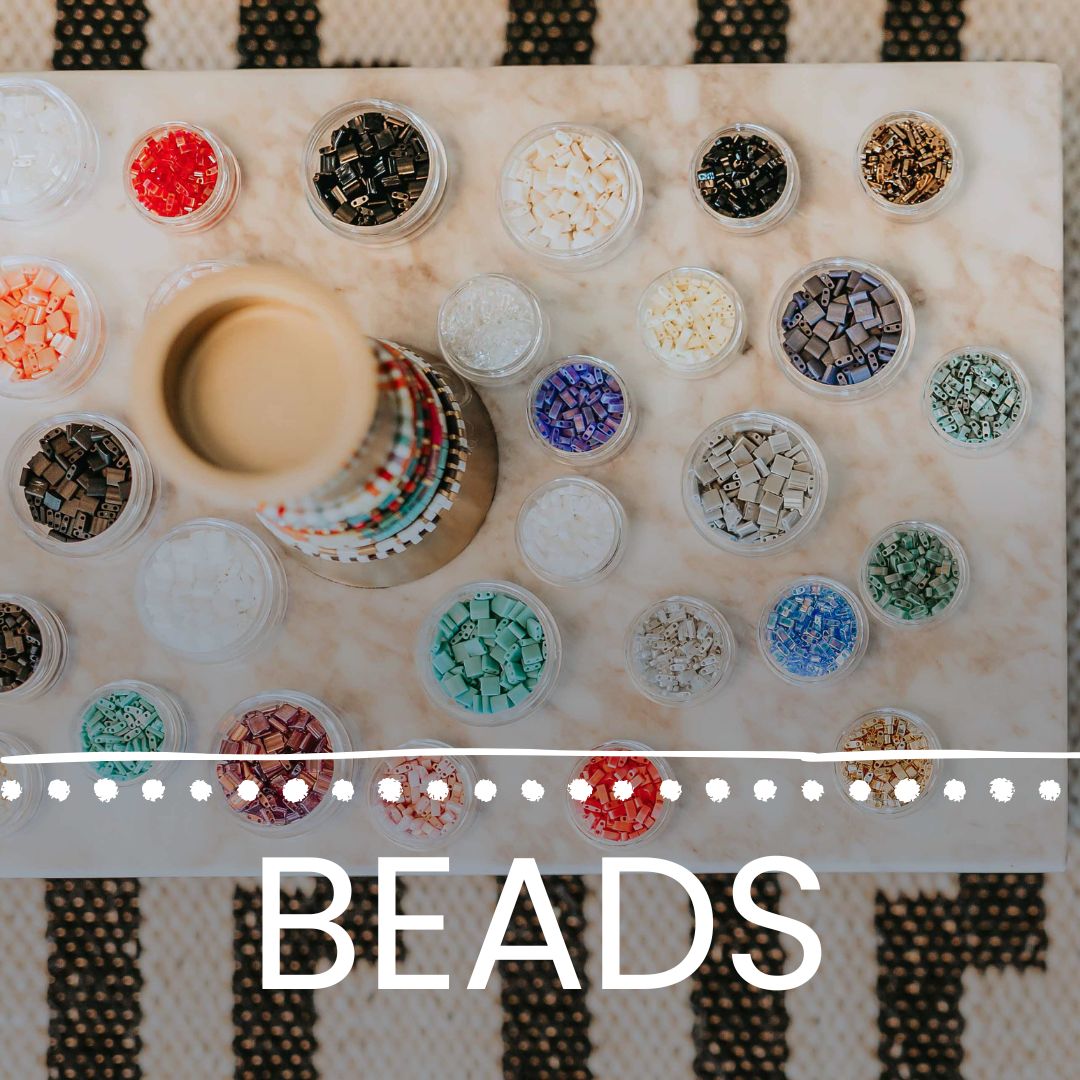
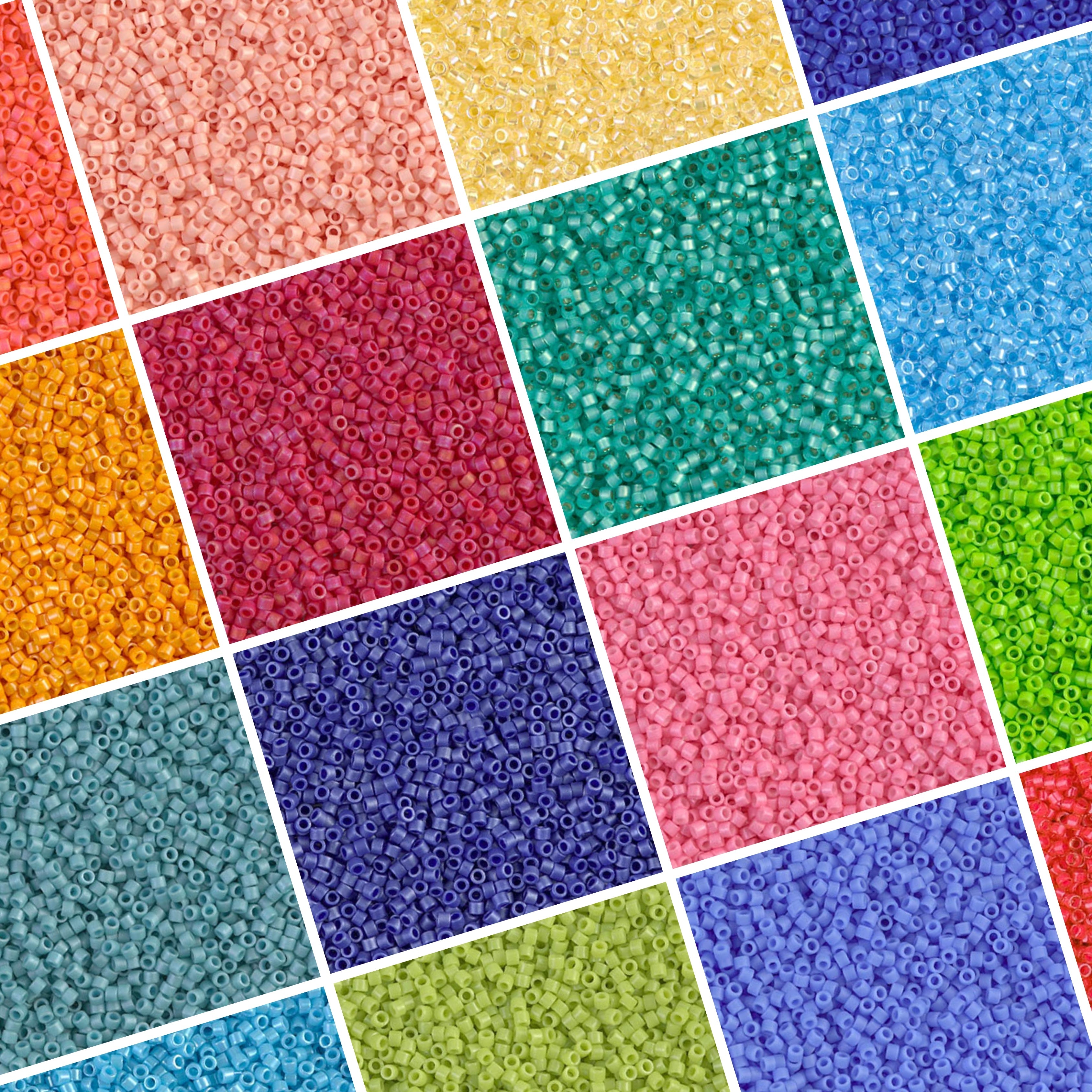
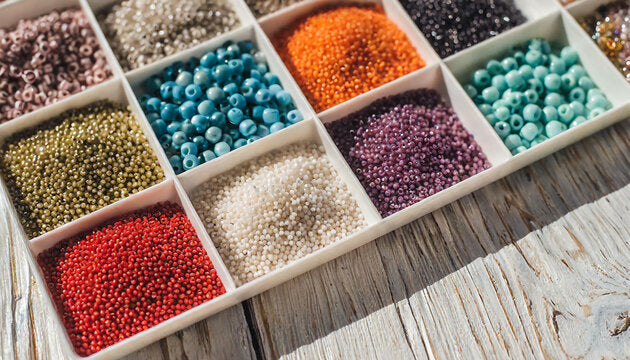
It also scales well. A beginner can start with a single $5 to $9 bead mix and a basic cord, no commitment beyond an evening. Someone who gets hooked can work up to bulk kits that make dozens of bracelets at once. That range is part of why it holds people's interest longer than a lot of starter crafts do.
What does it actually cost to start making bracelets?
Expect to spend somewhere between $5 and $45 on your first round of supplies, depending on whether you buy loose beads and figure out a pattern yourself or buy a kit that already has the colors sorted. Most beginners land in the low-$40s for a complete first kit with everything included.
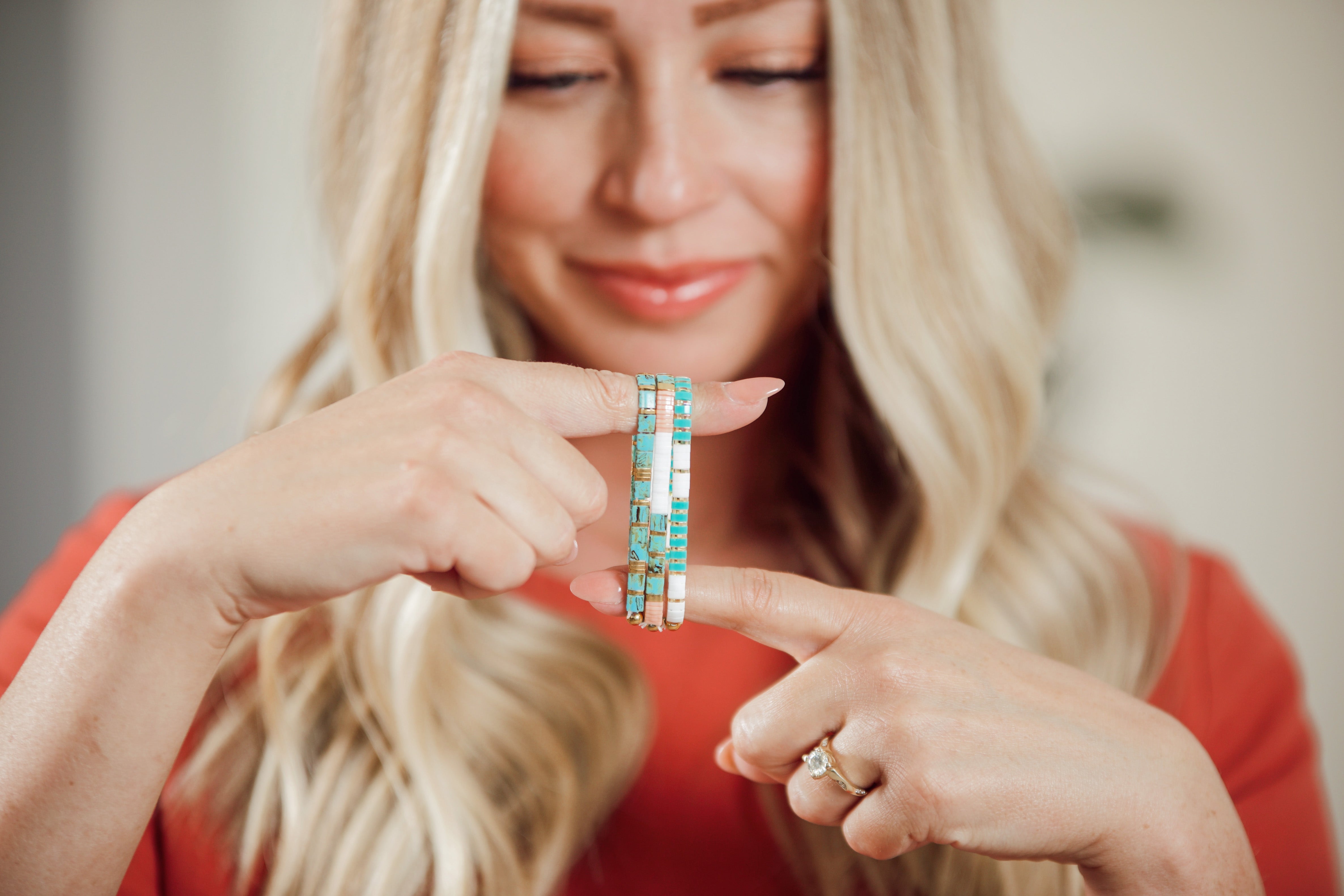
Loose Tila bead mixes run roughly $5 to $9 each, cheap enough to test a color combo before committing further. A Mack & Rex trio kit, which bundles beads, stretch cord, and a color-coded pattern layout for three bracelets, runs $44.99. Want the tools too? The All-in-One kit (bead scoop, cord scissors, a design board, plus beads and cord) runs $39.99 to $43.99. If you already know you want to make a lot of bracelets, a Tila Bead Starter Kit ($189.99, makes 20) or the Ultimate Tila Bracelet Kit ($399.99, makes 80) brings the per-bracelet material cost down.
One thing worth knowing upfront: a single trio kit doesn't clear the $100 threshold for free shipping, and that threshold only applies to US orders. International orders ship too, with duties and shipping cost calculated at checkout. If you're ordering one kit just to test the hobby, budget for standard shipping on top of the kit price.
How much time does bracelet making actually take?
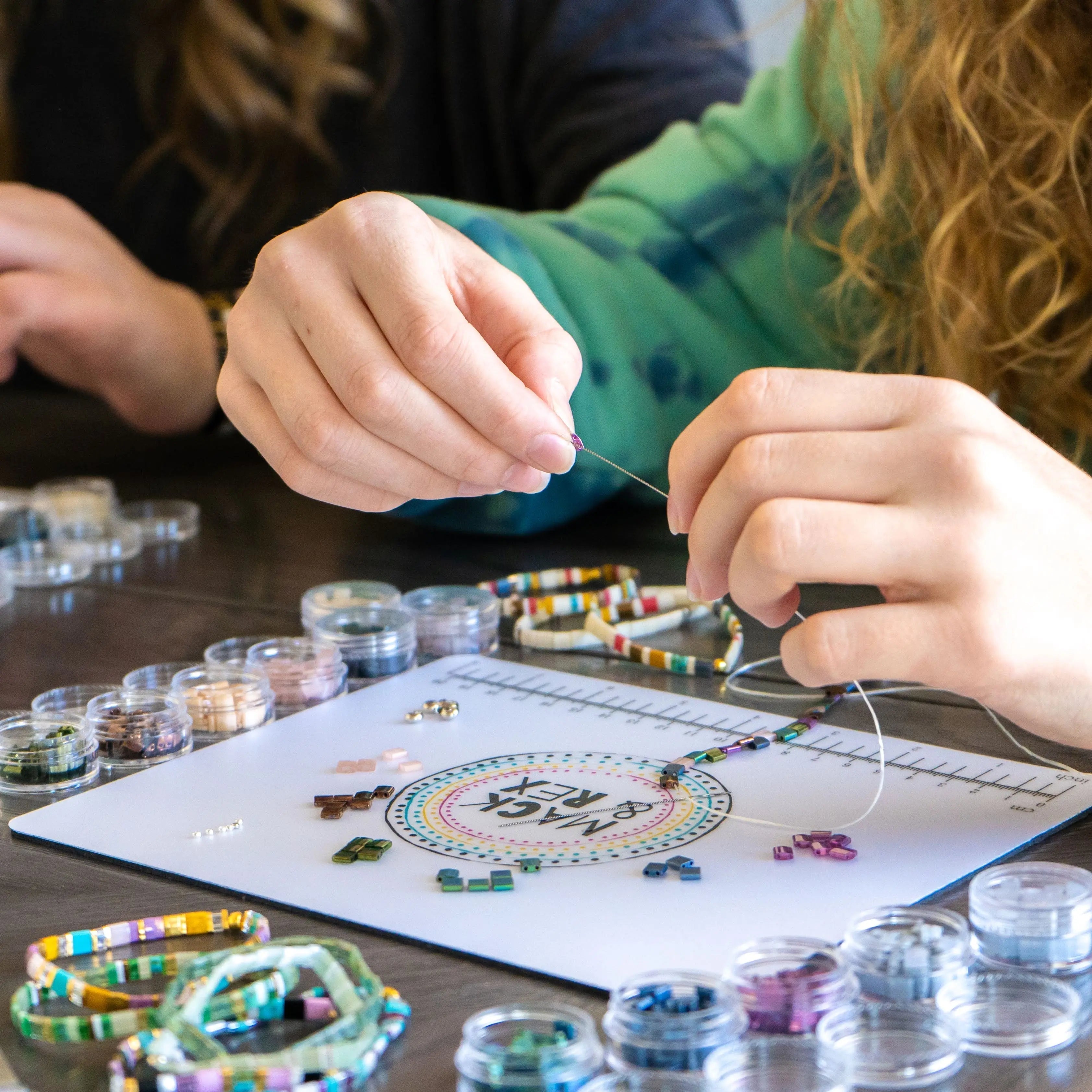
A single bracelet takes most beginners 15 to 30 minutes once they understand the pattern. A three-bracelet kit is a realistic one-hour project, slower first attempt included, so the hobby fits into a lunch break or a single evening without eating up a whole weekend.
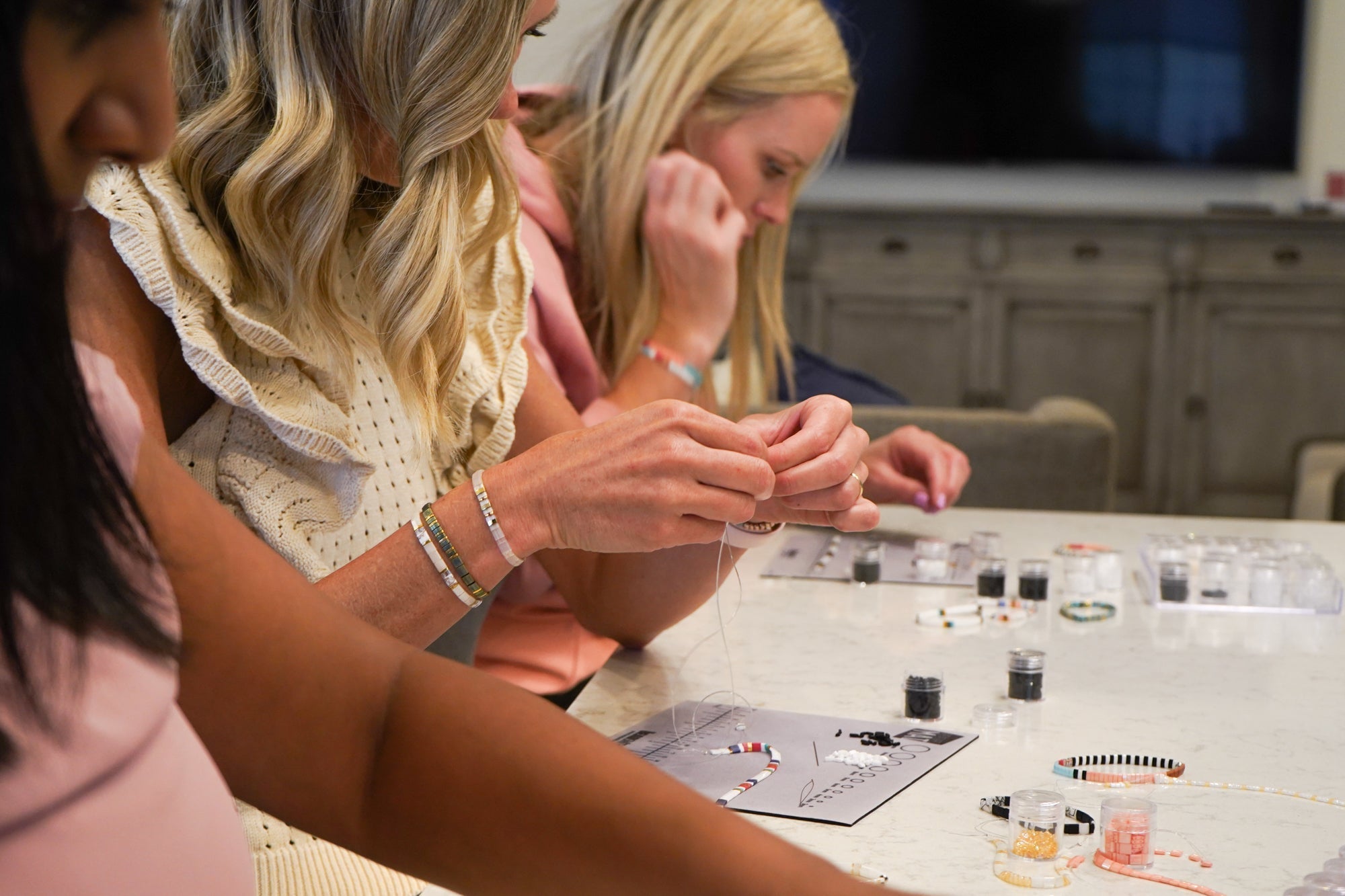
That math holds for solo crafting. Add people to the table and it stretches a bit. A few friends sharing one trio kit and comparing patterns usually run closer to 45 minutes to an hour each, mostly from passing around scissors and agreeing on color order together.
As a weekly habit, two or three 30-minute sessions is plenty to finish a kit and start planning the next one. Daily practice isn't required to see progress, which is a big part of what makes this sustainable as an ongoing hobby rather than a phase that fades after a month.
Is bracelet making hard to learn, or is there a real skill curve?
Bracelet making is easy to pick up and genuinely has room to grow. Basic stretch bracelets are beginner-friendly from the first try, while multi-strand patterns, color theory, and finishing techniques give the hobby enough depth that it doesn't get boring once you've made your first ten.
The entry skill is threading cord and pulling it to even tension, something most people get right by their second bracelet. Reading a color pattern is the next skill, and a kit with a printed layout removes most of the guesswork there.
Beaded jewelry as a craft goes back centuries, and the core techniques, stringing, tensioning, finishing a knot, haven't changed as much as the materials have (Wikipedia: "Seed bead"). What has changed is access. Pre-sorted kits cut out a lot of the trial and error that used to come with learning to bead from scratch.
What do you actually need to get started?
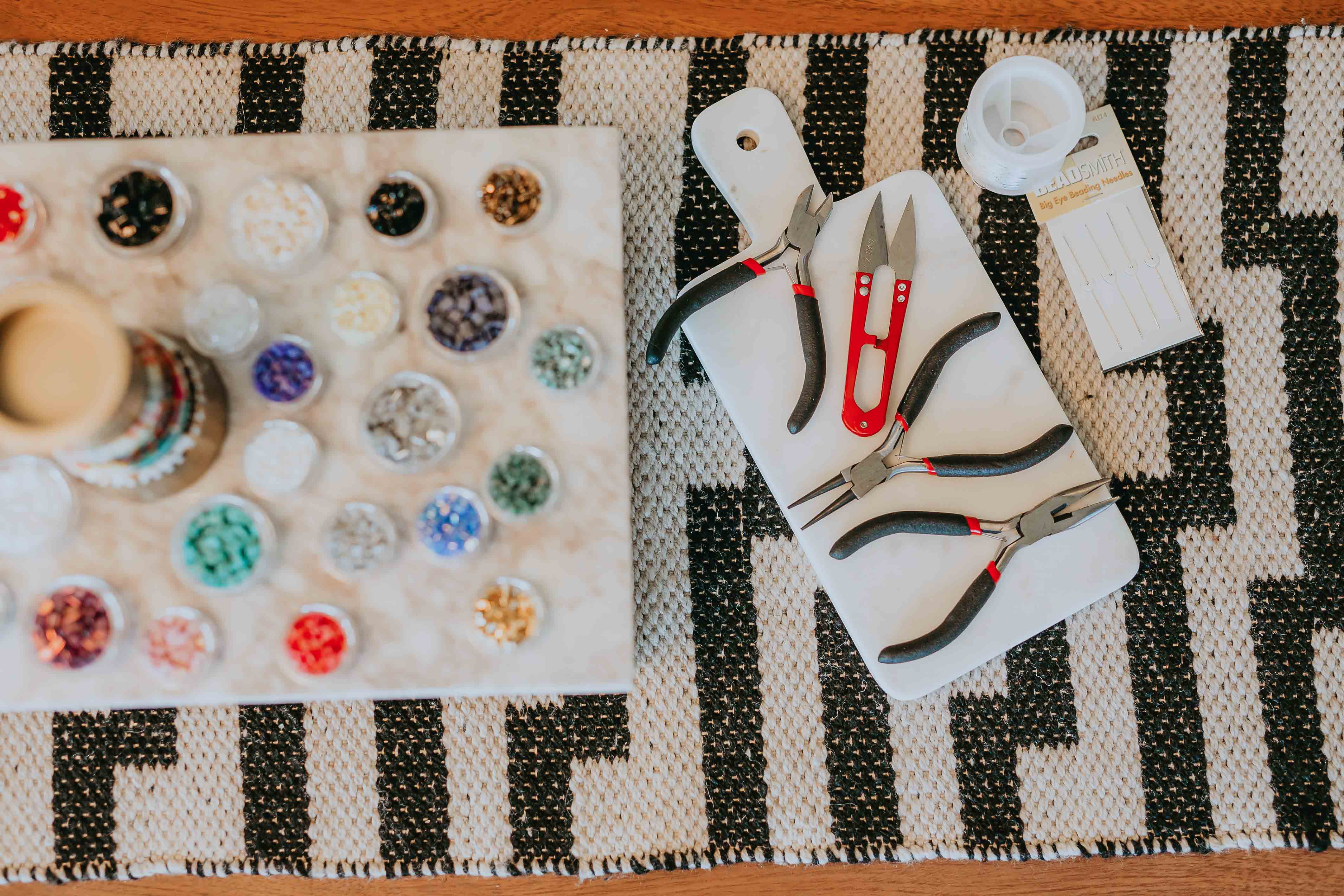
At minimum you need beads, a stretch cord like crystal-cord elastic, something to cut it with, and a pattern to follow. Buying those separately means hunting down bulk minimums at a bead shop; a kit bundles all of it, plus instructions, into one box.
General guides to beaded jewelry basics usually list flush cutters and crimping pliers as part of the standard starting toolkit for wire-based designs (Craftsy: "Make Your Own Beaded Jewelry Kit"). Stretch bracelets built on crystal-cord elastic skip most of that. No crimps, no clasp. The elastic itself is the closure, so there's less to buy than a lot of beginner guides imply.
Mack & Rex's trio kits are built around exactly that stretch-bracelet format: beads, elastic cord, and a color-coded layout, no extra tools required to finish. Browse the bracelet making kits if you'd rather start with everything sorted than piece it together yourself.
Is bracelet making a good hobby to do with family or kids?
Yes, it's one of the easier crafts to do together across ages, which is a big part of why Mack & Rex exists in the first place. It started with a mom making bracelets with her two daughters, Mack and Rex, at the kitchen table. A trio kit gives everyone their own bracelet to work on at the same time, so nobody's just watching.
One caution that matters here: Tila beads and findings are small enough to be a choking hazard. Any crafting session with young kids needs a supervising adult at the table the whole time, and loose beads shouldn't sit out where a toddler can reach them once the session ends. These kits are built for hands old enough to manage small beads carefully, not for unsupervised play.
For a family hobby night, pour the beads yourself and let kids handle placement and stringing under direct watch. It keeps the fun part accessible without the risk part being something you're managing alone.
Is bracelet making worth starting as a hobby? The honest take
For most people curious about it, yes. The startup cost is low, the time commitment is flexible, and the first result is wearable fast enough to keep you motivated for a second try, which is more than you can say for a lot of starter hobbies.
Where it's not a great fit: if you want zero hands-on effort, ready-to-wear finished bracelets ($20 to $25 each) are the better call, and buying three gets you a fourth free, no code needed. That offer applies to finished bracelets, not kits or loose beads, so it's worth knowing which product you're actually buying before you check out.
If you're ready to find out whether bracelet making sticks for you, start with a single trio kit rather than the biggest bundle on the page. Mack & Rex's bracelet making kits start at $44.99 and make three bracelets, enough to know in one sitting whether this is a hobby worth keeping going with.
Frequently Asked Questions
Is bracelet making expensive to start?
No. A loose Tila bead mix costs $5 to $9, and a complete beginner kit with beads, cord, and a pattern already included runs $44.99. You don't need bulk buying or specialty tools to make your first bracelet.
How long does it take to learn bracelet making?
Most beginners get comfortable with basic tension and pattern-reading within their first one or two bracelets, usually under an hour of total hands-on practice.
Can kids do bracelet making too?
Yes, with adult supervision. Beads and findings are a choking hazard for young children, so an adult should stay at the table during the session and keep loose beads out of reach afterward.
What's the easiest way to start bracelet making as a complete beginner?
A pre-sorted kit is the easiest entry point since it removes the guesswork on color combinations, cord length, and bead order. A trio kit that makes three bracelets is a good first purchase before scaling up to a bigger kit.
Is bracelet making a good hobby for stress relief?
Many people find hands-on, generative hobbies like bracelet making help with everyday stress and give a real sense of accomplishment, though results vary by person and it isn't a substitute for professional mental health care.