


Bracelet-Making Kit for Adults: The Real Cost Per Bracelet
What Does One Bracelet Actually Cost You?
Divide the kit price by the number of bracelets it makes and you get the real number: as low as $5 a bracelet with the biggest Mack & Rex kit, up around $15 with the smallest. Compare that to a finished, ready-to-wear bracelet at roughly $20-25 each, and the math tips clearly toward DIY once you're making more than a couple. The size of kit you buy is what decides which end of that range you land on.
Most people never run this math. They see a kit price, compare it to a single finished bracelet, and assume DIY is the pricier route. It's usually the opposite, once you count pieces instead of purchases.
How Does the Cost Break Down by Kit Size?
Here's what each Mack & Rex kit works out to per bracelet, based on current listed pricing and the bead count each one is built to produce:
- Trio Bracelet Kit ($44.99, makes 3): about $15.00 per bracelet.
- DIY Bracelet Kit Club ($36.99, makes 3): about $12.33 per bracelet, and it's a repeat monthly box rather than a one-time buy.
- Tila Bead Starter Kit ($189.99, makes 20): about $9.50 per bracelet.
- The Ultimate Tila Bracelet Kit ($399.99, makes 80): about $5.00 per bracelet.
Notice the pattern. The per-bracelet cost drops as the kit gets bigger, because tools, packaging, and instructions are a fixed cost that gets spread across more finished pieces. A trio kit isn't a bad deal. It's just carrying more overhead per bracelet than a kit built for 20 or 80.
Is DIY Actually Cheaper Than Buying Finished Bracelets?
In most cases, yes. A single finished bracelet runs about $20-25. Even the smallest kit beats that per-piece cost once you're past two bracelets, and the largest kit isn't close. At $5.00 a bracelet, the Ultimate kit runs at roughly a fifth of what a finished piece costs on its own.
There's a real reason to buy finished anyway: convenience, and the current offer of buy 3 bracelets, get 1 free (no code needed) on ready-to-wear pieces, which brings the effective per-bracelet price down for that route too. That offer applies to finished bracelets only, not kits or loose beads, so it's not something you can stack on top of a kit purchase. If you want a bracelet on your wrist in five minutes, finished wins. If you want a stack of them, or you're making bracelets for a group, the kit math wins.
What About a Basic Kit From a Craft Store?
Harder to compare directly, since a generic multi-project kit off a craft-store shelf usually isn't built around a single bead type or a matched cord diameter the way a Tila-specific kit is. You're often paying for a grab bag of materials rather than a kit engineered for one style of bracelet.
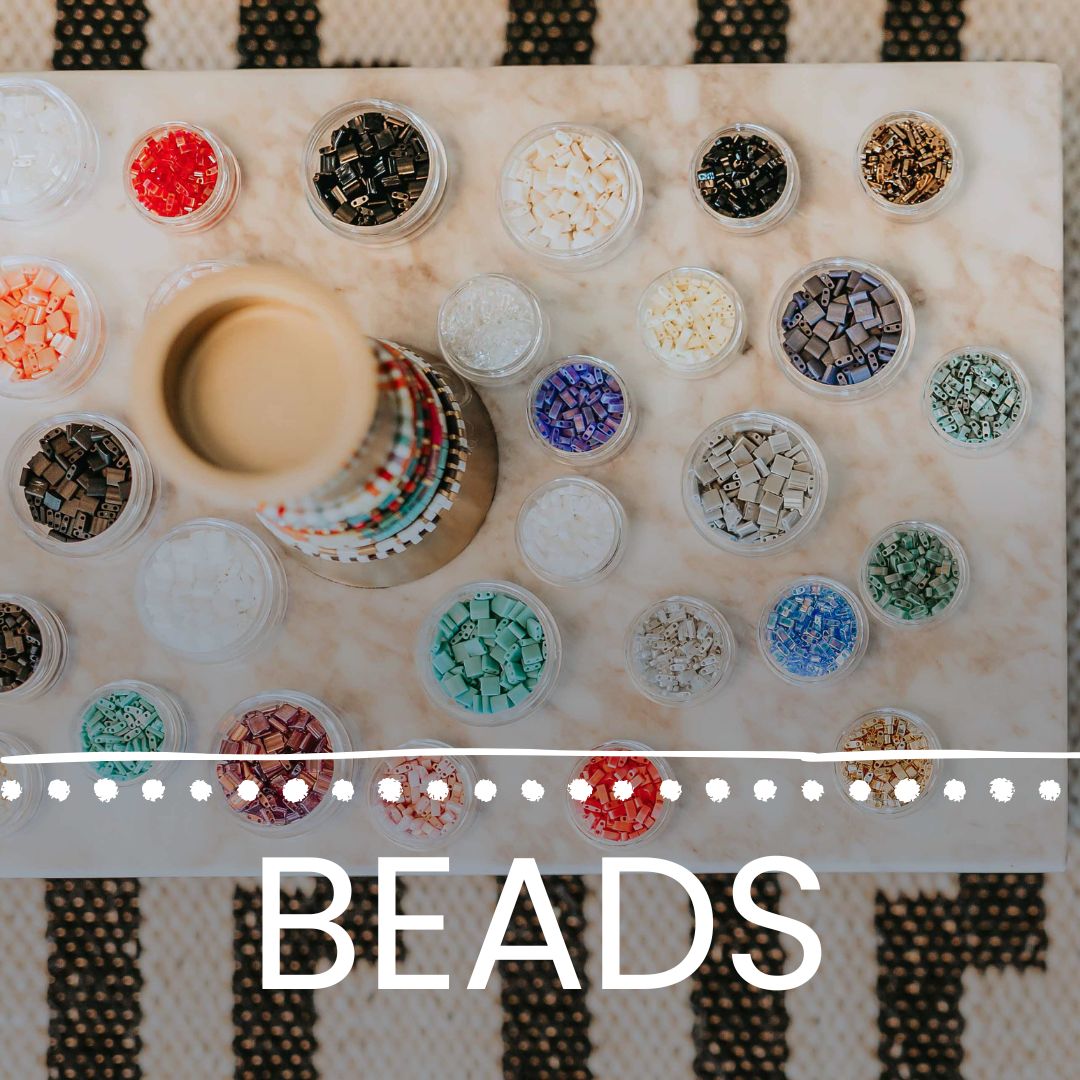
The bigger gap is in the beads themselves. Genuine Miyuki Tila beads (Mack & Rex sells them, doesn't manufacture them) are a flat, two-hole Japanese glass tile bead, a variant of the Japanese seed bead family manufactured to tight, standardized sizing (see Wikipedia's overview of seed bead types and sizing), and they're not something most general craft aisles stock in any real depth. Fire Mountain Gems' materials library notes that bead hole diameter and cord match are two of the most common failure points in a beginner project, and a kit built specifically for one bead type sidesteps that guesswork entirely. You can read more in their bead and jewelry-making reference library.
What Do You Keep After the Kit Is Empty?
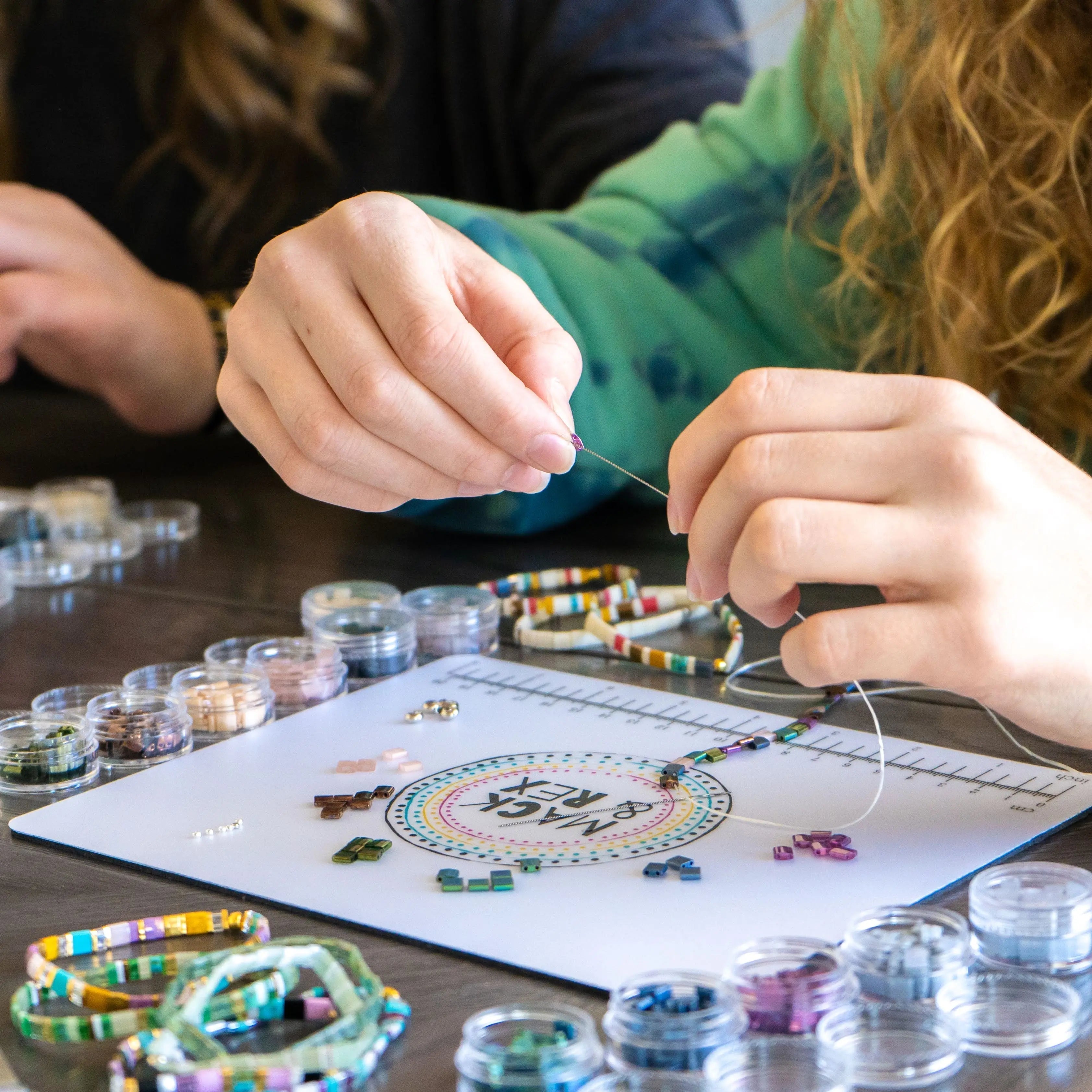
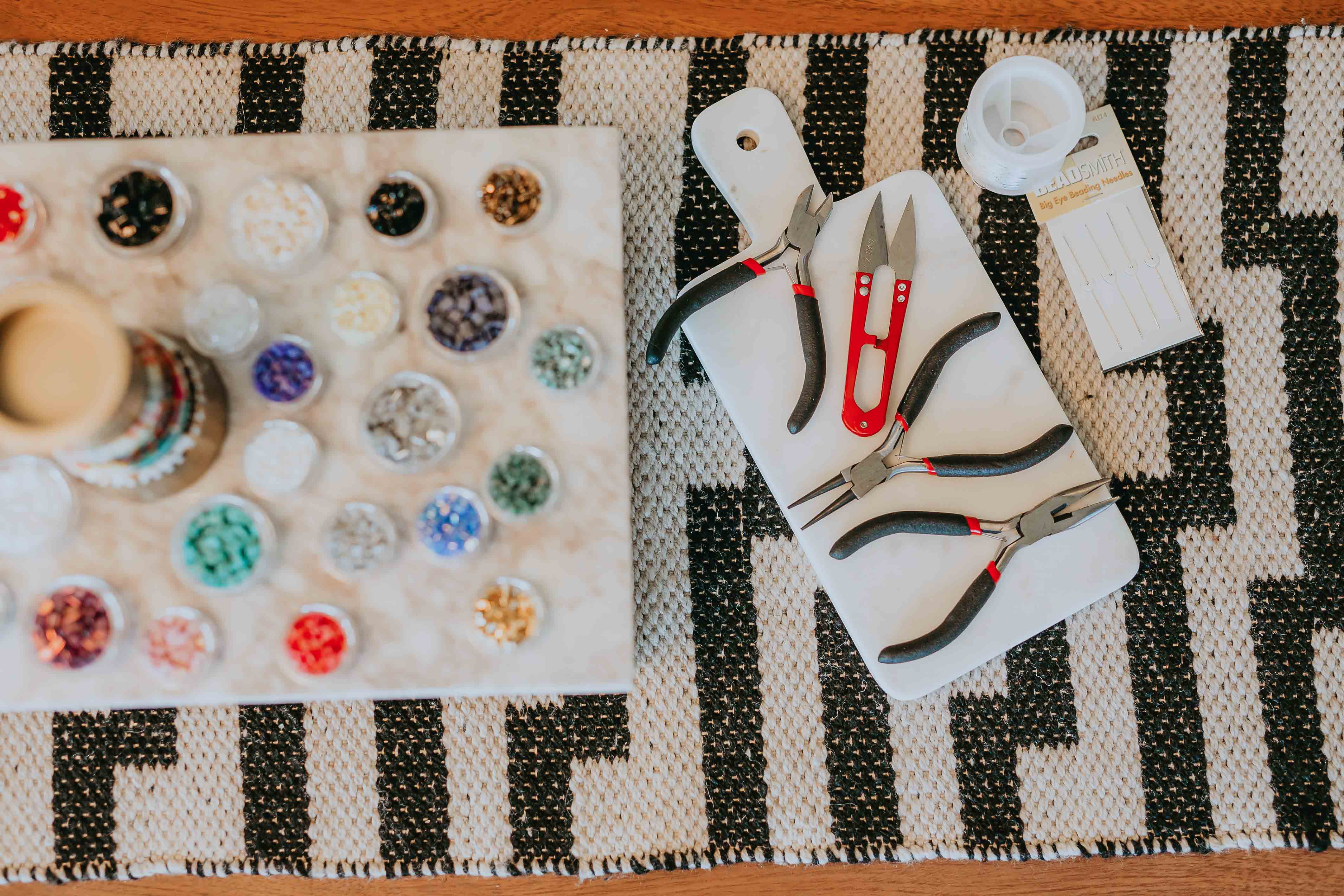
Here's the part the sticker price doesn't show you. The tools in a kit, the bead mat, scissors or snips, and often a needle, aren't single-use. They carry over to your next project. So does any bead surplus left in the bag, which is common since most kits round up on quantity rather than cutting it close.
That changes the math on your second kit. Once you own the tools, restocking with a Tila bead mix (roughly $5-9) gets you materials for another bracelet or two without paying for another set of scissors and a mat you already have. The all-in-one tools and supplies kit ($39.99-43.99) exists for exactly this reason: buy the tool set once, then keep it stocked with beads.
- Reusable bead mat and cutting tools
- Leftover beads for repairs or a mismatched extra piece
- A cheaper refill path through bead mixes, no need to buy a full kit again
Which Kit Size Actually Makes Sense for You?
Depends on what you're making it for. A trio kit fits a one-off gift or a first try at the hobby, no big commitment. The Starter Kit at 20 bracelets suits someone stacking a few colors for themselves or making a handful for family. The Ultimate kit at 80 is built for group crafting nights, holiday gift batches, or anyone who's decided this is a real hobby now, not a weekend experiment.
Picking the right size is really the whole decision. Get that right and the cost-per-bracelet math takes care of itself.
Mack & Rex's full lineup, from trio kits to the Ultimate size, is on the bracelet-making kits collection page, with genuine Miyuki Tila beads, crystal-cord elastic, and the tools included at every size. Current pricing and bead counts are listed on each product page since they move with monthly drops.
Frequently Asked Questions
What's the cheapest way to start with a bracelet-making kit?
A trio kit is the lowest up-front cost, around $44.99 for three bracelets. It's not the cheapest per piece, since bigger kits spread tool and packaging costs across more bracelets, but it's the smallest commitment if you're not sure yet.
How many bracelets does one kit actually make?
It depends on the size. A trio kit makes 3, the Tila Bead Starter Kit is sized for about 20, and the Ultimate Tila Bracelet Kit scales up to roughly 80. Check the bead count on the product page, since that's the number that sets your real cost per bracelet.
Is a DIY kit actually cheaper than buying finished bracelets?
Per bracelet, usually yes. A finished, ready-to-wear bracelet runs roughly $20-25, while a larger kit can bring the per-bracelet cost down into the single digits once you divide the kit price by how many pieces it makes.
Do leftover beads and tools go to waste after the kit is empty?
No. The bead mat, scissors, and needle carry over to your next project, and any extra beads stay in the bag. Once you have the tools, restocking with a bead mix (roughly $5-9) costs less than buying a full kit again.
Does free shipping apply to a kit order?
Only over $100 on US orders. A single kit often lands under that threshold by itself, so check your cart total before checkout. International orders have shipping and any customs or duties calculated at checkout.