


Bracelet Making Kit for Adults vs. Buying at a Craft Store
A bracelet making kit for adults beats a craft store trip on time and cost predictability for a first project: one box gives you matched beads, cut-to-length cord, and instructions for a set price. A craft store trip means guessing at quantities, colors, and tools across several aisles, with no guarantee they will actually go together.
Kit or Craft Store: Which One Gets You to a Finished Bracelet Faster?
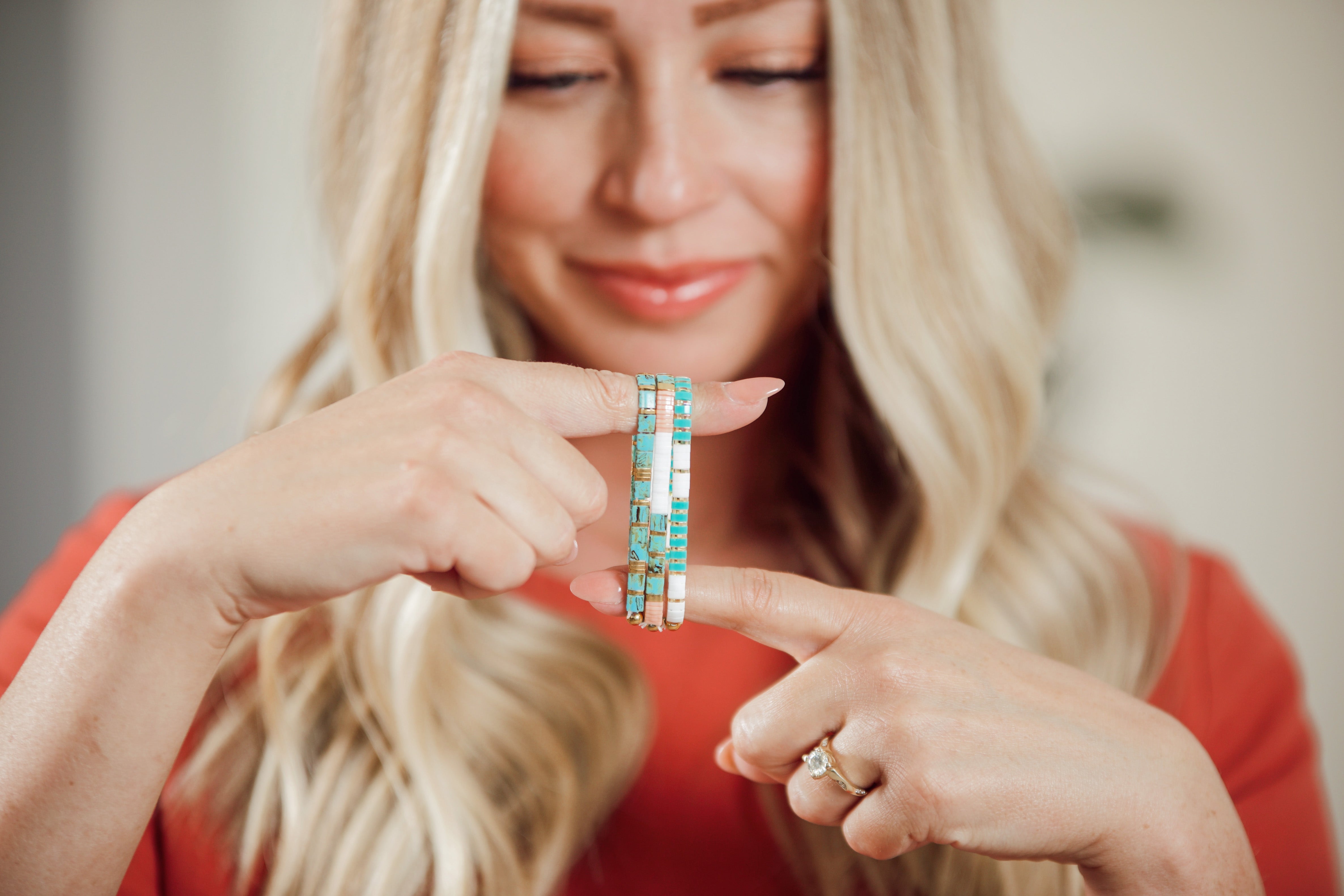
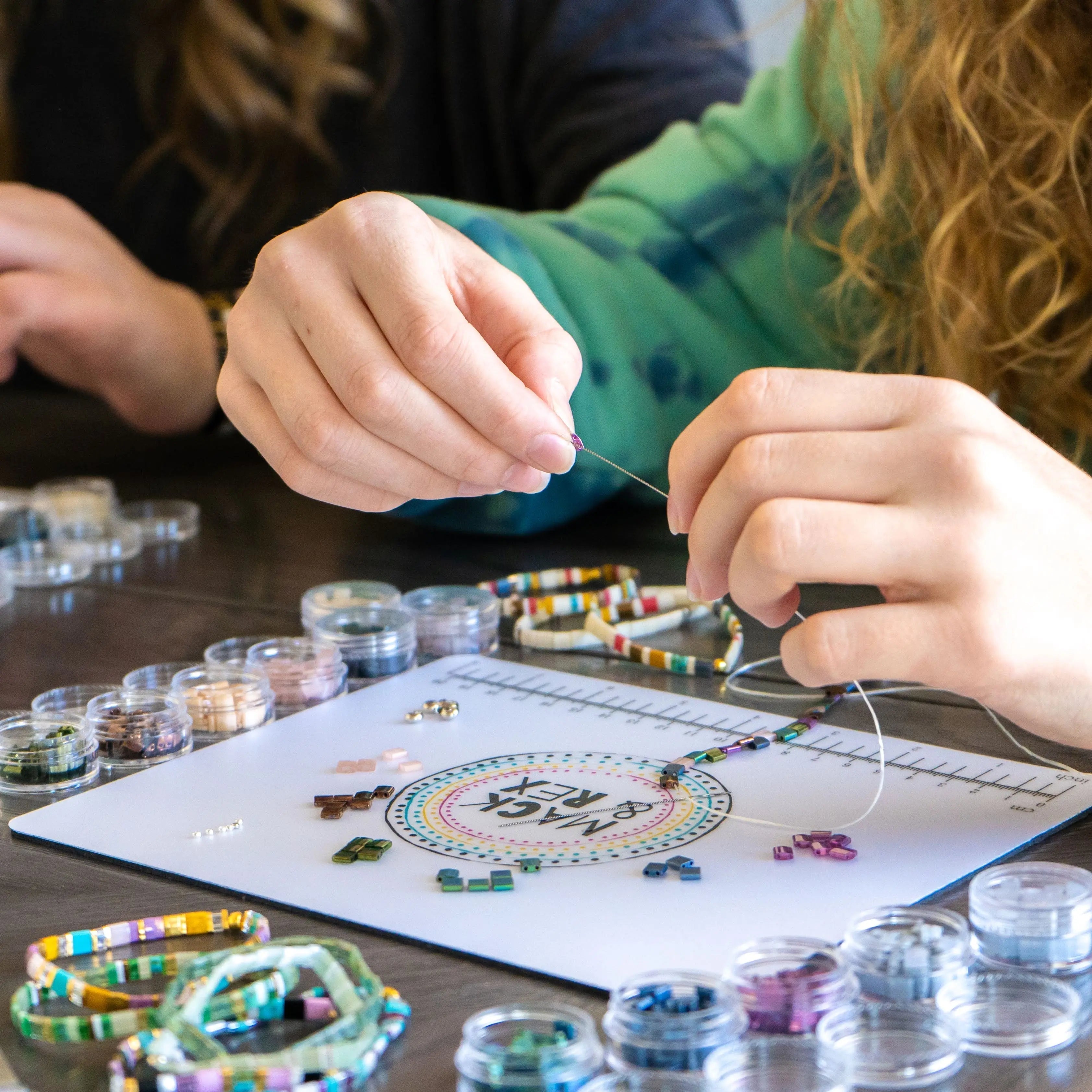
A kit wins on speed almost every time. Everything inside a Mack & Rex trio kit ($44.99, makes 3 bracelets) is already portioned and paired, so the only decision left is which color combination to string first. Most adults finish a single bracelet in 20 to 30 minutes with no beading background at all.
A craft store trip adds a layer most people forget to budget for: the decision-making itself. You are standing in front of a wall of bead bins trying to guess how many grams equal one bracelet, whether this cord is the right gauge for this bead's hole, and whether the tools aisle has anything you actually need. That's decision fatigue before you've made anything, and it's the single biggest reason a first craft-store project stalls out on the kitchen counter instead of getting finished the same day.
None of this means a craft store is a bad option forever. Once you know your preferred bead size, cord weight, and finishing technique, buying loose and building your own combinations gets faster and, for some crafters, more fun. It's a rougher starting point than most people expect on attempt one.
What's Actually in a Bracelet Making Kit for Adults?
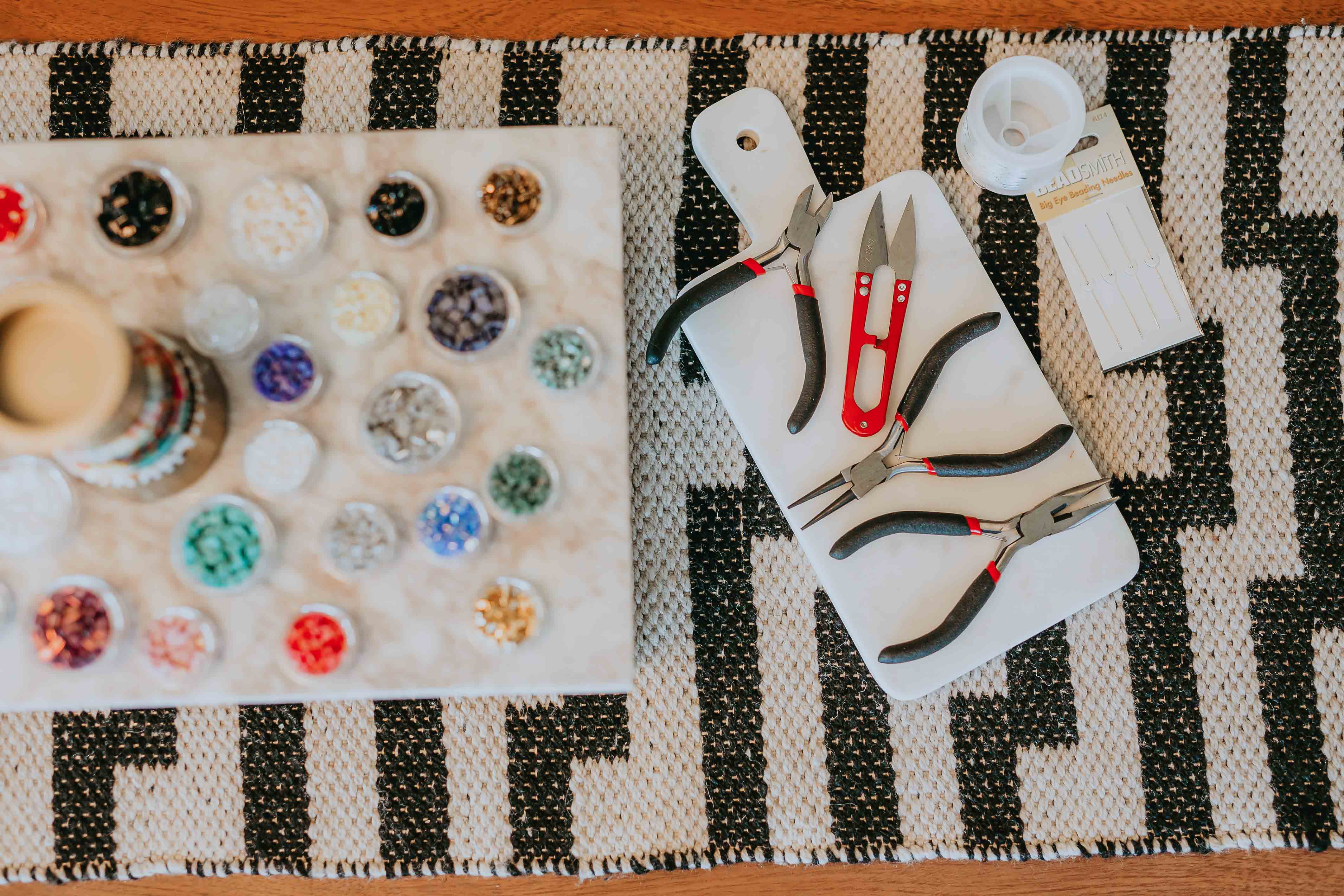
A complete kit has four parts: beads in a matched palette, cord cut to a usable length, any findings the design calls for, and written instructions. A Mack & Rex trio kit includes pre-portioned Miyuki Tila beads, crystal-cord elastic, and a color-coded layout showing bead order, so nothing is left to guess. Step up to the All-in-One tools and supplies kit ($39.99 to $43.99) and you also get a bead scoop, cord scissors, and a small design board.
Miyuki is a Japanese glass bead manufacturer. Mack & Rex sources and resells Tila and other Miyuki beads as part of its kits and finished bracelets; it does not manufacture the beads itself. That distinction is worth knowing because it's part of why the sizing and color coats stay so consistent from kit to kit.
What a kit does not include: extra beads beyond the stated bracelet count, a storage case, or glue. Stretch bracelets built on crystal-cord elastic close with a knot, not a clasp, so there's nothing to buy or fumble with there.
What Do You Have to Figure Out on Your Own at a Craft Store?
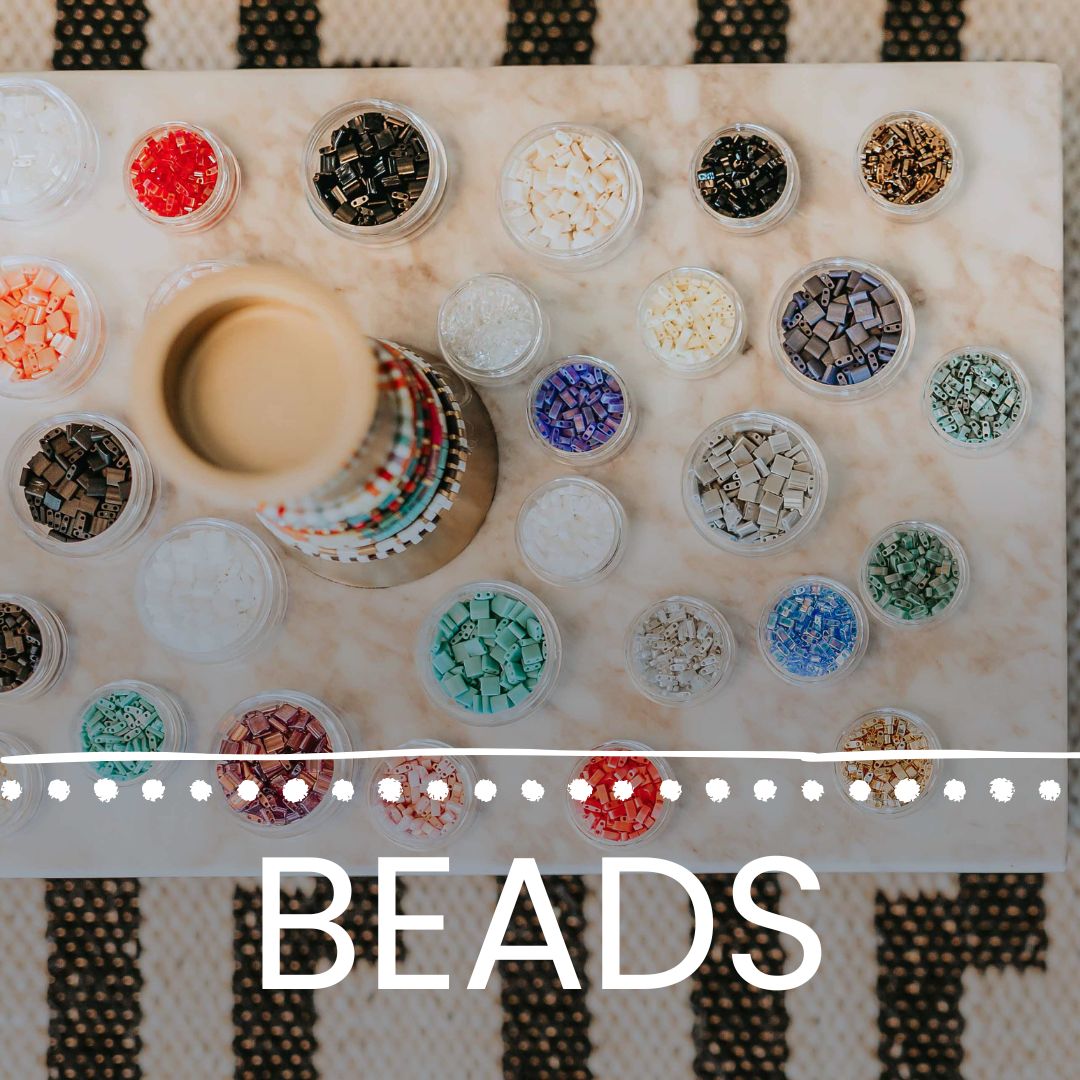
Quantities, first. Craft store beads are usually sold by the strand or by weight, and figuring out how many strands equal three finished bracelets means doing math with no guaranteed right answer until you've already strung and come up short (or bought way more than you needed).
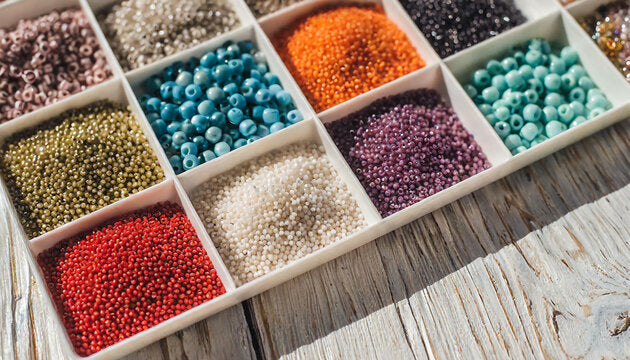
Color matching is the harder problem. Craft stores sort beads into bins by rough color family, not by finished palette, so building a set that actually looks intentional together means holding bead after bead up against each other under fluorescent lighting. A general guide to jewelry-making basics from Wikipedia's overview of jewellery making notes that material selection and finishing technique are two of the biggest variables in how a handmade piece turns out, and that holds true here: get the bead finish wrong and even a well-matched palette can look off once it's strung.
Cord and findings add a third decision point. Not every cord gauge fits every bead hole, and a craft store clerk isn't always available (or trained) to walk you through which elastic works with which bead brand. Fire Mountain Gems, a long-running bead and jewelry-supply wholesaler, publishes buying resources aimed at exactly this problem, matching cord to bead type before checkout (Fire Mountain Gems resources). That kind of homework is optional with a kit and mandatory at a craft store counter.
Which Costs Less, a Kit or a Cart Full of Craft Store Supplies?
A kit gives you a fixed price upfront. A craft store cart does not, and that's the real difference for a first project. A Mack & Rex trio kit is $44.99 for materials to make 3 bracelets, roughly $15 per bracelet, with nothing extra to buy before you can finish one.
A craft store trip usually means buying more than you need. Beads sold by the strand often come in quantities well beyond what one bracelet uses, and cord is typically sold by the spool, not by the inch. Add a pair of jewelry scissors or a bead board if you don't already own them, and a "just the basics" trip can land close to, or above, a kit's price once you're honest about the leftovers sitting in a bag afterward. Craftsy's rundown of the tools most jewelry makers actually reach for is a useful gut check before you buy your own tool set from scratch (Craftsy: tools every jewelry maker needs).
One thing worth knowing either way: shipping on Mack & Rex orders is free over $100, US only, and a single $44.99 trio kit doesn't clear that on its own. If you're ordering online and want free shipping, pair a kit with a bead mix or a second kit to reach the threshold. And the buy 3 bracelets, get 1 free offer applies to finished, ready-to-wear bracelets only, never to kits or loose beads, so don't expect it to stack with a kit order.
If you already own basic tools and just want beads and cord, the DIY Bracelet Kit Club subscription ($36.99) is worth a look too. It sends a new three-bracelet kit on a set schedule, which keeps the per-project cost predictable if you know you'll want to keep making past the first box.
Is a Kit Better for Making Bracelets Together as a Family?
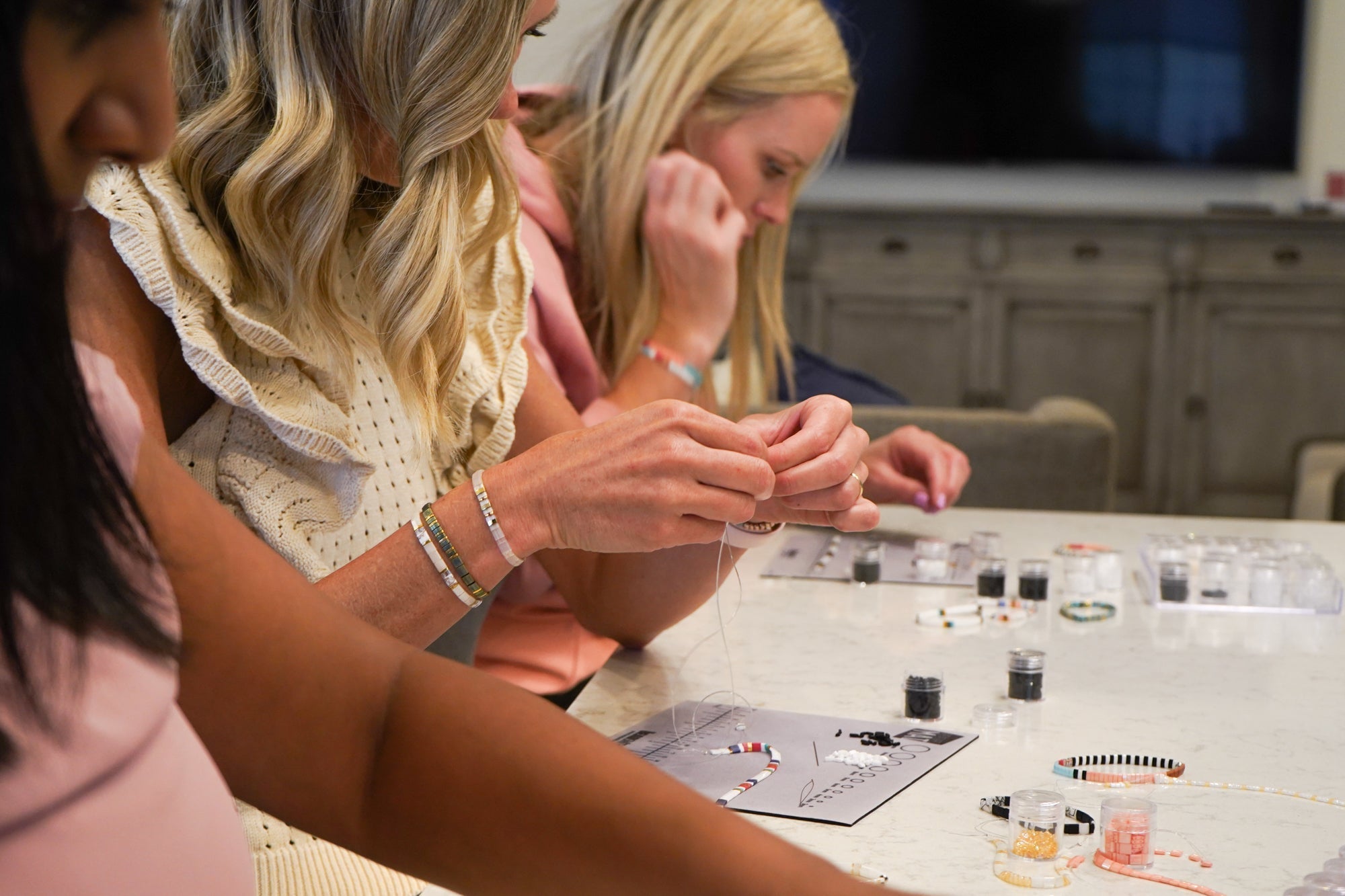
Yes, for one simple reason: everyone at the table needs the same thing at the same time. A kit with a matched palette and pre-cut cord means nobody is waiting on someone else to finish sorting beads before they can start stringing. A craft store haul, split across a few people, usually means arguing over who gets which colors before anyone's actually made anything.
A quick, important note here. Beads, crimps, and small findings are a choking hazard. Any bracelet-making session that includes kids needs a supervising adult at the table the entire time, and loose beads should stay off the floor and out of reach when nobody's watching the bowl. Adult bracelet making kits are sized and built for adult hands; they aren't marketed as safe for young children to use unsupervised.
With that caution in place, a trio kit is a solid pick for a grandmother-and-grandkids afternoon or a girls' night in, since three coordinated designs mean everyone at the table gets a different finished look instead of three near-identical bracelets. Budget closer to 45 minutes to an hour for a group working from one kit each. Sharing scissors and comparing patterns slows things down more than working solo does.
So Which One Should You Actually Buy?
Pick a kit for a first project, a gift, or a group session where time matters. Pick loose beads at a craft store once you already know your preferred bead size, cord weight, and finishing technique, and you want to build your own combinations from scratch. A kit removes the guesswork; loose supplies hand you the control back once you've earned it through a project or two.
Browse the full lineup of bracelet making kits at Mack & Rex if you're ready to skip the craft store aisle and start stringing. A $44.99 trio kit is a fair test run; the DIY Bracelet Kit Club is the better call if you already know one box won't be enough.
Frequently Asked Questions
Is it cheaper to buy a bracelet making kit or shop at a craft store?
A kit is usually cheaper for a first project once you count what a craft store makes you buy in bulk. A Mack & Rex trio kit runs $44.99 for 3 bracelets worth of matched beads, cord, and instructions, while a craft store trip often means buying full bead strands, a spool of cord, and separate tools you only need a fraction of.
Can I just buy loose beads at a craft store and match them myself?
You can, but it takes real trial and error. Craft stores sell beads by color family, not by finished palette, so matching tone, finish, and size across several bins is a project of its own before you have strung a single bead. A kit hands you a palette that has already been worked out.
Does the buy 3 get 1 free offer apply to bracelet making kits?
No. Mack & Rex's buy 3 bracelets, get 1 free offer applies to finished, ready-to-wear bracelets only. It does not apply to kits, loose beads, or bead mixes, so a kit purchase won't trigger it.
Is a bracelet making kit safe for kids to use?
Adult bracelet making kits are sized and built for adult hands, not marketed as safe for young children on their own. Beads, crimps, and small findings are a choking hazard, so any bracelet-making session with kids in the room needs an adult supervising the whole time.
What if I already own beading tools from a past craft project?
If you already have basic tools like scissors and a bead scoop, a kit that ships beads, cord, and instructions without the tool bundle is the better fit; you're not paying for gear you already own. Mack & Rex's trio kits work well here since the tool bundle is sold as a separate All-in-One option.
Ready to skip the craft store guesswork? Browse the full lineup of bracelet making kits at Mack & Rex and pick the one that matches how you want to spend your afternoon.