

Bracelet Making Kit Price Guide: What You Should Actually Pay in 2026
What determines the price of a bracelet making kit?
Three things: the beads themselves, the findings and tools included, and how many bracelets the kit actually makes. A $15 kit and a $400 kit can both call themselves a bracelet making kit, and they're rarely built from the same materials or sized for the same project.
Once you know what to check, the price tag stops being a mystery. Below is the honest breakdown, using real Mack & Rex pricing as the working example, since that's the catalogue we track closest and can verify against.
Why do some bracelet making kits cost $15 and others cost $400?
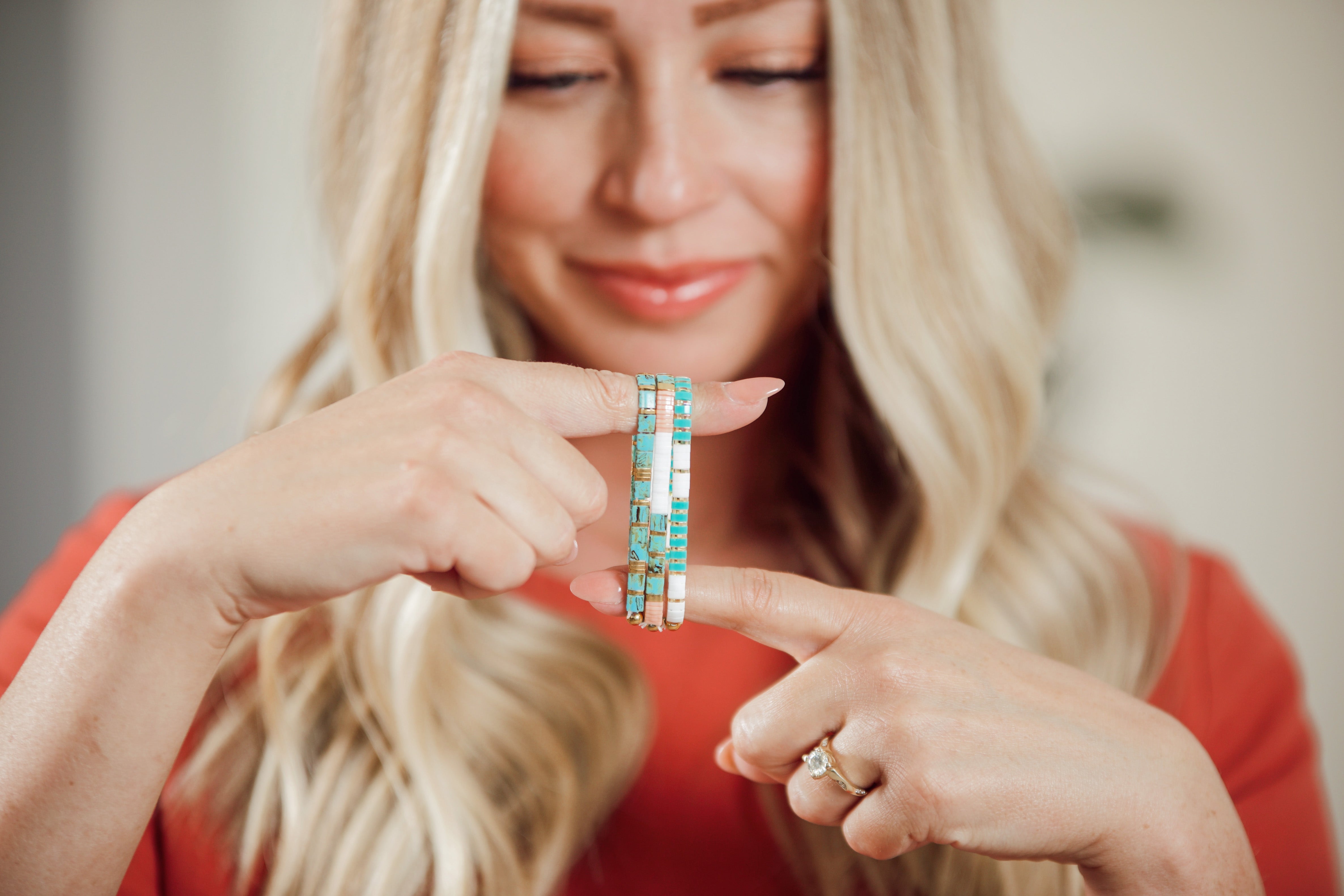
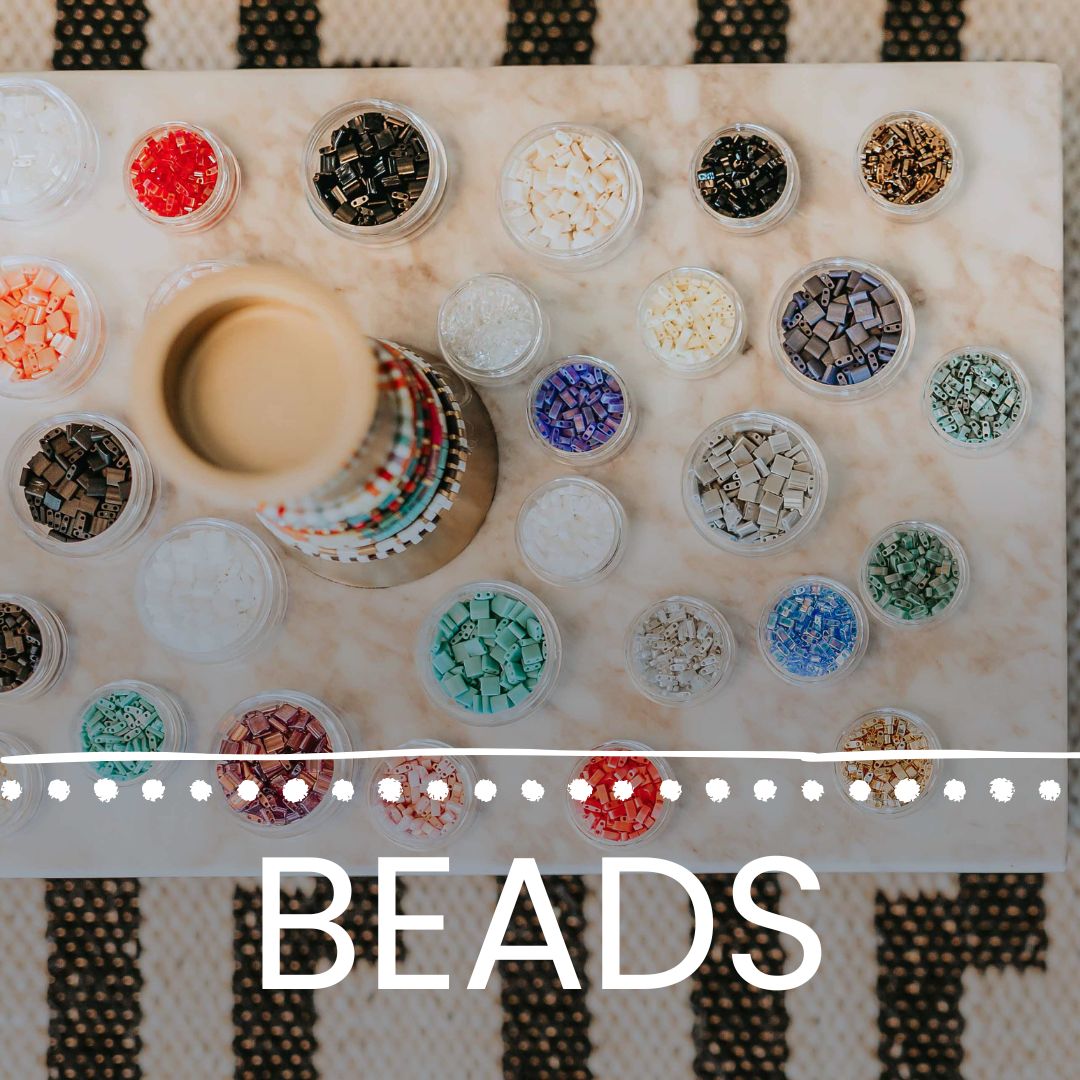
Scale and material, mostly. A small kit sized for one or two bracelets will always cost less than one built to make dozens, in the same way a single bead mix costs less than a bulk bead haul. Mack & Rex's own range shows the spread clearly: bead mixes run about $5 to $9, a trio kit that makes three bracelets is $44.99, and the Ultimate Tila Bracelet Kit, which makes roughly 80, is $399.99.
That's not four wildly different products pretending to be the same thing. It's the same core kit design at four different quantities, with the per-bracelet cost dropping as the batch gets bigger. A kit priced far below a bead mix for the same bracelet count is the one worth a second look, because something in that price had to give.
What's the difference between real Miyuki beads and cheaper substitutes?
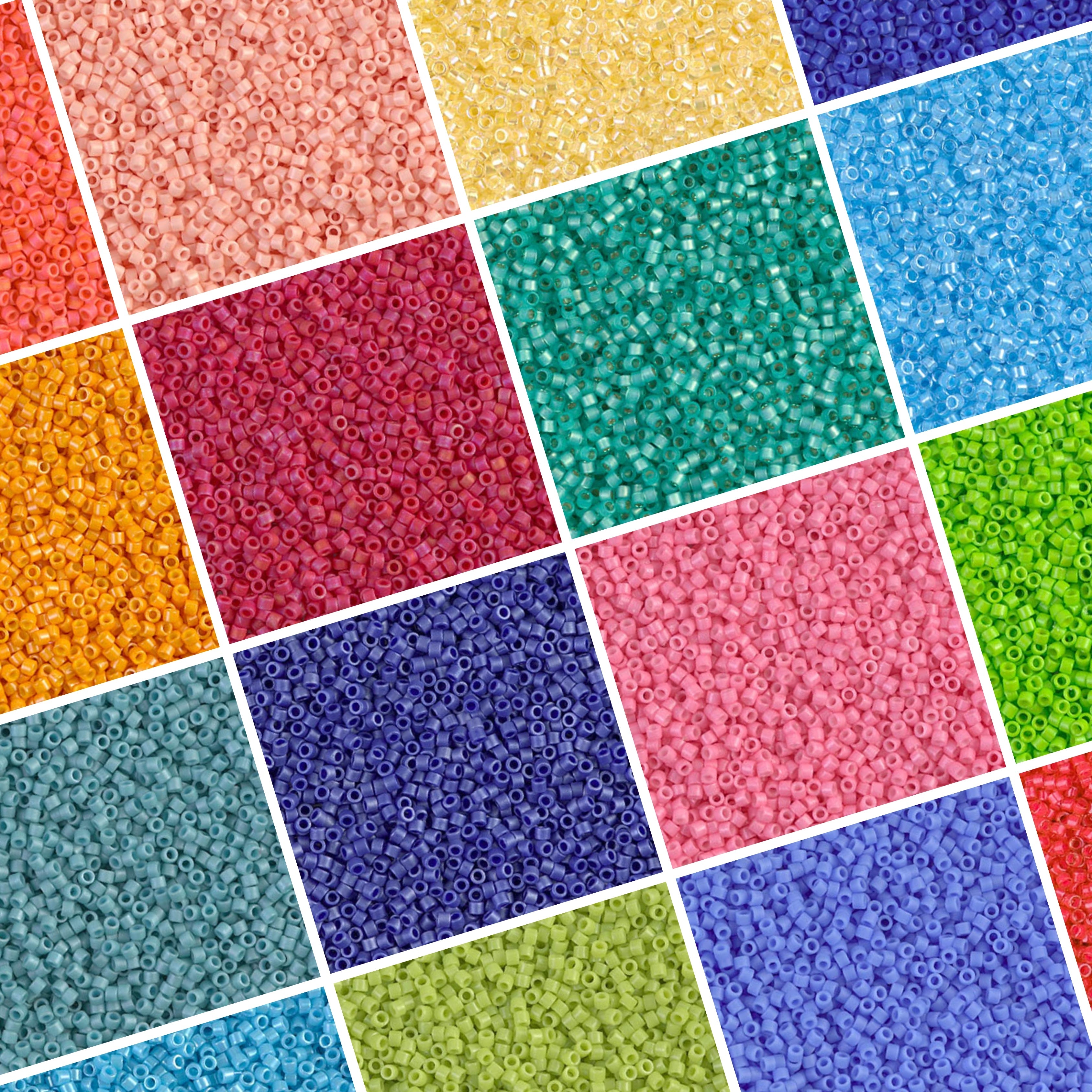
Consistency. Miyuki, the Japanese bead manufacturer behind the Tila beads Mack & Rex uses, holds tight size and hole tolerances across its production runs. That matters more than it sounds like it should. When every bead is close to the same dimension, your finished bracelet lies flat, the holes line up on the first try, and the tiles sit evenly against each other rather than at odd angles.
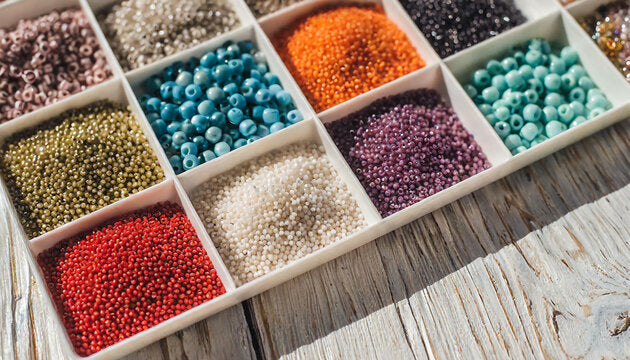
Cheaper painted-glass, plastic, or acrylic beads sold in generic "bracelet kit" boxes skip that precision. Some batches string up fine. Others have beads that are visibly different sizes in the same pack, which forces you to sort through extras or accept a bracelet that doesn't sit right. Mack & Rex resells genuine Miyuki Tila beads rather than manufacturing them, and that sourcing decision is a real part of what you're paying for in a kit at this price point. According to Miyuki's own site, the company has produced glass beads in Japan for well over a century, and that manufacturing consistency is exactly the reason its beads carry a premium over generic alternatives.
Do pricier kits actually include better findings and tools?
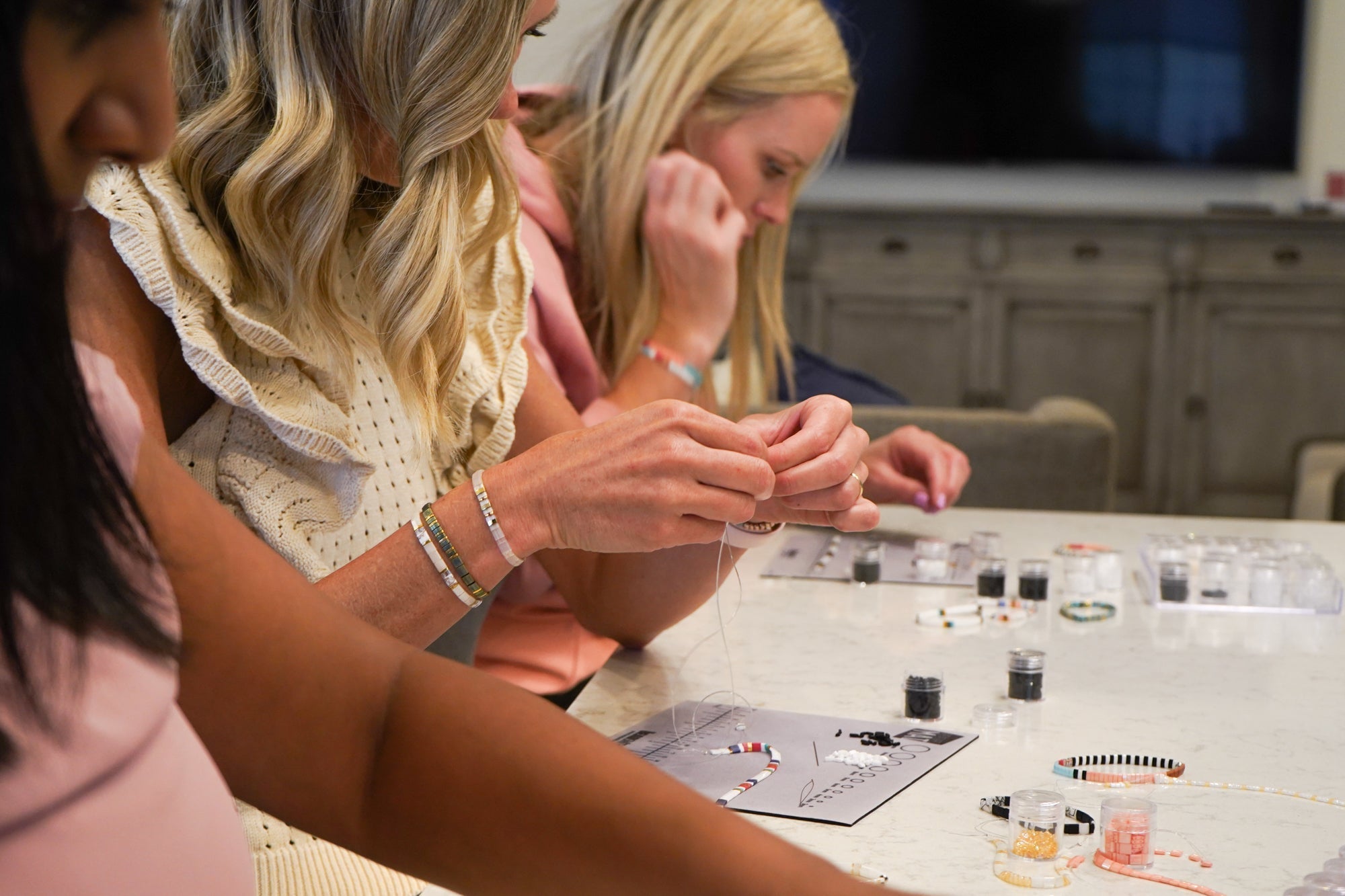
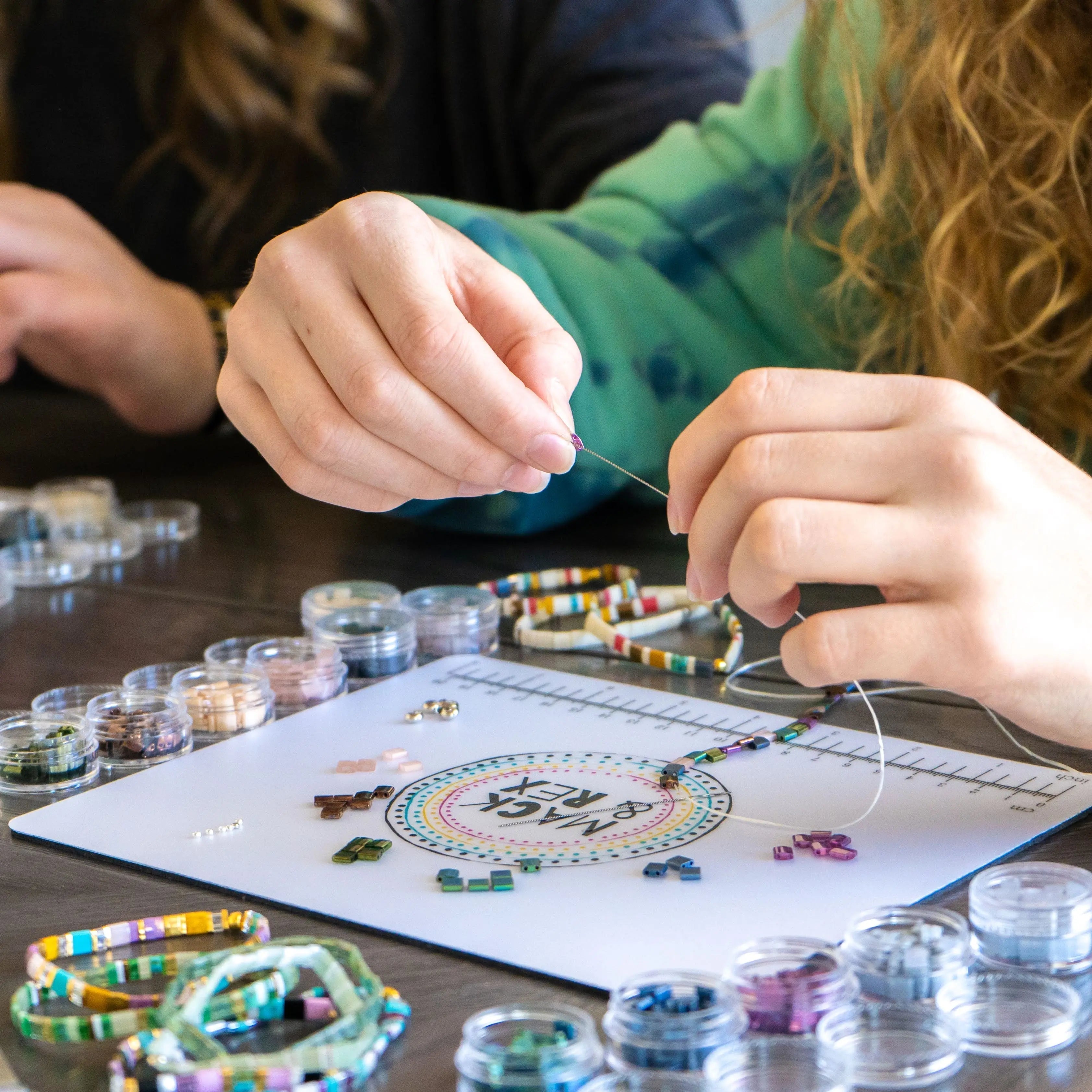
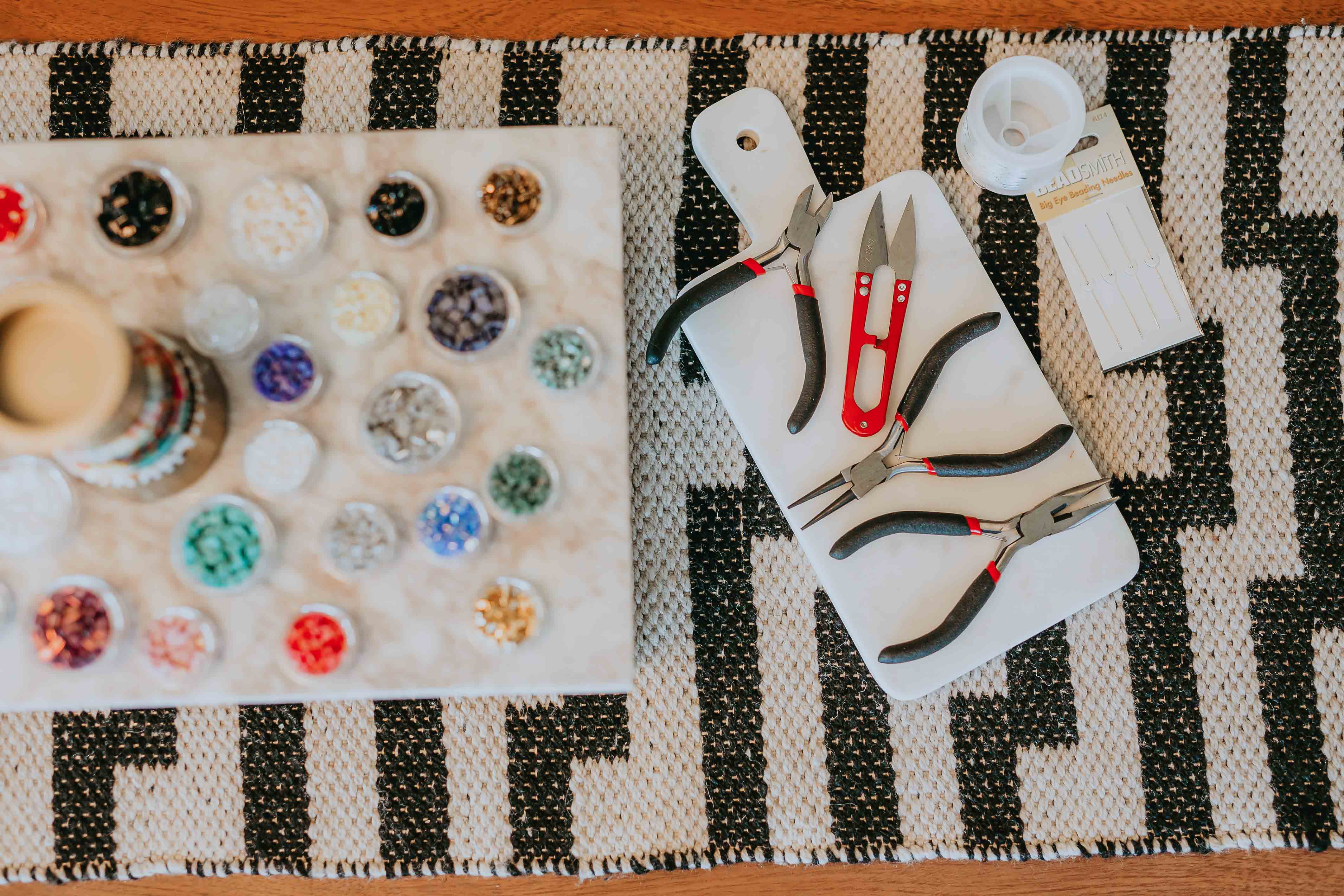
Sometimes, but you have to check, don't assume. A higher price tag can mean more beads at the same basic tool level, or it can mean a genuinely better-equipped kit with stretch cord, a needle, a bead organizer, and clear instructions included. Read the contents list before you buy rather than trusting the price alone to tell you.
Findings, the small functional pieces like crimps, clasps, and cord ends, are where a lot of cheap kits cut corners first. A stretch bracelet doesn't need much hardware since the elastic cord itself does the closing work, but the cord quality still matters. Thin, low-stretch cord snaps sooner and stretches out of shape faster than a sturdier crystal-cord elastic. Fire Mountain Gems' guide to jewelry-making tools and supplies is a useful reference if you want to know what a well-equipped kit should include before you compare options.
Mack & Rex's kits use crystal-cord elastic specifically because it holds its stretch through repeated wear, one customer, new to the hobby, put it simply: "I am new to bracelet making and purchased this as an easy way to get started. It came with all the supplies I needed and included great instructions for getting started." That's the kind of detail a price comparison alone won't show you.
How many bracelets should you get per kit at each price point?
Here's the math laid out plainly. A $44.99 trio kit makes about 3 bracelets, roughly $15 each. The $189.99 Tila Bead Starter Kit makes about 20, closer to $9.50 each. The $399.99 Ultimate Tila Bracelet Kit makes around 80, near $5 each. Per-bracelet cost drops steadily as the kit size grows, which is standard for bulk buying in any craft category.
Don't let that math talk you into more kit than you need. Eighty bracelets makes sense for a craft fair table, a fundraiser, or a year of birthday gifts planned in advance. It doesn't make sense if you'll realistically finish three and let the rest sit in a drawer. Buy for the number of bracelets you'll actually make, not the lowest number on the per-bracelet spreadsheet.
Is a more expensive bracelet making kit actually worth it?
For most people, yes, if the extra cost is buying real materials rather than a bigger box. Look past the "cheap or expensive" label and ask whether the price reflects genuine Miyuki beads, durable cord, and a bracelet count that matches how many you'll use. A $15 kit with painted glass beads and thin cord isn't a bargain if the bracelet snaps in a month. A $400 kit isn't a good deal either if you only wanted to make one.
Match the kit to your actual plans. First-timer wanting to try the hobby? A trio kit or a single bead mix answers that question for well under $50 before you commit further. Planning a craft night with friends, a holiday gift run, or a fundraiser table? The bigger kits bring the per-bracelet price down enough to justify the upfront cost. If kids will be at the table, keep the loose beads and small findings away from anyone too young to understand they're not for putting in their mouth, they're a genuine choking hazard, and any kit is a project for an adult or a supervised older child.
Wikipedia's overview of beads and bead materials is a fair starting point if you want general background on how bead composition affects durability and cost across the craft world, beyond any single brand.
Where to find a fairly priced bracelet making kit
Mack & Rex prices its kits the same way this guide breaks the cost down: real Miyuki Tila beads, crystal-cord elastic, and a bracelet count that's stated up front rather than buried in fine print. Browse the bracelet making kits collection to compare the trio kit against the bulk options and find the size that matches your project.
Mack & Rex ships internationally, with duties and shipping calculated at checkout, and free shipping applies to US orders over $100. A single trio kit at $44.99 won't clear that threshold on its own, so pair it with another item if free shipping matters to your order. The buy-3-bracelets-get-1-free offer applies to finished, ready-to-wear bracelets only, not to kits or loose bead mixes.
Frequently Asked Questions About Bracelet Making Kit Prices
What's a fair price for a bracelet making kit?
It depends on what's inside and how many bracelets it makes. A trio kit built for three finished bracelets typically runs in the mid-$30s to mid-$40s, while a bulk kit making 20 or more bracelets can run into the hundreds. Judge it by bead quality and bracelet count together, not the sticker price alone.
Why do some bracelet making kits cost so much less than others?
Cheaper kits usually cut corners on bead material, using painted glass, plastic, or acrylic instead of genuine Miyuki Tila beads, and they often skip crimping tools, bead boards, or clear instructions. Lower price can mean fewer beads too, so you're comparing a smaller project to a bigger one.
Are Miyuki Tila beads worth the extra cost?
For most crafters, yes. Miyuki beads are manufactured in Japan to tight, consistent tolerances, so holes line up and finished pieces sit flat and even. Cheaper substitute beads vary more in size and finish, which shows up as gaps or a lumpy look once a bracelet is strung.
Does a more expensive kit always include better tools?
Not automatically, you have to check the contents. Some higher-priced kits are just bigger bead quantities with the same basic tools as a smaller kit. Look for what's actually listed: stretch cord, a needle, and written or video instructions, rather than assuming a higher price means more equipment.
How many bracelets should a kit make at each price point?
As a rough guide, a $44.99 trio kit makes about 3 bracelets, a $189.99 starter kit makes about 20, and a $399.99 bulk kit makes about 80. That works out to roughly $15, $9.50, and $5 per bracelet, so per-bracelet cost drops as the kit size grows.