


Are Bracelet Making Kits a Good Classroom or Group Activity?
Are Bracelet Making Kits a Good Classroom or Group Activity?
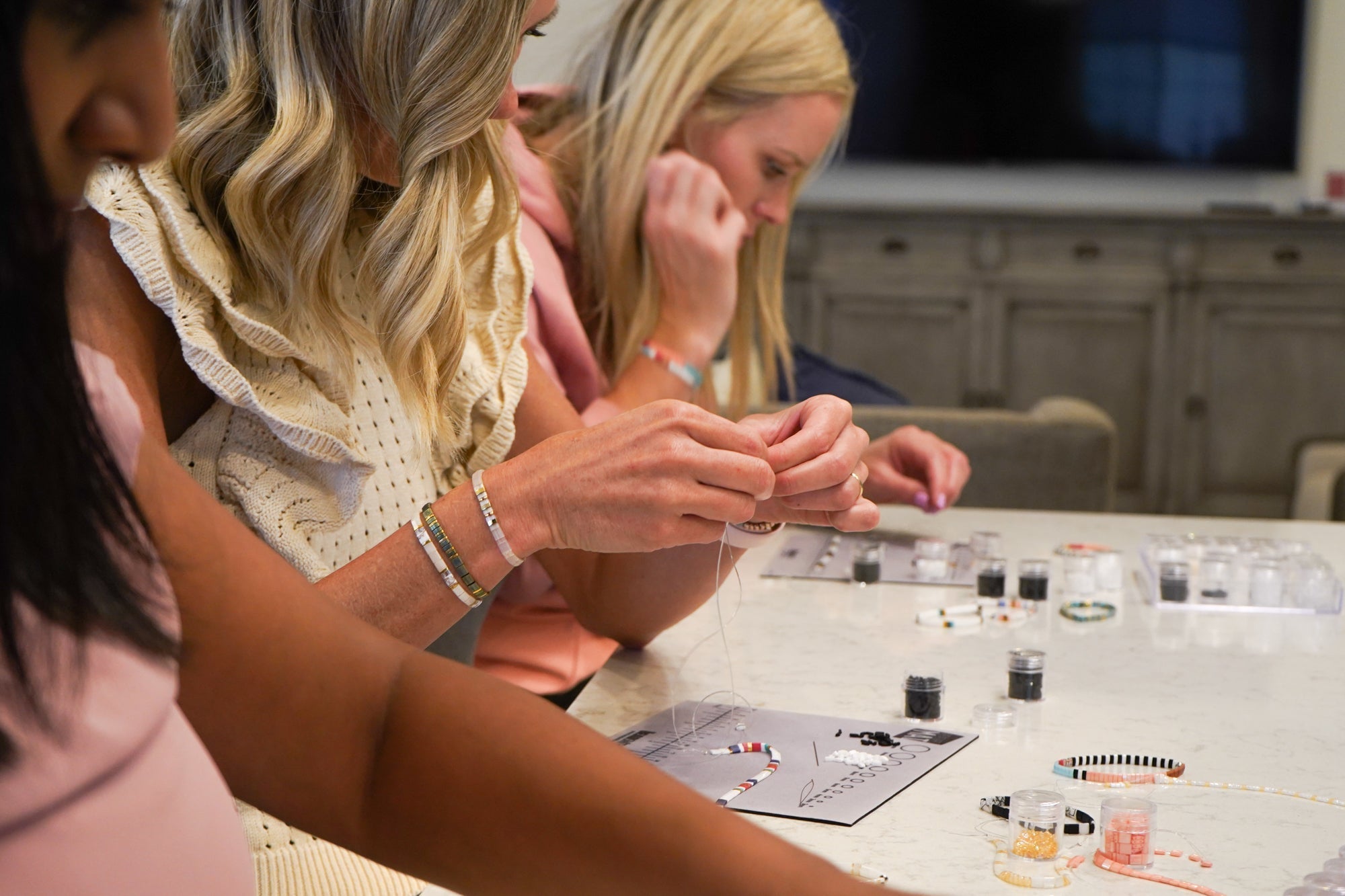
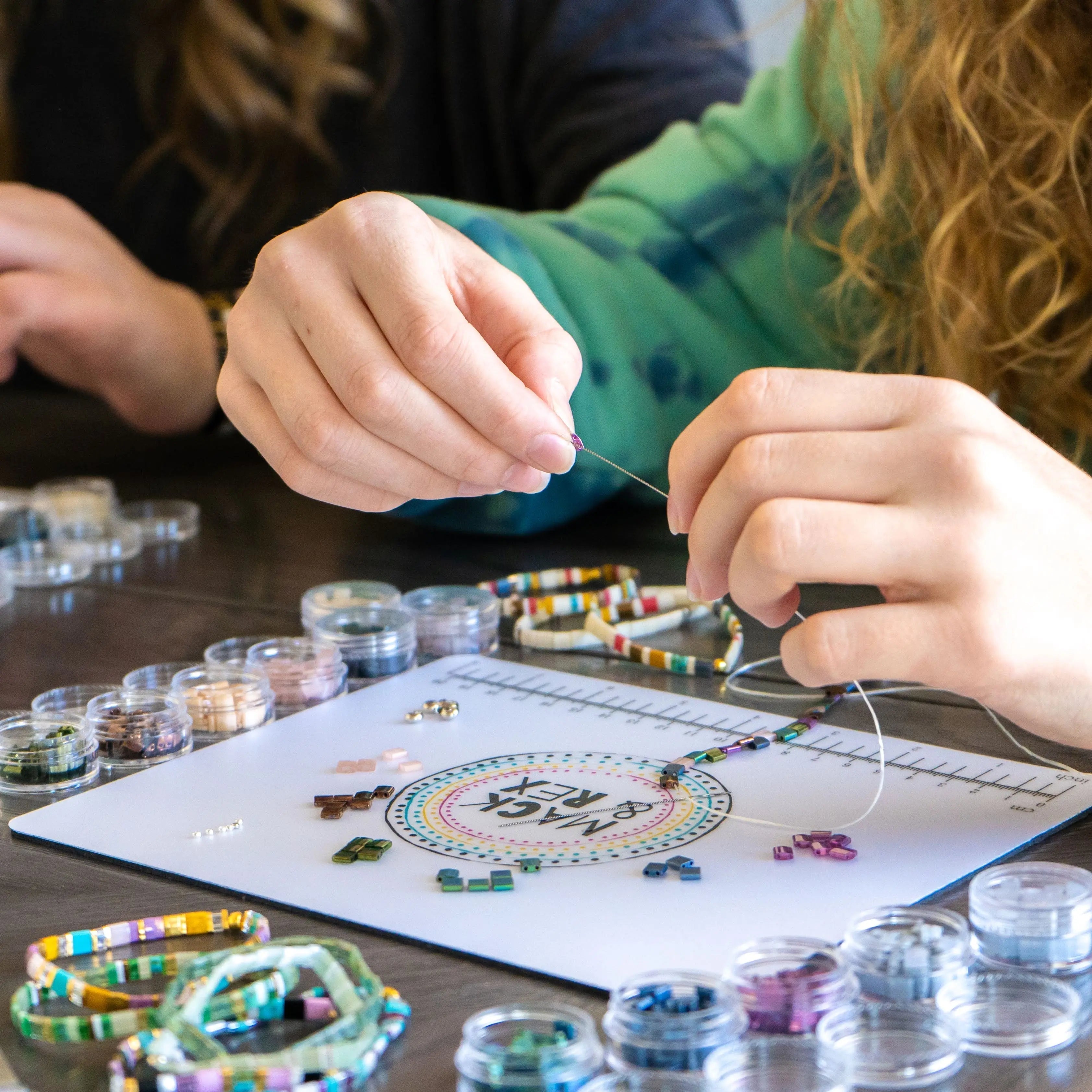
Yes, for most groups, with a few real conditions attached. Bracelet making kits work well for classrooms, scout troops, birthday parties, and library programs because the project is fast, visual, and every kid walks away with something they made themselves. The conditions: enough beads and tools to go around, a flat table surface, and an adult who can float and help with the stretch-cord step. Skip it only if the group is mostly toddlers or very young children who still mouth small objects.
How Much Time Does a Bracelet Making Activity Really Take?
Forty-five minutes, start to finish, is the honest number. Most bracelet making kits use pre-cut stretch cord and sorted beads, so stringing a single bracelet usually runs 20 to 45 minutes depending on the pattern and how many kids need help tying off the ends. Budget the first 10 minutes of any session for handing out supplies and showing the group the stretch-cord step once, together, before anyone starts on their own.
A standard one-hour class period or troop meeting fits one finished bracelet with time to spare. A 90-minute slot, which is closer to a typical party or after-school block, leaves room for a second bracelet or a redo for the kid who dropped half their beads on the floor. That kid exists in every group. Plan for them.
What Age Groups and Group Sizes Actually Work Best?
Older kids, tweens, teens, and adults get the most out of a group bracelet session. The beads and cord are genuinely small parts, so the activity rewards some hand control and patience that younger children typically haven't developed yet. Group size scales fine, a handful of friends at a kitchen table or a full classroom of 25 to 30, as long as one adult per 8 to 10 kids can circulate and help with knots and clasps.
This isn't a claim about what the activity teaches anyone. It's simply a fun, hands-on project that fits a group setting, and the fit gets better as the group gets older. A troop leader running a mixed-age meeting might split older scouts into the bracelet station and give younger ones a different, simpler craft at the same table.
What Should a Teacher or Group Leader Watch For With Small Beads?
Treat every loose bead, crimp, and clasp as a choking hazard, because they are. The American Academy of Pediatrics notes that small, hard objects are a leading cause of choking injuries in young children, and the general guidance is close adult supervision any time small parts are out on a table, according to HealthyChildren.org's choking prevention guidance. Bracelet making kits are not built or marketed for very young children, and a group leader should keep anyone who still mouths objects away from the activity entirely.
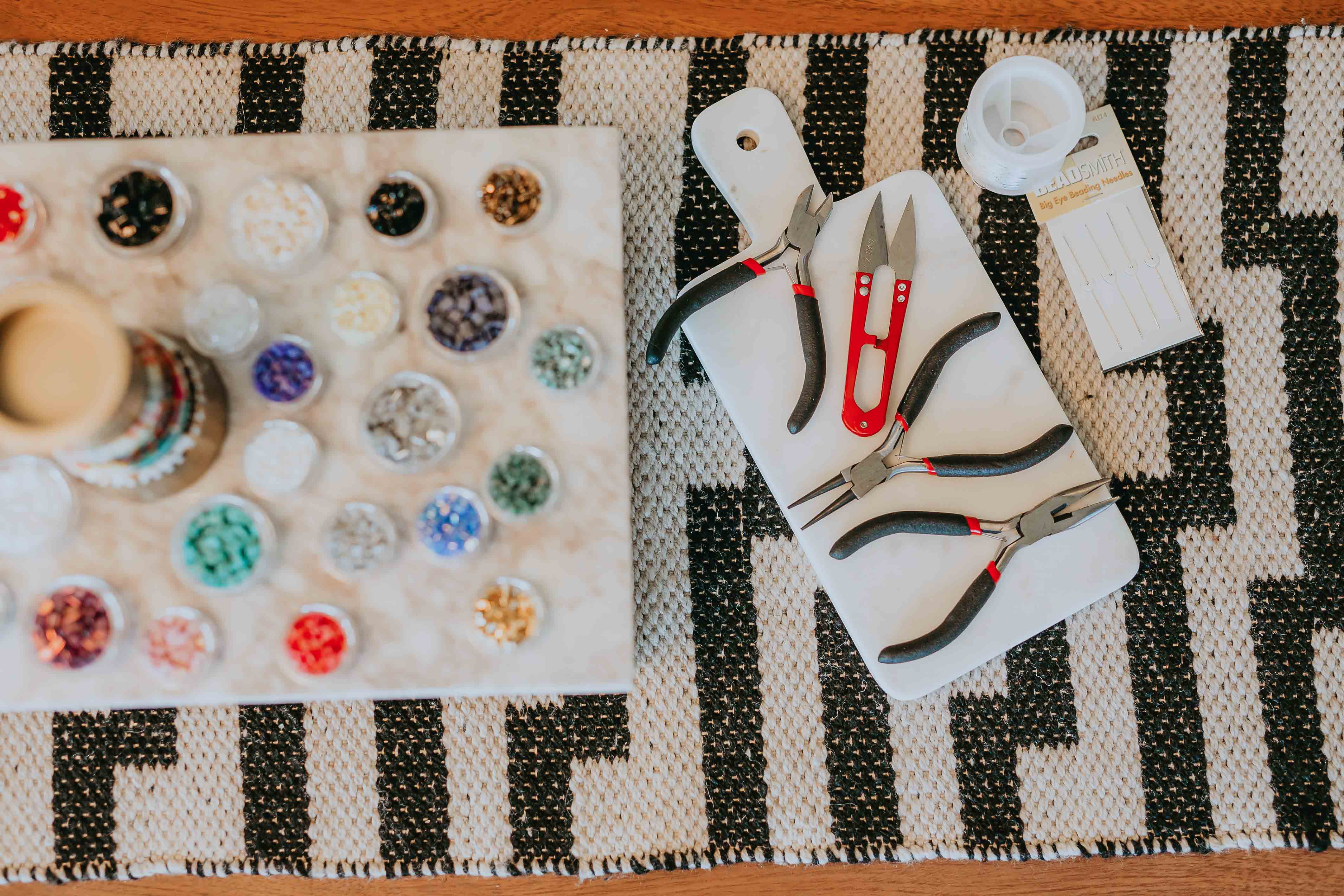
Practical steps help more than warnings alone. Give each kid a small tray or cup to keep their beads contained instead of a loose pile on the table. Sweep the floor and table at the end of the session, not just the trash can, since a dropped bead rolls farther than anyone expects. And count tools back in if the group is sharing a set of crimping pliers or scissors rather than each kid having their own.
How Much Does It Really Cost to Run a Group Bracelet-Making Activity?
The math depends on which kit size matches the group. The Tila Bead Starter Kit, which makes 20 bracelets, runs $189.99, or about $9.50 per kid for a class of 20. The Ultimate Tila Bracelet Kit, which makes 80 bracelets, runs $399.99, closer to $5 per kid once the group gets large enough to use that volume. For a small friend group or a book club night, the trio kits ($44.99 for three bracelets) or the DIY Bracelet Kit Club ($36.99 for three) land around $12 to $15 per bracelet, which works fine for six or eight people but gets expensive fast past that.
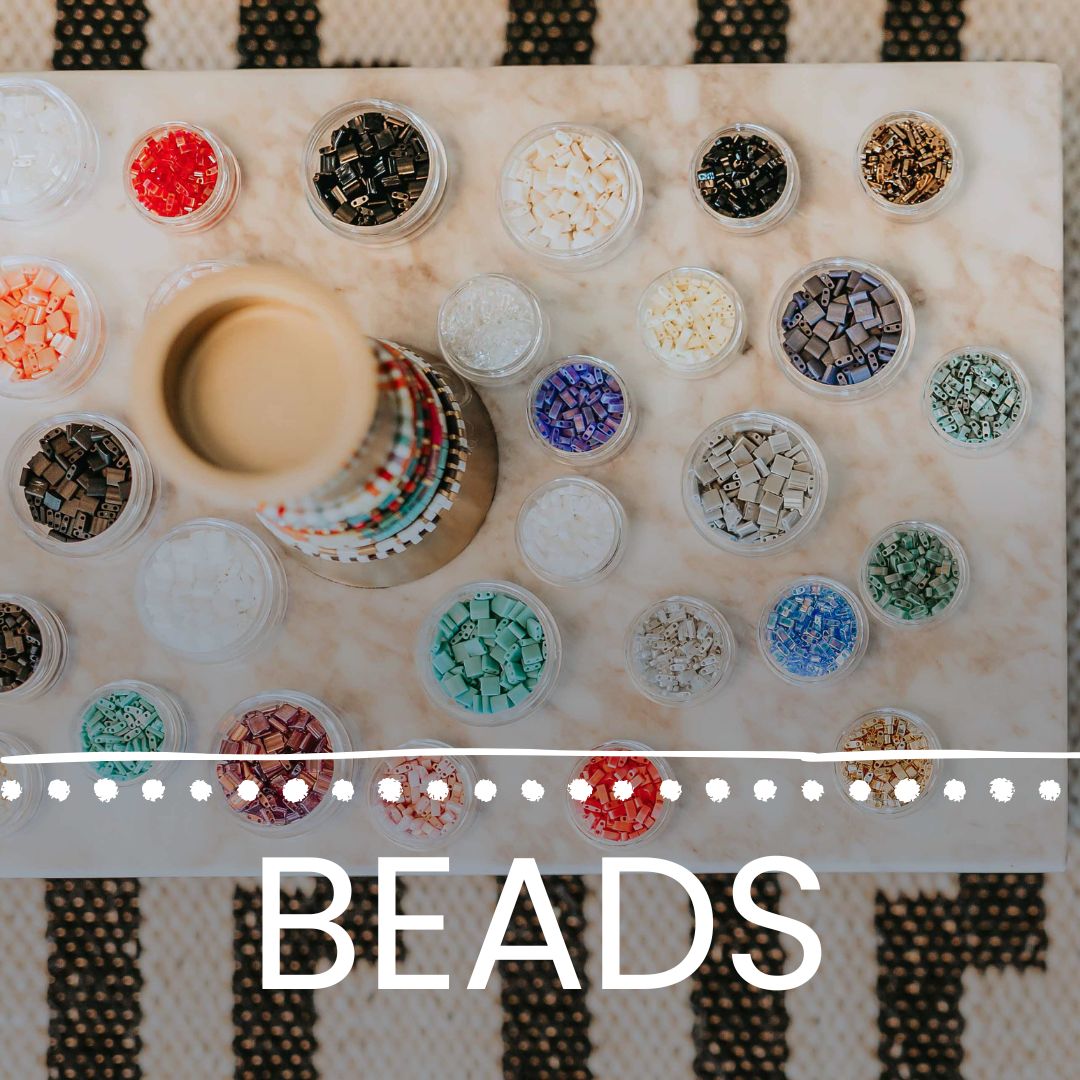
If a group already owns tools and just needs materials, pairing an all-in-one tools and supplies kit ($39.99 to $43.99, reusable across sessions) with individual bead mixes ($5 to $9 each) can stretch a budget further than buying full kits for every single kid. There isn't a separate classroom or bulk discount on top of that math right now. What does help: a full-class order usually clears $100, which qualifies for free shipping on US orders. International groups should expect shipping and any customs or duties calculated at checkout, since Mack & Rex ships worldwide but the free-shipping offer is US-only.
What Do You Need to Set Up Before the Group Arrives?
Flat tables first. Beading goes faster, and beads roll less, on a hard, even surface than on a lap or a bumpy picnic table. A small tray or shallow bowl per kid keeps their beads from migrating into the next person's pile, which matters more than it sounds like with a room full of 8-year-olds.
Pre-cut the stretch cord to length if the group is short on time, and consider pre-threading the first bead or two for younger or less patient kids so they aren't starting from scratch with cold fingers. Stringing beads onto stretch cord is a straightforward variation on bead-weaving techniques that have been part of craft traditions across cultures for centuries, as general references on the history of jewelry making point out, including Wikipedia's overview of jewelry making. Group craft sessions like this one sit in a long tradition of shared, hands-on activities done side by side rather than alone, a pattern Wikipedia's entry on arts and crafts traces back well before any modern classroom. One Mack & Rex customer summed up the appeal simply: "Colors are so beautifully curated, and cute little kits make it easy for anyone to make these stunning bracelets." That ease is exactly what a group leader needs when half the room has never strung a bead before.
Ready to Plan Your Group's Bracelet-Making Session?
Match the kit size to the headcount, not the other way around. A small friend group does fine with trio kits; a full classroom or troop needs the Starter or Ultimate size to make the per-kid math work. Browse Mack & Rex's bracelet making kits collection to see current sizes and pricing before you order, and order a few weeks ahead so a larger group order has time to arrive and get sorted into trays before the session.
Frequently Asked Questions
Are bracelet making kits a good classroom or group activity?
Yes, for most groups, with a few conditions. Bracelet making kits work well for classrooms, scout troops, birthday parties, and library programs because the project is fast, visual, and finishes in one sitting. The real conditions: enough beads and tools to go around, a flat table surface, and an adult watching younger kids around the small pieces.
How long does a bracelet making activity take with a group?
Plan on 30 to 45 minutes for one bracelet once supplies are handed out, longer for a first-timer or a more detailed pattern. A one-hour class period or troop meeting fits one finished bracelet comfortably; a 90-minute session leaves room for a second one or a redo.
What age group is best for a bracelet making kit activity?
Older kids, tweens, teens, and adults get the most out of it, since the beads and cord are small parts that need some hand control and patience. It is not a fit for toddlers or very young children, who should not handle loose beads without very close supervision.
Is there a bulk or classroom discount on bracelet making kits?
Mack & Rex does not currently run a separate classroom or bulk discount. The standing offers are free shipping on US orders over $100, which a group order for a full class usually clears, and buy 3 finished bracelets get 1 free, which applies to ready-to-wear bracelets only, not kits or loose beads.
What should a teacher or group leader watch for with bracelet making kits?
Beads, clasps, and the small tools in a kit are a choking hazard, so an adult should supervise the whole activity and keep a close eye on anyone who still puts objects in their mouth. Sweep the table for stray beads at the end so nothing gets left behind on the floor.