

Bracelet Making Set vs. Buying Beads Separately: Which Is Better Value?
Is It Really Cheaper to Buy Beads Separately Than to Buy a Bracelet Making Set?
A bracelet making set costs more upfront than a single pack of loose beads, but when you factor in elastic cord, a bead organizer, and multiple packs that actually coordinate, the gap closes fast. For most people making bracelets at home, a quality set is the better deal, fewer purchases, no guesswork on color, and you end up with something wearable at the end.
This comparison breaks down both paths honestly. There are real reasons to go either way, and the right choice depends on where you're starting from.
What Does Buying Loose Beads Actually Cost You?
The per-bead price on loose Miyuki Tila beads is genuinely attractive. A small bead mix might run $5–9, and if you already have cord and tools, that's a low barrier to entry.
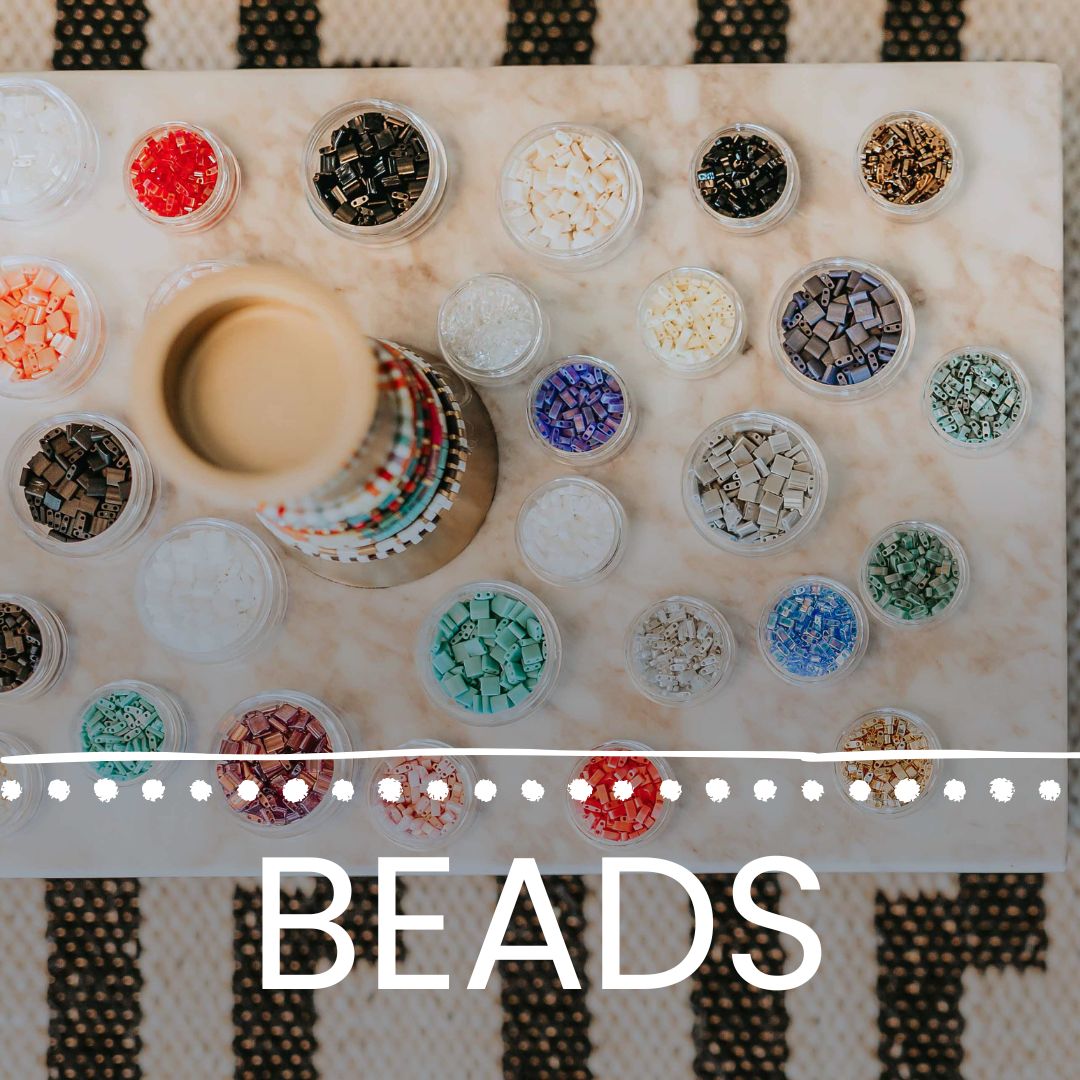
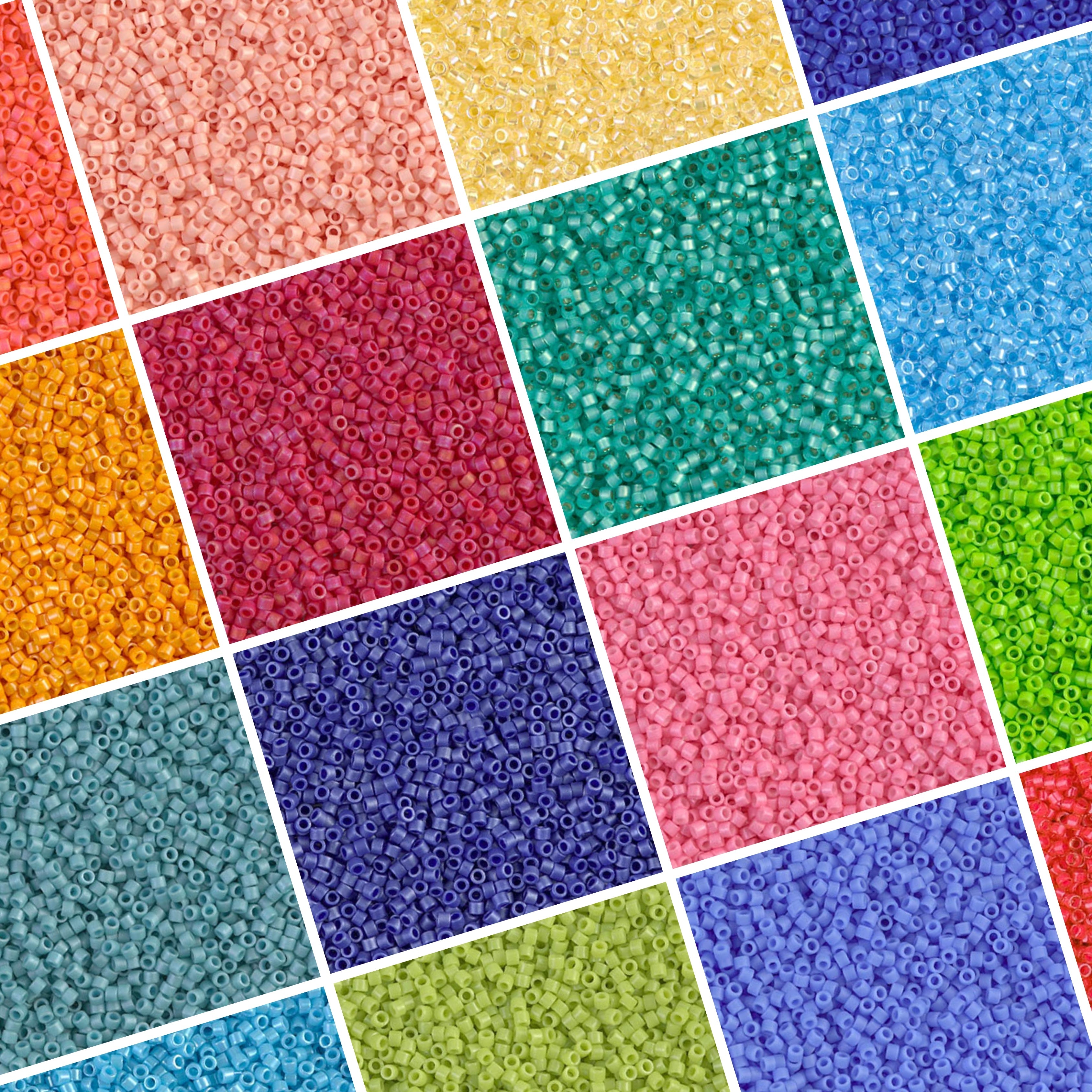
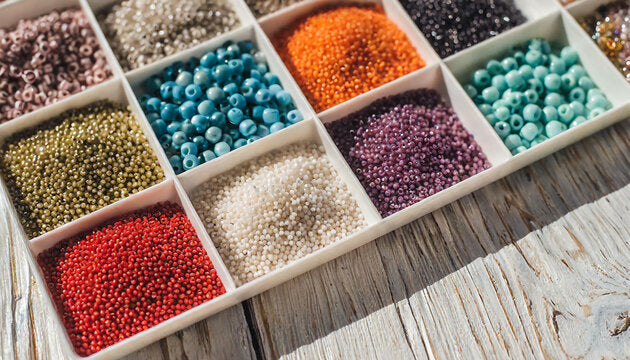
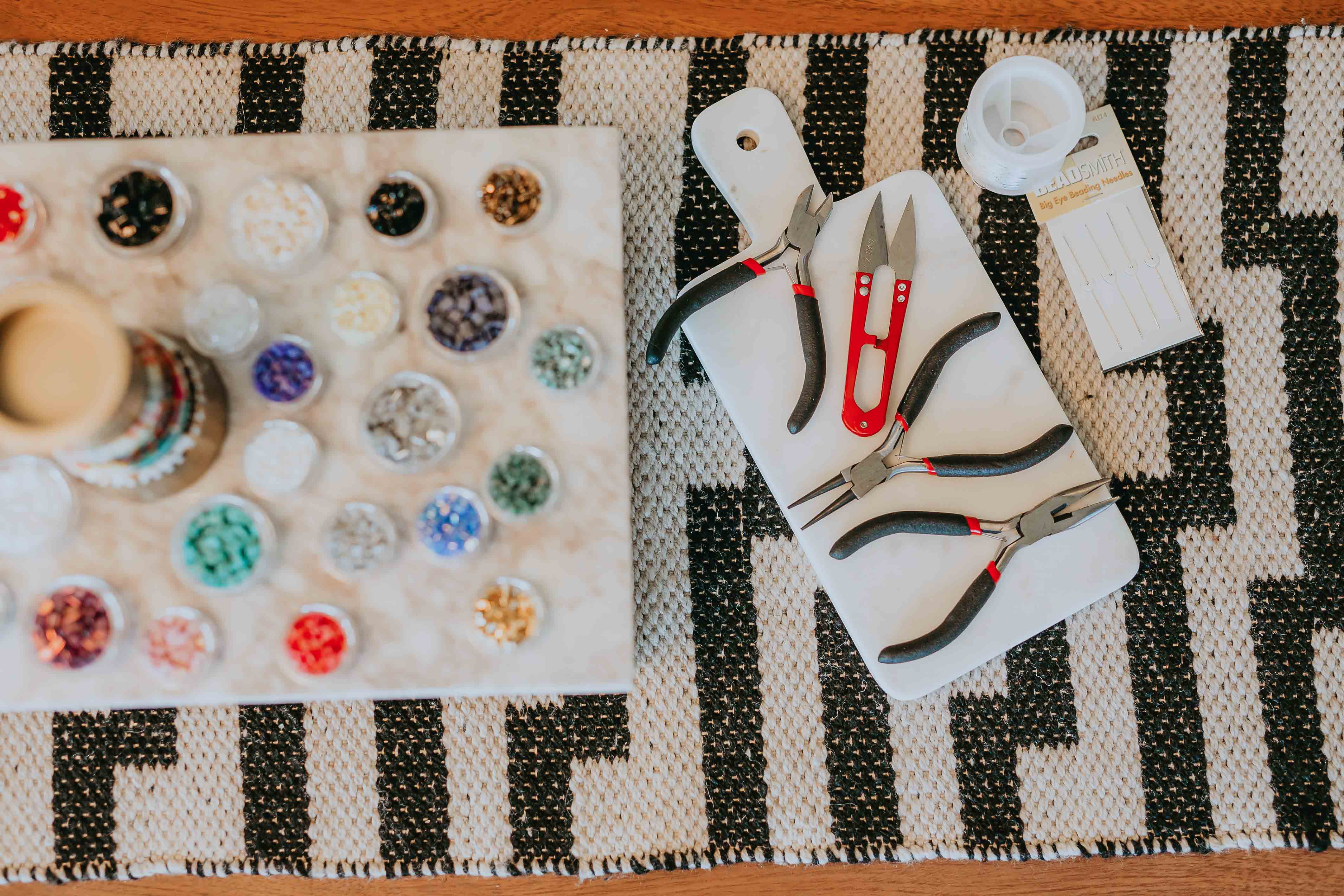
Here's where the math shifts: Tila beads come in hundreds of finishes and colorways. Picking colors that actually work together takes experience. New makers often end up with several packs of beads that don't quite go, then buy more to fix the combination. The cord is its own purchase. A proper elastic, something with real memory that won't snap after a few months, usually means buying separately from a specialty supplier rather than grabbing whatever's at the craft store.
By the time you've sourced beads, elastic, and a project idea that works, you've spent more than you expected, and you might not love what you made. That's not a failure, it's just the reality of building a craft supply stash from scratch.1
What Do You Actually Get in a Bracelet Making Set?
A complete kit. That's the short answer.
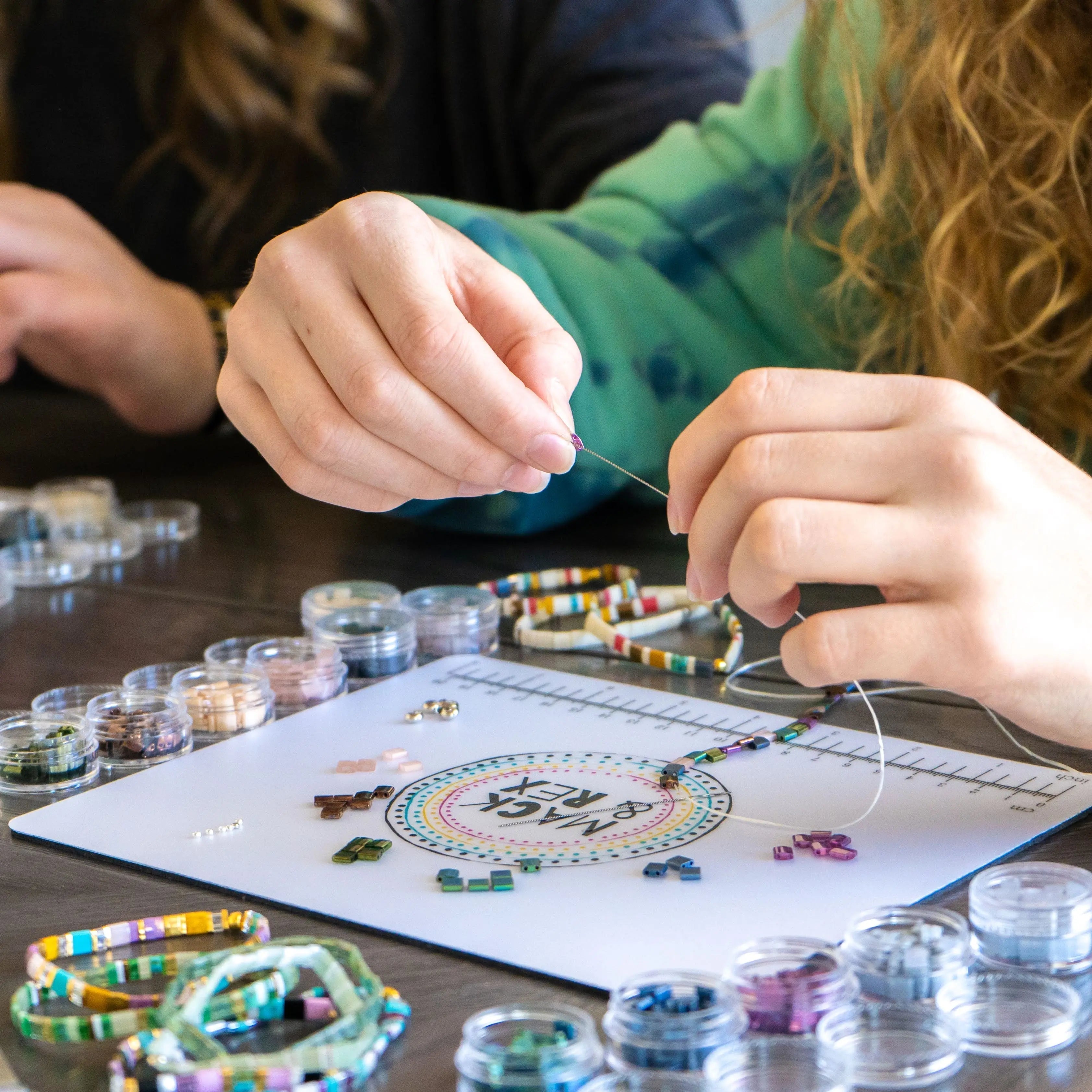
A quality bracelet making set bundles beads, elastic cord, and instructions into a package where the color decisions are already made. You're not hunting for combinations that work, someone with design experience already figured that out. The result is a faster, less frustrating project that ends with a bracelet you'll actually wear.
Mack & Rex bracelet making kits are built around Miyuki Tila beads, which are Japanese glass beads made to a consistent size and finish. Miyuki has been producing precision glass beads for decades, and Tila beads specifically, the flat, two-hole tile-shaped bead, are sought after by serious bracelet makers for their uniformity and clean look.2 The kits also use crystal-cord elastic, which holds its shape through daily wear in a way that thin craft-store elastic doesn't.
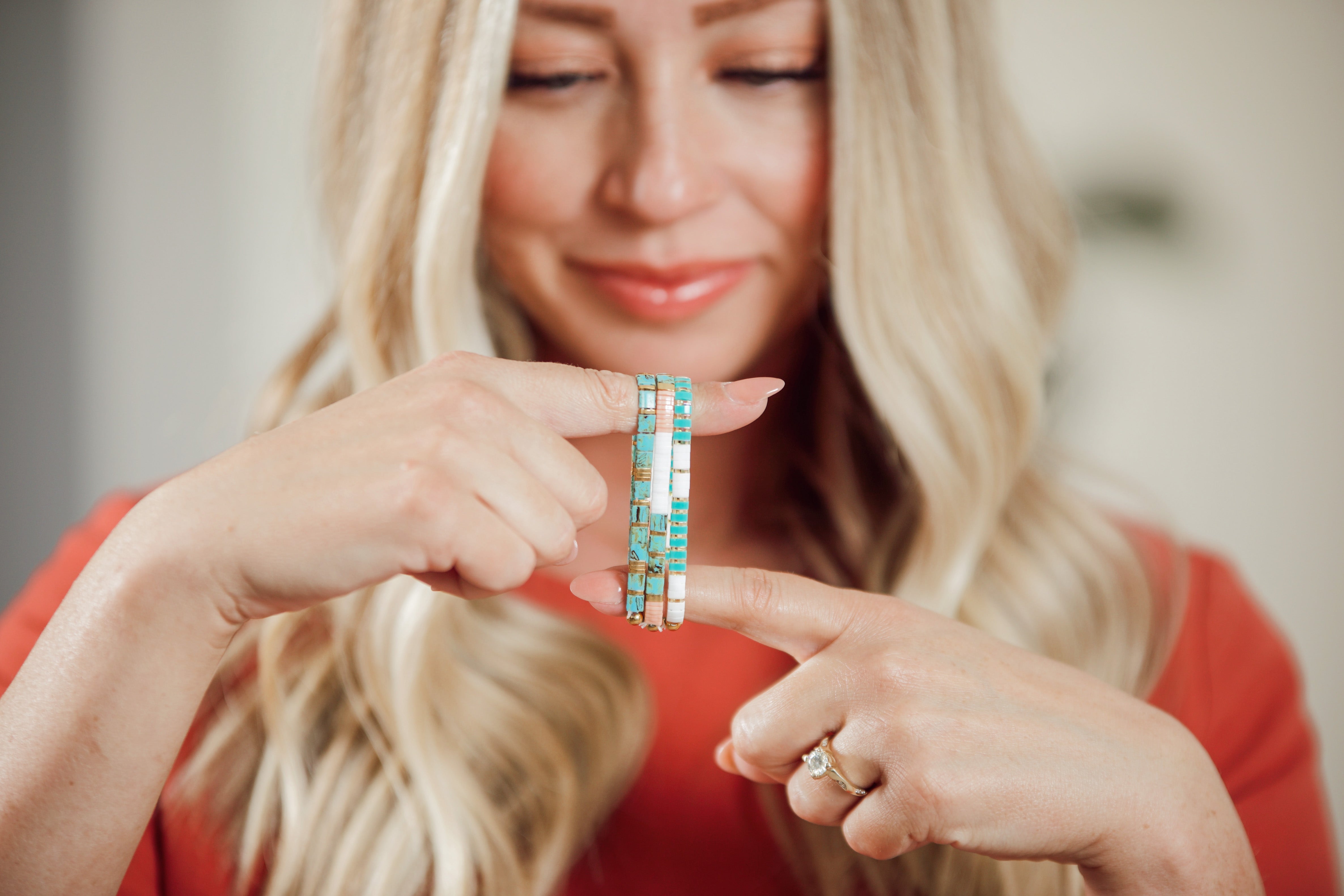
The trio kits, priced at $44.99, produce three coordinating bracelets. That's under $15 per finished bracelet with quality materials included. A single ready-to-wear Tila bead bracelet typically runs $20–25. By that measure, the kit is genuinely good value.
How Does Bead Quality Change the Finished Bracelet?
More than you'd expect from a small square of glass.
Miyuki Tila beads have very consistent dimensions, bead to bead, batch to batch. That consistency means your finished bracelet lies flat, the pattern is even, and the whole thing looks intentional. With lower-quality or inconsistent beads, the finished piece looks looser and less polished, even with the same pattern.
Glass also holds color differently than plastic. The finish in a glass bead goes through the material, so it doesn't scratch off or dull the way a painted plastic surface does. A bracelet made with quality Japanese glass looks the same after six months of daily wear as it did the day you strung it.3
One customer described it this way: "The elastic has not stretched out and the tiles are as beautiful as the day I got it. I love this company!" That kind of durability is the real return on spending more on materials up front.
When Does Buying Beads Separately Actually Make Sense?
There are real use cases. If you've been making bracelets for a while and have cord and tools already, loose bead packs make sense. You know what you want, you know which finishes work, and you're building out a specific color palette you've designed yourself.
Same if you're replacing a worn-out bracelet with a matching one, you want the exact bead color you used before, not a curated mix.
But for anyone starting out, or picking up a project for a family craft night, or wanting to make a gift, a set is easier, faster, and the results are better. You're not learning the materials and designing a color palette at the same time.
Which Is the Better Value for a Family Craft Night?
A bracelet making set, without question. Family craft nights work best when the activity is accessible and the result feels worth it.
A set with pre-curated colors means less sorting, fewer dead ends, and more time actually making. Kids old enough to work with small parts can follow the pattern alongside an adult. (One note: beads are small parts and a choking hazard, adult supervision is required any time children are crafting with beads, and these kits are not appropriate for very young children.)
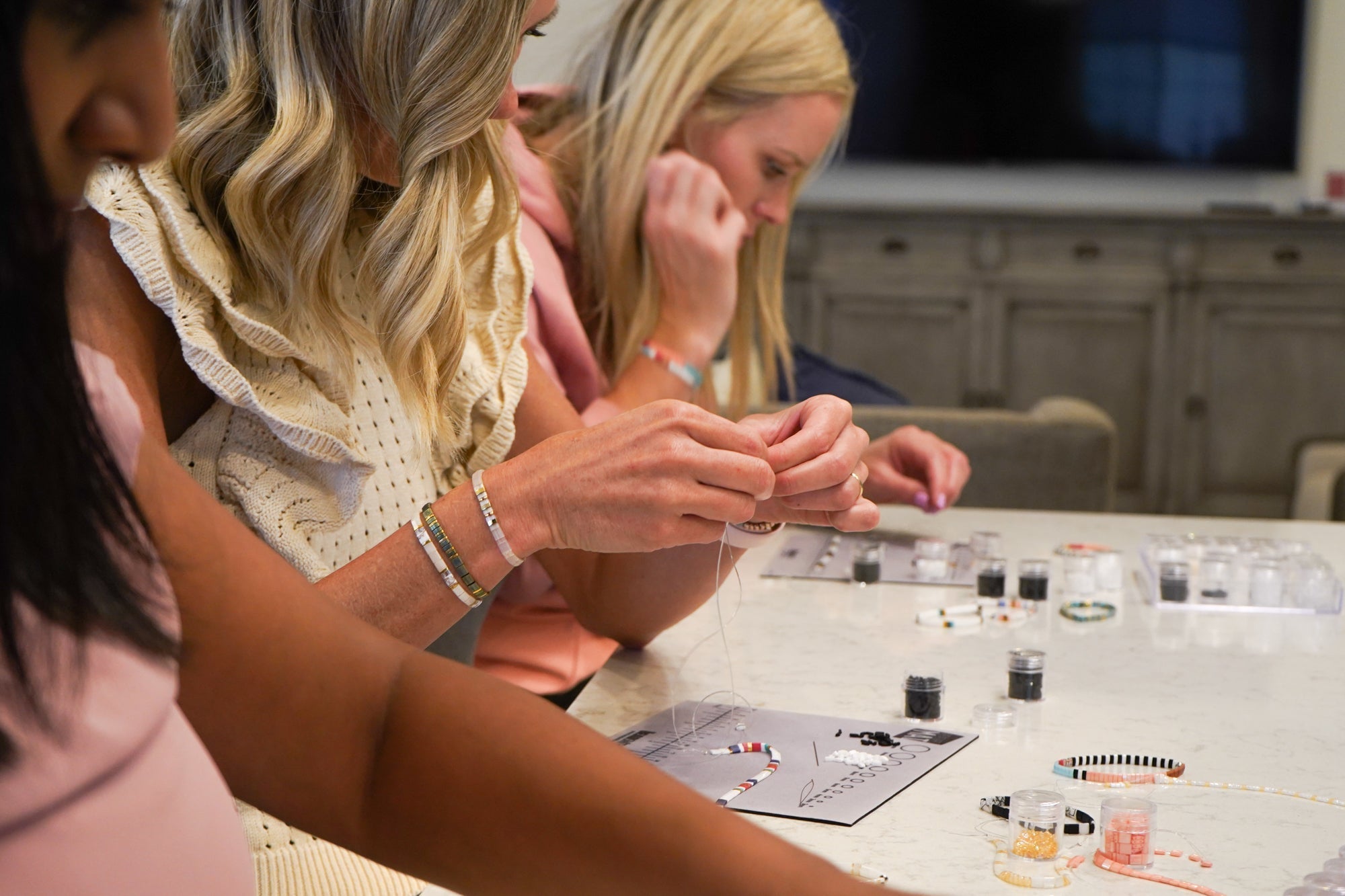
Mack & Rex started as that kind of family project, a mom making bracelets with her two daughters, Mack and Rex. That "make it together" angle is built into how the kits are put together. Trio kits produce three coordinating bracelets from one kit, which means everyone at the table ends up with something that matches.
The kits are also sized for real wrists. Mack & Rex bracelets come in sizes XXS through 5XL, so the finished bracelet fits whether it's for a 10-year-old or an adult with a larger wrist. That kind of range matters and it's harder to plan for when you're buying loose beads and winging the length.
So Which Should You Buy?
Loose beads are a solid choice if you're an experienced maker with supplies already on hand and a specific design in mind. For everyone else, beginners, gift-givers, families, and anyone who wants a finished bracelet without building a full supply stash first, a bracelet making set is the better path.
You get the materials, the color coordination, and the elastic in one purchase. The projects go faster. The results look better. And when the bracelet's done, you actually want to wear it.
One more thing: Mack & Rex ships free on orders over $100 (US only), and if you're adding finished bracelets alongside a kit, the buy-3-get-1-free offer applies with no code needed.
Browse Mack & Rex bracelet making kits, trio kits, starter kits, and larger sets, all built around Miyuki Tila beads and curated color palettes ready to go.
Frequently Asked Questions About Bracelet Making Sets
Is it cheaper to buy a bracelet making set or buy beads separately?
Loose beads can look cheaper per unit, but a bracelet making set includes elastic cord, color-coordinated beads, and instructions, supplies you'd have to buy separately otherwise. Once you factor in cord and multiple bead packs that actually coordinate, a quality set often comes out ahead on total cost and saves significant time.
What does a bracelet making set typically include?
A good bracelet making set includes beads in coordinated colors, elastic cord, and instructions. Higher-end kits like those from Mack & Rex use Miyuki Tila beads (Japanese glass) and crystal-cord elastic. Some sets, like trio kits, let you make three coordinating bracelets from one purchase.
When does buying loose beads separately make more sense?
Buying loose beads makes sense if you already have cord and tools on hand, want custom color combinations, or you're an experienced maker who knows exactly which bead sizes and finishes you want. For beginners or a specific project, a set is usually faster and more reliable.
Are Mack & Rex bracelet kits good for beginners?
Yes. Mack & Rex bracelet making kits include Miyuki Tila beads in curated color combinations, crystal-cord elastic, and step-by-step instructions. The trio kits produce three coordinating bracelets. You don't need extra supplies, and the color decisions are already made for you.
Are bracelet making kits safe for kids?
Bracelet making kits are suitable for older children and adults. Beads are small parts and a choking hazard. Adult supervision is required any time children are crafting with beads. These kits are not appropriate for very young children.