


Bracelet Making Supplies: What Runs Out First (and How to Restock)
What Bracelet Making Supplies Run Out the Fastest?
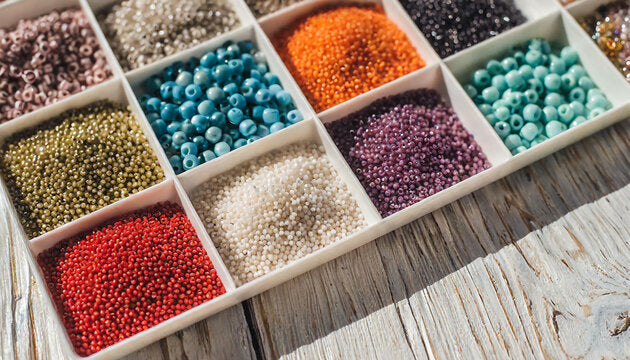
Beads and stretch cord win, every time. They're the two things you touch on every single bracelet, so they're the two things that vanish from your stash while your scissors and bead mat just sit there looking brand new.
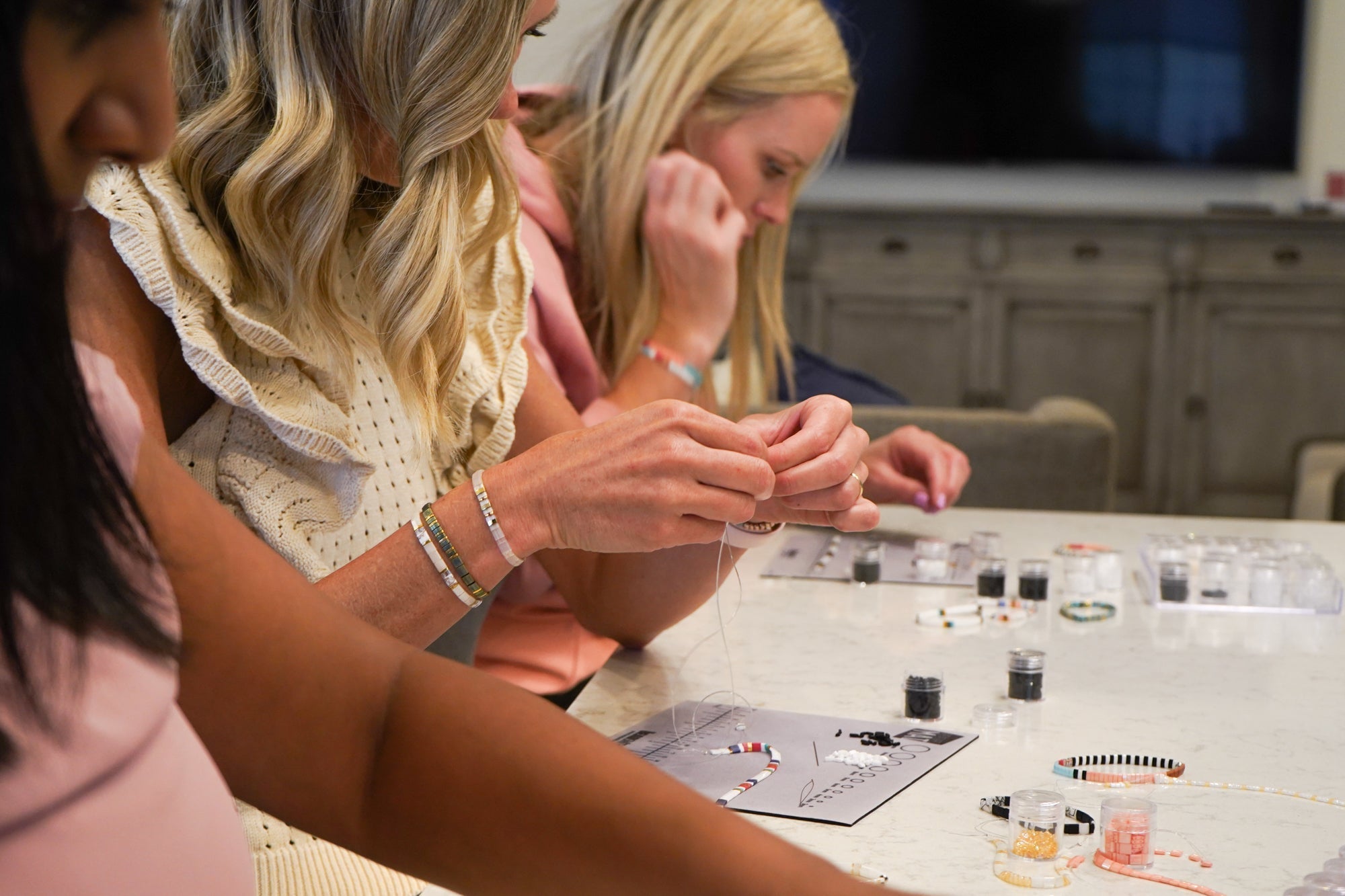
I learned this the hard way making bracelets for a school craft fair table. I had three pairs of scissors, a stack of bead trays, and a single spool of stretch cord that ran out halfway through a Saturday afternoon with four kids waiting for bracelets. The tools were never the problem. The consumables were.
Once you separate your bracelet making supplies into "buy once" and "buy again," restocking gets a lot less stressful. You stop guessing and start knowing exactly what's low.
Why Do Beads and Stretch Cord Disappear So Quickly?
Because they're consumed, not reused. A bead goes onto a wrist and stays there. Cord gets cut, knotted, sometimes wasted on a strand that came out crooked, and never comes back to the supply box.
Beads run out fastest when you fall in love with one color combo and make it five times in a row. It happens to everyone. Cord runs out fastest for a quieter reason: it degrades. Stretch cord that's been sitting in a hot car, a sunny windowsill, or a drawer for a couple years can lose its snap and turn brittle before you even use the whole spool. Fire Mountain Gems has good general guidance on storing and handling stringing materials so they hold up between projects.
A trick that saves me every time: keep a small "restock now" sticky note on the inside of your supply lid. When a bead color or your cord spool gets down to the last third, jot it down right then. Waiting until you're mid-bracelet to notice means you're stopping a project to go shopping when you should be finishing it.
What Bracelet Supplies Actually Last for Years?
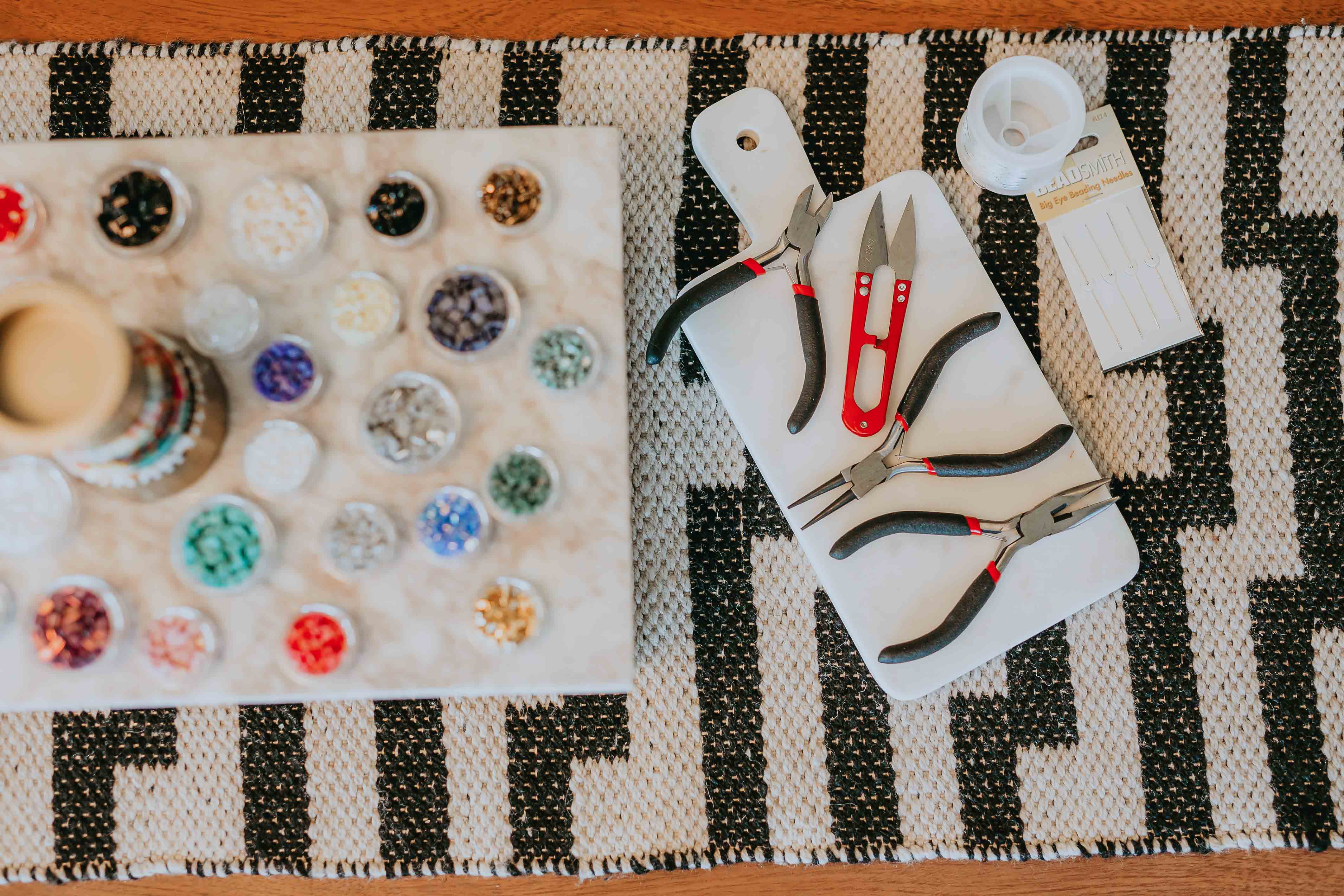
Your tools. Scissors, a bead mat, a bead scoop, beading needles, and storage containers are the workhorses of your kit, and none of them need replacing on any kind of schedule.
A decent pair of small, sharp scissors will outlast several years of bracelet-making if you keep them dry and don't use them on anything but thread and cord. A bead mat keeps beads from rolling off the table and it just needs a wipe-down now and then. Beading needles can dull eventually, but for stretch bracelets you often don't need a needle at all since the cord itself does the threading. Bead scoops and small storage bins are the closest thing to a forever purchase in this whole hobby.
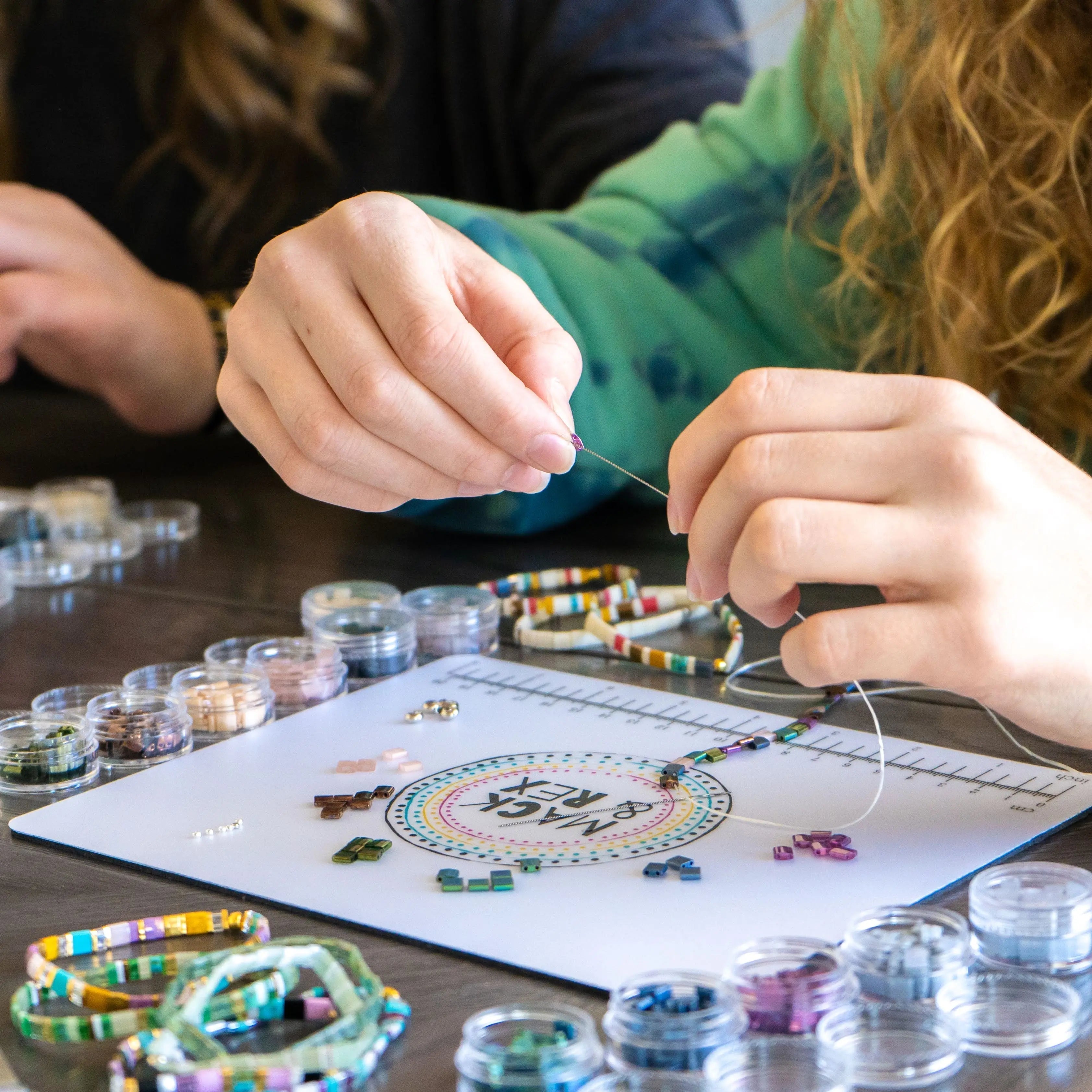
This is also where a starter kit earns its keep. Mack & Rex's All-in-One tools and supplies kit runs about $39.99 to $43.99 and bundles the tool side of things in one go, so you're not piecing together scissors, mat, and scoop separately. Buy the tools once, then spend your restocking budget where it actually gets used up.
How Much Should You Buy So You Don't Run Out Mid-Project?
Buy beads and cord in project-sized batches, not by the pound. A standard stretch bracelet on 5mm Tila beads usually takes somewhere around 30 to 34 beads depending on your wrist size and pattern, so a small mix built for two or three bracelets covers you with a little room for a mistake or a redo.
Overbuying beads is its own kind of clutter. A giant bag of one color you bought on a whim tends to sit untouched while you reach for the mixes you actually like working with. Beadaholique's project guides are a solid gut check for translating "I want to make three bracelets" into an actual bead count before you order.
For cord, buy a spool that's clearly labeled for stretch or elastic use and sized for bead bracelets rather than general craft elastic. A shorter spool used up within a year or two performs better than a long one that sits around losing stretch before you get to the end of it.
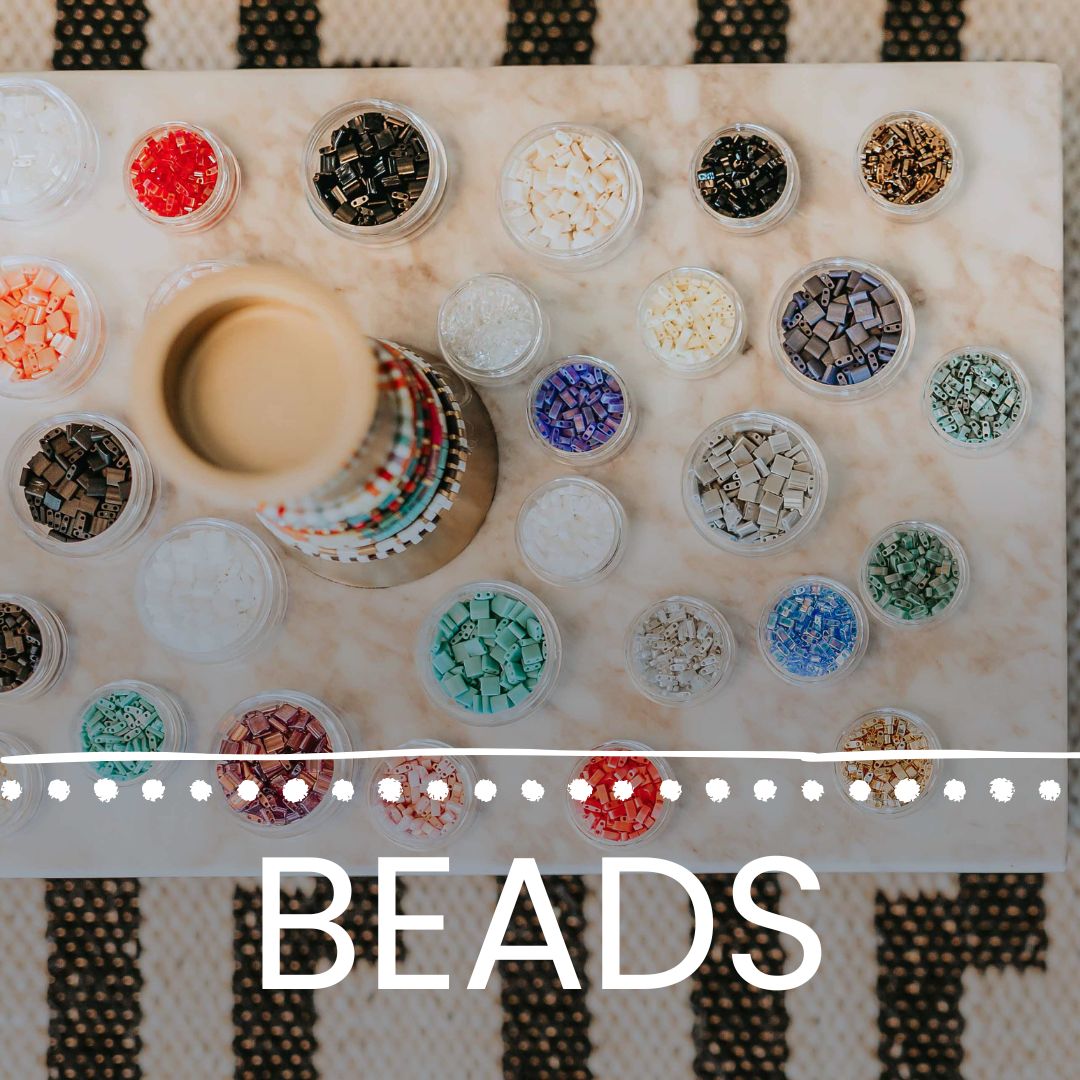
Mack & Rex's beading supplies collection is built around this exact idea, with Tila bead mixes priced around $5 to $9 sized for restocking a project or two at a time, rather than committing to a bulk bag you'll be staring at for years.
What's a Good Restocking Rhythm for Beading Supplies?
Check your consumables before you start a project, not after you run out. That one habit change fixes most mid-bracelet supply panics.
A simple rhythm that works for most bracelet makers: glance at your bead mixes and cord spool at the start of every session. If a color is down to a small handful or your cord is under a third of a spool, order it that day rather than waiting until you're actually stuck. Tools only need a once-a-season check, since they wear so slowly you'd otherwise forget to look at all. Craftsy's beginner jewelry-making resources are worth a look if you want a broader framework for organizing a craft supply routine beyond just bracelets.
If you're making bracelets with kids at the table, keep the smallest beads and findings in a container they can't easily tip over, and stay close by. Small beads are a choking hazard for young children, so this is one craft that really does call for an adult keeping an eye on things the whole time.
Restocking on a rhythm instead of a panic also means you can plan around Mack & Rex's offer for finished bracelets: buy three, get one free, no code needed. That deal applies to finished bracelets only, so it's a nice bonus once your own stash is stocked and you want a few ready-made ones for gifting alongside what you've made yourself.
FAQ
What bracelet making supplies run out the fastest?
Beads and stretch cord are your true consumables. Every bracelet eats into your bead stash, and elastic cord gets cut, wasted on knots, or replaced when it starts looking tired. Everything else in your kit, from scissors to a bead mat, is a one-time buy that lasts for years.
How often should I replace stretch cord?
Swap stretch cord any time you see it looking thin, cloudy, or stretched out, and always before gifting a bracelet. There's no fixed calendar date. Cord that's been sitting exposed to heat or sunlight loses stretch faster, so check it by feel before every new project.
How many beads do I need for one bracelet?
For a standard 7 to 7.5 inch stretch bracelet with 5mm Tila beads, plan on roughly 30 to 34 beads depending on pattern and spacing. Wrist size, bead size, and whether you're mixing in accent beads or spacers all shift that number, so a bit of extra stock beats coming up short mid-strand.
What beading supplies last the longest without wearing out?
Good scissors, a bead mat or tray, beading needles, a bead scoop, and storage containers can last for years with basic care. These are your one-and-done purchases. Beads and cord are the only things you'll need to buy again and again.
Is it better to buy beads in bulk or in small batches?
Buy bead mixes in small, project-sized batches unless you know exactly what you're making next. Loose beads in a drawer are easy to lose track of and easy to overbuy. A curated mix gives you enough for a few bracelets without a color you'll never use taking up space.
Note: Mack & Rex sells Miyuki and Tila beads as an authorized retailer; these are third-party trademarks and Mack & Rex does not manufacture them. Mack & Rex ships internationally, with shipping and customs costs calculated at checkout; free shipping applies only to US orders over $100.