

Bracelet-Making Supplies: What to Buy First Without Overspending
What Bracelet-Making Supplies Do You Actually Need First?
Four things: beads, stretch cord, a beading needle, and scissors. That's the whole list for your first bracelet. Everything else you'll see on a "beginner beading supplies" checklist, pliers, crimp beads, a bead mat, is nice to have but not required to finish a piece you'll actually wear.
It's easy to overbuy on your first trip to a craft aisle or an online cart. Kits and supply lists love to bundle a dozen items together, and most beginners end up with tools they don't touch for months. Start with the four basics, make one bracelet, and let what you actually struggle with tell you what to buy next.
Which Beads Should You Buy First?
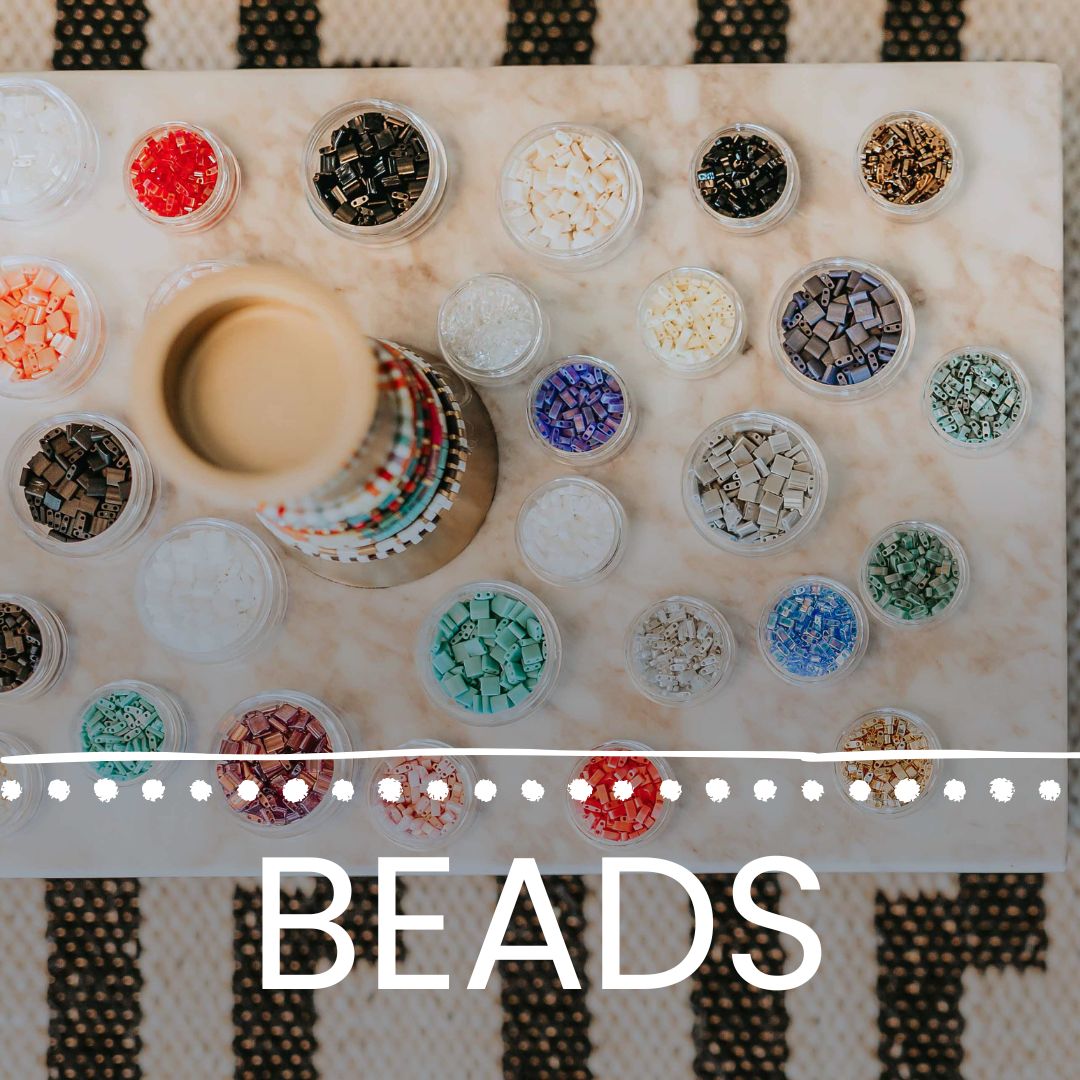
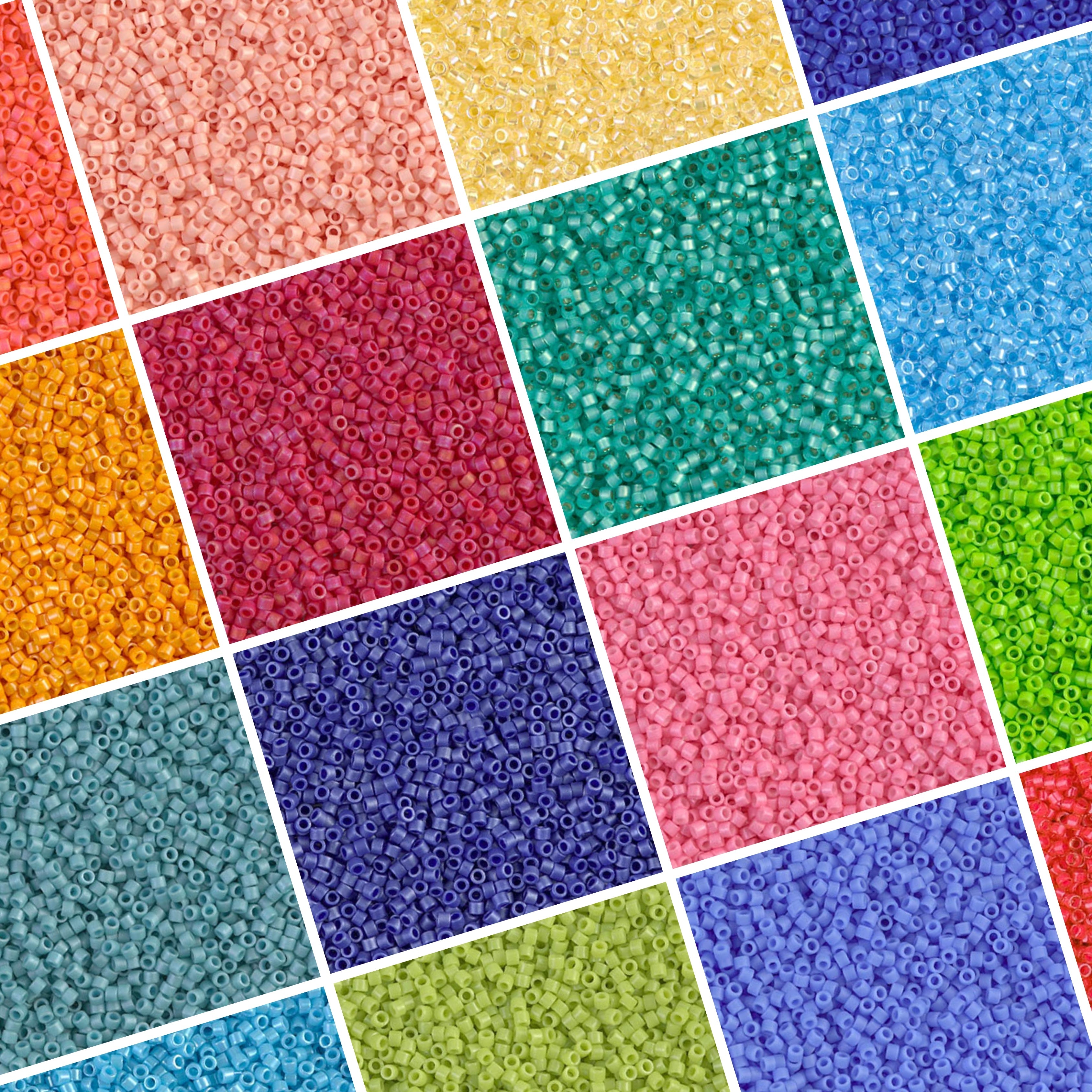
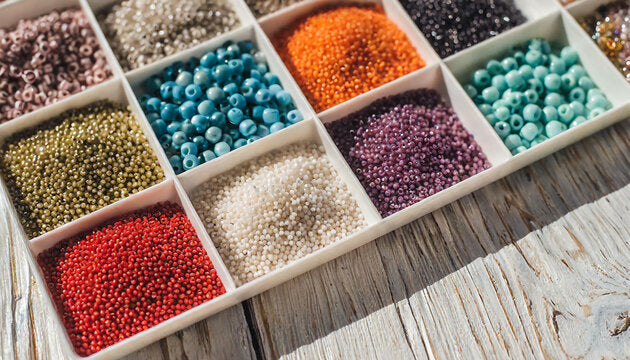
Buy one bead mix, not a rainbow of individual colors. A single Tila bead mix (roughly $5 to $9) gives you enough coordinated colors to make one full bracelet plus leftovers, without the cost or clutter of a dozen separate small bags.
Glass beads, like Miyuki's Tila line, cost a bit more than plastic or acrylic but hold their color and shape through daily wear rather than fading and chipping within a few weeks. Miyuki is a Japanese bead maker; Mack & Rex sources and sells their Tila beads, not the other way around. If budget is tight for your very first attempt, a cheaper acrylic bead is fine to practice technique on. Just don't expect it to hold up the way glass does once you're ready to make something you'll wear daily.
What Kind of Cord Do You Actually Need?
Stretch elastic, not string or wire. Crystal-cord elastic in the .5mm range is the standard for beaded stretch bracelets because it holds a knot, resists slipping through bead holes, and stretches over most hands without snapping.
Thin jewelry wire or plain craft string will technically hold beads too, but neither stretches, so you'd need clasps and exact wrist measurements to make a bracelet that fits and comes off again. Elastic skips all of that. One spool is enough for several bracelets, so this is a purchase that outlasts a single project, unlike a bead mix you'll use up in one sitting.
Do You Need a Special Needle?
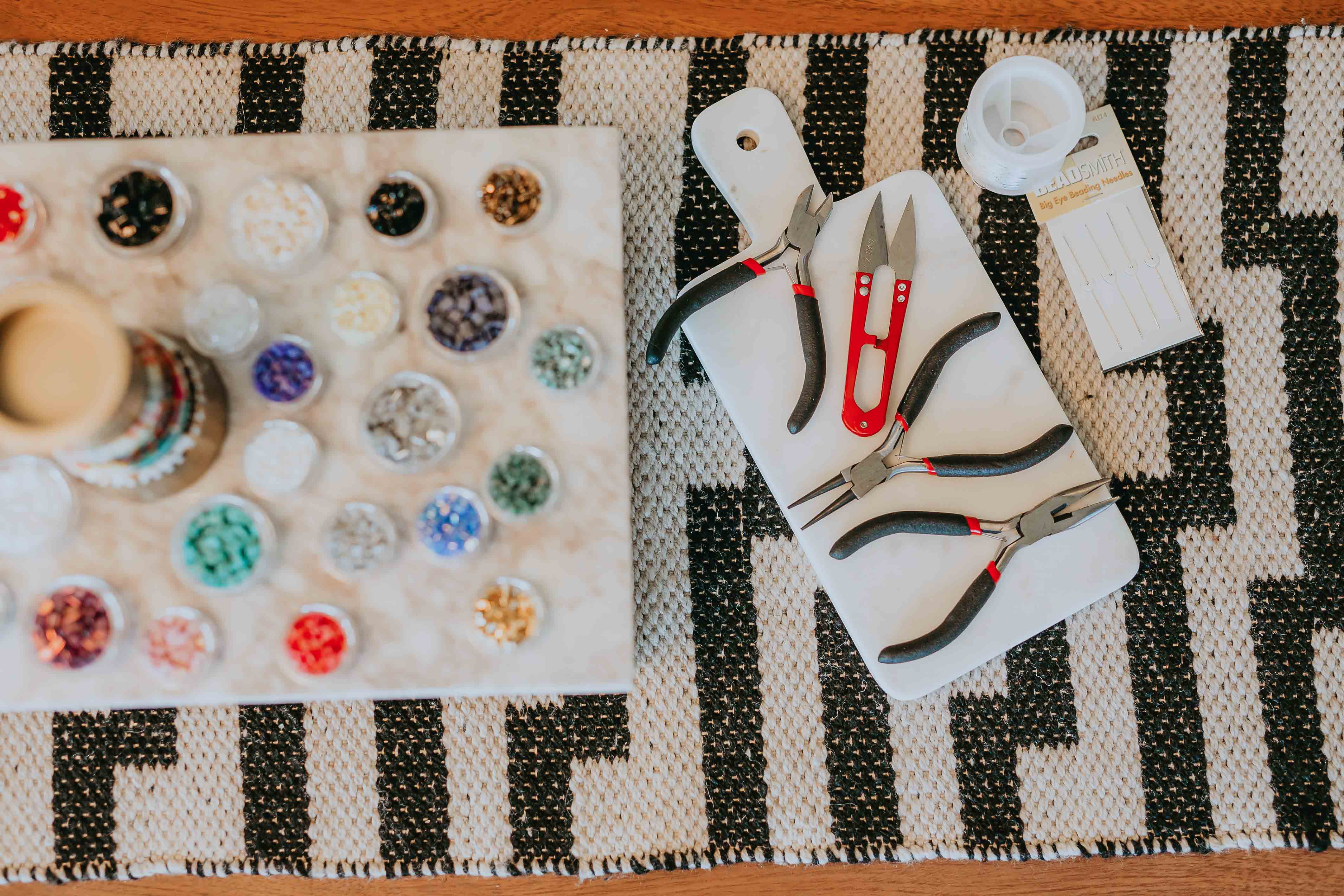
A beading needle isn't strictly required, but it makes stringing small-hole beads far easier and faster. Look for a lock-top beading needle specifically, one where the top pinches closed to hold the elastic in place while you thread beads onto it.
Without a lock-top needle, elastic slides right back off while you're working, which is the single most common reason a first attempt turns frustrating. A pack of two or three costs only a couple of dollars and saves real time. Scissors round out the basics: any craft or kitchen scissors sharp enough to trim elastic cleanly will do the job.
What Can Wait Until Later?
Pliers, crimp beads, knot covers, and a bead mat can all wait. Your first bracelet can be finished with a simple double or triple knot in the elastic, trimmed close and tucked into a nearby bead to hide it.
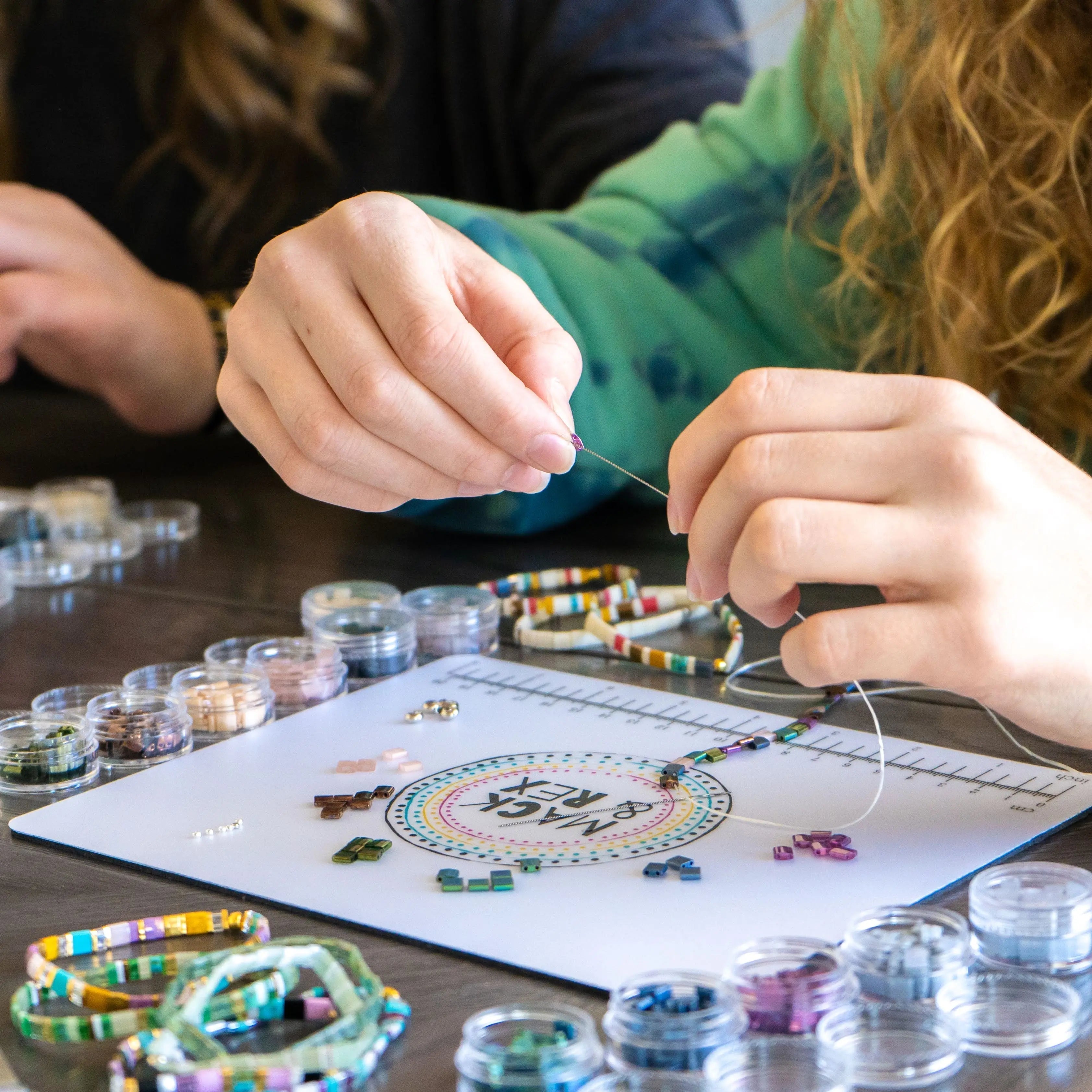
Once you've made a bracelet or two and know you like the process, those extras start to earn their place. Crimp beads and pliers give you a more secure, professional-looking finish that holds up to more stretching over time. A bead mat with a built-in ruler makes sizing faster since you can measure your wrist as you build rather than guessing and re-stringing. None of it matters on bracelet one. It matters more by bracelet five.
When Does an All-in-One Kit Beat Buying Piece by Piece?
Once you're planning to make more than one bracelet, a kit usually wins on price and convenience. A single trio kit runs $44.99 and includes beads, cord, and tools for three finished bracelets, compared to buying a bead mix, a cord spool, a needle pack, pliers, and crimp supplies separately across several purchases.
Mack & Rex's all-in-one tools and supplies kit ($39.99 to $43.99) is built for the opposite case: you've already got beads you like and just need the tools, cord, needles, and crimp hardware in one order rather than five. And for anyone who wants a steady flow of new projects rather than a one-time purchase, the DIY Bracelet Kit Club ($36.99 a month, three bracelets) ships a new bead lineup on a schedule so you're not restocking supplies yourself every time.
If you'd rather browse everything in one place and compare, the Mack & Rex bracelet-making kits collection lays out the trio kits, starter kits, and the tools-only option side by side so you can see what's actually included before you buy.
How Much Should a Beginner Budget to Start?
Piece by piece, plan on $12 to $20 for one bracelet's worth of beads, cord, a needle, and scissors. That's the cheapest possible entry point, and it's a fair way to test whether you enjoy the craft before spending more.
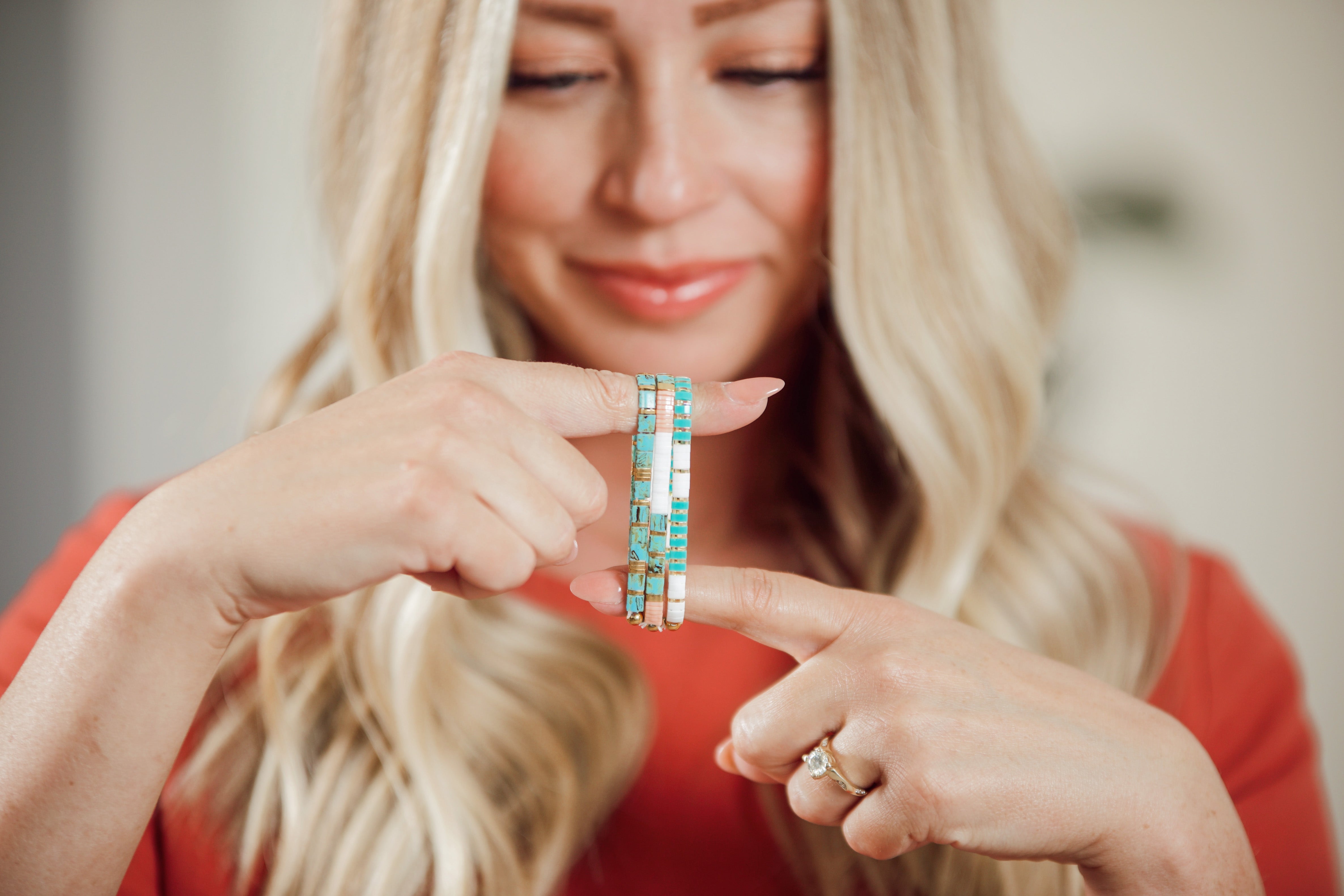
Once you know you want to keep going, kits change the math. A trio kit at $44.99 works out to under $15 a bracelet once tools are included, and those tools are reusable for every bracelet after that. For reference, buying finished, ready-to-wear bracelets rather than making your own runs about $20 to $25 each at Mack & Rex, so making your own starts paying off once you're past your second or third piece. Worth noting: a single $44.99 kit won't clear Mack & Rex's $100 free-shipping threshold on its own (that offer applies to US orders only), but pairing a kit with a bead mix or a second kit often will.
Is Bracelet Making Safe to Do With Kids?
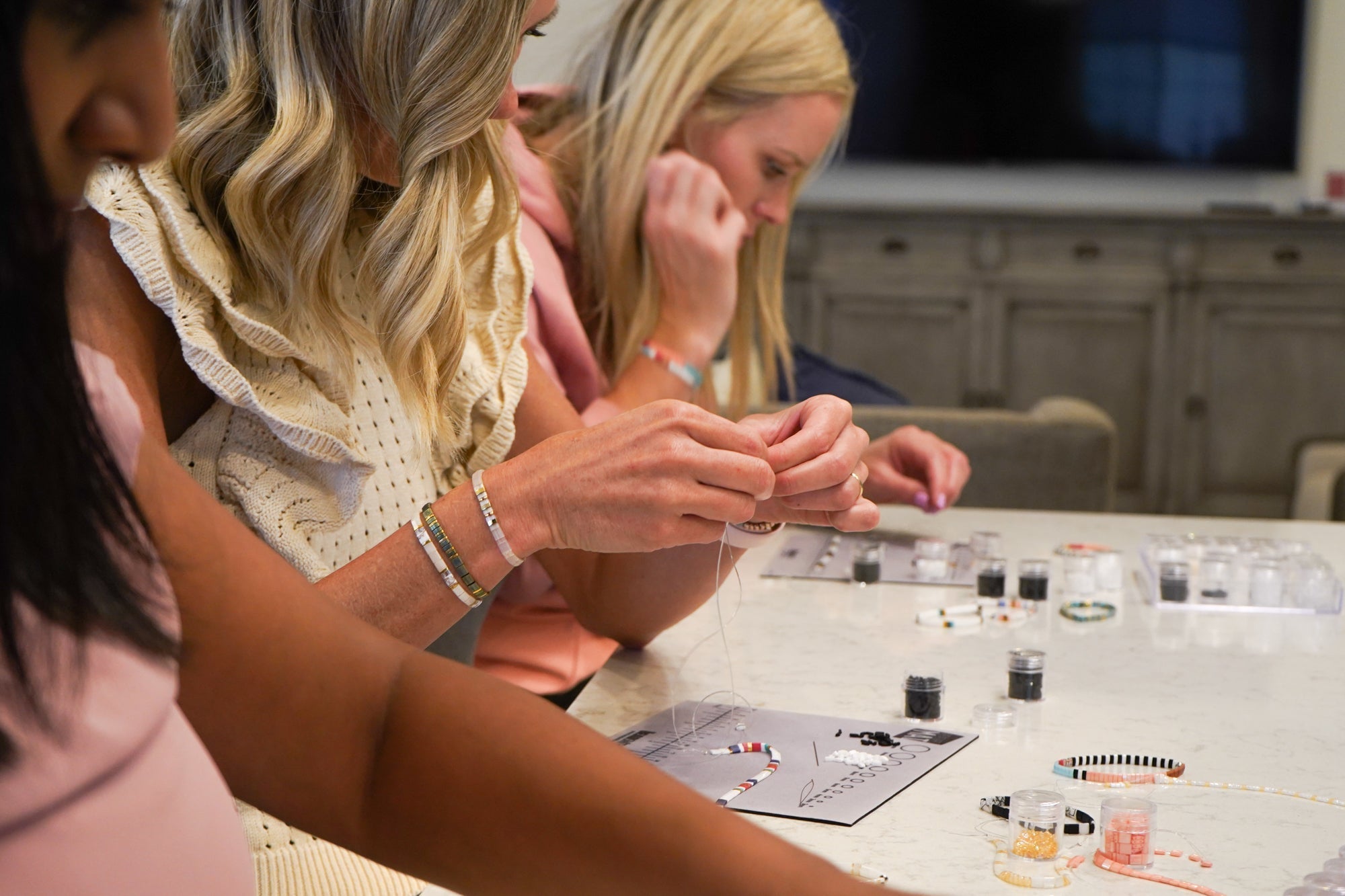
It can be a good project to do together, with the right precautions. Beads, crimp beads, and knot covers are small parts and a real choking hazard, so keep loose supplies away from young children and have an adult at the table anytime kids are involved.
Mack & Rex started as a project between a mom and her two daughters, Mack and Rex, so making bracelets together is very much the point of the brand. That said, "together" means supervised. Older kids and teens past the stage of putting small objects in their mouths can generally help with stringing and knotting under an adult's watch; younger children should stick to picking bead colors while an adult handles the loose pieces.
Frequently Asked Questions
What are the minimum bracelet-making supplies you need to start?
You need beads, stretch cord, a beading needle, and scissors. That's the full list for a first bracelet. Pliers, crimp beads, knot covers, and a bead mat make the process cleaner and more durable, but none of them are required to finish your first piece.
How much does it cost to start making bracelets?
Buying supplies piece by piece for one bracelet's worth of beads, cord, a needle, and scissors typically runs $12 to $20. A complete kit with tools included, like Mack & Rex's trio kits at $44.99, costs more upfront but covers three bracelets and reusable tools rather than a single one-off purchase.
Is it cheaper to buy a bracelet-making kit or gather supplies separately?
It depends how many bracelets you plan to make. For a single bracelet, buying pieces separately is usually cheaper. Once you're making two or more, a kit that bundles tools with beads and cord usually costs less per bracelet than sourcing each item on its own.
Do I need special beads, or will any beads work for a bracelet?
Any bead with a hole large enough for your cord will technically work, but bead material affects how long the bracelet lasts. Glass beads, like Miyuki Tila beads, hold color and shape better than plastic or acrylic beads, which tend to chip and fade with regular wear1.
Is bracelet making safe to do with kids?
Bracelet making can be a fun activity to do together, but beads, crimp beads, and knot covers are small parts and a choking hazard. Keep loose supplies away from young children and have an adult supervise closely anytime kids are at the table.
Ready to skip the separate shopping trips? Browse trio kits, starter kits, and the all-in-one tools option in the Mack & Rex bracelet-making kits collection, or see the full range of finished bracelets, loose bead mixes, and kits at mackandrex.com.
1. Wikipedia: Bead, general reference on bead materials and construction.
2. Wikipedia: Seed bead, background on glass seed and cylinder bead types used in beading.
3. Fire Mountain Gems: Encyclobeadia, general reference on beading materials and terminology.