

Bracelet Making Supplies That Are Worth It (and What to Skip)
What bracelet making supplies are actually worth buying?
Five things earn their spot: quality stretch cord, good beads with consistent holes, sharp small scissors, a bead mat or board, and some kind of divided storage. Spend your money there. Almost everything else in a big craft-aisle haul is optional for a first project.
Here's the short version of the whole guide. Buy well on the cord and the beads, because those decide how the bracelet looks and how long it lasts. Buy cheap on the rest and upgrade only when something actually annoys you. That's it.
Why does stretch cord matter more than anything else?
Stretch cord carries the full load of the bracelet. A thin or brittle cord gets loose, sags after a few weeks, or snaps at the knot. Choose a cord with some thickness and good recovery, then test it by pulling it a few times before you string.
Cord is the cheapest part of any bracelet and the one people skimp on most. Funny how that works. A spool of bargain elastic might save you two dollars, then cost you a bracelet that slides off a wrist in a week. Specialty bead retailers like Beadaholique carry several cord types and sizes, which helps if you want to compare thicknesses side by side.
A few cord habits are worth learning early. Pre-stretch the cord before stringing so it doesn't loosen after the first wear. Use a surgeon's knot, tighten it firmly, and let a small dab of clear glue dry before trimming. Keep the cord away from sunscreen and oils when you can. Mack & Rex bracelets use crystal-cord elastic for this reason, and the same cord comes in the kits.
Are better beads worth the extra money?
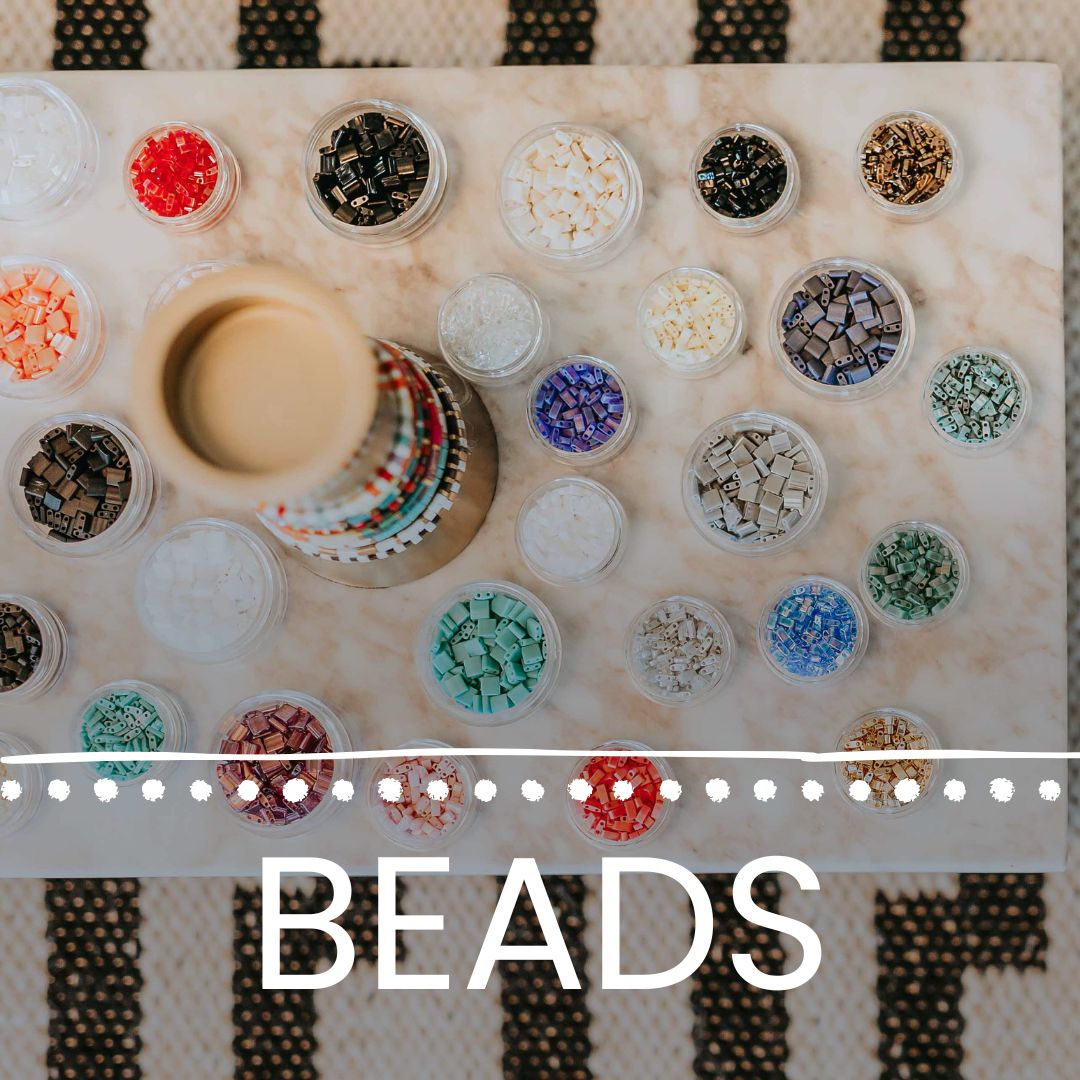
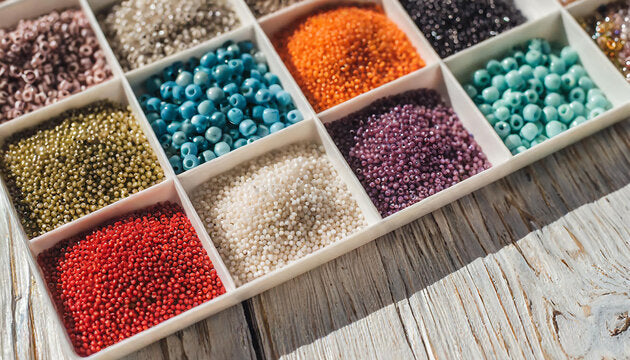
Yes, for stretch bracelets in particular. Beads with uniform size and clean, even holes sit flush, thread easily, and look polished. Cheap mixed beads often vary in shape and hole size, which means more fiddling, more rejects, and a wobblier finished bracelet.
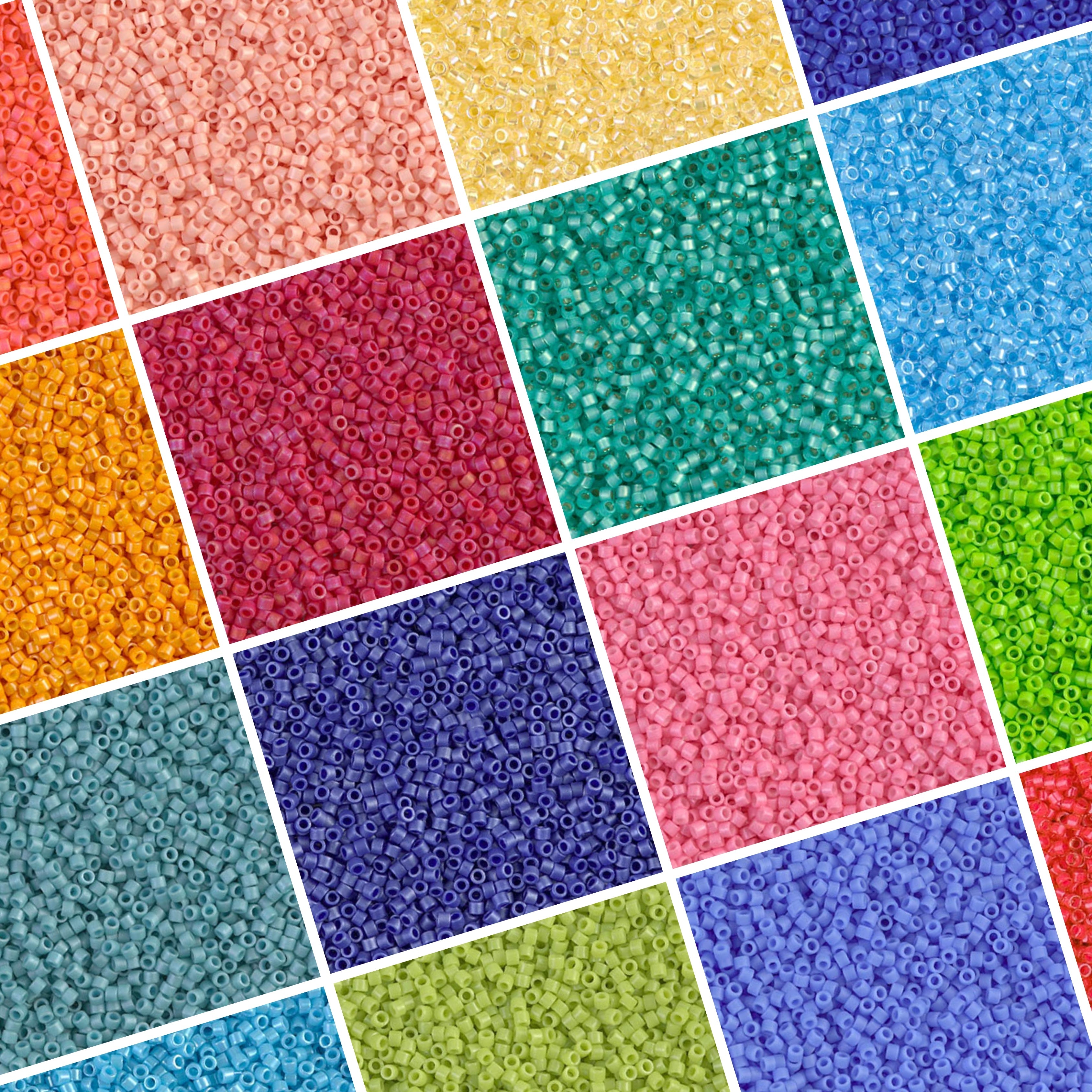
This is where seed bead quality shows up. Japanese glass seed beads are known for consistency, which is a big reason crafters reach for them in precision work (Wikipedia's seed bead overview covers the basics of how they're made and sized). Tila beads are flat, square-ish tiles with two holes, and they stack into that tidy, woven look. Miyuki makes both Tila and Delica beads, and Mack & Rex resells them.
On price, loose Tila mixes run about $5 to $9, and Delica 11/0 beads run roughly $8.50 to $14.50 depending on the color. That's a small spend for the part everyone sees.
Which tools do beginners really need?
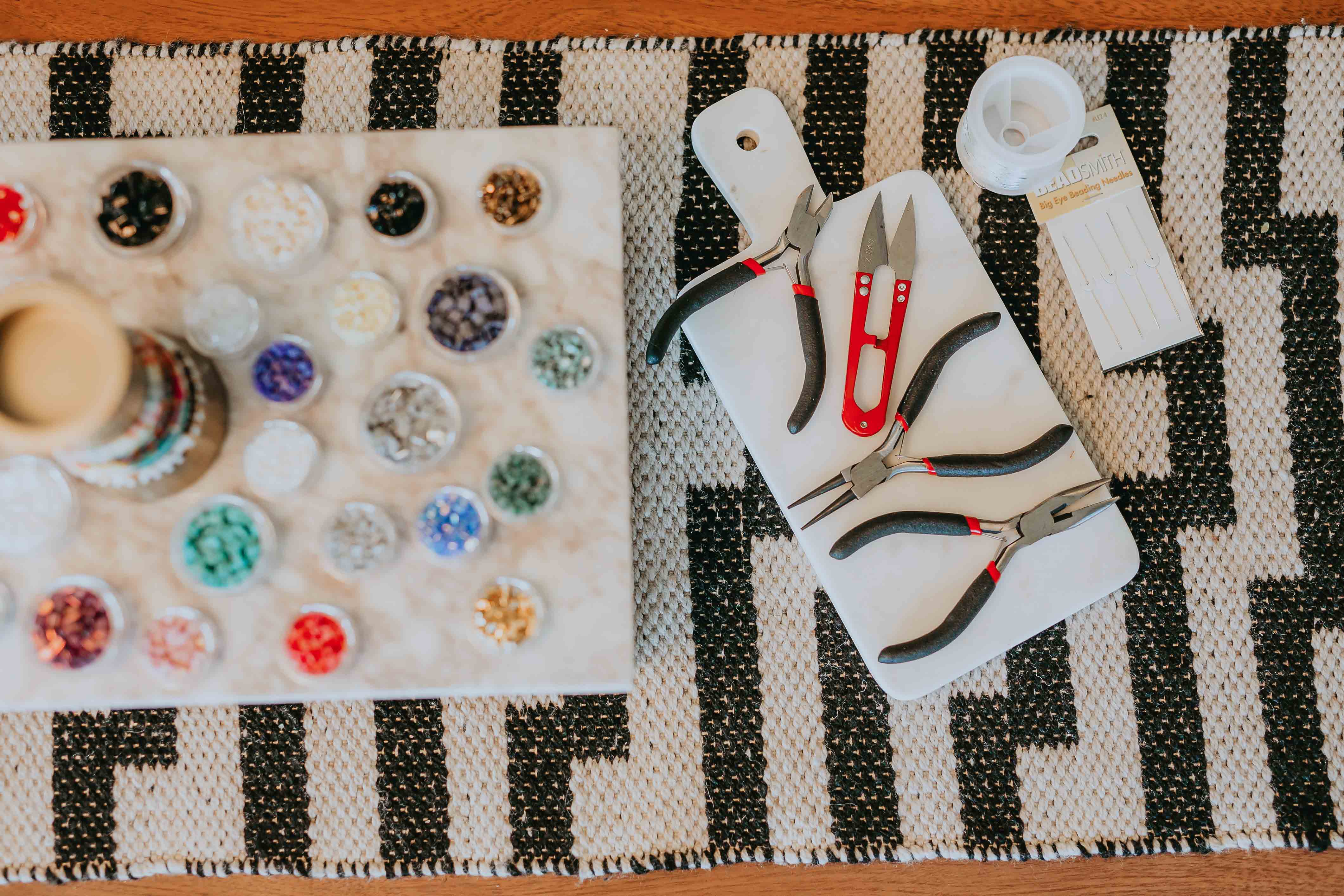
Not many. A sharp pair of small scissors, a needle or beading wire for threading tight holes, and a bead mat cover nearly every stretch bracelet. Pliers matter if you work with clasps or wire, but they're not required for Tila stretch designs.
Skip the giant multi-tool sets. Most of those pieces never leave the tray. Get scissors that cut cord cleanly rather than fraying it, since a ragged end is hard to thread and harder to knot. If you later move into wire work or clasps, a basic set from a tool specialist like Beadsmith is a reasonable next step.
Is a bead mat worth it?
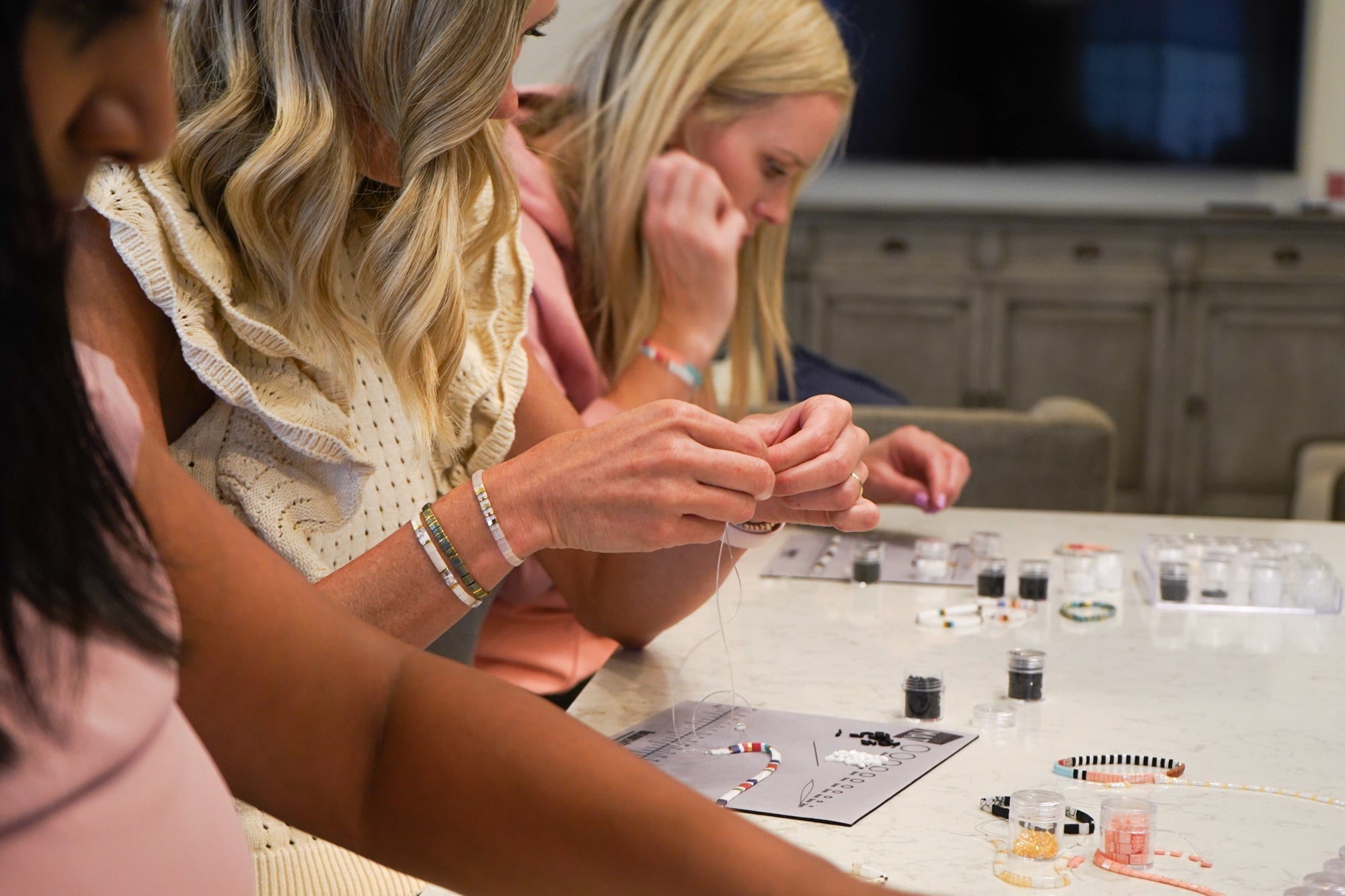
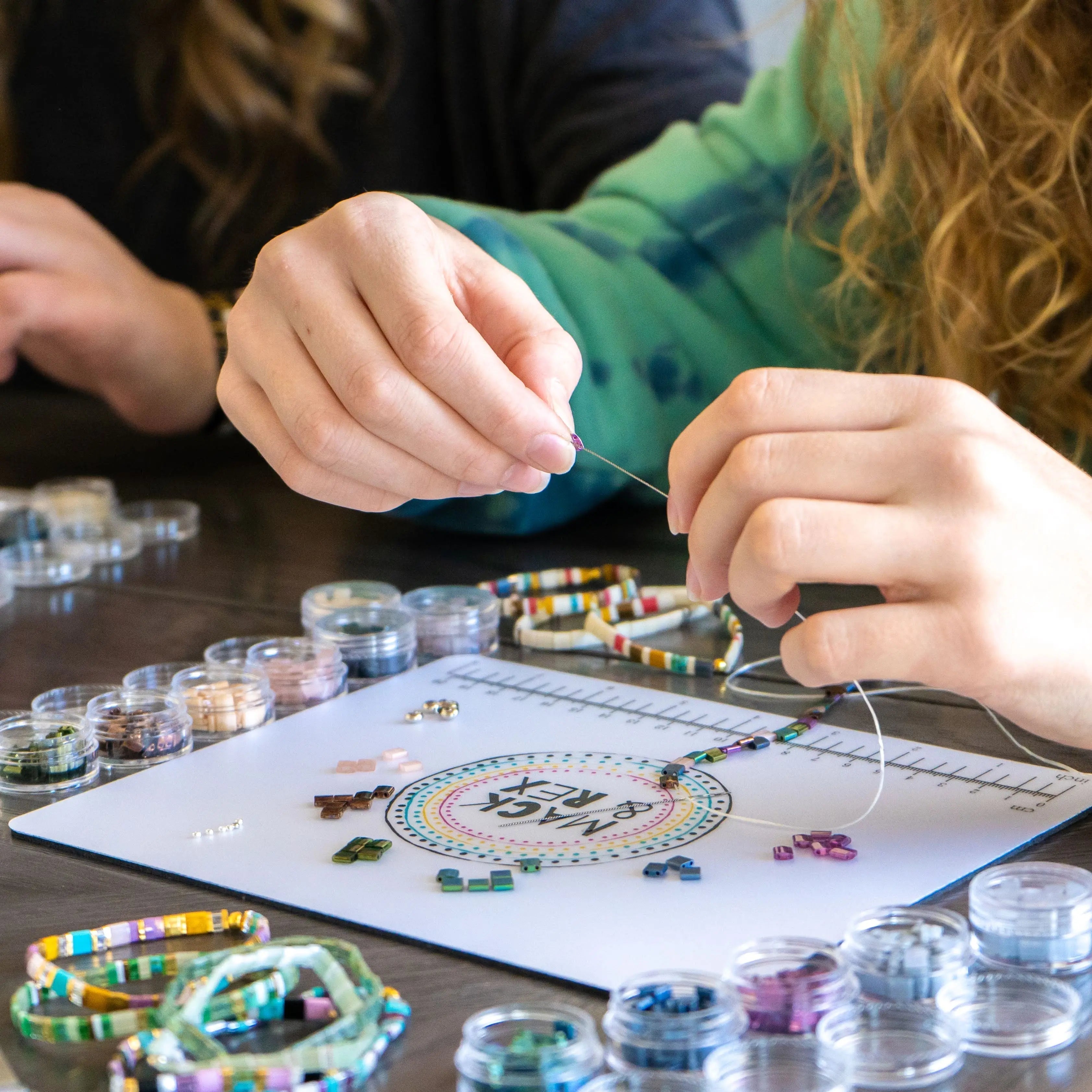
Absolutely. A grippy mat or board stops beads from rolling away, lets you lay out a pattern before stringing, and keeps your table clear. It's the cheapest upgrade that makes the biggest difference in how relaxing the project feels.
Anyone who's chased a Tila bead across a hardwood floor knows. A bead mat turns that scramble into a calm, tidy setup. A flat tray with a towel in the bottom works too, but a purpose-made mat has grooves or texture that hold beads in place. It's also easier to pack up, which matters when the craft table doubles as the dinner table.
One note for families crafting with kids: beads are a small-parts choking hazard, so keep projects supervised by an adult and keep beads away from very young children.
What should beginners skip?
Skip oversized bead assortments with hundreds of random shapes, huge tool sets, and decorative extras you don't have a plan for. Start with one cord, one bead style, and a handful of colors. You'll finish more bracelets and waste less.
Here's the skip list, plainly:
- Mystery bead jars. Mixed sizes and rough holes make stretch designs uneven.
- Craft-store elastic with no stated size. You can't match it to your beads.
- Twenty-piece plier sets. You'll use one tool, maybe two.
- Fancy findings you haven't designed around. Buy them when a pattern asks for them.
- Fancy storage before you have supplies. A divided box is enough.
Not a rule, just experience: the supplies that pile up unused are almost always the ones bought "just in case."
Where can I buy beaded bracelet making supplies all in one place?
Mack & Rex sells it all together. The All-in-One tools and supplies kit runs $39.99 to $43.99, and the trio bracelet kits ($44.99) bundle beads and cord for three bracelets. Loose Tila mixes add extra colors. Shipping and duties are calculated at checkout for international orders.
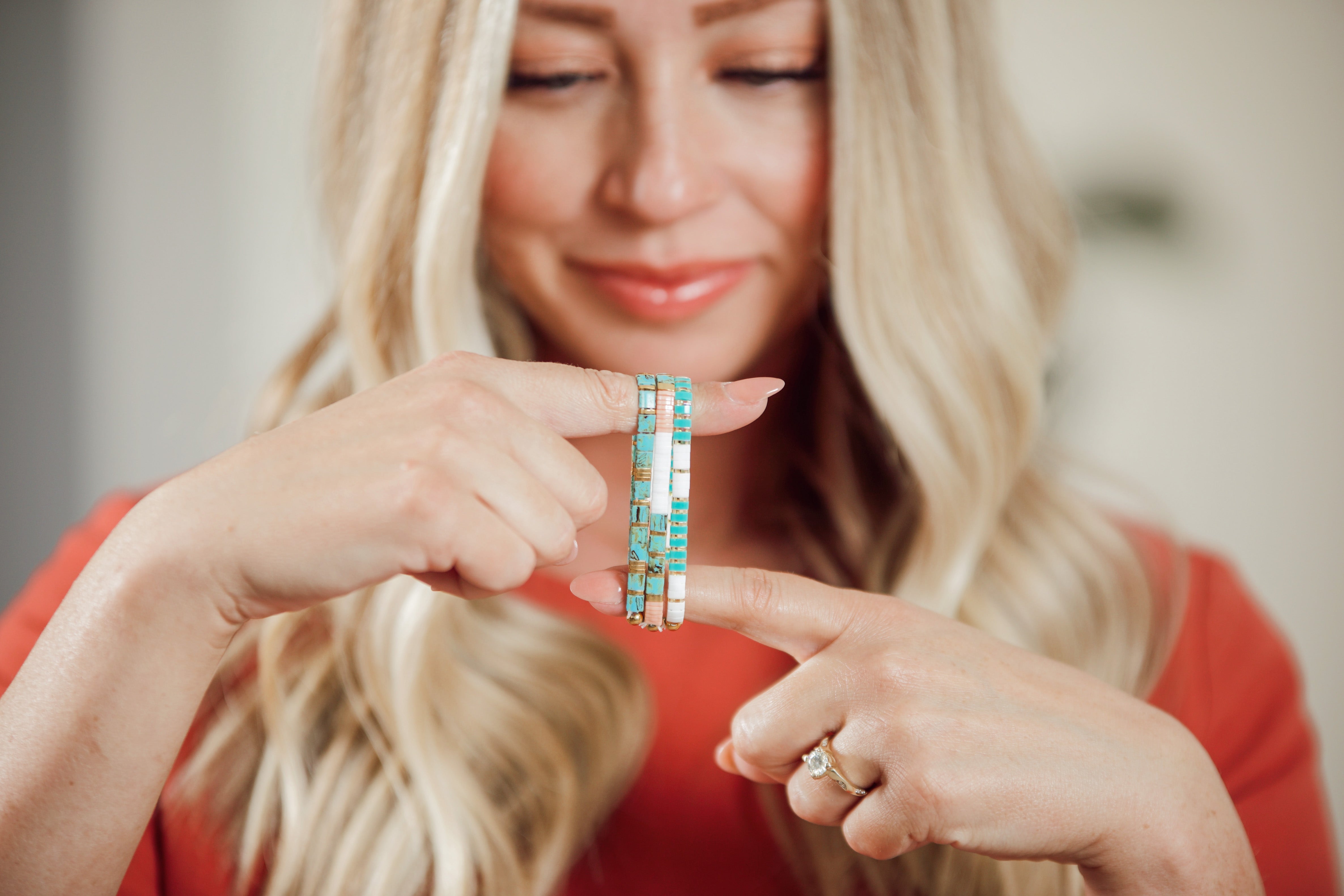
That's the honest short answer to the question most beginners type into a search bar. The All-in-One kit covers the tools and the supplies side, with bead mat versions available if you want the surface included. The trio kits, such as HAPPY, NINETEEN SEVENTY, STAINED GLASS, and LAVENDER SKY, add the colors and cord for three bracelets in a themed palette. If you like picking your own colors, add a loose Tila mix at about $5 to $9.
Browse the full lineup in the Mack & Rex bracelet making kits collection. A single kit won't reach the free shipping line, which is US orders over $100, so if you're stocking up with friends or a class, group the order. Prefer to skip the making? Finished bracelets are on the site too, and the buy 3, get 1 free offer applies to finished bracelets only, not kits or beads.
How should you store bracelet making supplies?
A divided box with small compartments is plenty. Sort by color or by bead type, keep cord on its spool, and put scissors in the same spot every time. Good storage saves more time than it costs.
Skip the pricey cabinet until your collection earns it. Small screw-top jars, a tackle box, or the container your kit ships in will all do. The one thing to avoid is tossing everything into a single bag, because tangled cord and mixed beads take the fun out of the next session. Mack & Rex started with a mom and her two daughters, Mack and Rex, sorting beads at a kitchen table, so trust us on the tackle-box approach.
Frequently asked questions
What's the one supply I shouldn't cheap out on?
Stretch cord. It holds every bead in place and takes all the wear, so a weak cord means a bracelet that sags or snaps. Everything else, from scissors to storage, can start basic and get upgraded later.
Can I buy all my bracelet making supplies in one place?
Yes. Mack & Rex sells an All-in-One tools and supplies kit ($39.99 to $43.99) plus trio bracelet kits ($44.99) that bundle beads and cord for three bracelets. Loose Tila mixes run about $5 to $9 if you want to add colors.
Do I need a bead mat?
It's worth it. A mat or board keeps beads from rolling, lets you lay out a pattern before stringing, and makes cleanup faster. A towel works in a pinch, but a grippy surface saves patience.
Does Mack & Rex ship internationally?
Yes. Shipping and any customs or duties are calculated at checkout. Free shipping applies to US orders over $100.
Ready to start without the guesswork? Shop the bracelet making kits and get tools, beads, and cord in one order.

