

The Bracelet Making Supplies You Actually Reuse Across Projects
What Bracelet Making Supplies Do You Actually Reuse?
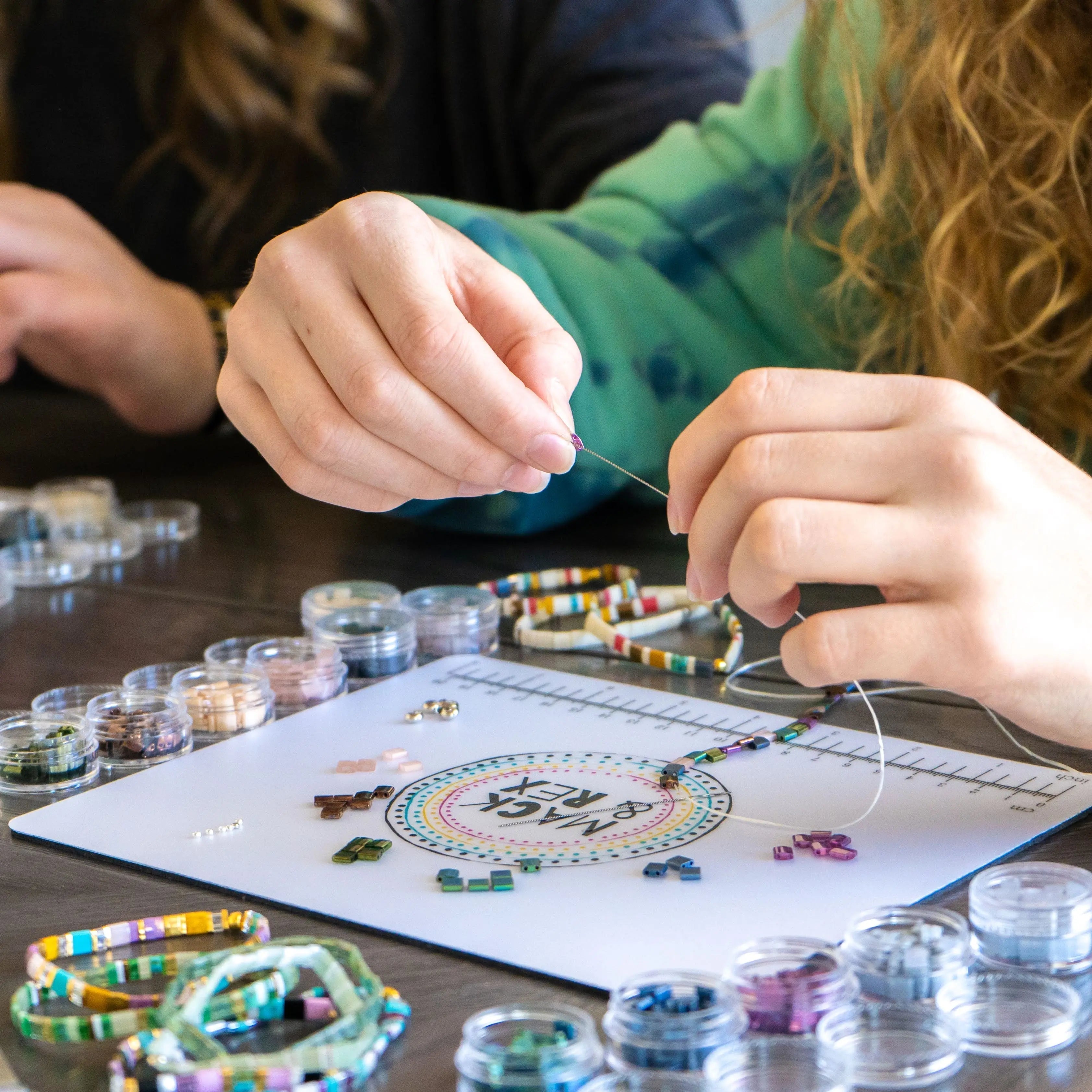
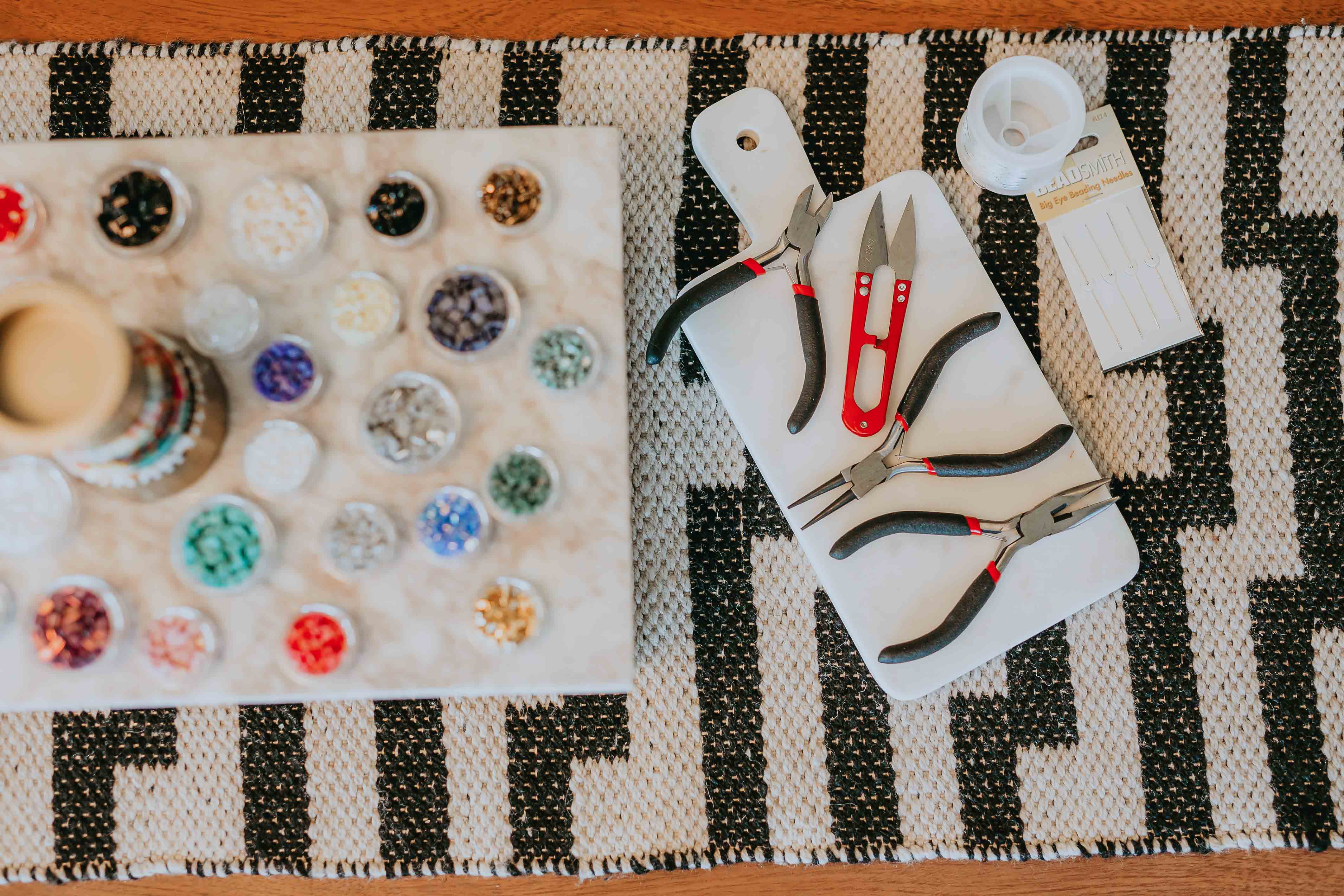
Most bracelet making supplies fall into one of two buckets: things you use up and things you use again and again. Needles, scissors or flush cutters, a bead mat, and a storage organizer are the reusable side. Beads and cord are consumables, the part people assume they're paying for when they buy a kit.
Here's the thing that doesn't show up on the price tag. A pair of decent craft scissors doesn't wear out after one bracelet. Neither does a beading needle, a silicone bead mat, or a divided storage box. Buy them once and they sit in your craft drawer for the next project, and the one after that. The only true one-and-done items in most bracelet patterns are the beads and stretch cord, and even those usually leave you with leftovers.
Which Bracelet Making Supplies Are One-Time Consumables?
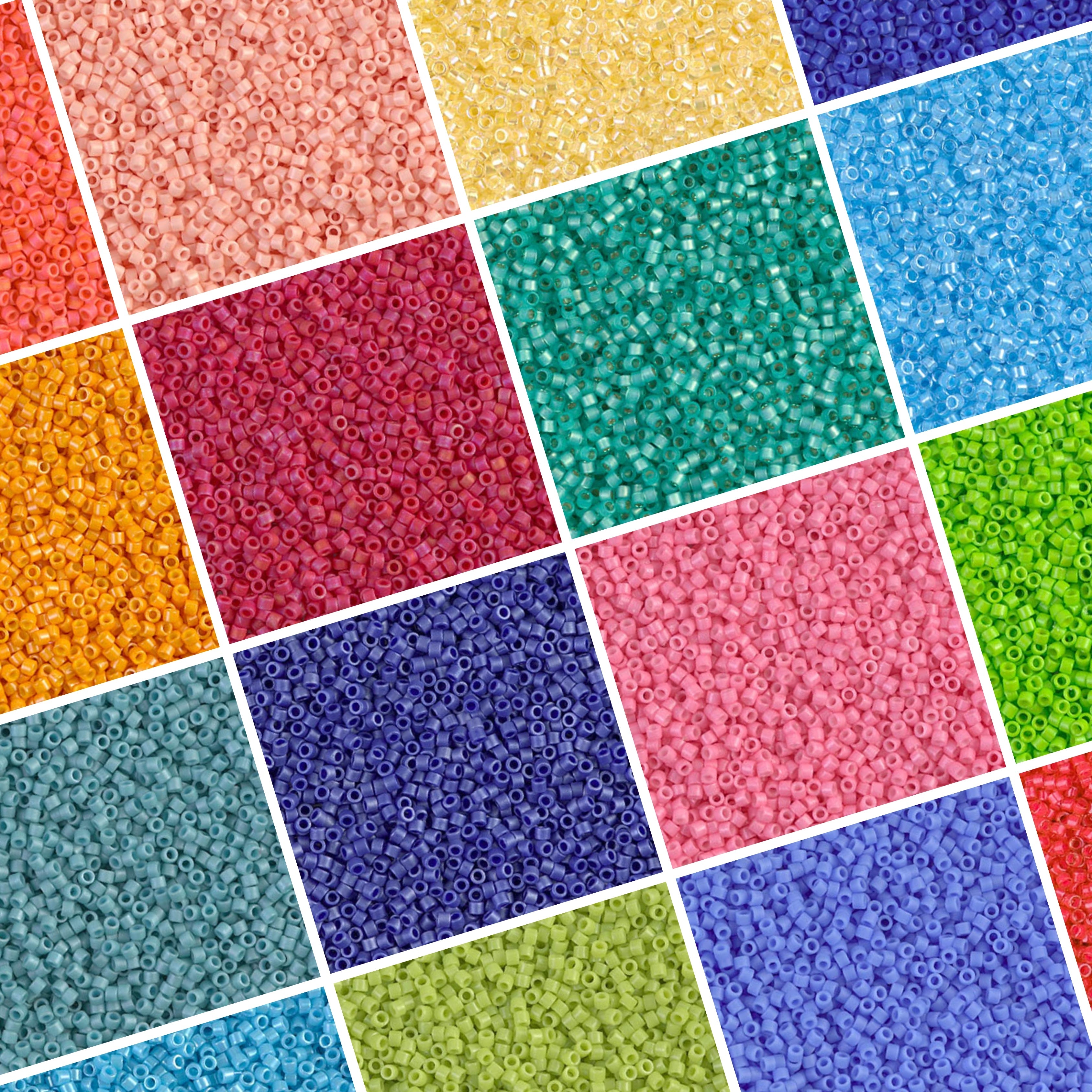
Beads and elastic cord are the closest thing to a true consumable, and even they aren't fully used up in one sitting. A single bracelet uses a specific bead count and length of cord, leaving a partial bag of beads and inches of cord still on the spool.
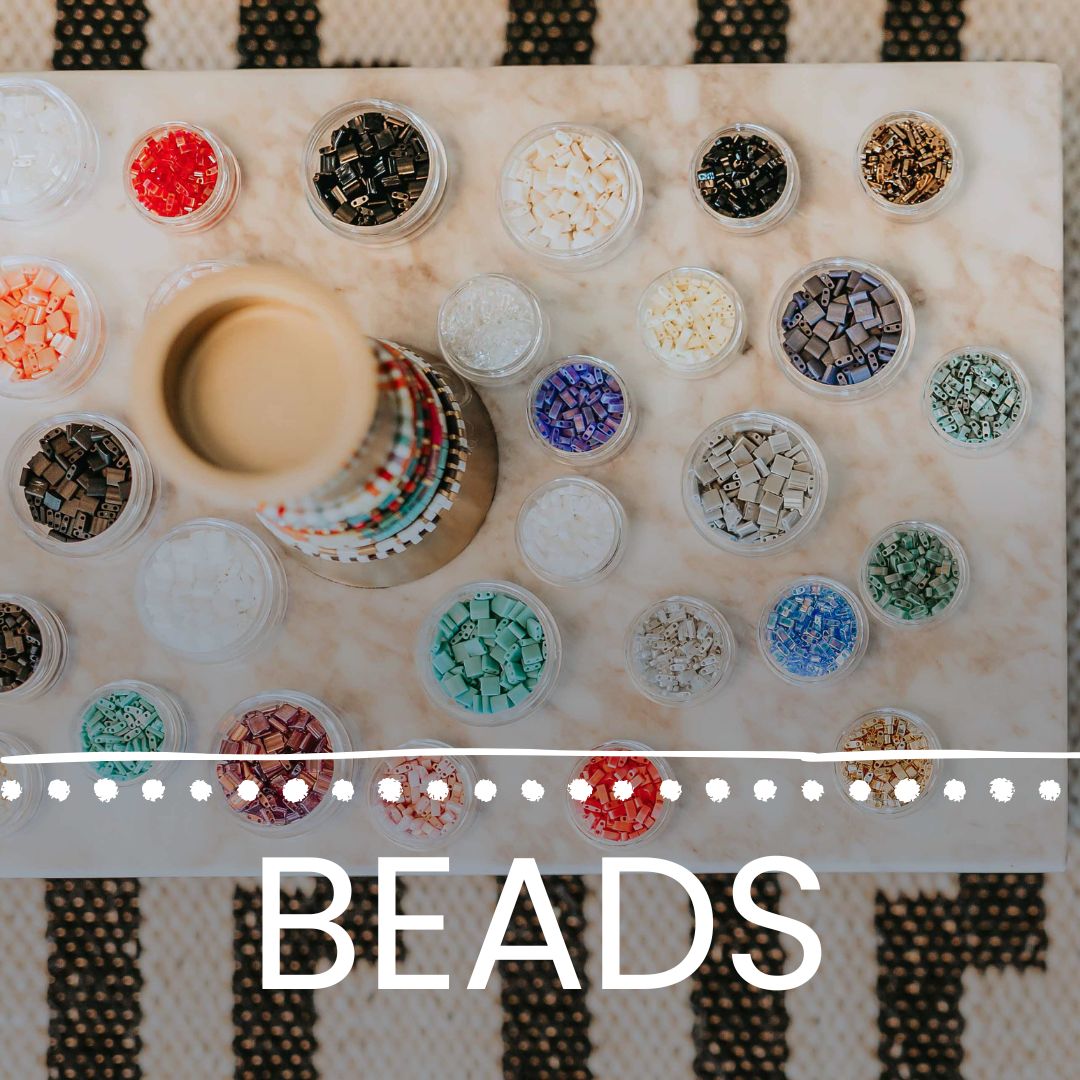
Take a Tila bead mix as an example. You're buying it by the gram, and a themed mix is sized to make more than one bracelet's worth of pattern. The "consumable" you paid for keeps giving you material for a second or third bracelet in a similar palette, a different cost story than a supply that vanishes after a single use. Crimp beads or glue dots, if a pattern calls for either, are the rare items that don't carry forward.
How Does Reuse Change the Real Cost of a Bracelet Kit?
Divide a kit's price by the number of bracelets in that one kit and you get a cost per bracelet that's higher than reality, because it treats the needle, scissors, and mat as if they disappear after project one. They don't. Spread that same tool cost across ten or twenty projects rather than one, and the tools basically stop counting.
Say you buy an all-in-one tools and supplies kit for $39.99 to $43.99. That same needle and mat are still in your drawer for bracelet number two, and number ten. By your fifth project, the tool cost per bracelet has dropped by 80 percent from reuse alone, before factoring in leftover beads from earlier batches. That's why a "more expensive" kit with real tools can be the cheaper option over a year of bracelet nights with your kids.
Compare that to a trio kit built to make three bracelets for $44.99, or a DIY Bracelet Kit Club box that makes three for $36.99. Those are strong per-bracelet deals on beads and cord, but check the listing for what tools, if any, are included. Already own scissors and a needle from a past kit? You're paying purely for materials.
What Tools Are Worth Buying Once and Keeping?
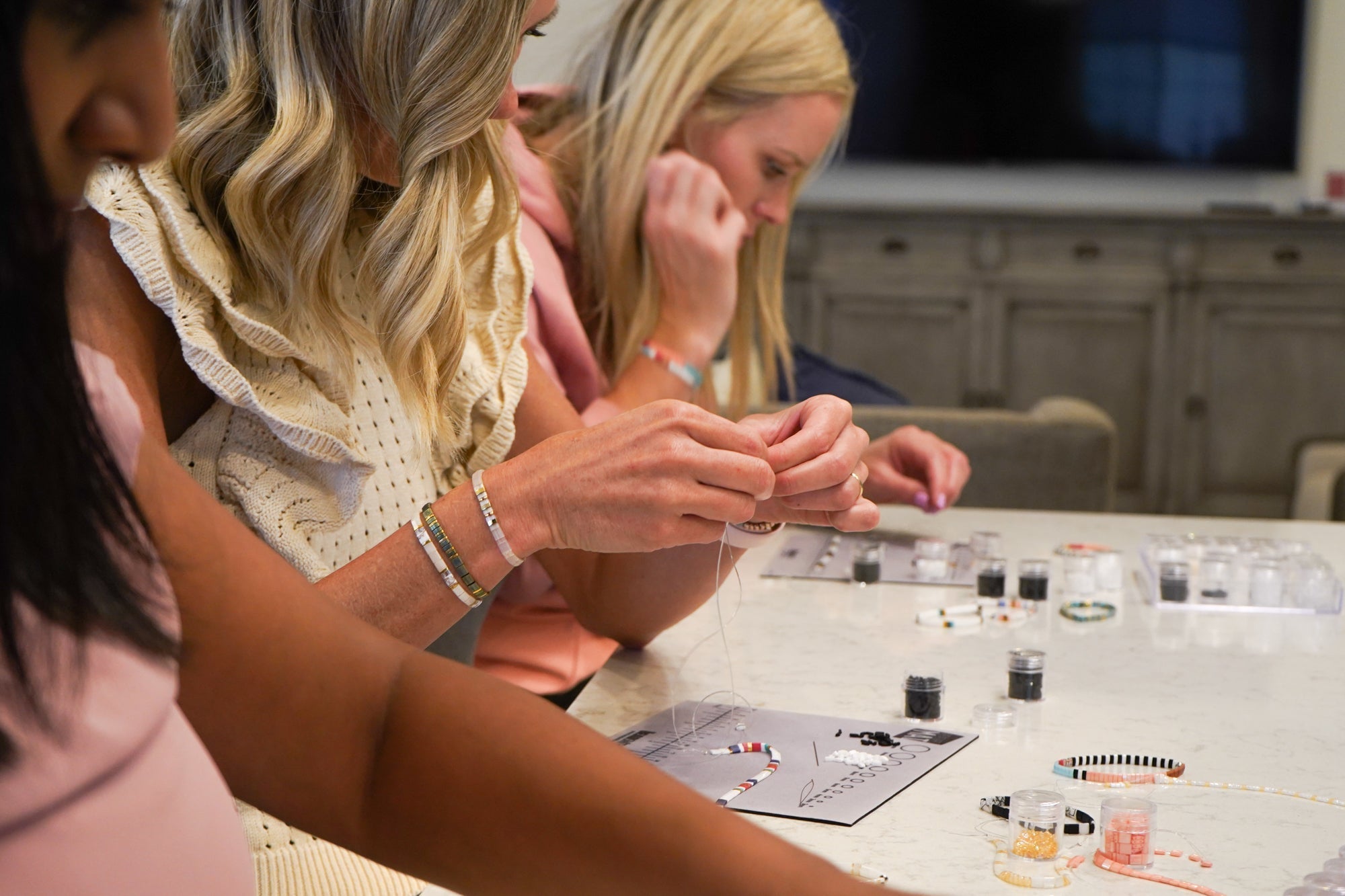
A beading needle, sharp scissors or flush cutters for stretch cord, a bead mat, and a compartmentalized storage box. That's the reusable core, and none of it is specific to one bracelet pattern or color palette.
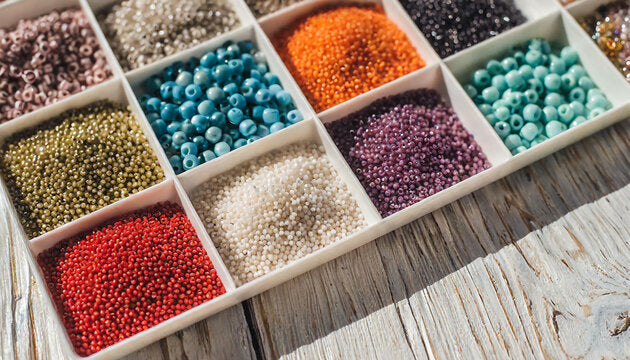
A bead mat matters more than it sounds. It's a shallow, textured surface, usually felt or silicone, that keeps beads from skittering off the table while you lay out a pattern. Without one, you lose more beads to the floor than you'd think over a year of projects. Storage is the other quiet cost-saver: a labeled organizer means leftover beads from last month's bracelet are findable and usable next time, not a mystery baggie shoved in a drawer that eventually gets tossed.
What Should You Do With Leftover Beads and Cord?
Sort them by color into your storage organizer the same day you finish a project, not "eventually." Leftovers left loose in a project bag tend to get mixed, lost, or thrown out during a cleanup, erasing the savings reuse is supposed to give you.
A quick habit fixes this: before you put a finished bracelet on, spend two minutes pouring leftover beads into their labeled cell and coiling extra cord onto a card. It's the difference between your next project starting with a stocked bead wall and starting from zero at full price. If kids or grandkids are helping, small beads are a choking hazard, so keep an adult at the table and treat sorting as an adult-supervised step, not a kid's solo task.
Is It Cheaper to Buy One Big Kit or Restock as You Go?
For your first bracelet, a kit almost always wins because it bundles tested materials, often the tools, and clear instructions at one price. You're not guessing at cord weight or needle size, and you're not making three separate purchases to end up with what one kit already includes.
Once your tools are covered, restocking with loose bead mixes or a smaller trio kit tends to be the better value, since you're only paying for what gets consumed. A Tila bead mix runs roughly $5 to $9, a low-stakes way to add a new color without buying another full set of tools. Want to go bigger from the start? The Tila Bead Starter Kit makes around 20 bracelets for $189.99, and The Ultimate Tila Bracelet Kit scales that up to about 80 bracelets for $399.99, spreading tool and packaging cost across a far larger bracelet count than a trio kit.
How Do You Build a Bracelet Making Kit That Pays Off Over Time?
Start with an all-in-one tools and supplies kit so your reusable core, needle, scissors, mat, and storage, is covered in one purchase. After that, buy beads and cord based on the colors and patterns you actually want, not another full kit.
This is the approach I'd genuinely tell a friend to take, close to what my daughters and I settled into after a lot of trial and error at our own kitchen table. The tools cost more upfront than a single trio kit, but they're the part of a "bracelet making supplies" purchase that keeps paying you back. Every bracelet after the first one gets a little cheaper, not because the beads get discounted, but because you already own everything else.
For technique basics like knot types and cord tension, Beadaholique's technique guides are a solid, brand-neutral reference outside any one retailer's instructions, and Craftsy's jewelry-making classes cover the same core tool list from a different teacher. If you're deciding what belongs in a first-time supply list at all, our complete beginner's checklist covers it item by item.
Where to Start If You're Building Your First Reusable Kit
Browse the bracelet making kits collection at Mack & Rex to compare tool-included kits against bead-focused trio kits, and pick based on what you already have at home. If storage is your gap, our guide on organizing your bracelet making supplies walks through a system that keeps leftovers usable, not lost.
Mack & Rex ships internationally, with shipping and any customs or duties calculated at checkout, and US orders over $100 ship free. Buy 3 finished bracelets and get 1 free, no code needed, if you're stocking up on ready-to-wear pieces alongside your DIY supplies.
FAQ: Reusable vs. Consumable Bracelet Making Supplies
Which bracelet making supplies are reusable and which get used up?
Tools like needles, scissors or flush cutters, a bead mat, and a storage organizer are reusable and last for dozens of projects. Beads and cord are consumables, though you almost always finish a project with leftover beads and cord you can use again. Only glue or crimp findings, if a pattern calls for them, are truly one-and-done.
Do bracelet making kits include reusable tools or just beads?
It depends on the kit. A single trio kit is usually built around the beads and cord for that specific set of bracelets, while an all-in-one tools and supplies kit is built around the reusable gear itself, like a needle, scissors, and a mat, plus a starter supply of beads. Check the product listing for what's included before assuming a kit comes with tools.
How much does it actually cost to make one bracelet at home?
Cost per bracelet drops fast once you've bought your reusable tools, since that one-time cost gets spread across every bracelet you ever make, not just the first batch. A kit's price tag divided by the bracelets in that single kit overstates your real cost, because it ignores the tools and leftover materials that carry into your next project for close to nothing.
What leftover bracelet making supplies should I keep rather than toss?
Keep any unused beads, spare cord, and extra clasps or spacers rather than tossing them with the packaging. Sort leftovers into a labeled organizer by color so you can find and use them later. A stray handful of beads with no home is how most crafters end up buying colors they already own.
Is it cheaper to buy a bracelet making kit or build my own supply kit?
A kit is usually the better deal for a first project, since it bundles tested materials and often the tools at one price. Building your own supply kit piece by piece can pay off over time if you already own storage and basic tools, but it takes more trial and error to land on the right cord weight, needle size, and bead mix.
References for beading fundamentals: Beadaholique's techniques and guides and Craftsy's jewelry-making classes.
Ready to stop rebuying tools every project? Shop the bracelet making kits collection at Mack & Rex. US orders over $100 ship free.