


Buying Bracelet Making Kits in Bulk for Classrooms and Small Events
How Many Bracelet Making Kits Does a Classroom Actually Need?
Count seats, not the class roster. A room of 24 students needs bead capacity for 24 bracelets plus a small cushion, since a first-time stringer almost always drops a bead or ties the elastic wrong at least once. That puts the real target closer to 27 or 28 bracelets' worth of beads for a class that size.
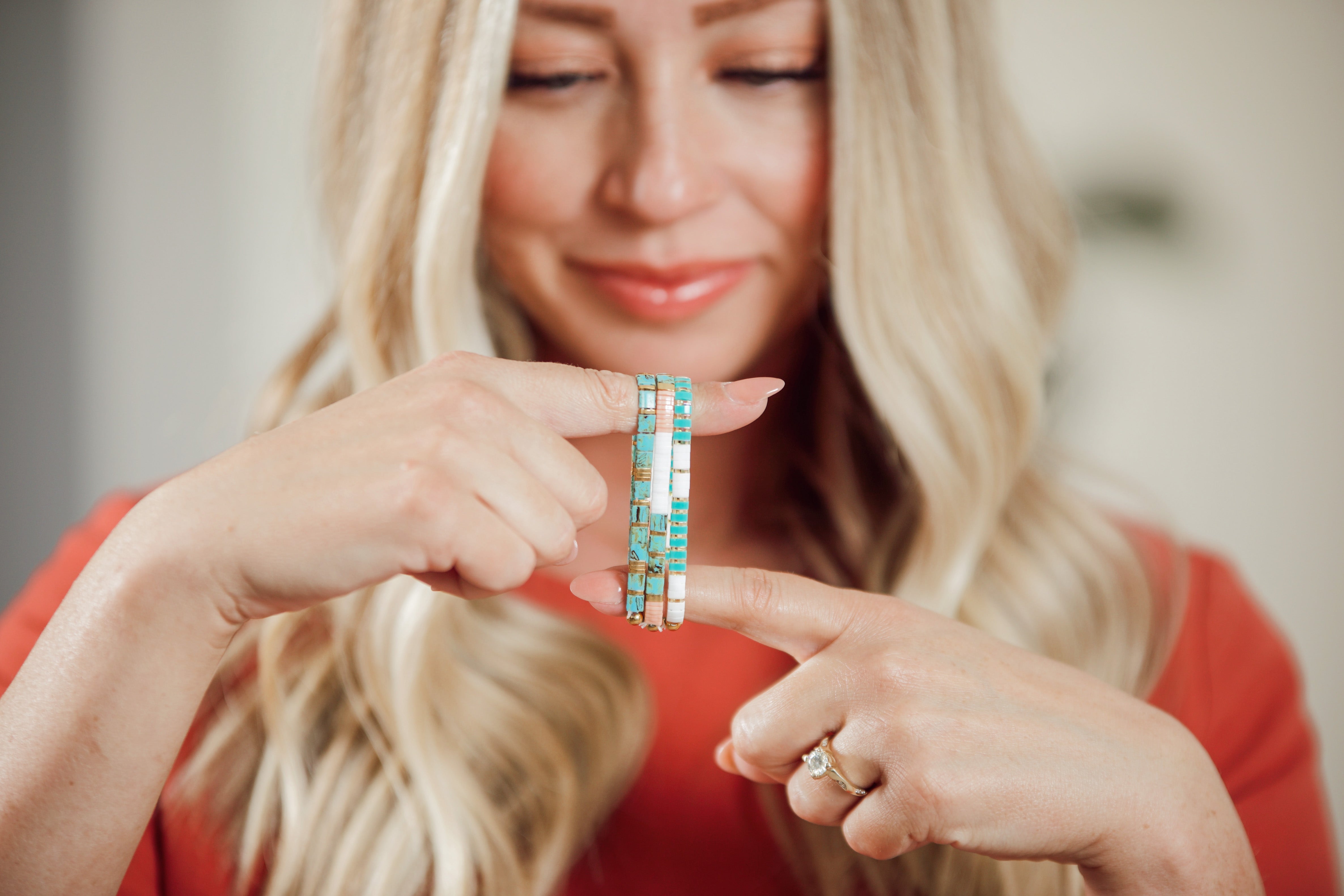
The math is simpler than it sounds once you know what each kit yields. A Tila Bead Starter Kit makes about 20 bracelets. A trio kit makes 3. An Ultimate Tila Bracelet Kit makes about 80. Line your headcount up against those numbers first, then add the buffer.
Say you're a fourth-grade teacher planning a Friday afternoon activity for 26 kids. Twenty bracelets from one Starter Kit leaves you six short before you even factor in mistakes, so this is a two-kit order: the Starter Kit plus a couple of trio kits, or a step up to the Ultimate Kit if the group ends up closer to 30. Either way, figure out the number before you place the order, not after a kid runs out of beads halfway through.
A room parent placing an order two weeks before a party has room to fix a miscount. Someone ordering the morning of a troop meeting does not, so build in a few extra days of lead time whenever the calendar allows it.
Once headcount is settled, the next question is cost.
How Do You Budget for a Class, Troop, or Small Group Order?
Work backward from a per-head cost, not a total dollar figure, because that's what makes the comparison across kit sizes fair. A Starter Kit at $189.99 for 20 bracelets runs about $9.50 a head; a $399.99 Ultimate Kit works out to roughly $5 a head; three trio kits at $44.99 each land closer to $15 a head for the same nine bracelets.
That gap is worth knowing before you order. A room mom buying for a class of 12 might reach for trio kits out of habit because the price tag looks smaller, when a single Starter Kit actually covers the group for less total money and less per-student cost. Bigger really is cheaper here, up to the point where you'd have leftover beads nobody uses.
Which Kit Size Fits a Classroom, Scout Troop, or Church Group Best?
Match the group size to the closest kit, then round up rather than down. Running short mid-activity means kids waiting on each other for beads, which is the fastest way to lose a room of 8-year-olds, and it's easier to send a few extra beads home than to stretch one kit past its real yield.
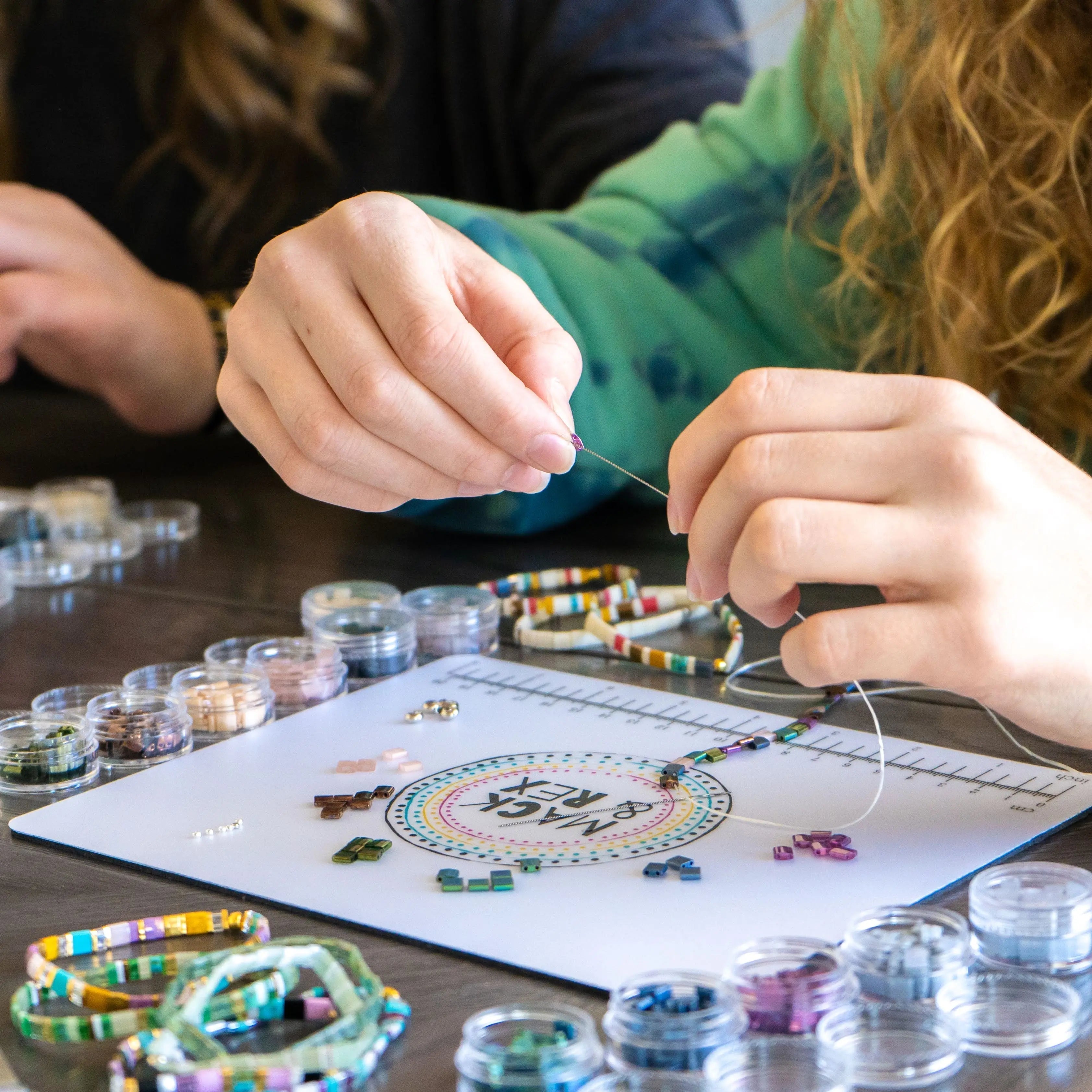
- 8 to 12 kids (small troop meeting, Sunday school class): One Tila Bead Starter Kit ($189.99, makes about 20 bracelets) covers the group with room to spare for mistakes and a couple of kids who want to make a second one.
- 18 to 25 kids (a full classroom): One Starter Kit plus one or two trio kits closes the gap for the extra heads and covers redos.
- 30 to 40 kids (two combined classes, a larger youth group): One Ultimate Tila Bracelet Kit ($399.99, makes about 80 bracelets) has plenty of room here and leaves leftover beads for a future meeting.
- 60 to 80 kids (a grade-level event, a full troop council): One Ultimate Kit is built for this range and is still the cheapest option per head.
You can compare every size side by side on the bracelet-making kits collection before placing an order, which is worth doing since bead color mixes shift with the monthly drops.
How Should a Group Leader Set Up the Room for Bead Time?
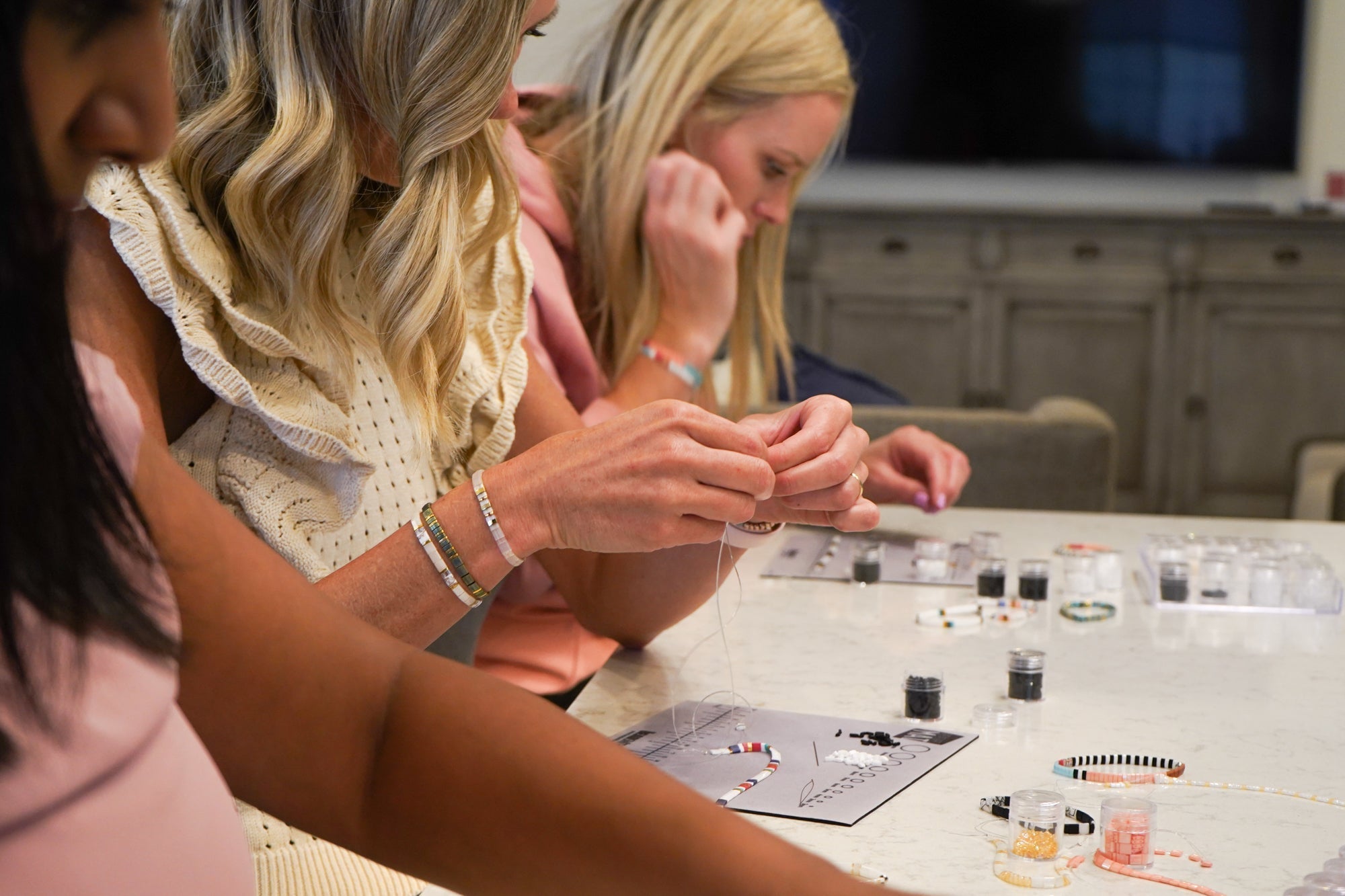
Plan one flat, wipeable surface per two or three kids and a shallow tray or small dish at each spot so loose beads don't roll to the floor or a neighbor's desk. Give a first-timer 20 to 30 minutes to finish a bracelet; rushing a group toward a bell or a bus is what causes most of the dropped beads and snapped cords you built the buffer for in the first place.
Good lighting matters more than it sounds like it should. Tila beads are small and flat, and kids sorting colors under dim fluorescent light or a shaded corner of a fellowship hall will slow the whole table down. A window seat or a couple of extra lamps fixes that fast.
What Should a Group Leader Know About Small Beads and Kids?
Beads are a small-parts choking hazard, and that's true no matter how the kit is marketed. Keep an adult supervising the table for the entire activity, keep beads in trays rather than loose on the surface, and never leave a bead station unattended with very young children nearby.
This is a craft activity, not a curriculum. It's a fun way to fill a class period, a troop meeting, or a fellowship hour, and that's the whole pitch: no claim about building fine motor skills or anything else needed to justify the time. Kids like making something they get to keep, and that's reason enough.
What About Shipping and Real Offers on a Bulk Order?
Both the Starter Kit ($189.99) and the Ultimate Kit ($399.99) clear the $100 threshold for free US shipping on their own, so most classroom or troop-sized orders ship free if the destination is in the US. A single trio kit at $44.99 doesn't reach that threshold by itself. Orders ship internationally too, with shipping and any customs or duties calculated at checkout for buyers outside the US.
One thing worth flagging for group leaders comparing offers: the buy-3-bracelets-get-1-free deal applies to finished, ready-to-wear bracelets, not to kits. It won't factor into a bulk kit order for a class or event, since that offer is a different product line entirely.
Frequently Asked Questions
How many bulk bracelet making kits does a classroom of 24 students need?
One Tila Bead Starter Kit ($189.99) makes about 20 bracelets, which covers most of a class of 24 but falls a few seats short. Pairing it with one trio kit ($44.99, makes 3 bracelets) closes the gap and leaves a little material for a snapped cord or a redo.
Is it cheaper per student to buy one large kit or several small trio kits?
Per head, the larger kits cost less. The Starter Kit runs about $9.50 per bracelet and the Ultimate Kit about $5 per bracelet, while trio kits run closer to $15 per bracelet since you're paying for packaging and variety three times over instead of once.
What should a teacher or troop leader do about loose beads and young kids?
Treat beads as a choking hazard around young children and keep an adult at every table for the entire activity. Loose beads should stay in a shallow tray, not loose on a desk, and any leftover beads should be collected and stored out of reach when the activity ends.
Does a school or troop bulk order qualify for free shipping?
Free shipping applies to US orders over $100, so a Starter Kit or Ultimate Kit clears that on its own, while a single $44.99 trio kit does not. Orders ship internationally too, with shipping and any customs or duties calculated at checkout.
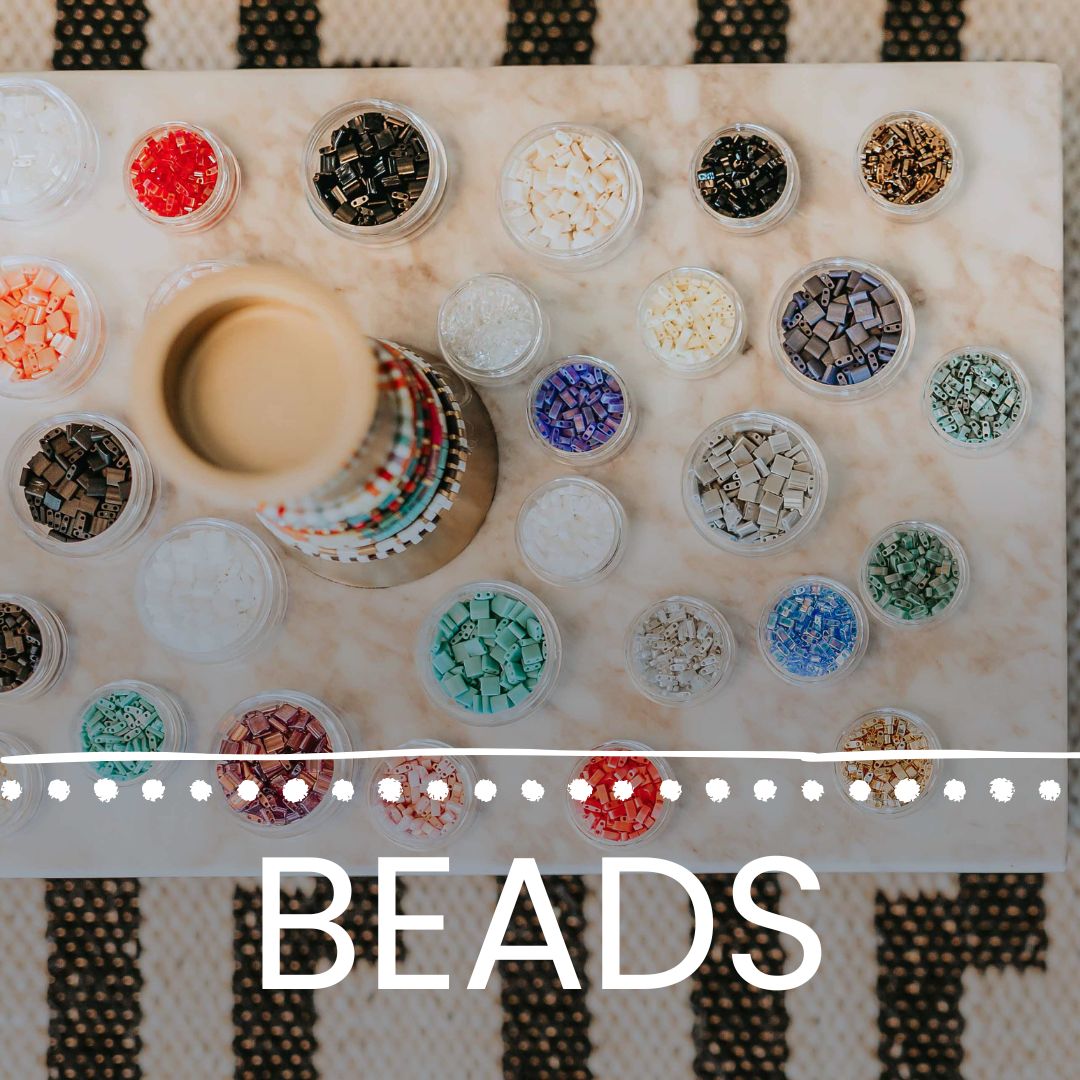
Genuine Miyuki Tila beads (a Japanese glass bead) are the material inside every Mack & Rex kit; Miyuki manufactures the beads, and Mack & Rex sources and sells them, which is why the color and shape hold steady from kit to kit no matter how many you order. If you're planning bead time for a class, troop, or small group, start with the bracelet-making kits collection to match a size to your headcount before you check out.
Sources: Fire Mountain Gems: Encyclobeadia, Wikipedia: Friendship Bracelet, KidsHealth: Choking Prevention.