



Can You Restring a Bracelet Kit? Reusing Your Beads
Short answer: yes. Bracelet kits string beads on stretch cord, and stretch cord is meant to be replaced. Cut the old elastic off, save every bead, and re-thread them on fresh cord for a new design or a snugger fit. The beads don't wear out. Only the cord does.
Can you restring a bracelet kit?
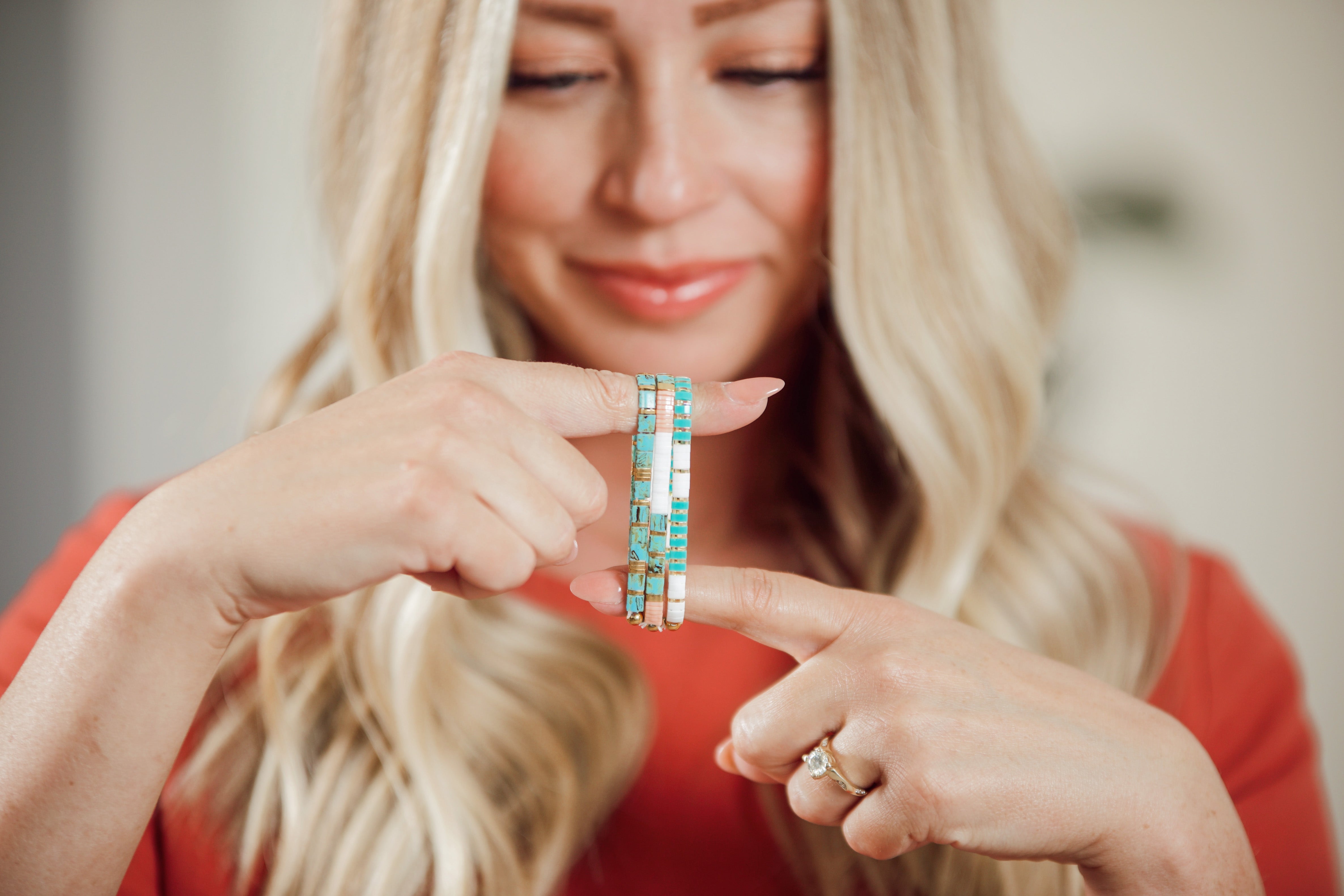
You can, and it's easier than most people expect. Mack & Rex bracelet kits, like the tila trio kits ($44.99, makes 3 bracelets), string Miyuki Tila beads on crystal-cord stretch elastic. That elastic is a consumable. It's not glued to the beads or fused into some permanent structure. When a bracelet gets loose, when the cord starts to look tacky, or when you just want a different color order, you snip the cord, keep the beads in a dish, and start over with new cord.
This is actually one of the quiet advantages of bead-based bracelet kits over pre-strung novelty jewelry. A charm bracelet with a soldered clasp is done when it's done. A stretch bracelet made from individual beads is really a small, reusable bead stash that happens to be wearable in the meantime.
Why does the cord wear out before the beads do?
Stretch cord is doing constant work. Every time you pull a bracelet over your hand, the elastic fibers stretch and relax. Add lotion, sunscreen, pool water, or just months of daily wear, and the cord gradually loses its memory. It stops snapping back to size. Eventually a knot works loose, or the cord looks worn and slightly tacky to the touch. That's the sign it's time to replace it, not throw the bracelet away.1
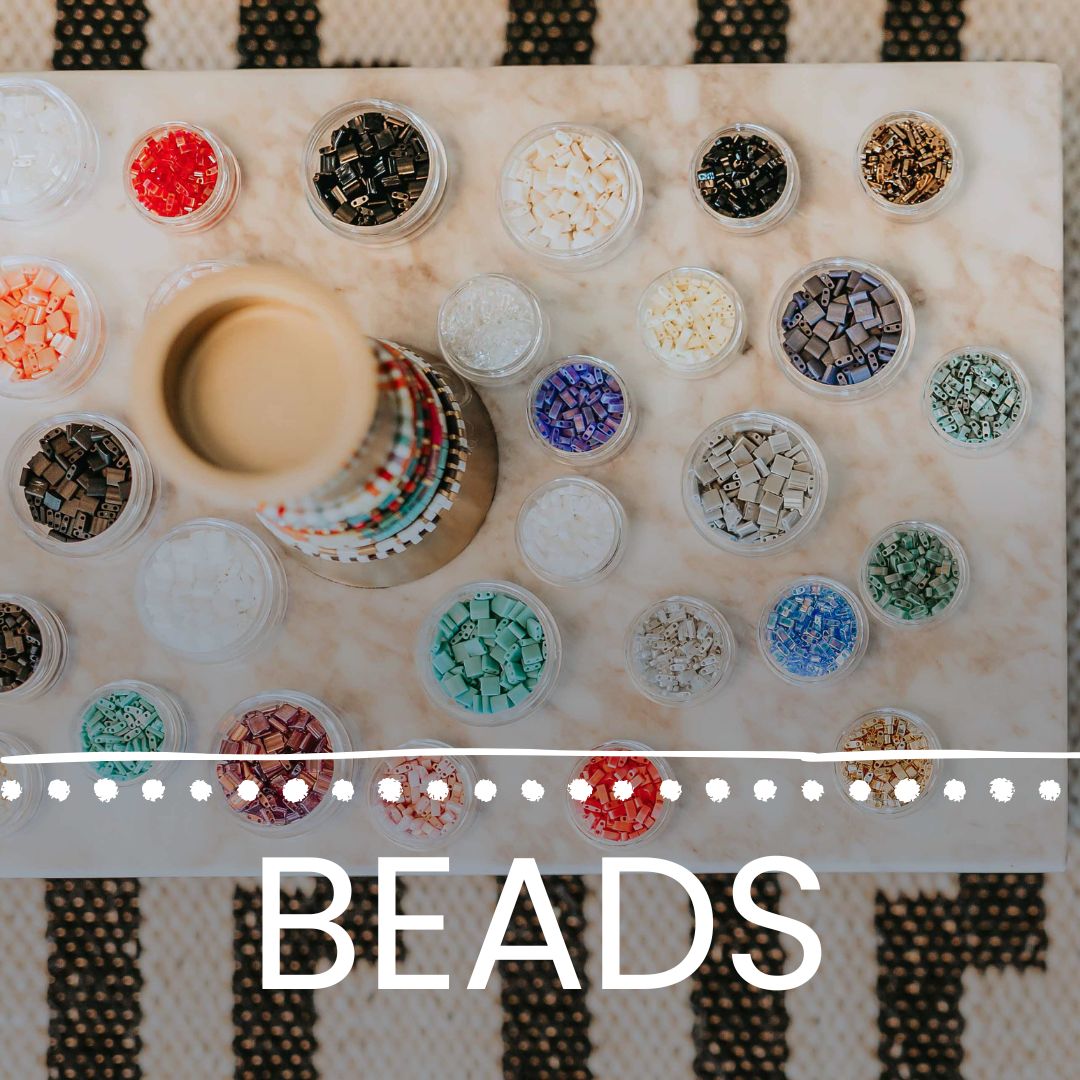
The beads, meanwhile, aren't doing any of that flexing. Glass Tila beads sit still on the cord and just get worn along for the ride. Aside from an occasional wipe-down, there's nothing about normal wear that degrades a glass bead. So when a bracelet stops fitting right, the beads are almost always still perfect. It's the cord that gave out.
How do you restring a bracelet, step by step?
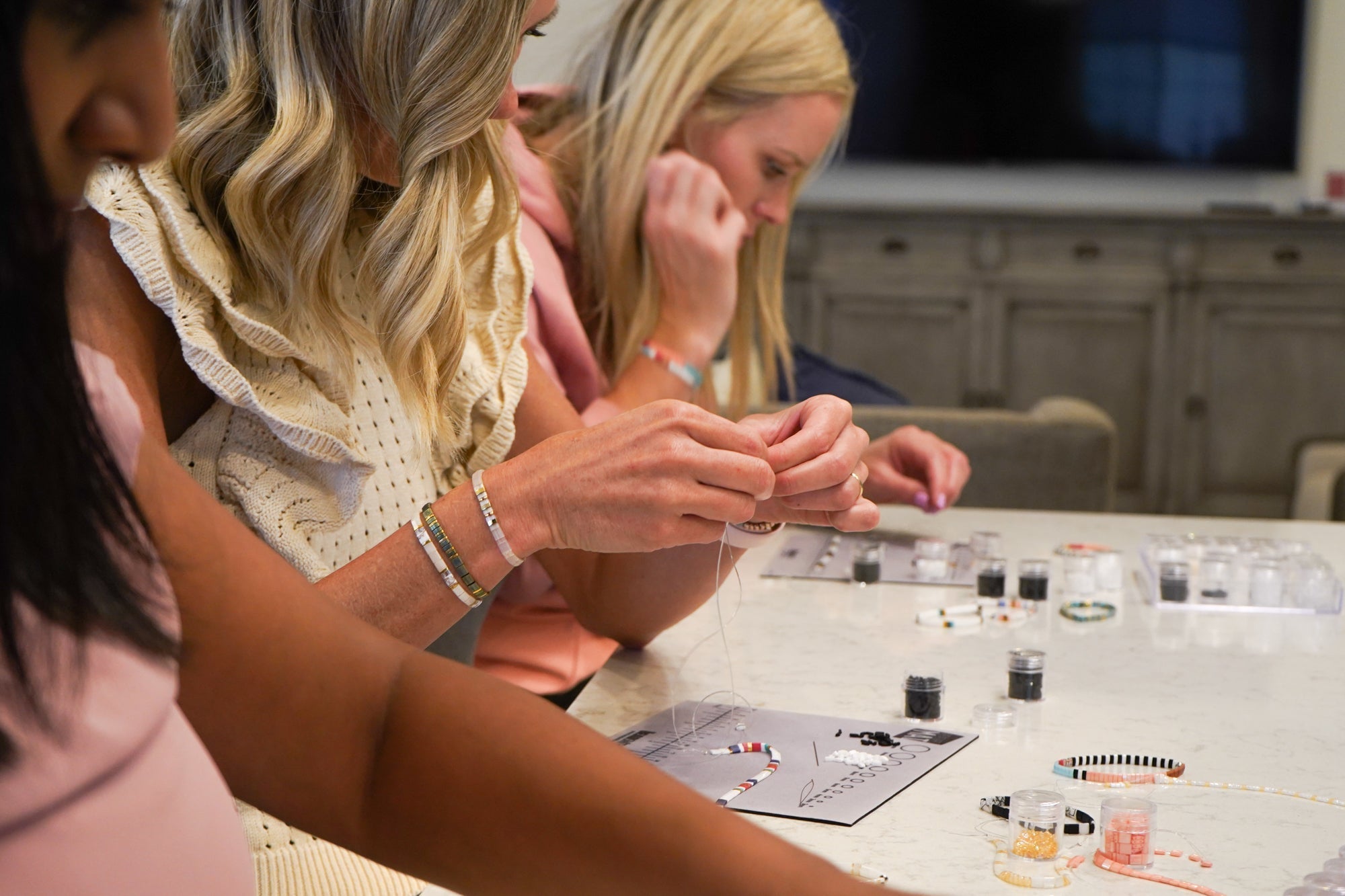
The process is simple enough to do at a kitchen table in under fifteen minutes.
- Snip the old cord with scissors or flush cutters, away from any knot, and slide the beads off into a small dish or bead mat so nothing rolls away.
- Cut a fresh length of stretch cord, a couple inches longer than the finished bracelet to leave room for tying.
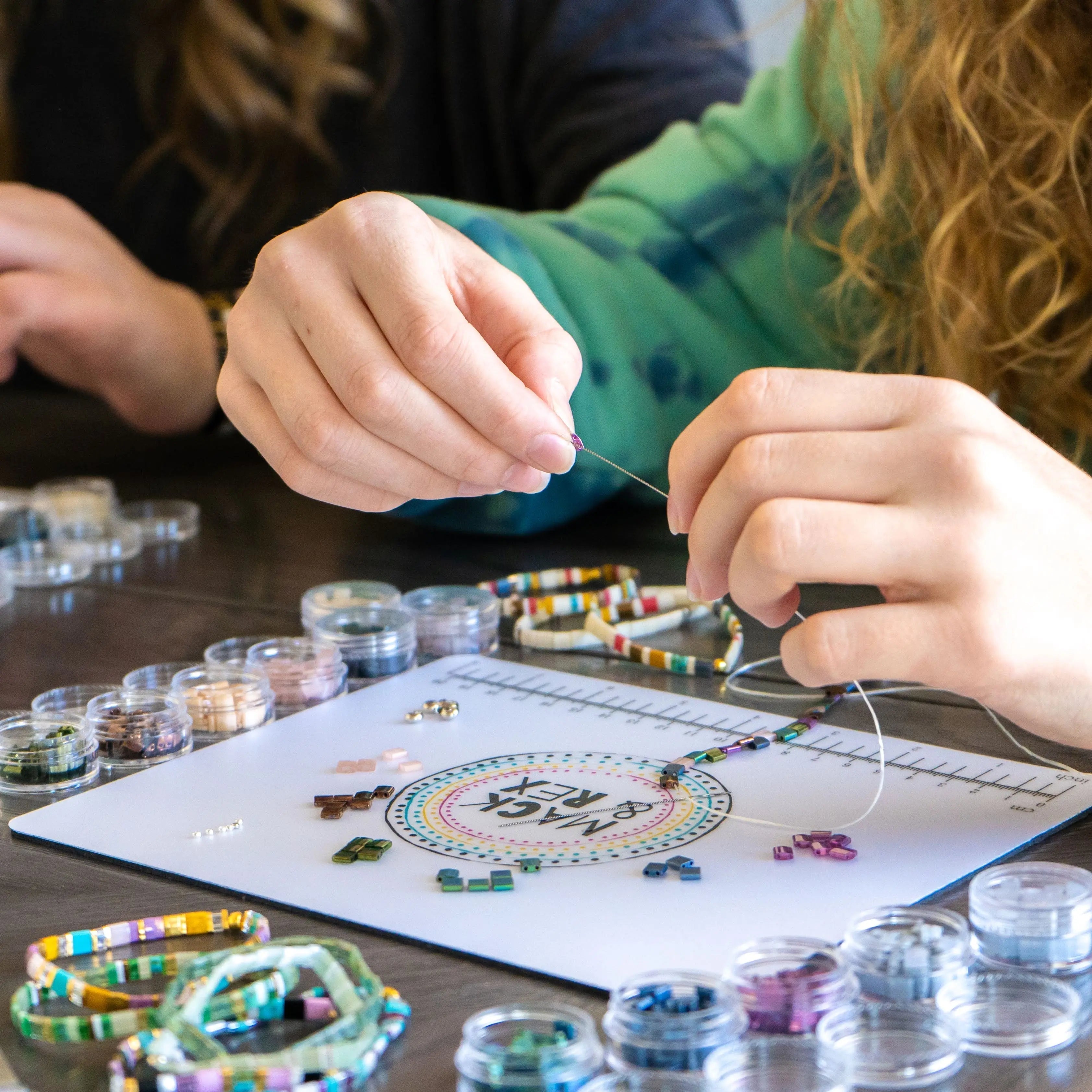
- Thread the beads back on in your new order (same design, a new color mix, or beads pulled from more than one kit).
- Tie the ends with a surgeon's knot: cross the cord, wrap it through twice, pull snug, then repeat once more for a secure double knot.2
- Add a small dab of glue to the knot and let it set for a minute.
- Tuck the knot inside the nearest bead hole so it's hidden and protected from friction.
That's the whole method. It's the same technique used to make the bracelet the first time, just applied to beads that already have a track record of looking good on your wrist.
What makes restringing easier?
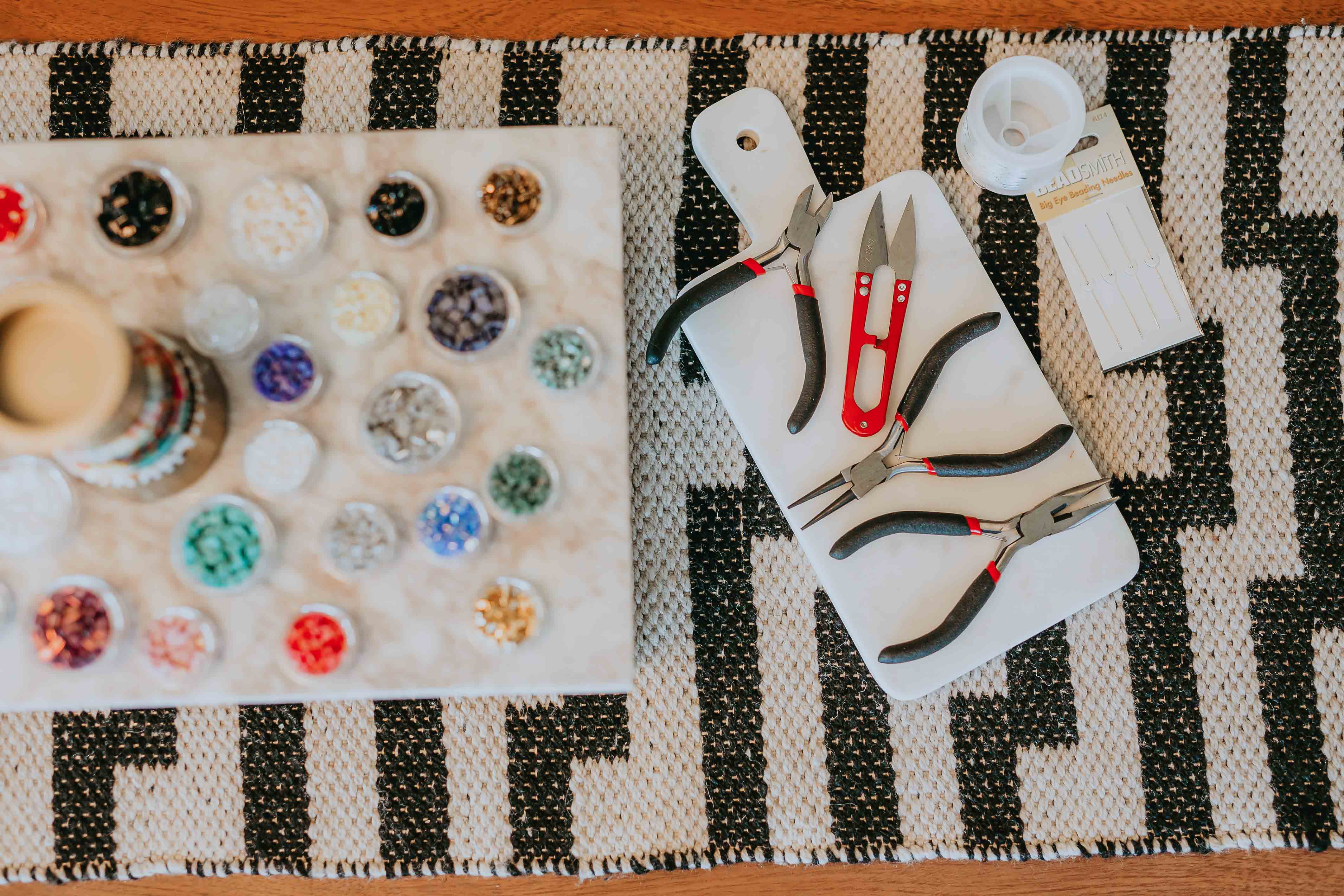
Having the right cord and tools on hand is the difference between a five-minute fix and a frustrating one. Crystal cord specifically (not generic craft elastic) grips a knot better and holds its stretch longer, which is worth knowing when you're shopping for replacement cord.3 If you don't already have scissors, a bead scoop, and spare cord sitting in a craft drawer, the Mack & Rex All-in-One tools & supplies kit ($43.99) covers those basics in one purchase, so restringing doesn't turn into a supply-run errand.
A bead mat or a shallow dish helps too. Loose Tila beads are small, and a stray one rolling under the couch is the most common frustration people run into when restringing for the first time. Work over a mat, a towel, or a bowl and you won't lose any.
Why bother restringing instead of buying a new kit?
Because the beads are the expensive part, and they're already yours. A single trio kit's beads can be redesigned many times over: worn as a stack, split into two shorter bracelets, recombined with leftover beads from another kit, or simplified down to your three favorite colors. You're not buying a "new" bracelet each time your taste changes or a cord wears through. You're just replacing a few cents of elastic.
It's also a nice way to keep crafting once the beads from a kit have already made a few bracelets. Instead of the beads sitting in a drawer, restringing turns them into a small ongoing hobby: pull the beads back out every few months, try a new combination, tie it off, and wear something a little different without spending anything new.
One shopper summed up the appeal of working with a curated bead mix like this: "I like the kit in a can monthly as it is a complete three bracelet project for me. The pieces and colors work so well together I love it." That same color coordination is exactly what makes restringing worthwhile. You already know the palette works, so recombining it is low-risk and genuinely fun.
A few things to know before you restring
A couple of practical notes so your redo goes smoothly:
- Measure before you cut. Wrap the cord around your wrist plus a little slack for the knot, rather than guessing. Too short and you'll be re-cutting; too long and the bracelet sits loose.
- Don't skip the glue. A surgeon's knot without a dab of glue can work its way loose over weeks of wear, especially on a smaller bracelet with fewer beads to add friction.
- Check for nicks. If a bead hole has a rough or chipped edge, it can wear through new cord faster than a smooth-holed bead will. Set damaged beads aside rather than restringing with them.
None of this requires special skill. If you strung the original bracelet from a kit, you already know everything needed to restring it.
Frequently asked questions
Can I restring a bracelet from a bracelet kit?
Yes. Bracelet kits like Mack & Rex trio kits string beads on stretch elastic, and stretch elastic can always be cut off and replaced. Save the beads, snip the old cord, and re-thread them on fresh cord whenever you want a new design or the old one stretches out.
What part of the bracelet actually wears out?
The elastic cord, not the beads. Crystal cord loses its stretch and grip over months of wear, especially with lotion, sweat, and sun exposure. The Tila beads themselves are glass and hold up indefinitely, which is exactly why they're worth reusing.
What tools do I need to restring a bracelet?
Just scissors, fresh stretch cord, and a dab of glue for the knot. A pair of flush cutters makes trimming the knot tail cleaner, and a bead scoop helps keep loose beads from rolling everywhere while you rework the design.
Can I mix beads from more than one kit when I restring?
Yes, and it's one of the best reasons to restring in the first place. Once beads are off the old cord, they're just loose beads. Combine leftovers from two or three kits to build a color mix none of the original kits had on their own.
Sources: Fire Mountain Gems: Stretch Cord Guide, Halstead Bead: Elastic Cord Guide, Rings & Things: Stretchy Beading and Stringing Cord.