

Daisy Bracelet Color Ideas Using Tila Beads
What colors make a good daisy bracelet?
A real daisy is simple: white petals, a yellow center, green somewhere nearby if you're picturing the stem. That simplicity is exactly why it translates so well into beadwork. When I'm sketching out a daisy bracelet, I start with the same three-part logic every time: a petal color, a center color, and a band color that gives the flower something to sit against. Get those three right and the motif reads clearly even in a small-scale bracelet where you don't have a lot of real estate to work with.
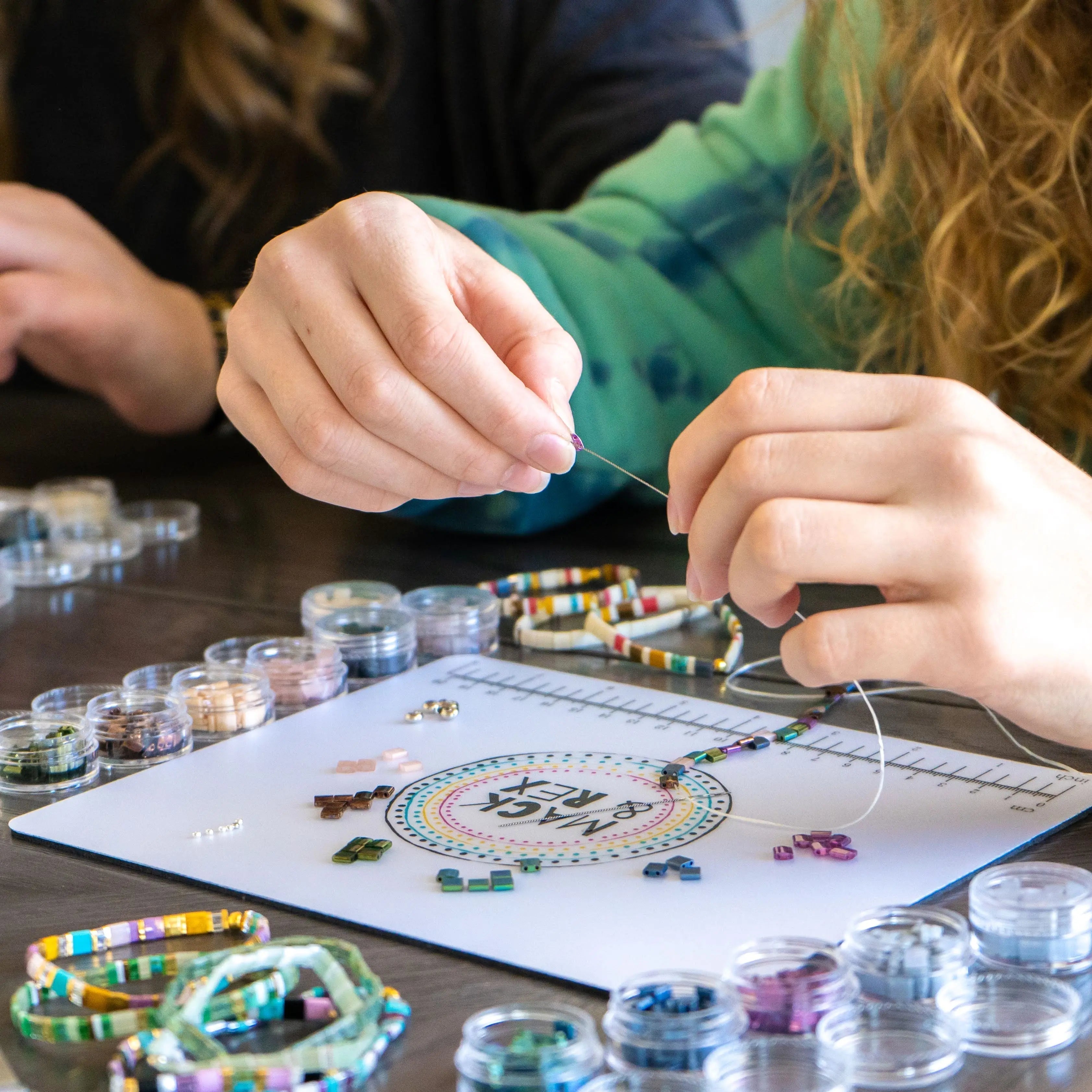
Tila beads are a good fit here because they're flat, two-hole glass tiles rather than rounds, so they sit next to each other cleanly and give you a crisp petal shape instead of a blurry cluster of dots. Pair them with seed beads or small rounds to fill in the center and edge detail, and the daisy stays recognizable even at bracelet size.
Classic daisy combinations
If you want the look to read as "daisy" at a glance, lean on these combos. They're not exotic, but that's the point, familiarity is what makes the motif instantly readable:
- White petals, sunshine yellow center, sky blue band
- Cream petals, mustard center, sage green band
- Ivory petals, butter yellow center, dusty rose band
- White petals, golden yellow center, denim blue band
Each of these keeps the petal-to-center contrast high (light against warm yellow) while letting the band color set the overall mood, cooler and crisper with blue, softer and more muted with sage or rose.
Seasonal and mood-based twists
Once the basic daisy shape is established, the band color is where you get to have fun. A few directions I'd try:
- Spring: white petals, lemon yellow center, mint green band
- Summer: cream petals, marigold center, coral band
- Fall: ivory petals, amber center, rust or terracotta band
- Beachy: white petals, pale yellow center, aqua or seafoam band
This is basically an analogous color scheme at work, colors that sit near each other on the wheel (yellow, orange, green) tend to feel harmonious and seasonal rather than jarring. If you want the daisy center to really jump out instead of blend in, swap toward a complementary pairing, like a yellow center against a purple or violet band. Complementary colors sit opposite each other on the wheel and create the strongest contrast, which is a basic color theory principle worth knowing before you commit to a full strand of beads.
How do I pick a band color that doesn't fight the flower?
The easiest rule I use: keep the band color either noticeably cooler or noticeably more muted than the yellow center, so the eye still lands on the flower first. A hot orange band next to a golden yellow center, for example, will fight for attention because they're too close in warmth and value. Sky blue, sage, dusty rose, or a soft lavender all give the yellow center room to be the focal point.
If you're newer to thinking in color schemes, a quick skim of a color wheel reference is worth five minutes before you buy beads. Craftsy has approachable beginner material on mixing and pairing craft colors that applies just as well to beadwork as it does to painting or fiber crafts, and it's a faster way to build intuition than trial and error with a half-finished bracelet.
Mixing finishes, not just colors
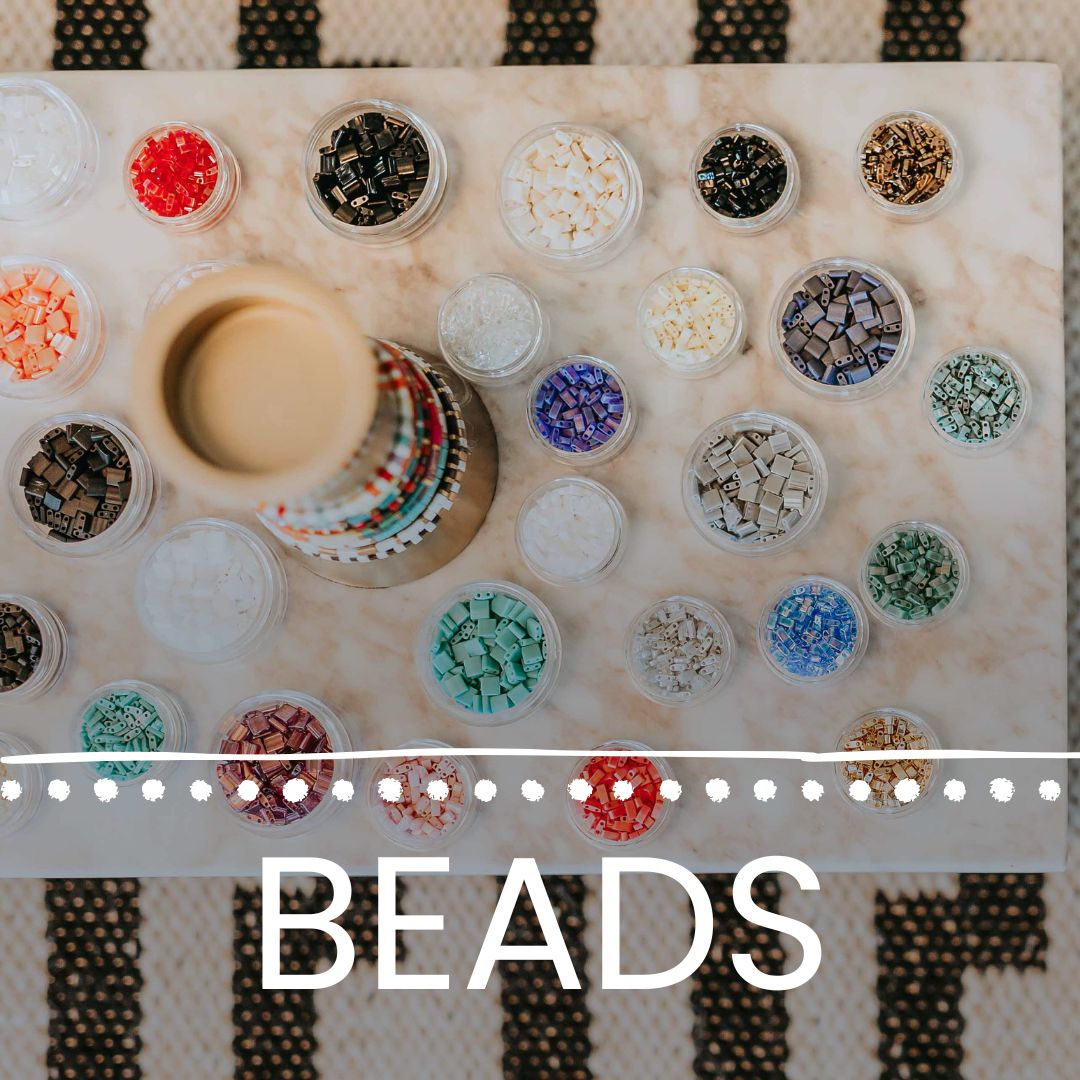
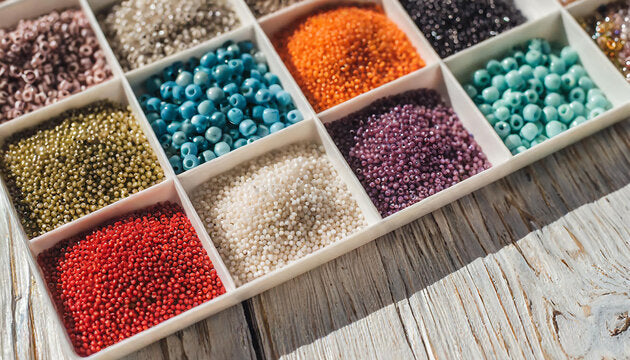
Color is only half the equation. Miyuki tila beads come in different finishes, matte, opaque, AB (aurora borealis) shine, and transparent, and mixing finishes within one color family adds depth without changing your palette. A matte cream petal next to a shiny cream petal, for instance, gives the flower some texture instead of looking flat. If you want a reference for how glass bead finishes are typically categorized before you commit to a mix, Fire Mountain Gems' Encyclobeadia has a solid general glossary of bead types and finishes that's useful background reading, independent of where you actually buy your beads.
I've found the easiest way to test a combination before buying a full mix is to lay three or four loose beads side by side on a plain white sheet of paper, away from any colored tablecloth or countertop that could throw off how warm or cool a yellow reads. A center bead that looks like butter yellow on a wood table can suddenly look closer to mustard once it's next to white petals, so testing in neutral light matters more than it sounds like it should.
What should I keep in mind before starting a daisy bracelet project?
A few practical notes before you sit down with beads and cord:
- Tila beads and seed beads are small and count as a choking hazard, so any beading session involving kids should be adult-supervised the whole time, these aren't toys and shouldn't be treated as safe for very young children to handle unsupervised.
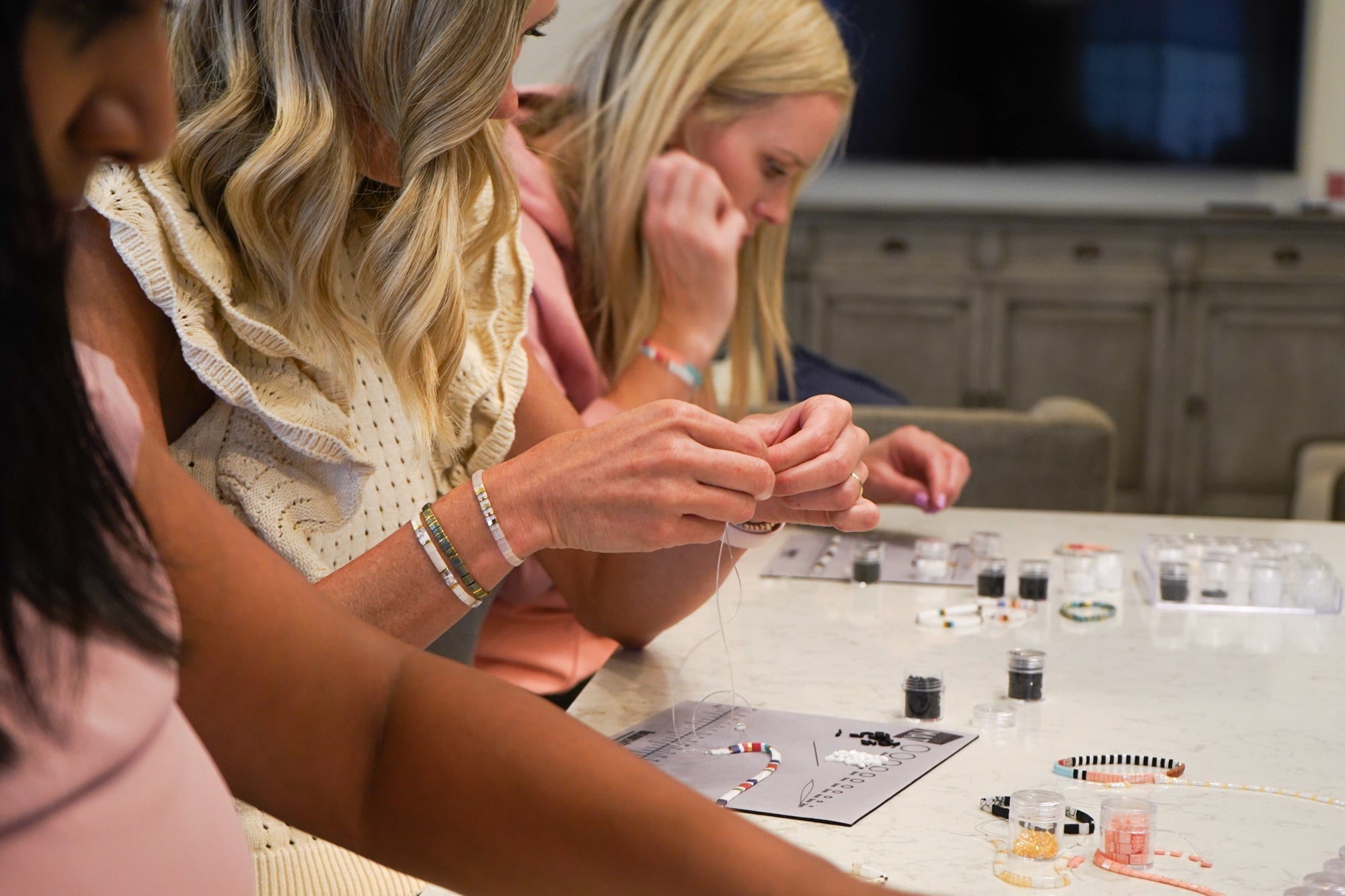
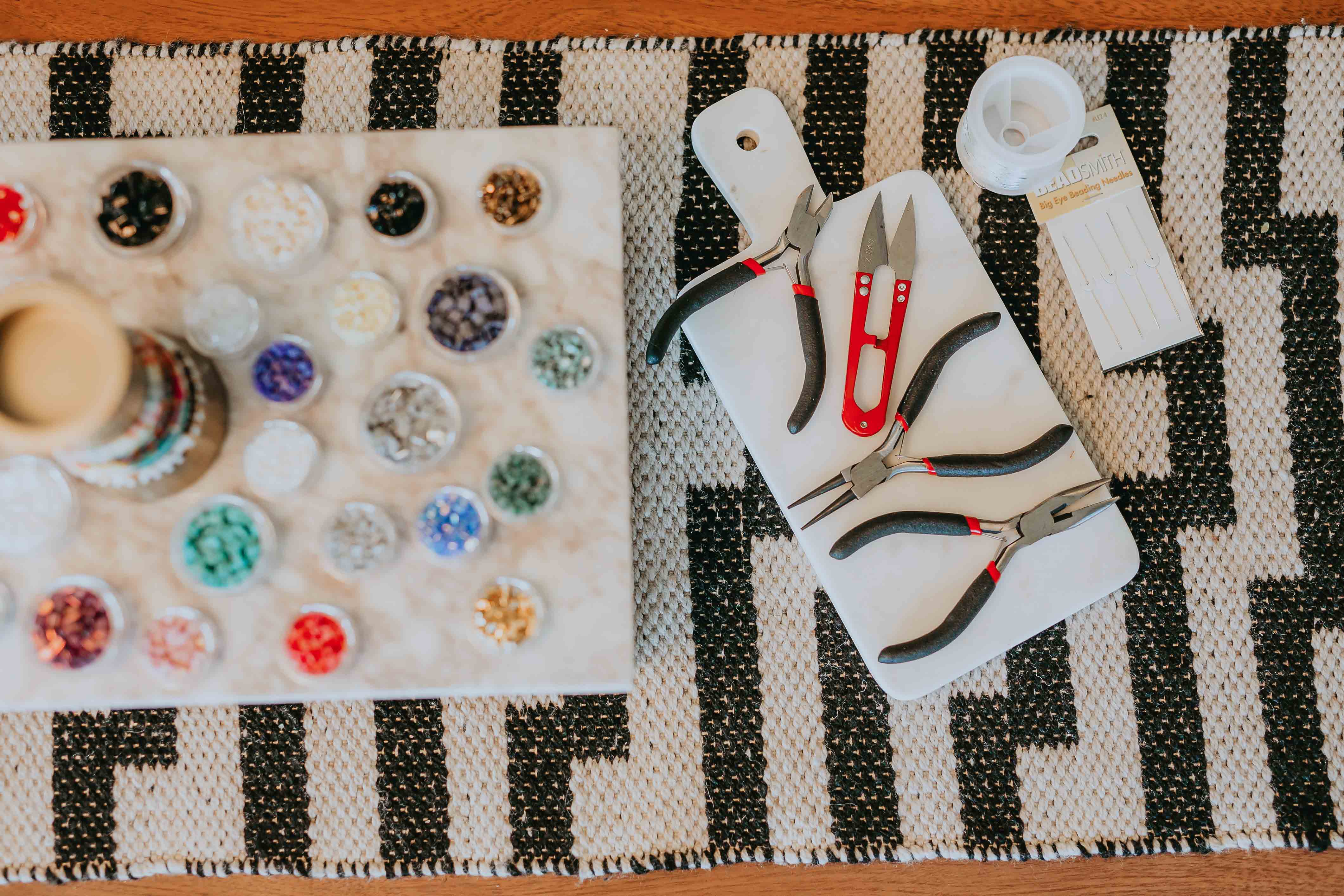
- Lay out your color combination on a tray before stringing anything. It's a lot easier to swap a bead than to unstring a finished bracelet.
- If you're matching an existing bracelet in your own closet, bring it with you (or a clear photo) when picking beads, screens shift color more than people expect.
One reviewer put it simply about a tila piece they'd picked up: "I love the color of the tila bead. It is a very beautiful Aquamarine." That's the kind of reaction a well-chosen color combination gets, it's not about having more colors, it's about having the right three or four working together.
Where can I find tila beads to try this?
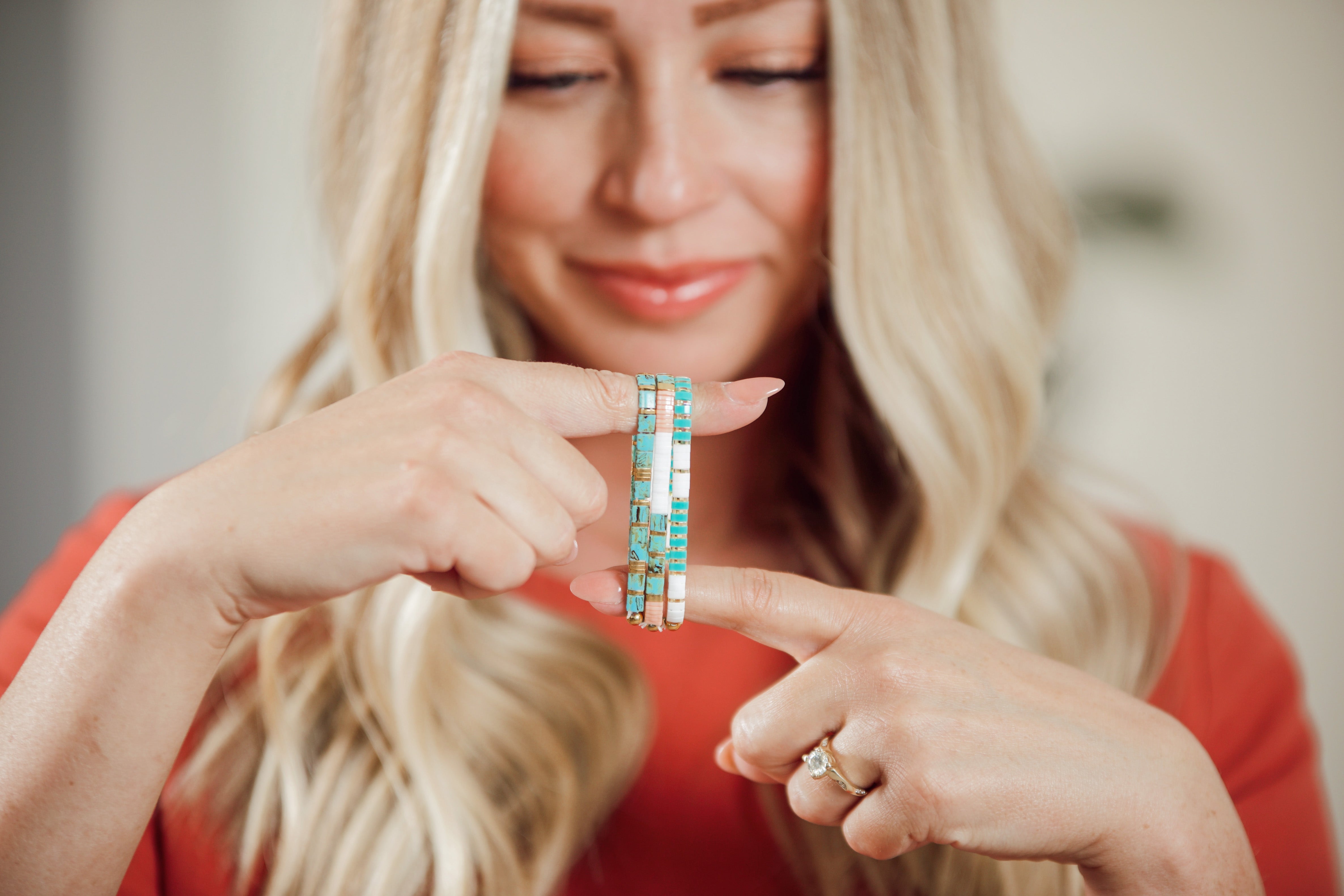
If any of these combinations caught your eye, Mack & Rex's tila beads collection is where to start looking for petal, center, and band colors. Mack & Rex resells genuine Miyuki glass tila beads, sold loose or in themed color mixes, so you can gather the specific tones a daisy design calls for rather than settling for whatever's in a generic assortment. Current exact shades shift with each drop, so it's worth checking the collection directly rather than hunting for a specific name here.
Mack & Rex ships internationally, with shipping and any customs or duties calculated at checkout, and offers free shipping on US orders over $100. If you're assembling a finished bracelet rather than building your own, the current buy-3-get-1-free offer applies to finished bracelets only, not loose beads, mixes, or kits.

