

Delica Beads vs. Tila Beads: Which Should You Use for Bracelets?
What's the Difference Between Delica Beads and Tila Beads?
Delica beads are small glass cylinders with one hole running lengthwise through the tube, built for loom weaving and off-loom stitches like peyote. Tila beads are flat, square, two-hole beads built for simpler stringing projects. Both come from Miyuki, the Japanese glass bead manufacturer, but the shape difference decides which one actually works for the bracelet you're picturing.
Mix them up and you'll notice fast. A Delica strung loose on elastic cord slides and spins because it has no second hole to keep it flat. A Tila bead threaded onto a bead loom doesn't sit right either, since loom patterns are built around a cylinder's uniform width. Neither bead is "better" across the board. They're built for different jobs.
What Shape Are Delica Beads vs. Tila Beads?
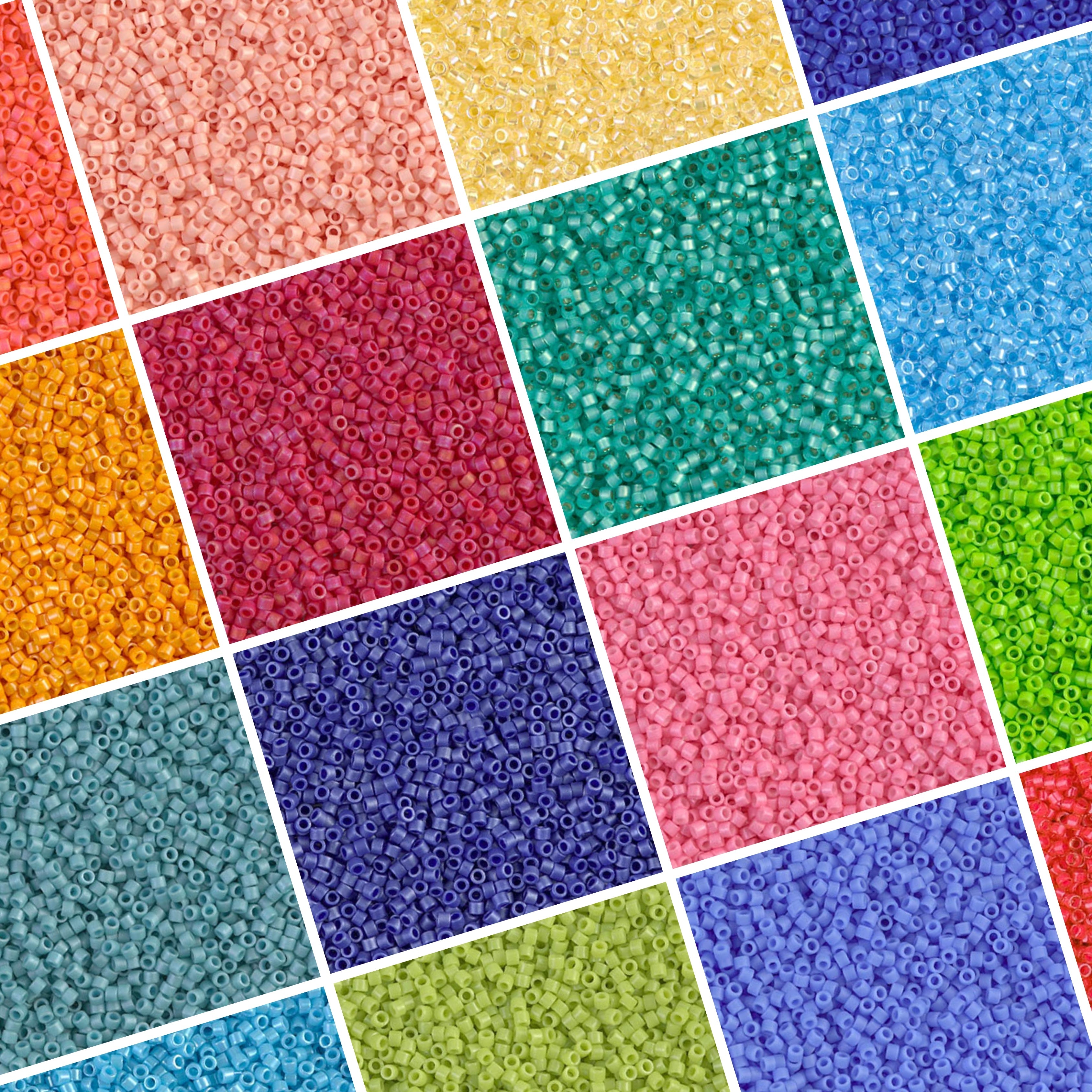
A Delica is a short cylinder, roughly as wide as it is tall, with thin walls and a hole large in proportion to the bead itself. Miyuki makes them in four sizes, with 11/0 the most common, and the uniform cylinder shape is exactly what makes patterned beadwork look crisp and even.
A Tila is flat and square, about 5mm across and under 2mm thick, closer to a tiny tile than a tube. Miyuki also makes a Half Tila, a rectangular version cut to half the standard size for finer detail work. Where Delica rounds up into a tube, Tila stays flat, which is the whole reason it lays smoother against the wrist in a finished bracelet.
How Many Holes Do Delica and Tila Beads Have, and Why Does It Matter for Bracelets?
Delica beads have one hole. Tila beads have two, set side by side through the flat face of the bead. That single detail changes how each bead behaves on a strand.
One hole means a Delica can spin freely on whatever it's threaded through, which is fine for a woven pattern held rigid by thread tension in every direction, but a problem on a single loose strand of elastic. Two holes mean a Tila locks into place next to its neighbors, flat side against flat side, so a strung bracelet stays aligned instead of twisting into a jumble by the end of the day. For a stretch bracelet you put on and forget about, that stability is the difference between a bracelet that still looks straight in a month and one that's already gone crooked.
Which Bead Is Better for a Simple Stretch Bracelet?
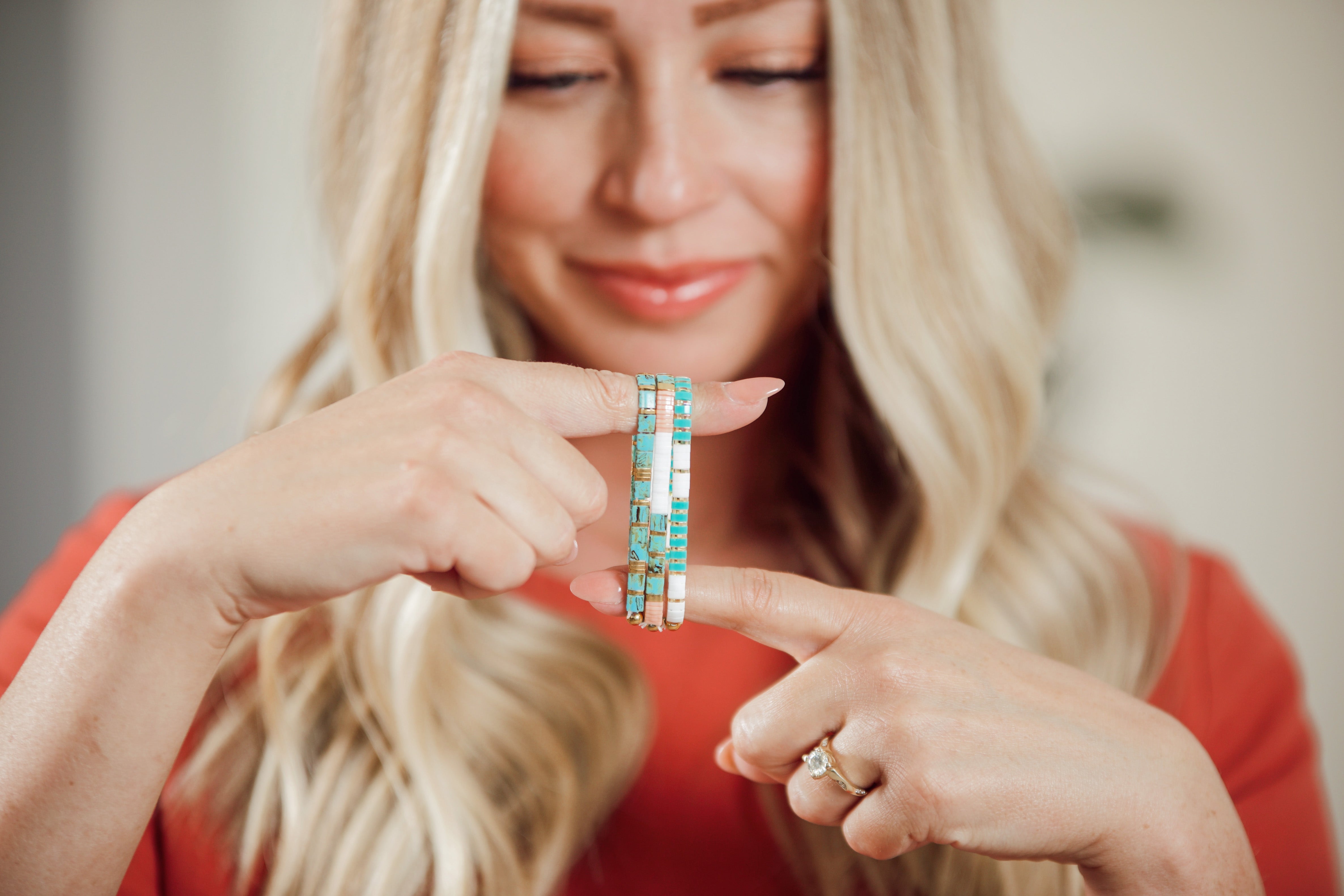
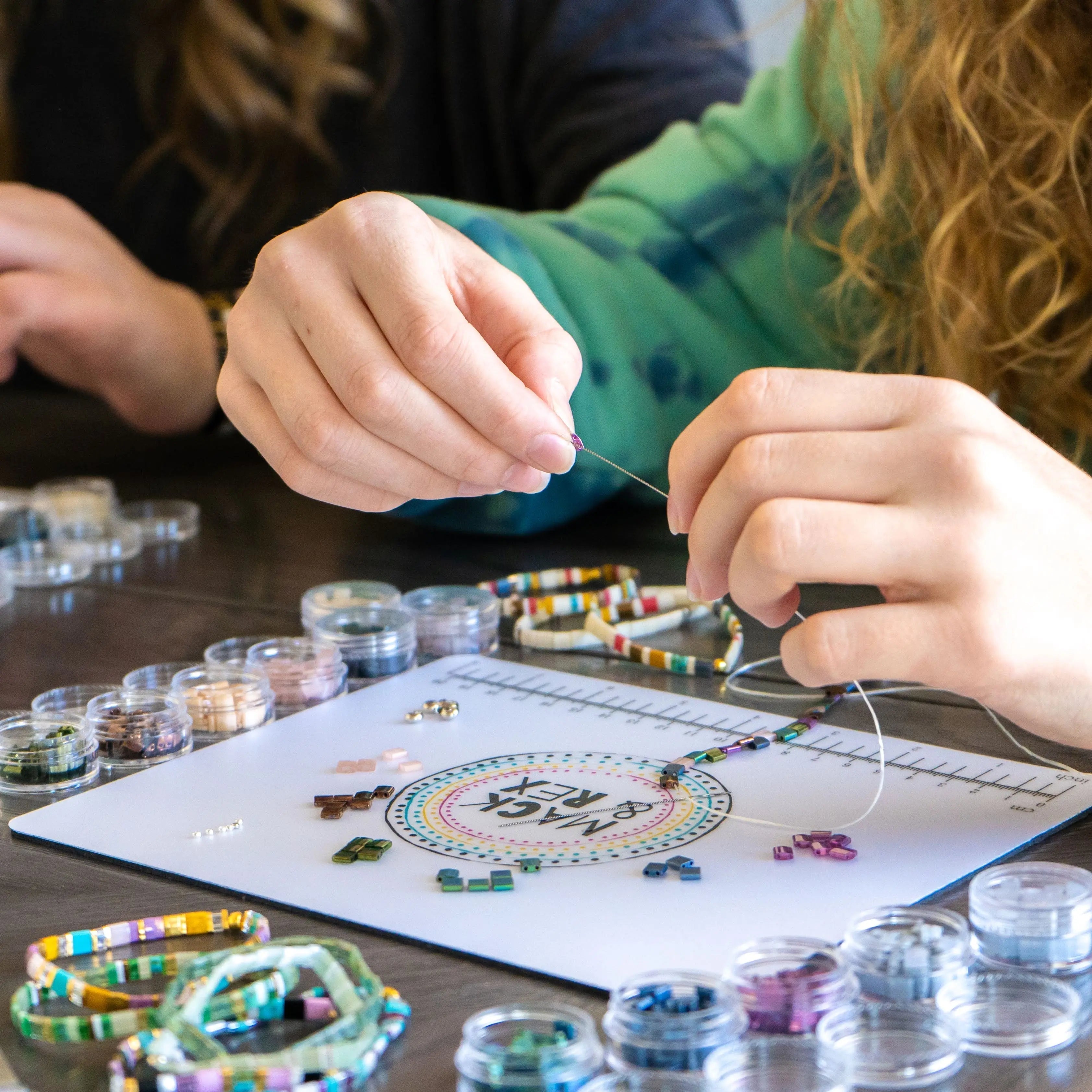
Tila, for most people. Its two holes and flat profile mean you can string it directly onto crystal-cord elastic in a single pass, tie it off, and wear it that day. No loom, no needle-and-thread stitch pattern, no separate backing material.
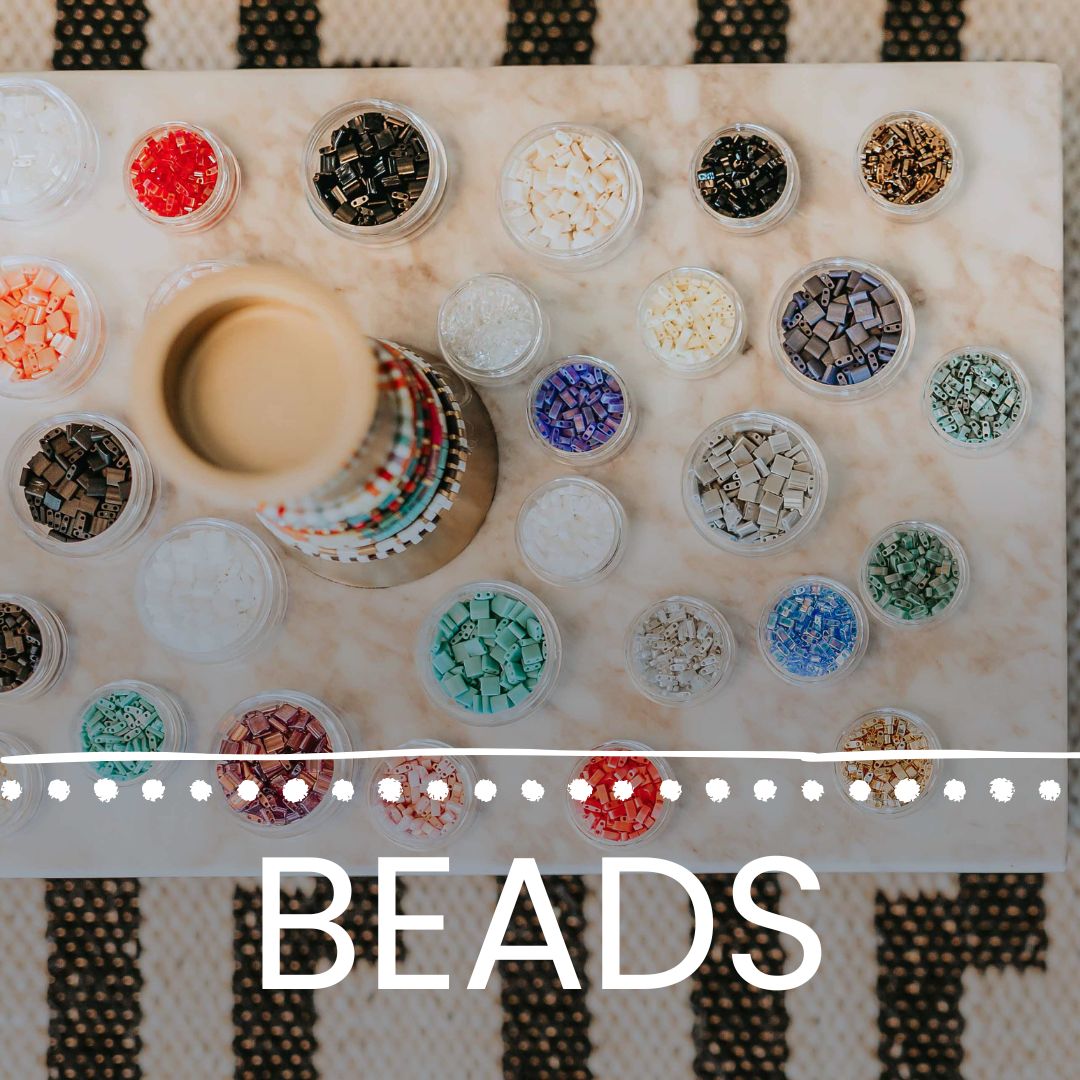
That's the shape behind Mack & Rex's Ultimate Tila Bracelet Kit, which makes about 80 bracelets from 12 containers of full, half, and quarter-size Miyuki Tila beads across 32 colorways, strung on crystal-cord elastic. The flat squares stack cleanly against each other on the wrist, which is exactly why Tila became the go-to shape for the stackable, ready-to-wear stretch bracelets the store is known for. A Delica bead, strung the same loose way, would roll and gap between beads rather than sitting flush.
Which Bead Is Better for Loom or Peyote-Stitched Bracelets?
Delica, hands down. Its uniform cylinder shape and consistent hole size are exactly what loom weaving and peyote stitch depend on. Rows line up evenly, patterns read cleanly, and the finished cuff has a woven, fabric-like drape that a strung bead can't produce.
This is a longer, more technical project. You're working a needle and thread through dozens or hundreds of beads row by row, following a pattern chart, and building a woven band rather than a single strand. It produces a different kind of bracelet, wider, patterned, cuff-style, rather than the thin stackable strand a Tila stretch bracelet gives you. If that's the look you're after, Delica is the right call. If you want something finished in one sitting, it's the wrong tool for the job.
Do Delica and Tila Beads Come in the Same Finishes and Colors?
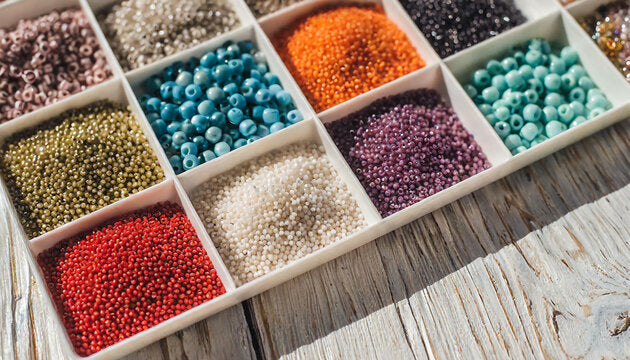
Both come in a wide range of Miyuki's standard finishes, matte, glossy, luster, and metallic among them, and both are labeled with a Miyuki color code so you know exactly which shade you're reordering. The color range overlaps heavily since the same dye and coating processes apply to both shapes.
Where they diverge is scale. Because a Tila bead's flat face shows more surface area than a Delica's narrow cylinder wall, finishes like Amethyst Luster or Glossy Teal read bolder and more saturated on a Tila strand. On a Delica, the same finish looks more like a fine texture, since each cylinder is smaller and the light catches it differently.
Can You Mix Delica and Tila Beads in the Same Bracelet?
Sometimes, with the right technique. In a woven piece, a beader can combine Delica cylinders with Half Tila beads as accent points within a peyote pattern, since both can be threaded on the same needle and thread. That's an advanced combination, though, and not something to attempt as a first project.
On a simple strung bracelet, mixing the two doesn't work well. A single Delica dropped into a strand of Tila beads breaks the flat, flush stack that makes the design work, and it introduces a bead that can spin loose while everything around it stays locked in place. If you want one bead shape end to end on a stretch bracelet, stick with Tila.
Is One Bead Easier for a Beginner Than the Other?
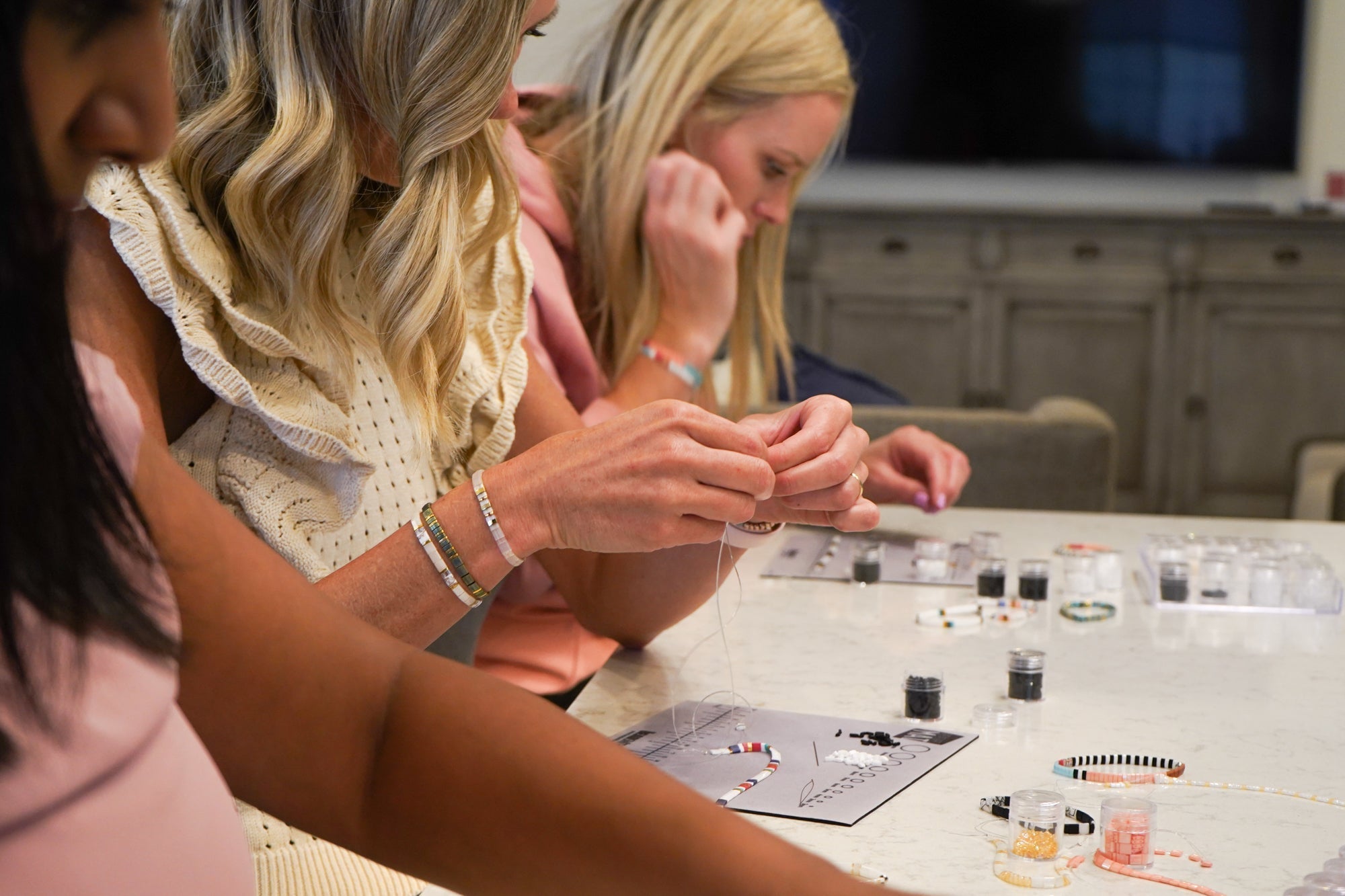
Tila, without question. It strings, it ties off, and you're wearing a finished bracelet the same afternoon. No pattern chart, no separate loom, no learning curve on tension.
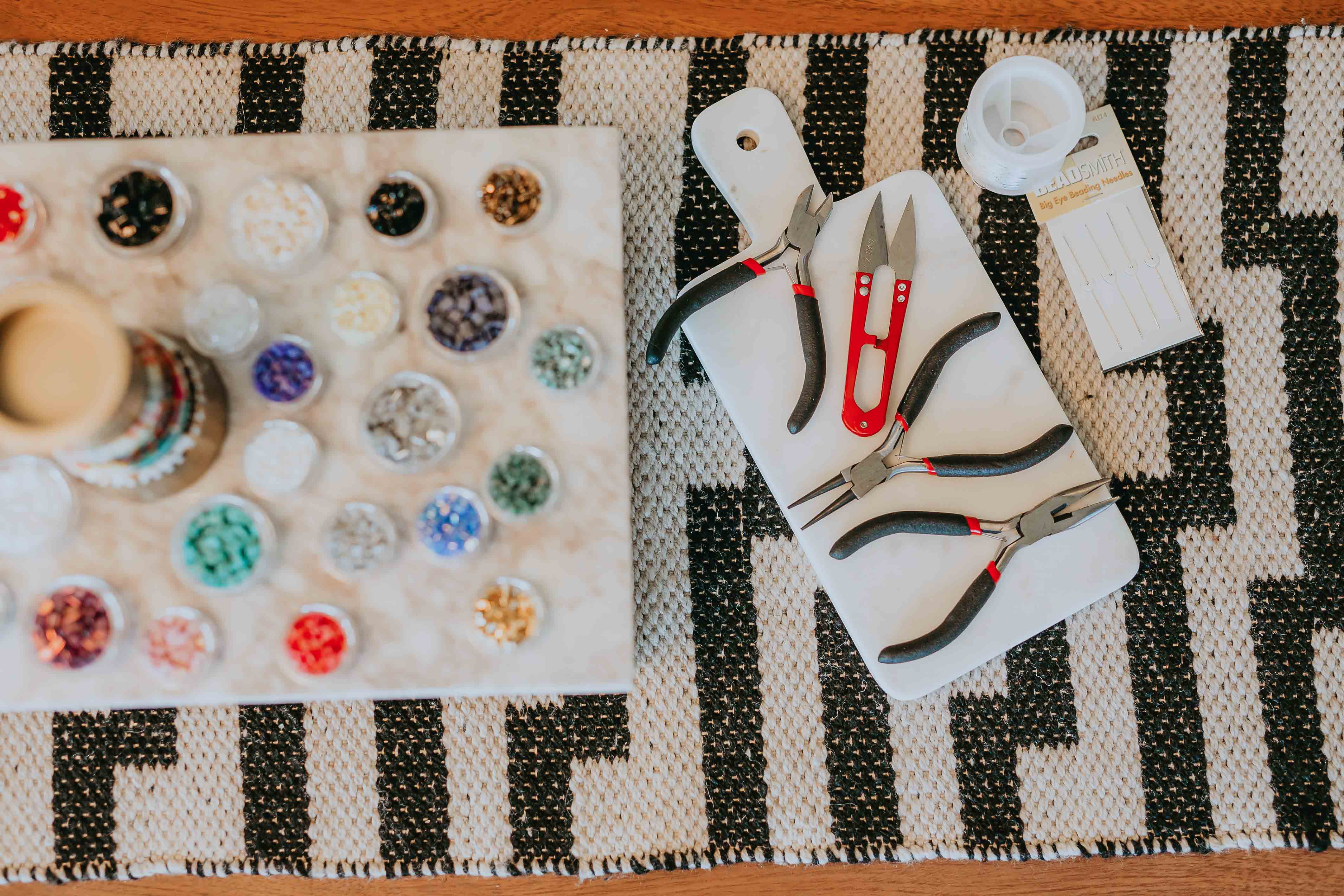
Delica asks more of a first-timer. You need a beading needle, nylon thread, a loom or a peyote stitch pattern, and enough patience to keep even tension row after row so the piece doesn't buckle. It's a rewarding skill once you've got it, but it's not a same-day project the way a Tila stretch bracelet is. If you're introducing a kid or grandkid to bead crafting for the first time, Tila is the friendlier starting point, and a Trio Bracelet Kit or the Ultimate Tila Bracelet Kit gets a beginner from empty table to finished bracelet without a separate weaving lesson. One safety note either way: both bead types are small parts and a real choking hazard, so any session with kids needs an adult in the room the whole time, and loose beads should go back in a closed container the moment you're done for the day.
Where Should You Buy Genuine Miyuki Delica and Tila Beads?
Look for a listing that names Miyuki directly and states an exact bead size, hole count, and color code rather than a vague "glass tile bead" description. Miyuki's own site (its English Delica product page) and general craft references on seed and cylinder bead manufacturing both confirm the cylinder-versus-flat distinction that separates these two shapes. Retailers like Lima Beads' Miyuki Delica catalogue are a good reference point for how the size and finish naming conventions work across the category.
Mack & Rex doesn't manufacture either bead. Miyuki is a Japanese glass bead maker, and Mack & Rex sources and resells genuine Miyuki Tila beads in its kits, bead mixes, and finished bracelets. The curation, the elastic, and the finished designs are ours; the beads themselves are Miyuki's.
Frequently Asked Questions
What's the main difference between Delica beads and Tila beads?
Delica beads are small cylinder-shaped beads with a single hole, made for loom work and off-loom weaving stitches. Tila beads are flat, square, two-hole beads made for simpler stringing projects like stretch bracelets. Both are manufactured by Miyuki in Japan.
Can you use Delica beads to make a stretch bracelet?
You can, but it's not what Delica beads are built for. Their single hole and cylinder shape work best on a needle for peyote or loom stitching, not strung loose on elastic cord, which is why most simple stretch bracelets use a flat, multi-hole bead like Tila.
Are Tila beads easier for beginners than Delica beads?
Generally, yes. Tila beads string directly onto elastic cord with no loom or stitch pattern to learn, so a first-timer can finish a bracelet in one sitting. Delica beads require a beading needle and a weaving technique, which takes more practice to get even.
Does Mack & Rex sell Delica beads or just Tila beads?
Mack & Rex's bracelet kits and loose bead mixes are built around Miyuki Tila beads, not Delica. Tila's flat, two-hole shape is what makes the stackable, ready-to-wear stretch bracelets in the collection possible.
Are small beads like Delica and Tila safe for kids to use?
Both are small parts and a choking hazard, so any bracelet-making session with kids needs an adult supervising the whole time. Keep loose beads in a closed container between uses and treat this as a project for older kids working alongside an adult, not one for very young children.
Ready to skip the loom and start stringing. The Ultimate Tila Bracelet Kit comes with genuine Miyuki Tila beads across 32 colorways, crystal-cord elastic, and enough supplies for about 80 bracelets, all for $399.99 with free U.S. shipping once your order clears $100. Prefer something already made? Browse the finished bracelet collection, where buy 3 get 1 free applies with no code needed.