

DIY Bracelet Kits: Build Your Own Custom Stack
What makes a DIY bracelet kit worth building from scratch?
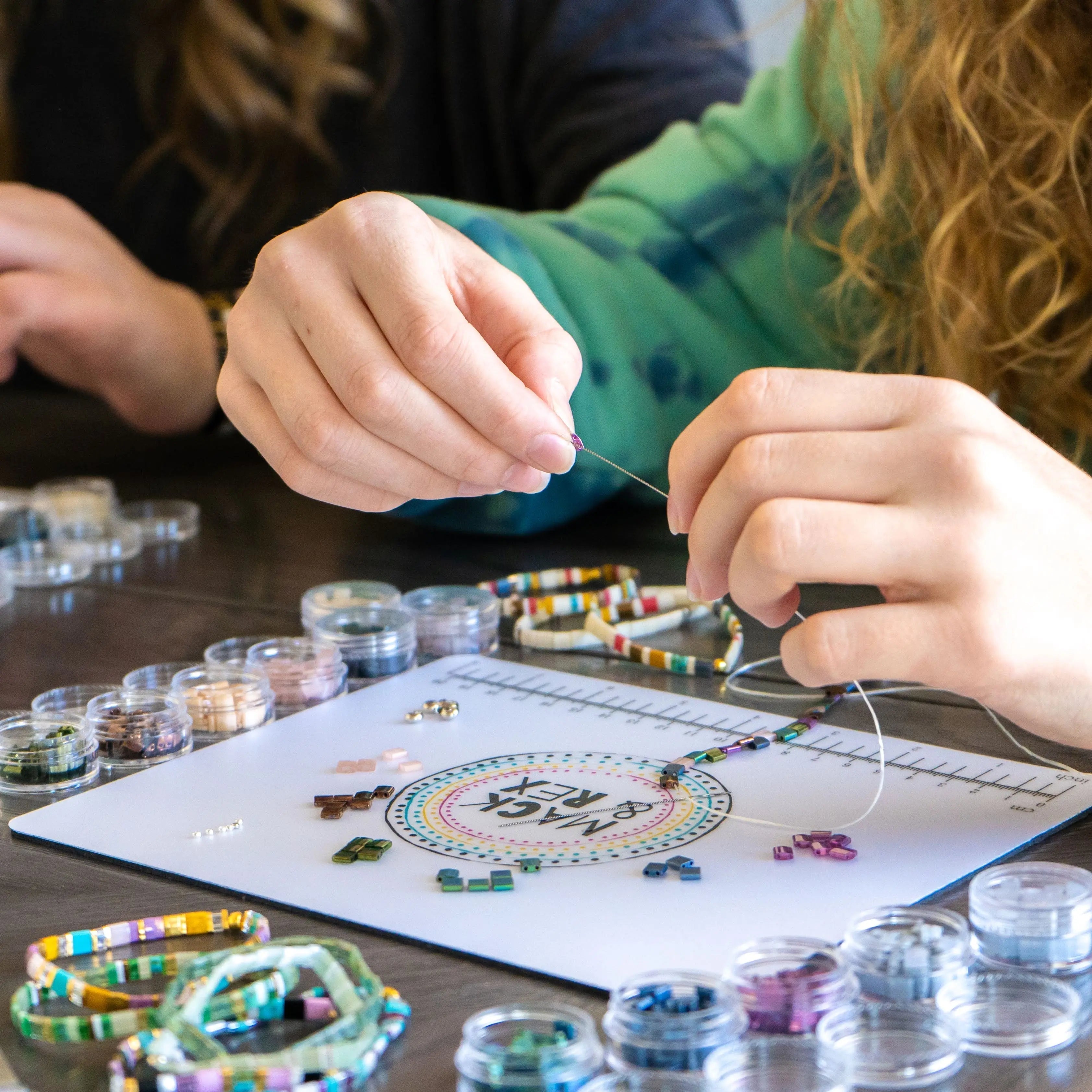
A quality DIY bracelet kit gives you Miyuki Tila beads, elastic cord, and enough material variety to design a stack that's genuinely yours. No copying someone else's pattern. The best kits skip the color-by-numbers sequence; they give you bead options, room to experiment, and the satisfaction of wearing something you actually made decisions about.
That's the difference between following instructions and building something. And it's why the "make your own" angle on bracelet kits hits differently than a pre-set project.
How do you choose the right bead colors for a custom stack?
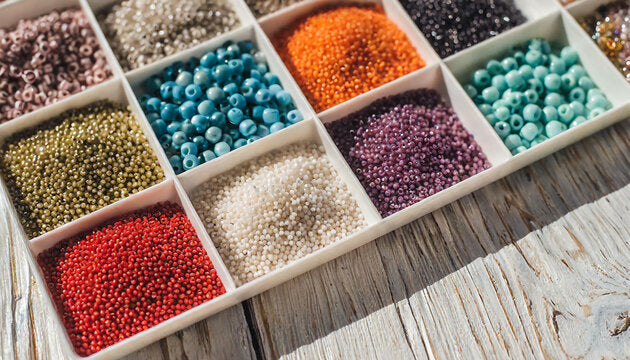
Start smaller than you think. Most people reach for too many colors and end up with a stack that reads as chaotic rather than curated. A 3-color formula works reliably: one neutral or anchor shade, one main color that carries the look, and one accent that adds interest without competing.
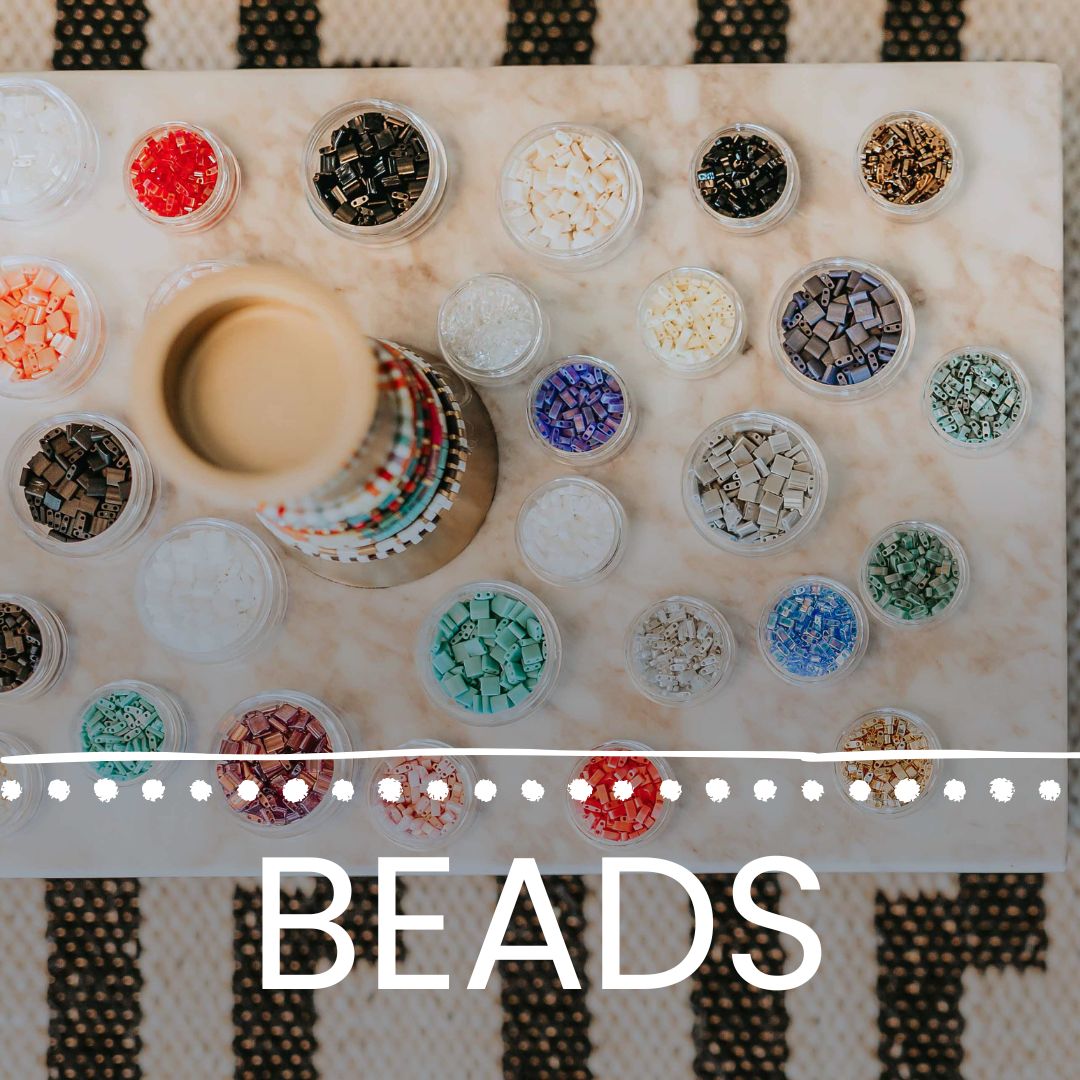
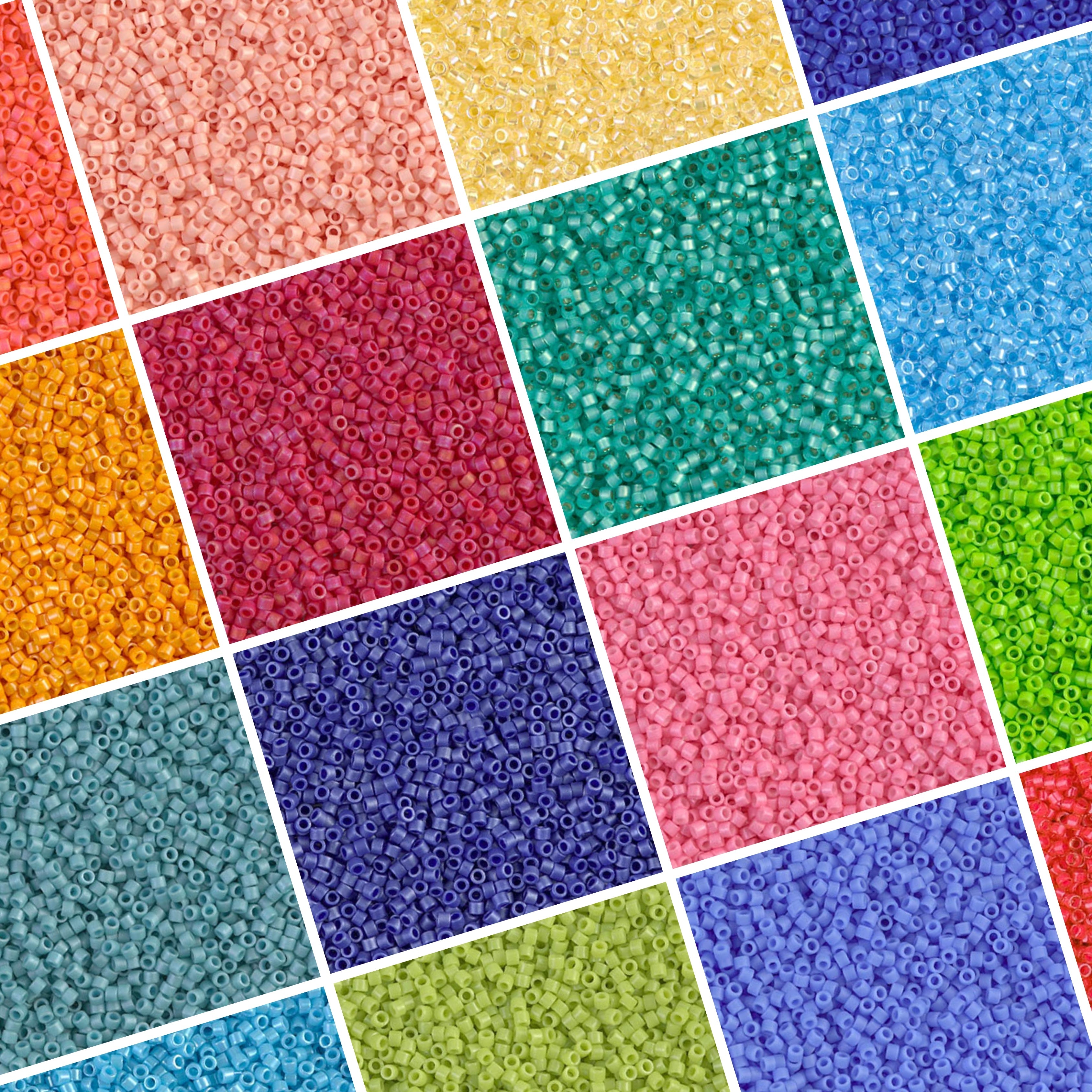
Miyuki Tila beads (which Mack & Rex sources and resells as part of their kits) come in a wide range of finishes: matte, metallic, opaque, AB (aurora borealis). The finish matters as much as the hue. A matte navy and a metallic navy read as two totally different colors in a stack, even if they're technically the same base tone.
Lay your chosen beads side by side on a white surface before you thread anything. Swap out colors that don't sing together. This 5-minute step saves a lot of unthreading later.
What's the best way to plan a bracelet pattern before you start stringing?
Don't improvise mid-string. It sounds counterintuitive for a creative project, yet even a rough sketch or a bead line-up on your mat will keep your pattern consistent across 3+ bracelets in a stack.
Three approaches that work well:
- Solid-and-mixed combo: One or two solid-color bracelets paired with one mixed-bead bracelet. The solids anchor the stack; the mixed bracelet adds movement.
- Color blocking: Each bracelet in the stack is a different single color, chosen to step through a gradient or contrast set. Simple, clean, and readable at a glance.
- Repeating sequence: The same 3- or 4-bead color sequence repeating across every bracelet. This creates cohesion and makes the whole stack look intentional, not random.
Decide your plan before you cut cord. You'll use your materials more efficiently, and your finished stack will look like it was designed, not assembled on a whim.
How do you string Tila beads without the bracelet falling apart?
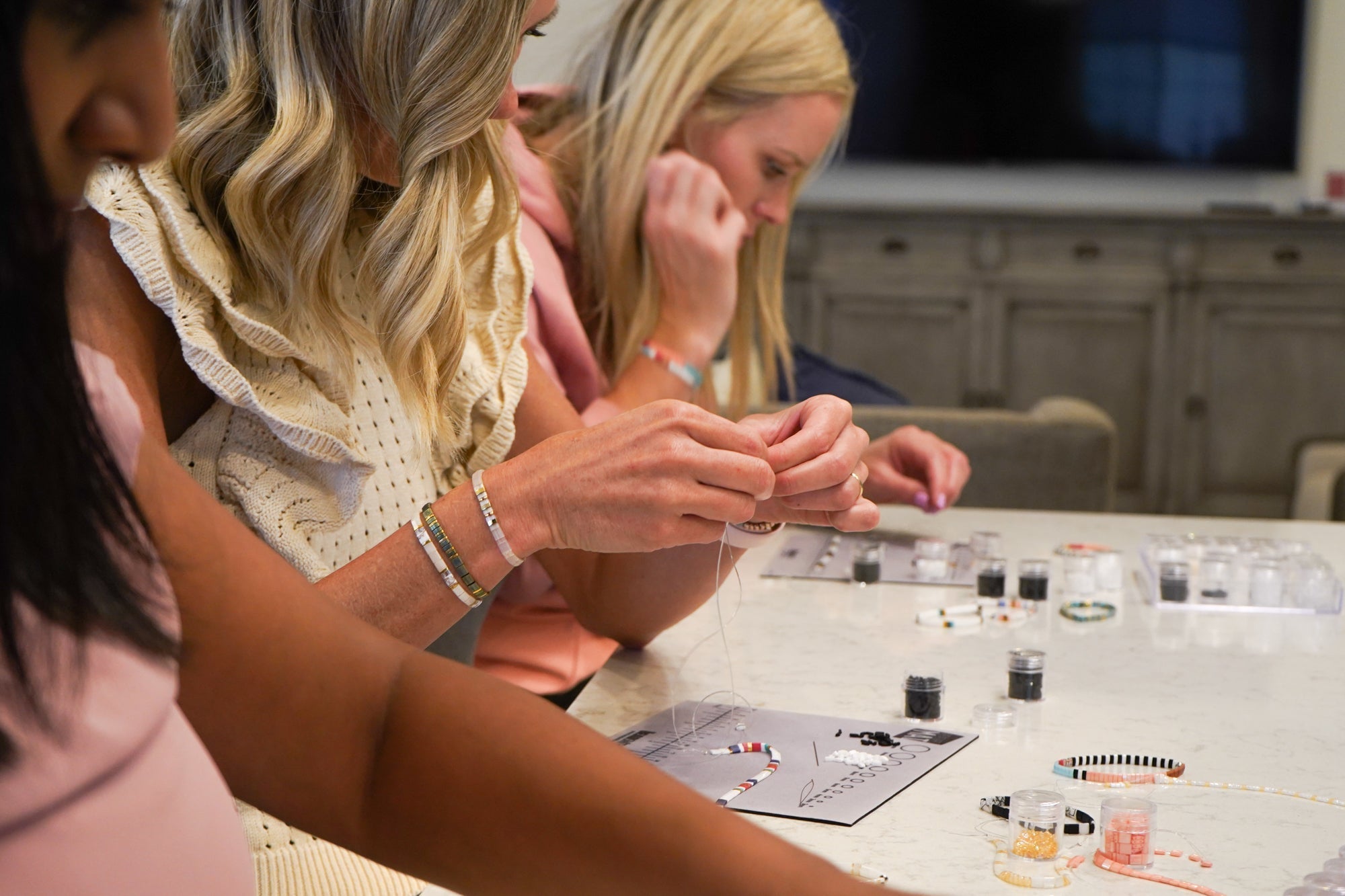
Cord choice matters more than most beginners expect. Tila beads have a flat, rectangular two-hole shape (they're not round, and the hole size is specific). Crystal-cord elastic threads through cleanly and holds tension without degrading as fast as cheaper alternatives. Mack & Rex builds their finished bracelets on this same cord, which is part of why they hold up to daily wear.
A few things that separate a bracelet that lasts from one that snaps in a week:
- Cut your cord longer than you need. Four inches of extra length gives you enough tail to tie off properly.
- Keep tension consistent as you string. Check it every 8-10 beads.
- Use a surgeon's knot, not a standard overhand. It doesn't slip.
- Tuck the tail under 2-3 beads before trimming. The knot should disappear into the bracelet.
According to Beadaholique, a leading beading supply resource, using a bead mat and proper knot technique are the two most common improvements that extend handmade stretch bracelet lifespan significantly.1
How do you size a DIY bracelet stack correctly?
Measure your wrist, then add half an inch for a comfortable stretch-bracelet fit. If you're building a stack to wear together, all the bracelets in the set should be cut to the same finished length. Otherwise they'll sit unevenly on the wrist and the thinner bracelets will migrate up your arm.
One of the things that sets Mack & Rex apart in the kit space is their sizing range. Their finished bracelets run XXS through 5XL, and the same sizing awareness carries into how their kits are designed. When building your own stack, this matters: a bracelet that fits correctly won't slip off during a workout or feel tight after a few hours.
The Spruce Crafts recommends measuring wrist circumference with a flexible tape measure, then checking fit with a test piece of cord before committing to your bead count.2
What's in a Mack & Rex bracelet-making kit?
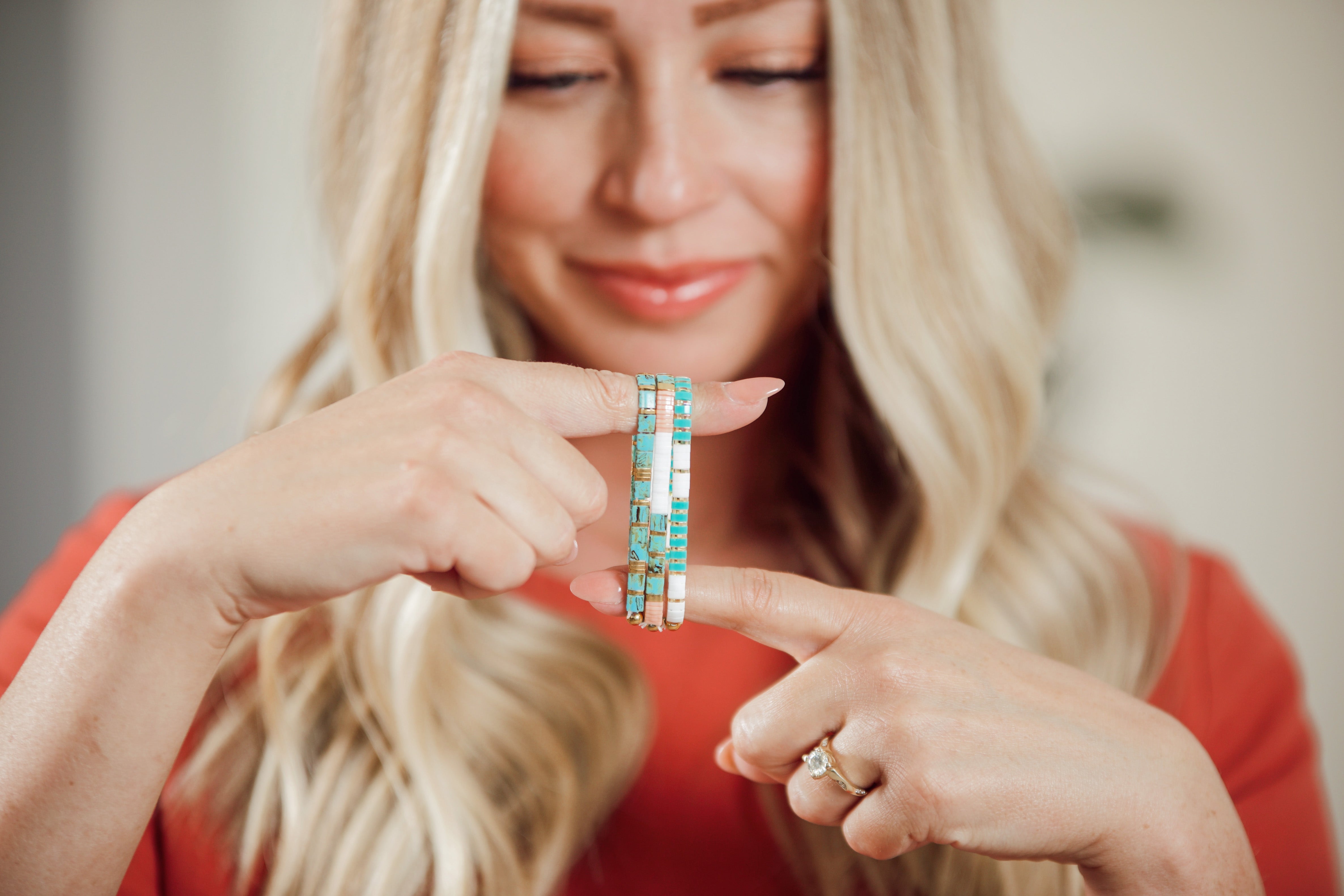
Mack & Rex has a few kit tiers. The trio kits (currently $44.99) include Miyuki Tila bead mixes and materials to make 3 coordinated bracelets, enough to build a starter stack right out of the box. Their starter and ultimate kits step up from there, with more bead variety for makers who want to spend an afternoon building out a full look.
What the kits don't do: prescribe a single fixed pattern. You get the beads and the materials; the design decisions are yours. That's the right setup for anyone who wants a bracelet that actually reflects their style rather than whatever was trending when the kit was assembled.
Miyuki's own material standards for Tila beads (consistent sizing, precise hole placement, uniform finish) are part of what makes them a go-to for DIY bracelet makers who care about how the finished piece looks and holds up.3
Can you mix bead styles within one bracelet kit stack?
Yes, and it often looks better. A stack built entirely from one bead size and shape can feel a little flat. Mixing Tila beads with Half-Tila beads (smaller, single-hole flat beads from the same Miyuki line) adds texture and visual weight variation without disrupting the overall palette.
One approach: use full Tila beads for your anchor bracelets and Half-Tilas for a narrower accent bracelet. The stack reads as a set, with each bracelet holding its own. This works especially well if you're layering over a thicker finished piece, like one of the Mack & Rex ready-to-wear bracelets from their named collections (STAINED, BEACHY, RETRO SUNSET). Building your own stack around an existing bracelet you already love is one of the most natural ways to start.
Tips for making a DIY stack that actually looks designed
A few quick wins:
- Odd numbers work. A 3-bracelet or 5-bracelet stack reads more naturally on the wrist than 2 or 4.
- Vary width, too. Mixing narrow and wider bracelets adds structure to the stack.
- One wildcard is fine. A single unexpected color or finish (a metallic among mattes) keeps a stack from looking predictable. More than one and it starts competing with itself.
- Photograph it before you wear it. Lay the finished stack flat and shoot it. If the colors read clearly in a photo, the stack has good visual balance.
And a practical note if kids are joining in: Tila beads are small parts. Adult supervision is important any time children are working with loose beads or elastic cord. Keep the workspace organized and the bead mat close so nothing rolls.
Ready to start your own stack?
Mack & Rex's bracelet-making kits are stocked with real Miyuki Tila beads in palettes designed to mix well, so you're not starting from zero on color choices, yet you're still making the calls that matter. Orders over $100 ship free within the US.
Browse the full kit lineup and find the starting point that fits how you want to build.
Shop DIY Bracelet Kits at Mack & Rex →
Frequently asked questions about DIY bracelet kits
What comes in a DIY bracelet kit?
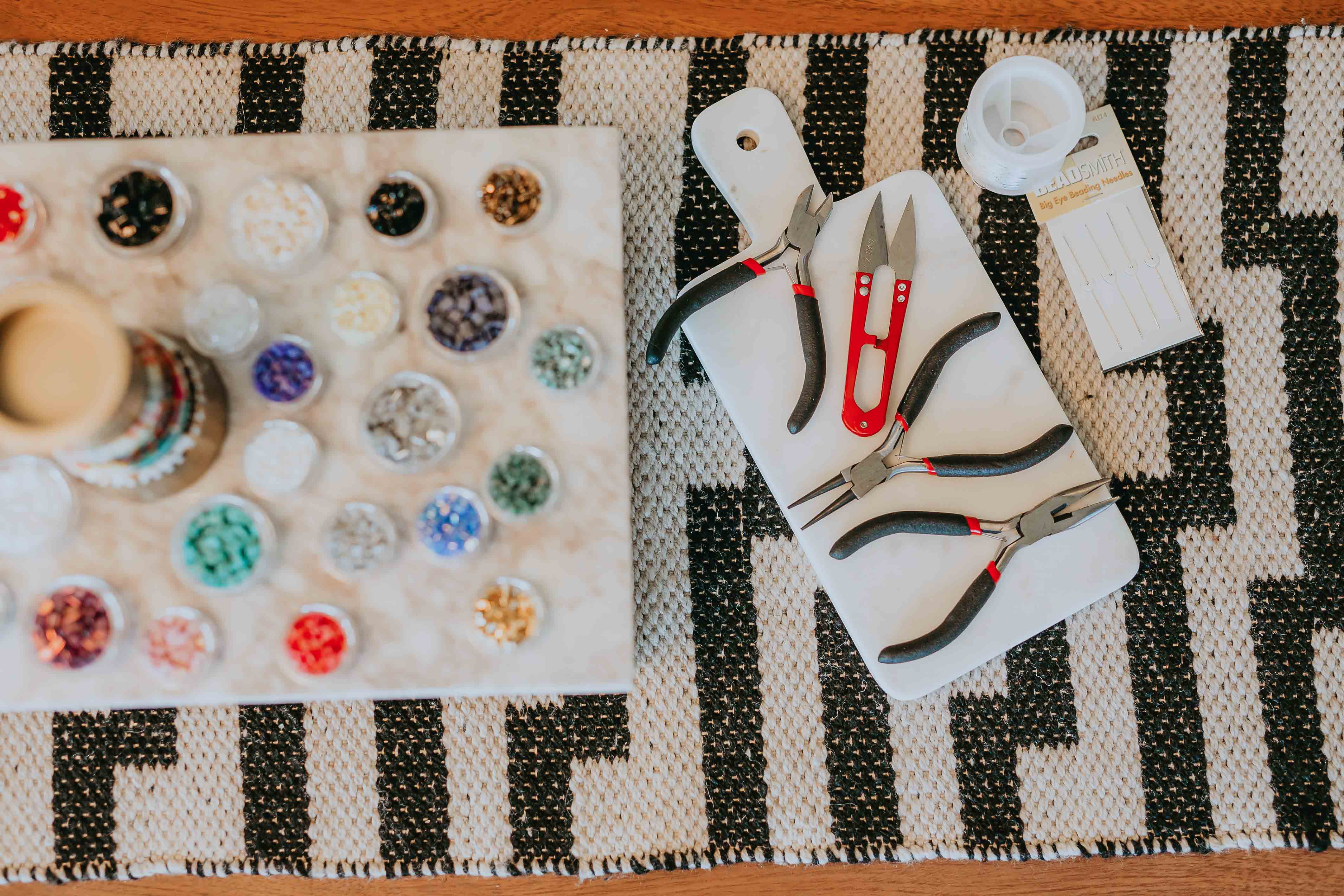
A good DIY bracelet kit includes Miyuki Tila beads (typically in several colors or a themed mix), elastic cord, a needle or threading tool, and basic instructions. Some kits, like the Mack & Rex trio kits, include enough materials to make multiple bracelets so you can build a full stack from one box.
How many bracelets can I make from a single kit?
It depends on the kit and your wrist size. The Mack & Rex trio kits are designed to yield 3 coordinated bracelets per kit. Starter and ultimate kits include more bead packs and give you room to experiment with color combinations before committing to a final stack.
Can kids use a DIY bracelet kit?
Older kids and teens can enjoy bracelet kits with an adult present. Tila beads are small parts and a choking hazard, so they're not appropriate for very young children. Adult supervision is important whenever kids are working with loose beads or elastic cord.
What's the difference between a fixed-pattern kit and a build-your-own kit?
A fixed-pattern kit walks you through one specific design, same colors, same sequence every time. A build-your-own kit gives you enough bead variety to design your own stack: your color choices, your pattern, your arrangement. It's better for people who want a bracelet that feels personal rather than a replicated project.
What size bracelet kit do I need?
Mack & Rex bracelet kits accommodate a wide range of wrist sizes, and their bracelets run XXS through 5XL. When building your own stack, account for sizing at checkout. The elastic stretches; starting with the right base length makes for a better fit and a longer-lasting bracelet.