

DIY Bracelet Kit vs. Craft Store Kits: Which Is the Better Buy?
Is a DIY Bracelet Kit from a Specialty Shop Better Than What You'd Find at a Craft Store?
A well-made DIY bracelet kit beats the typical craft store version in three ways that actually matter: bead quality, cord strength, and color curation. Craft store kits are built around a low shelf price, which means plastic beads, thin elastic, and random color mixes. A specialty kit built around Japanese glass beads and crystal-cord elastic produces a bracelet that looks finished and wears well past the first month. That's the short answer.
The longer answer depends on what you're making the bracelet for. Rainy-afternoon activity with no pressure? Craft store kits get the job done. Something you'd actually wear daily, or a gift worth giving? That's where the quality gap becomes impossible to ignore.
What Do You Actually Get in a Basic Craft Store Bracelet Kit?
Most craft store bracelet kits are priced to move, and the contents reflect that. You'll generally find acrylic or plastic beads in a large mixed assortment, a thin spool of elastic cord, and a basic instruction sheet. The bead count can look generous on the package, though plastic beads are light and cheap to manufacture in bulk.
The cord is usually the first thing to fail. Budget elastic doesn't spring back reliably after repeated stretching, and tends to snap with daily wear. Many kits also skip any real thought around color coordination. You end up sorting through dozens of unrelated colors trying to make something that looks intentional, which adds time and frustration to what should be a relaxing project.
Finish matters too. Plastic beads don't catch light the way glass does. Side by side on your wrist, a bracelet made from acrylic beads and one made from Japanese glass beads look like completely different products. One looks handmade in the best way; the other just looks like a craft project.
How Does a Quality DIY Bracelet Kit Compare on Materials?
The materials list tells the whole story. Quality DIY bracelet kits are built around three things: the bead type, the cord, and the color system.
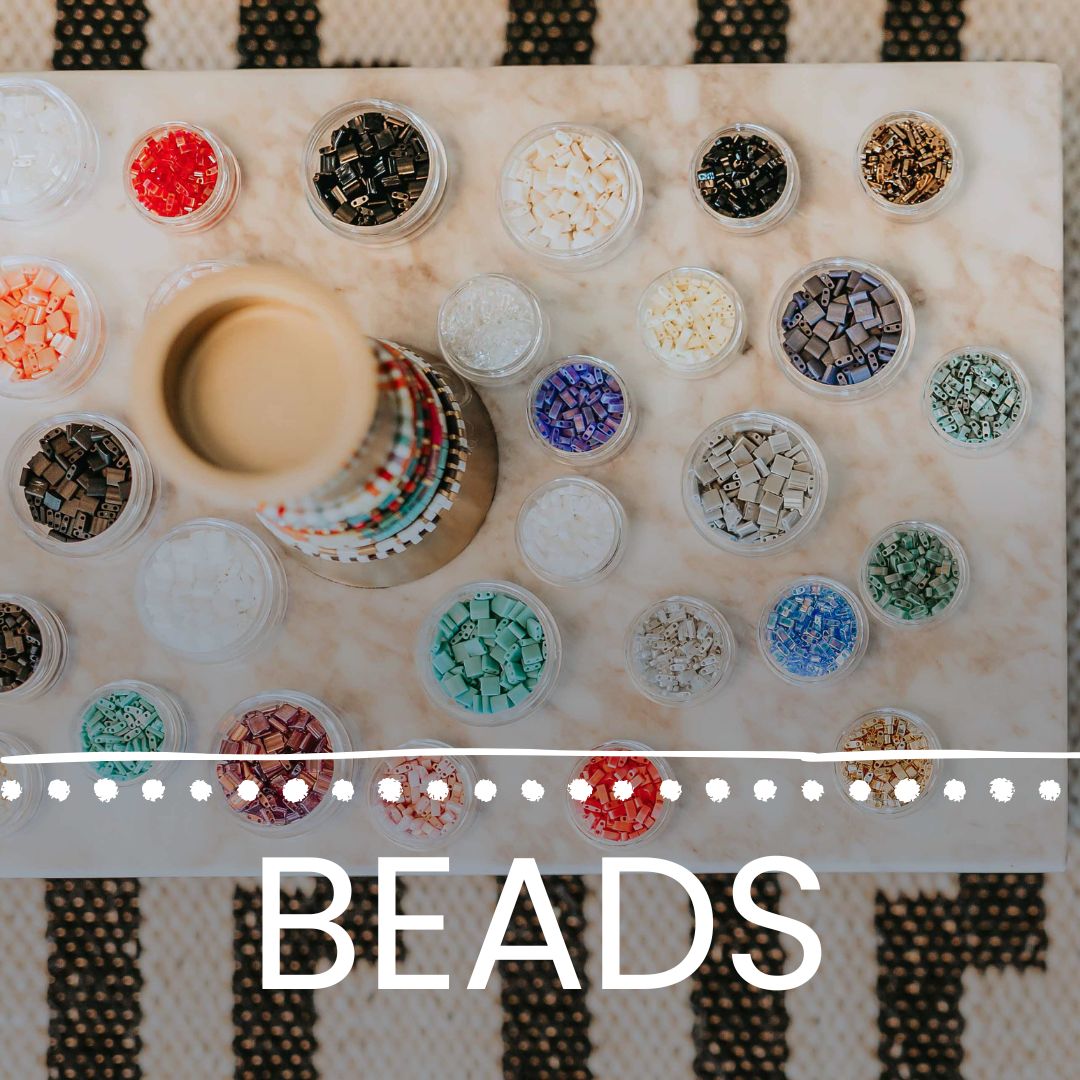
Bead type. Japanese glass beads, like Miyuki Tila beads, have tight dimensional tolerances. That means each bead is essentially the same size and shape, so they string evenly and lie flat against your wrist. The Beadaholique crafting resource library notes that Japanese seed and tile beads are widely preferred by experienced beaders specifically because of their consistency and surface finish. Beadaholique's beading basics guide outlines how bead uniformity directly affects the finished look of a strung piece.
Cord. Crystal-cord elastic holds tension better than standard budget elastic. Over time, the bracelet you make today still fits the same way six months later. The Spruce Crafts covers elastic cord types for jewelry making and points to round, clear elastic as the most durable choice for stretch bracelets. Their guide on beading wire and stringing materials is worth reading if you're deciding what cord to use.
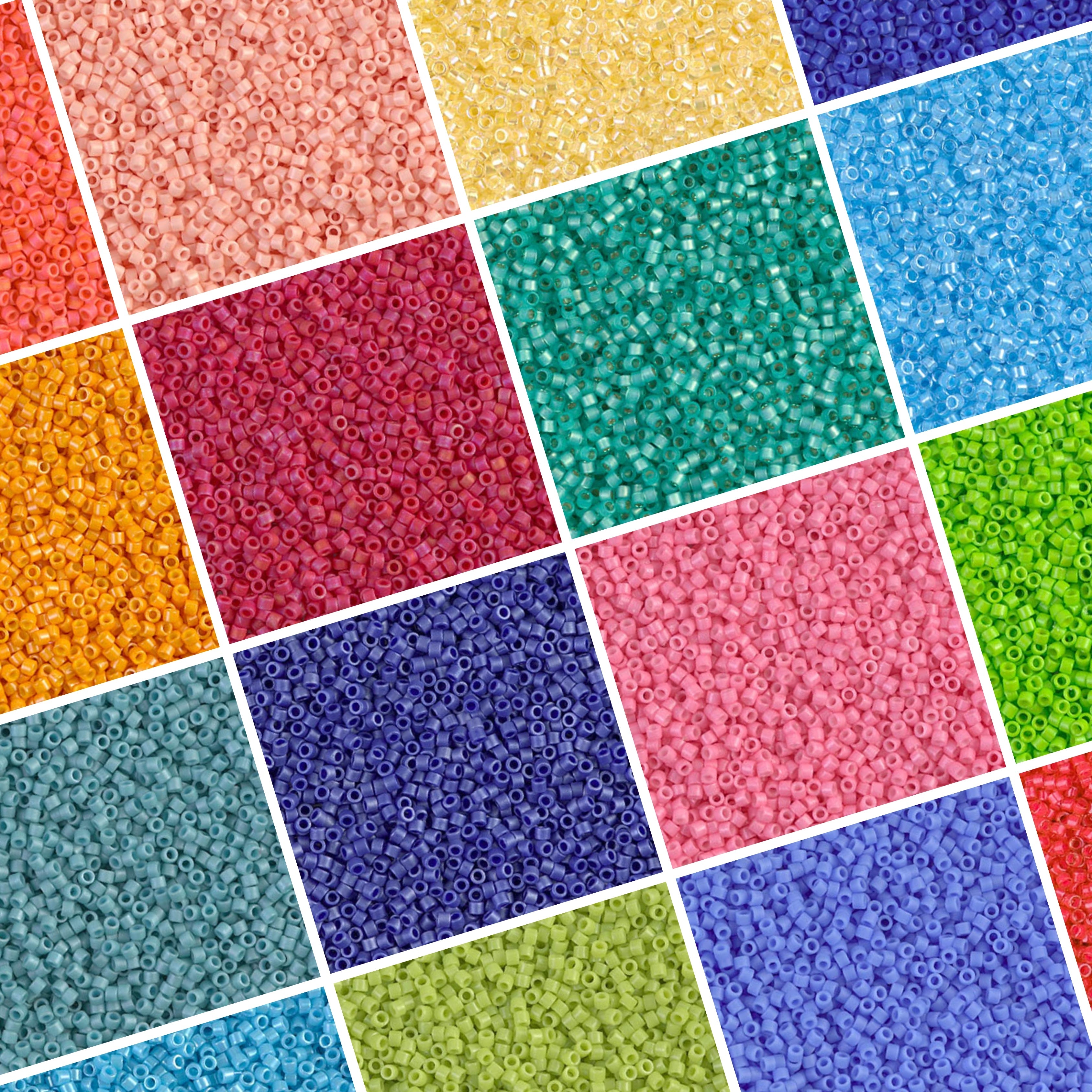
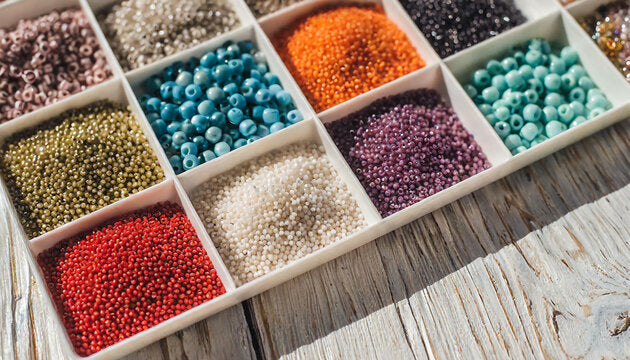
Color system. Craft store kits give you options. Specialty kits give you a palette. When beads are selected to work together in a specific combination, you don't have to guess whether the finished bracelet will look cohesive. The work is already done.
Why Mack & Rex Kits Stand Out as a Better Option
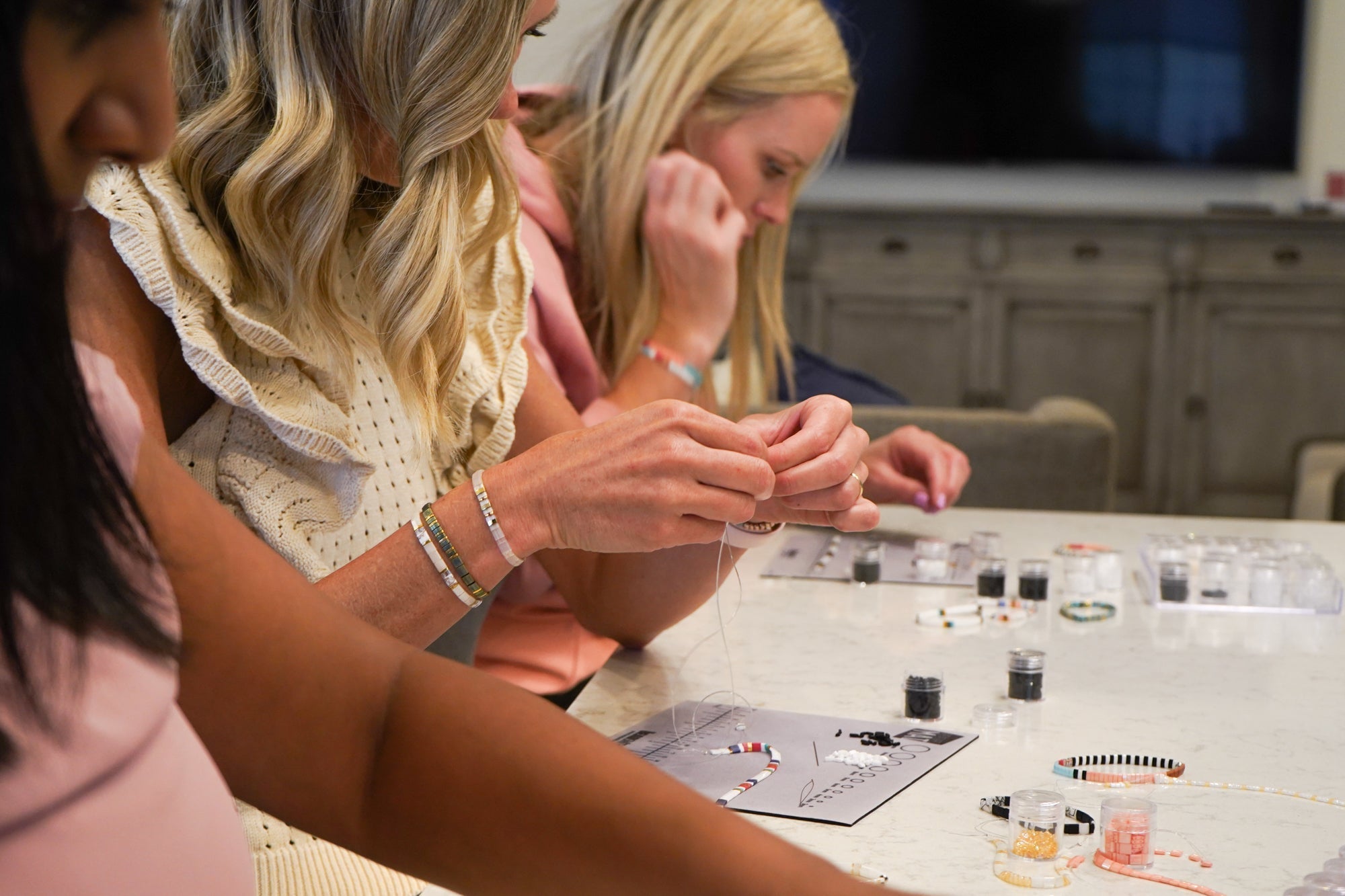
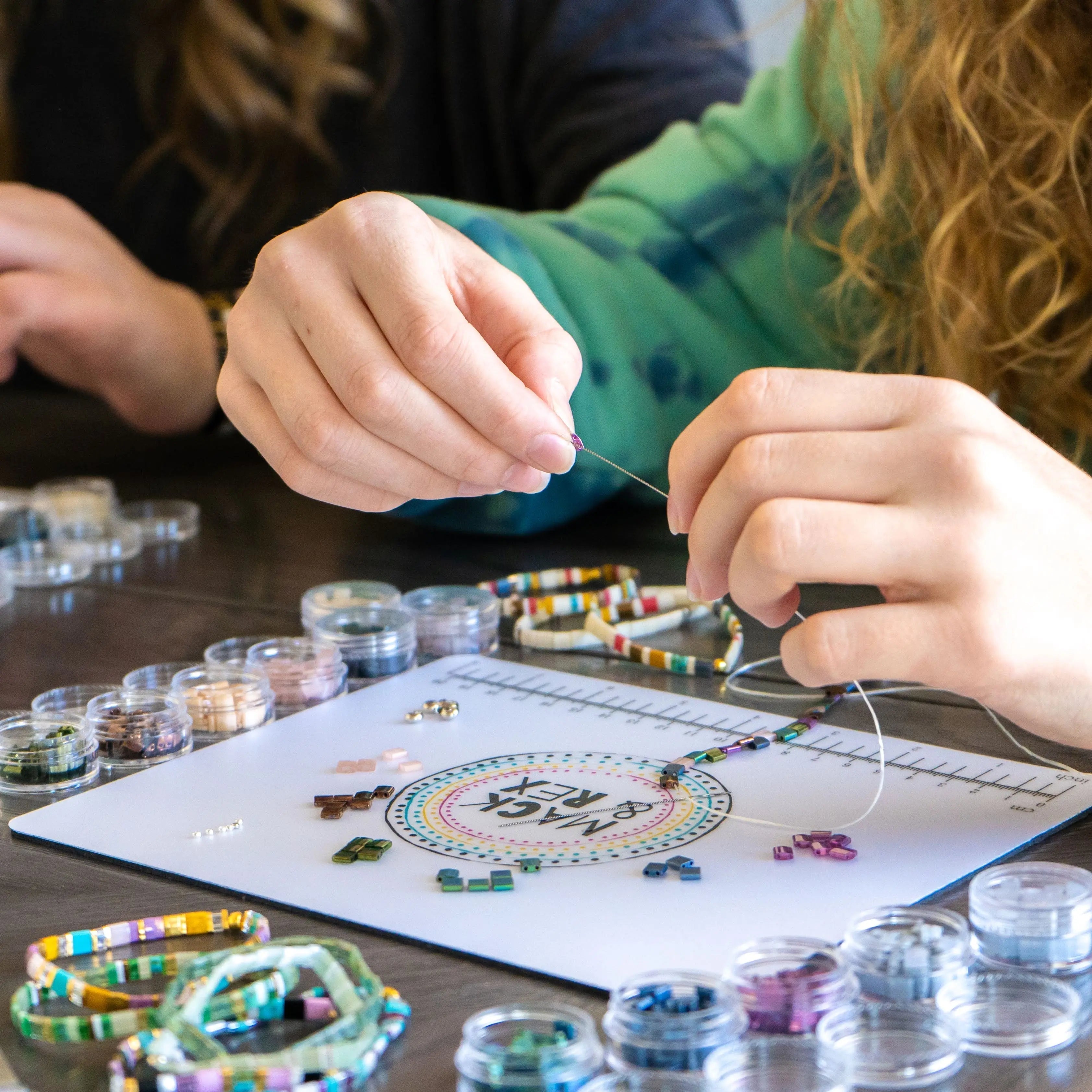
Mack & Rex started as a family project. A mom and her two daughters, Mack and Rex, building bracelets together at home. That origin story matters because it directly shaped what went into the kits: they needed to be genuinely easy to use, produce results that were actually worth wearing, and hold up to real life.
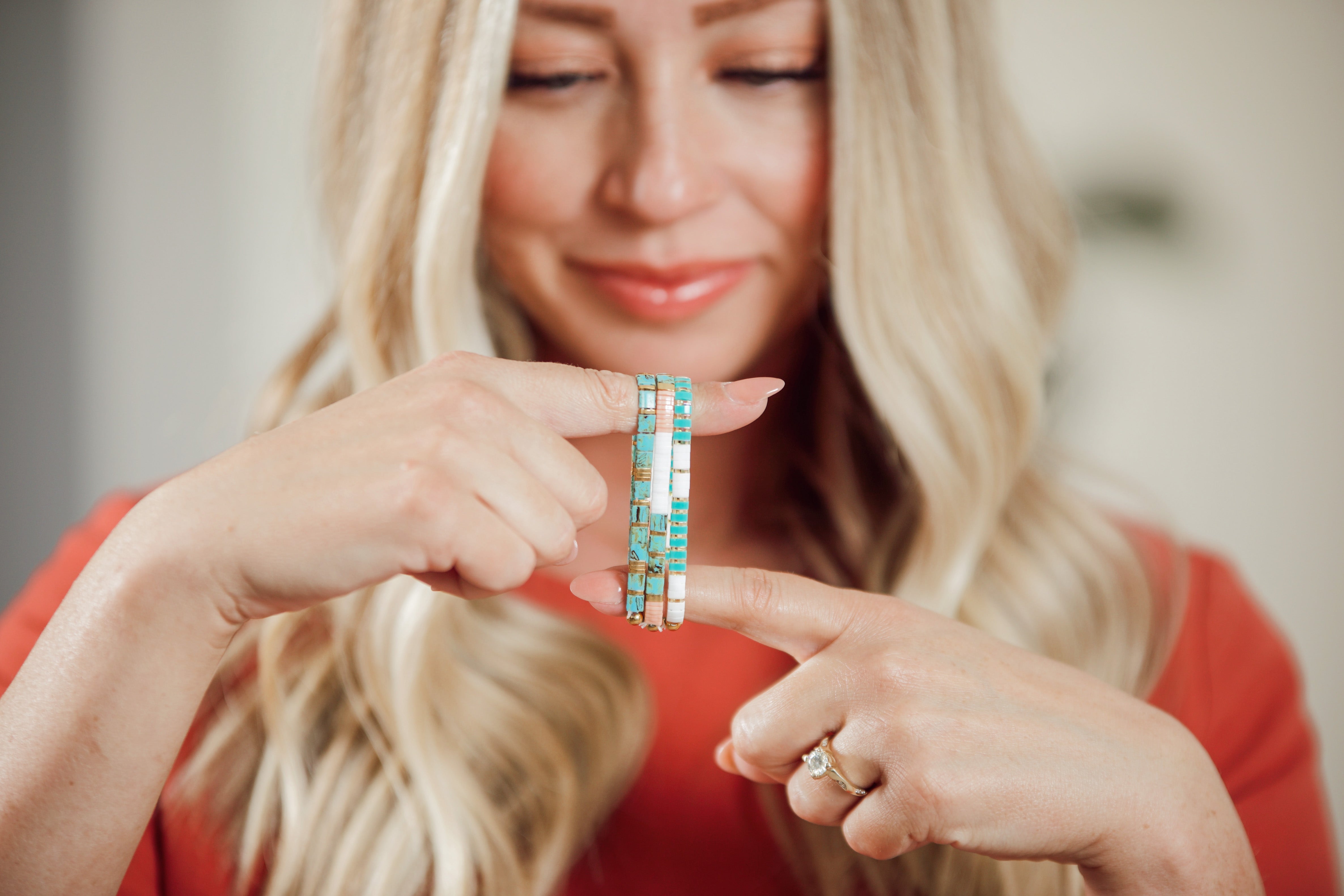
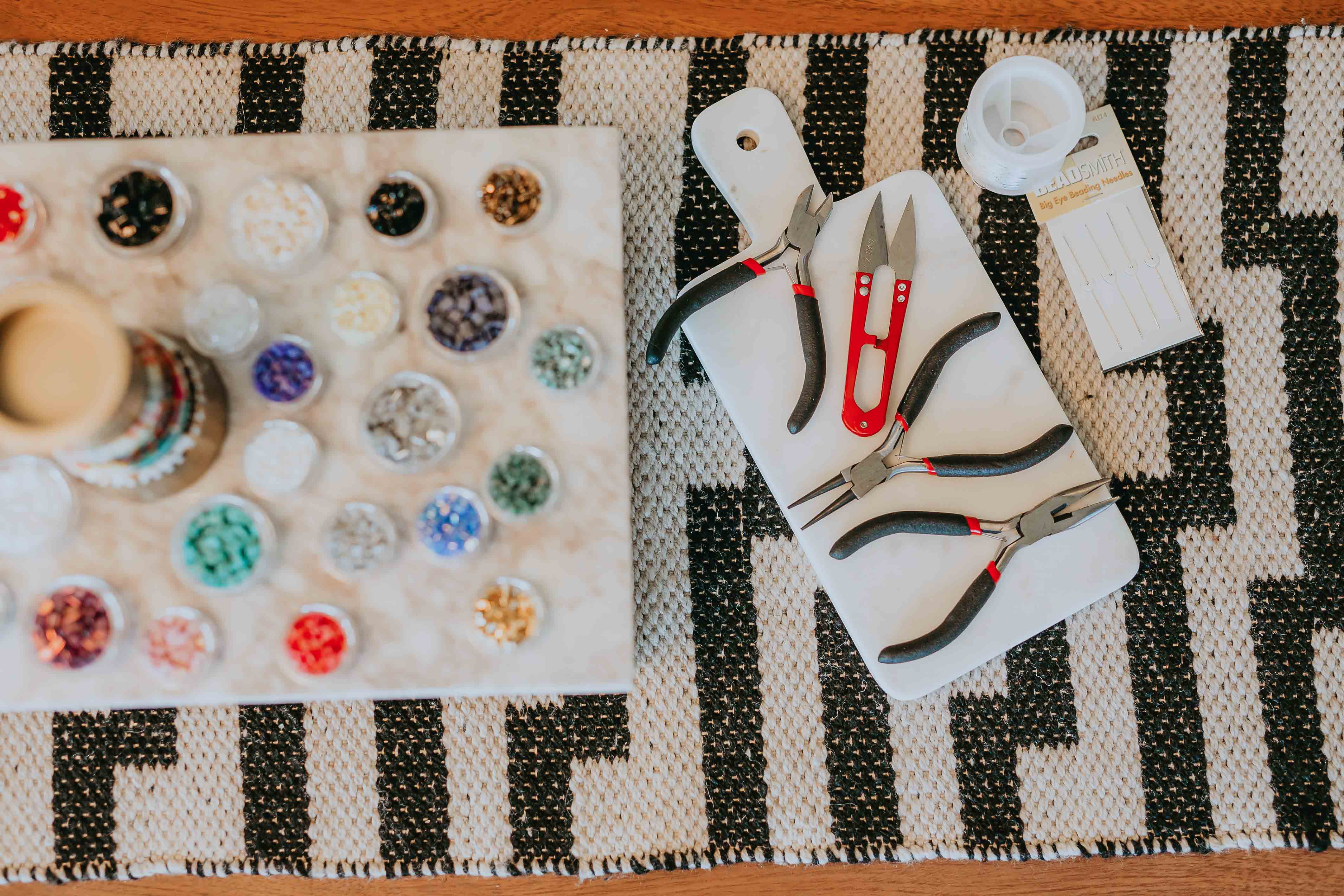
Every Mack & Rex bracelet kit uses Miyuki Tila beads, which are Japanese glass tile beads manufactured by Miyuki Co., Ltd. and resold by Mack & Rex in curated color combinations. The cord is crystal-cord elastic. The instructions are written for someone who's never made a bracelet before. You don't need extra tools or extra supplies.
The trio kits (priced at $44.99) let you make three coordinating bracelets from a single kit. That's a meaningful value when you compare it to buying three finished bracelets separately, and makes the kit an easy call for a gift. For anyone who wants to make bracelets with a child, note that beads are small parts and a choking hazard. Adult supervision is required, and these kits are not appropriate for very young children.
Inclusive sizing is built in. Mack & Rex bracelets fit XXS through 5XL, so a kit isn't limited to one wrist size. That's something craft store kits rarely address at all.
Browse the full range of Mack & Rex bracelet making kits to see current color combinations and kit options.
Where Do Craft Store Kits Actually Win?
One place: availability and impulse purchase. You can grab a craft store kit the same afternoon you decide you want one, no shipping wait. That's a genuine convenience win for a last-minute activity.
Cost is the other argument. A basic craft store kit might run $8-15. For a one-time activity where the result doesn't matter much, that price is hard to argue with.
On output, though (a bracelet worth keeping and wearing), the craft store version rarely competes. The Lima Beads blog on bead quality notes that the difference between glass and plastic beads becomes obvious once you've worked with both. Once you've made something with real glass beads, going back to plastic feels like a step backward. Lima Beads covers bead types and quality markers for anyone building out their beading knowledge.
Which Kit Type Is a Better Buy Overall?
For a one-time, low-stakes activity, craft store kits are fine. For anything else, a curated DIY bracelet kit is the better buy.
The value calculation is straightforward. A quality kit produces bracelets you actually wear. You're not buying more supplies a month later because the elastic snapped or the beads chipped. You're not tossing something that fell apart. You're not disappointed by how it looks.
Mack & Rex trio kits at $44.99 let you make three bracelets with materials you'd be proud of. That's roughly $15 per finished bracelet in supplies, which compares well with buying a finished bracelet at $20-25 and is a much better comparison than a $10 kit full of plastic beads. Free shipping applies on US orders over $100. And if you're buying finished bracelets alongside a kit, the buy-3-bracelets-get-1-free offer (no code needed) is worth stacking.
Frequently Asked Questions
What makes a DIY bracelet kit better than a basic craft store kit?
A quality DIY bracelet kit uses real glass beads, strong elastic cord, and curated color combinations that actually work together. Craft store kits typically use plastic beads, thin cord, and mixed color assortments that don't pair naturally. The difference shows up in how the finished bracelet looks and how long it lasts.
Are craft store bracelet kits good for beginners?
They're accessible and low-cost, which is appealing for a first attempt. But beginners often end up frustrated when the cord snaps or the beads don't string evenly. A beginner-friendly kit with uniform beads and quality elastic cord actually produces better results with less effort, making the experience more enjoyable from the start.
What is included in a Mack & Rex DIY bracelet kit?
Mack & Rex bracelet kits include Miyuki Tila beads in curated color combinations, crystal-cord elastic, and step-by-step instructions. Trio kits (priced at $44.99) let you make three coordinating bracelets from one kit. No extra supplies needed.
How long do bracelets made from DIY kits last compared to craft store versions?
Bracelets made with Japanese glass beads and quality elastic cord hold up much better to daily wear. Budget craft store kits use thinner elastic that stretches out and snaps within months. Kits using crystal-cord elastic and uniform glass beads produce bracelets you can wear through a workout without worrying about breakage.
Are bracelet making kits safe for kids?
Bracelet kits are best suited for older children and adults. Beads are small parts and a choking hazard. Adult supervision is required whenever children are crafting with beads. These kits are not appropriate for very young children.
Ready to Try a Better Kit?
If you've been disappointed by what a craft store kit produces, the materials are likely the culprit. Mack & Rex bracelet making kits are built around Miyuki Tila beads and crystal-cord elastic so the finished bracelet actually looks and wears the way you hoped it would.
Shop Mack & Rex bracelet making kits and see the current color combinations, trio kit options, and subscription kits.