


Do Bracelet Making Kits Expire? Bead and Cord Shelf Life
Do bracelet making kits expire?
Not in the way food does. The glass beads inside never go bad, but the elastic stringing cord is rubber-based and can slowly dry out or weaken over years, especially with heat or sun exposure. Store the kit cool and dark and it'll be ready whenever you get to it.
That's the short version, and it's the question we get most from people who bought a bracelet making kit for adults as a gift and it sat wrapped in a closet for a year, or found one at the bottom of a craft bin from a move two summers back. The beads are the same beads they'd be fresh out of the package. The cord is the one piece worth a second look before you sit down to string.
Worth saying up front: this isn't a defect or a quality problem specific to any one brand. Every stretch-cord kit on the market, ours included, uses the same basic elastic chemistry, and that chemistry has a known relationship with heat, light, and time. Knowing that ahead of time just means you store the kit smart and never think about it again.
Why do glass beads last basically forever?
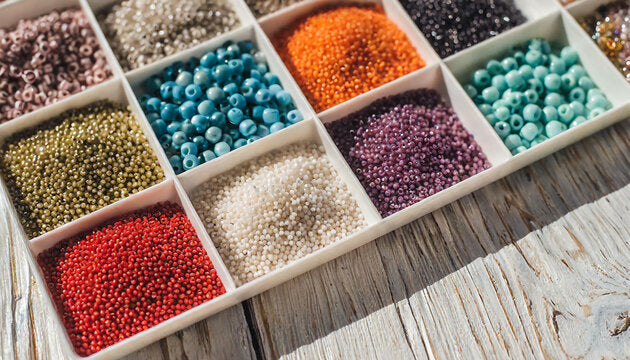
Glass is chemically stable. It doesn't oxidize, doesn't absorb moisture, and doesn't break down from light exposure the way organic materials do, so a bead made decades ago performs the same as one made yesterday.
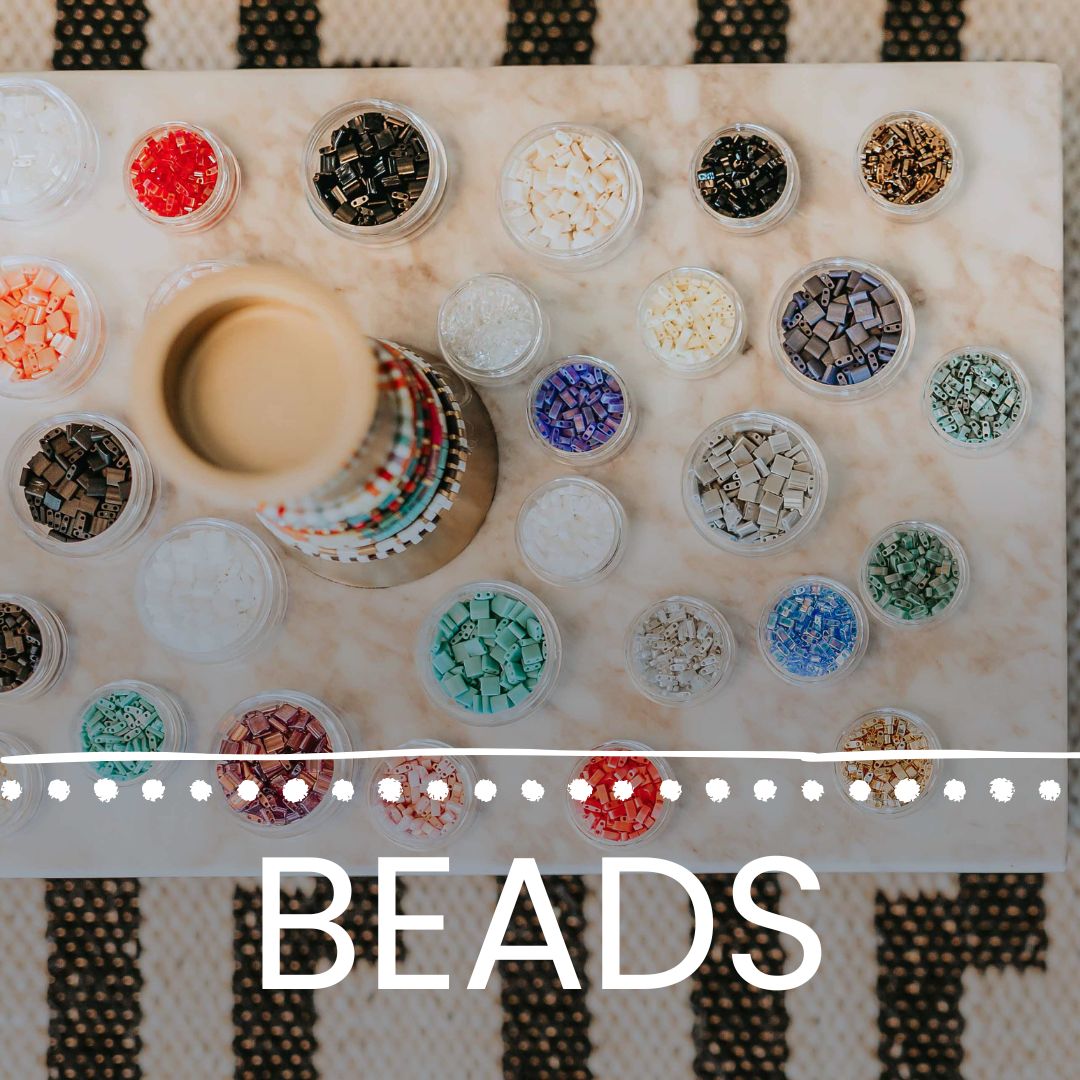
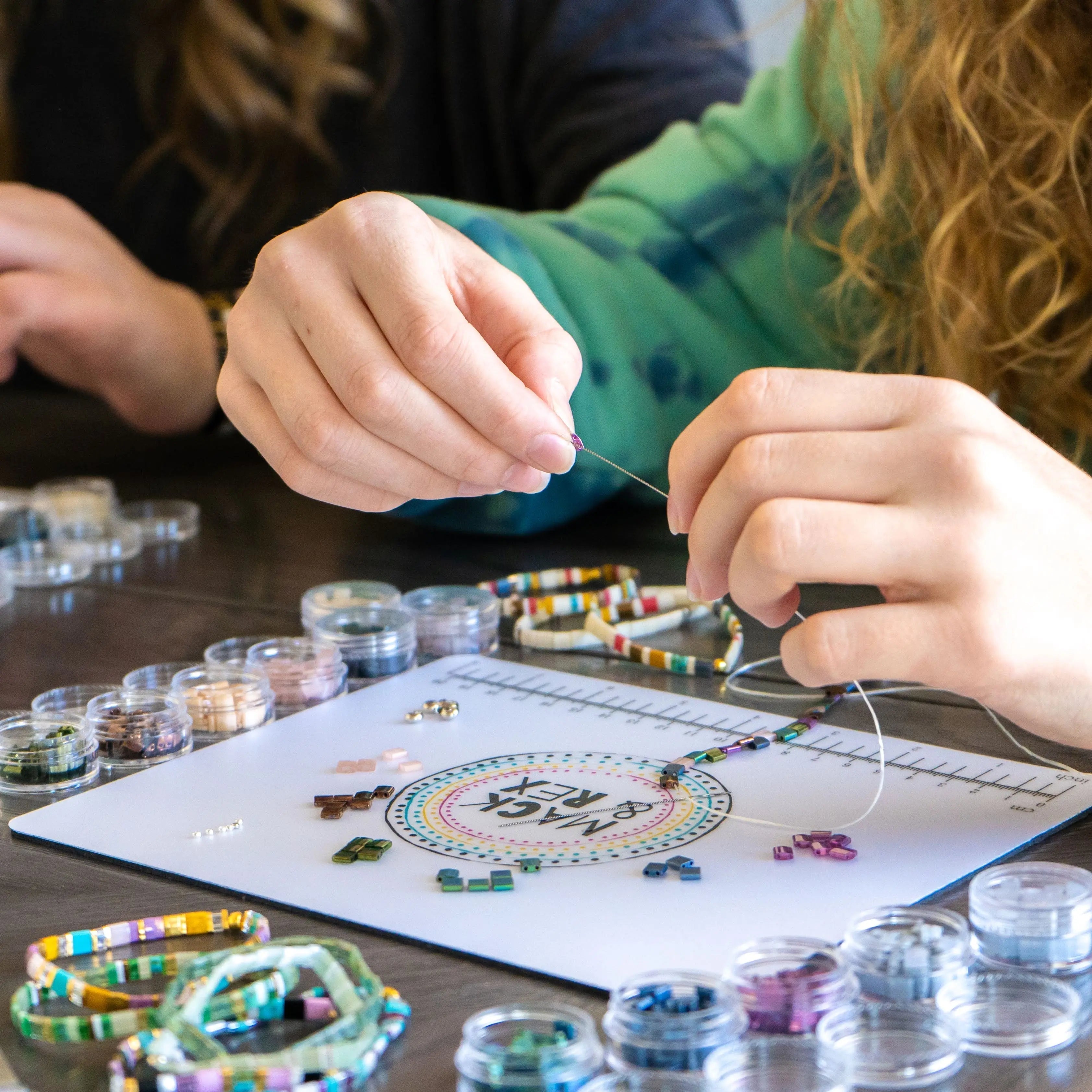
Miyuki Tila beads are fired glass with a baked or coated finish, and that finish is part of the bead, not a separate layer that can peel or fade on its own timeline. I've got a jar of loose Tila mixes that's been sitting on a shelf for a few years now, moved between two houses, and they string up exactly like the bag I opened last month. Color's the same, hole size is the same, nothing rattles loose or crumbles. Bead and jewelry-making references consistently note that quality glass beadwork can outlast the person who made it, which is part of why antique glass beadwork still turns up intact in estate collections generations later (Beadaholique).
Humidity, dust, a little sunlight through a window, none of it touches the glass itself. The only real risk to beads in storage is physical: a dropped jar, a crushed bag under something heavy, or beads scattered and lost. Chemically, they're inert. That's a big part of why a bracelet making kit for adults makes sense as something you can buy ahead, gift, or stock up on without worrying it'll be junk by the time someone opens it.
Why does the elastic cord degrade over time?
Stretch cord for bracelets is typically a rubber or synthetic-rubber elastic, and rubber compounds break down through a process called oxidation, sped up by heat, UV light, and ozone exposure. Over years, that shows up as stiffness, surface cracking, or reduced stretch, the same reason an old rubber band snaps rather than stretching.
This isn't unique to jewelry cord. It's the same reason a rubber band left in a junk drawer for years turns brittle, or a garden hose left in the sun starts to crack at the folds. Natural rubber and many synthetic rubber blends have documented aging behavior tied directly to heat and light exposure, which is well established in materials literature on rubber compounds (Wikipedia: natural rubber). A dark closet at room temperature is a completely different environment for that material than a hot car dashboard or a sun-facing windowsill, and the cord ages accordingly.
Good crystal-cord elastic, the kind used in a well-built kit, is more resistant to this than a cheap novelty elastic, but "more resistant" isn't "immune." Quality slows the clock. Storage conditions decide how fast it actually runs.
How long does elastic cord last unused in a kit?
A quality crystal-cord elastic stored properly, cool, dry, out of direct light, can hold up for several years before you'd notice any real difference. Cheap elastic or cord left somewhere hot, like a car or an attic, can go brittle in under a year.
There's no single universal expiration date because it depends entirely on two things: the grade of the cord and the conditions it sat in. A trio kit tucked in a dresser drawer is a low-stress environment. That same kit left in a hot garage through a few summers is not, and stretch cord reacts fast to sustained heat cycling.
So if someone gifted you a bracelet making kit for adults last Christmas and it's been sitting in a closet since, don't assume it's ruined. Pull the cord out and check it before you decide anything. Most kits stored indoors at normal room temperature are completely fine a year, two years, even longer out.
How do I know if my kit's cord needs replacing?
Stretch a short length between your fingers. If it feels stiff, tacky, or shows tiny surface cracks rather than springing back smooth, swap it out. If it still stretches evenly and snaps back to shape, it's fine to use.
A few concrete things to check before you start stringing:
- Pull a few inches taut and release it. It should snap back to its original length, not stay stretched out or feel loose.
- Look closely at the surface under good light. Fine white cracks or a chalky texture are signs of age-related breakdown.
- Feel for tackiness or a slight stickiness, which can mean the material's starting to degrade even before cracks show up.
- Bend a loop and check if it holds a crease rather than relaxing flat, another sign the elastic's lost flexibility.
General crafting guidance on stringing materials recommends this kind of hands-on check before starting a project, rather than assuming any stored material is automatically good to go (Fire Mountain Gems on elastic cord). It takes ten seconds and it's the difference between a bracelet that holds up for years and one that snaps on the first wear.
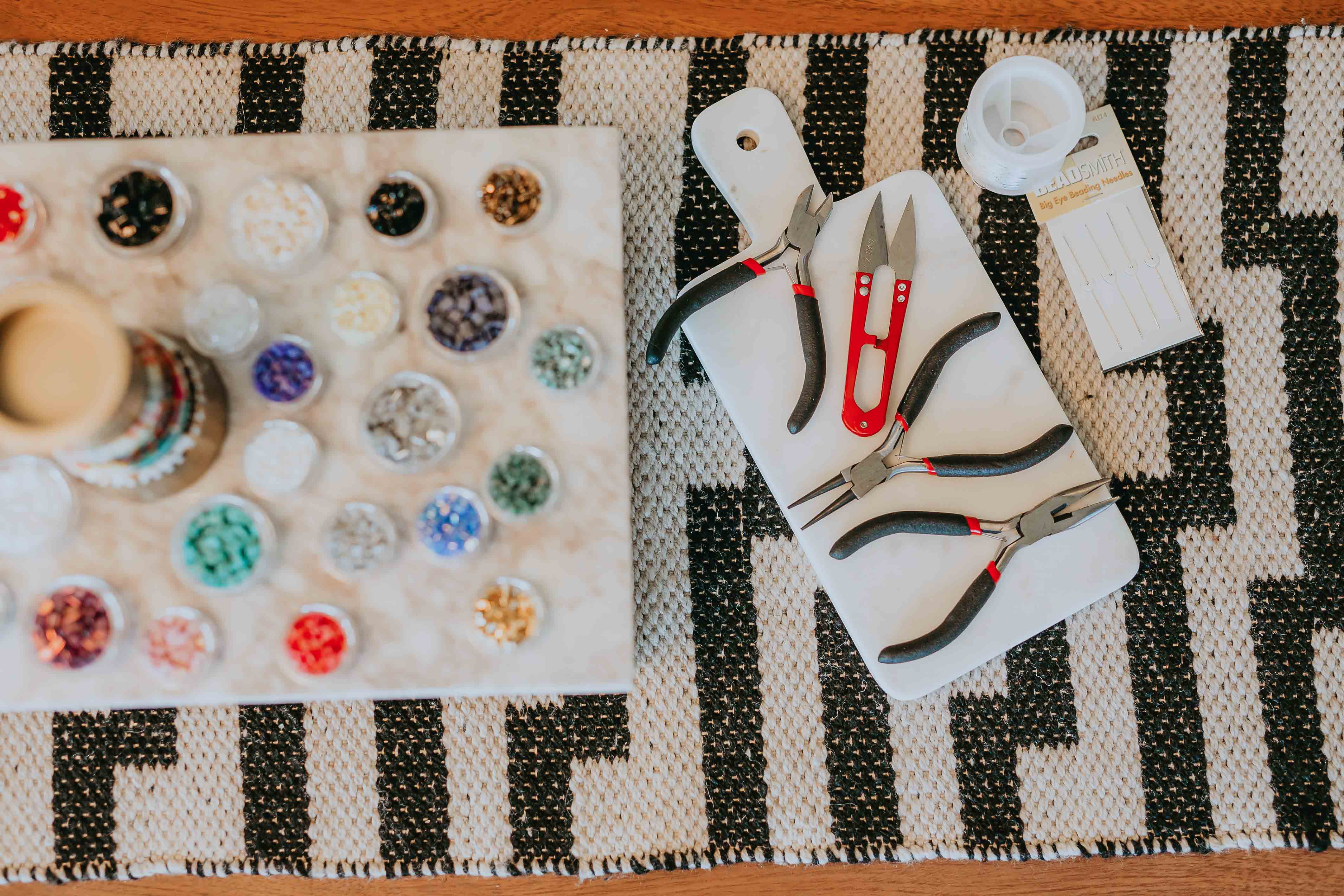
If the cord fails any of those checks, don't string with it. Swap in fresh crystal-cord elastic, sold on its own by most bead suppliers, and the beads themselves are still completely usable. You're only replacing the one part that actually ages.
What's the best way to store a bracelet making kit long-term?
Keep it in its original packaging or a closed container, in a closet or drawer away from direct sunlight and away from heat sources like a garage, car, or windowsill. Room temperature and low humidity are what the elastic cord needs most.
A few habits that actually matter:
- Skip the car. Even a short errand on a warm day turns a parked car into an oven, and that heat cycle is exactly what ages rubber-based cord fastest.
- Keep it out of a sunny windowsill display. UV exposure through glass still counts as sun exposure, even indoors.
- A closet shelf, a dresser drawer, or a storage bin in a spare room all work fine. Nothing fancy required, just stable temperature and no direct light.
- If you're storing multiple kits, a lidded plastic bin keeps dust out and beads from spilling between packages if something gets jostled.
Basically: treat it like you'd treat a good pair of leather shoes or a bottle of nail polish. Cool, dry, out of the sun, and it'll be fine sitting for a long stretch. That's true whether you bought a single trio kit or you're stocking up on a few as gifts to hand out through the year.
Should I buy a bracelet making kit ahead of time, or wait until I'm ready to use it?
Buying ahead is fine. Glass beads keep indefinitely, and quality elastic cord stored well holds up for years, so there's no real downside to grabbing a kit now for a birthday, a girls' night, or a rainy Saturday down the road.
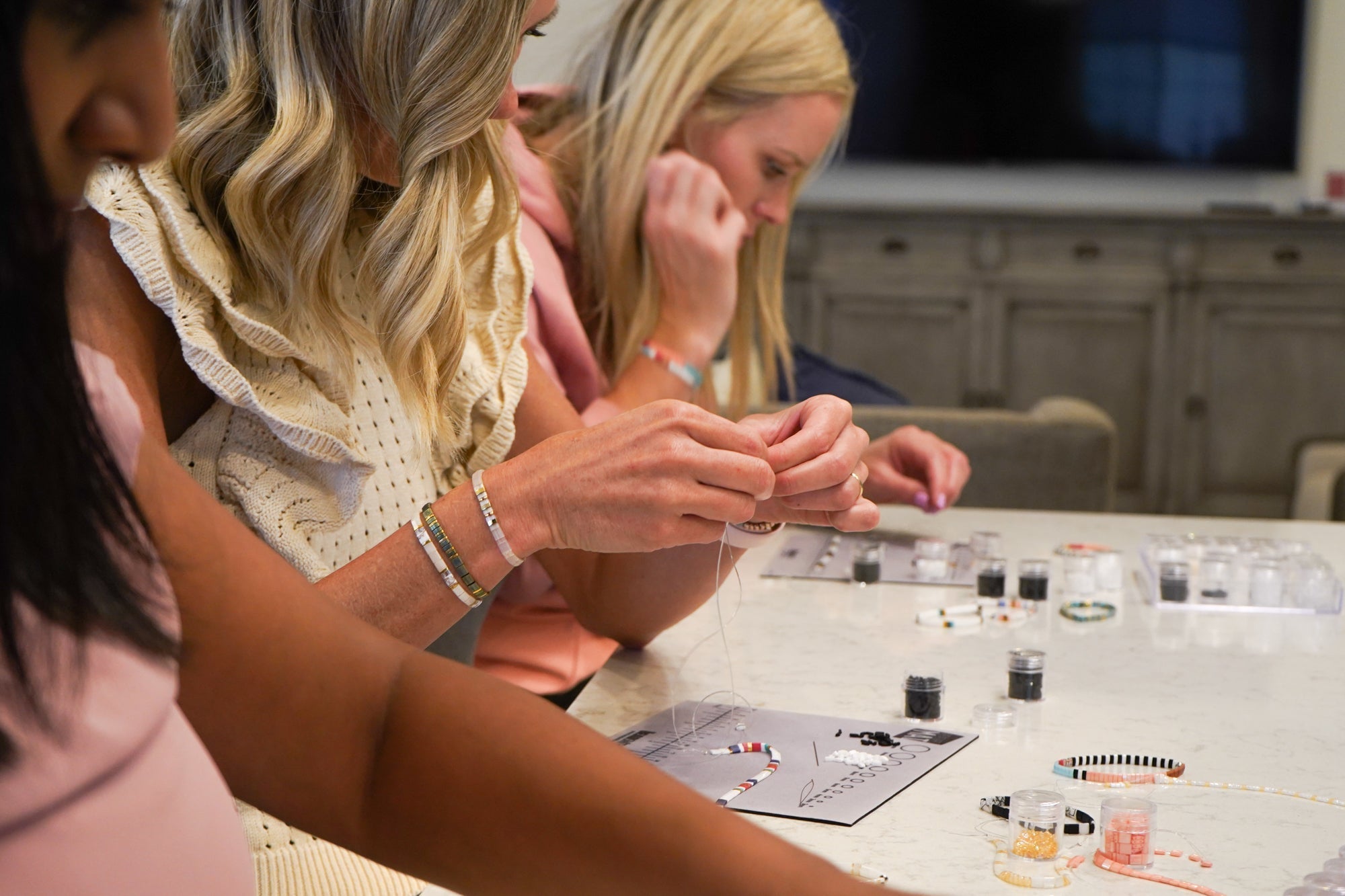
This comes up a lot around holidays and gift season, when people want to buy something now but the recipient won't open it for weeks or months. A bracelet making kit for adults is a low-risk pick for exactly that reason. Just store it the way we described above between purchase and gifting, and check the cord before use if it's going to sit for a genuinely long time, more than a couple years, or if you're not sure how it was stored in between.
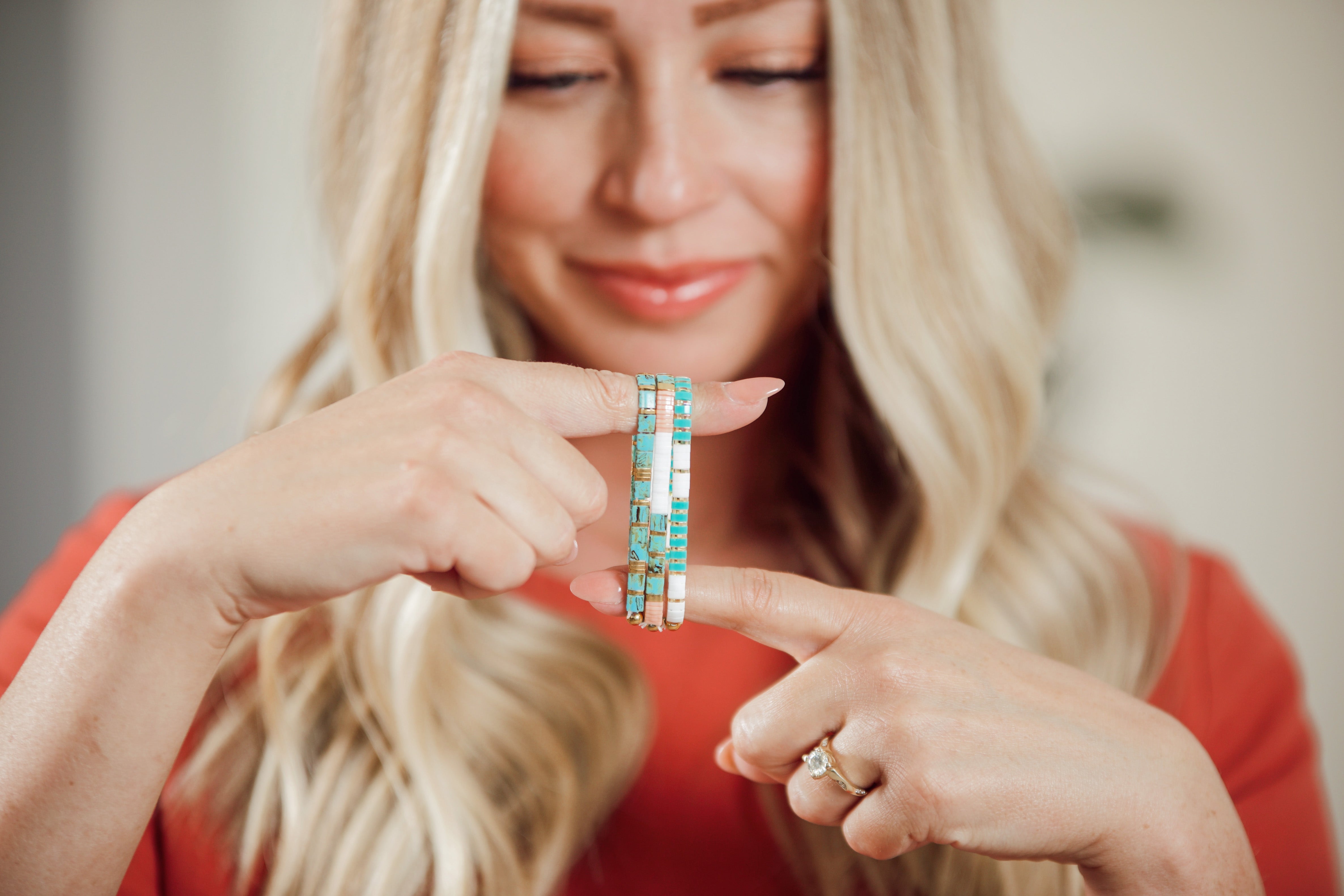
If you want a kit built with quality crystal-cord elastic from the start, browse the bracelet making kits at Mack & Rex. A trio kit runs $44.99 and makes three bracelets, and the DIY Bracelet Kit Club subscription ($36.99) is a good option if you'd rather get a fresh kit delivered on a schedule instead of storing one for later.
One quick note if kids are going to be anywhere near the crafting table: Tila beads and findings are small enough to be a choking hazard, so any session with young children needs an adult supervising the whole time. Keep loose beads off the floor and away from little hands when you step away from the table.
Frequently asked questions
Do bracelet making kits expire?
Not in the way food does. The glass beads inside never go bad, but the elastic stringing cord is rubber-based and can slowly dry out or weaken over years, especially with heat or sun exposure. Store the kit cool and dark and it'll be ready whenever you get to it.
How long does elastic cord last unused in a kit?
A quality crystal-cord elastic stored properly, cool, dry, out of direct light, can hold up for several years before you'd notice any real difference. Cheap elastic or cord left somewhere hot, like a car or an attic, can go brittle in under a year.
How do I know if my bracelet kit's cord needs replacing?
Stretch a short length between your fingers. If it feels stiff, tacky, or shows tiny surface cracks rather than springing back smooth, swap it out. If it still stretches evenly and snaps back to shape, it's fine to use.
What's the best way to store a bracelet making kit long-term?
Keep it in its original packaging or a closed container, in a closet or drawer away from direct sunlight and away from heat sources like a garage, car, or windowsill. Room temperature and low humidity are what the elastic cord needs most.
Do the beads themselves ever wear out?
No. Glass beads like Miyuki Tila are chemically stable and don't degrade from age, light, or normal humidity the way rubber or fabric does. A bag of beads bought today will look and perform the same in 20 years as it does out of the package.