

Do Heishi Beads Fade? Keeping the Colors Bright
Short answer: no, not in any way that matters day to day. Mack & Rex heishi beads are 6mm polymer clay, and the color is mixed into the clay itself, not painted or coated on top. That means the color you see on day one is the same color running clear through the bead, so there's nothing to chip, peel, or wear thin the way there is with painted wood or coated glass. A little basic care keeps them looking sharp for years.
Do heishi beads fade over time?
Not in a way you'd notice with normal wear. Because the pigment is blended into the polymer clay before the bead is ever shaped, the color isn't sitting on the surface waiting to rub off. It's the same all the way through, like a carrot is orange all the way to the center, not just on the skin. That's a very different setup than a bead with a painted or sprayed finish, where the color is a thin layer that can wear down with friction over time.
Should you expect a bracelet to look exactly identical after years of daily wear in every kind of weather? No, and no honest jeweler would promise that. What you should expect is color that stays stable and bright with the kind of light care most people already give their jewelry. This isn't a bead that dulls after a few showers or turns chalky after a summer at the pool. It's a durable, colorfast material.
Why don't polymer clay heishi beads chip or tarnish like other beads?
Two different problems, two different reasons neither one applies here. Chipping happens when a bead has a separate coating or paint layer on top of a base material. Scratch, knock, or wear at that layer long enough and it flakes off, revealing whatever's underneath. Heishi beads don't have that layered structure. The color is the clay, so there's no top coat to chip away in the first place.
Tarnishing is a different mechanism entirely. It's a chemical reaction between a metal's surface and air, moisture, or skin oils, which is why silver clasps and gold-plated findings need occasional polishing. Polymer clay is not a metal, so that reaction simply doesn't apply to the beads themselves. If a bracelet has metal clasps or spacers alongside the heishi beads, those pieces can tarnish on their own timeline, but the beads won't.
What actually causes heishi bead color to look dull?
Almost always, it's buildup, not fading. Sweat, lotion, sunscreen, and soap residue can dry on the surface of a bead over repeated wear, and that thin film makes bright colors look muted or slightly hazy. It's an easy mistake to make: the color looks different, so it seems like the bead itself has changed, when really there's just a layer of everyday grime sitting on top of it.
The fix is simple. Rinse the bracelet under plain water, work it gently with your fingers to loosen anything stuck between beads, and let it air dry completely before wearing it again. Skip harsh solvents, rubbing alcohol, and heavily scented cleaners; they're not necessary for polymer clay and can do more harm than the residue you're trying to remove. A quick rinse every so often, especially after a sweaty day or a coat of sunscreen, keeps the color looking like it did the day you unboxed it.
One more thing worth avoiding: don't let a heishi bracelet soak in water for an extended period, like sitting in a bowl overnight to "clean" it. A quick rinse is fine. Prolonged soaking isn't necessary and isn't doing the beads any favors.
How should I store heishi bracelets to keep the colors bright?
Keep them out of constant direct sunlight. A bracelet that lives on a sunny windowsill, hangs in a car all summer, or sits in direct light for months at a stretch can lose some brightness over that kind of extended exposure. It's not a fast process, and normal wear out in the sun for a day at the beach isn't the concern here. It's the cumulative effect of a bead sitting in full sun for weeks or months without a break.
Storage doesn't need to be complicated. A drawer, a small pouch, or a lined jewelry box out of direct light does the job. If you like keeping bracelets visible on a stand or tray, just keep that spot away from a south-facing window.
How do heishi beads compare to metal or painted beads for everyday wear?
For color that holds up, heishi has a real advantage. Painted beads rely on a surface finish that thins with friction, and metal beads are dealing with oxidation the moment they leave the factory. Heishi's pigment-through-the-clay construction sidesteps both of those failure points, which is exactly why it's become such a popular material for stacked bracelets meant to be worn daily, not saved for special occasions.
One customer put it simply in a five-star review: "The pieces and colors work so well together I love it." That's the kind of feedback that shows up again and again with polymer clay pieces, because the color stays true enough that the combinations still look intentional months later, not faded into something muddier than what they started with.
Do heishi beads need any special products to stay bright?
No. No jewelry cleaner, sealant, or special polish is required for polymer clay heishi beads. Plain water, a soft cloth, and a little common sense about sun exposure cover everything you need. It's a low-maintenance material that doesn't ask for a drawer full of upkeep products the way silver or brass pieces sometimes do.
Short version to remember: rinse off sweat, lotion, and sunscreen when you notice buildup, skip harsh solvents and perfume-heavy sprays, and keep bracelets out of constant direct sun when you're not wearing them. That's the whole routine.
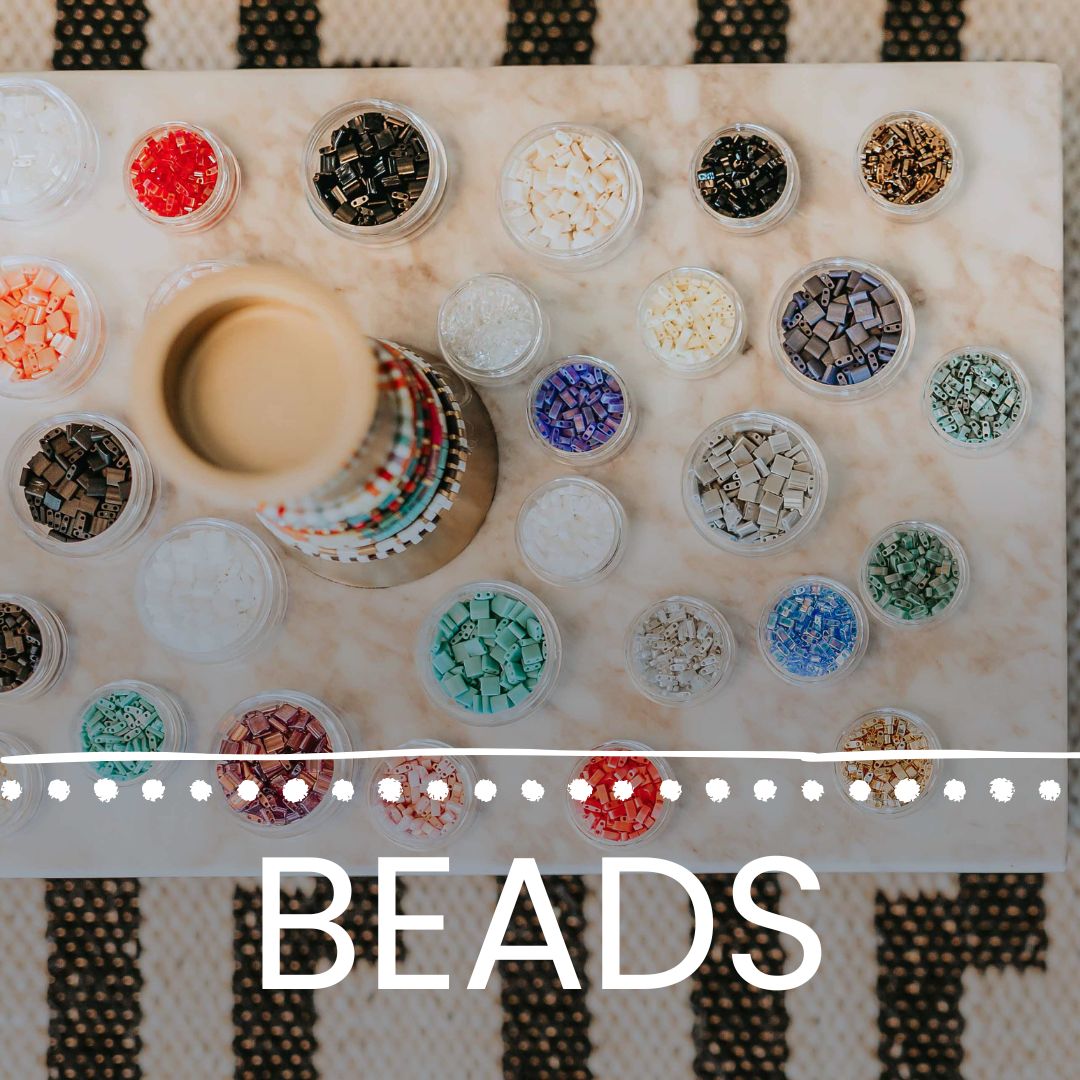
Mack & Rex heishi beads come in a wide range of colors, each 6mm bead made from solid-color polymer clay so the shade runs true from the surface to the center. You can browse the full range in the heishi beads collection, whether you're restocking a color for a kit or starting a new stack. Buy 3 finished bracelets and get 1 free (no code needed, finished bracelets only), and US orders over $100 ship free. Mack & Rex ships internationally, with shipping and any duties calculated at checkout.
Frequently asked questions
Do heishi beads fade over time?
Not the way painted or coated beads do. Mack & Rex heishi beads are made from polymer clay, and the pigment is mixed all the way through the clay before the bead is shaped, not sprayed or dyed on the surface. With normal wear and basic care, the color stays stable for years.
Why don't polymer clay heishi beads chip or tarnish like other beads?
Chipping happens when a bead has a coating or paint layer that can flake off, and tarnishing is a metal reaction. Heishi beads are solid-color clay all the way through and contain no metal, so there's no coating to chip and no metal surface to tarnish.
What actually causes heishi bead color to look dull?
Buildup is the usual culprit: dried sweat, lotion, sunscreen, or soap residue sitting on the surface can make bright colors look hazy. Rinsing the beads and letting them air dry fully usually brings the color right back.
How should I store heishi bracelets to keep the colors bright?
Keep them out of a sunny windowsill or a hot car, since constant direct sun and heat can dull colors over long stretches of time. A drawer, pouch, or jewelry box out of direct light is all it takes.
Sources: Wikipedia: Polymer clay, Craftsy: Polymer Clay Jewelry, Learn 10 Beads & Charms, Facet Jewelry: What Is Polymer Clay?