

Gold Ball Bracelets: A Quiet Statement for Everyday Stacking
What Makes a Gold Ball Bracelet Different From Everything Else on Your Wrist?
A gold ball bracelet is a row of small, evenly sized gold beads on a stretch cord, worn alone or stacked with other pieces. It skips the pendant, the charm, the statement clasp. The whole job of the piece is quiet texture: a little warmth, a little shine, nothing that competes for attention.
That restraint is exactly why it works so hard in a jewelry rotation. A pendant necklace or a chunky cuff reads as "the outfit," while a gold ball bracelet reads as background, the kind of piece you forget you're wearing until someone asks where you got it. Mack & Rex's gold collection leans into that idea, with ball bracelets built from beads in five sizes, 2mm up through 6mm, so you can go delicate or a little bolder depending on your wrist and your mood.
Worth knowing before you buy: most gold ball bracelets, including these, are gold-plated over a steel or brass base rather than solid karat gold. That's not a downgrade. It's how nearly every affordable gold jewelry line is made, and a thick plating job on a solid base wears far better than a thin one over a hollow shell.
Why Does a Gold Ball Bracelet Anchor a Tila Bracelet Stack So Well?
In a stack full of pattern, florals, stripes, color-blocked tila beads, a plain gold ball bracelet gives your eye somewhere to land. It functions the way a plain gold hoop grounds a stack of patterned earrings: everything else gets to be loud because one piece is quiet.
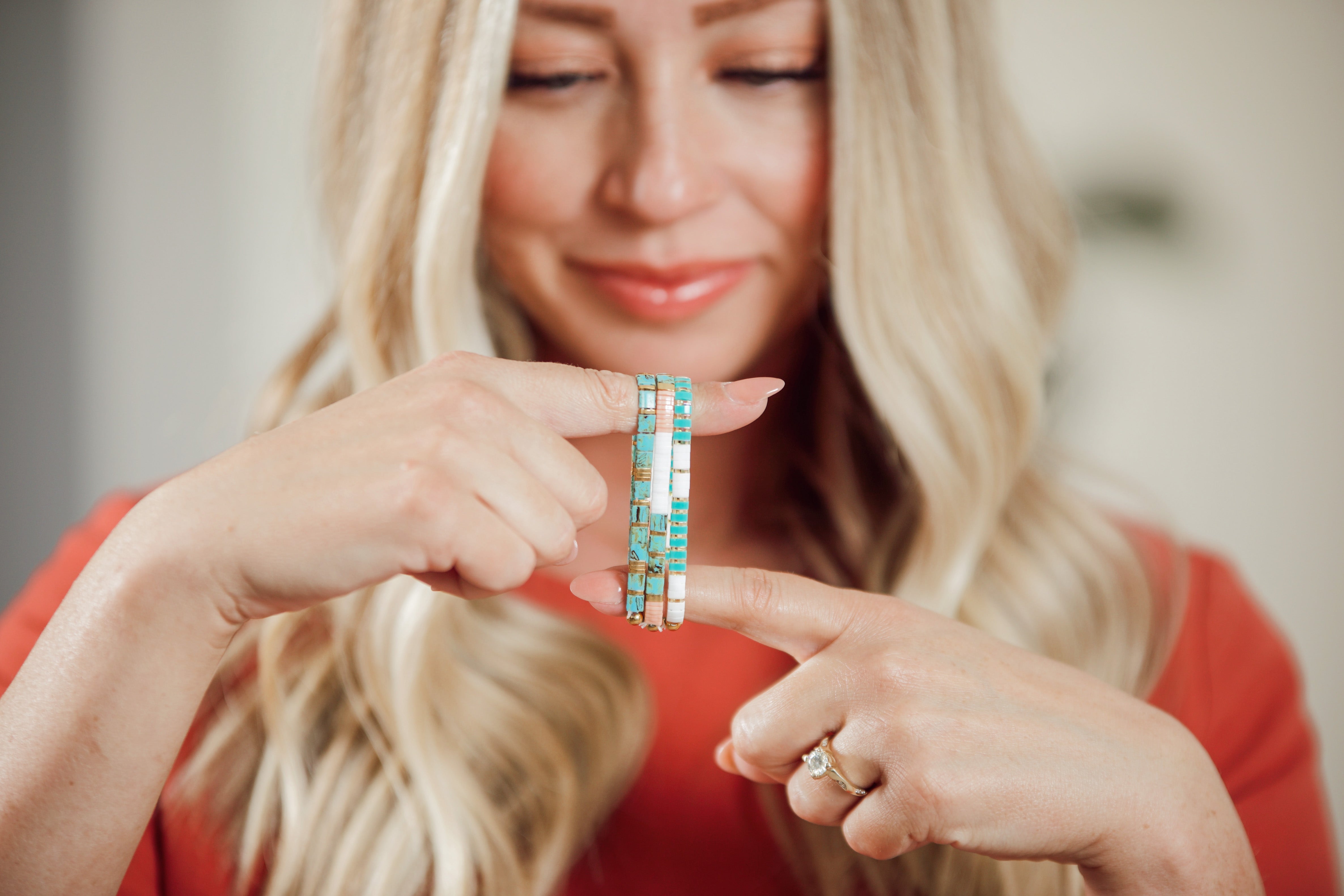
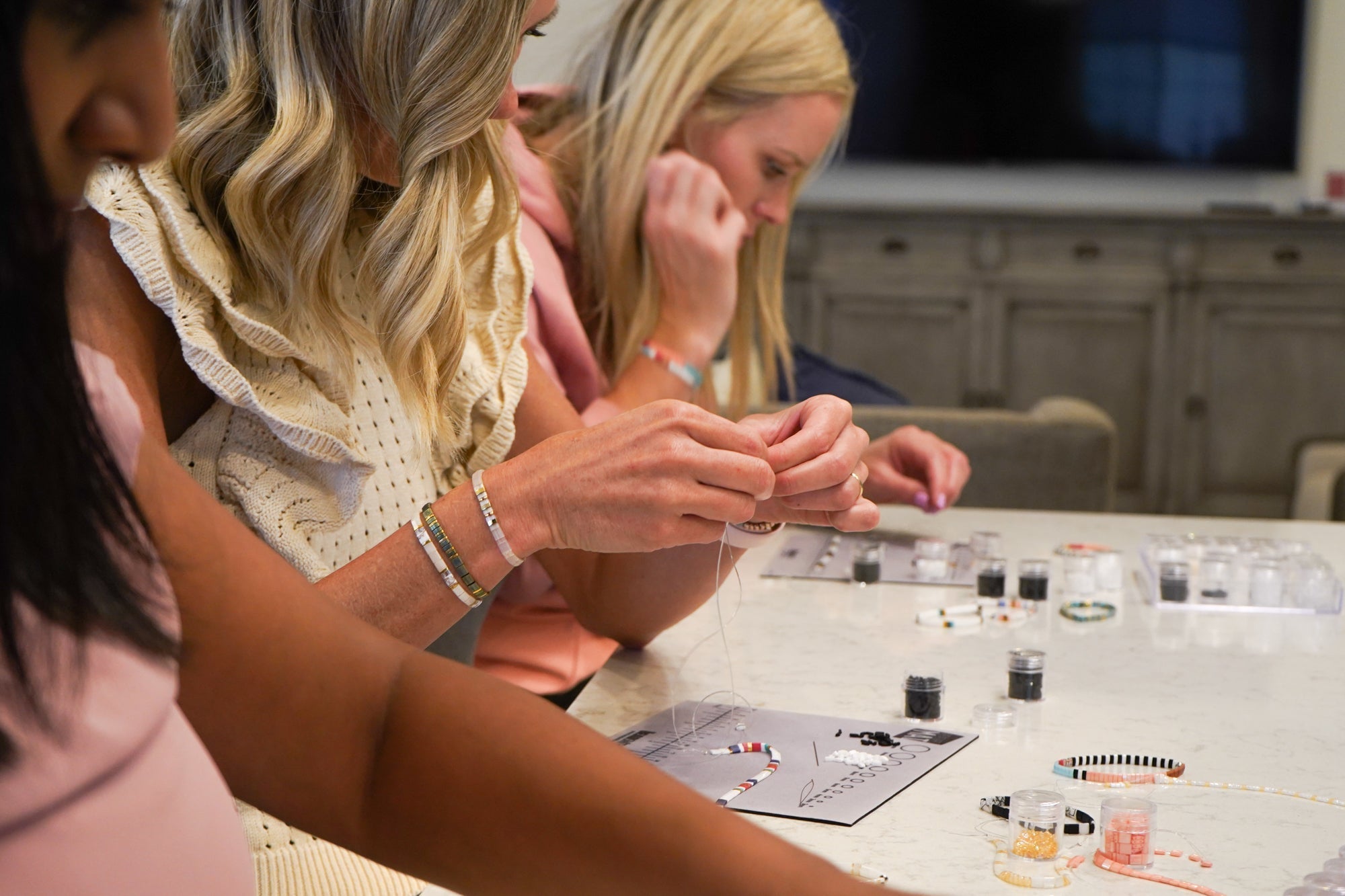
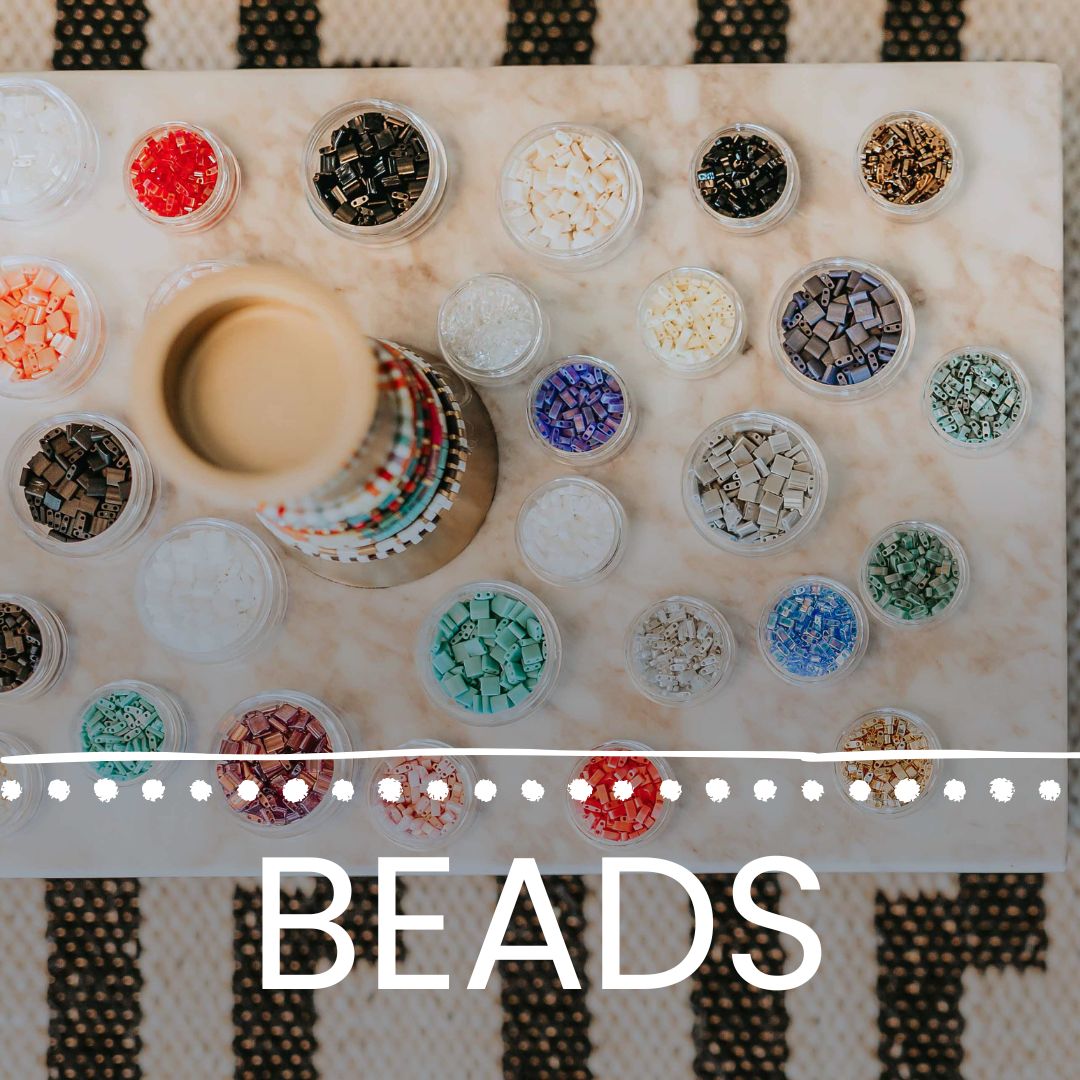
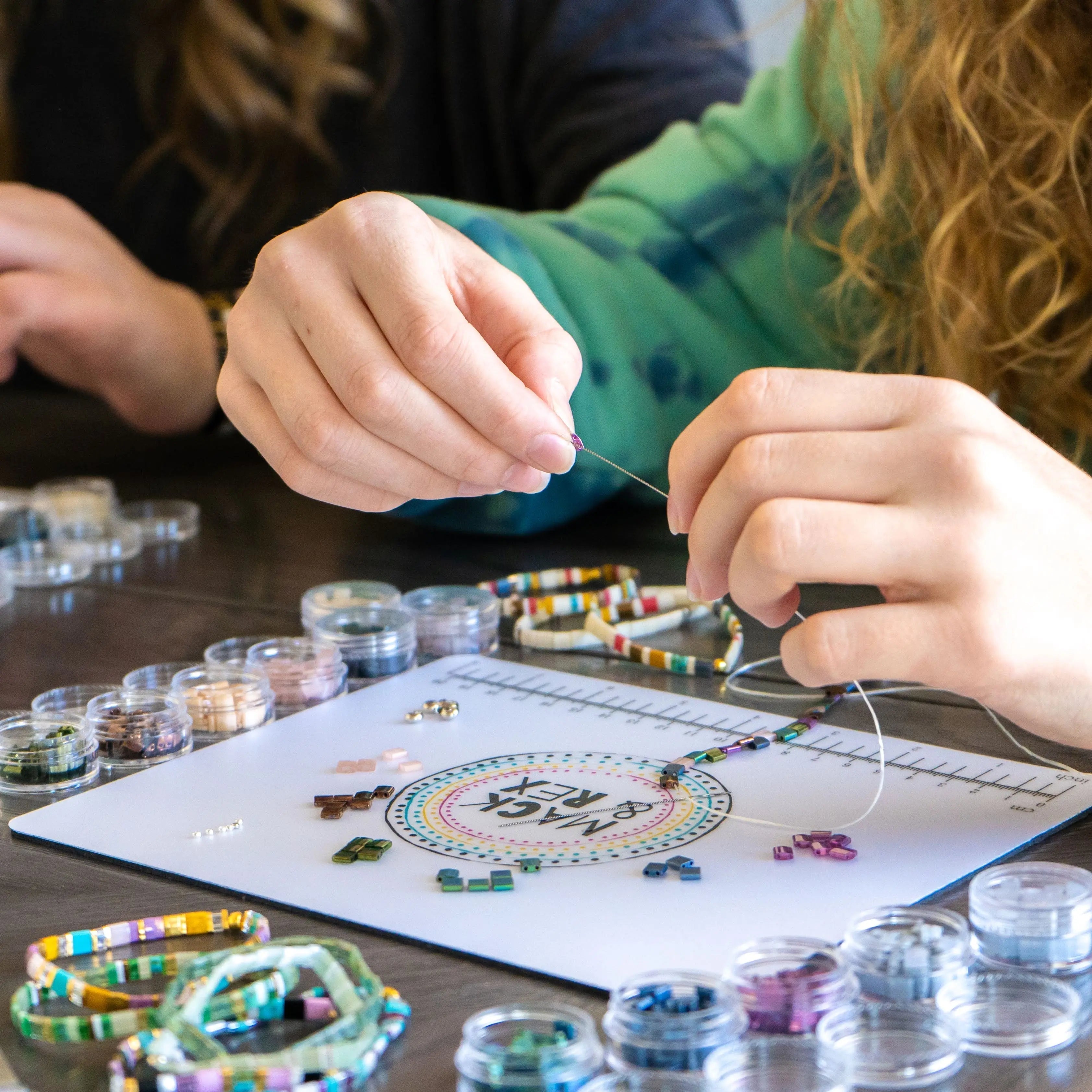
Mack & Rex's own tila bracelet stacks (BEACHY, RETRO SUNSET, AMERICANA, and the rest) are built from Miyuki Tila beads, a Japanese glass bead brand the shop sources and resells rather than manufactures itself. Those beads come in dozens of colorways, which is a gift and a bit of a challenge: a five-bracelet stack of pattern needs at least one solid piece to keep it from looking busy. A single gold ball bracelet, or a small stack of two or three ball bracelets, does that job without adding a second competing pattern to the mix.
Try it this way: pick one tila stack in a palette you already wear a lot, then add a 3mm or 4mm gold ball bracelet on the same wrist. The gold beads pick up any warm tone in the tila pattern (a rust stripe, a mustard fleck) and pull the whole thing together, even if the tila design itself is busy.
When Does Gold Beat Silver for Everyday Wear?
Gold generally reads warmer against tan and medium skin tones and pairs naturally with warm tila palettes: rust, mustard, terracotta, olive. Silver tends to sharpen cool tones, like blues, greens, and true black. Neither metal is more correct. The honest answer is to match the metal to whatever undertone already shows up most in your stack.
There's a practical case for gold too, separate from skin tone or color matching. Gold-toned plating tends to show fine scratches less than polished silver, since the warmer color hides the kind of everyday scuffing that comes from typing, gripping a steering wheel, or loading a dishwasher. If your bracelets take a beating during a normal week, that's a small but real point in gold's favor.
None of this means retire your silver pieces. Mack & Rex sells a matching Silver Ball Bracelet in the same bead sizes for exactly this reason: most people end up wanting both, and swap based on what they're wearing that day rather than picking one metal forever.
How Do You Stack Gold Ball Bracelets So They Actually Stay Put?
Fit first. Put your snuggest bracelet closest to your hand and let looser pieces sit above it, so the tighter one anchors the stack and keeps everything from sliding down toward your knuckles during the day. Fine jewelry brand VRAI's stacking guide makes the same point about starting with a snug anchor piece before adding looser bracelets on top, and it holds whether you're layering gold ball bracelets, tila bracelets, or a mix of both.
Sizing matters more than most people expect. Mack & Rex's gold ball bracelets stretch to fit up to an 8-inch wrist, which covers most adult sizes including larger wrists up to size 4X, and the tila bracelet lines run an inclusive XXS through 5XL. Measure before you order rather than guessing. A bracelet that's a touch too loose will spin around your wrist all day and catch on sleeves; one that's too tight will leave a mark by lunchtime.
For the stack itself, odd numbers of pieces tend to look more deliberate than even ones. Three bracelets (one gold ball bracelet, one tila stack, one thin chain) reads as a finished look. Five can work too if you keep the bead sizes graduated rather than uniform, so the eye has somewhere to travel across the wrist instead of hitting a flat wall of beads.
Is a Gold-Plated Ball Bracelet Durable Enough for Daily Wear?
Yes, for normal daily wear, gold-plated jewelry with a thick plating layer over a solid metal base holds up well: no tarnish under regular conditions, minimal fading over months of wear, and a weight that feels more substantial than costume jewelry. The two things that shorten its life are harsh chemicals and constant friction against rougher jewelry.
It helps to know the difference between gold-plated and gold-filled pieces, since the terms get used loosely online. According to a materials explainer from jewelry supplier GLDN, gold-filled jewelry is made by bonding a much thicker layer of gold to a base metal under heat and pressure, giving it noticeably better resistance to fading than a thin electroplated layer. Wikipedia's overview of gold-filled jewelry notes the gold layer in gold-filled pieces must equal at least 1/20th of the item's total weight by law in the US, which is why it wears longer than typical plating.
Mack & Rex's line reflects that split honestly: the Gold Ball Bracelets use extra-thick 18k gold plating over solid steel, built for everyday stacking rather than delicate occasion wear, while the separate Gold Filled 3mm Ball Bracelet uses genuine gold-filled material for shoppers who want the longer-wearing option. Either one skips a bath in chlorine or perfume sprayed directly on the wrist, which shortens the life of any plated or filled metal.
Where Can You Shop Gold Ball Bracelets and Build Your Own Stack?
Start with one gold ball bracelet in a bead size you like, then build out from there. Mack & Rex's gold collection carries the ball bracelets in 2mm through 6mm beads, sold individually or as a discounted stack, plus the gold-filled option and the 18k gold-plated ROYAL CHARM stretch bracelet if you want a slightly bolder 4mm bead. Pair any of them with a tila bracelet stack for color, or wear the gold pieces alone for a look that reads polished without trying hard.
A quick note on cost and shipping, since it comes up: individual gold ball bracelets run in the high $20s to mid $30s depending on bead size, and shipping is free on US orders over $100 (Mack & Rex ships internationally (shipping and any customs and duties calculated at checkout)). If you're building a full stack across a few tila bracelets and a gold piece or two, that threshold is easy to clear in one order.
Ready to see it on your own wrist? Browse the Mack & Rex gold collection and start your stack with a single gold ball bracelet, then add tila color as you go.
Frequently Asked Questions
Is a gold ball bracelet made of real gold?
Most gold ball bracelets, including Mack & Rex's, are gold-plated: a heavy steel base with a thick layer of 18k gold plating on top, so they will not tarnish with normal wear. A small number of pieces, like the Gold Filled 3mm Ball Bracelet, use genuine gold-filled material rather than plating. Neither is solid karat gold all the way through, and reputable sellers say so on the product page.
Can I wear a gold ball bracelet in the shower or the pool?
Gold-plated and gold-filled ball bracelets generally hold up fine around water for daily activities like hand-washing or a quick swim, since the plating is thick and the steel or brass base underneath resists rust. Pat it dry after and skip long soaks in chlorine or hot tubs, which wear plating down faster over time.
How many gold ball bracelets should I stack together?
Three to five pieces is the sweet spot for most wrists: one gold ball bracelet as the anchor, one or two tila bead bracelets for pattern, and a thin chain or second ball bracelet to fill gaps. Odd numbers tend to look more intentional than even ones, and you can always pull a piece if the stack feels heavy.
Does gold or silver look better with tila bead bracelets?
It depends on your stack's palette. Gold tends to pull warm-toned tila colors like rust, mustard, and terracotta forward, while silver sharpens cool blues and greens. Neither metal is objectively better; match it to whichever undertone already shows up most in your bracelet stack.
What size gold ball bracelet should I order?
Mack & Rex's Gold Ball Bracelets are adjustable and fit up to an 8-inch wrist, which covers most adults, including larger wrists up to size 4X. Measure your wrist with a soft tape or a strip of string before ordering, and size the bracelet snug rather than loose so it does not slide around during the day.