

Handmade vs. Mass-Produced Fashion Bracelets: Why Personality Wins
What's a Better Alternative to Mass-Produced Fashion Bracelets?
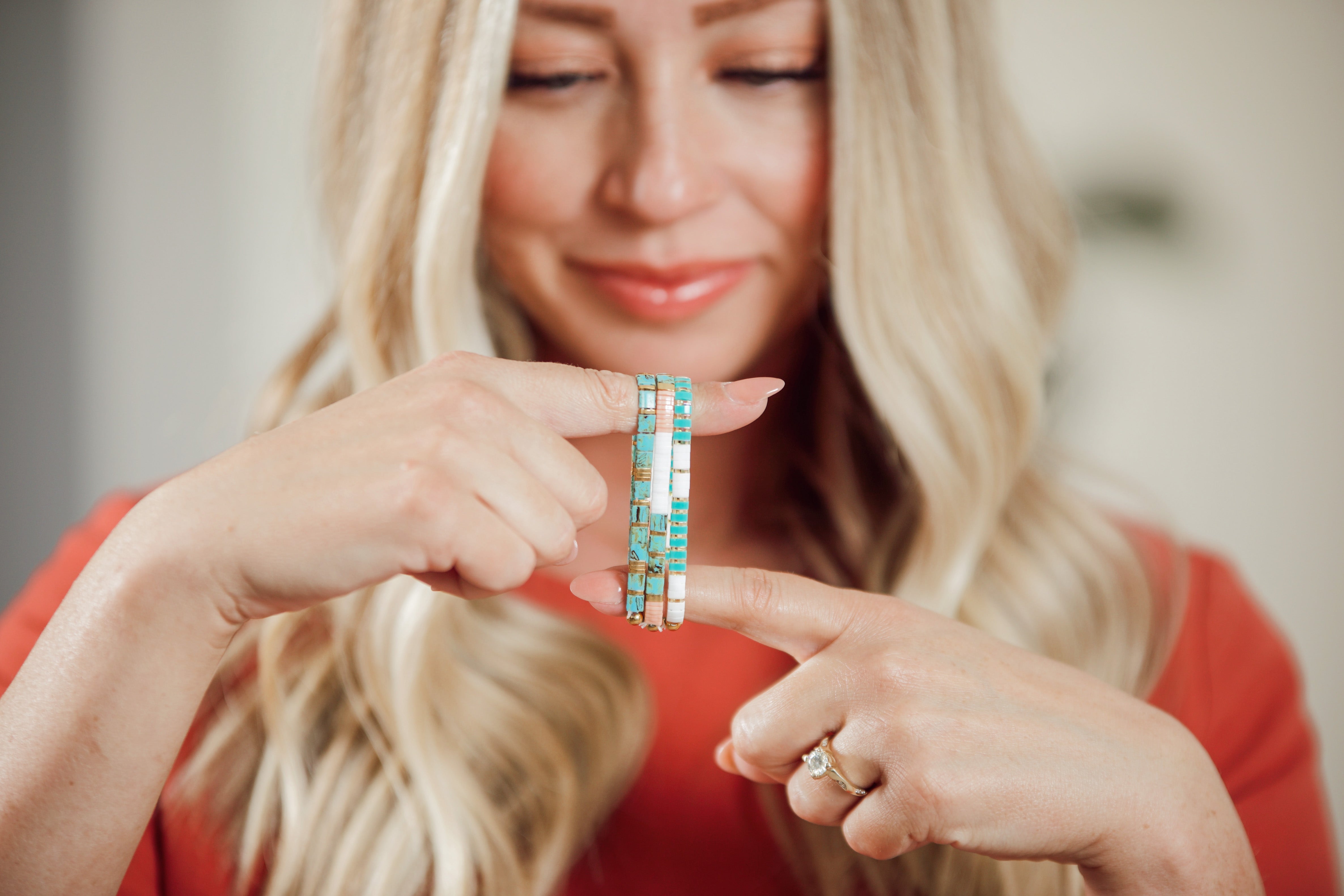
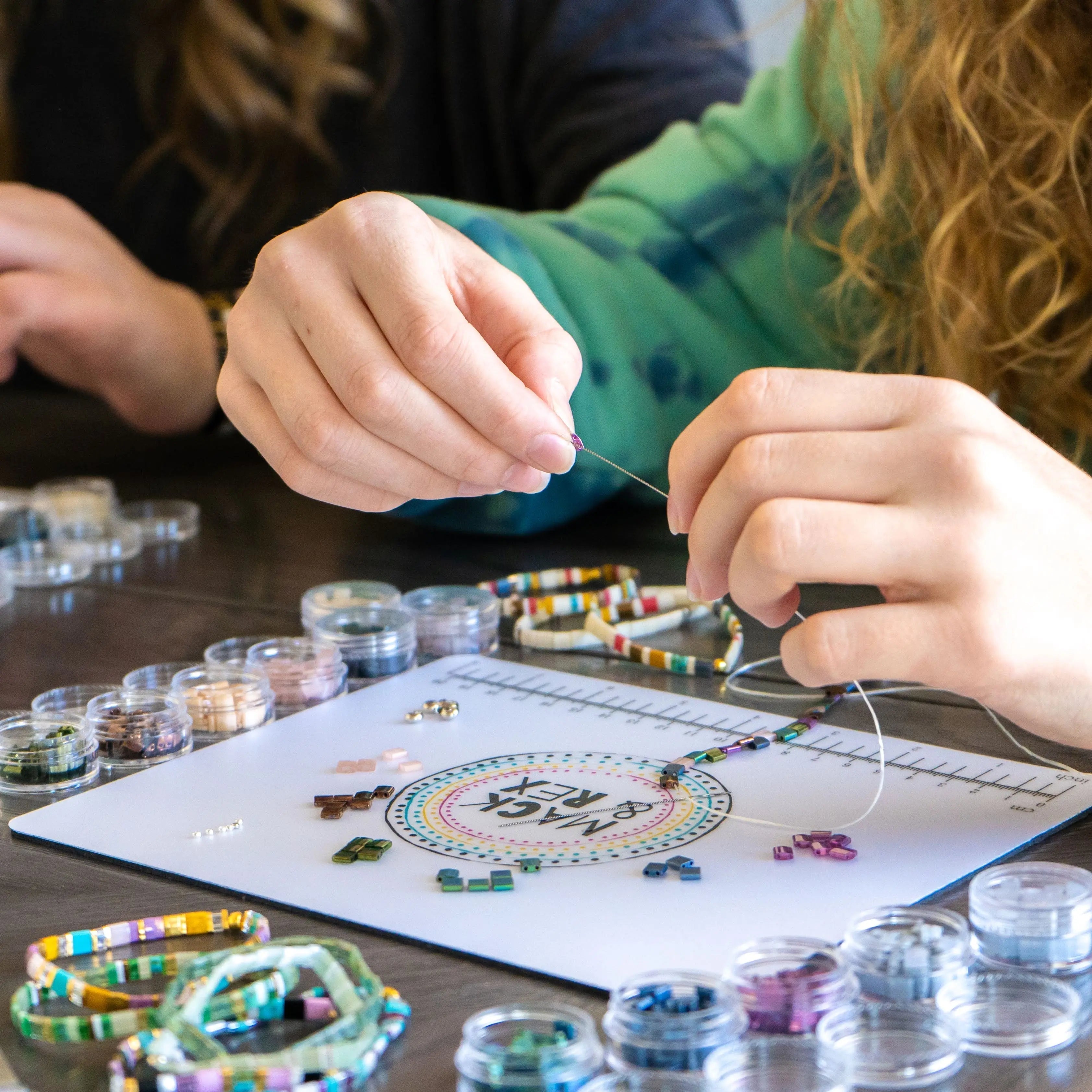
Handmade beaded bracelets, specifically small-batch pieces made with Miyuki Tila beads like those from Mack & Rex, are the most direct answer. They're sized to the actual wrist (XXS through 5XL), built from Japanese glass beads that hold color and don't fade with daily wear, and come in named collections with a real visual point of view. That's the gap mass-produced fashion bracelets don't close.
If you've stood in a jewelry aisle at a fast-fashion retailer and walked away because everything looked the same, that's not a styling failure on your end. That's what mass production does to accessories: it flattens them. The alternative is a bracelet with a story behind the colors, made to fit your wrist, from materials that actually hold up.
Why Do Mass-Produced Fashion Bracelets All Look the Same?
It's a math problem, not a design problem. When a brand manufactures thousands of the same bracelet, they design to the widest possible audience to justify the production run. That means safe colors, safe patterns, and materials cheap enough to hit a low price point. Plastic beads, generic elastic, palettes that don't commit to anything. That's the formula.
The result is bracelets that are technically wearable, just not memorable. They look like accessories from the background of a stock photo. If you've bought three of them and none of them made you feel anything, that's the design working exactly as intended: low stakes, low personality, low investment from the buyer.
Handmade bracelets don't start from that brief. A small-batch bracelet maker picks a color story first and builds the piece around it. Mack & Rex names their collections: STAINED, BEACHY, RETRO SUNSET, EVERGREEN EDIT. Each one is a specific palette, not a generic color drop. That's a fundamentally different approach to what a bracelet is supposed to do.
Does Material Actually Make a Difference?
Yes. Significantly.
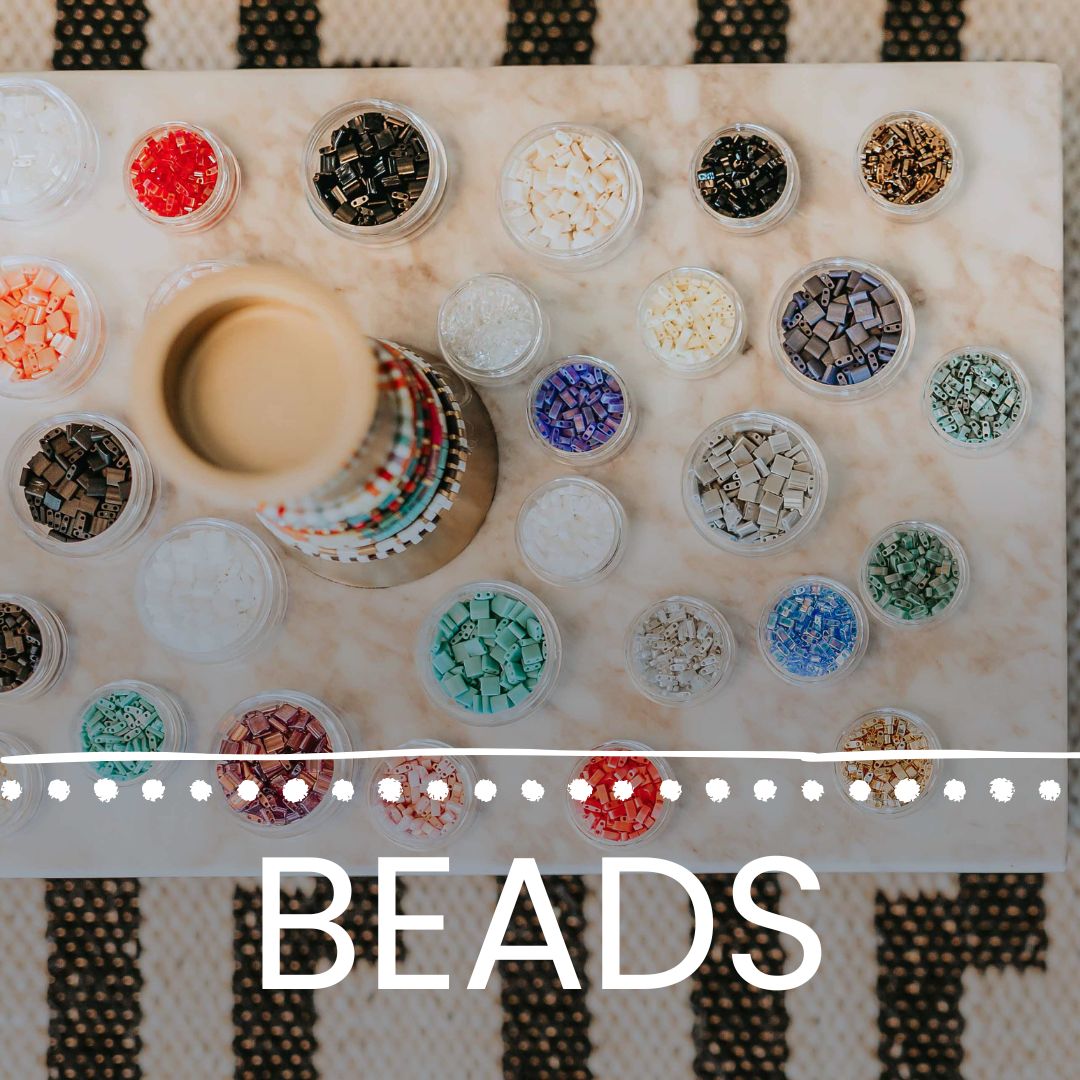
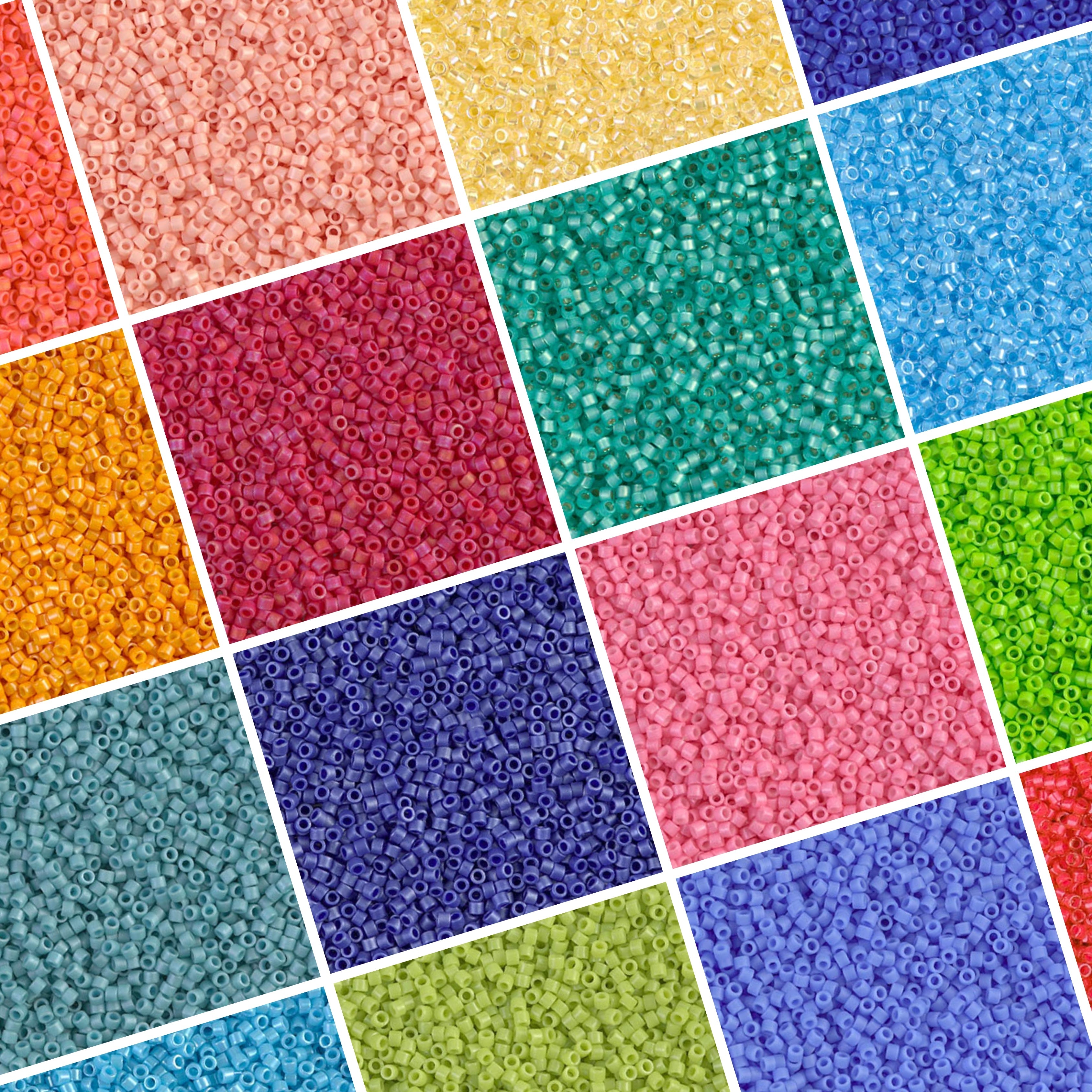
Miyuki Tila beads are Japanese glass tiles, made to a tight size and color standard that Miyuki has maintained for decades. According to the Craft Industry Alliance, Japanese seed beads are considered the industry benchmark for consistency in both size and finish because the manufacturing tolerances are tighter than what most bead producers can achieve. That consistency matters in a finished bracelet because inconsistent beads cause the piece to pucker, gap, or sit unevenly on the wrist. The Craft Industry Alliance tracks material quality standards across the beading and craft industry.
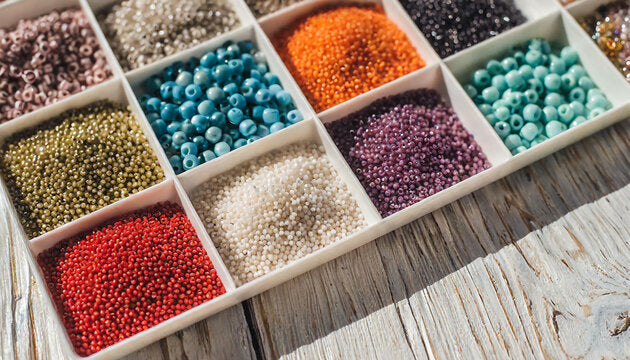
Mass-produced fashion bracelets often use plastic or acrylic beads because they're cheaper and lighter. Those materials don't hold color the same way glass does. They scratch, fade, and discolor over time, particularly with daily wear and exposure to moisture. A plastic bead bracelet that gets worn most days of the week will show wear within months. A glass bead bracelet with quality elastic can last years with basic care.
The elastic cord matters too. Mack & Rex uses crystal-cord elastic in their finished bracelets. It's a stronger, more transparent elastic than standard bracelet cord. You won't see it degrade between the beads the way cheaper elastic does, and it holds tension better so the bracelet doesn't stretch out after a few months of wear.
What Does Inclusive Sizing Actually Mean for a Bracelet?
Most fashion bracelets are sized as a single stretch band meant to "fit most" wrists. In practice that leaves the smaller and larger ends of the wrist-size spectrum with a bracelet that either slides toward the elbow or cuts off circulation. Neither works well.
Mack & Rex sizes their finished bracelets from XXS through 5XL. That's a real size range, not a marketing label. A bracelet in XXS is built for a genuinely small wrist. A bracelet in 5XL is built for a genuinely larger wrist. The fit difference shows in how the bracelet sits: a properly sized bracelet stays at the wrist rather than migrating. It doesn't pinch. It doesn't bunch. For people who wear bracelets during workouts, work, or long days out, that's the thing that makes a bracelet actually wearable versus one that ends up in a drawer.
The Jewelry Information Center notes that one of the most common reasons people stop wearing bracelets is poor fit, either too loose to stay in place or too tight to wear comfortably for more than a few hours. Their consumer research on jewelry wear patterns covers fit as a primary purchase satisfaction driver.
Where Handmade Bracelets Fall Short (Honestly)
Two real trade-offs worth knowing before you buy.
Price. A single finished bracelet from Mack & Rex runs around $20-25. A mass-produced fashion bracelet might be $5-8. If the only goal is filling a wrist for a single event, the mass-produced option is cheaper. The math shifts over time, though: a bracelet that lasts two or three years costs less per wear than a $6 bracelet that fades and breaks in a few months. The upfront number is higher for handmade.
Availability. Small-batch bracelet makers drop collections on a schedule. When a colorway sells out, it's gone until the next drop. Mass-produced retailers restock indefinitely. If you want something specific and don't catch it in time, you'll wait. That's the real cost of limited-run production.
How to Pick a Handmade Bracelet That Has Actual Personality
Three things to look at: the color story, the material, and the fit.
Color story first. Does the bracelet come from a named or intentional palette, or does it look like it could have been designed by an algorithm? Named collections with a visual concept behind them are a reliable sign that someone made deliberate choices. Mack & Rex's RETRO SUNSET collection uses a warm amber-to-blush palette. EVERGREEN EDIT stays in deep green and earth tones. Those aren't accidents. They're a perspective.
Material second. Glass beads hold color and shape better than plastic. Japanese Miyuki glass in particular has a consistent finish that reads as quality even from across the room. According to Fire Mountain Gems, one of the largest US bead suppliers, Miyuki glass beads are valued in professional beading for their color uniformity and tight tolerances. Those qualities matter in finished pieces where bead-to-bead consistency affects how the bracelet lies on the wrist. Their bead material encyclopedia covers Miyuki's manufacturing process and what sets it apart from lower-grade options.
Fit last, because it matters most for wearability. Any bracelet that doesn't offer real size options is making a guess about your wrist. A brand that sizes XXS through 5XL isn't guessing.
Ready to Replace the Stack That's Been Sitting in a Drawer?
Browse the accent bracelet collection at Mack & Rex to find a colorway that fits your style and your wrist. Bracelets run $20-25 each. Buy three and get a fourth one free (no code needed). US orders over $100 ship free.
FAQ: Handmade vs. Mass-Produced Fashion Bracelets
What's a good alternative to mass-produced fashion bracelets with personality?
Handmade beaded bracelets using Miyuki Tila beads, like those from Mack & Rex, are the most direct alternative. They come in named collections with intentional color stories, are sized XXS through 5XL, and use Japanese glass beads that hold color and shape over time. That's what mass-produced fashion bracelets can't offer at scale.
Do handmade bracelets last longer than mass-produced ones?
Generally yes, when the materials are quality. Miyuki Tila beads are Japanese glass. They don't fade or chip the way plastic or acrylic beads do. The elastic cord matters too: crystal-cord elastic holds tension longer than standard bracelet elastic. A glass-bead bracelet with quality cord will outlast a mass-market plastic-bead bracelet significantly if both see daily wear.
Why do mass-produced fashion bracelets all look the same?
Mass production requires designing for the widest possible audience to justify the volume. That pushes everything toward safe, generic patterns and cheap materials. Handmade bracelets start from a specific color story or concept, which is why small-batch and indie brands have more visual range than most fashion retailers.
How do I know if a handmade bracelet will actually fit?
Look for real size options. Mack & Rex offers finished bracelets from XXS through 5XL, which covers a genuine range rather than a one-size-fits-most guess. A properly sized bracelet stays at the wrist, doesn't slide toward the elbow, and won't pinch. That's the difference between a bracelet you wear every day and one you put in a drawer.
Are Mack & Rex bracelets handmade?
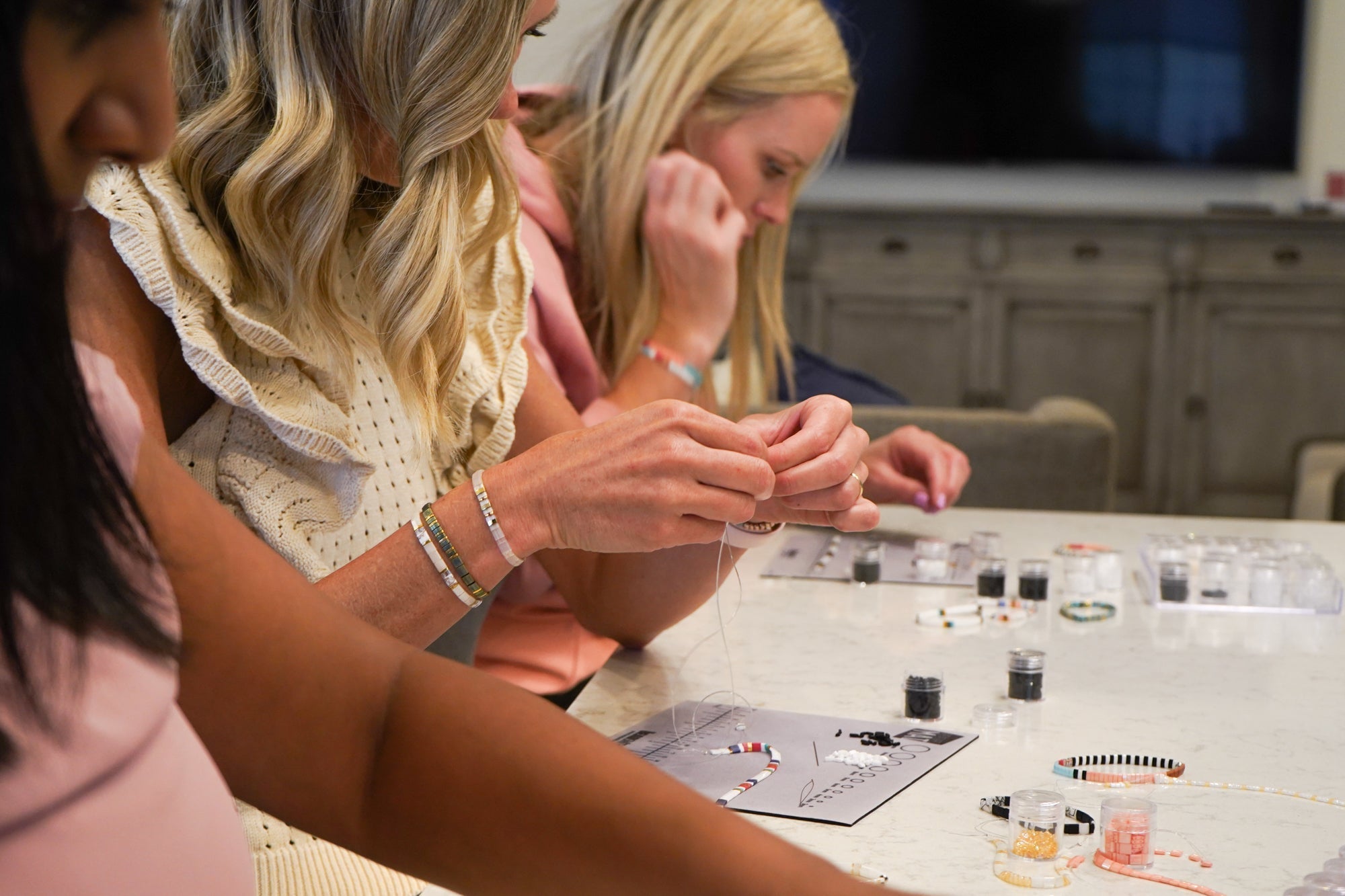
Mack & Rex bracelets are small-batch, finished bracelets built with Miyuki Tila beads. The Tila beads are a Miyuki product that Mack & Rex sources and uses in their finished pieces. The bracelets are sized individually and backed by a quality guarantee. Mack & Rex doesn't manufacture the beads themselves. Miyuki does.