

Heishi Bead Bracelet Kit: Everything You Need to Make Clay-Bead Stacks
What is a heishi bead bracelet kit, and what does it include?
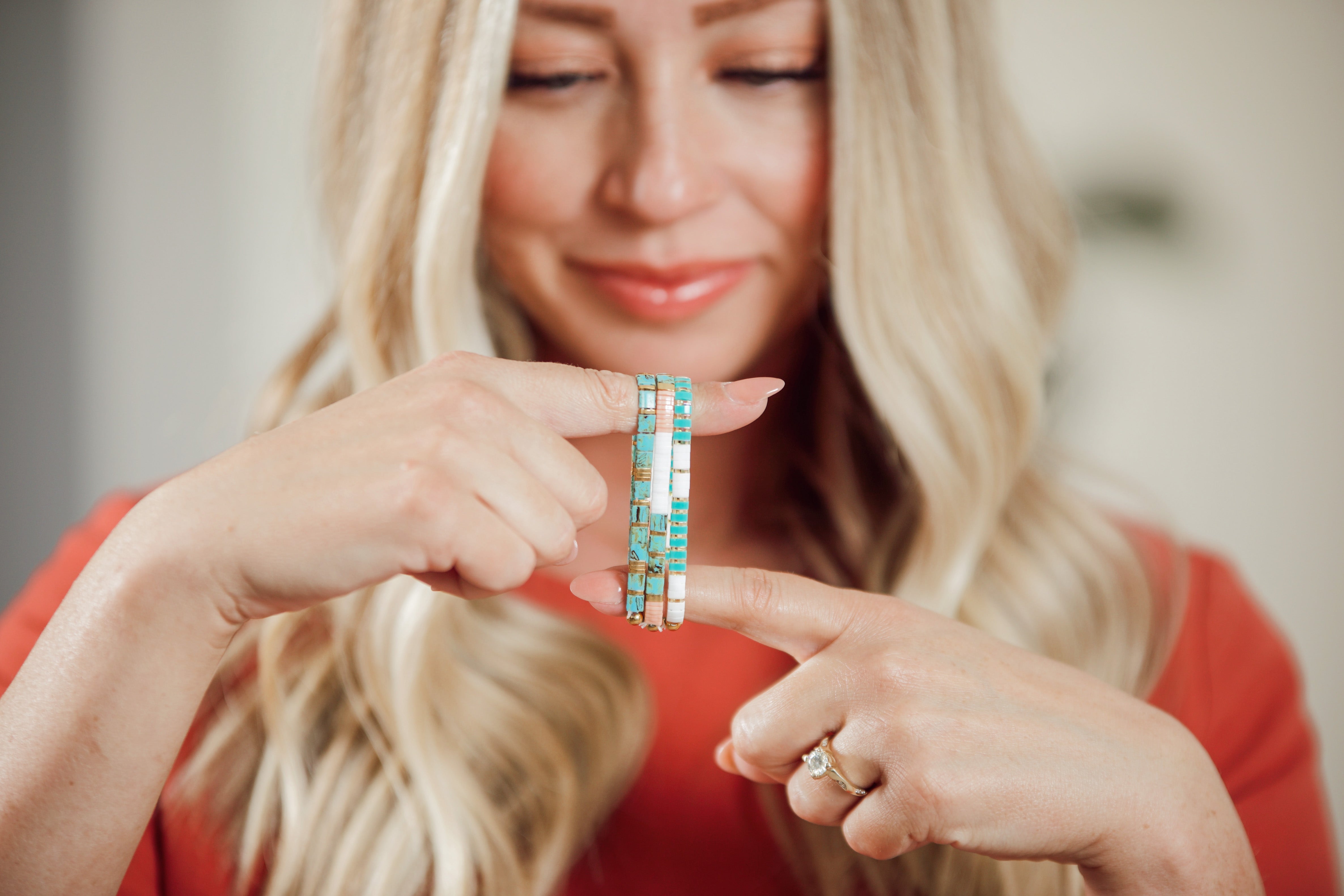
A heishi bead bracelet kit bundles everything you need to make stacked disc-bead bracelets in one package: a curated set of polymer clay (or shell) disc beads, elastic stretch cord, and basic finishing supplies. The best kits are color-coordinated so the pieces work together right out of the bag, without any guesswork on your part. You can typically make two to three bracelets per kit and have a finished stack to wear the same afternoon.
Heishi beads get their name from a Pueblo word for shell disc beads. Traditional heishi were handmade from spiny oyster shell and pipestone by artisans in the American Southwest.1 Today, the polymer clay version is everywhere in the stacking bracelet world. They're lightweight, come in dozens of colors, and have that same smooth, flat-disc silhouette that looks good layered five deep on a wrist.
What do you actually need to make heishi stack bracelets?
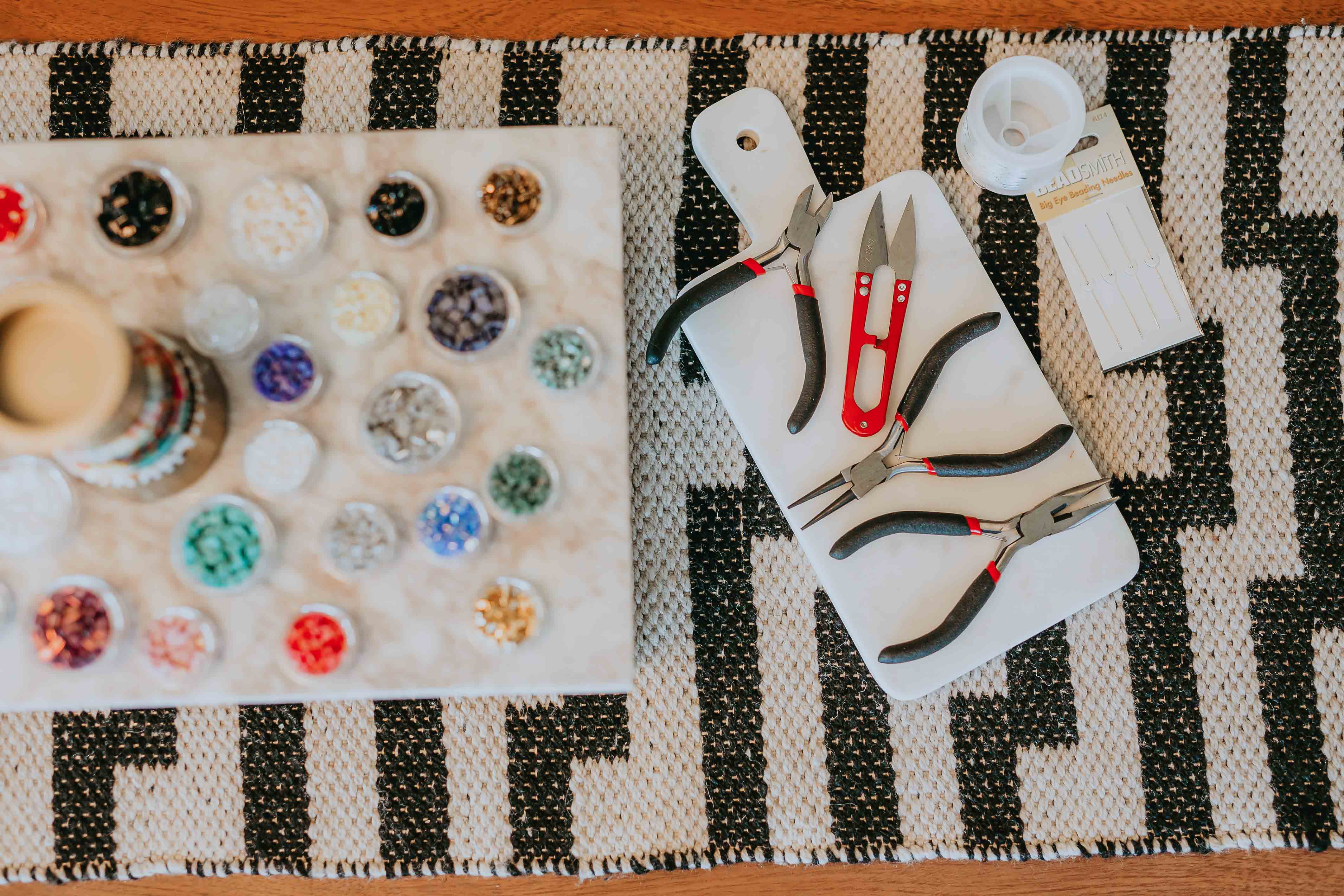
Four things. That's really it. Heishi or clay disc beads, elastic cord, scissors, and a dab of jewelry adhesive for the finishing knot. Optional extras that make the process easier: a bead mat (keeps beads from rolling away), a beading needle if the cord is too floppy to thread easily, and a ruler to check your bead length before you tie off.
A solid kit covers the following:
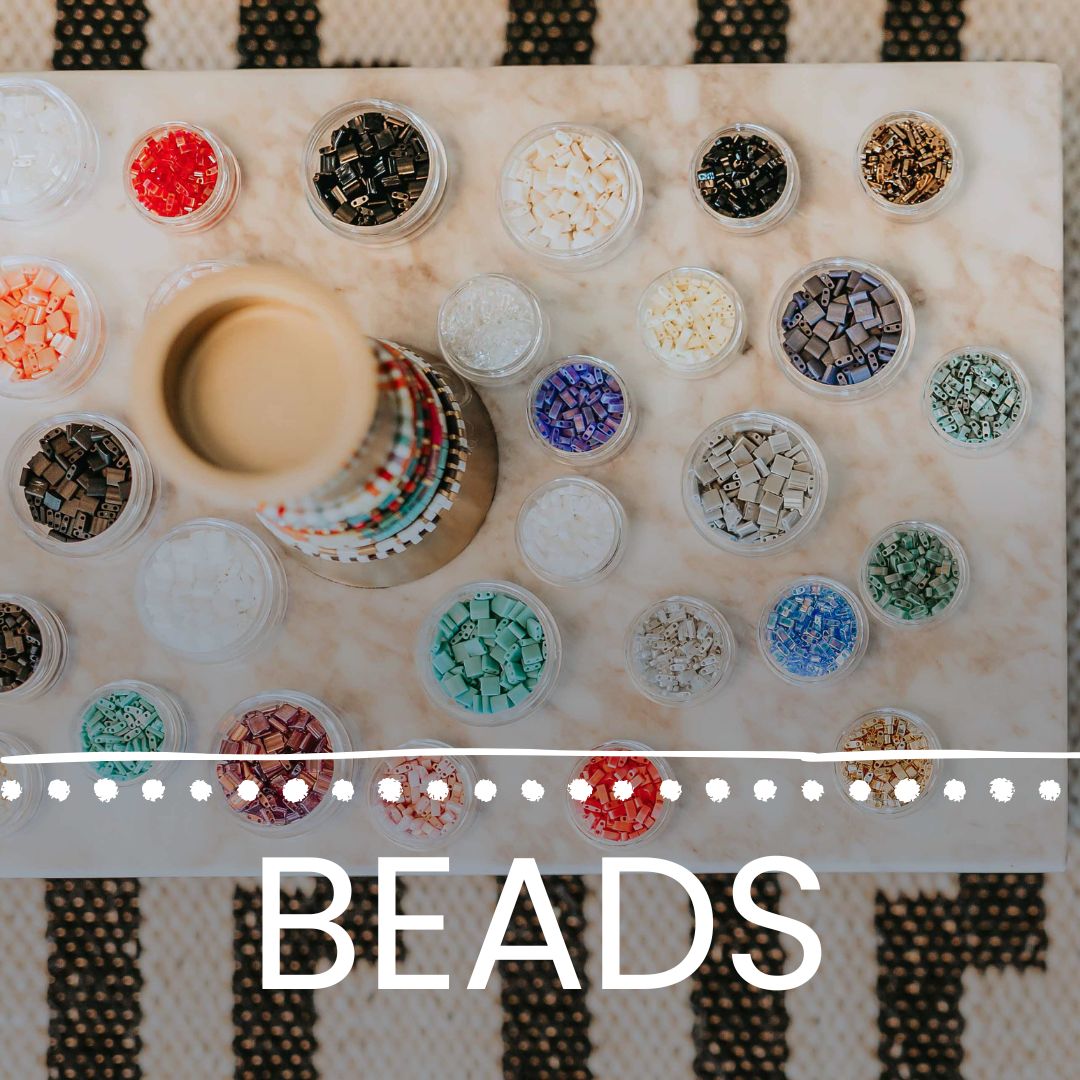
- Beads: Polymer clay heishi discs, typically 4-6 mm in diameter. A good kit includes enough for multiple bracelets and mixes coordinating colors so you can vary each piece in the stack.
- Elastic cord: Stretch cord is the standard for heishi bracelets because it slips on and off without a clasp. Look for at least 0.5 mm thickness for durability.
- Instructions: A step-by-step guide matters more than beginners expect. Clear instructions on knot technique (the surgeon's knot is the standard) save a lot of frustration.
- Finishing supplies: Scissors and a small amount of adhesive to secure the knot. Some kits include these; others assume you have them at home.
If you're buying beads separately to build your own kit, The Spruce Crafts recommends starting with a minimum of two or three color families so your finished stack has range without looking chaotic.2
How do you make a heishi bead stack bracelet?
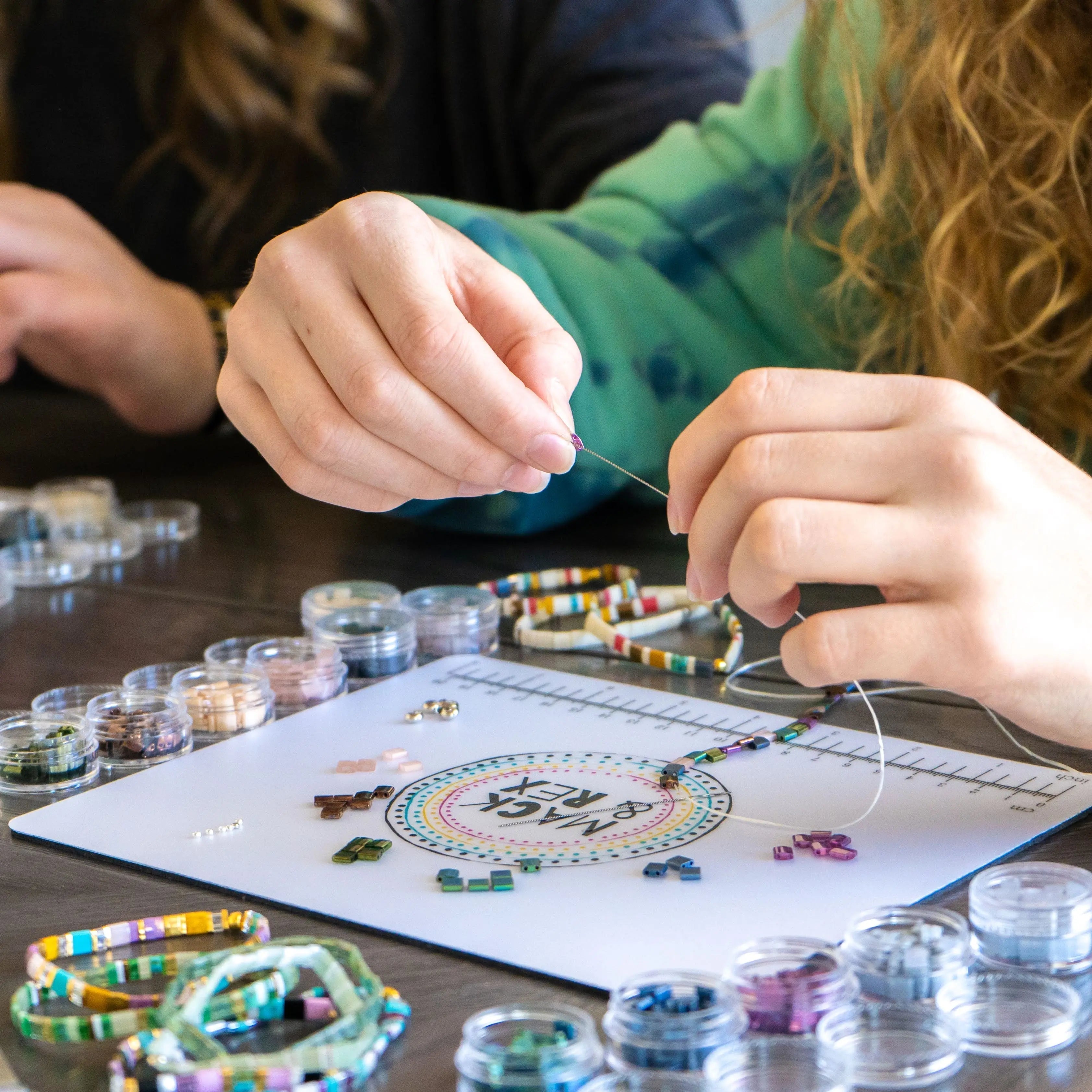
Easier than it looks. The basic process takes about 20 minutes once you have your beads sorted by color.
- Cut your cord. Start with around 10 inches of elastic. That gives you enough for a 6-7 inch bead run plus tails to tie.
- Arrange your beads first. Lay them on a flat surface or bead mat in the order you want before threading. Changing the sequence on the cord is a pain; doing it dry costs you nothing.
- String the beads. Thread them onto the cord in your chosen order. About 6 to 7 inches of beads fits most adult wrists, though measure yours first.
- Tie a surgeon's knot. Pull both ends firmly in opposite directions, then repeat for a second overhand. The double tie is what keeps elastic from slipping loose over time.
- Glue and trim. Add a small drop of jewelry adhesive to the knot, let it set, then trim the tails close. Tuck the knot into a bead hole to hide it.
- Make two or three more. Stack bracelets are rarely worn solo. Vary the color order between pieces for a collected, layered look.
Beadaholique's beginner stringing guides note that elastic cord quality makes a real difference in longevity. Thicker cord (0.7 mm or above) holds up better under daily wear than the thinner alternatives you'll find in some budget kits.3
What colors work best in a heishi clay-bead stack?
Warm neutrals anchor everything.
Terracotta, cream, sand, and dusty rose are the workhorses of a heishi stack because they tie brighter accent beads together without competing. A three-bracelet stack that works: one all-terracotta, one cream-and-sage, one coral-and-gold. The tones overlap enough to look intentional while each piece stays distinct.
A few combinations that consistently get attention on the wrist:
- Summer palette: Cobalt blue + white + sunshine yellow. High contrast, reads tropical.
- Earthy/boho: Terracotta + sage green + cream. The safest starter combination; goes with almost everything.
- Monochromatic: Three or four shades of the same hue (dusty pink, blush, rose, berry). Subtle and polished.
- Bold pop: A neutral base bracelet plus one all-bright piece in a single statement color. Hot pink, electric blue, lime. One pop is enough.
If you're mixing heishi discs with flat glass tile beads in your stack, echo at least one shared color across both bead types. That small overlap is what makes a mixed stack look pulled-together rather than random.
How does a heishi kit compare to a Tila bead bracelet kit?
Different projects, different skill level, different look. Heishi kits are entry-level — single-strand stringing with no tools beyond scissors and cord. You can hand one to someone who has never made jewelry and they'll have a finished bracelet in 30 minutes.
Mack & Rex's specialty is Miyuki Tila glass tile beads, which are a two-hole Japanese glass bead that creates a woven, mosaic-style bracelet with a noticeably more structured look. The technique is still beginner-friendly, with a short learning curve around threading two holes and building a double-strand. The result is a bracelet that lies very flat against the wrist and holds its shape well through daily wear, including workouts. (One reviewer put it simply: "The elastic has not stretched out and the tiles are as beautiful as the day I got it.")
The two styles actually stack really well together. A couple of heishi clay bracelets alongside a Tila tile bracelet gives you texture contrast: the matte, organic disc finish next to the glassy, structured tiles. A great combination.
If you're looking for a bracelet-making kit that includes quality materials and clear instructions, the bracelet-making kits at Mack & Rex are worth a look. They're built around Miyuki Tila glass beads (sourced from Japan, not manufactured by Mack & Rex), with the cord, instructions, and curated color combinations already sorted. Trio kits run $44.99. Shipping to US addresses is free on orders over $100.
Is a heishi bracelet kit a good gift or group activity?
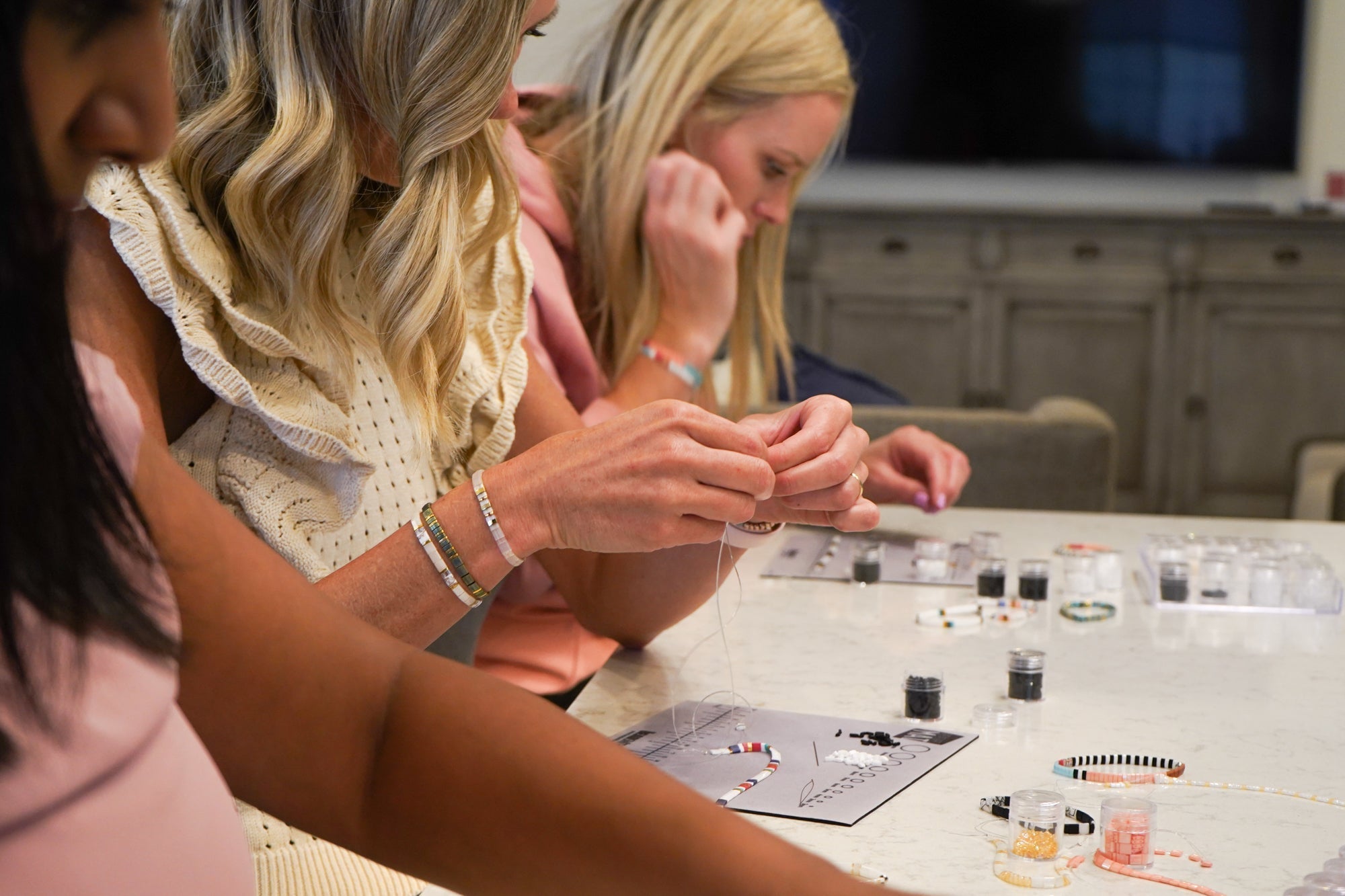
Really good, actually. Heishi stringing works at a kitchen table with no special setup. The materials pack small, cleanup takes two minutes, and everyone walks away with something to wear.
For a family afternoon or bracelet-making night with friends, pre-sort the bead colors into small dishes by person before you start. That one step makes group sessions run much smoother and keeps things from getting chaotic.
One note if kids are joining in: beads are a small-parts choking hazard, not appropriate for children under 3. For kids 8 and up, this is a genuinely fun project they can handle mostly on their own with an adult present.
Mack & Rex started as exactly this kind of project — a mom and her two daughters making bracelets together. That origin runs through everything: the monthly "kit in a can" subscription, the live bracelet-making classes, the kits designed so the whole thing feels like fun rather than a chore.
Frequently Asked Questions
What is a heishi bead bracelet kit?
A heishi bead bracelet kit is a set that includes polymer clay or shell disc beads, elastic cord, and basic finishing supplies so you can string one or more stacked bracelets at home. Quality kits come with a color-curated bead selection and step-by-step instructions, so you don't have to source each item separately.
What are heishi beads made of?
Traditional heishi beads are hand-cut from shells by Pueblo artisans in the American Southwest. The widely available modern version used in stacking bracelets is typically made from polymer clay, cut into flat disc shapes roughly 4 to 6 mm in diameter. Both types share that signature smooth, flat-disc look.
How much elastic cord do I need for a heishi bracelet?
Start with about 10 inches of elastic cord for a single bracelet. That allows 6 to 7 inches for the beads themselves (covering most adult wrist sizes) plus enough tail on each end to tie a secure surgeon's knot and trim cleanly.
Can kids make heishi bead bracelets?
Older children (generally 8 and up) enjoy heishi bead projects and can handle the stringing with adult supervision. Beads are a choking hazard and are not appropriate for young children. Always have an adult present when kids are working with small beads or cord.
How do heishi beads differ from Miyuki Tila beads?
Heishi beads are flat clay or shell discs threaded side-by-side on a single strand. Miyuki Tila beads are flat Japanese glass tiles with two parallel holes, woven into a double-strand bracelet. Heishi bracelets are typically simpler to make; Tila bracelets have a distinctive tile-mosaic look. The two styles stack beautifully together.
Ready to build your first stack? Browse the bracelet-making kits at Mack & Rex to find a curated kit with quality materials, clear instructions, and color combinations that are already sorted for you. Shipping is free on US orders over $100, and if you're buying finished bracelets alongside a kit, the buy-3-get-1-free offer applies automatically at checkout (no code needed).