

Heishi Bead Stacks for Men: What Makes Them Hold Up to Everyday Wear
What are heishi beads?
Heishi beads are thin, flat, disc-shaped beads with a hole through the center. They started as hand-ground shell beads made by Native artisans of the Santo Domingo Pueblo in New Mexico, and the name now covers a whole family of disc beads in shell, clay, stone, metal, and glass.
The word "heishi" (pronounced HEE-shee) refers to that shape and the traditional technique. Strung tightly, the discs sit edge to edge and form a smooth, flexible band. Wikipedia's entry on heishi covers the history if you want the origin story.
Why does a men's stack care about any of this? Shape. A disc bead lies flat against the wrist instead of bulging out, and that single trait drives most of what makes a stack wearable all day.
Why do flat disc beads suit a men's everyday stack?
Flat discs sit low, spread pressure across the wrist, and catch less on cuffs, watch bands, and tool handles. A low profile means a stack of three feels like one piece of jewelry, not three lumps. That makes it easier to wear at a desk, a job site, or the gym.
Low profile matters most for men who already wear a watch. A round 8mm bead rides up over a watch strap and clicks against the case. A flat bead slides under or beside it. Small thing, big difference by day three.
Flat beads also take darker, more muted colors well. Matte black, gunmetal, olive, and deep navy all look intentional in a disc or tile shape. The same colors in glossy round beads can read like costume jewelry.
How do heishi beads compare to other bead types?
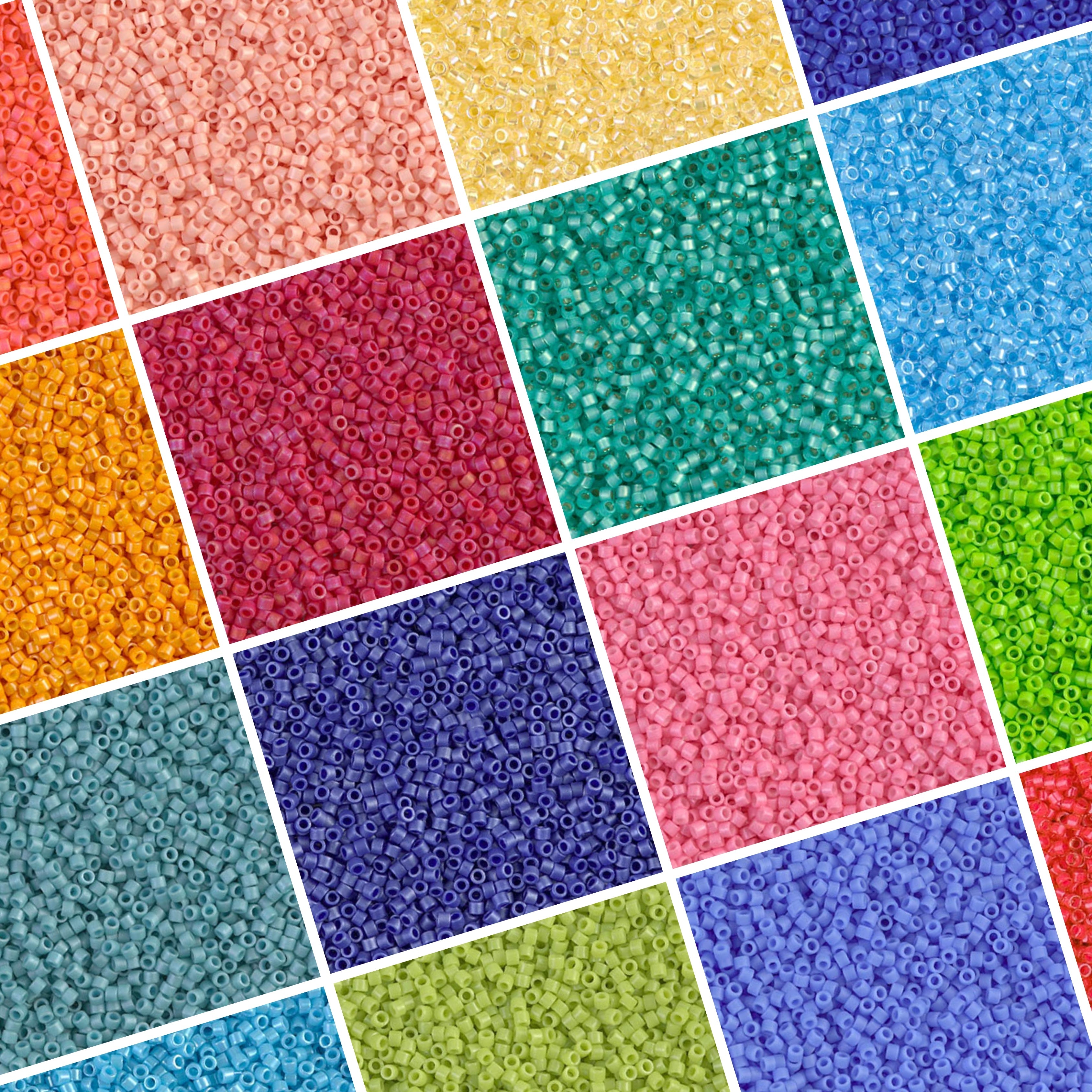
Heishi-style discs win on comfort and stackability. Round beads feel chunkier and shift more on the wrist. Seed beads are tiny and delicate. Glass tile beads sit in between, with the flat profile of a disc plus the hardness and color depth of glass.
Here's the quick comparison:
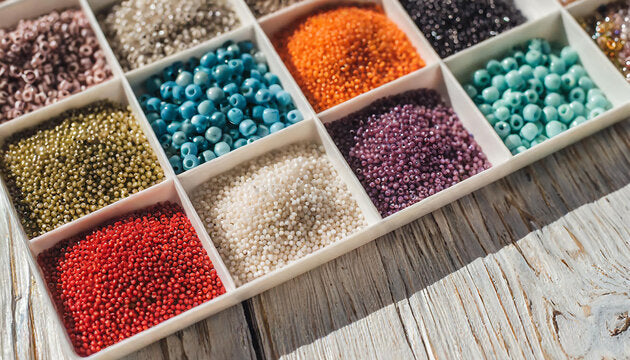
- Natural shell or stone heishi: beautiful texture, but softer materials can chip at the edges and take on water and sweat unevenly.
- Clay or polymer discs: lightweight and colorful, but they scuff over months of daily wear. Fine for fashion, less so for a bracelet you never take off.
- Round wood or acrylic beads: cheap and easy, but bulky, and the finish wears off with friction.
- Glass tile beads: hard, colorfast, and flat. Glass resists scratching better than most soft materials, which is why it holds up in a stack.
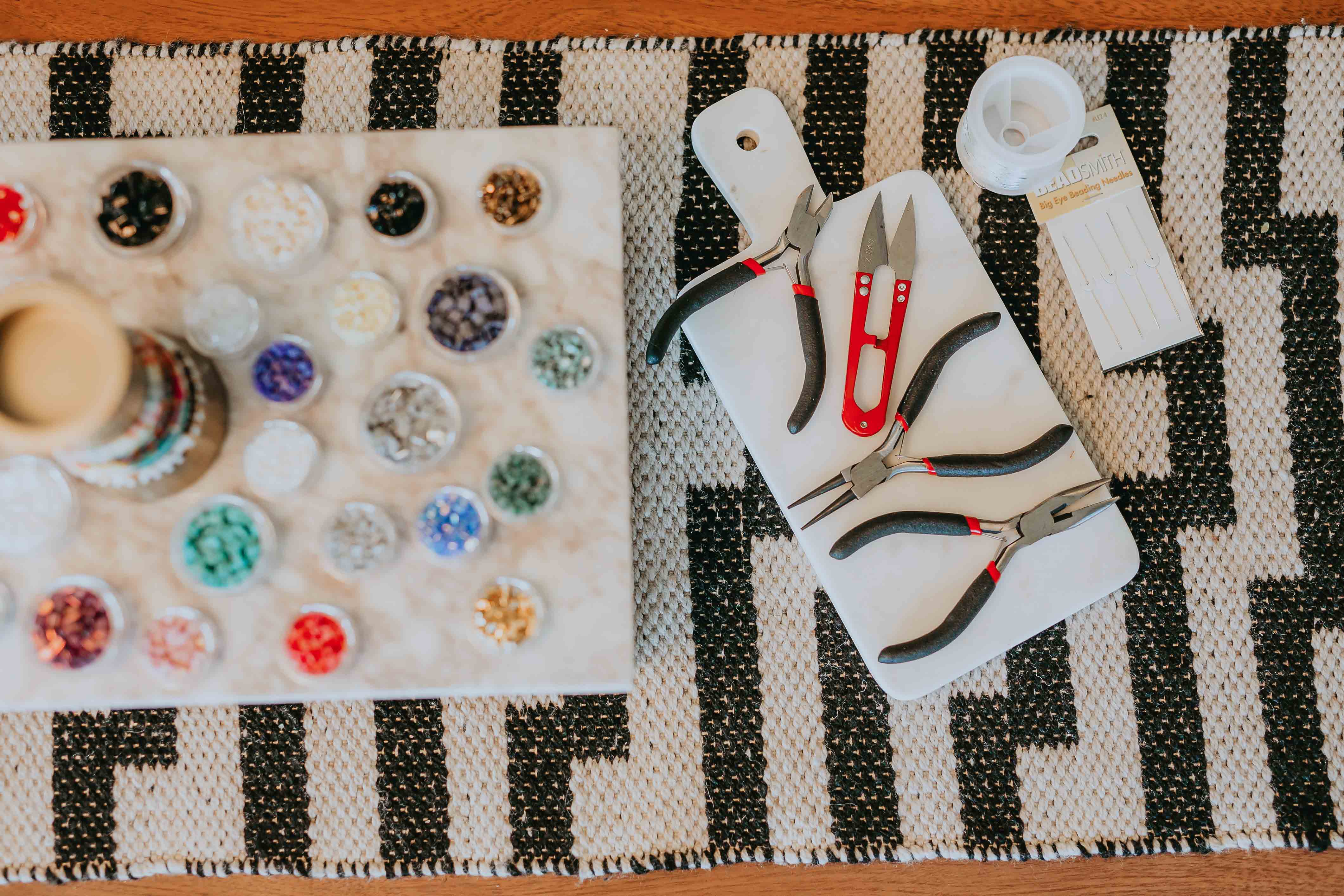
Hardness isn't the only factor, though. The beads are only as strong as what holds them. Beaded jewelry makers have long pointed out that stringing material matters as much as the beads themselves, and Beadaholique's stringing guides and supplies are a good place to read up on cord types and their tradeoffs.
What actually makes a bead bracelet last?
Three things: bead hardness, cord quality, and how the knot is finished. Hard glass beads resist scratches. A quality elastic resists stretching out. A well-tied, sealed knot keeps the whole thing from letting go at the worst moment.
Most failures come from the cord, not the beads. A bracelet that snaps usually has a thin elastic or a loose knot. Sweat, sunscreen, and hand lotion break down cheap stretch cord. Heat in a parked car does the same.
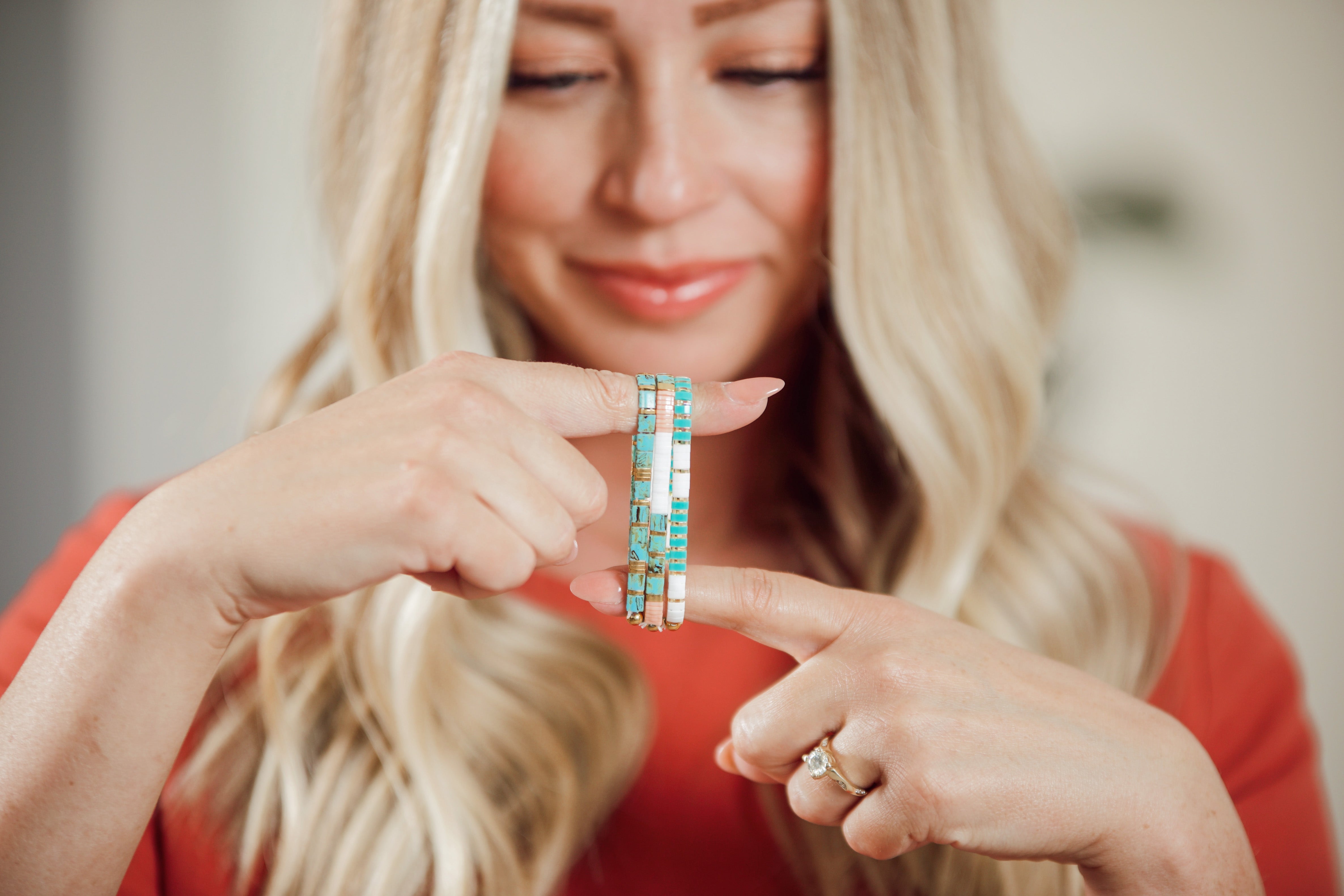
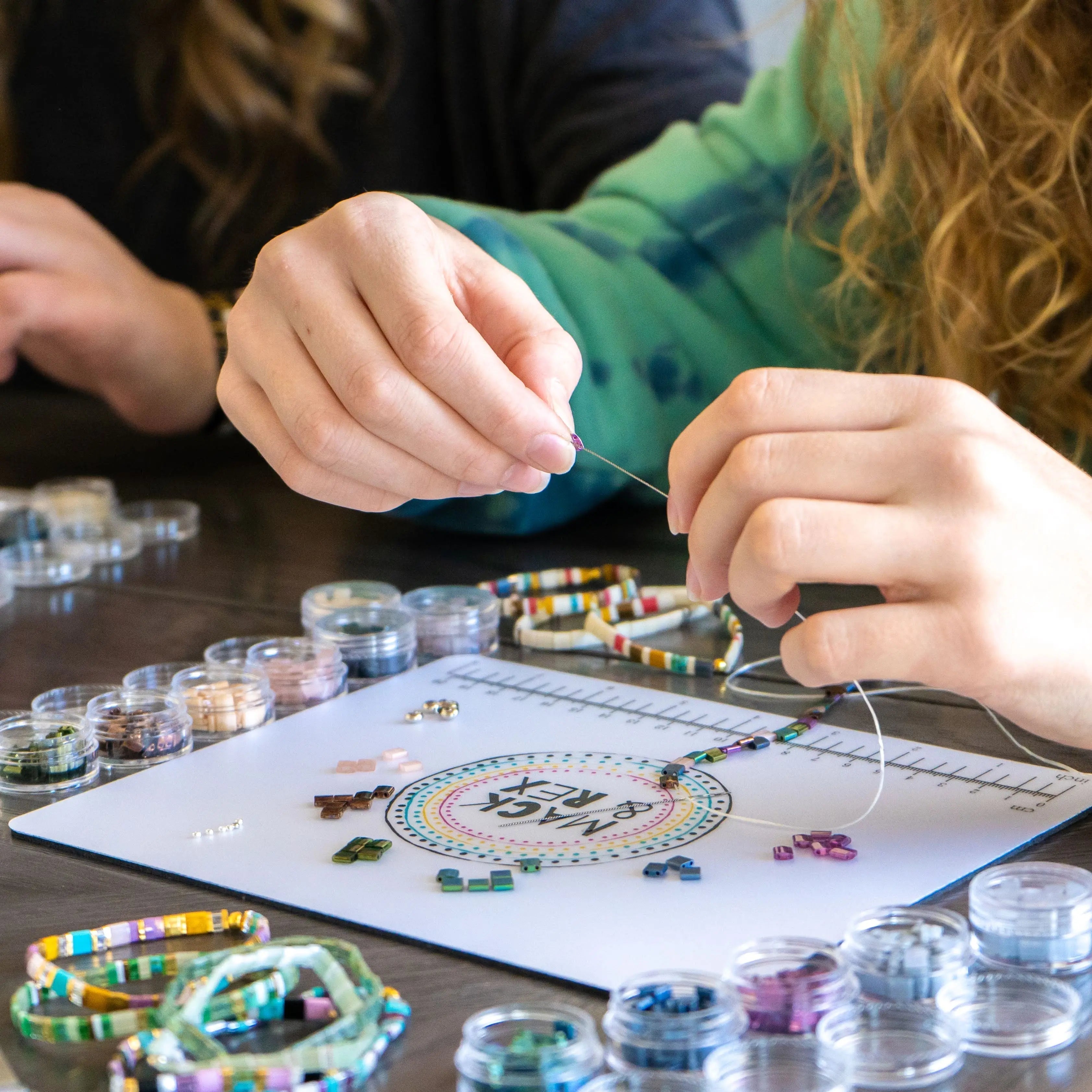
Mack & Rex stretch bracelets use crystal-cord elastic and Japanese glass tile beads, and the stretchy bracelets come with a quality guarantee. The beads themselves are Miyuki Tila beads, a third-party brand that Mack & Rex resells. Glass is hard, but it isn't indestructible. A hard knock against granite can chip a bead edge, so take the stack off for heavy lifting or demolition work.
The Gemological Institute of America's jewelry education resources are a useful reference for how hardness and care affect materials of all kinds, from gemstones to glass.
How do you build a men's stack that lasts?
Start with three bracelets in matching bead widths, pick two main colors plus one neutral, and size each one so it sits snug without pinching. Consistent width keeps the stack tidy. Consistent fit keeps it from sliding or spinning.
Follow these steps:
- Measure your wrist. Wrap a soft tape just below the wrist bone. Stretch bracelets should be snug enough to stay put and loose enough to slide over your hand without a fight.
- Pick a base color. Black, charcoal, or navy anchors almost any outfit.
- Add one accent. Olive, rust, or a muted blue gives the stack character without shouting.
- Add a texture or pattern. One bracelet with a mixed or banded pattern keeps three solid colors from looking flat.
- Keep widths close. Mixing a skinny bracelet with a wide one makes the thin one roll under the thick one.
Stuck on colors? Mack & Rex builds the choice for you. The men's bracelet stacks collection has ready-made sets of two, three, four, and five bracelets, each named and color-matched (FELONY, FEVER, FUEL, and GUNSMOKE, for example). Stacks of two start around $45 at the time of writing, and prices shift with new drops, so check the page for current numbers.
Sizing is a real strength here. Mack & Rex bracelets come in a size range from XXS through 5XL, which matters for guys with larger wrists who are tired of bracelets that pinch or stop mid-hand.
Does a bead stack hold up at work, at the gym, and on the water?
Mostly yes, with sensible limits. Glass beads shrug off sweat, rain, and everyday knocks. Elastic cord is the weak spot, so rinse the stack after salt water or sunscreen, dry it flat, and skip it for work with heavy machinery where anything can catch.
A few habits stretch the life of a stack:
- Roll the bracelet on and off. Don't yank it over a knuckle.
- Keep it away from lotion, bleach, and hot water.
- Rotate between two stacks if you wear one daily. The cord gets rest and keeps its stretch.
- Don't pull a stretch bracelet wider than it needs to go.
Treat it like a good watch band. Light care, regular use, no drama.
What should you look for when buying heishi-style bead bracelets?
Check the bead material, the cord, and the size range. Ask what the bead is made of, whether the cord is real elastic or thin thread, and whether the bracelet comes in your actual wrist size. Vague answers on any of the three are a red flag.
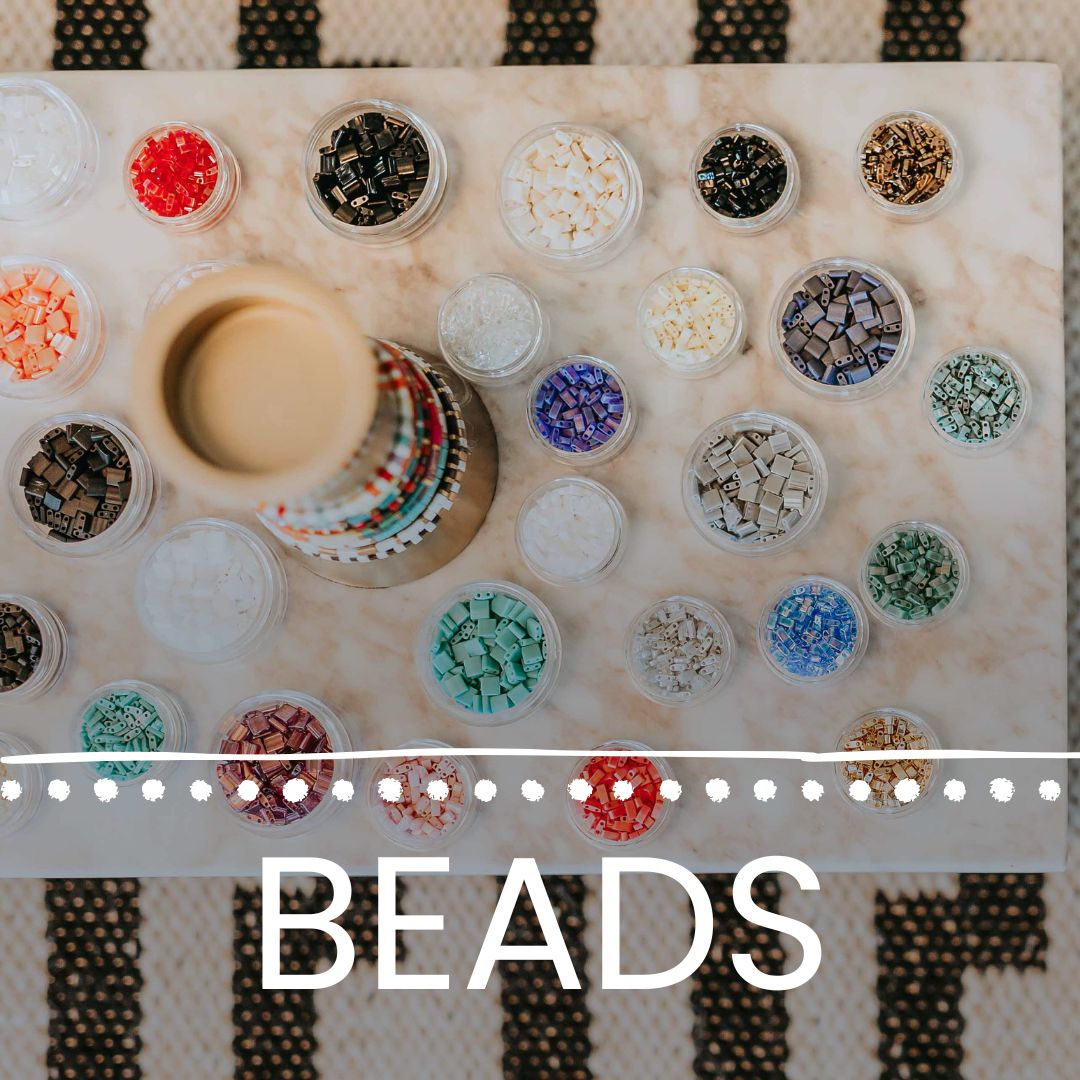
Flat, disc, and tile beads all come in a wide range of quality. Cheap molded versions can have rough holes that fray the cord from the inside. Quality glass beads have clean, smooth holes and consistent edges, which is part of why Miyuki's beads are popular with bracelet makers. You can read about their glass bead range on Miyuki's official site.
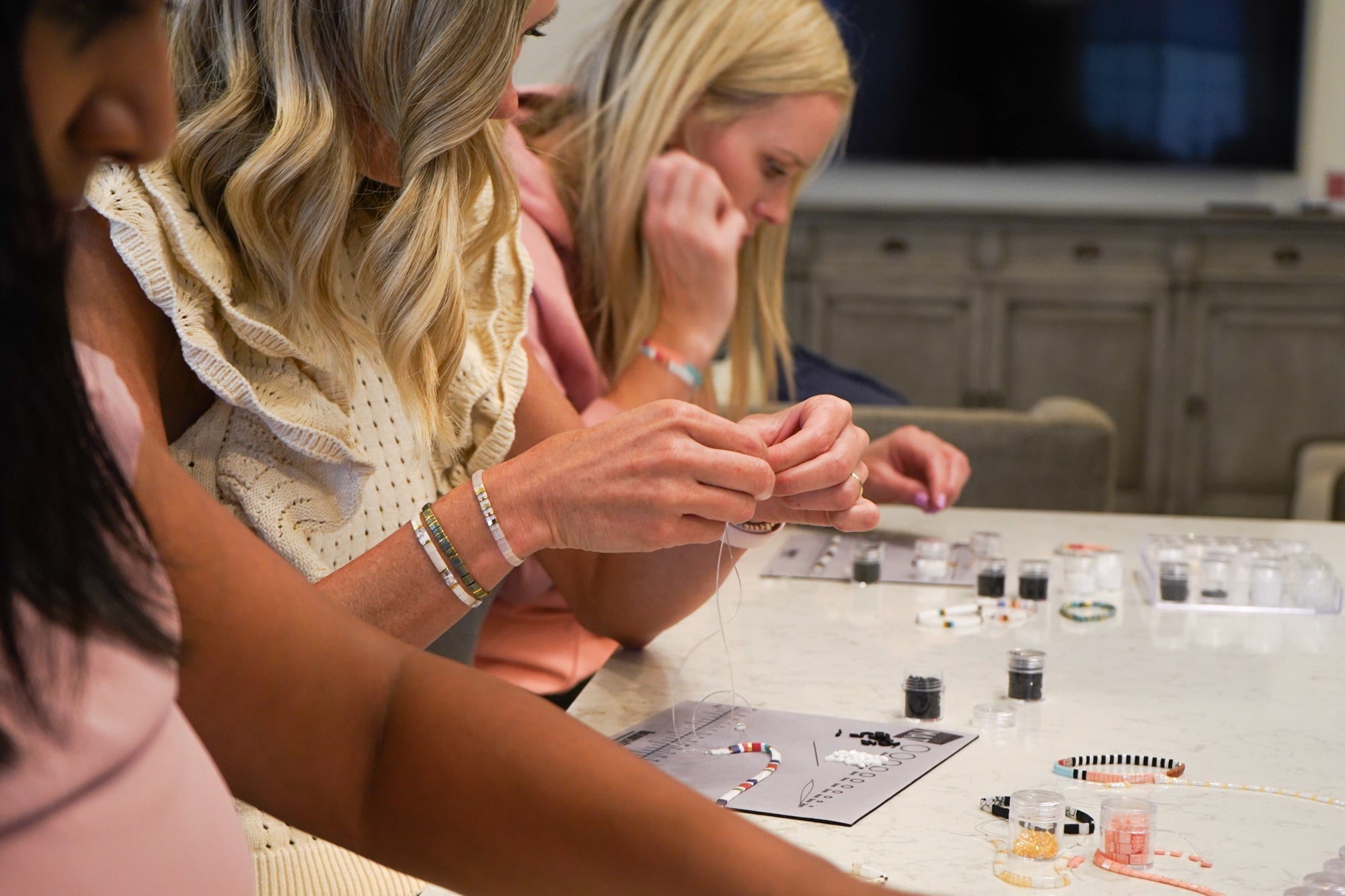
Finished stacks cost more than loose beads, but you skip the learning curve of choosing cord and tying knots. If you'd rather make your own later, Mack & Rex also carries Tila bead mixes and DIY kits. Most customers start with a finished stack, though, and that's the easy way in.
Gift buying? Buy 3 finished bracelets and get 1 free, no code needed. That offer covers finished bracelets only, not kits or loose beads. Free shipping applies to US orders over $100. Mack & Rex also ships internationally, with shipping and any customs or duties calculated at checkout.
Frequently asked questions
Are heishi beads good for men's bracelets?
Yes. The flat, disc-like shape sits low on the wrist, snags less on sleeves and gear, and stacks cleanly. Durability depends on the material and the cord, so choose glass or similarly hard beads and a quality elastic.
Are Mack & Rex bracelets made with heishi beads?
Mack & Rex stacks use Miyuki Tila beads, flat Japanese glass tile beads that Mack & Rex resells. They share the low, flat look people want from heishi-style beads, but Tila beads are a different bead with their own shape and hole layout.
How many bracelets should a men's stack have?
Three is a solid starting point. Two looks minimal, and five reads bold. Mix one or two main colors with a neutral so the stack looks planned, and keep widths close so nothing rides over the others.
Does Mack & Rex ship internationally?
Yes. Mack & Rex ships internationally, with shipping and any customs or duties calculated at checkout. Free shipping applies to US orders over $100.
Ready to build yours? Browse the men's bracelet stacks collection, pick a color story, and start with a set of three.

