

Heishi Beads vs. Tila Beads: How to Choose for Your Next Stack
What Are Heishi Beads, Exactly?
Heishi beads are small, flat disc beads with a hole through the center, strung close together so they sit edge to edge on the cord. The style is old. According to the Wikipedia entry on heishe beads, the tradition traces back thousands of years to shell and stone discs cut and polished by hand. Today's versions are more often polymer clay, which is lighter, comes in nearly any color, and costs less than natural shell.
What makes heishi read the way it does on a wrist is the flat stack itself. Because each disc is thin, dozens of them line up into a smooth, solid-looking band rather than a row of individual round beads. That's the visual heishi is known for: a clean band of color, sometimes solid, sometimes a gradient mix, with almost no gaps between beads. It feels soft against the skin, too, since there's no sharp facet or edge catching on a sleeve.
Clay heishi is also forgiving to wear daily. It's lightweight, it doesn't clink against a desk the way glass can, and a mixed-color heishi bracelet tends to hide small scuffs better than a single glossy color would. The tradeoff is that clay is a softer material than glass, so over years of constant wear the surface can dull slightly at the edges where beads rub against each other.
Color is really where heishi wins people over. Because clay takes dye evenly, a single bracelet can shift through five or six shades in one smooth gradient, something that's much harder to pull off with glass. That's part of why heishi shows up so often in beachy, sunset, and ombre palettes, the disc shape and the dye process were basically made for a fade.
What Are Tila Beads, and How Are They Different?
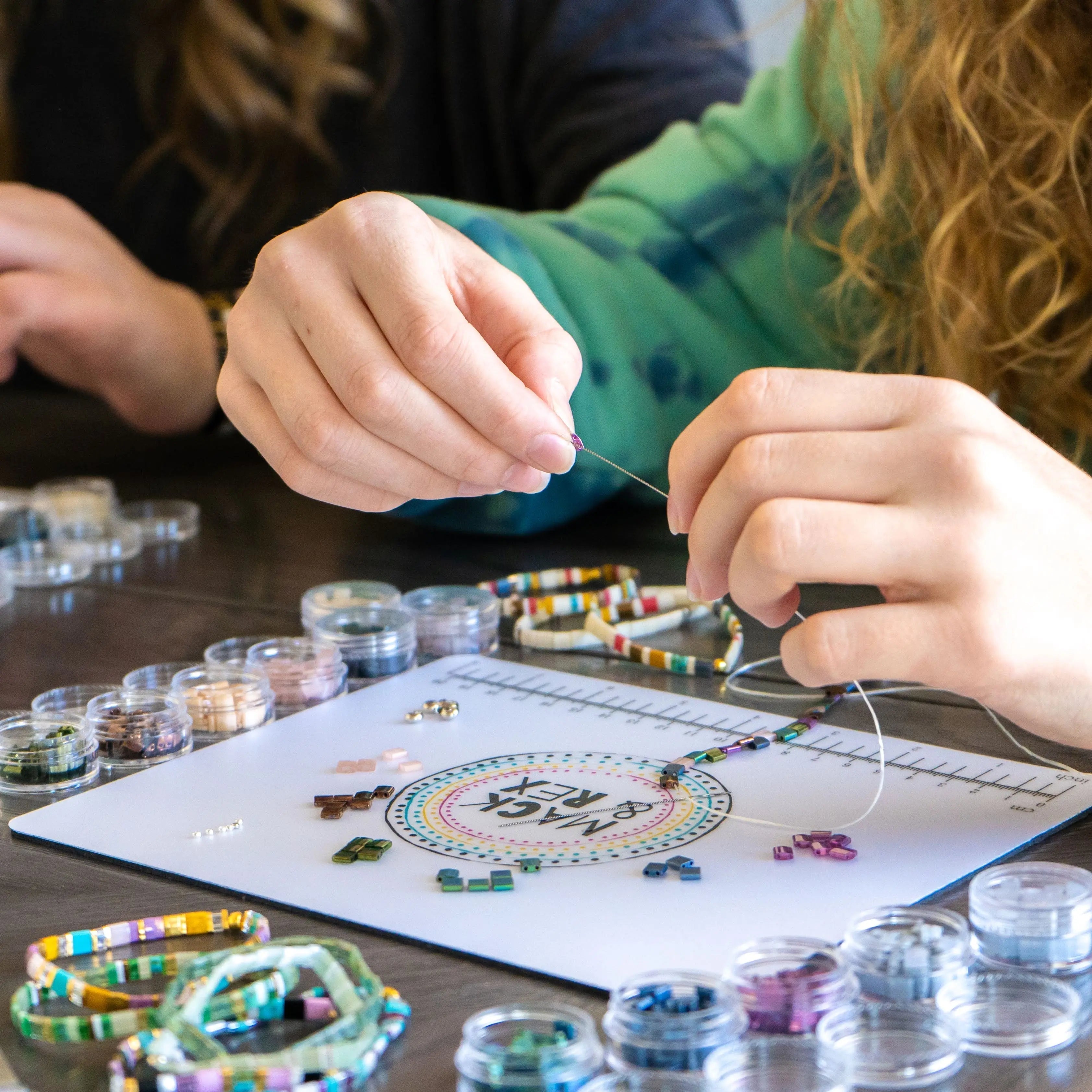
Tila beads are a specific bead shape made by Miyuki, the Japanese glass bead manufacturer. Each one is flat and square, roughly 5mm per side, with two parallel holes running through it instead of one. That two-hole design is the whole point: it lets the beads sit flush against each other in a grid, so a finished tila bracelet looks woven rather than simply strung.
Glass is the other big difference. Tila beads are cut and finished from glass, which means the color is part of the material rather than a surface coat. That's why a tila bracelet tends to catch light in a way clay beads don't, and why the color doesn't fade or wear thin at contact points the way a dyed surface can. Seed beads as a broader category cover many manufacturers and materials, but Miyuki is one of the most recognized names in glass beadwork, and tila is one of its signature shapes.
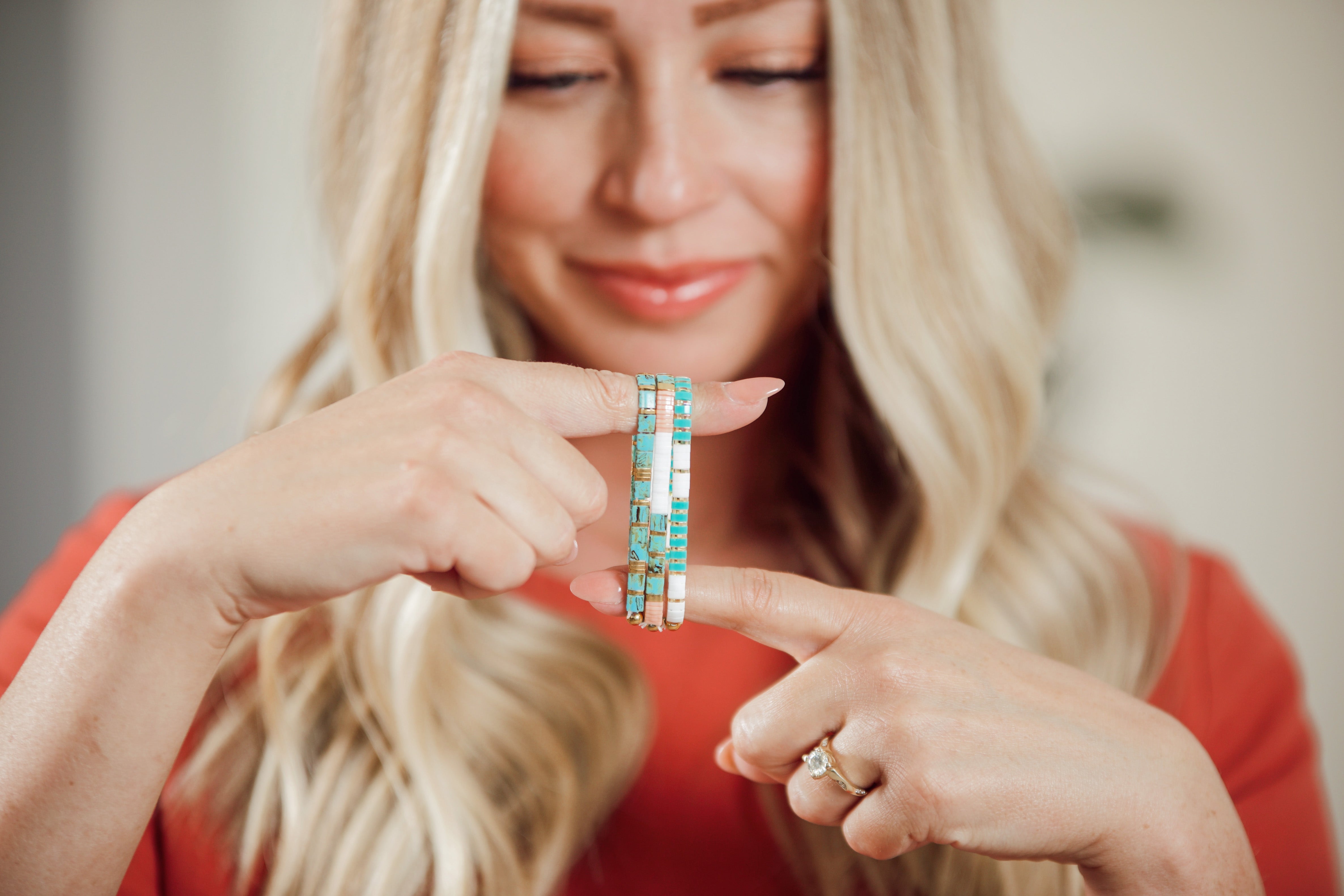
On the wrist, tila reads more structured and a little more polished than heishi. The flat squares sit in tight rows, so the finished look is closer to a woven tile pattern than a soft, rounded band. It's a bracelet that looks intentional up close, which is part of why it works well as a stack's anchor piece.
How Do Heishi and Tila Beads Feel Different in a Stack?
Weight and texture, mainly.
Heishi beads are light. A full heishi bracelet barely registers on the wrist, and the surface feels smooth and a little soft since there's no sharp glass edge to catch on anything. It's an easy bracelet to wear all day and forget about, which is a big reason people build entire stacks around it, layering three or four heishi bracelets in different colors without the wrist feeling loaded down.
Tila beads carry a bit more weight and a distinct texture, since the flat glass squares create small ridges where each bead meets the next. That texture is part of the appeal. It's more noticeable on the wrist, more likely to catch a bit of light when you move your hand, and it holds its shape and shine over time better than a softer material would. A tila bracelet feels like the more considered piece in a stack, the one that draws a second look.
Put them side by side and the difference is really about mood. Heishi leans casual and colorful. Tila leans structured and a little more polished. Neither is "better" outright, it depends on what you want the stack to say.
When Should You Choose Heishi Beads Over Tila Beads?
Reach for heishi when you want color first.
Heishi bead mixes come in wide color ranges and gradient combinations that are hard to get with a single-material glass bead. If you're building a stack around a specific palette, say, a beachy fade from cream to turquoise, or a warm sunset mix, heishi gives you more room to play with color transitions across several bracelets. It's also the lighter-weight option, so if you're stacking four or five bracelets at once and don't want the wrist to feel heavy, heishi is the easier base to build on.
Heishi also tends to suit a more relaxed, everyday look. If the goal is something you barely notice you're wearing, whether that's at the gym, running errands, or just around the house, the soft clay surface and light weight make it comfortable for daily wear without much thought.
When Should You Choose Tila Beads Over Heishi?
Reach for tila when you want one piece to be the focal point.
The woven, two-hole structure and the glass finish make tila bracelets read as more deliberate, more "made," than a simple strung bead. If you're building a stack where one bracelet is meant to stand out, a tila piece does that job well, especially in a Picasso finish or a pattern that plays with light. It's also the stronger pick if durability over years matters more than upfront cost. Glass holds its color and surface longer than clay does, so a tila bracelet you plan to wear for a long stretch is a solid bet.
Tila is also the better choice if you like a bracelet with visible craft to it. The tile-like grid pattern shows more detail up close than a flat run of heishi discs, which matters if you're gifting a piece or want something that photographs well.
How Do You Combine Heishi and Tila Beads in One Stack?
Start with one anchor and build outward.
A common approach is to pick one tila bracelet as the focal piece, then add one or two heishi bracelets in a matching or complementary color family around it. The tila piece carries the structure and shine, while the heishi bracelets fill in color and keep the stack from feeling too formal. This is roughly the same logic behind Mack & Rex's trio kits, which pair a few bracelet styles together so the stack is planned as a set rather than assembled bracelet by bracelet.
Color coordination matters more than matching materials exactly. A cream and sage heishi mix sits fine next to a matte tila bracelet in the same tones, even though the bead shapes are completely different. What ties a stack together visually is usually the palette, not whether every bracelet uses the same bead. If you're not sure where to start, picking two or three colors and sticking to them across every bracelet in the stack is the simplest rule that consistently works.
Order on the wrist matters too, though there's no single right answer. Some people put the tila bracelet closest to the hand so it's the first thing you notice, then let the heishi pieces fill in toward the forearm. Others stack it the opposite way, with tila as the top layer so the woven pattern catches the eye last. Try both before deciding. It takes thirty seconds and the "right" order is really just whichever one you keep reaching for.
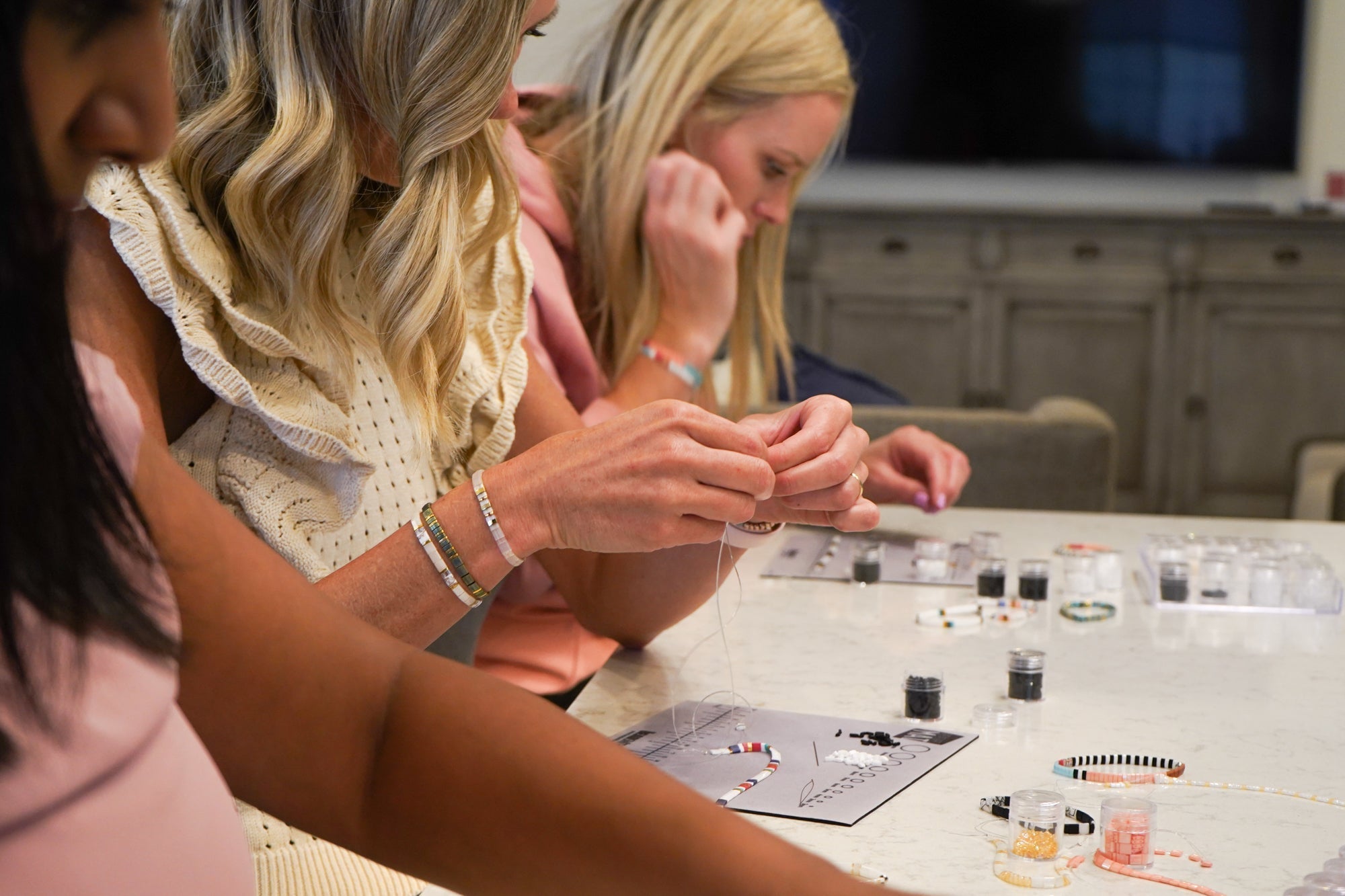
One safety note if kids are helping put a stack together: both heishi and tila beads are small parts, and small parts are a choking hazard. Keep loose beads away from young children who still put things in their mouths, and have an adult supervise any stringing project that involves kids.
Where Can You Get Quality Heishi and Tila Beads?
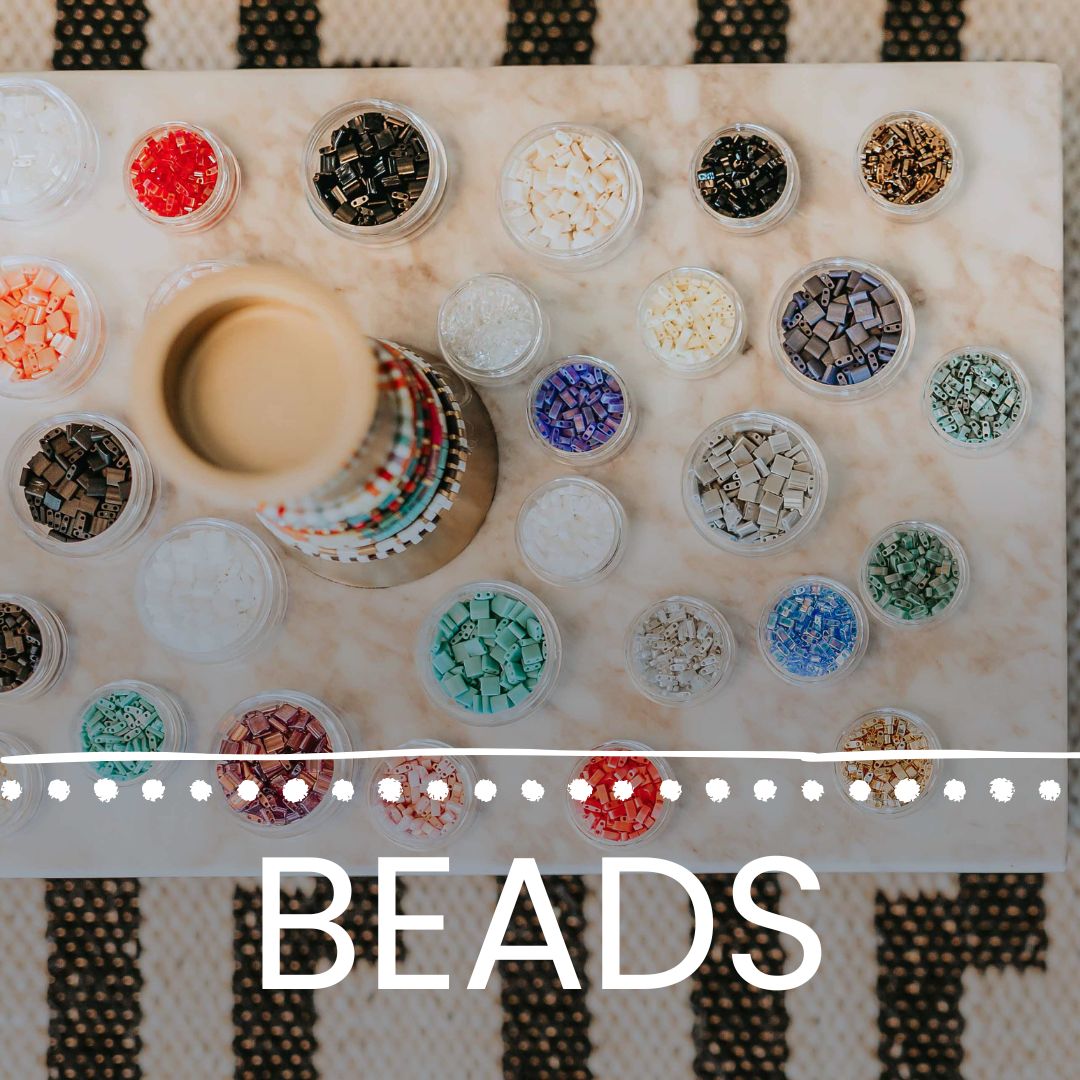
Material quality is where the two bead types actually compete, less on shape and more on how the finished bracelet holds up. Mack & Rex carries heishi bead mixes and finished heishi bracelets at mackandrex.com/collections/heishi-beads, alongside genuine Miyuki Tila bead mixes and bracelets in the seed and tila bead collection. Both use crystal-cord elastic, and both come in finished, ready-to-wear form or as loose beads if you'd rather build your own.
If you want to try both without picking blind, the bracelet making kits are a low-risk way to see the materials side by side before committing to a full stack. Trio kits run $44.99 and typically bundle a few bracelet styles together, so you can compare a tila piece against a heishi piece on your own wrist rather than guessing from a photo. Finished bracelets run about $20 to $25 each, and buy-3-get-1-free applies to finished, ready-to-wear bracelets (not kits or loose beads). US orders over $100 ship free; international orders ship too, with duties and shipping calculated at checkout.
Frequently Asked Questions
Are heishi beads and tila beads the same thing?
No. Heishi beads are small, flat disc beads with a single center hole, traditionally cut from shell or stone and now also made in polymer clay. Tila beads are a specific Miyuki glass bead shape, flat and square with two parallel holes. They come from different materials and different bead-making traditions, though both create a flat, layered look on the wrist.
Which is more durable, heishi or tila beads?
Glass tila beads generally hold their color and finish longer than clay heishi beads, since color is part of the glass rather than a surface dye. Clay heishi beads can show wear at the edges over years of daily contact. Both hold up well for regular wear when strung on crystal-cord elastic.
Can you mix heishi beads and tila beads in the same stack?
Yes, and it's a common way to build a stack. Heishi beads add color and a relaxed, everyday feel, while tila beads add structure and shine as the anchor piece. A common approach is one tila bracelet as the focal point with one or two heishi bracelets alongside it in matching or complementary colors.
Does Mack & Rex sell both heishi beads and tila beads?
Yes. Mack & Rex carries heishi bead mixes and heishi bracelets alongside genuine Miyuki Tila bead bracelets, loose beads, and DIY kits. Both are available as finished, ready-to-wear bracelets or as kits for making your own.