

How Many Bracelets Can You Make With an Adult Beaded Bracelet Kit?
How Many Bracelets Does One Adult Beaded Bracelet Kit Actually Make?
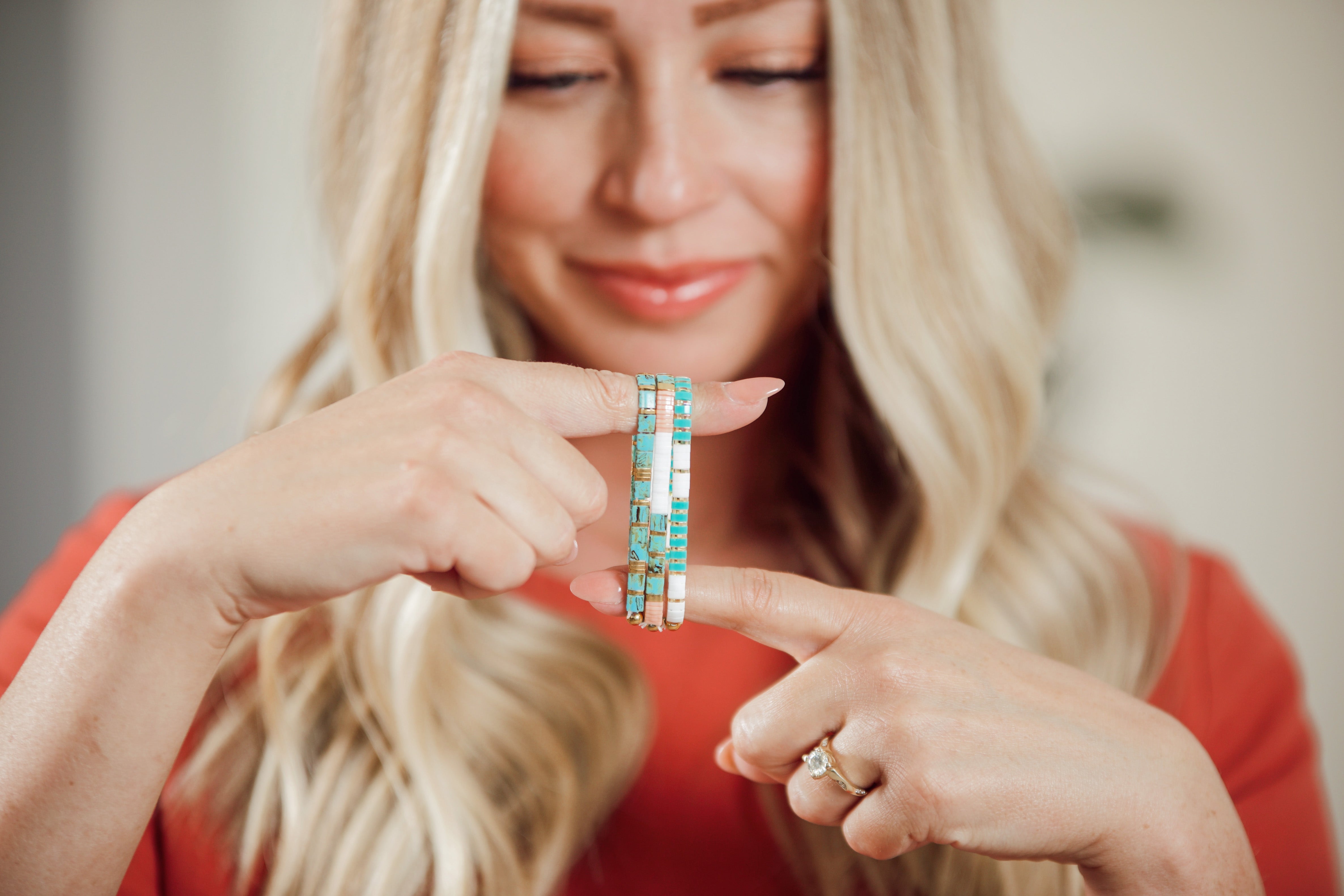
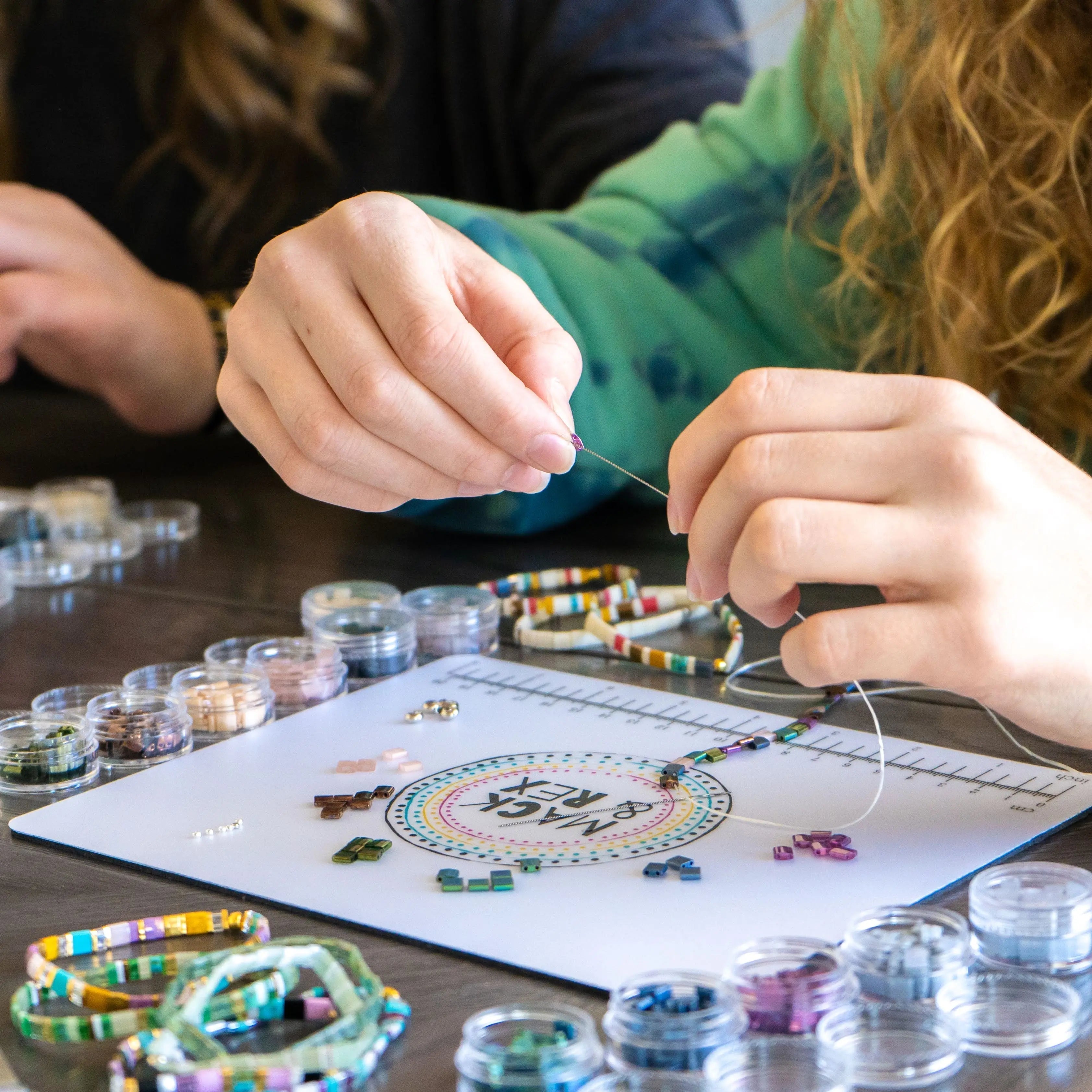
A beaded bracelet kit for adults from Mack & Rex is built to make 20+ bracelets from a single pack of Miyuki Tila beads. That number assumes a standard single-row design on an average adult wrist. Change the row count, the wrist size, or the bead arrangement and the yield shifts. Here's how to read those variables before you cut your first piece of cord.
What's the Real Starting Point: 20+ Bracelets, Not a Vague Range
Twenty-plus is the on-site figure and it's a real one, not marketing padding. Miyuki Tila beads are flat, square two-hole beads that measure exactly 5mm x 5mm. That precise sizing is what makes the math consistent. One bead = one predictable length unit. So when you know how many beads are in your kit and how many fit around a wrist, the yield isn't a mystery.
Tila beads have that distinctive flat profile because Miyuki engineered them for tile-on-tile stacking. The uniform size means fewer gaps, tighter color consistency, and a bead count that actually holds up when you do the division.
How Does Wrist Size Change How Many Bracelets You Get?
Wrist size has a direct and measurable effect. A size XXS bracelet (about 5.5 inches finished) uses fewer beads per strand than a size 5XL (closer to 8.5 inches). The difference across the Mack & Rex sizing range, which runs XXS through 5XL, is meaningful.
Here's a quick picture of how bead count shifts. A 7-inch single-row bracelet holds roughly 35-36 Tila beads. A 6-inch bracelet holds around 30. An 8-inch bracelet takes 40 or more. If everyone making bracelets from your kit wears a size XS, you'll finish more pieces. If you're making a few XL and a few XXL, the count drops.
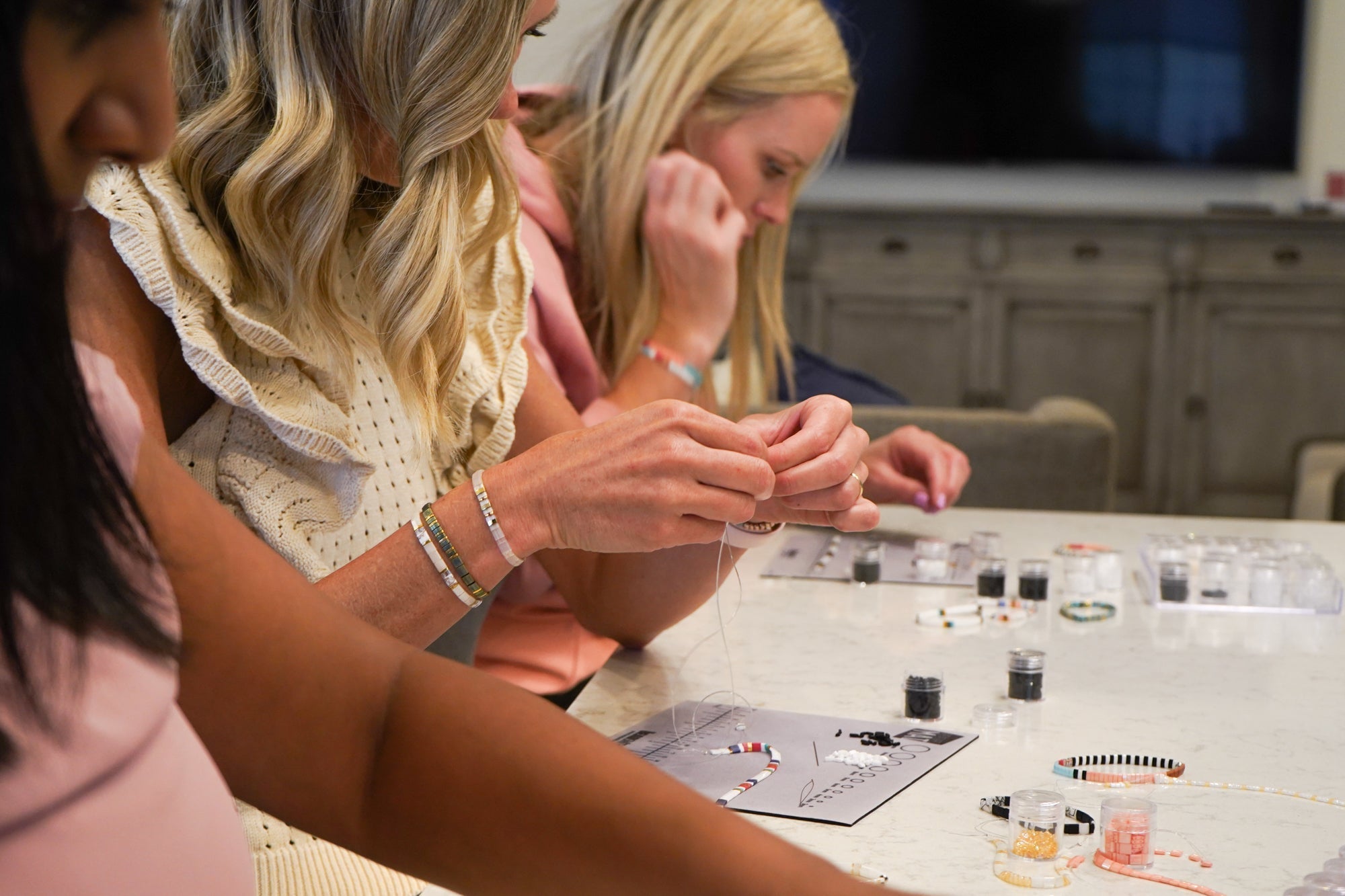
That spread matters for group projects. If you're hosting a bracelet-making night or making a batch of gifts, estimate by the largest wrist size in the group. You'd rather have a few extra beads than run short on the last bracelet.
How Does Bracelet Width Affect the Count?
Width is the single biggest lever on yield. A wider bracelet uses more beads per inch of length, which cuts directly into how many finished pieces a kit produces.
A single-row design is the most bead-efficient style. You string one continuous line of Tila beads and close it. Simple, clean, fast. A double-row design, where two parallel rows of beads are joined, uses roughly twice the beads for the same wrist circumference. A three-row cuff triples that.
This isn't a problem if a wider bracelet is what you want. It's just a trade-off worth knowing before you sit down. If your goal is maximum quantity (say, making a matching set for a group), stick to single-row. If you want one statement piece per person, a wider design is worth the extra bead investment.
Do Design Patterns Change the Yield?
Patterns don't change how many beads you use per bracelet, but they do affect how you distribute colors. A solid-color bracelet burns through one color fast. A two-color alternating stripe uses each color about half as much, which lets you stretch more unique-looking bracelets from the same set of color packs.
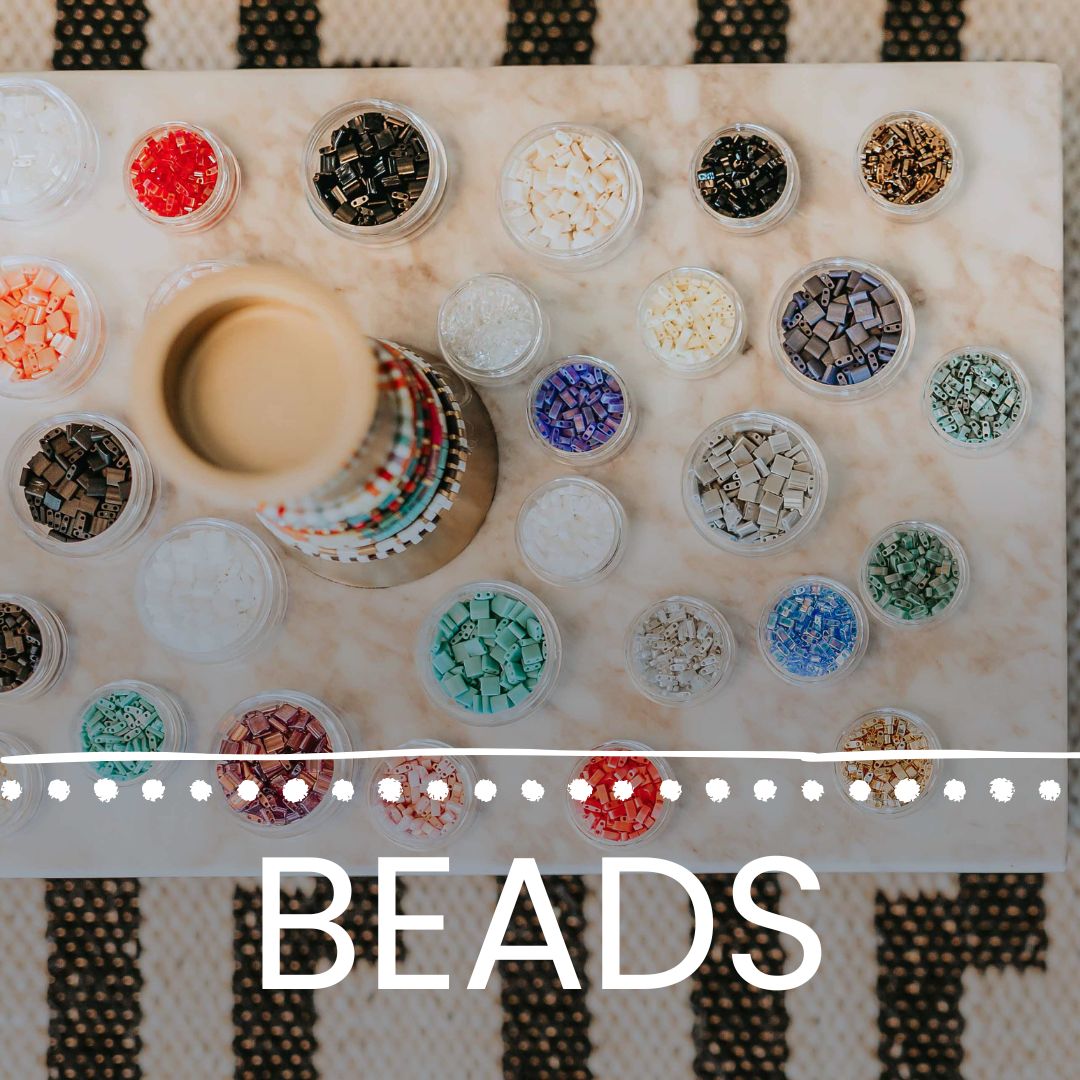
Kits with multiple color options give you the most flexibility here. You can make all 20+ bracelets look different without adding more beads. That's a big part of why a beaded bracelet kit for adults tends to have a stronger value story than buying a single bag of beads.
How to Estimate Your Yield Before You Start
You don't have to guess. Five quick steps give you a solid number before you thread your first bead.
Step 1: Measure your wrist. Wrap a soft tape measure where you wear bracelets and add about half an inch for wearing ease. That's your target finished length.
Step 2: Count beads per bracelet. Lay Tila beads end to end along your measured length. Because each bead is 5mm, a 7-inch bracelet holds about 36 in a single-row design.
Step 3: Divide kit total by beads-per-bracelet. If your kit has 720 beads and each bracelet uses 36, your maximum single-row yield is 20 bracelets. That math lines up with the 20+ claim.
Step 4: Adjust for wider designs. Double that beads-per-bracelet number for a two-row style, then re-divide. Same kit, half the bracelets at double the width.
Step 5: Build in a small buffer. Set aside a handful of beads for test strands and the occasional re-do. A few beads per bracelet is enough insurance to avoid a frustrating shortage at the end.
According to beading resources like The Spruce Crafts, measuring your wrist before cutting cord is one of the most common beginner tips that prevents wasted materials and redone projects.1
Why Miyuki Tila Beads Make Yield Calculation Easier
Not all beads are created equal for predictable counting. Seed beads in standard sizes vary enough that your count per inch can fluctuate. Miyuki Tila beads are precision-made at 5mm x 5mm, which means every single bead is the same. No sorting for size, no guessing.
Miyuki, the Japanese manufacturer, produces Tila beads as a distinct two-hole flat tile format. Mack & Rex resells authentic Miyuki Tila beads in their kits. The consistency of the bead is what makes the yield calculation in Step 2 and Step 3 above reliable. You're not estimating; you're dividing.
The Miyuki company's own documentation on Tila beads confirms the 5mm specification and the two-hole threading design that makes them well-suited for straight-line bracelet styles.2
Does the Type of Elastic Cord Affect Bead Count?
The cord itself doesn't change how many beads you use, but cord thickness can affect fit. Thicker cord takes up more space inside the bead hole. With Tila beads, which have a generous two-hole design, this is rarely a problem. Crystal-cord elastic (the type used in Mack & Rex bracelets) sits flat and doesn't bulk up the bead hole the way some craft-store cord does.
Where cord matters more is knotting. A secure finishing knot adds a small amount of length to your bracelet. Most makers allow for this naturally in the half-inch of ease they add during measurement. If you're making very close-fitting bracelets, keep that in mind.3
What If You're Making Bracelets With Kids?
Kits marketed for adults are built for adult hands and adult sizing, but plenty of Mack & Rex customers make bracelets with their kids or grandkids. If younger children are involved in the project, adult supervision is required throughout. Tila beads are small parts and a choking hazard for young children. Keep beads off surfaces where toddlers can reach them, and have an adult handle any step involving the needle or cord ends.
Children with larger hands (tween age and up) can often follow the same sizing estimates as adults. For smaller kids, adjust the bead count per bracelet down accordingly, which will increase the total number of finished pieces from the same kit.
Kits vs. Buying Beads Loose: Which Gives You More Bracelets?
A kit bundles beads, cord, and instructions in a package that's designed to hit a specific yield. Buying loose beads lets you buy more or less as needed, but you also have to source and match cord, figure out sizing, and work without a structured color plan.
For someone who wants to sit down and make bracelets rather than shop for components, a kit is the faster path. The 20+ yield in a Mack & Rex adult kit covers a meaningful making session or a round of gifts. If you want to go deeper into a single color or need a very specific bead count for a project, loose bead packs let you buy exactly what you need.
Both are legitimate. The kit is better for a defined project or a group activity. Loose beads are better when you already know exactly what you're building.
Ready to Put the Numbers to Work?
If you want to see the full selection of Mack & Rex kits and beads before you decide, the complete Mack & Rex collection has kits and loose Tila bead mixes at every level. Single packs, trio kits, starter kits, and monthly subscription options are all there. Pick the one that matches your yield goal, wrist size range, and color preferences, and the math from this guide will do the rest.
If you're making bracelets for a group or as gifts, the buy 3 bracelets, get 1 free offer (no code needed) is worth knowing about for the finished bracelet side of the shop. Free shipping on US orders over $100.
Frequently Asked Questions
How many bracelets does a typical adult beaded bracelet kit make?
Most adult Tila bead bracelet kits from Mack & Rex are designed to make 20 or more bracelets depending on design choices. The exact count shifts based on wrist size, the number of bead rows per bracelet, and whether you mix colors or use full single-color runs.
Do larger wrists use more beads per bracelet?
Yes. A larger wrist needs a longer bracelet, which means more beads per strand. If you typically wear a size large or XL bracelet, expect your kit to yield fewer finished pieces than someone with a smaller wrist. Mack & Rex sizing runs XXS through 5XL, so the difference can be significant across a group.
Does bracelet width (single row vs. double row) change the bead count?
Significantly. A double-row design uses roughly twice as many beads as a single-row bracelet at the same length. If you want more finished bracelets from one kit, stick to single-row patterns and save wider designs for a special statement piece.
Can I mix colors within one kit to get more design variety?
Yes, and it's one of the best things about a multi-color kit. Mixing colors doesn't change the total bead count, but it lets you create more distinct bracelets from the same supply. Color variety is a big reason kits like Mack & Rex's are popular for gifting.
What size are Miyuki Tila beads and why does it matter for yield?
Miyuki Tila beads measure 5mm x 5mm x 1.9mm. That specific size means each bead takes up a known amount of space per strand, making yield calculations predictable. Smaller seed beads pack more tightly and would change the count entirely.