

How to Build a Stackable Tila Bead Bracelet Set That Actually Matches
How do you build a stackable Tila bead bracelet set that actually matches?
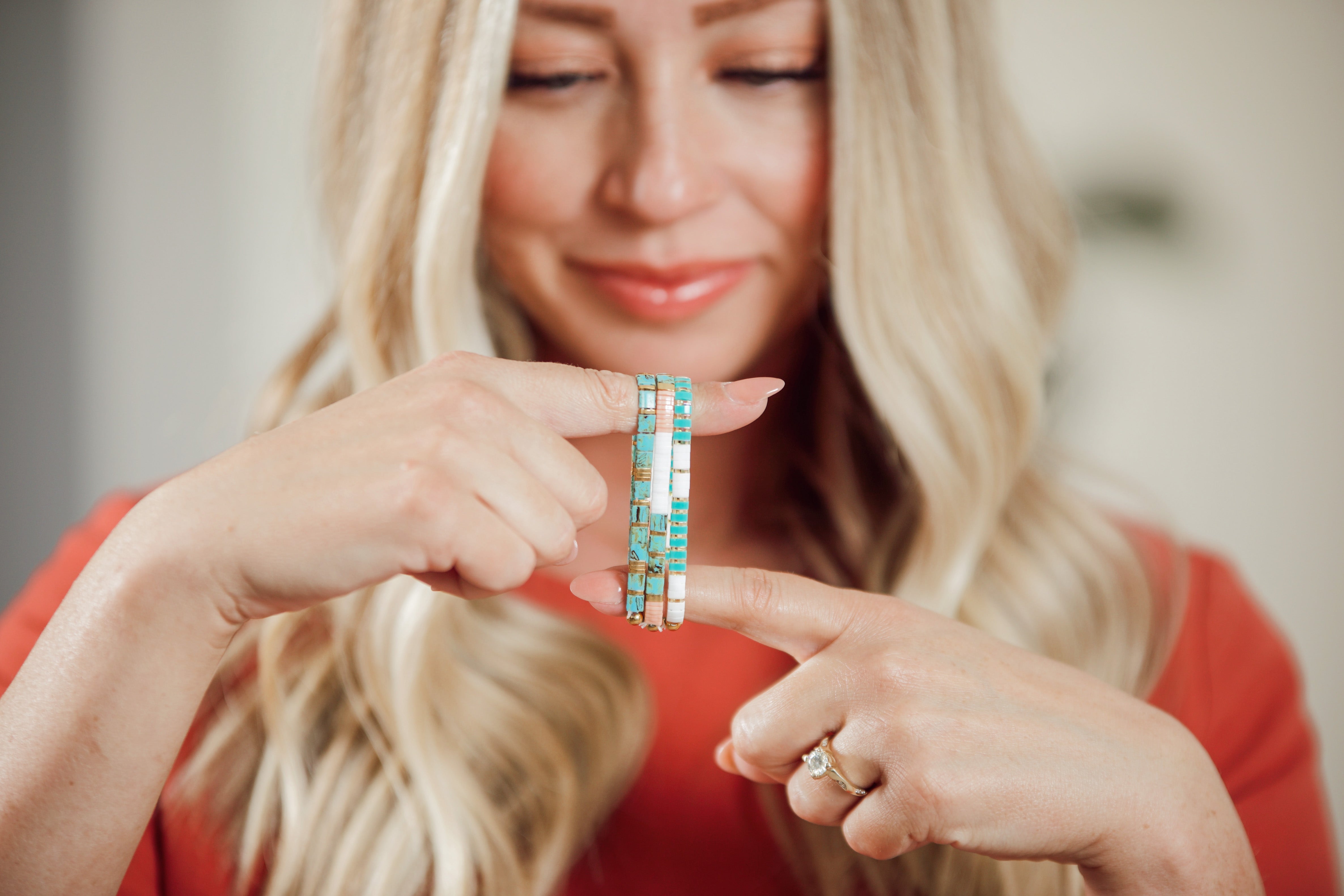
Pick one color family, then break it up with a single accent and a neutral anchor. Keep three or four bracelets in a stack, vary the finishes (matte, metallic, opaque) so they read as separate pieces, and balance the bead widths. That structure is what makes a stack look planned instead of thrown together at random.
The mistake most people make is grabbing four bracelets they each like and hoping they get along on the wrist. They rarely do. A stack that looks intentional follows a small set of rules, and once you know them you can build a matching set in about twenty minutes.
Why do some stacks look thrown together?
Usually it's too many competing colors with no shared thread. When every bracelet is a different hue at full brightness, the eye has nowhere to rest and the whole stack reads as noise. A coordinated set gives your eye a path: a dominant family, one pop, and a calm neutral to hold it together.
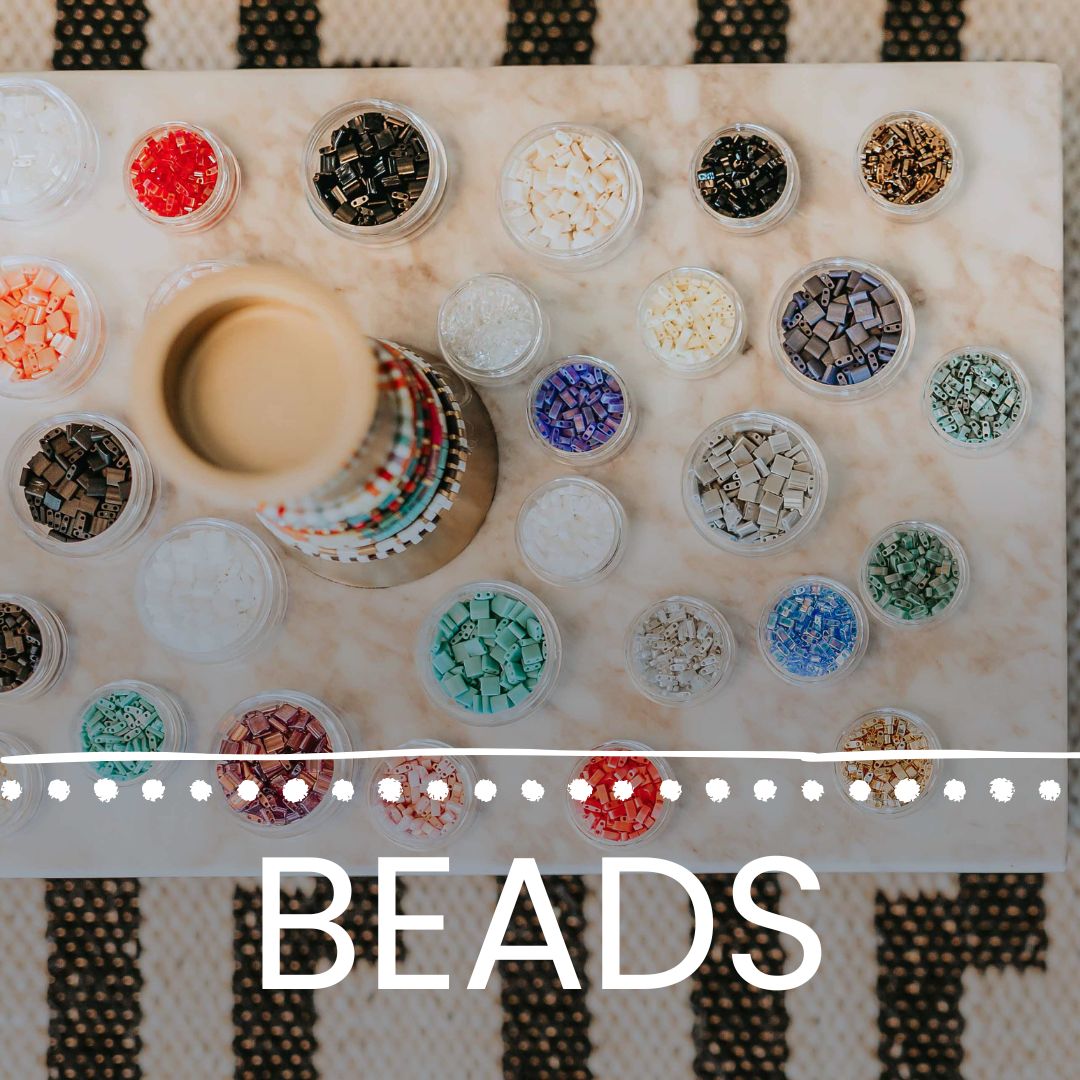
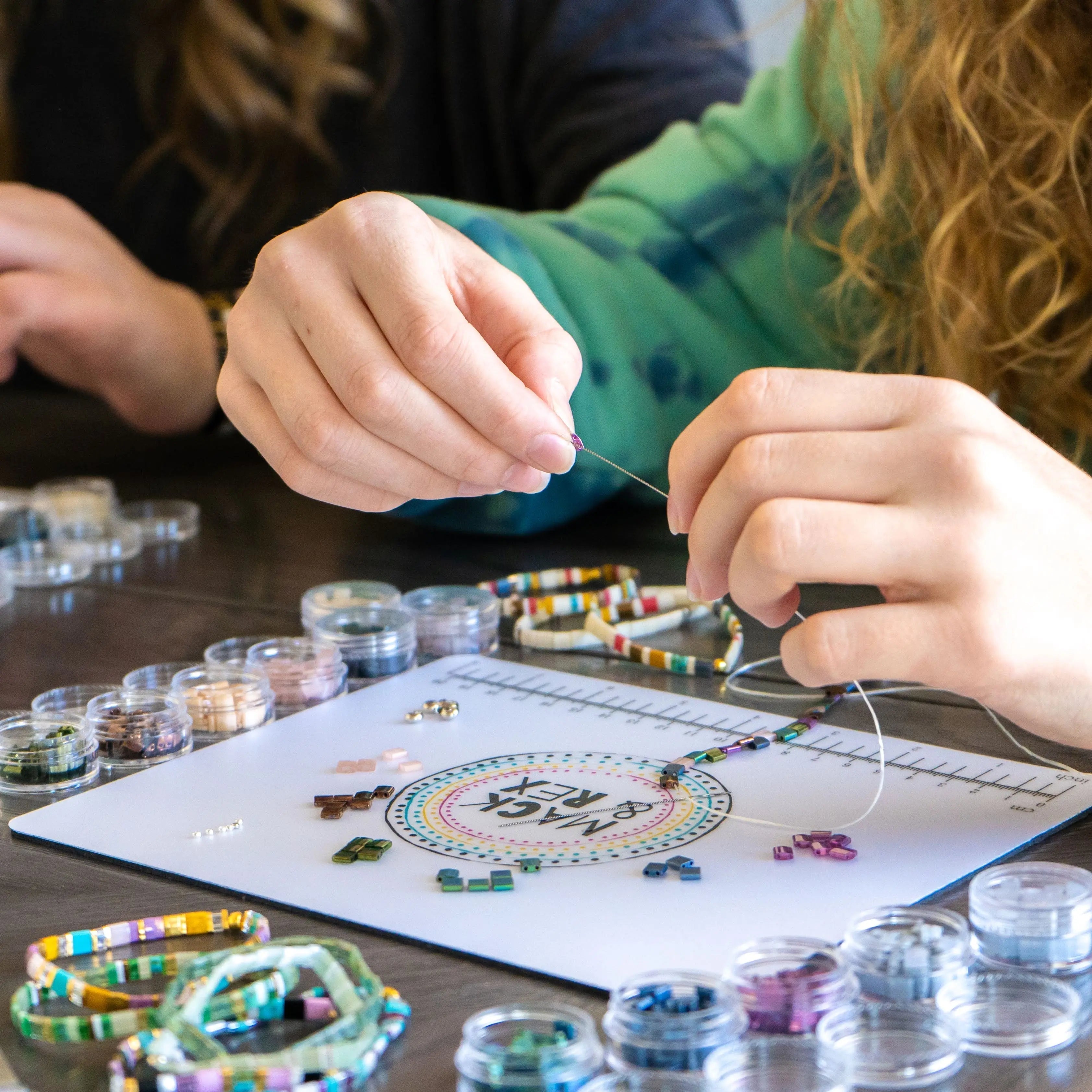
Bead width matters just as much as color. Tila beads are flat, two-hole Japanese glass tiles made by Miyuki, and Mack & Rex resells them across finished bracelets, loose mixes, and kits. Because the beads are square and sit flush, a stack of same-width bracelets can look like one thick band. Varying the widths is what gives the set its rhythm.
How do you choose a color family?
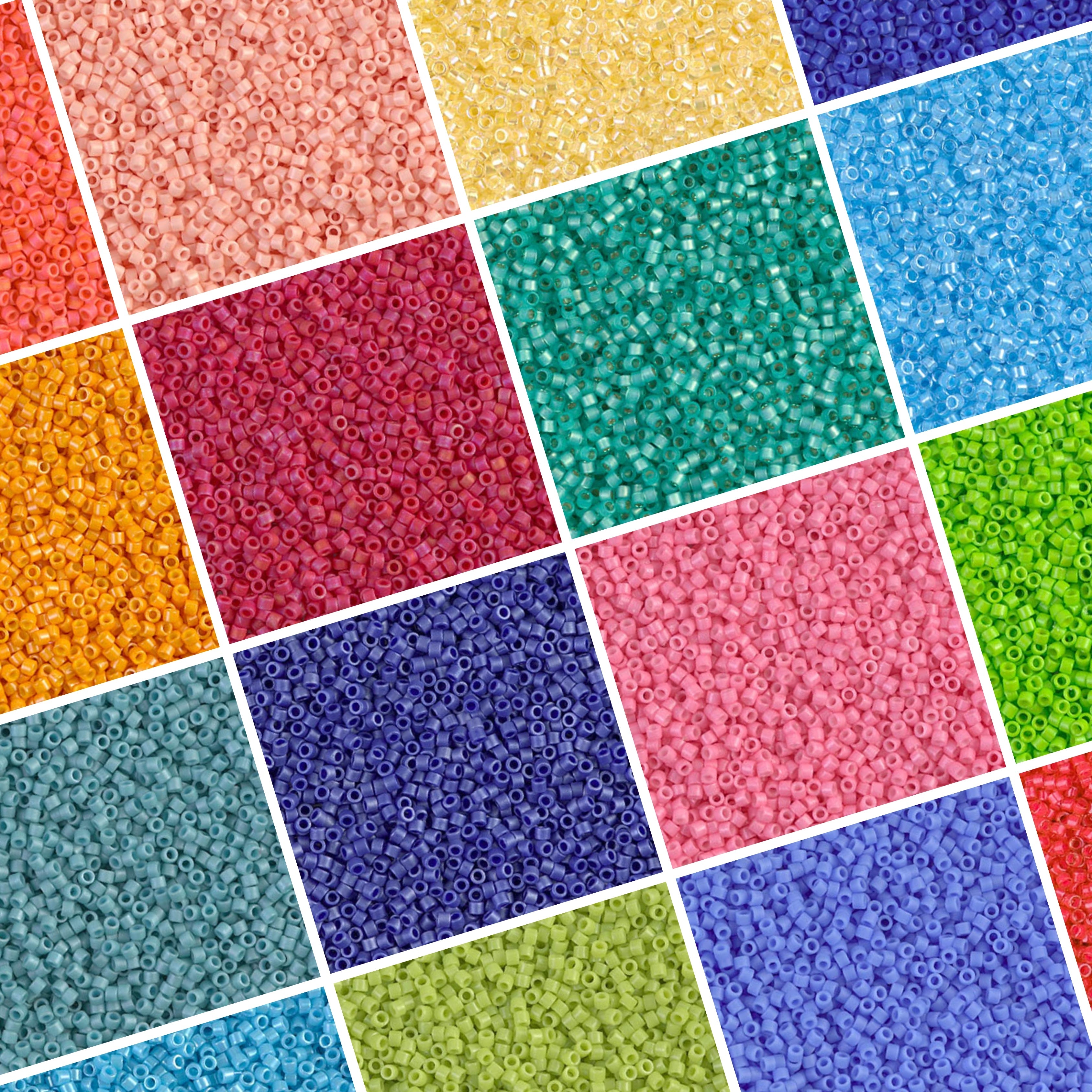
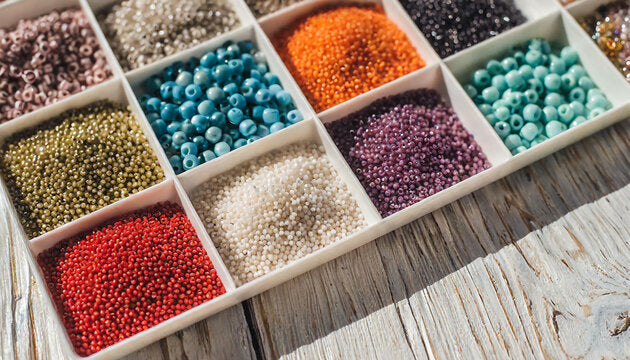
Start with three analogous colors, meaning colors that sit next to each other on the wheel. Teal, seafoam, and sky blue. Or plum, berry, and dusty rose. Colors from the same neighborhood share undertones, so they agree with each other automatically, which is the whole point of an analogous scheme.
If analogous feels too safe, keep two bracelets in one family and let a third be a single accent from the opposite side of the wheel. Coral against teal. Mustard against navy. Jewelry makers lean on the same color-theory basics painters use, and one accent is the ceiling. Two accents and you've lost the plot.
How do finishes change the look?
Finish is the quiet trick. Two bracelets can share the exact same blue and still feel like separate pieces if one is matte and one is metallic. Miyuki makes Tila beads in matte, opaque, metallic, silver-lined, and semi-frosted finishes, which you can see across the Miyuki bead range. Use that variety on purpose.
A simple rule: no two neighboring bracelets should wear the same finish. Put a matte teal next to a metallic teal and they hold their own edges. Stack two glossy opaques together and they smear into a single block of color. Mix the surface and the whole set gains depth without adding a single new color.
What anchors the stack?
A neutral. Every good stack needs one calm bracelet that lets the brighter ones breathe. Cream, bronze, soft gray, or black all work, and the neutral does double duty: it separates two colors that might otherwise fight, and it keeps the set from looking like a candy dish. Place it in the middle or at one end, not buried where it can't do its job.
Balance the widths while you're at it. If you have one wide statement bracelet, pair it with slimmer ones so it stays the star. Spread your bulk out. A stack that's all wide bands looks heavy, and one that's all thin bands can look like you forgot to finish.
Build your own matching stack
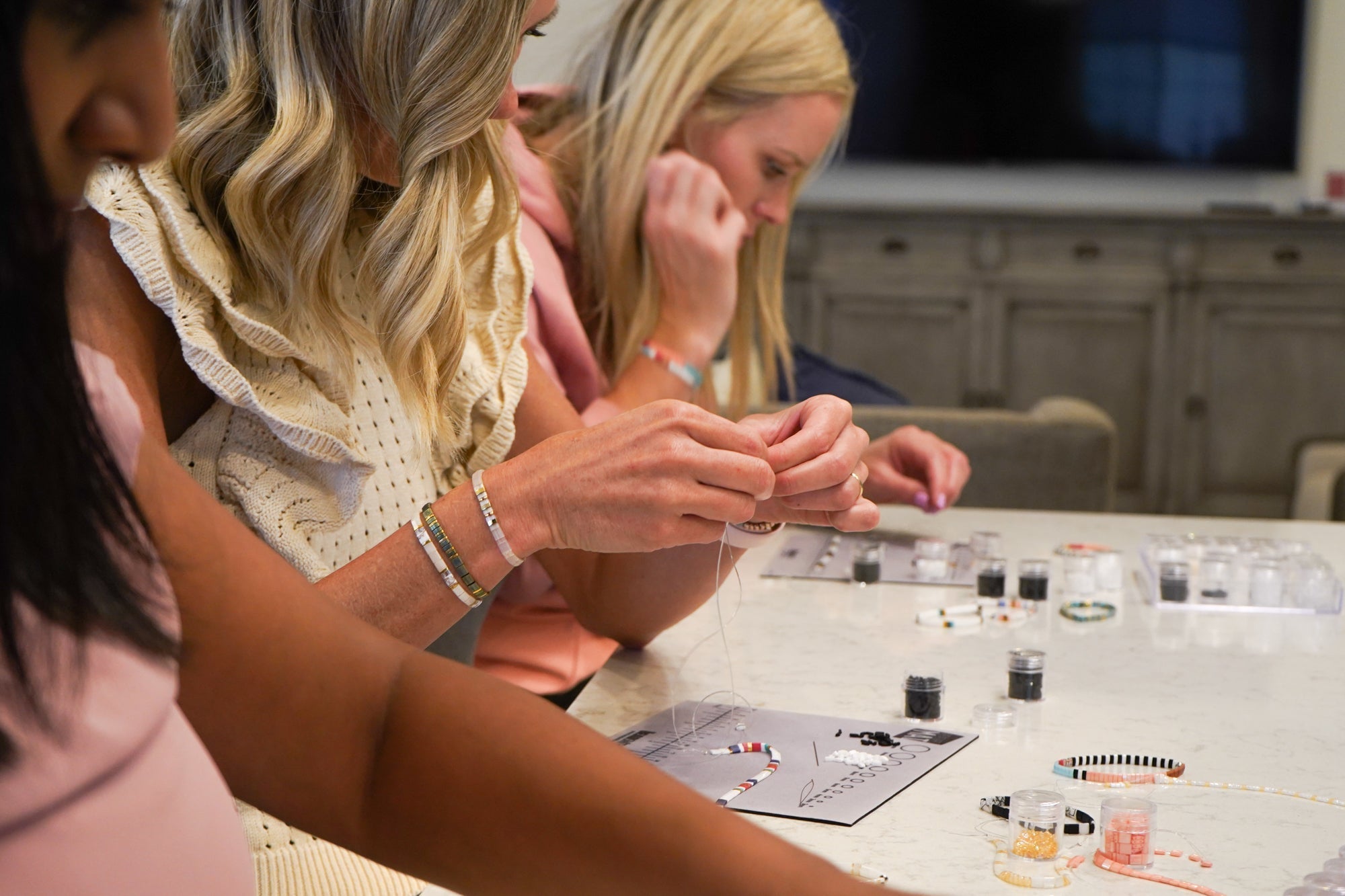
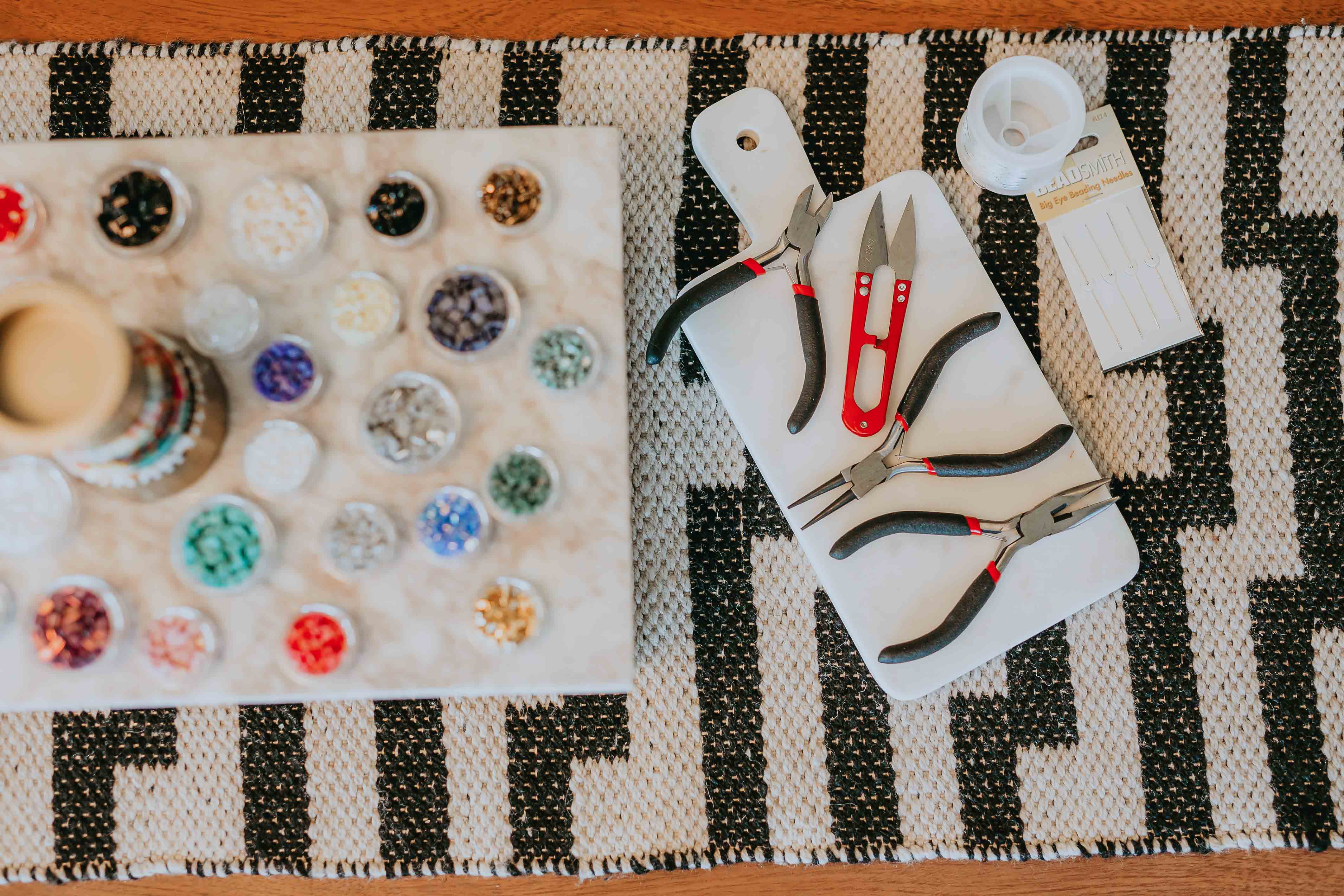
You can plan a set from loose Tila beads if you love the making part, or start from finished bracelets and skip straight to the styling. Either way, the formula holds: one color family, one accent, one neutral, mixed finishes, varied widths. Browse the color families in the collection, pull a stack that follows those rules, and you'll have a set that looks like it was designed as a set.
Buying finished? Mack & Rex runs a buy 3 bracelets, get 1 free offer on finished bracelets, which happens to be the exact size of a great stack. Shipping and any customs or duties are calculated at checkout, and free shipping kicks in on US orders over $100. Small heads-up for crafters: loose beads are a choking hazard, so keep kits and mixes away from little ones and supervise any bead session with kids.