

How to Care for a Tila Bead Bracelet So It Lasts
How Do You Care for a Tila Bead Bracelet So It Lasts?
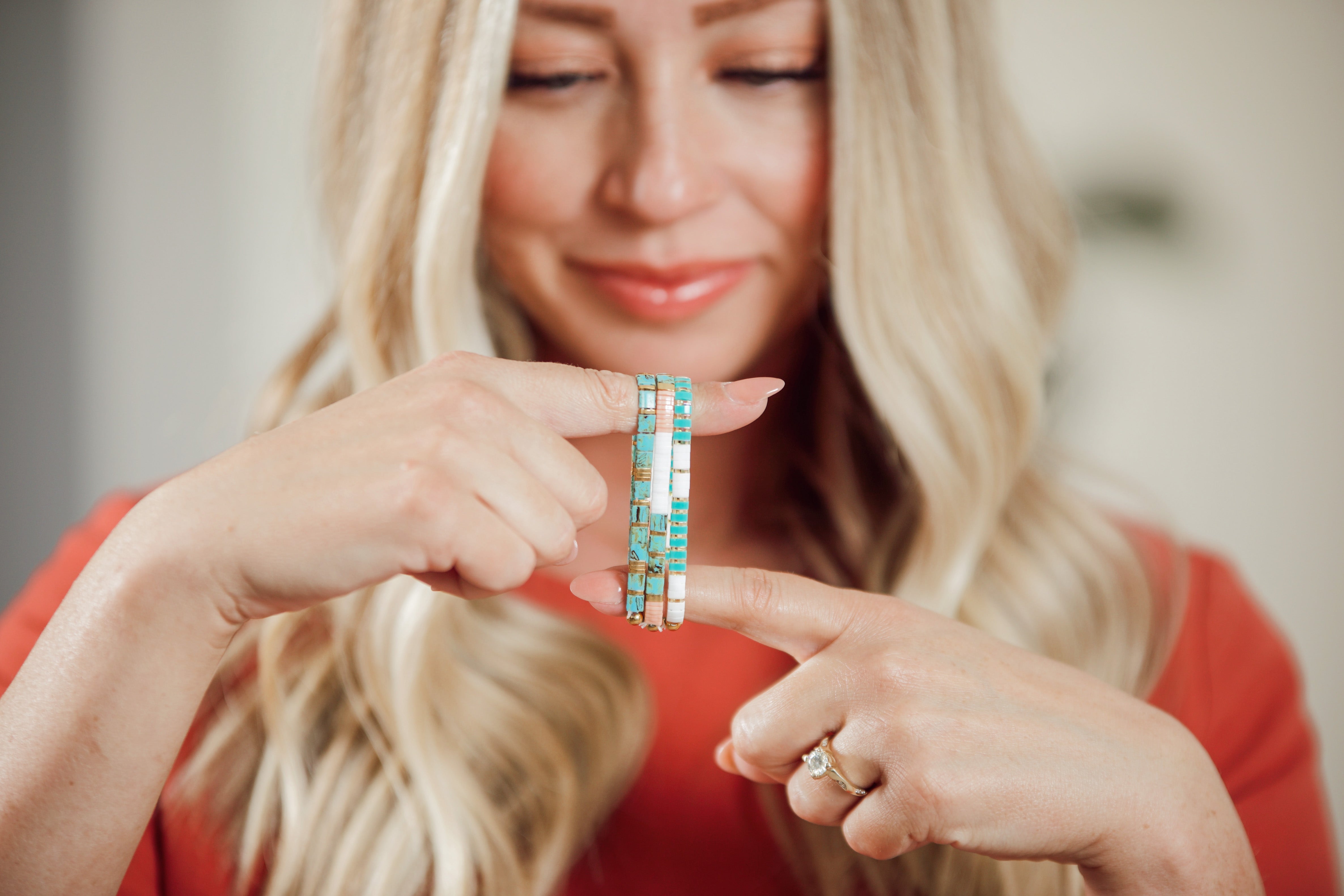
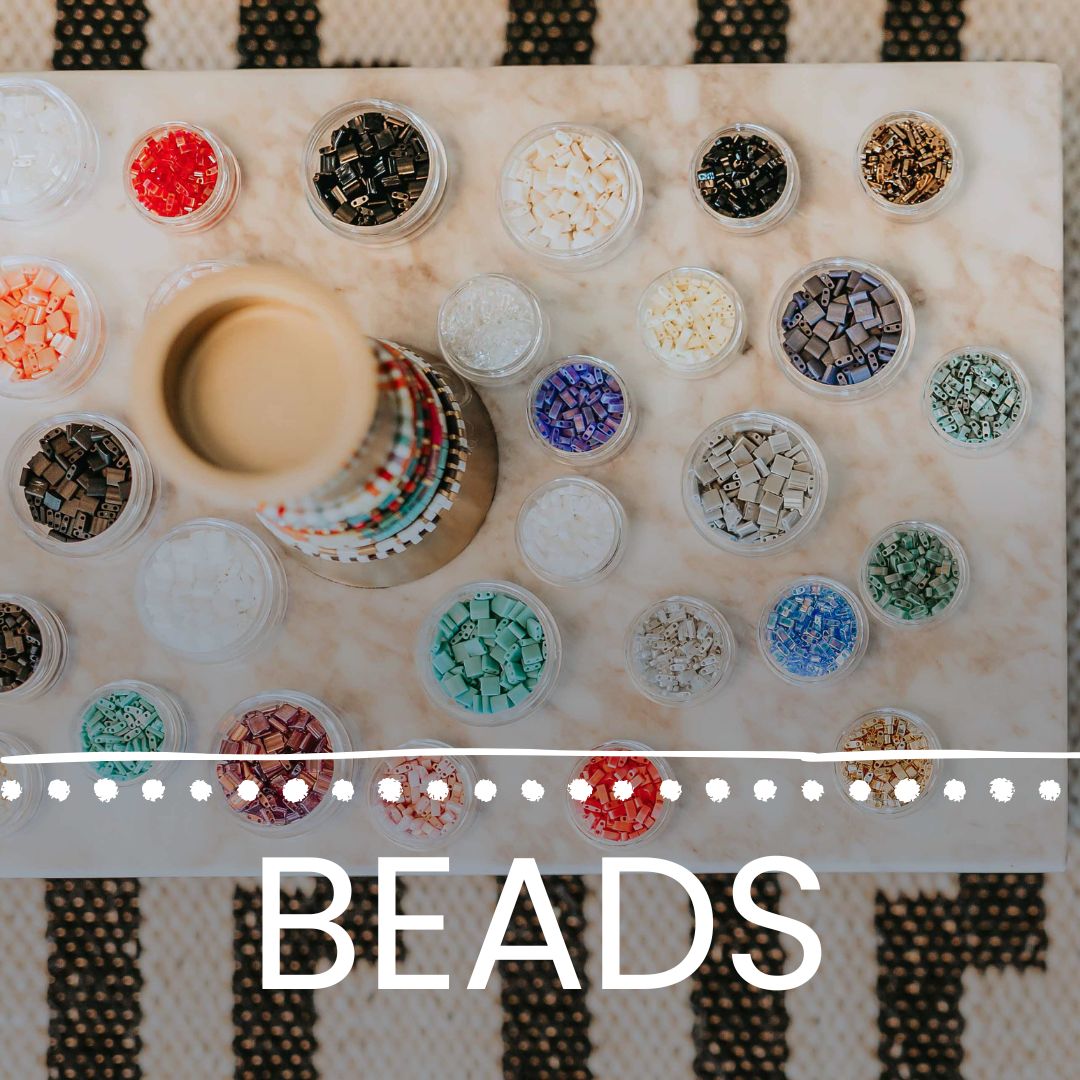
Protect the elastic, not the beads. The Japanese glass tile beads on a tila bracelet are nearly indestructible day to day, but the stretch cord holding them together is the part that wears out. Put your bracelet on after lotion and perfume, take it off before water, wipe it down after wear, and store it flat away from heat. Do that consistently and a well-made stack stays wearable for years.
It sounds simple because it is. Most of the "why did my bracelet break" questions we get trace back to one of three things: water, product buildup, or yanking it on and off the wrong way. Fix those three habits and you've solved most of the problem.
Are Tila Bead Bracelets Waterproof?
No. Anyone selling a tila bracelet as fully waterproof is not being straight with you, and we'd rather tell you the truth than make a sale on a claim that won't hold up. The glass beads are genuinely unbothered by water since glass is non-porous. The crystal-cord elastic underneath them is a different story. It's a stretchy fiber, and stretchy fibers lose a bit of their bounce every time they get wet and dry out again.
Here's what that means in real life. A splash of rain, a hand rinse, a little sweat on a hot day: none of that is going to hurt your stack. What adds up is the daily shower, the pool afternoon, the sink full of dishes, done over and over with the bracelet still on your wrist. Each cycle nudges the elastic a little closer to giving out. If a stack does get soaked, rinse it in cool fresh water (chlorine and salt water are harder on cord than plain tap water), pat it dry, and let it air out completely before you put it away or layer it under a sleeve.
Jewelers Mutual, an insurer that deals with water damage claims on jewelry constantly, gives the same basic advice for pieces with any organic or elastic component: know what your jewelry can and can't handle before you shower or swim in it, rather than assuming. Their guidance on showering with jewelry is written about rings, but the underlying caution applies here too: consistent water exposure is what causes long-term wear, not a single splash.
What Should You Keep a Tila Bead Bracelet Away From?
Five things, mostly. Everyday products and heat are the real threats, not rough use.
- Lotion, sunscreen, and perfume. Let these fully absorb before you put your bracelet on, and take it off first if you're reapplying. They sit against the cord and slowly break it down.
- Long hot showers. Heat plus moisture plus soap residue is a rough combination for elastic.
- Chlorine and salt water. Pool and ocean water are harder on cord than a shower. Take stacks off before you swim.
- Direct sun and hot cars. UV and heat age elastic even faster than water does. Don't leave a bracelet on a windowsill or in a glove box in July.
- Yanking it over your knuckles. Roll the bracelet on and off gently. Forcing it wide in one spot is the single fastest way to snap a cord that's otherwise fine.
None of this means the bracelet is delicate. It's built for daily wear. These are just the habits that separate a stack that lasts two years from one that dies in two months.
How Do You Clean a Tila Bead Bracelet?
Quick and dry, most of the time. A dry soft cloth wiped over the beads after a long day removes sweat and skin oil before it has a chance to soak into the cord. That five-second habit is genuinely most of what "cleaning" means for a tila bracelet.
For a deeper clean once in a while:
- Dampen a soft cloth with lukewarm water and a small drop of mild soap. Wring it out well, it should be damp, not wet.
- Wipe the glass beads gently to lift off any grime.
- Go over them again with a clean, plain-water damp cloth to clear soap residue.
- Lay the bracelet flat and let it dry all the way through before wearing or storing it.
Skip the jewelry-cleaning shortcuts that work for solid metal but not beaded elastic. The Cleaning Institute's jewelry cleaning guidance notes that ultrasonic cleaners and harsh chemical dips are meant for hard, solid pieces; using them on strung or elastic jewelry can loosen settings or damage the material holding beads together. That applies directly to tila bracelets. No soaking, no jewelry dip, no ultrasonic machine.
Why Does the Elastic Cord Wear Out Before the Beads Do?
Because it's a different material with a different job. Glass is rigid and chemically stable, so it just sits there looking good. Elastic cord is doing constant work, stretching to fit your wrist and snapping back thousands of times, and that repeated motion combined with heat, oils, and moisture gradually breaks down the fibers. Spandex and similar stretch fibers lose elasticity through a mix of chemical breakdown and repeated mechanical stress, which is well documented in general material science. Wikipedia's overview of spandex covers how these elastane fibers degrade with heat, chlorine, and UV exposure over time, the same forces at play in a bracelet cord.
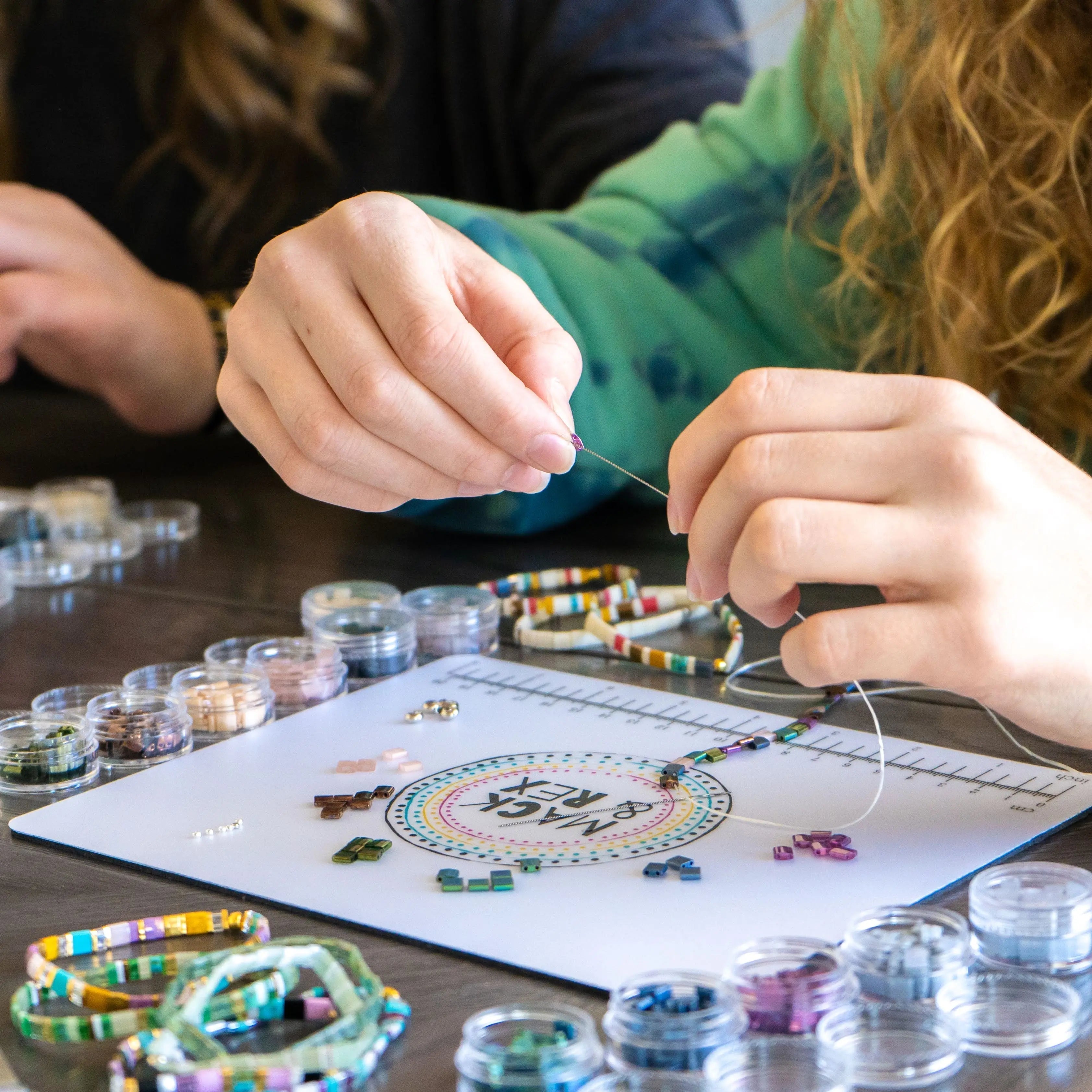
That's why cord quality matters so much. Mack & Rex bracelets use crystal-cord elastic, a braided fiber that holds a knot better and resists water and fraying longer than basic round elastic cord. It won't make a bracelet immortal, nothing stretchy is, but it does buy you real time. A cheap elastic bracelet snapping in a few weeks is almost always a cord problem, not a bead problem.
How Should You Store a Tila Bead Bracelet Stack?
Flat, dry, and out of the light. A small pouch, a lined drawer, or a jewelry tray all work. Skip hanging your bracelets on a hook or over a stand; that keeps the elastic under constant low-level tension, which shortens its life the same way leaving it stretched on a hot windowsill would.
If you rotate a few stacks, give each one its own small pouch or compartment instead of piling them together loose. Beads knocking against each other, keys, or coins in the bottom of a bag can dull the finish over time. A minute of tidy storage after you take a stack off is worth more than any cleaning routine.
When Should You Restring a Tila Bead Bracelet?
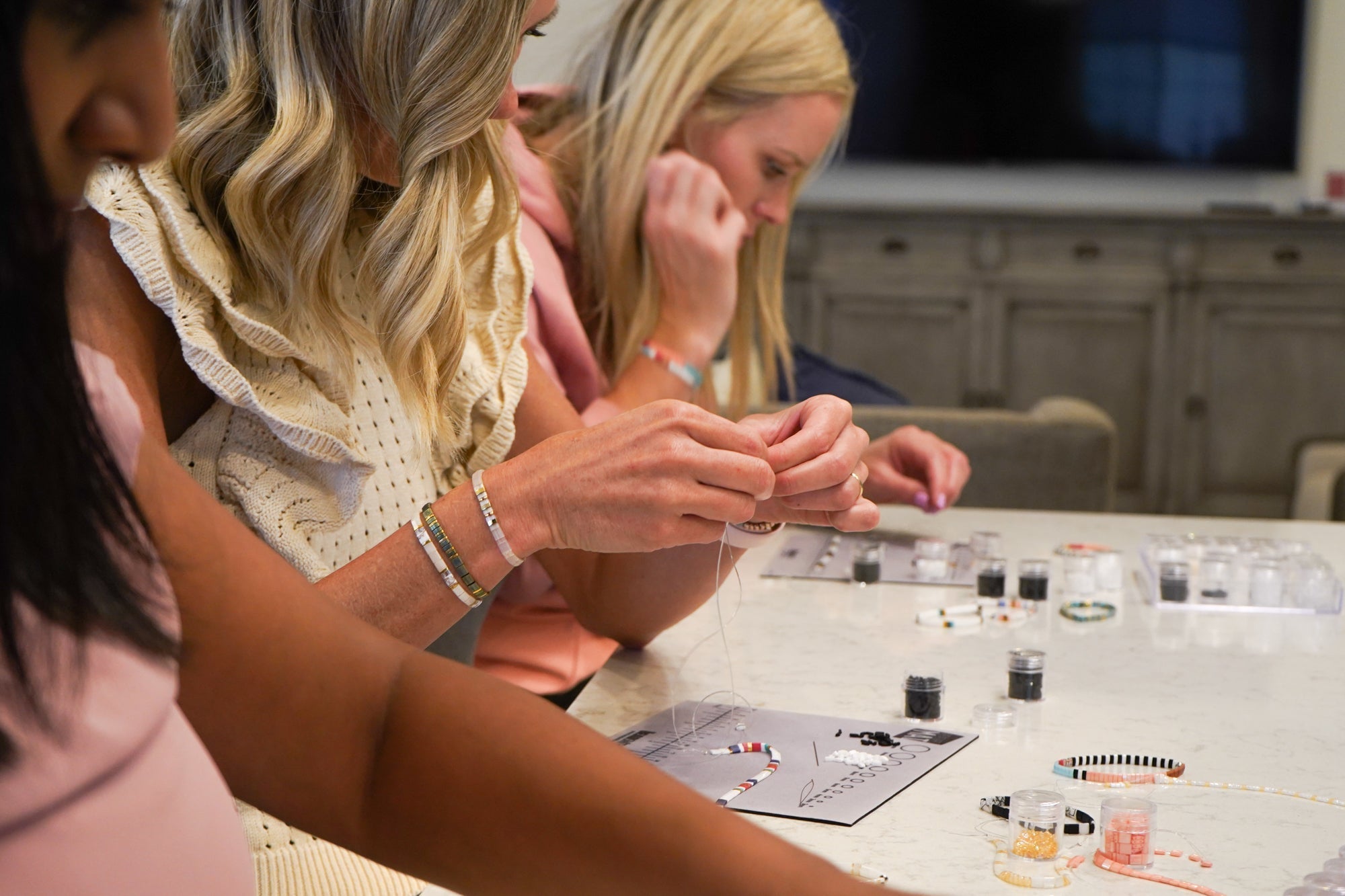
Check it every couple of months. Gently spread the beads apart along a section of the bracelet and look at the elastic between them. Thin, shiny, or fuzzy-looking cord is your warning sign, and it's better to restring on your own schedule than to have it snap while you're wearing it. A bracelet that suddenly feels loose or won't snap back the way it used to is telling you the same thing: the cord has given up its stretch even if it hasn't broken yet.
The good news in almost every case: the glass beads themselves are fine. A restring is a cord fix, not a bead replacement, so the bracelet you love comes right back once it's on fresh elastic.
A Care Routine You Can Actually Stick To
Here's the whole thing, start to finish:
- Lotion and perfume first, bracelet on last.
- Bracelet off before showers, dishes, pools, and beach days.
- Dry wipe after a long or sweaty day.
- Damp cloth and mild soap for a deeper clean, never a soak.
- Dry flat, fully, before storing.
- Store flat, out of sun and heat.
- Check the cord every couple of months.
Seven small habits. None of them take more than a few seconds, and together they're the difference between a stack that looks tired by fall and one that still looks new next summer.
Shop Tila Bracelets Built With the Elastic in Mind
Good care only goes as far as the bracelet underneath it. Mack & Rex tila bead bracelets are made with genuine Miyuki glass tile beads on crystal-cord elastic, sized inclusively from XXS to 5XL, and backed by a quality guarantee. Getting the size right matters for longevity too. A bracelet that's slightly too tight stretches the cord to its limit on every single wear, so a comfortable fit is part of the care routine, not separate from it.
Browse the full tila bead bracelet collection to find your next stack. Orders over $100 ship free within the US (international orders ship too, with duties and shipping calculated at checkout), and right now you can buy 3 bracelets and get 1 free, no code needed.
FAQ: Caring for a Tila Bead Bracelet
Are tila bead bracelets waterproof?
No. The glass beads handle water fine, but the elastic cord does not, and repeated soaking shortens its life. A splash or light rain is nothing to worry about. Daily showers, pools, and dishwashing add up, so take your bracelet off first.
Can you wear a tila bead bracelet every day?
Yes, that's what they're made for. Build a small routine around it: lotion and perfume first, bracelet on last, off before water, and an occasional check for wear. Everyday wear is fine; constant water and chemical exposure is what adds up over time.
What ruins a tila bead bracelet the fastest?
Chemicals and heat working on the elastic cord. Lotion, perfume, sunscreen, chlorine, and hot shower water all weaken elastic, and sun or a hot car speeds it up further. The beads rarely fail; it's almost always the cord.
How do you clean a tila bead bracelet?
Wipe the beads with a soft cloth dampened in lukewarm water and a little mild soap, then follow with a clean damp cloth. Lay it flat to dry fully before wearing or storing. Skip soaking, harsh cleaners, and ultrasonic jewelry cleaners.
How long should a tila bead bracelet last?
With basic care, a well-made bracelet on quality elastic can last two years or more. One worn in the shower daily might not last a season. The timeline comes down almost entirely to how you treat the cord.