



How to Hide the Knot on a Stretch Bracelet
How do you hide the knot on a stretch bracelet?
Slide the knot inside a bead next to it. That's the classic trick, and it works because most bracelet beads have a hole wider than the cord. Trim the tails short first, add a tiny dab of glue, then stretch the bracelet slightly and push the bead over the knot until it vanishes.
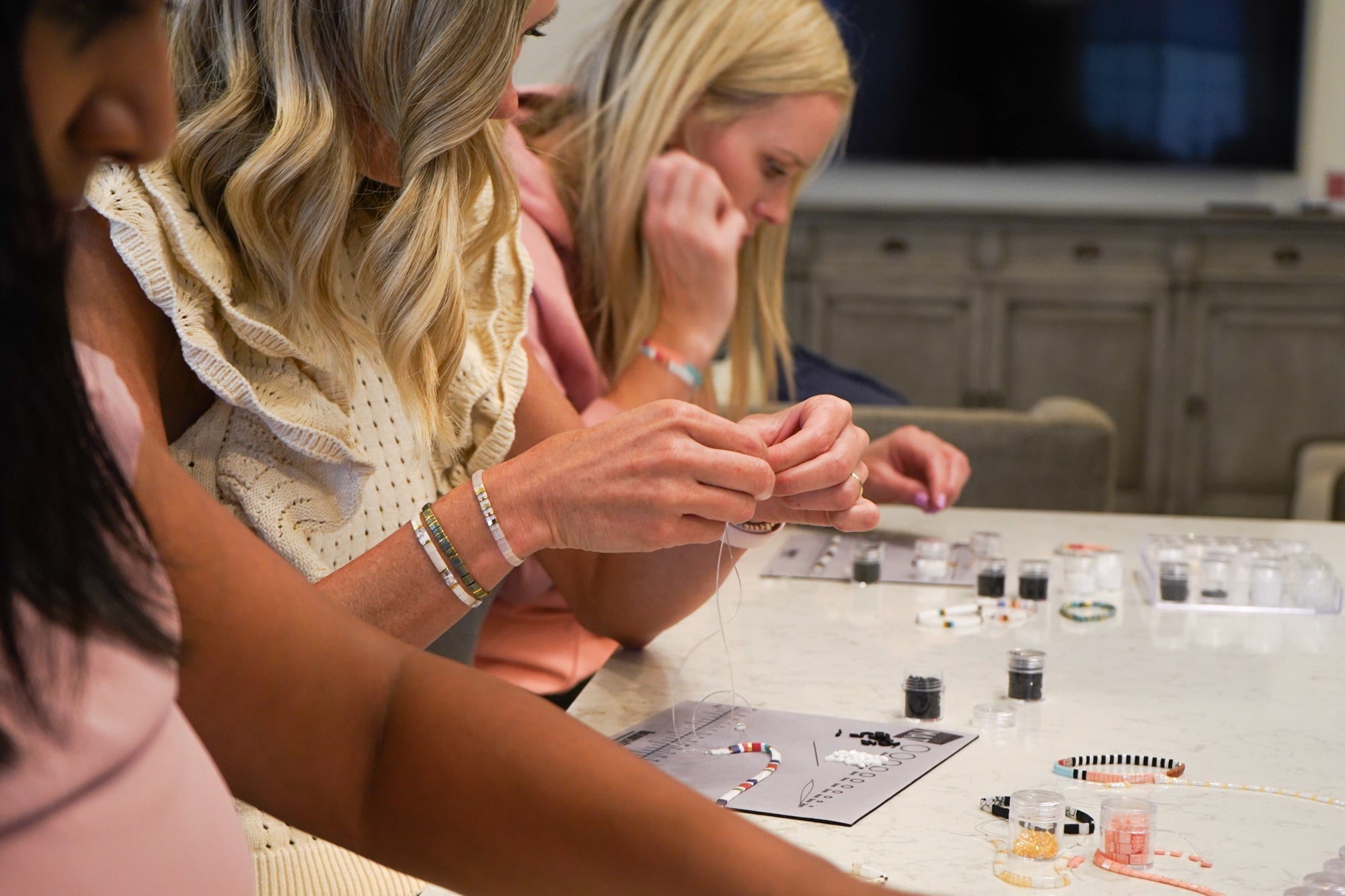
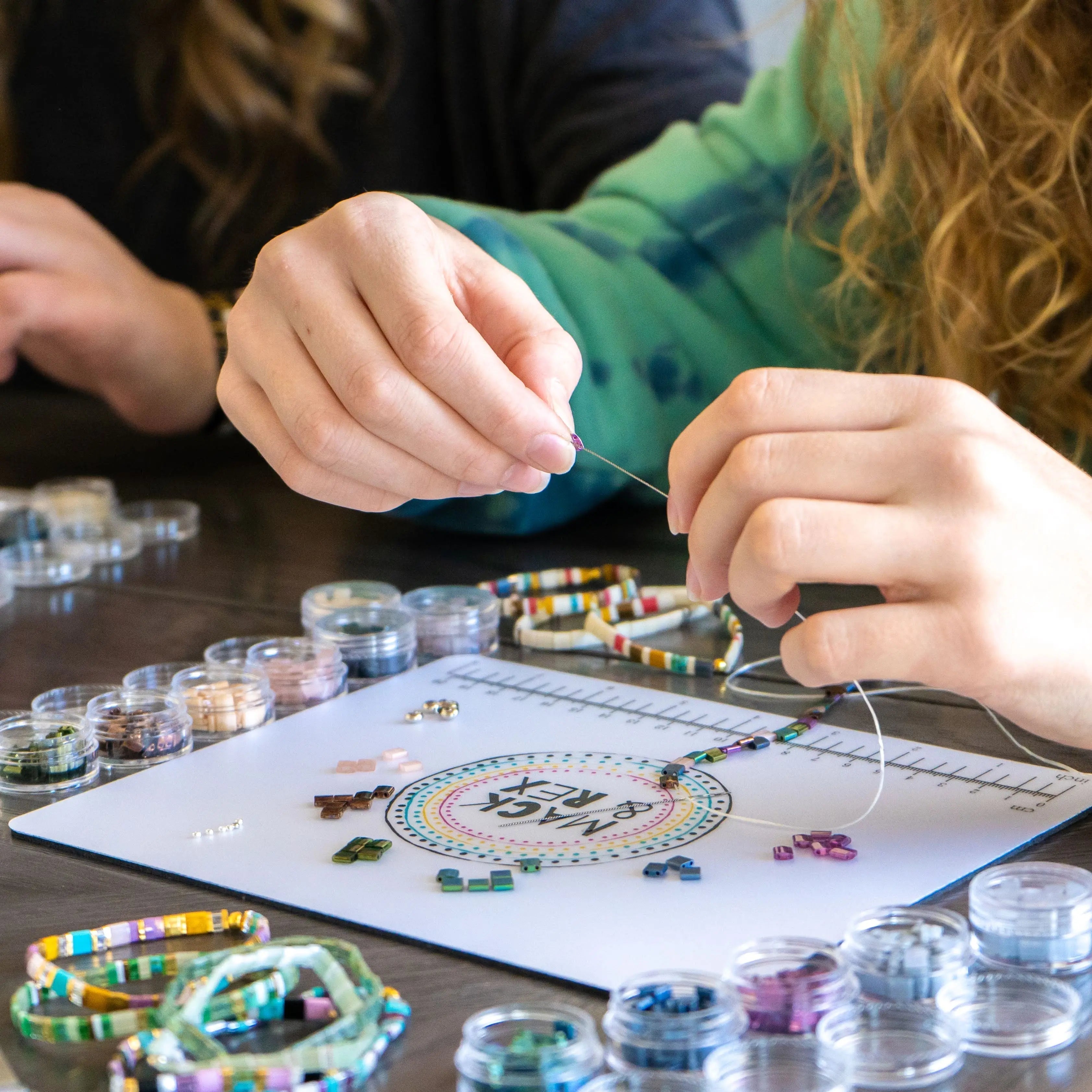
At Mack & Rex, a mom and her two daughters started this whole thing at a kitchen table, and the first thing every one of us learned was this: a bracelet isn't finished until you can't find the knot. A good knot is ugly. A good finish makes it invisible. Beadaholique's stretch bracelet video shows the same move, tucking a knot inside a nearby bead after a dot of glue and a clean trim (Beadaholique).
Which bead should hold the knot?
Pick the bead with the biggest hole. Plan this before you string anything, because the knot will be roughly twice as thick as the cord, and a tight bead won't swallow it.
Perles & Co. suggests planning for this up front: buy a bead with a hole larger than the cord and thread it first, so it sits right beside the knot when you close the bracelet (Perles & Co.). We agree. If you're working with flat Tila beads, check the hole against your cord and your knot before you string.
A few quick ways to choose well:
- Pick a bead that matches the rest of the stack, so no one notices it's doing double duty.
- Test-fit the bead on a spare bit of knotted cord before you commit.
- Avoid fragile beads with thin walls. They can crack under pressure.
- Choose a bead you can grip with your fingers. Slippery ones make this harder.
How short can you trim the tails?
Trim to about 1/8 to 1/4 inch past the knot. Leave a small stub. Cut flush and the knot can work loose over time, and one snip too close undoes all your work. Go slow.
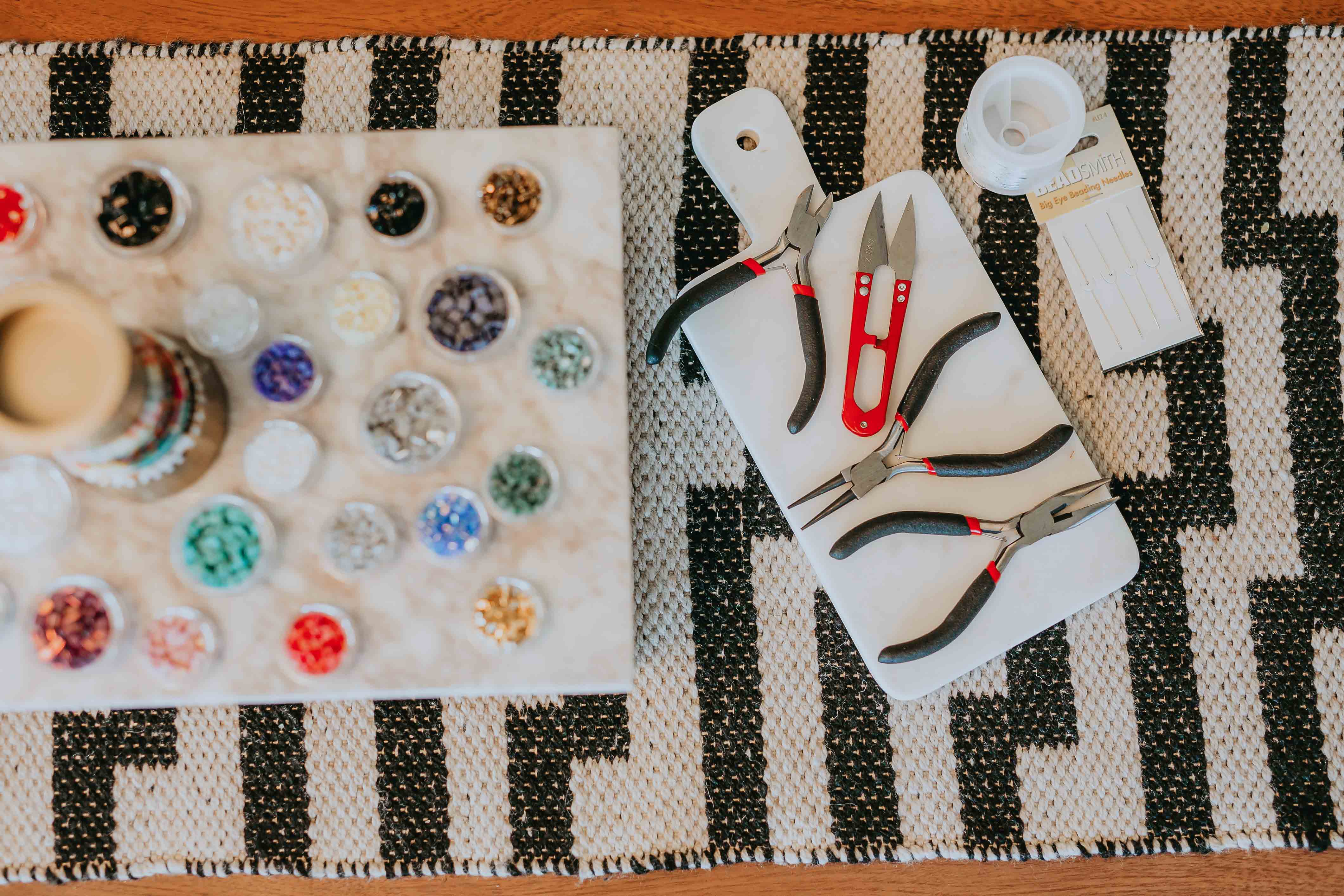
Use small, sharp scissors or flush cutters. Dull blades chew elastic instead of slicing it, and a chewed tail frays and pokes out of the bead hole later. Hold the bracelet so the knot rests on a flat surface, pinch the tail between two fingers, and cut straight across.
One habit saves a lot of heartache: let any glue set a few minutes before you trim. Sarah Maker advises letting the glue dry before trimming the ends of the cord (Sarah Maker). Trimming wet knots tugs the tails and can loosen the whole thing.
Can you seal the cut tips safely?
Yes, two ways. A dot of jewelry glue on the knot seals it and the tail ends together. A quick flame on the very tip can melt a frayed end flat. Glue is the safer pick for most people.
For the glue route, put the tiniest dot on the knot itself with a toothpick, not the bead. Too much glue seeps into the hole and sticks the bead to the cord, and then it won't slide. A pinhead is plenty. Let it get tacky, about a minute, then move on to the tuck.
The flame route is for adults only, in a ventilated space, with the bracelet held well away from anything flammable. Touch the cut tip for a second, no longer, and keep the heat off the knot and the cord running through the beads. Elastic weakens when it gets hot. Skip this step entirely if you're not sure. Small beads are a choking hazard too, so if kids are crafting with you, keep an adult close and keep loose beads away from little ones.
Honestly, we skip the flame on our crystal-cord bracelets. Glue and a tidy trim do the job.
How do you tuck the knot into the bead?
Stretch the bracelet a little. Pinch the bead with your thumb and finger, then slide it over the knot while the glue is still tacky. Work it with a gentle back-and-forth wiggle until the knot disappears inside.
If the knot fights you, don't force it. Forcing a bead can crack it. Tweezers help. Hold the bead steady, and nudge the knot toward the hole with the tip until it catches. Pull the cord on the far side of the bead lightly to draw the knot in.
Didn't fit? Tie a smaller knot. Two or three wraps in a surgeon's knot is plenty on most elastic, and a smaller bundle slides in much more easily. Another fix is a crimp bead cover, a tiny metal cup that closes over the knot like a clamshell. It's a good Plan B, and Sarah Maker mentions it too.
From our own table: we tuck, then rotate the bracelet and look for a glint of knot. If we see one, we pull the bead a hair further. It takes ten seconds and the finished look is worth it.
Where should the hidden knot sit in the stack?
Behind a focal bead. Put your showpiece bead, the pop of color or the textured one, right beside the knot bead, so the eye goes to the star and skips past the seam. On a stacked set, line the knot up at the underside of the wrist.
Placement is a styling choice. On a bracelet with a repeating color pattern, the knot bead can be one of the pattern beads, which keeps the sequence unbroken. On a solid-color bracelet, it blends in with no effort at all.
When you stack several bracelets, stagger the hidden knots so they don't all bunch up at one spot. Turn the bracelets so each knot sits at a different place around the wrist. The stack lies flatter and nothing rubs.
What if the knot still shows?
Retie it. It's not a failure, it's normal. Cut the old knot out, restring a few beads, and tie again with a bigger-hole bead beside it. Five minutes, tops.
The biggest culprits are a bead hole that's too tight and tails left too long. Fix those two and most bracelets hide their knots cleanly. If a bracelet keeps giving you trouble, check the cord thickness against the bead hole. A thinner cord makes a smaller knot, and a smaller knot hides anywhere.
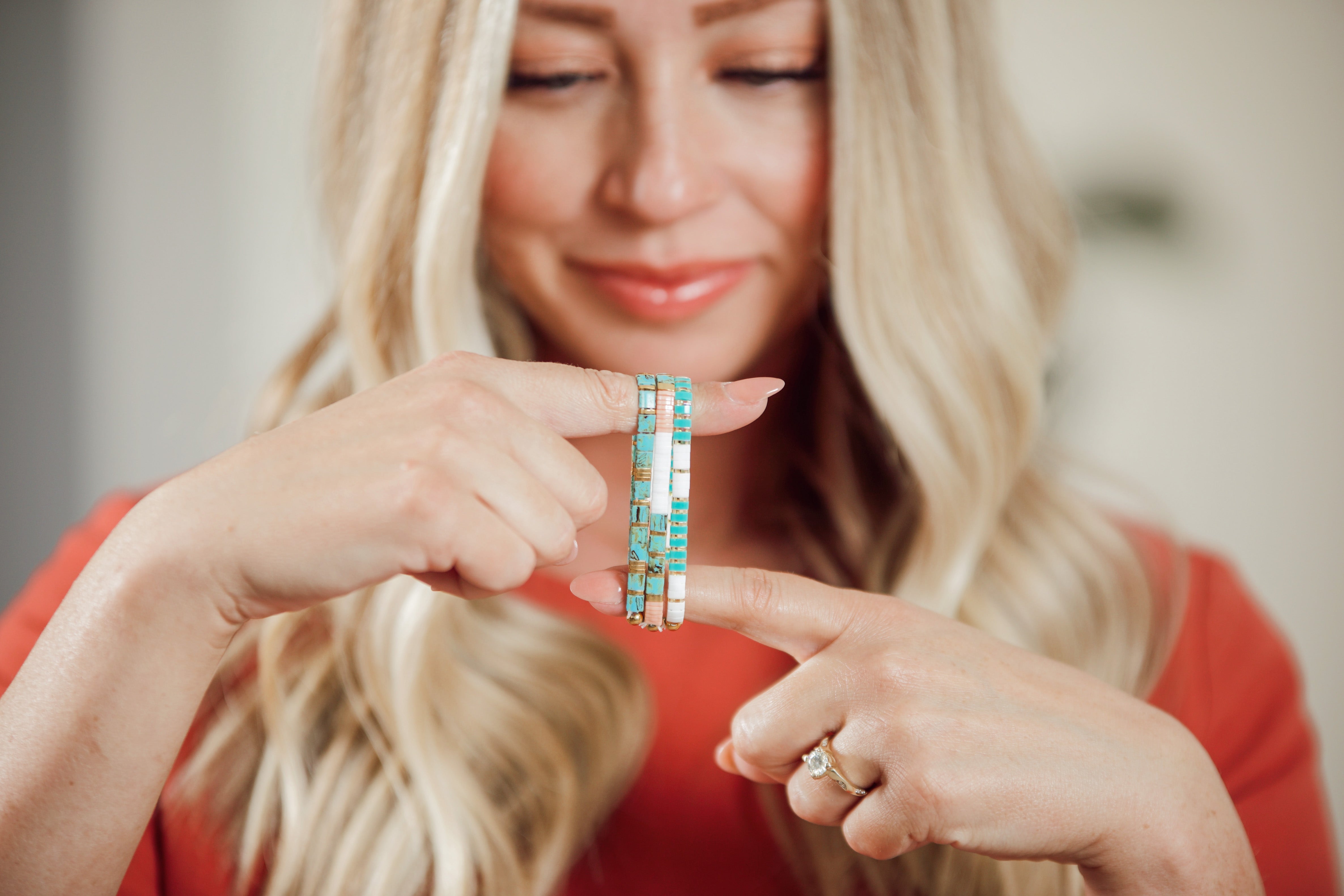
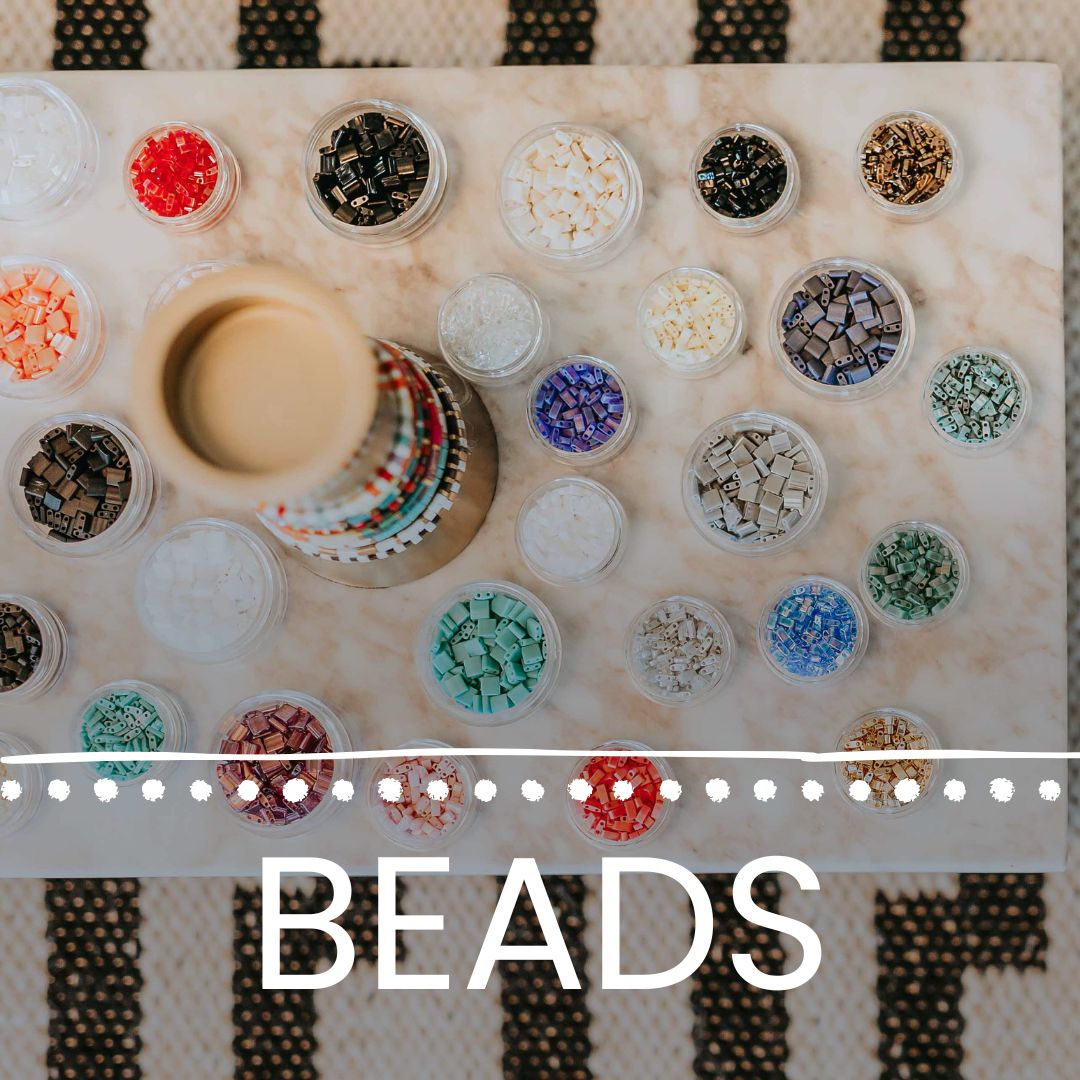
Want to skip the guesswork? Our bracelet making kits give you beads and supplies to practice this finish on. Mack & Rex ships internationally, with shipping and any duties calculated at checkout. Free shipping applies to US orders over $100. Prefer to skip the knot entirely? Our finished bracelets arrive ready to wear, and buy 3 finished bracelets, get 1 free, no code needed. That offer covers finished bracelets only, not kits or loose beads. Miyuki Tila beads are a third-party brand we resell.
Frequently Asked Questions
Can you hide the knot if none of your beads have big holes?
Yes. Use a crimp bead cover, or choose a bead with a larger hole for the knot position. You can also tie a smaller knot with a thinner elastic.
How short should you trim the tails on a stretch bracelet?
About 1/8 to 1/4 inch past the knot. That's short enough to tuck out of sight and long enough that the knot can't slip apart.
Is it safe to melt the ends of stretch cord?
Only with care, and adults only. Touch the flame to the cut tip for a second, keep it away from the knot, and let it cool. Heat can weaken elastic.
Will a hidden knot stay hidden when the bracelet stretches?
Usually yes. A knot that's snug inside a bead holds its spot. If it creeps out, a dot of glue on the knot before you slide the bead over it keeps it put.

