


How to Make a Crystal Beaded Bracelet at Home: A Beginner's Guide
How Do You Make a Crystal Beaded Bracelet at Home?
Measure your wrist, cut a piece of stretch elastic about 2 inches longer than that measurement, string your beads onto the cord in your chosen pattern, then tie the ends together with a surgeon's knot and trim the tail. That's the whole process. Most beginners finish their first bracelet in 20 to 30 minutes once the beads are laid out and the pattern is planned.
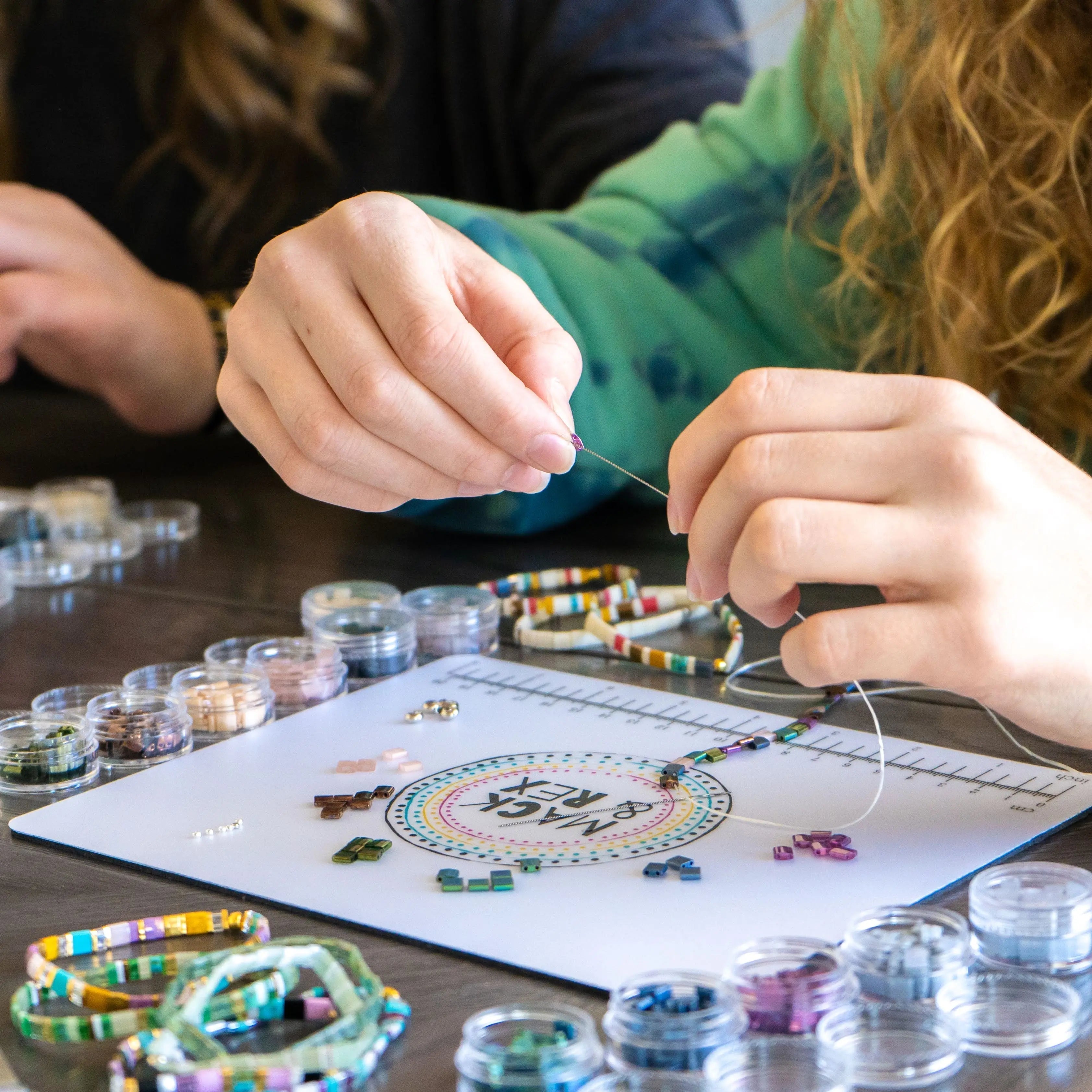
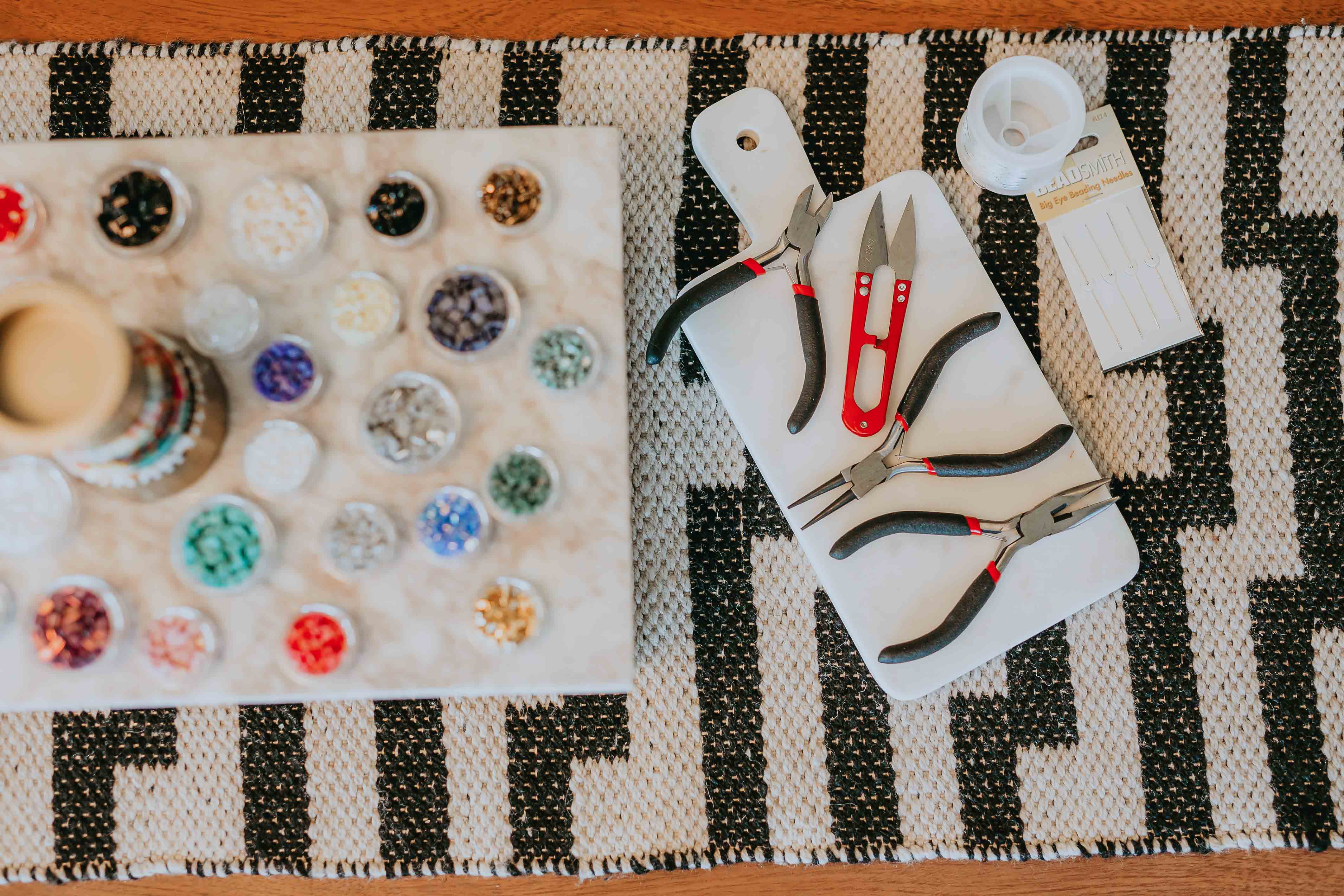
No special tools required, though a few make the job easier. A bead mat keeps your beads from rolling off the table mid-project, and a pair of small pliers helps if you're working with crimp beads or knot covers. If you're brand new to this, a kit that bundles the cord, tools, and beads together is the fastest way to get started without a shopping list.
What Do You Need to Make a Crystal Beaded Bracelet?
Four things, really. Beads, cord, scissors, and a flat surface to work on.
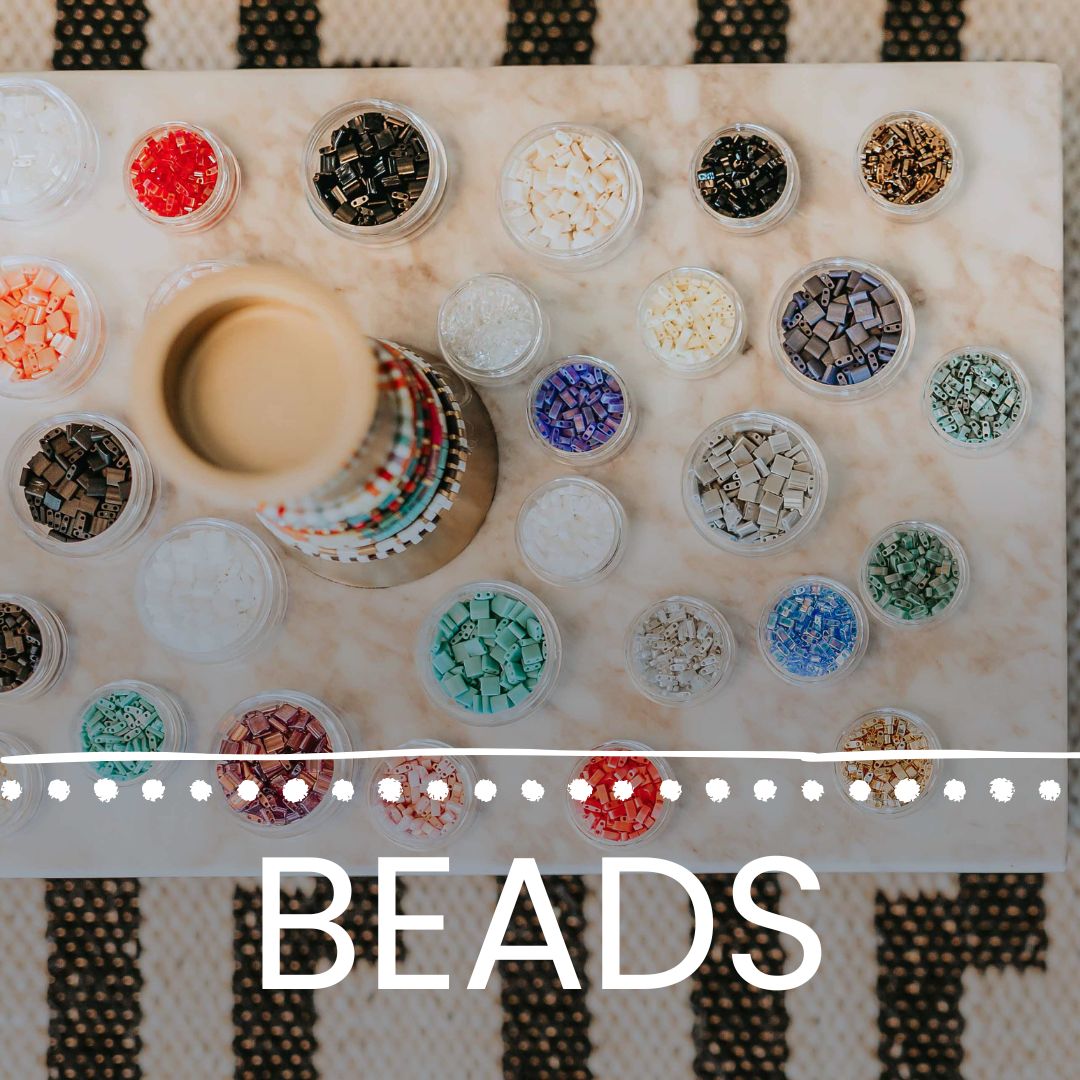
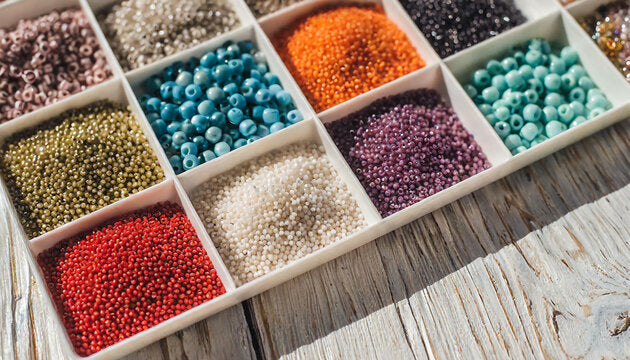
- Beads. Faceted glass beads (often sold as "crystal" beads for their sparkle) or flat glass tile beads like Miyuki Tila. Enough for one bracelet is usually 30 to 40 beads, depending on size.
- Stretch cord. A .5mm crystal-cord elastic is the standard for beginner bracelets. It's thin enough to fit small bead holes and strong enough to hold a knot without slipping.
- Scissors or side cutters. For trimming the elastic cleanly, which matters more than it sounds like it would.
- A bead mat or tray. Keeps your pattern organized and stops beads from scattering across the floor. A folded towel works in a pinch.
- Knot covers (optional). These small metal caps hide the finished knot for a cleaner look, though they aren't required for a first bracelet.
A complete beginner kit rolls all of this into one box: beads, cord, pliers, a bead mat, and instructions. Mack & Rex's bracelet-making kits are built exactly this way, with color-coordinated glass bead mixes and the tools already sorted out, so you're not piecing together supplies from three different aisles.
How Do You String a Crystal Beaded Bracelet Step by Step?
Five steps, start to finish.
- Measure your wrist. Wrap a soft tape measure or a strip of paper around your wrist and add about half an inch for comfortable movement. Most adult bracelets fall between 6.5 and 7.5 inches.
- Cut your cord. Cut the elastic about 2 inches longer than your wrist measurement. That extra length gives you room to tie off without the finished bracelet feeling tight.
- Lay out your pattern. Sort beads by color on your mat and arrange the sequence before you thread a single bead. This is the step people skip and regret, since running out of one color mid-bracelet means starting over.
- String the beads. Thread beads onto the elastic in order, pushing each one snug against the last. Keep the tension even; too loose and the bracelet gaps, too tight and it won't stretch comfortably over your hand.
- Tie and finish. Bring both ends together and tie a surgeon's knot (overhand, twice, then pull tight). Trim the tail close and tuck the knot into the nearest bead hole so it doesn't sit against your skin.
wikiHow's illustrated guide to beaded bracelets is a useful visual reference if you want photos alongside the steps for your first attempt.
Are Crystal Beads Real Crystal or Glass?
Here's the honest answer. Most beads marketed as "crystal beads" for bracelet making are faceted glass, cut with flat angled surfaces so they catch and refract light the way genuine crystal does. Genuine leaded crystal is a real, distinct material, glass with added lead oxide that increases brilliance and weight, and it costs more accordingly. According to Wikipedia's overview of lead glass, the lead content is what gives true crystal its extra sparkle and heft compared to standard glass.
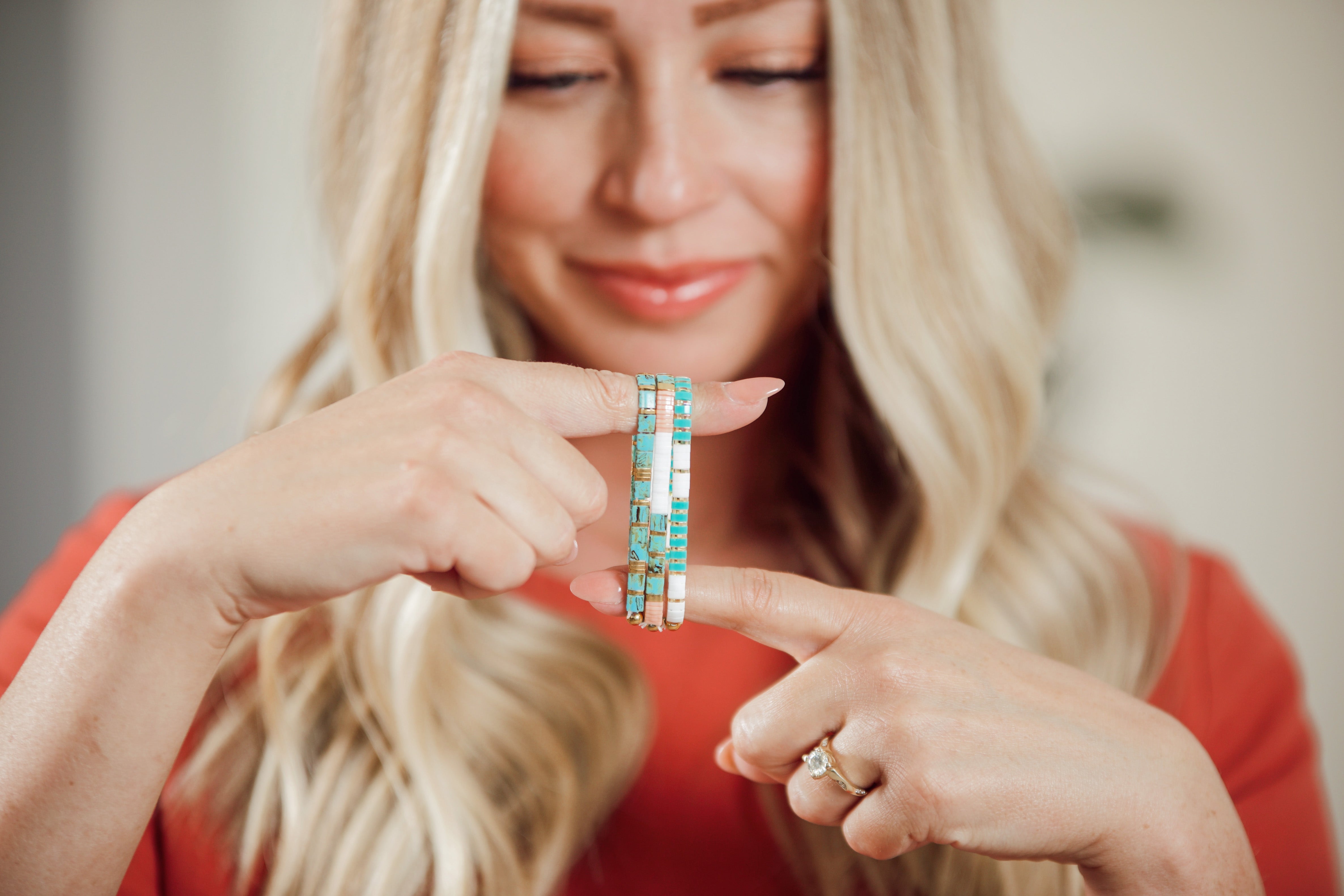
Mack & Rex's bracelet-making kits use Miyuki Tila beads, a Japanese-made glass bead known for its flat, uniform shape and consistent color. These are glass beads, not gemstone or mined crystal, and Mack & Rex doesn't manufacture them; they're a third-party product the shop sources and sells. If a listing anywhere claims genuine mined crystal at craft-kit prices, that's worth a second look. Quality glass, cut and finished well, still makes a beautiful, durable bracelet. It just isn't the same material as a gemstone.
What Knot Keeps a Stretch Bracelet From Snapping?
A surgeon's knot. Tie an overhand knot, then tie a second overhand knot on top of it before pulling both tight. That doubled loop grips the elastic far better than a single overhand knot, which can slip loose after a few wears.
Pull the knot as tight as you comfortably can, then give the bracelet a gentle stretch test before you trim the tail. If the knot holds under a light pull, trim it close and push it into the nearest bead hole. That hides the knot and keeps it from rubbing your wrist. Beaders at Lima Beads, a long-running bead supply retailer, recommend this same doubled-knot approach for stretch jewelry, since a single-tie knot is the most common reason a beginner bracelet snaps within the first week.
Is Bracelet Making Safe to Do With Kids?
With supervision, yes. Loose beads are small and are a choking hazard, so any session involving children needs an adult at the table the whole time. Keep beads that aren't in use in their containers, not loose on a table where a toddler could reach them, and do a quick floor check afterward. This isn't a project for unsupervised young children.
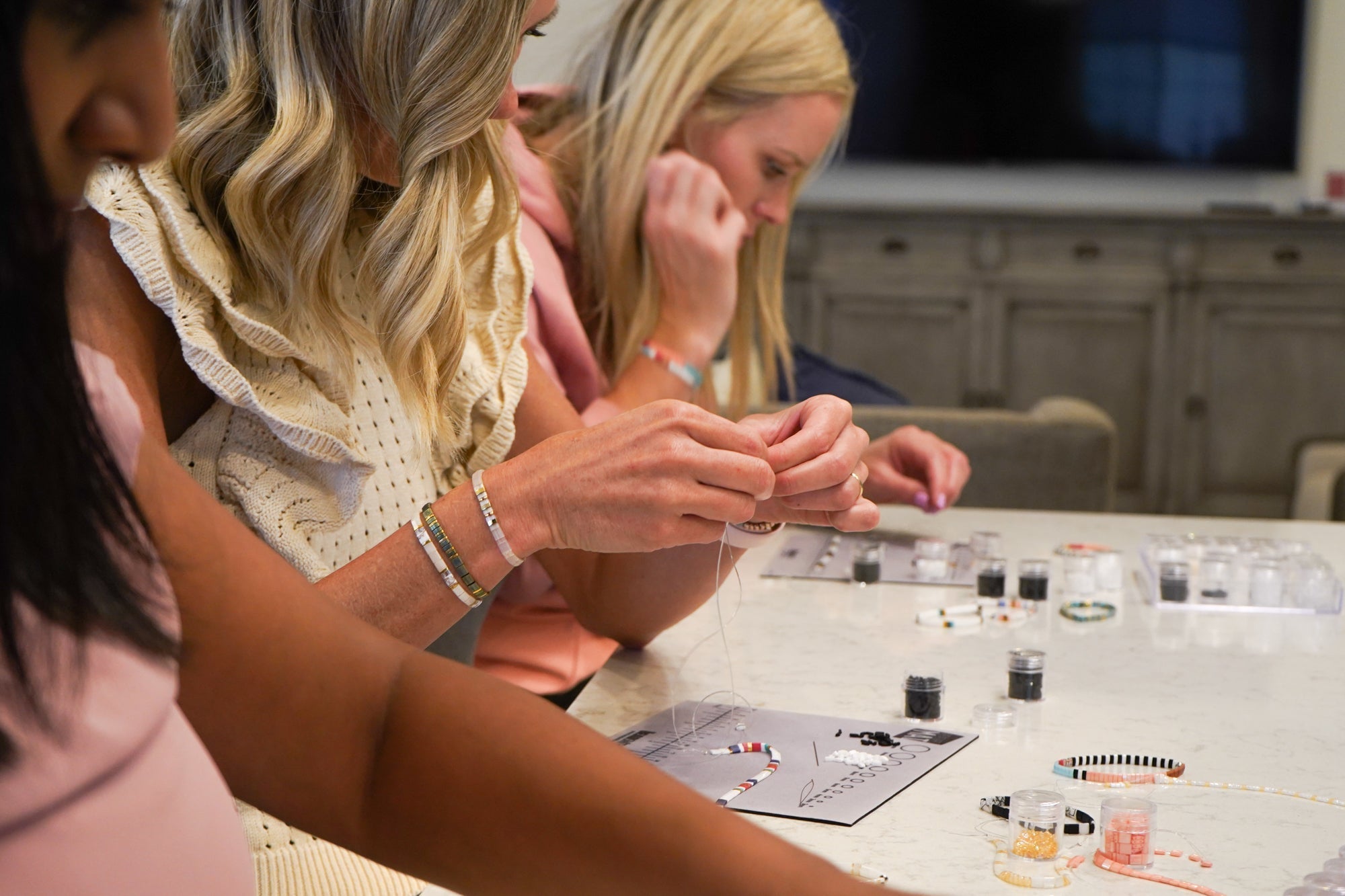
Older kids and tweens can handle the stringing and knot-tying with guidance. It's a nice project to do side by side, an afternoon with beads spread across the kitchen table and everyone picking their own colors. Just keep the small-parts caution front of mind the whole time, especially if younger siblings are in the room.
Where Can You Get Beginner-Friendly Bracelet Making Supplies?
Start with a kit that has everything sorted for you. Mack & Rex's bracelet-making kits collection covers a range of options: trio kits that make three coordinated bracelets for $44.99, up through a starter kit that yields 20+ bracelets for $189.99. Each kit includes the crystal-cord elastic, tools, a bead mat, and Miyuki Tila glass beads in a themed colorway, plus access to a free tutorial.
Buying a kit skips the trial-and-error of sourcing cord, beads, and tools separately, which matters most on your first project when you don't yet know what you'll actually reach for again. US orders over $100 ship free. If you're outfitting a group bracelet-making night, a couple of trio kits or one of the larger starter kits will cover several people at once.
Frequently Asked Questions
How do you make a crystal beaded bracelet at home?
Measure your wrist, cut a piece of stretch elastic about 2 inches longer than that measurement, string your beads onto the cord in your chosen pattern, and tie the ends together with a surgeon's knot. Trim the tail and tuck the knot into a bead hole to hide it. The whole process usually takes 20 to 30 minutes once your beads are laid out.
What do you need to make a crystal beaded bracelet?
You need beads, stretch cord or elastic, scissors, and something flat to lay your pattern out on, like a bead mat or tray. A beginner-friendly kit bundles all of this together with pliers, knot covers, and instructions so you're not hunting down separate supplies.
Are crystal beads used in bracelets real crystal or glass?
Most beads sold as crystal beads for bracelet making are faceted glass, cut to catch light the way genuine crystal does. Real leaded crystal exists too, but it's a specific, more expensive glass formula. Mack & Rex's bracelet kits use Miyuki glass Tila beads, a Japanese-made glass bead, not gemstone or mined crystal.
Is bracelet making safe to do with kids?
Loose beads are small and pose a choking hazard, so any bracelet-making session involving children needs direct adult supervision. Keep uncounted beads away from very young children, and count leftover beads back into their container when you're finished.
What knot keeps a stretch bracelet from snapping?
A surgeon's knot, an overhand knot tied twice before pulling it tight, holds far better on stretch elastic than a single overhand knot. Pull it snug, trim the tail short, and tuck the knot into a bead hole so it isn't rubbing against your skin.
Ready to string your first bracelet? Browse Mack & Rex's bracelet-making kits for beginner-friendly sets with the cord, tools, and glass beads already sorted for you. US orders over $100 ship free.