

How to Make a Heishi Bead Bracelet, Step by Step
What Are Heishi Beads, and What Do You Need to String Them?
Heishi beads are small, flat discs with a hole punched through the center, strung side by side so the flat faces stack into a smooth, almost continuous line. The shape has roots in Indigenous shell-bead work from the American Southwest, and today you'll find heishi cut from shell, stone, and polymer clay, keeping the look affordable without losing the flat, stacked profile.
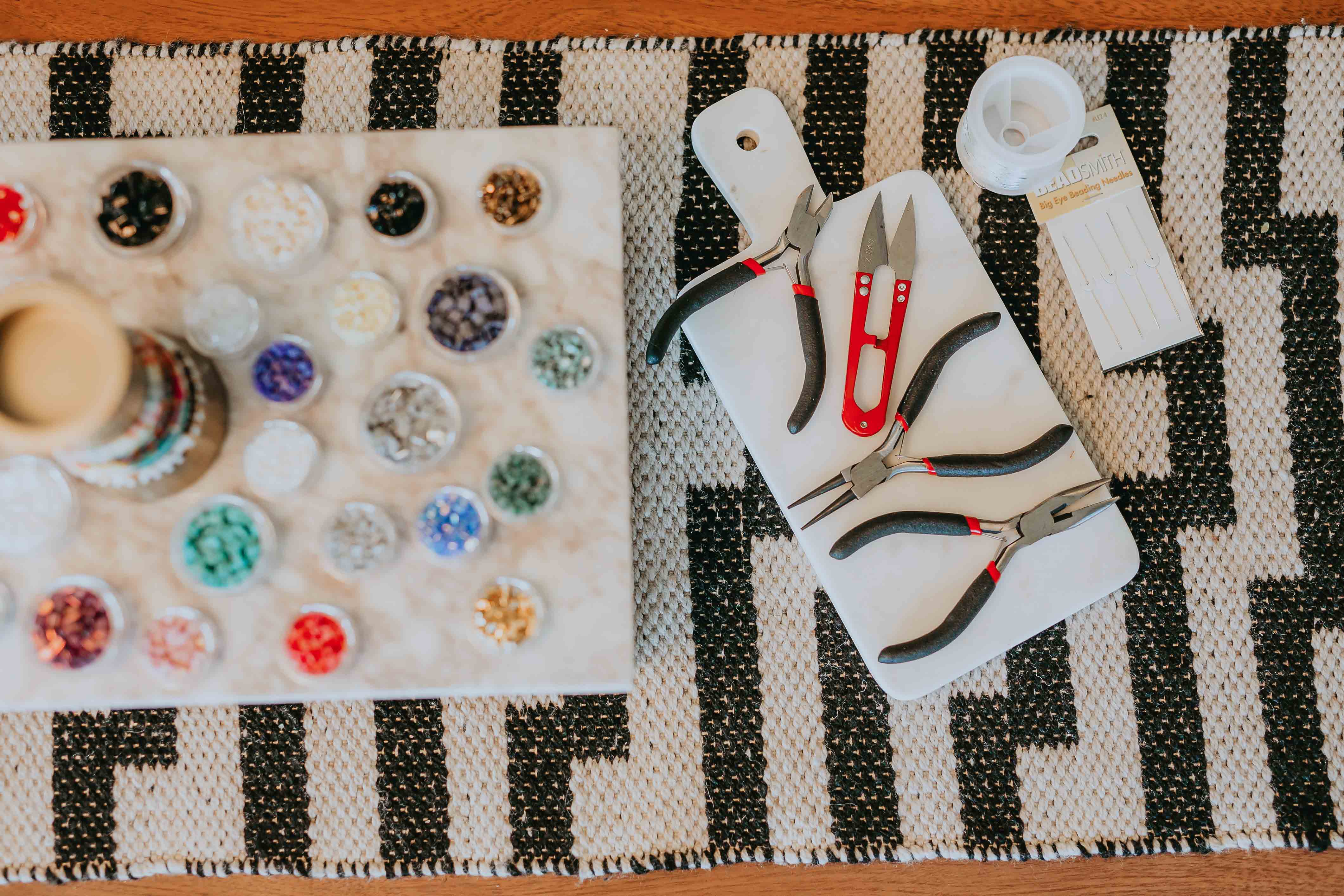
Gather supplies before you sit down: a strand or two of heishi beads in your chosen colorway, stretch cord sized to the bead holes, scissors, and a tape measure or a bracelet that already fits. I keep a cheap plastic bead tray on hand, too, because heishi discs roll if you so much as breathe on them, and chasing one off the table is the fastest way to lose ten minutes you didn't plan to spend.
Choosing Cord and Bead Count
Stretch cord is the easiest option for a beginner bracelet because it skips the clasp entirely; you just tie a knot and slide it on. Pick a cord weight that matches your bead hole size, since cord that's too thin lets beads slide and cluster, and cord that's too thick won't pass through a second time if you're doubling the strand for strength.
For bead count, measure your wrist (or a bracelet that already fits well) and add about half an inch for the knot and a little give. A typical adult wrist takes somewhere around 30 to 45 heishi beads strung on their own, though that number drops if you're spacing in larger accent beads along the way.
How Do You Make a Heishi Bead Bracelet, Step by Step?
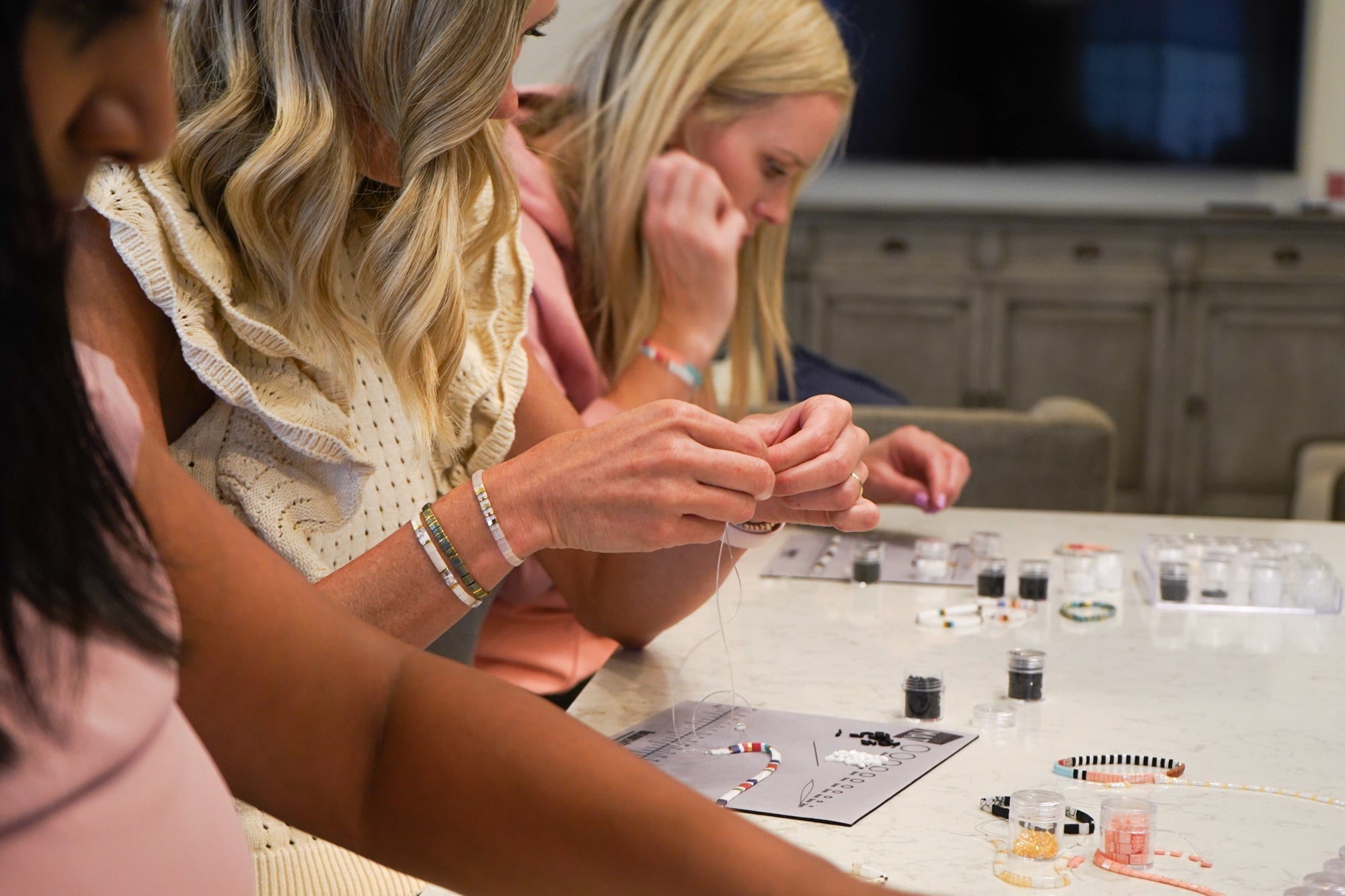
Once your supplies are laid out, stringing a heishi bracelet is a quick, repetitive process. Here's the sequence I use, start to finish:
- Measure and cut your cord. Measure your wrist, add half an inch, then cut your stretch cord 6 to 8 inches longer for slack at the knot.
- Pour your heishi beads into a tray. Sort by color or shade now, rather than mid-stringing.
- String your first few beads and check the fit. Thread on 8 to 10 beads, hold the strand against your wrist, and confirm the spacing before committing to the full length.
- Continue stringing to your measured length. Add beads one at a time, checking periodically against your wrist measurement.
- Leave slack for the knot. Stop stringing with an inch or two of bare cord on each end.
- Tie a square knot and test it. Pull the ends snug, tie the knot, then gently stretch the bracelet to confirm it holds under tension.
- Add a drop of clear glue to the knot (optional). A small dot of jewelry glue adds extra security for daily wear.
- Trim the cord ends close to the knot. Leave a tiny tail, then tuck the ends back through the nearest bead holes if you want them hidden.
A Few Things That Make the Process Easier
- Work over a towel or a shallow tray. Heishi beads roll off a bare table far more easily than round seed beads do.
- Pre-sort your beads by shade before you start stringing, especially with natural stone or shell heishi, where no two discs look identical.
- If you're spacing in accent beads, lay out the full pattern on your tray before threading anything, so you're not recounting mid-strand.
- If kids are crafting alongside you, keep an adult in charge of the loose beads and the cutting tools. Heishi beads are small and a choking hazard, so they aren't something to leave within reach of a toddler or a preschooler who's still mouthing objects.
How Do Heishi Beads Pair With Tila Beads in a Stack?
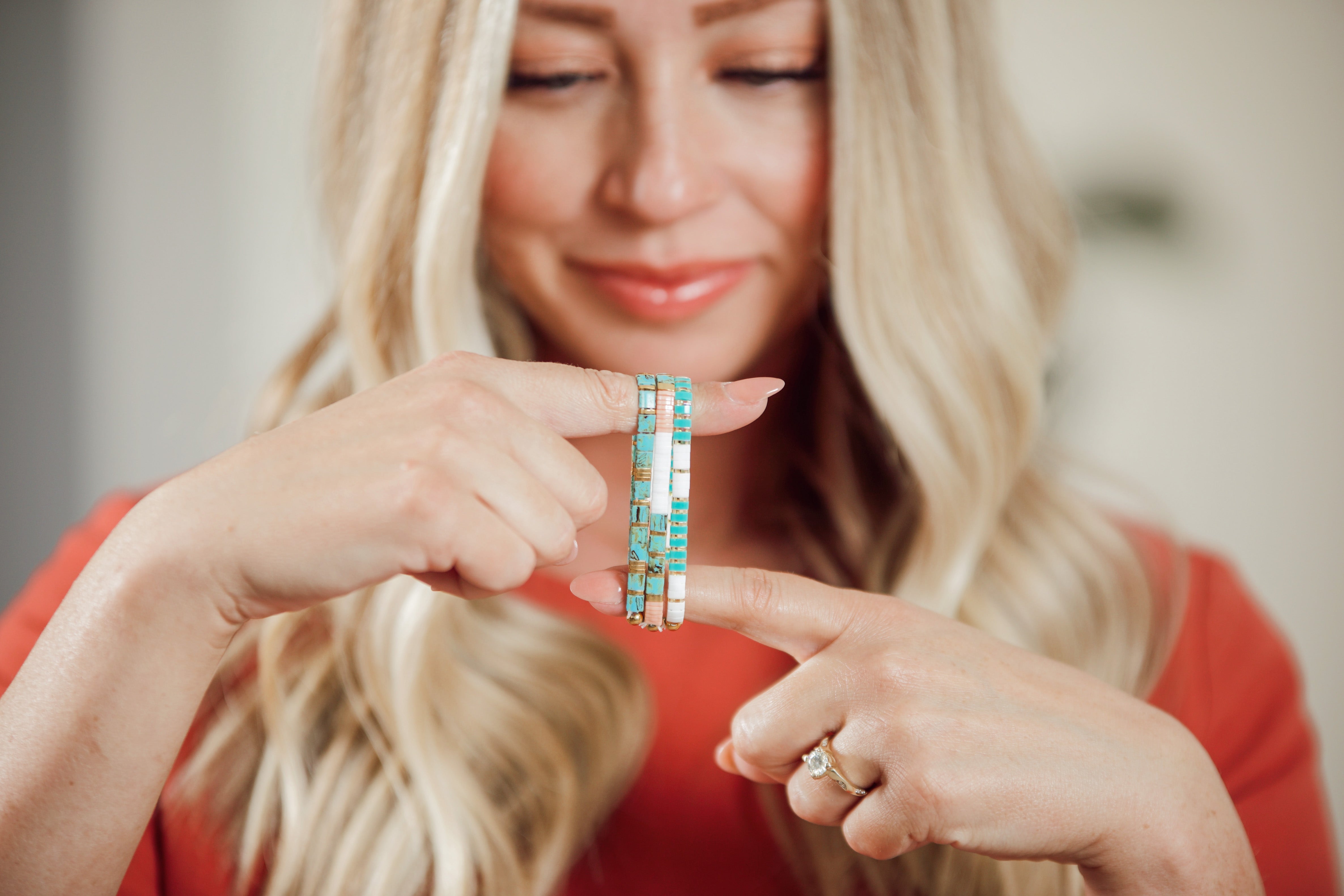
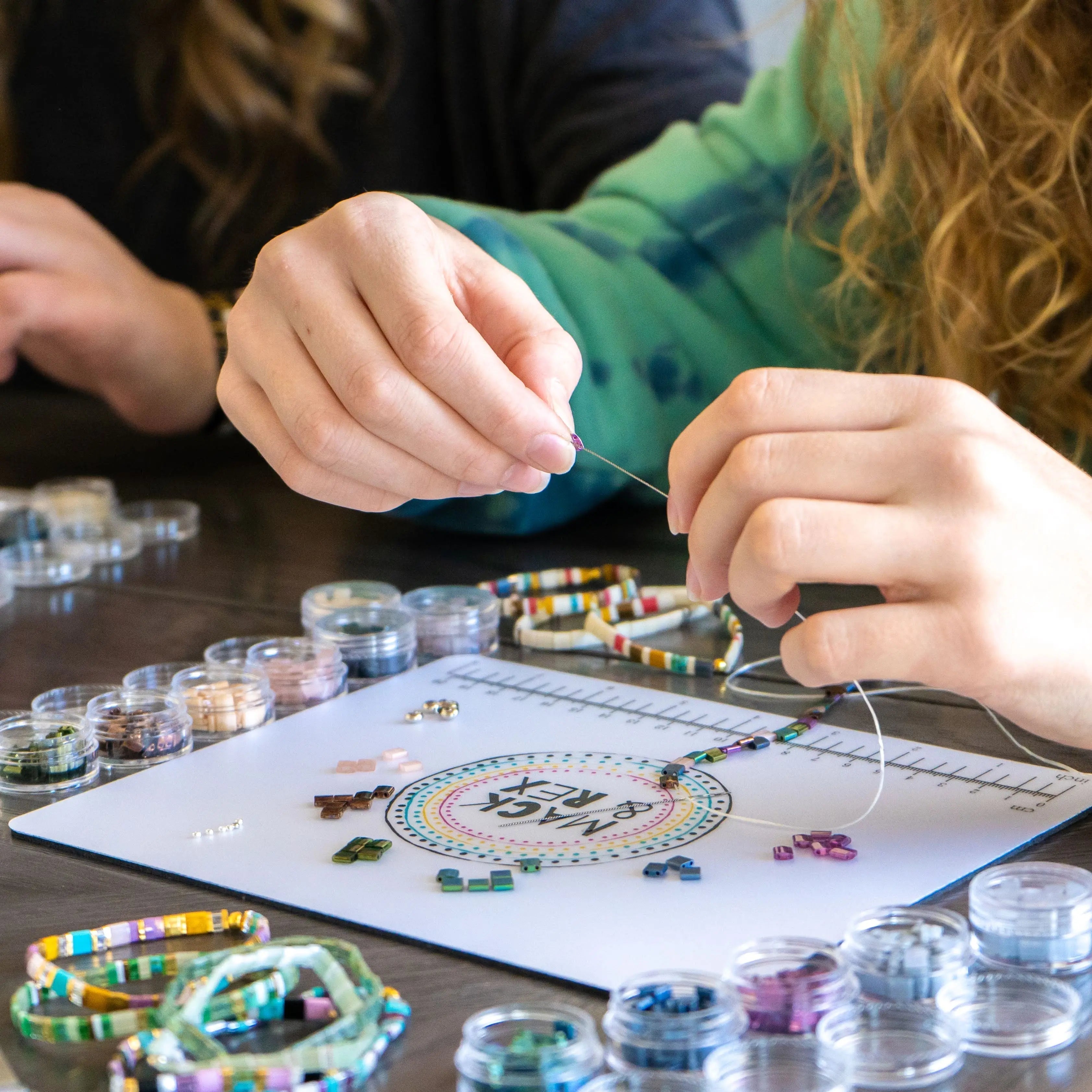
Heishi beads and Miyuki tila beads are both flat shapes, which is exactly why they sit well together on a wrist. A single flat heishi strand next to a flat, two-hole tila bracelet reads as a coordinated stack rather than a mismatched pile, since neither shape bulges or rolls the way round beads do. Some crafters string the two shapes on one strand with heishi as spacers between tila sections; others just wear a heishi bracelet and a tila bracelet together and let the flat profiles do the matching.
If you want to try the combination, start with one finished tila bracelet as your base, then add a single heishi strand in a complementary shade. Add a second or third piece once you know how the stack sits and wears day to day.
Where Do Heishi Beads Come From, and Why Do They Look the Way They Do?
The word "heishi" traces back to the shell-bead tradition of the Kewa Pueblo (formerly known as Santo Domingo Pueblo) in New Mexico, where artisans have cut and strung flat shell discs for generations. Wikipedia's entry on Kewa Pueblo covers the community's long history with shell and stone bead-making, and Wikipedia's overview of heishi traces how the flat disc shape and the term spread beyond its original shell-bead origins into wider use across the jewelry industry.
Worth noting: not every disc bead sold as "heishi" today is hand-cut shell from a Pueblo artisan. Plenty of modern heishi is cut from polymer clay, resin, or stabilized stone, which keeps the price accessible while keeping the same flat, stacked look. That distinction matters if you're shopping specifically for traditional, artisan-made shell heishi versus a mass-produced clay version for a weekend project.
Picking Beads for Your Project
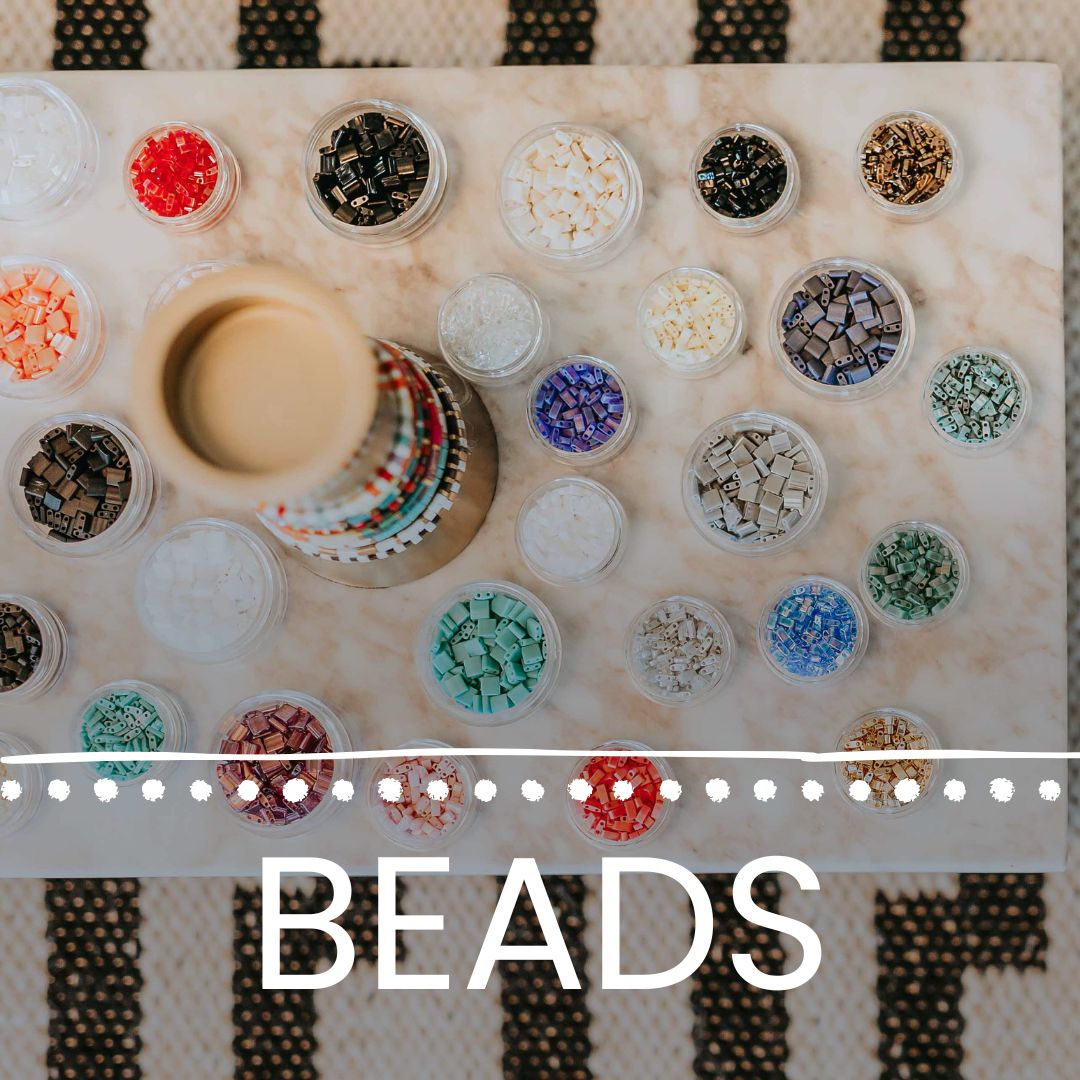
If you're just getting started, a mixed strand of clay or stone heishi in a color family you like is the easiest entry point, since the discs are pre-drilled, uniform in size, and ready to string straight out of the bag. The Mack & Rex heishi beads collection carries sourced heishi strands in a range of colorways for this kind of project, whether you're stringing a solo piece or mixing it into a tila stack.
One reviewer summed up the appeal of a first bead project well: "pleasantly surprised at how easy it was to pick up this new hobby." That's the goal with a heishi bracelet. The beads are pre-sorted, the stringing is repetitive rather than technical, and a finished piece is realistic in one sitting.
Frequently Asked Questions
What are heishi beads made of?
Heishi beads are traditionally cut from shell or stone, though modern heishi is also made from polymer clay and other materials. The name comes from the Kewa Pueblo tradition of flat, disc-shaped shell beads, and the word itself refers to the shape rather than one single material.
How many heishi beads do I need for a bracelet?
Most adult wrist sizes take roughly 30 to 45 heishi beads strung alone, depending on the bead diameter and how snug you like the fit. If you're spacing heishi beads between larger accent or tila beads, count on fewer heishi beads and leave room for the accents when you measure your cord.
Can you combine heishi beads with tila beads in one bracelet?
Yes. Heishi beads are flat discs that sit well next to the flat, two-hole profile of Miyuki tila beads, and a lot of stacking bracelets mix the two shapes on a single strand or wear them as separate pieces stacked together. Just keep the cord weight suited to the heavier of the two bead types.
Is making a heishi bead bracelet safe to do with kids?
It can be a fun supervised craft activity for older kids, but heishi beads are small and a choking hazard, so they are not appropriate for young children who still put objects in their mouths. An adult should manage the loose beads and the cutting tools throughout the project.
Does Mack & Rex ship heishi beads internationally?
Yes. Mack & Rex ships internationally, with shipping and any customs or duties calculated at checkout. Free shipping applies to US orders over $100; it's not a blanket offer, and international orders ship at the checkout-calculated rate rather than being unavailable.
Ready to string your own? Browse the Mack & Rex heishi beads collection for sourced strands in a range of colorways, perfect for a solo bracelet or stacked alongside a finished tila piece. US orders over $100 ship free, and international orders ship with duties calculated at checkout.

