


How to Pick a Bead Kit When You've Never Made Jewelry Before
What Should You Look for in a Bead Kit If You've Never Made Jewelry?
A good bead kit for a first-timer includes everything you need in one box: pre-cut stretch cord, beads sized for easy stringing, and instructions written for someone who has never done this. Skip anything that assumes you already own tools, know what "crimp" means, or can eyeball a cord length.
Four things separate a kit that gets finished from one that ends up in a drawer half-done. Here's what to check before you buy.
Does It Include Everything, or Just the Beads?
The best beginner kits are all-in-one: beads, cord, a clasp if the design needs one, and a needle or bead scoop. A beads-only bag looks cheaper on the price tag but leaves you scrambling for cord and tools you didn't know you needed.
Check the product listing closely. Some kits labeled "starter" only include the beads and a small instruction card, with cord sold separately. That's fine if you already have supplies at home. If this is truly your first project, an all-in-one kit removes the guesswork.
What Cord Should a Beginner Kit Use?
For a first bracelet, stretch cord (sometimes called elastic or stretch magic) is the easiest material to work with. You string beads on, tie a simple knot, trim the ends, and you're wearing a finished piece. No crimping tools, no wire cutters, no clasps to fumble with.
Beadaholique's guide to bead stringing basics notes that stretch cord lets beginners "quickly and easily make a multitude of bracelets inexpensively" by stringing beads and tying a secure knot, which is exactly the low-barrier entry point a first kit should offer.1 If a kit uses beading wire with crimp beads instead, you'll need pliers and a steadier hand. That's a fine second project, not a great first one.
What Bead Size and Type Actually Works for a First Project?
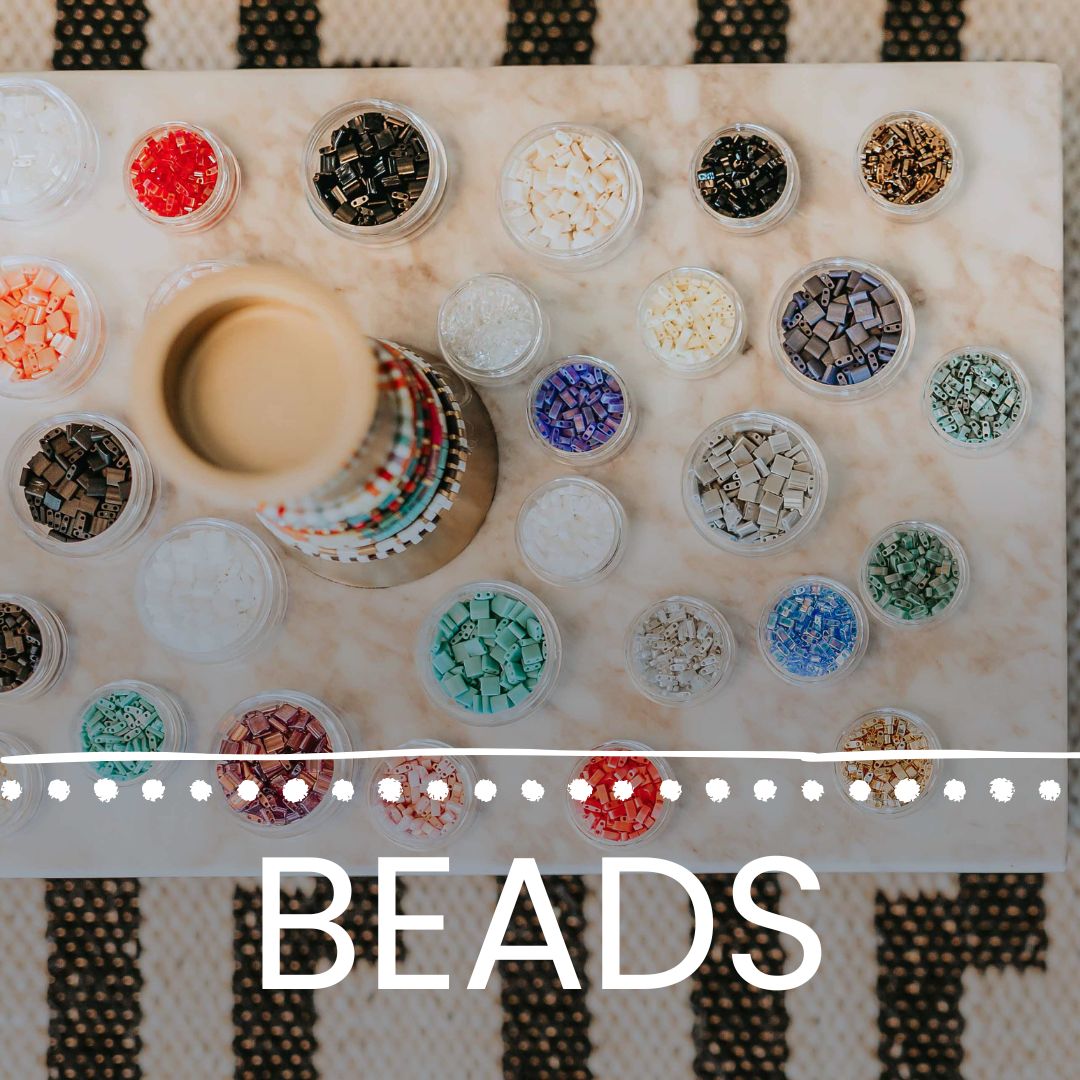
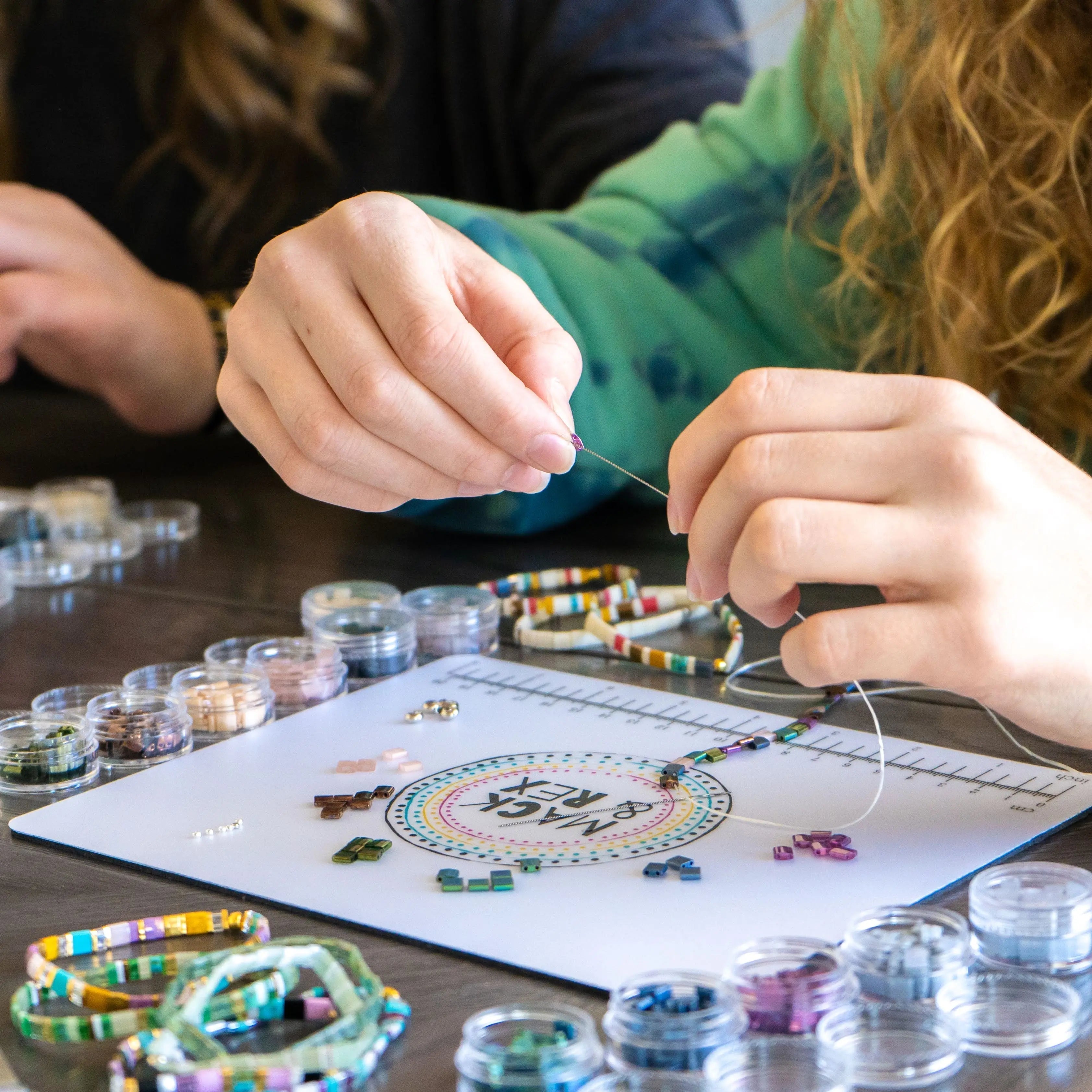
Uniform, medium-sized beads are easier to manage than a chaotic mix of tiny seed beads and oddly shaped ones. Tila beads, a flat two-hole glass bead made by the Japanese company Miyuki, are a good beginner shape because both holes sit at a consistent size, so stringing stays predictable.
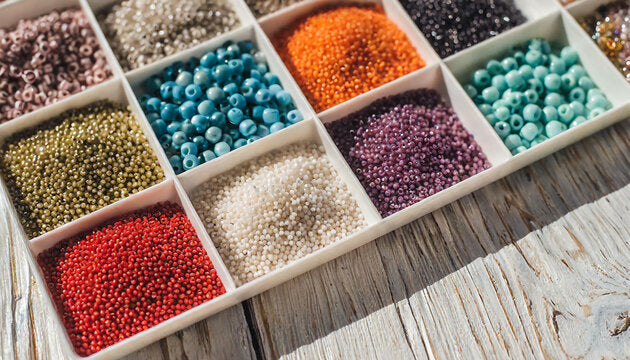
Seed beads, the small round or tube-shaped glass beads used across bead weaving and stringing, come in sizes that get confusing fast for a new crafter.2 A kit built around one consistent bead type, rather than a grab bag of five different shapes, gives you a cleaner learning curve.
How Good Do the Instructions Actually Need to Be?
Photos or diagrams for each step matter more than a paragraph of text, especially for someone who has never strung a bead. Look for a kit that shows the steps visually. If a listing doesn't mention instructions at all, assume there aren't any worth using.
How Much Should You Spend on Your First Bead Kit?
Plan to spend somewhere between $35 and $45 for a solid first kit that makes two or three finished pieces. That price range usually gets you real materials and clear instructions without asking you to commit to a big collection before you know if you'll enjoy it.
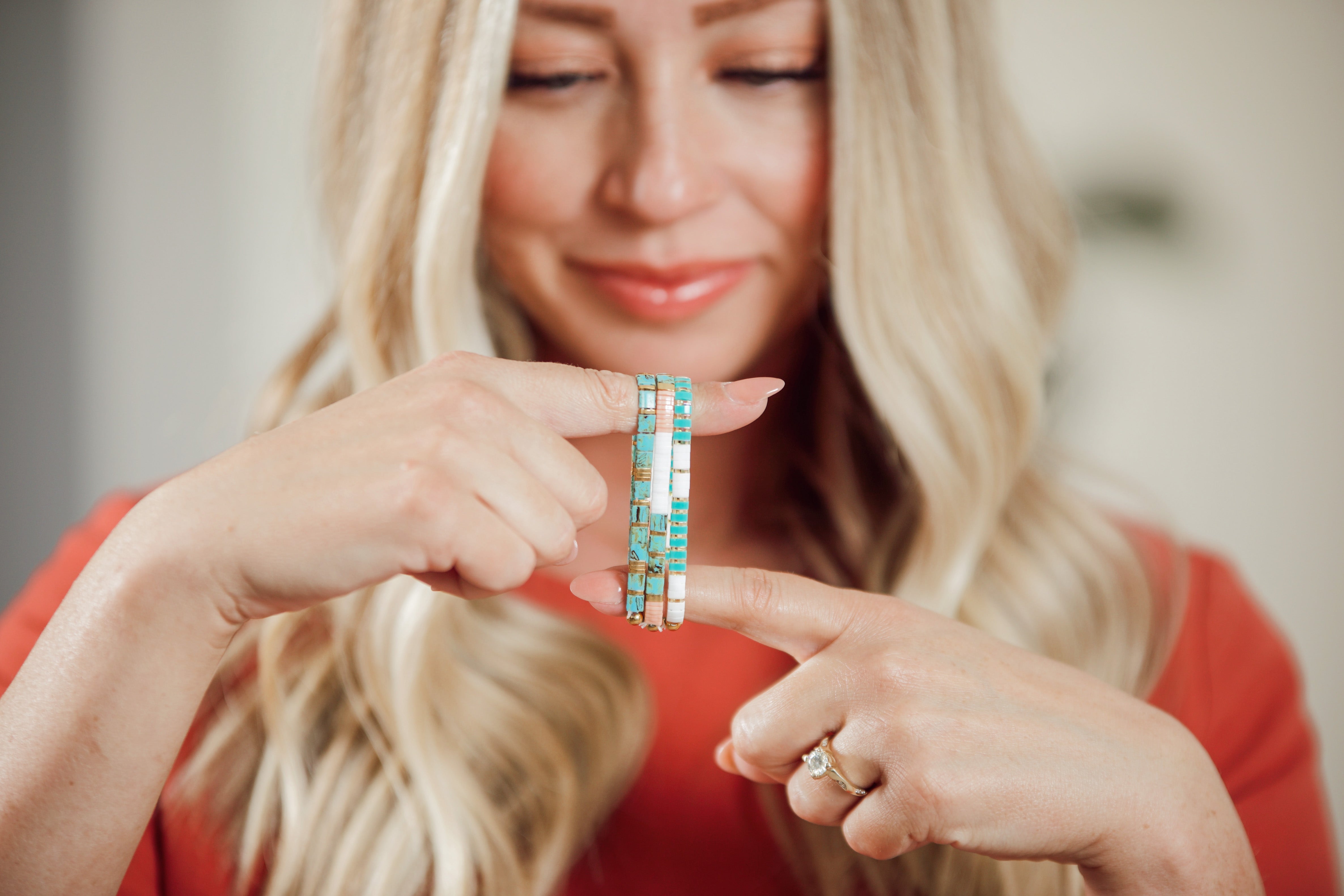
A trio kit that makes three bracelets runs $44.99. A DIY bracelet kit club option, also built around three bracelets, runs $36.99. All-in-one kits that bundle tools and supplies together land between $39.99 and $43.99. Those numbers give you a real anchor: if a "starter kit" is priced at $12 with dozens of pieces, something in the materials or the amount of usable cord got cut to hit that number.
Once you know you like it, a bigger commitment makes sense. A Tila bead starter kit built to make around 20 bracelets runs $189.99, which works out cheaper per bracelet than buying trio kits one at a time. That's a second-project decision, not a first one.
Should You Buy a Kit or Buy Loose Beads Your First Time?
Buy a kit. Loose beads cost less per gram, but you'll also need to buy cord, a clasp, and possibly a needle separately, then figure out how much of each you actually need. A kit bundles the right ratio of materials for a specific project, which matters when you don't yet have a feel for how far a bead pack goes.
Loose Tila bead mixes run about $5 to $9 and are a smart buy once you've made a bracelet or two and want to build your own color combinations. Buying them as your very first purchase means also buying stretch cord separately and estimating length yourself, which is an easy place for a first attempt to go wrong.
How Do You Match a Kit to What You're Actually Trying to Do?
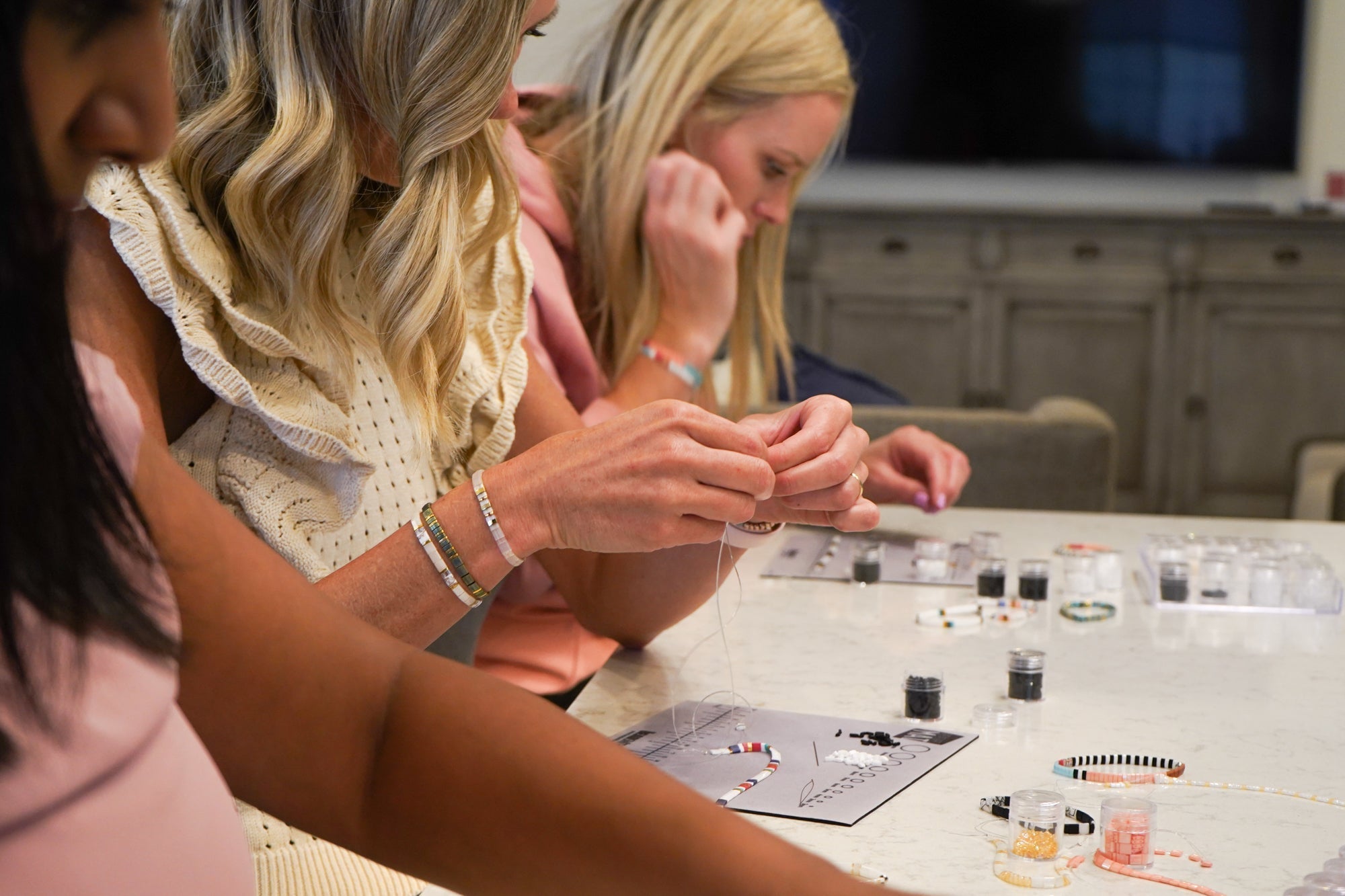
Match the kit size to the outcome you want. One bracelet for yourself calls for a small kit. A stack of bracelets, a gift, or a group activity calls for something bigger, and the math changes depending on how many hands are involved.
Just Want One Bracelet?
A single trio kit covers this with room to spare, since it's built to make three bracelets from one box. You'll have enough beads left over to try a second color combination if the first one doesn't turn out how you pictured it.
Buying a Kit as a Gift?
Pick a kit with clear, photo-based instructions since the recipient won't have anyone standing next to them explaining steps. A trio kit or a DIY kit club box both work well as gifts because the finished result reads as a real, wearable piece, not a craft project that looks obviously homemade.
Planning a Bracelet-Making Party or Kids' Craft Night?
For a group, price per person matters more than any single kit's contents, so a bigger bead starter kit that yields many bracelets usually beats buying several small kits separately. Beads are small enough to be a choking hazard, so keep loose beads away from very young children and have an adult supervising anytime kids are stringing.
What Are the Red Flags of a Cheap Bead Kit?
Watch for kits with no photos of the actual finished project, vague bead counts ("assorted beads!" with no number), and cord so thin it looks like it'll snap on the first wear. If a listing can't tell you what you'll end up with, don't guess.
A few more warning signs worth knowing before you check out:
- No mention of cord type or bead material anywhere in the listing
- Reviews that mention broken cord, missing pieces, or beads with uneven holes
- Instructions described as "easy to follow" with zero preview images
- A price that seems too low for the number of pieces claimed
None of that guesswork should be on you. A kit built for a real first-timer tells you the cord type, the bead count, and shows you a finished photo before you buy, not after.
Ready to Pick Your First Kit?
If you want a first bead kit that's actually built for someone starting from zero, browse Mack & Rex's bracelet-making kits. Every kit ships with the cord, beads, and step-by-step instructions in one box, so you go from "never done this" to wearing a finished bracelet in one sitting. Mack & Rex ships internationally, with shipping and any customs or duties calculated at checkout, and free shipping applies to US orders over $100.
Frequently Asked Questions
Do I need any tools to use a beginner bead kit?
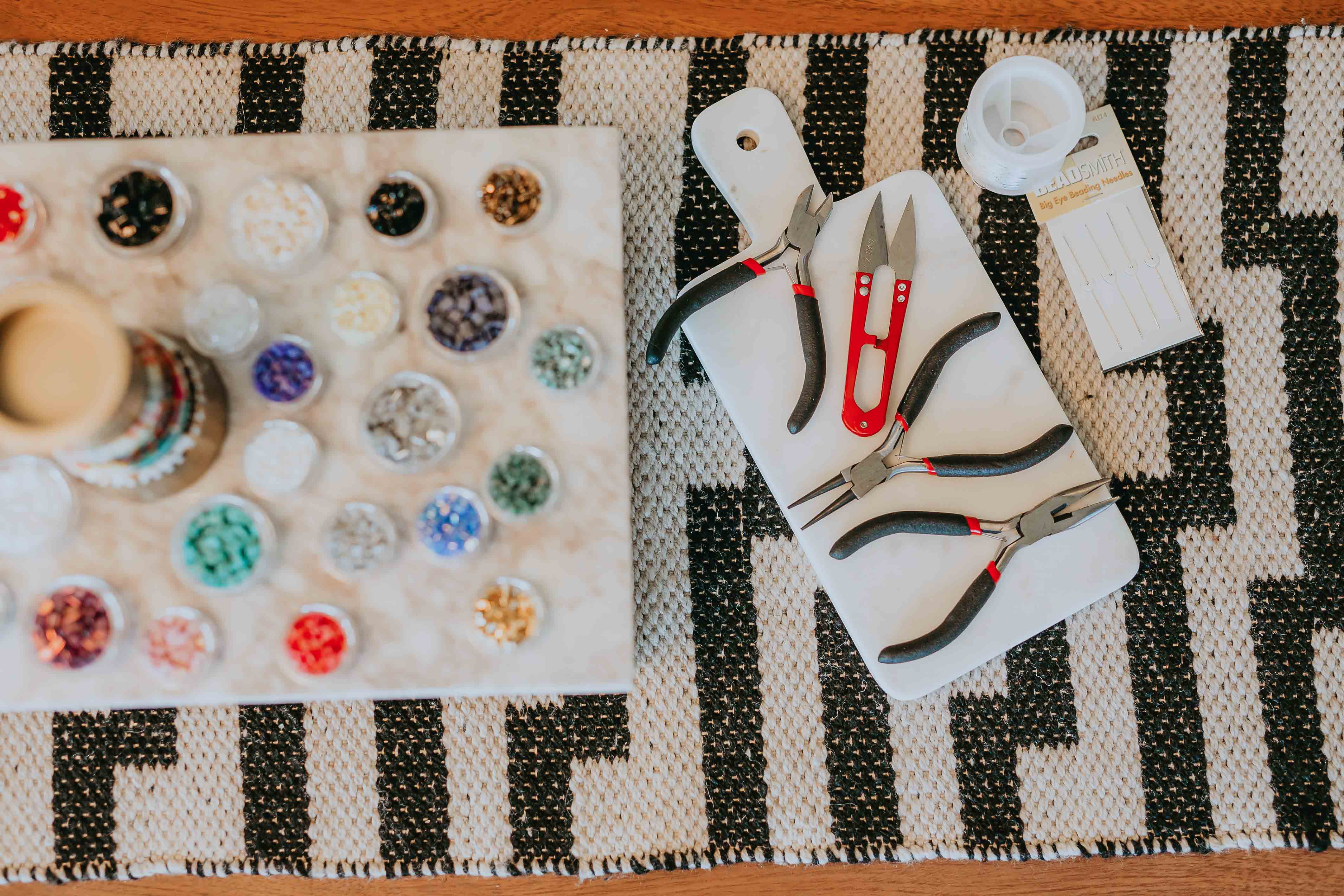
Most beginner bead kits built around stretch cord need zero extra tools. You string the beads, tie a knot, trim the excess, and you're done, no pliers, wire cutters, or crimping tools required for a first stretch-cord bracelet.
What's the difference between a Tila bead kit and a regular seed bead kit?
Tila beads are a flat, two-hole glass bead made by Miyuki, a Japanese bead manufacturer; Mack & Rex sells Tila beads and kits as an authorized retailer, not as the beads' maker. Regular seed beads are small, round or tube-shaped, and come in a wider range of tiny sizes that can be trickier for a first project.
How many bracelets does one kit usually make?
It depends on the kit. A trio kit is built to make three bracelets, while a larger Tila bead starter kit is built to make around 20. Check the product description for the exact count since it varies by kit.
Is it cheaper to make my own bracelet than to buy one finished?
Not always, and that's fine. A kit is priced for the experience of making something yourself, not purely for cost savings versus a finished bracelet. If you mainly want a bracelet with none of the assembly, buying one ready-to-wear is usually the faster, simpler choice.
Are bead kits safe for kids to use?
Loose beads are a small-parts choking hazard, so bead kits aren't marketed as safe for very young children. Older kids can enjoy stringing projects with an adult supervising, keeping loose beads picked up and away from anyone who might still put things in their mouth.