

Real vs. Fake Miyuki Beads: How to Spot Authentic Beads in a Bracelet Kit
Why Does It Matter If Your Miyuki Beads Are Real?
Real Miyuki beads cost more to make, and that cost shows up in the finished bracelet. A genuine bead holds its shape and finish for years; an imitation one can chip, dull, or throw off your row alignment within a few wears. If you've searched for bead bracelet kits for adults and landed on a listing calling itself "Miyuki-style," that phrasing alone is worth pausing on.
Here's the direct answer: authentic Miyuki beads are manufactured in Japan to tight, consistent tolerances, and that consistency is exactly what a lot of cheap kits skip in order to hit a low price point. You can't always tell from a product photo. You can tell once you know what to check.
This isn't about naming names or picking a fight with any specific seller. Plenty of marketplace listings are honest about what they're selling. The issue is that "Miyuki" gets used loosely online, sometimes as a style descriptor rather than a brand claim, and a buyer scanning a photo on a phone has no easy way to catch that. A short checklist fixes that problem in about two minutes, before you've committed to a kit that won't hold up the way you expect.
What Actually Makes a Bead Genuinely Miyuki?
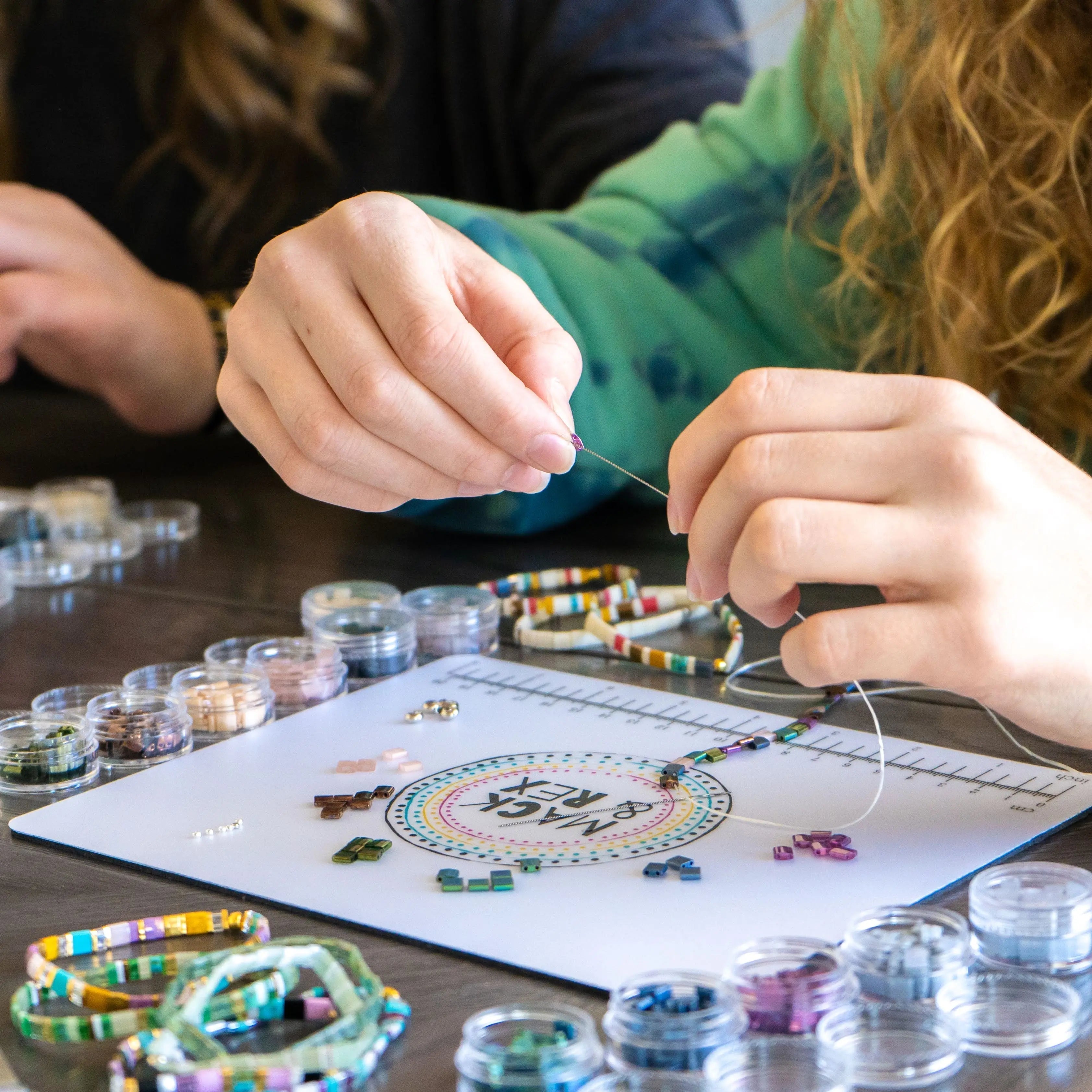
Miyuki is a Japanese glass bead manufacturer, and its Delica and Tila lines are cut to precise, repeatable dimensions, a flat 5mm x 5mm x 1.9mm tile shape for Tila, with two parallel holes spaced the same way on every single bead. That precision is the entire point of buying the brand. Interweave's breakdown of how seed beads are made notes that Japanese seed bead production has long been recognized for tighter shape control than mass-market alternatives, which is why crafters pay a premium for it.
Wikipedia's overview of the seed bead category makes a similar point: bead uniformity directly affects how evenly a beadwork pattern lies once it's strung. A bead that's a hair thicker or thinner than its neighbors throws the whole row out of alignment. That's not a minor cosmetic issue. It's the difference between a bracelet that lies flat on the wrist and one that buckles at a certain spot every time you put it on.
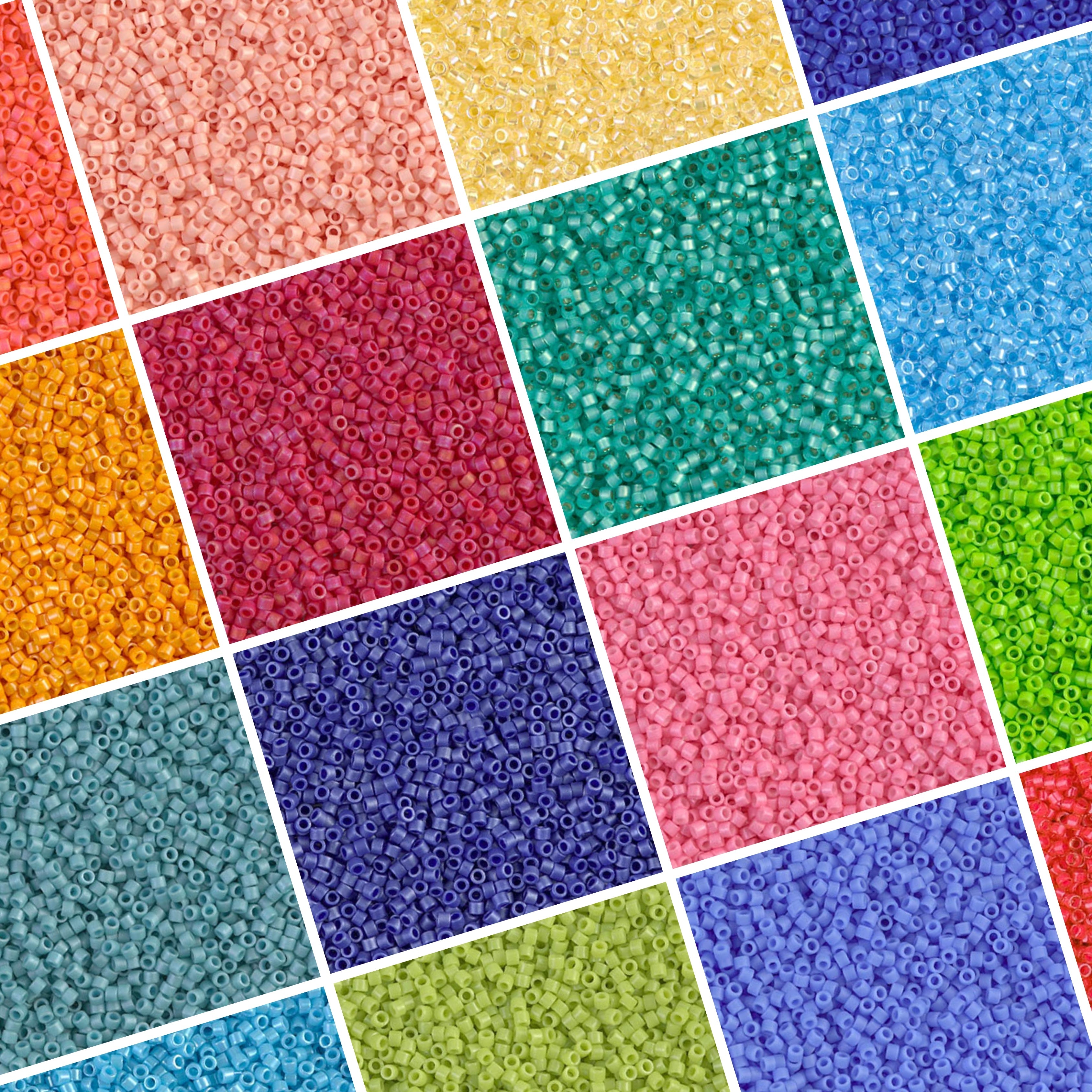
Delica beads, Miyuki's cylindrical line, get held to the same standard. Each one is cut with straight sides and a wide, even hole, which is why loom and bead-weaving patterns rely on them so heavily; the beads pack together with almost no gaps. A Tila bead applies that same manufacturing discipline to a flat, two-hole tile shape instead of a cylinder. Different silhouette, same underlying promise: open ten packs and every bead measures the same.
Do Cheap Bracelet Kits Actually Contain Real Miyuki Beads?
Sometimes, but not always, and there's no way to know without checking the listing carefully. Some budget kits use the word "Miyuki" loosely, or don't use it at all, opting instead for phrases like "glass tila tiles" or "2-hole tile beads" without naming a manufacturer. That's not automatically a scam. It usually just means the beads inside are a generic glass substitute, not the branded Japanese product.
Price is a fair signal, though not a perfect one. Genuine Miyuki Tila mixes typically run somewhere in the $5 to $9 range per pack at a reputable specialty retailer. If a kit bundles what sounds like hundreds of "Miyuki" beads into an ultra-low price with free bonus tools thrown in, that math rarely adds up for authentic Japanese glass. It's not that a low price proves the beads are fake. It's that the beads and the price should make sense together, and when they don't, that's worth a second look.
Four Ways to Check Bead Uniformity and Hole Consistency
Pour a small handful onto a plain surface. Four checks, in order.
Size and shape. Line up ten or so beads. Real Miyuki Tila beads look nearly identical: same width, same thickness, same square-cut edges. Noticeable variation from bead to bead in the same pack is a sign of loosely controlled manufacturing.
Finish evenness. Whether it's matte, opaque, or metallic, the coating should look the same across every bead. Patchy sheen, dull spots next to shiny ones, or coating that looks like it's already flaking off in the package points to a lower-grade product.
Hole placement. Genuine Tila beads have two centered, parallel holes. Thread a needle through a few. It should glide, not catch or require force. Off-center or uneven holes cause snagging and, over time, cord wear at exactly the spot where it's already under the most tension.
Weight and feel. This one takes practice, but real Miyuki glass has a certain density and cool, smooth feel that cheaper glass often doesn't replicate. It's subtle. If you've handled genuine beads before, you'll notice the difference in a substitute pack fairly quickly.
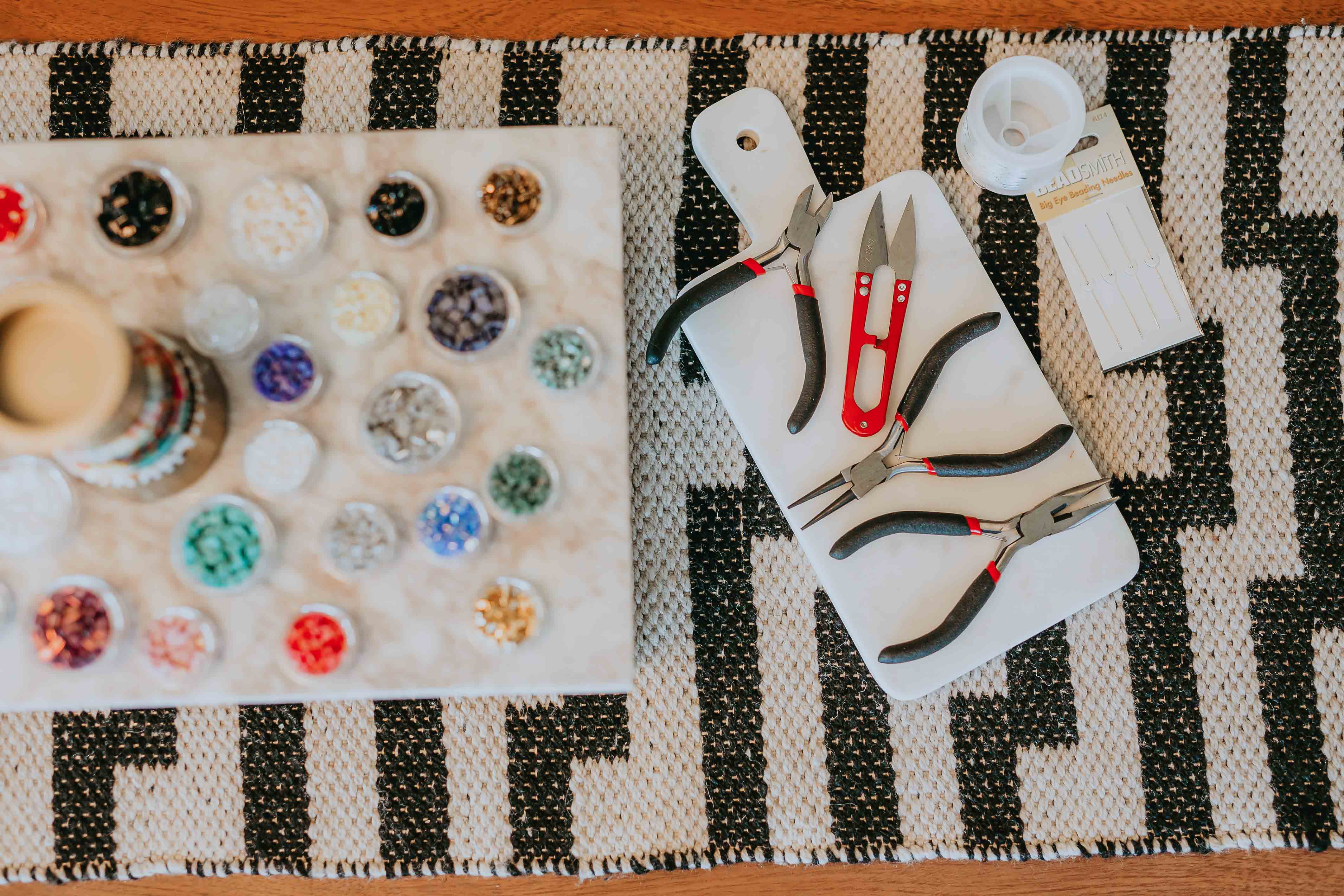
None of these checks require special tools. A kitchen table, decent light, and a spare needle are enough. Run through all four before you start a project, not after you've already strung half a bracelet and noticed the rows don't sit right.
How Does Color Consistency Hold Up Across a Real Miyuki Mix?
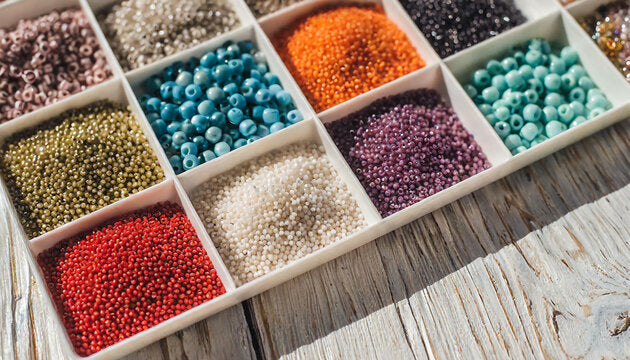
A genuine Miyuki dye lot stays consistent from bead to bead within a color code, so a pack labeled a specific shade actually delivers that shade throughout, not a gradient of near-misses. That matters more than it sounds for anyone building a multi-color pattern or a stack of coordinating bracelets, which is a lot of what bead bracelet kits for adults are built around in the first place.
Generic glass sold without a Miyuki code often comes from mixed batches, so a bag labeled one color can include beads that are visibly warmer, cooler, or duller than the rest. You won't necessarily catch it under store lighting. You will catch it once the bracelet is finished and one section reads slightly off from the rest under daylight. Reviewer Tammy H. mentioned this exact frustration in reverse, saying she was glad to finally find a retailer stocking the specific "hard to find bead colors" she'd been hunting, rather than a close approximation sold under a vague label.
What Should the Packaging and Labeling Tell You?
Genuine Miyuki product listings name the brand outright and usually reference a color code, something like TL2000 for a matte black Tila or DB0010 for a black Delica. That code system is specific to Miyuki, and a retailer selling the real thing will typically list it because crafters use those codes to match colors across projects.
A listing that only says "glass tile beads" or "beading supplies, assorted colors" with no brand name and no code isn't necessarily dishonest. It's just not telling you it's Miyuki, because it probably isn't. Gram weight and bead count matter too: a genuine Miyuki pack lists a specific weight (often measured in grams) with an approximate bead count that scales predictably. A bag that only says "lots of beads!" with no measurement at all is harder to trust, since there's nothing to check the claim against.
Why Real Beads Actually Matter Once They're in a Kit
This is where the authenticity question stops being theoretical. A kit built with genuine, uniform Miyuki beads produces a bracelet that lies flat, keeps its color, and holds up to daily wear, the kind of thing you actually want from bead bracelet kits for adults who plan to wear the finished piece regularly, not just admire it once. One long-time customer wrote that her bracelet was "the 4th I've purchased and I wear it daily," adding that "the elastic has not stretched out and the tiles are as beautiful as the day I got it." That's a durability outcome, and it starts with the bead itself, not just the cord.
Fit is the other half of it. Beads that vary in thickness create uneven tension along a stretch bracelet, so some sections sit tighter than others and the elastic wears unevenly over time. Consistent Miyuki sizing spreads that tension the way it's supposed to spread, which is a big part of why a well-made kit fits smoothly instead of gapping or twisting after a few wears.
Add color consistency on top of durability and fit, and you get the actual point of paying for the branded product. A kit is only as good as what's inside it. Real beads turn a kit into a piece of jewelry that holds up the same way whether it's your first bracelet or your fifteenth.
Is Mack & Rex a Reliable Source for Authentic Beads in a Kit?
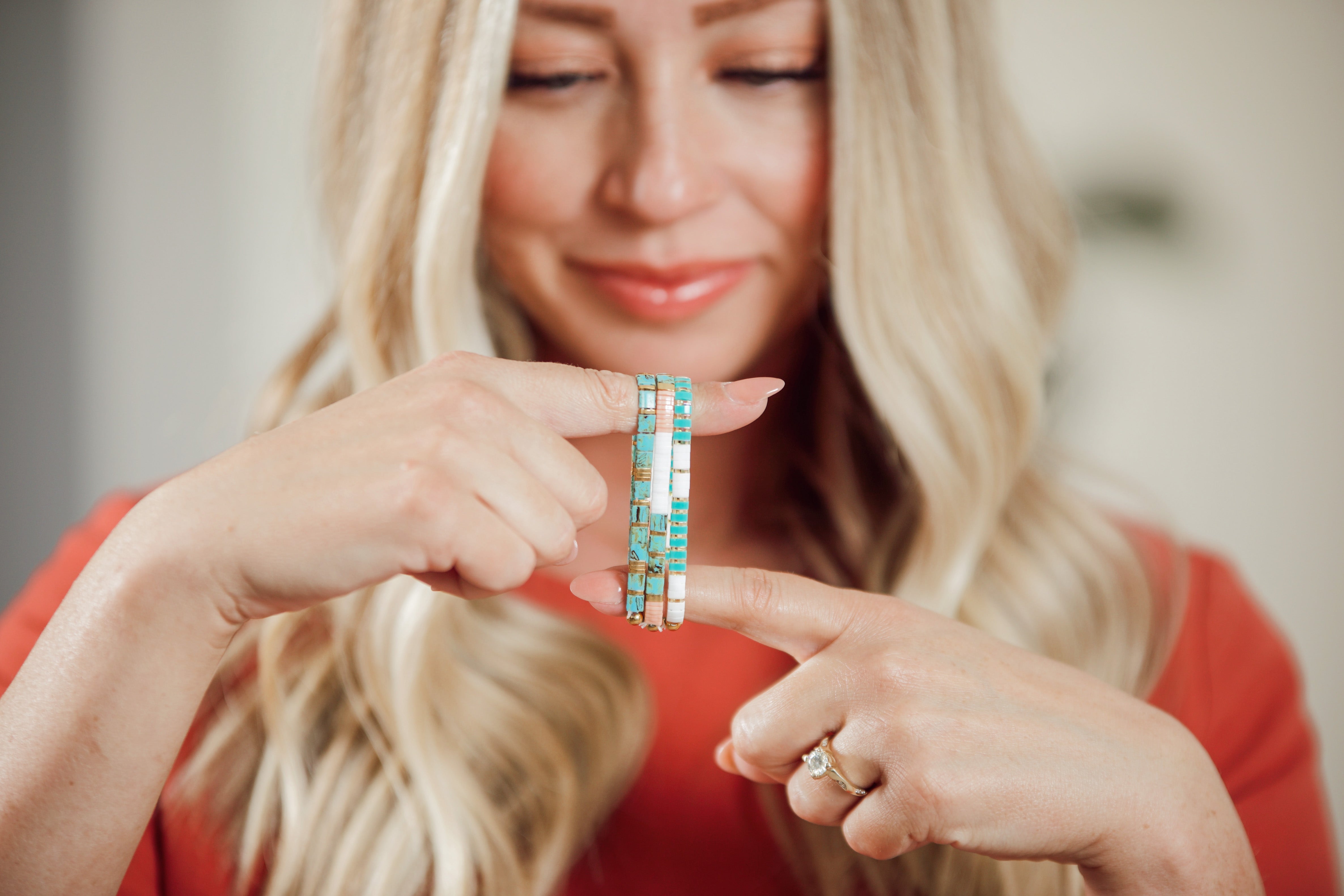
Yes. Mack & Rex sources and sells genuine Miyuki Tila beads across its kits, loose bead mixes, and finished bracelets. To be clear about the brand relationship: Miyuki is the Japanese manufacturer, and Mack & Rex is a retailer that carries the authentic product. Mack & Rex doesn't make the beads; it builds kits and designs around them.
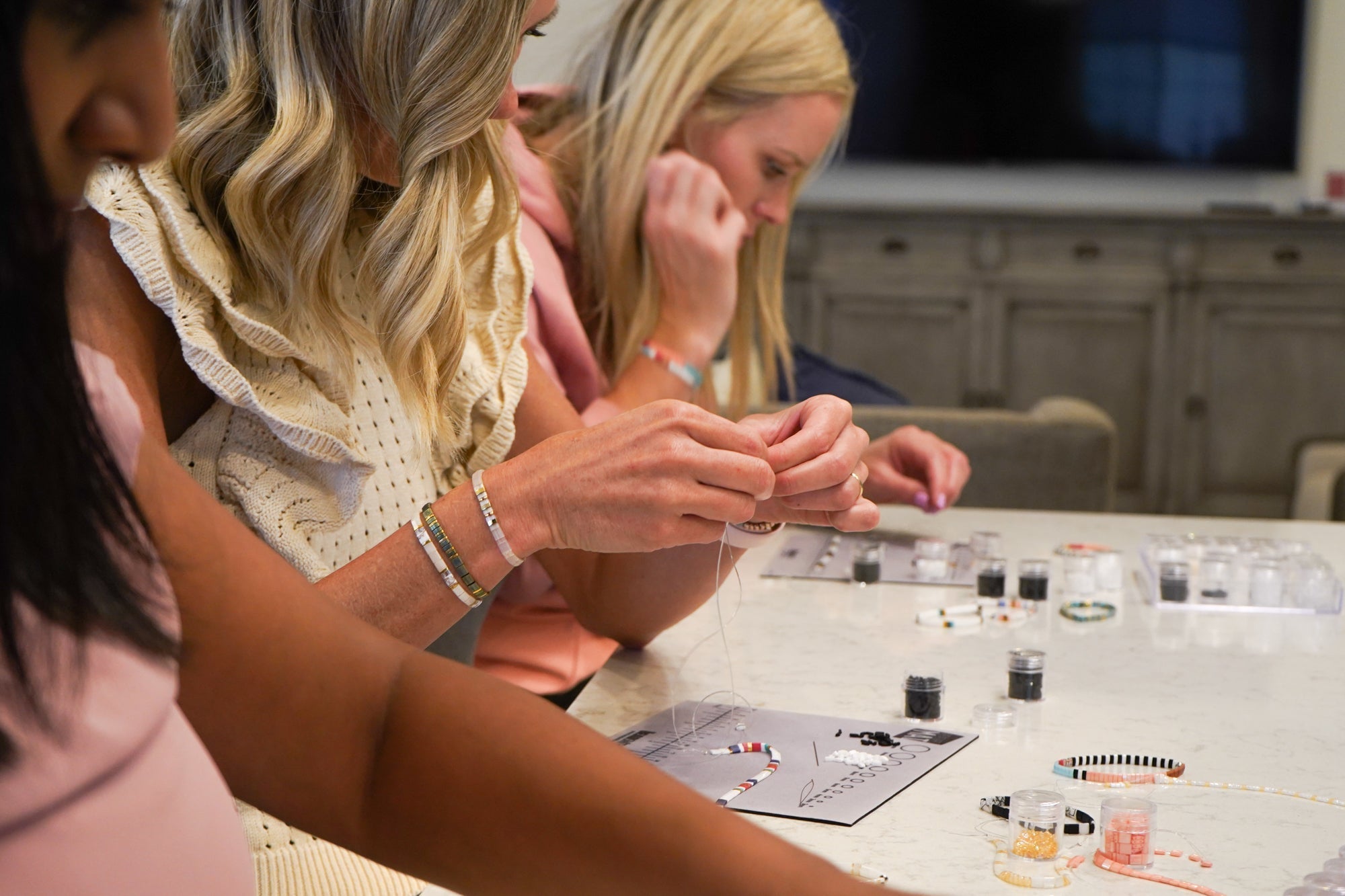
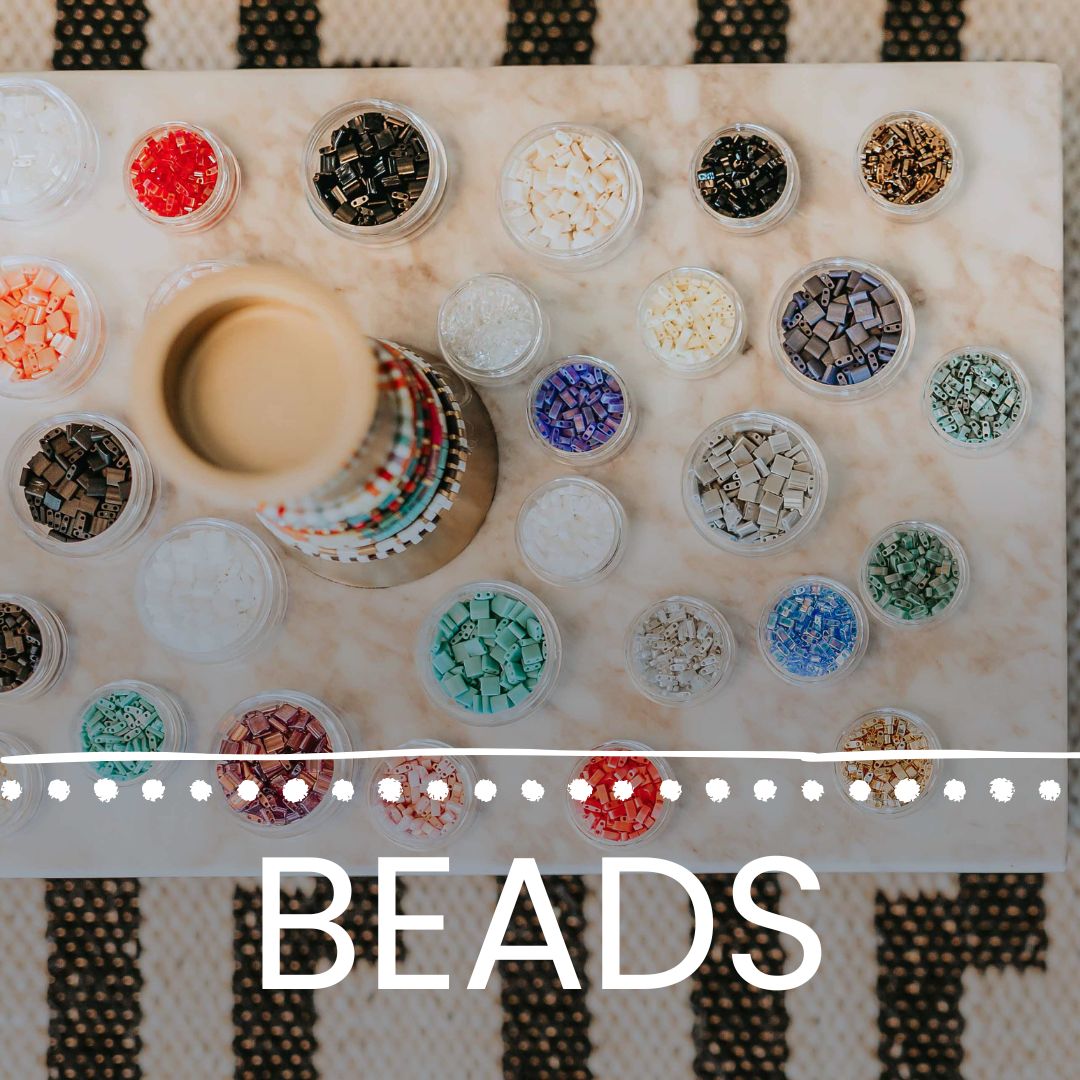
The trio kits, which make three bracelets, run $44.99. The DIY Bracelet Kit Club, also three bracelets, runs $36.99. For a bigger project, the Tila Bead Starter Kit makes 20 bracelets for $189.99, and the Ultimate Tila Bracelet Kit makes 80 for $399.99. Individual tila bead mixes run about $5 to $9. US orders over $100 ship free, a threshold that both the Starter Kit and the Ultimate Kit clear on their own. You can browse the current lineup on the Mack & Rex bracelet-making kits page or shop loose beads and mixes on the bead collection page.
Frequently Asked Questions
Are Amazon Miyuki beads real?
Some are, but plenty of cheap bracelet kits sold online use generic glass tile beads labeled "Miyuki-style" or "tila-style" rather than genuine Miyuki. Check for the Miyuki brand name on the listing, a specific color code, and a price that matches what authentic Japanese glass actually costs to produce.
How can I tell real Miyuki beads from imitation glass beads?
Line up ten beads and check for identical size and thickness, an even matte or metallic finish with no dull patches, and two centered parallel holes a needle passes through smoothly. Genuine Miyuki beads are cut to tight tolerances in Japan, so a real batch looks and feels uniform bead to bead.
Why do real beads matter in a bracelet kit?
Uniform beads sit flat and line up evenly, so a finished bracelet lays smoothly instead of buckling at inconsistent spots. They hold their finish and color through daily wear, and consistent hole size means the elastic cord distributes tension evenly instead of snapping at one weak point.
Does Mack & Rex manufacture Miyuki beads?
No. Miyuki is a Japanese bead manufacturer, and Mack & Rex is a retailer that sources and sells genuine Miyuki Tila beads in its kits, mixes, and finished bracelets. Mack & Rex doesn't make the beads; it carries the authentic product and builds its own designs around it.
Why are some Miyuki-labeled bracelet kits so much cheaper than others?
Genuine Miyuki beads are manufactured to precise tolerances in Japan, which costs more than mass-produced glass from an unspecified source. A kit priced far below the normal range for Miyuki Tila beads, often bundled with vague labeling like "tila-style tiles," is a signal the beads inside are likely a generic substitute.
Want a kit built with the real thing from the start? Browse the Mack & Rex bracelet-making kits, all built with authentic Miyuki Tila beads, with US orders over $100 shipping free.