


How to Style a Silver Ball Bracelet in an Everyday Stack
What Makes a Silver Ball Bracelet the Easiest Piece to Stack?
A silver ball bracelet is a strand of small round beads in a silver finish, and it works with almost any stack because silver reads as neutral rather than as a color choice. It doesn't compete with your tila bead bracelets. It sits behind them, catching light and giving the whole stack a finished look instead of a random pile of beads.
That's the whole reason it shows up so often in bracelet stacks. Bright beads carry the color story. The silver ball bracelet carries the shine, and a little shine goes a long way toward making a five-piece stack look put together rather than thrown on. It's one of the few pieces that works equally well as a solo bracelet or buried in a stack of six.
How Do You Pair a Silver Ball Bracelet with a Tila Bead Stack?
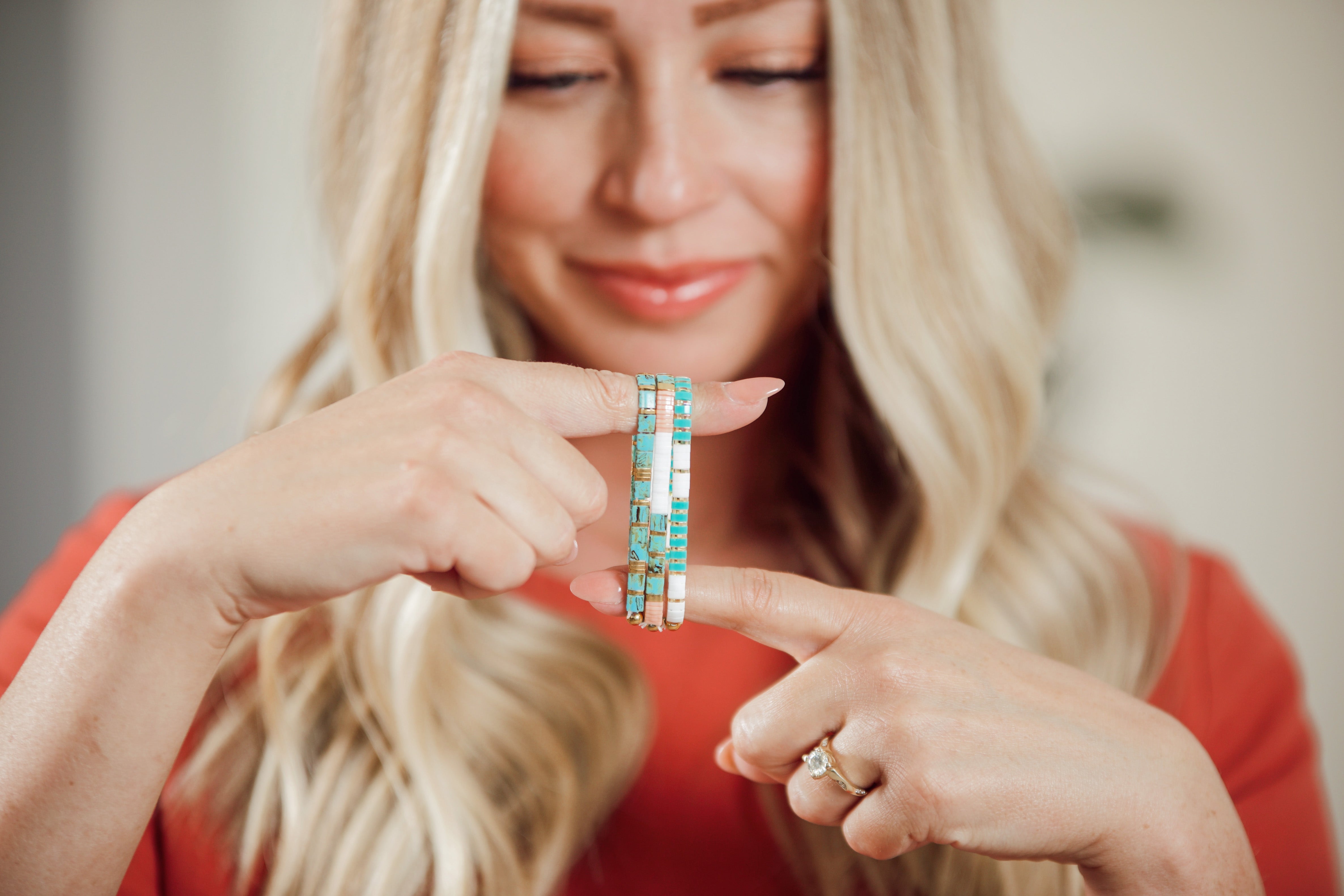
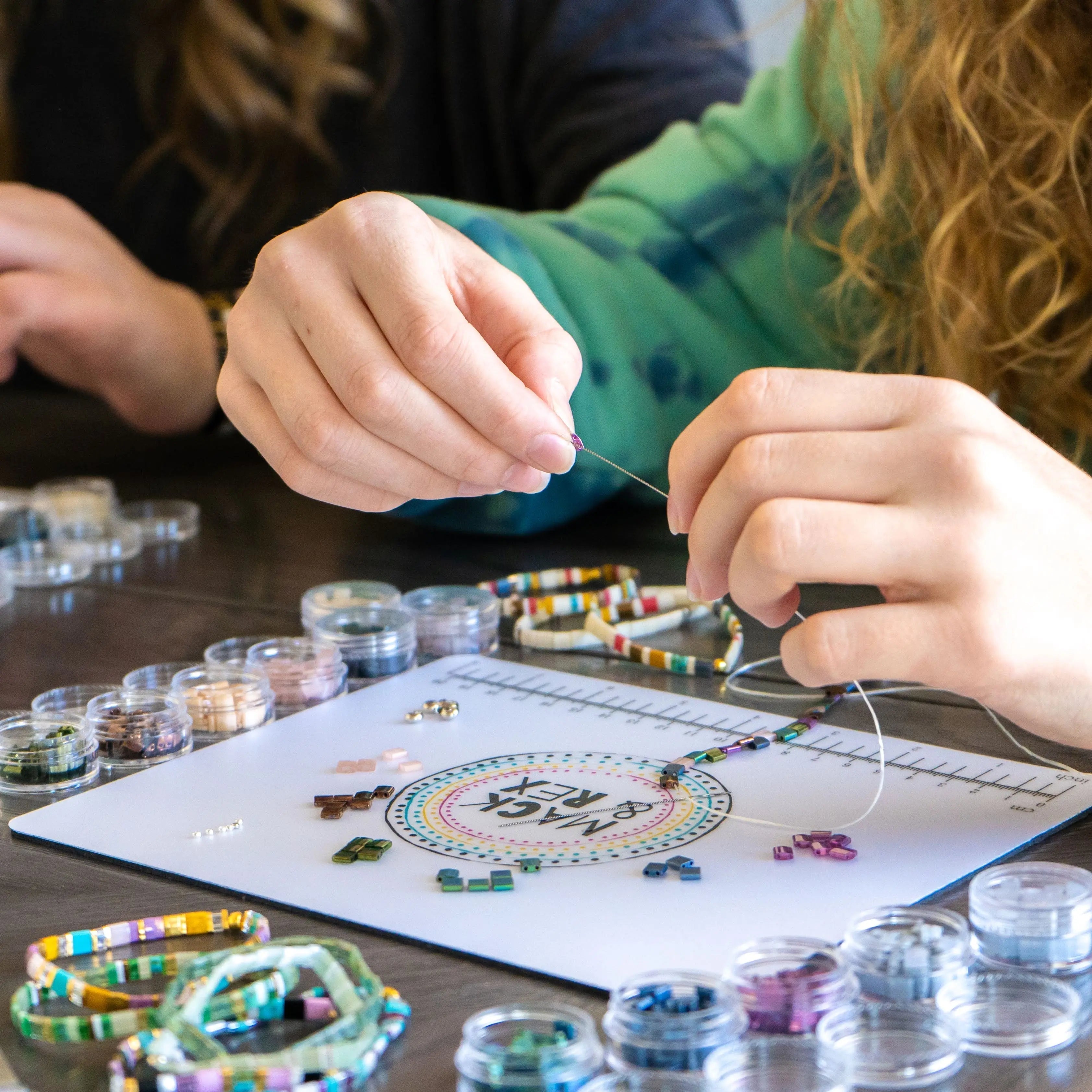
Put the silver ball bracelet next to your flattest, most matte tila piece and let the texture do the work. Round meets flat, shiny meets matte, and the eye moves between the two instead of getting stuck on one bracelet. That contrast is what separates a styled stack from a handful of bracelets worn at the same time.
Tila beads have a flat, tile-shaped surface, which is already a strong contrast to a rounded silver bead. A STAINED or EVERGREEN EDIT bracelet next to a silver ball piece reads as deliberate because the shapes are so different. If your tila stack leans warm (terracotta, olive, tan), the silver stays neutral and doesn't fight the palette. If it leans cool (dusty blue, lavender, sage), silver matches the temperature and blends right in.
One trick worth trying: put the silver ball bracelet in the middle of the stack rather than on the outside edge. It reads as the connective piece that way, the thing tying two tila colorways together instead of one more bracelet in the row.
Should You Mix Metals or Keep It Monochrome?
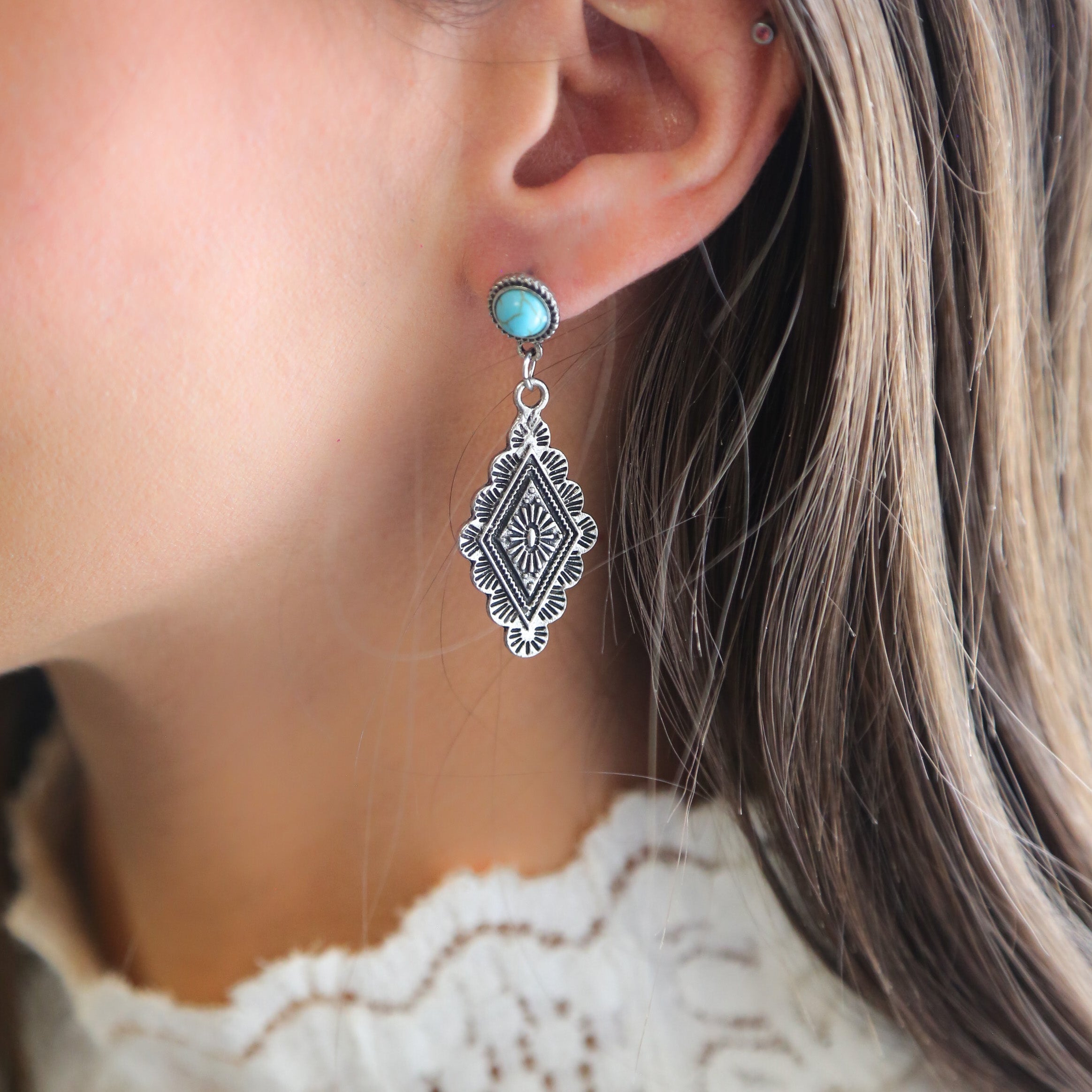
Either works, but pick one to lead. A stack where silver clearly dominates, with a touch of gold in an earring or a single thin accent bracelet, looks intentional. A stack split evenly between silver and gold tends to look like two different outfits got tangled together.
Monochrome silver is the safer starting point if you're new to stacking. Every piece shares the same finish, so nothing has to be matched, only layered. Once you're comfortable with that, add one warm-metal piece and see how it changes the stack. WhoWhatWear's stacking guide makes a similar point: a stack reads as styled when one metal or material leads and everything else supports it, rather than every piece competing for attention.
Sterling silver itself is worth knowing a little about here. It's an alloy, roughly 92.5 percent pure silver mixed with other metals for strength, according to the Silver Institute. That mix is why it holds its shape and shine better than pure silver would on its own, and why it's a common choice for everyday accent pieces meant to be worn often.
How Do You Style It for Everyday Wear vs a Dressed-Up Look?
For everyday wear, keep the stack simple: a silver ball bracelet plus one or two tila bead bracelets, nothing else competing for attention. Add earrings and it starts to feel dressed up fast. Silver ball bracelets move easily between both because the base piece never changes, only what you build around it.
On a regular day, three bracelets and stud earrings is a complete look. You don't need to plan it. For something dressier, add a fourth piece, maybe a thin gold accent bracelet on the opposite wrist, and swap studs for small hoops or drop earrings. The silver ball bracelet does the same job in both settings. It's the constant that lets everything else shift around it.
Short version: fewer pieces reads casual, more pieces reads styled. The silver ball bracelet works at both ends of that range without needing to be swapped out.
How Should a Silver Ball Bracelet Fit So It Stays Put?
Fit matters more than bead count. A stretch bracelet that's slightly too big will slide toward your knuckles all day, twist your stack out of order, and generally annoy you more than it should. One that's built on quality elastic cord and sized correctly should sit at the wrist and stay there through a normal day, workouts included.
This is where inclusive sizing actually matters, not as a marketing line but as a fit problem. Wrists range widely, and a bracelet that fits a small wrist perfectly will spin loosely on a larger one. Mack & Rex's sterling silver collection is built with the same range of sizes as the rest of the bracelets, XXS through 5XL, so the silver piece anchoring your stack fits the same way the tila pieces around it do.
A quick care note while you're thinking about fit: sterling silver can dull or tarnish with sweat, lotion, and everyday wear. WikiHow's guide to cleaning sterling silver recommends a soft polishing cloth and keeping pieces away from chlorine and harsh cleaning products, both of which also weaken elastic cord over time. Take the stack off before a pool day and it'll hold up a lot longer.
How Many Bracelets Should Be in the Stack, and Where Does Silver Go?
Three to five bracelets is the sweet spot for most wrists, with the silver ball bracelet anchoring the middle or one end. Fewer than three can look sparse if the pieces are thin. More than five starts to feel heavy and the individual bracelets stop reading as distinct pieces.
A stack that works reliably: one silver ball bracelet, two tila bead bracelets in coordinating tones, and one slim accent piece to fill the gap. That's four pieces total, and it covers texture (silver plus matte tila), color (your chosen tila palette), and scale (the thin accent keeps it from feeling bulky). Add a fifth piece only if your wrist has room and you actually want more shine or color, not because a stack "needs" an odd number.
Ready to Build a Silver-Forward Stack?
A silver ball bracelet earns its spot in a jewelry box fast because it works with everything you already own, and everything you're about to buy. Start with one, build a tila stack around it, and adjust the mix as you figure out what you reach for most.
Browse Mack & Rex's sterling silver collection for accent pieces sized to match your tila bead bracelets, XXS through 5XL. Buy three finished bracelets and get a fourth free, no code needed, so a starter stack costs less to put together than buying pieces one at a time. US orders over $100 ship free. Grab a silver anchor piece and a couple of tila bracelets, and you've got a stack that works for a Tuesday and a night out.
Frequently Asked Questions
What is a silver ball bracelet made of?
Most silver ball bracelets use small round beads strung on elastic cord, made from sterling silver, silver-plated metal, or metal-coated glass. Sterling silver is 92.5 percent pure silver alloyed with other metals for strength. The finish, weight, and price vary by material, so check the listing if that detail matters to you.
Can I mix silver with other metals in a bracelet stack?
Yes, mixed metals work fine in a stack as long as one metal leads. Let silver dominate the wrist and use gold or rose gold sparingly, in an earring, a clasp, or one thin accent piece. A stack that's evenly split between two metals tends to look unplanned rather than intentional.
How many bracelets should I stack with a silver ball bracelet?
Three to five bracelets works for most wrists, with the silver ball piece as the anchor. Start with one tila bead bracelet for texture and one slim accent piece for balance, then add from there. Odd numbers tend to look more finished than even ones, though there's no strict rule.
Will a silver ball bracelet tarnish or turn my wrist green?
Sterling silver can tarnish over time from air exposure, but it won't turn skin green the way base metal alloys can. A quick polish with a soft cloth restores the shine. Silver-plated pieces are more prone to fading with heavy wear, so rotating pieces instead of wearing one bracelet daily helps it last.
How do I keep a bracelet stack from sliding around on my wrist?
Fit is the fix, not more bracelets. A stretch bracelet should sit snug enough to stay put through normal movement without pinching. Get your wrist measured or use a sizing chart before you buy, and choose a store with a wide size range so you're not stuck between two options.