

Is Bracelet Making a Good Hobby? How to Get Started
Is Bracelet Making a Good Hobby?
Yes. Bracelet making is a good hobby because it's cheap to start (most kits run $35 to $45), it's genuinely relaxing to do, it's forgiving for total beginners, and you get a wearable, giftable result the same day you start. Few hobbies clear all four bars at once.
That's the short answer. Here's the longer one, plus exactly how to get started if you've never strung a bead in your life.
Why Does Bracelet Making Make Such a Good Hobby?
Four reasons keep coming up when people try it and stick with it.
It's cheap to start
You don't need a workbench, a kiln, or $200 in starter tools. A single beginner kit, usually $35 to $45, gets you beads, stretch cord, and instructions in one box. Compare that to woodworking, pottery, or even knitting with good yarn, and bracelet making wins on cost of entry by a wide margin.
It's relaxing in a specific way
Stringing beads is repetitive, tactile, and doesn't ask much of your working memory once you've got the pattern down. Researchers who study crafting describe this kind of repetitive, hands-on work as a way to lower stress and bring on a calm, focused state, similar to what people report from knitting or drawing.1 You can do it in front of the TV, on a porch, or at a kitchen table while half-listening to a podcast.
It's forgiving for beginners
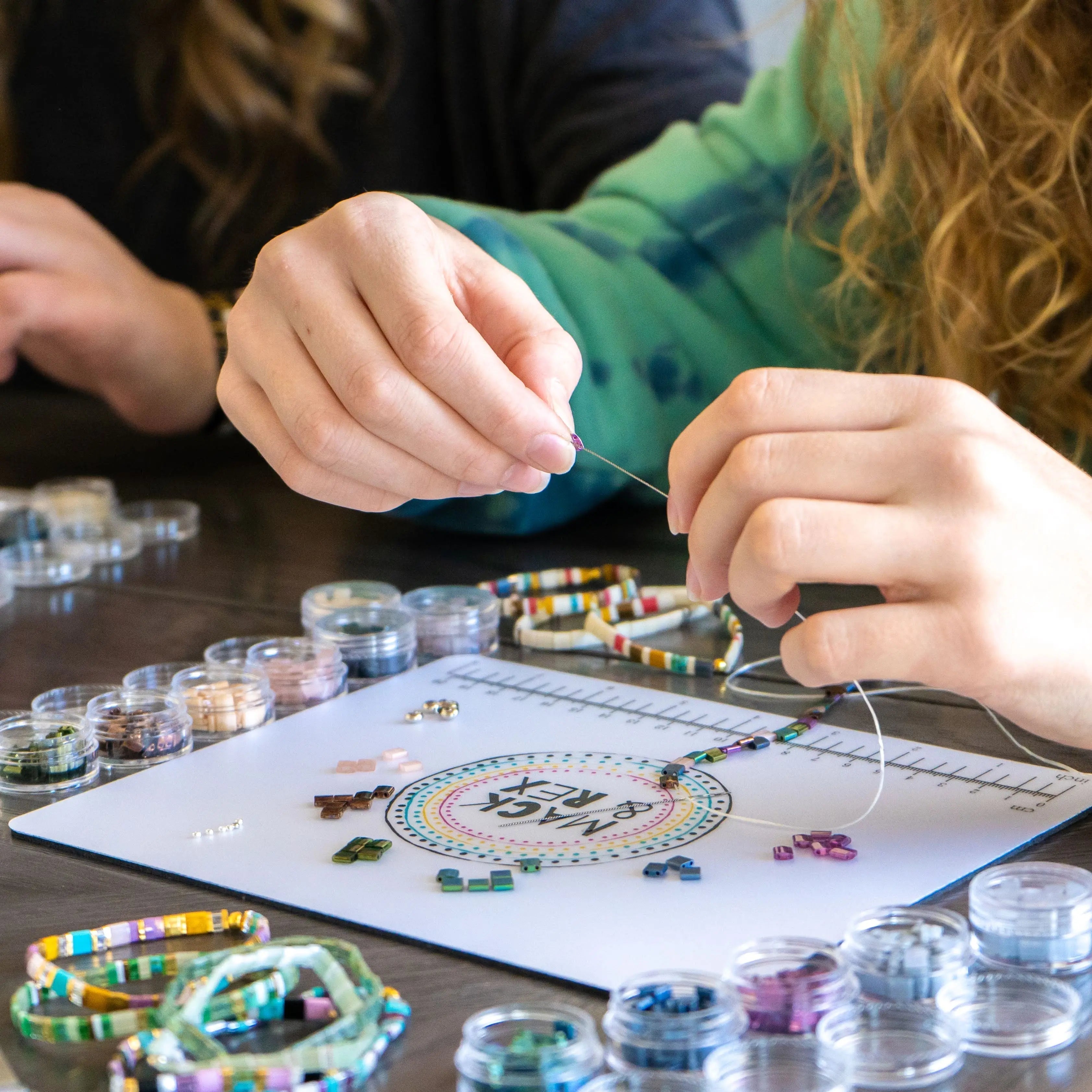
Bead patterns don't demand precision the way, say, embroidery does. If a color sits slightly off from where you planned, the bracelet still looks intentional. Flat, two-hole beads like Tila beads sit against each other cleanly, so even a first attempt looks tiled and even rather than lumpy.2
You finish with something real
This is the part a lot of hobbies miss. A half-finished sweater doesn't do anything for you. A bracelet, even a rough first one, is wearable the minute you tie it off. Make a few and you've got gifts, no extra project required.
It travels
Bead kits fit in a tote bag. No kiln, no loom, no drying time between steps. People make bracelets on flights, at kids' soccer practice, on a couch during a show they're half-watching. Try packing a sewing machine for that.
How Much Does It Actually Cost to Start?
Less than most hobbies people consider "affordable." A beginner bracelet making kit that makes three finished bracelets runs about $45. A smaller kit club option lands closer to $37. An all-in-one tools and supplies kit sits around $40 to $44. None of that requires a second purchase before your first project, since cord, beads, and instructions come together.
Shipping is calculated at checkout and Mack & Rex ships internationally, with any customs or duties figured in there too. US orders over $100 ship free. One kit alone won't clear that threshold, but if you're grabbing two or three palettes at once, it's worth checking.
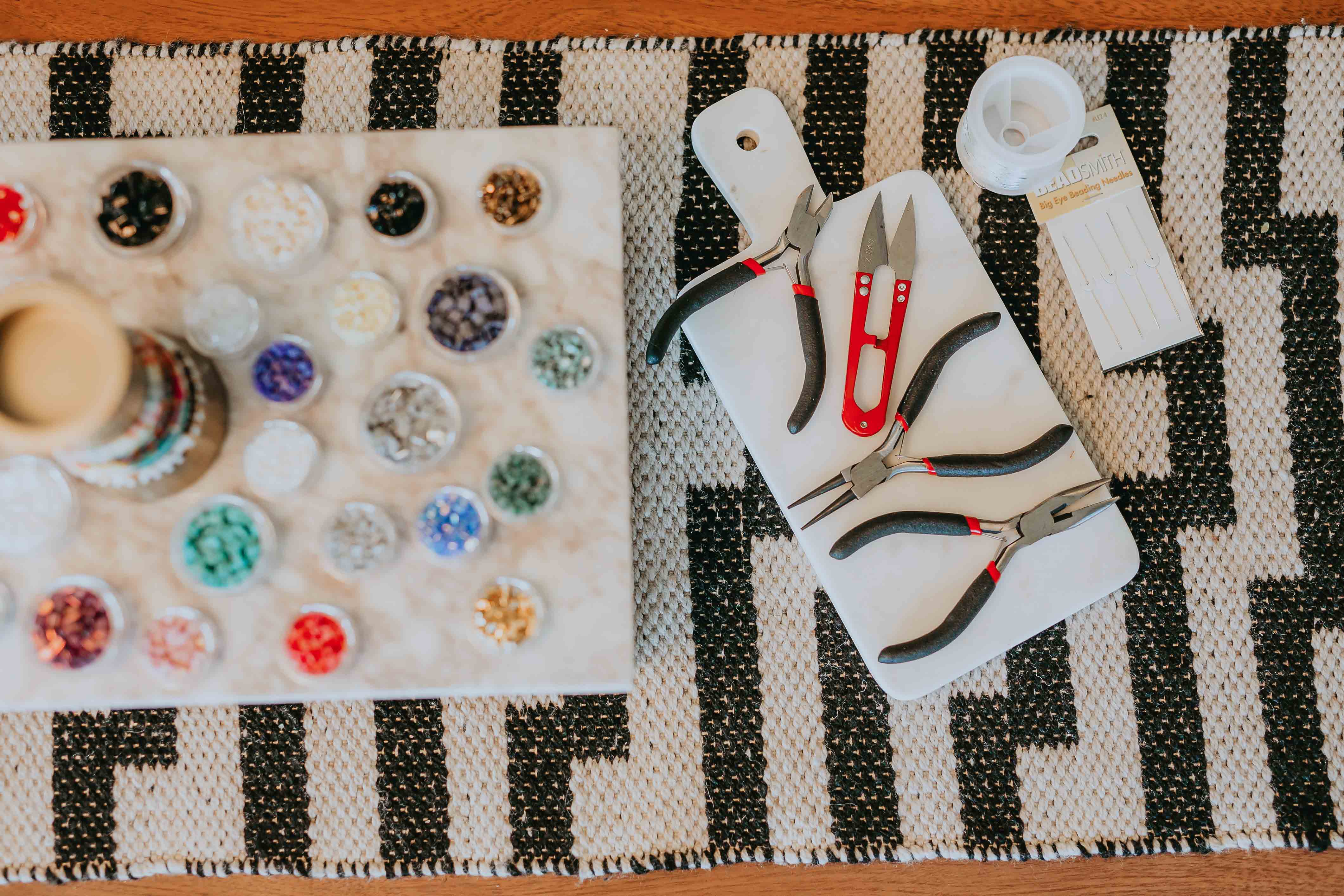
Compare that to the ongoing cost of most hobbies. Golf needs clubs, greens fees, and a cart. Painting needs canvases, brushes, and paint you'll keep replacing. A bracelet making kit is closer to a one-time buy: once you own the side cutters and crimping tools from an all-in-one tools kit, you're mostly just restocking beads, and a single bead mix bag runs about $5 to $9 and makes 20 or more bracelets on its own.
What Do You Actually Need to Get Started?
Three things, and a good kit hands you all three.
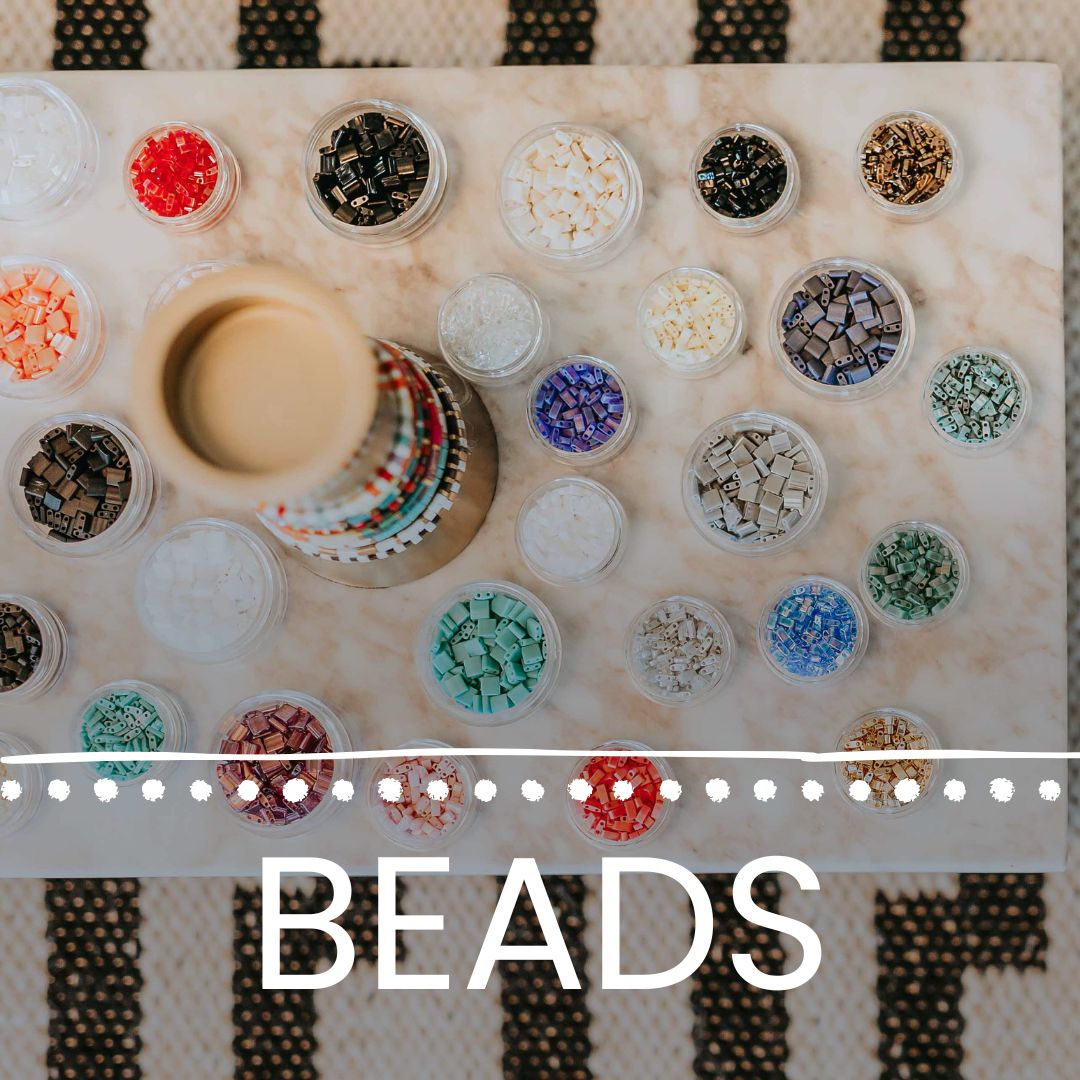
- Beads. Tila beads (flat, square, two-hole Japanese glass beads made by Miyuki) are a common choice because they sit flush against each other and stack cleanly on the wrist.
- Stretch cord. Crystal-cord elastic holds up to repeated wear better than basic clear elastic, which tends to stretch out and go cloudy.
- A sizing guide and basic instructions. Even a short one-page guide saves a beginner from guessing at wrist measurements or bead counts.
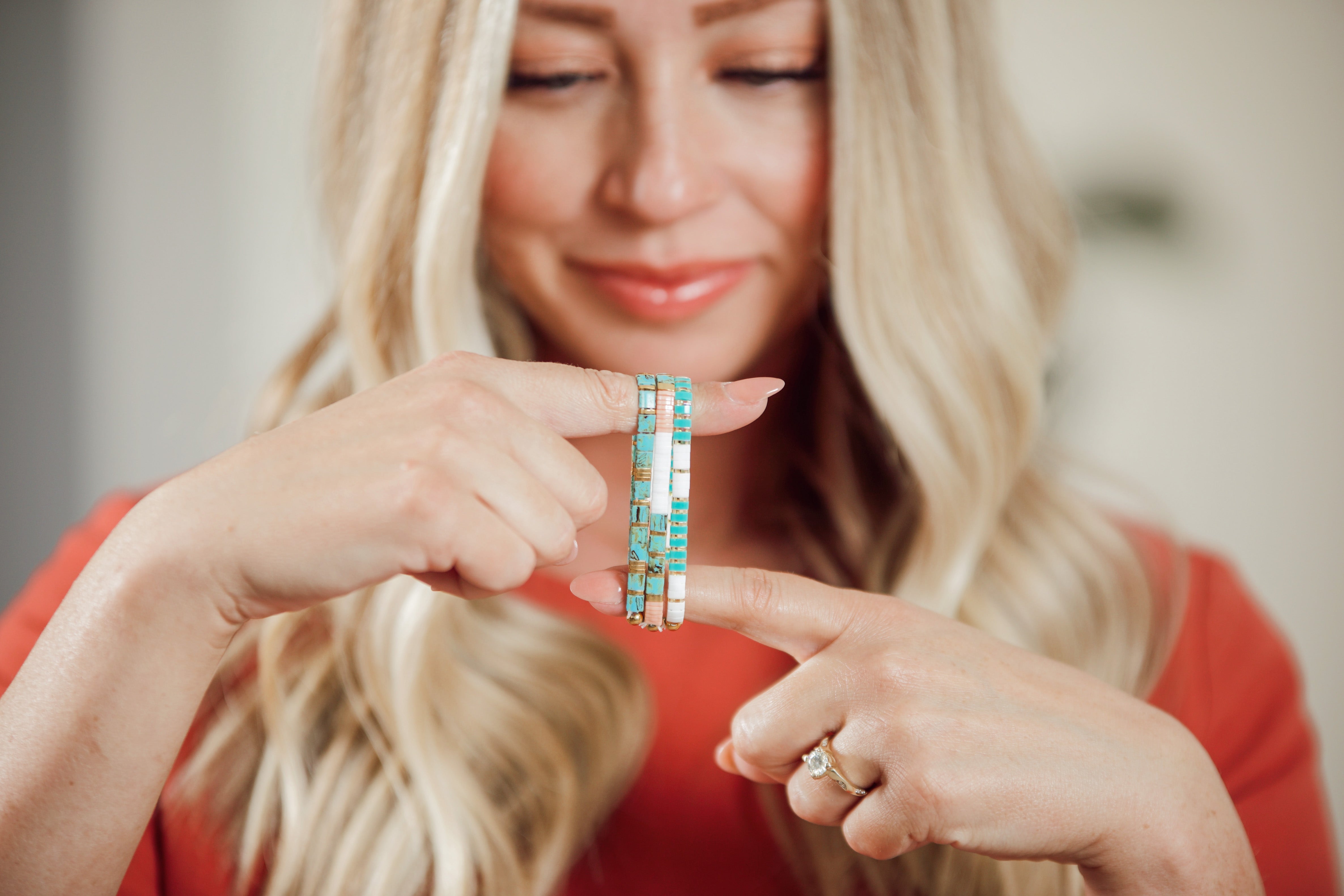
Mack & Rex bracelet making kits bundle all three. The beads are real Miyuki Tila beads (Mack & Rex resells them rather than making a house-brand substitute), paired with crystal-cord elastic and a curated color palette, so your first bracelet looks like you planned it.
How to Get Started Making Bracelets, Step by Step
Here's the actual sequence, start to finish.
- Pick a kit, not loose beads. For your first project, skip the à la carte bead bags. A kit removes the guesswork on quantities and color pairing.
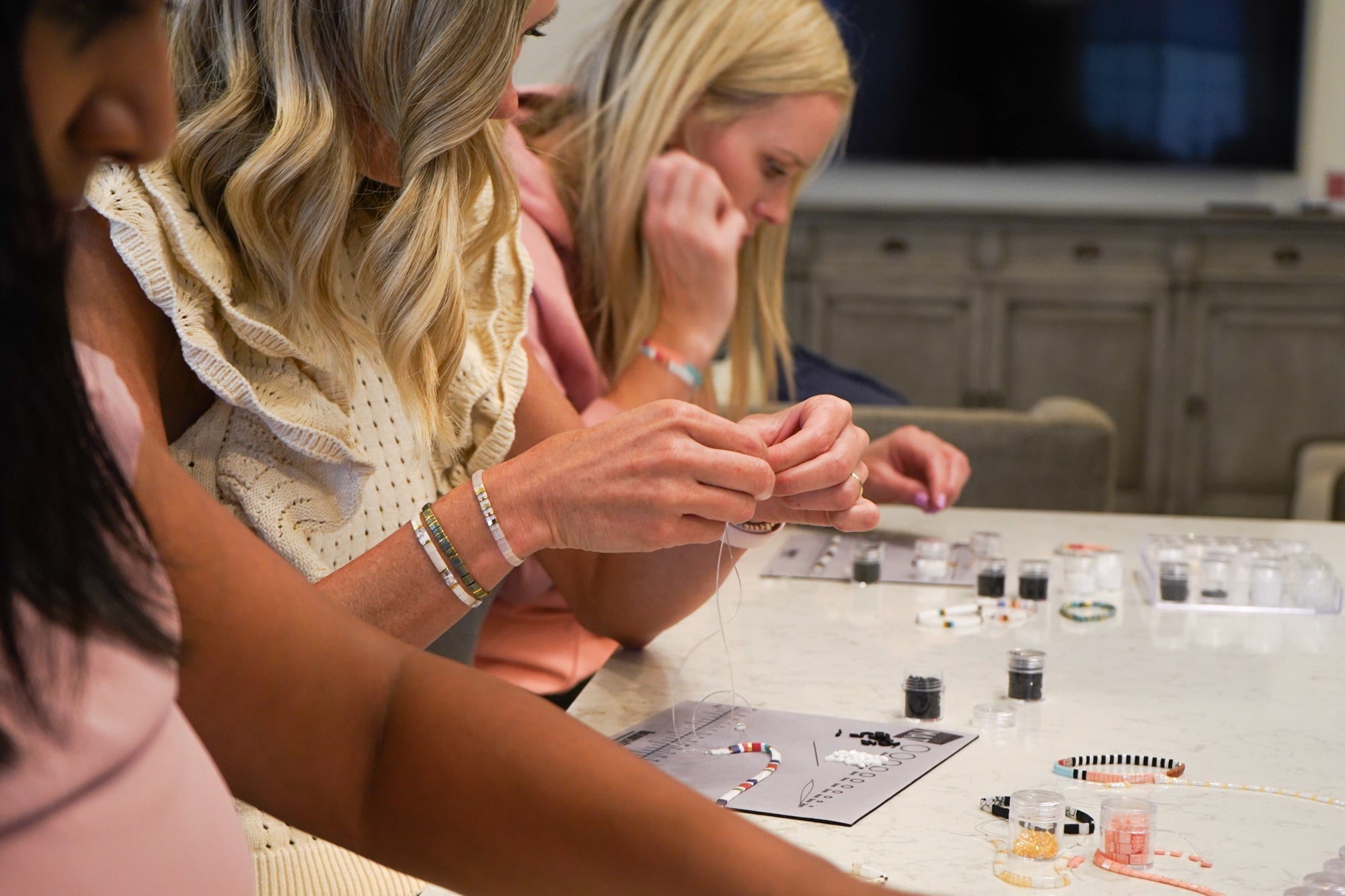
- Set up a flat surface. A tray or a rimmed plate keeps beads from rolling onto the floor. Good light helps more than you'd think, especially with small beads.
- Measure your wrist first. Wrap a tape measure or a strip of paper around your wrist before you string a single bead. Stretch cord should sit snug.
- Follow the kit's layout. Most kits include a suggested pattern. Use it the first time through, then improvise once you understand how the colors sit together.
- Knot and trim. Tie off with a secure double knot, trim the extra cord close, and tuck the end inside a bead if your kit suggests it.
- Wear it or give it away. That's the whole project. Most beginners are already eyeing a second color combo before the first one's even dry from handling.
Beginner jewelry-making guides consistently point to the same thing: start small, use a kit for your first project, and build toward loose beads and custom mixes once you've got the mechanics down.3
A Note on Safety Before You Start
Beads are small parts and a real choking hazard for young children. If kids are part of your bracelet-making session, adult supervision is required the entire time. It's a great activity for older kids and teens crafting alongside a parent or grandparent, but it should stay supervised, not a solo project for little ones.
Frequently Asked Questions
Is bracelet making a good hobby for adults?
Yes. It's cheap to start, portable, and doesn't require a dedicated workspace. Adults pick it up for the same reasons they pick up knitting or puzzles: it's calming, it produces a real result fast, and it fits into small windows of free time.
How much does it cost to start bracelet making?
A beginner bracelet making kit typically runs in the $35 to $45 range and includes enough beads and cord for several bracelets. That's lower than most hobbies that require dedicated tools or ongoing supply costs.
Do I need any experience to start making bracelets?
No. A beginner kit with pre-sorted beads, stretch cord, and simple instructions is built for someone who has never strung a bead. Most people finish their first bracelet in under an hour.
Is bracelet making safe to do with kids?
Beads are small parts and a choking hazard for young children, so bracelet making with kids needs adult supervision the whole time. It works well as a supervised activity for older kids and teens crafting alongside a parent or grandparent.
What's the best way to get started with bracelet making?
Skip loose beads for your first project and start with a kit that includes beads, cord, and instructions together. Mack & Rex bracelet making kits are built for this, with a curated bead mix so your first bracelet looks finished, not improvised.
Ready to Start Your First Bracelet?
If you've been asking yourself whether bracelet making is worth trying, the easiest way to find out is to just start one. Browse the full range of Mack & Rex bracelet making kits and pick a palette that fits you. US orders over $100 ship free, and international orders ship too, with duties calculated at checkout.